
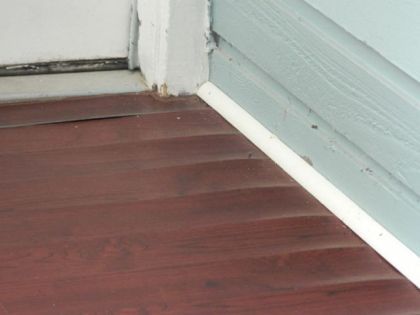
Buckling
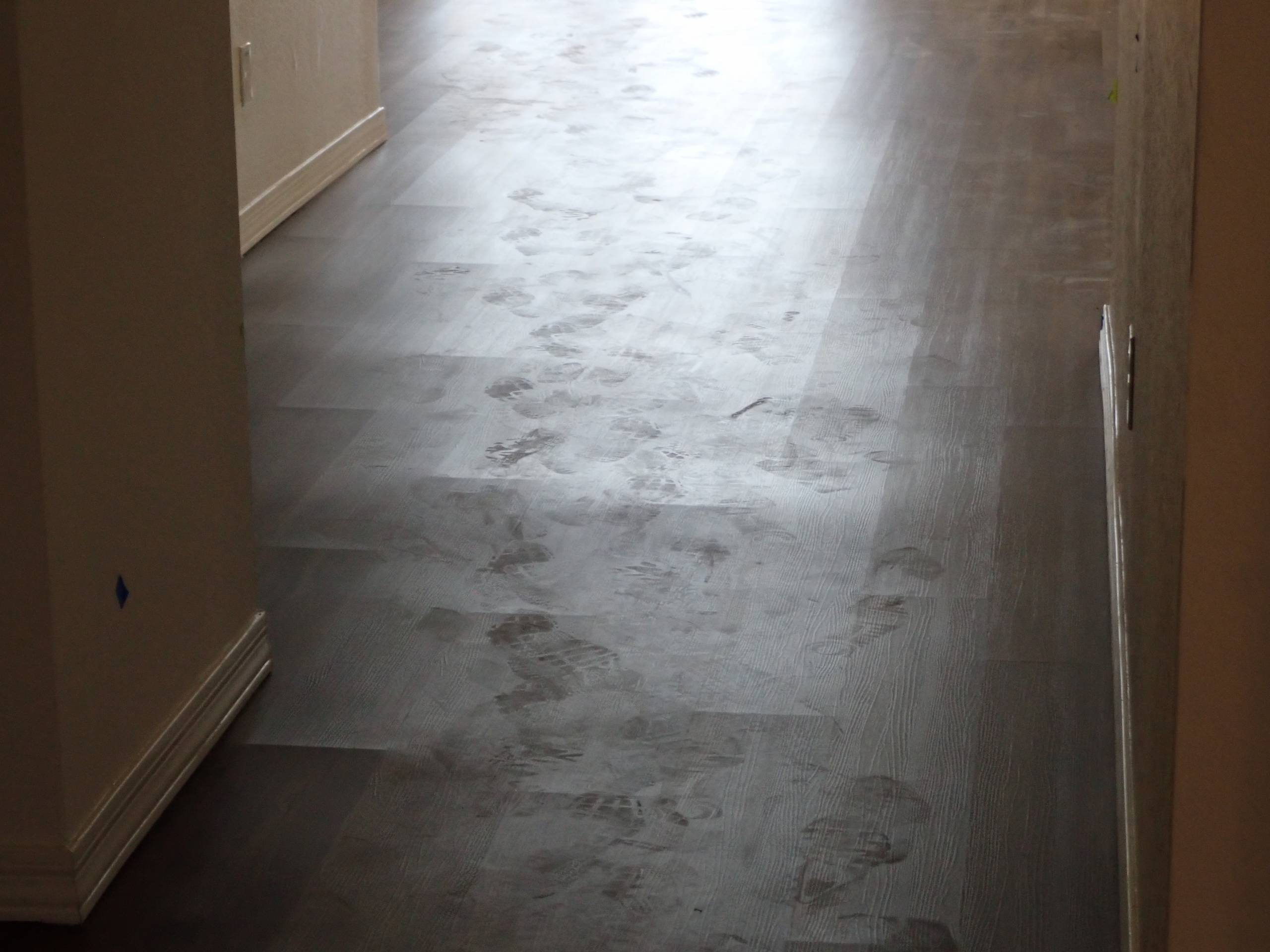
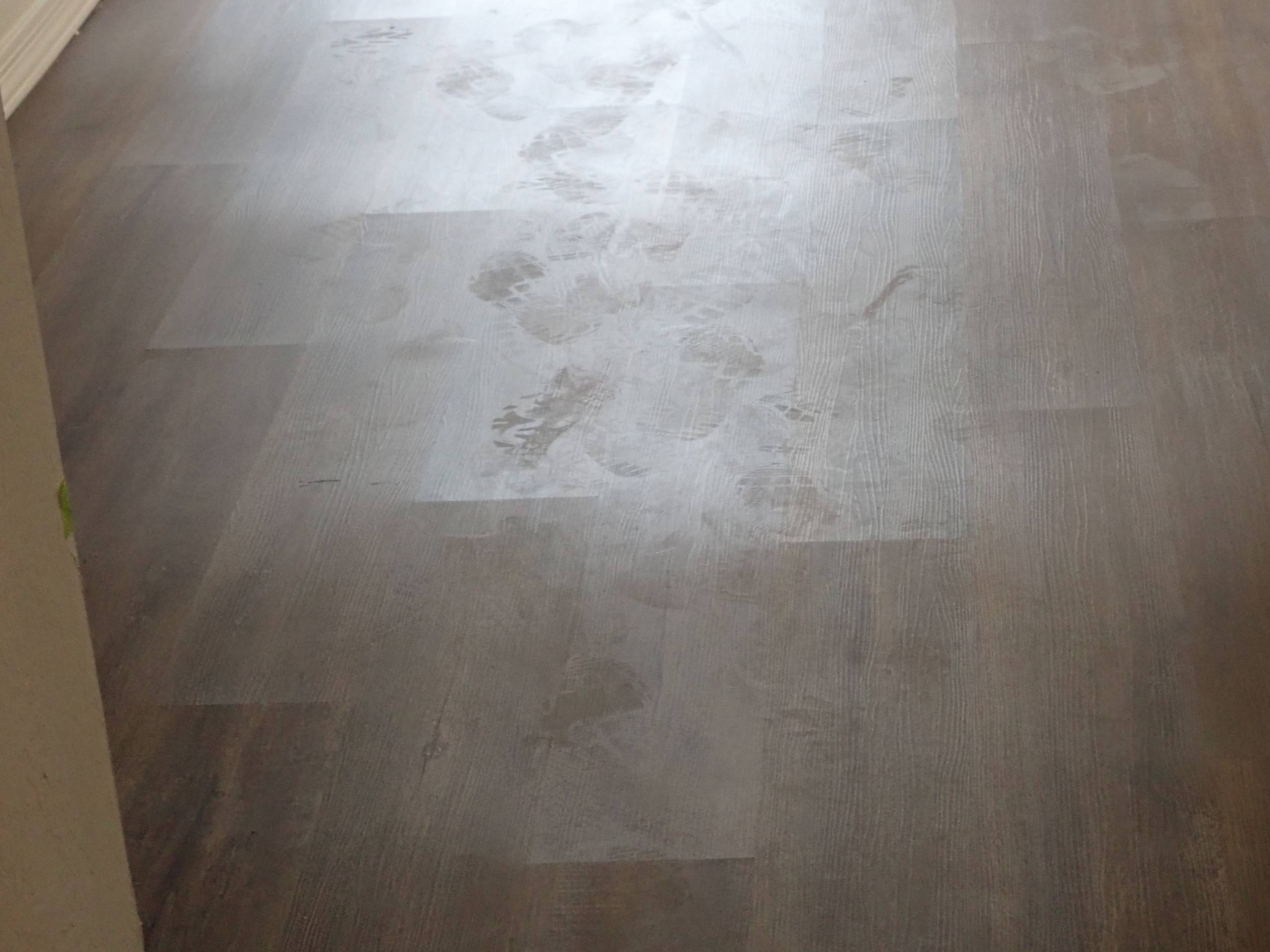
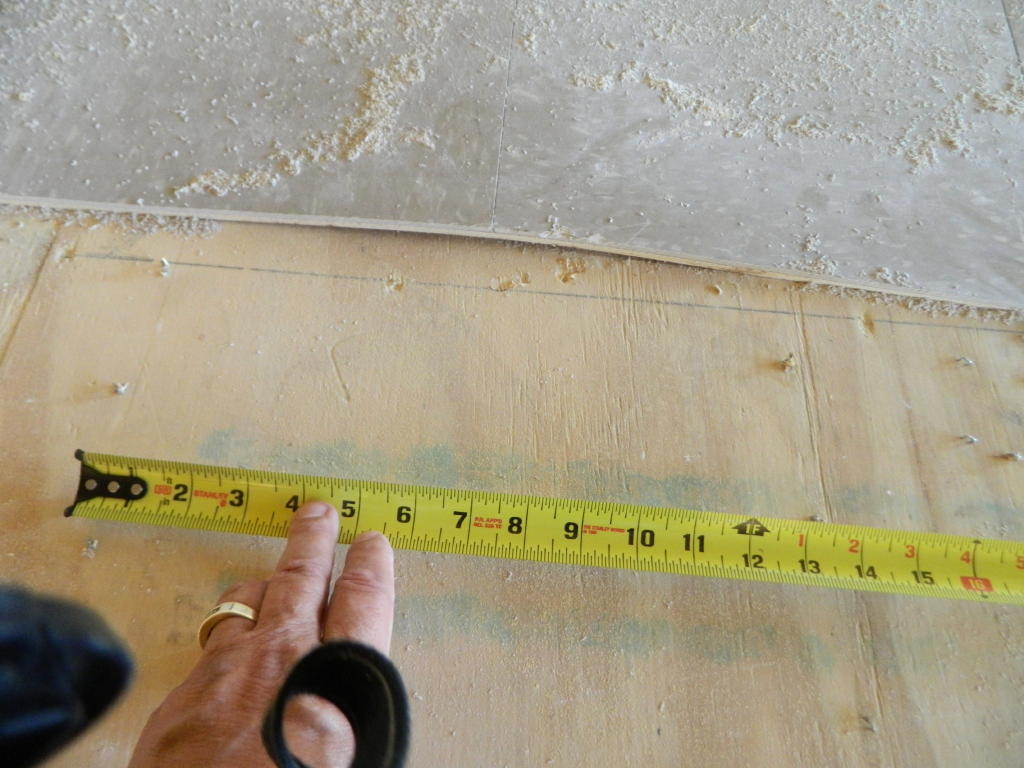
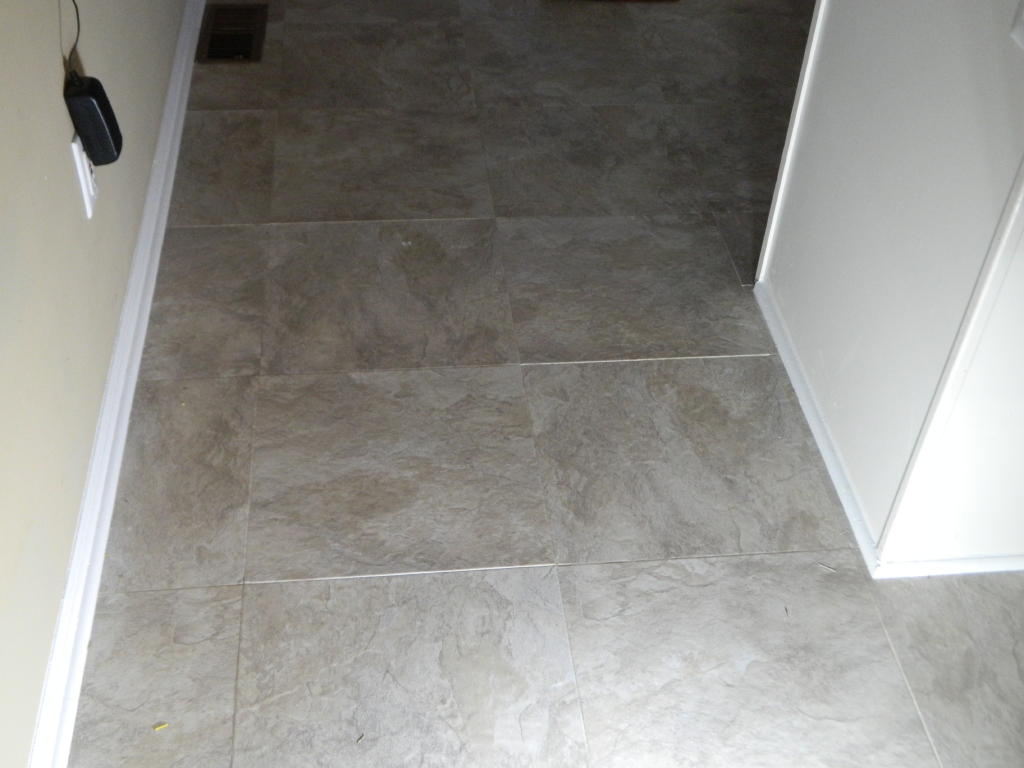
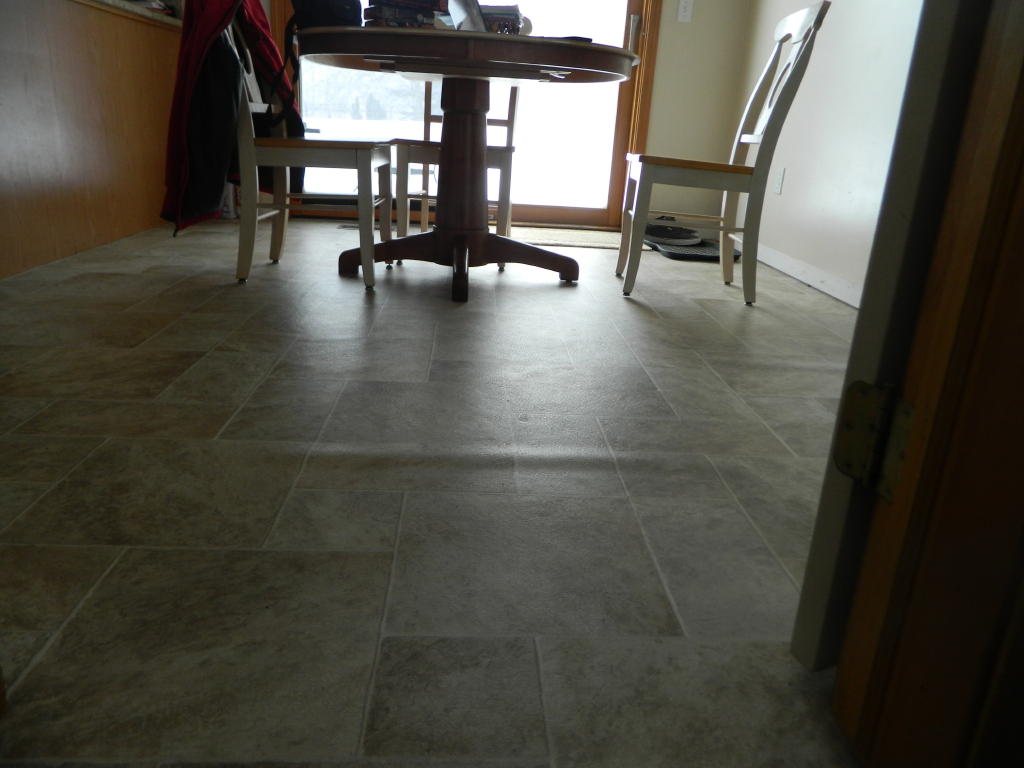
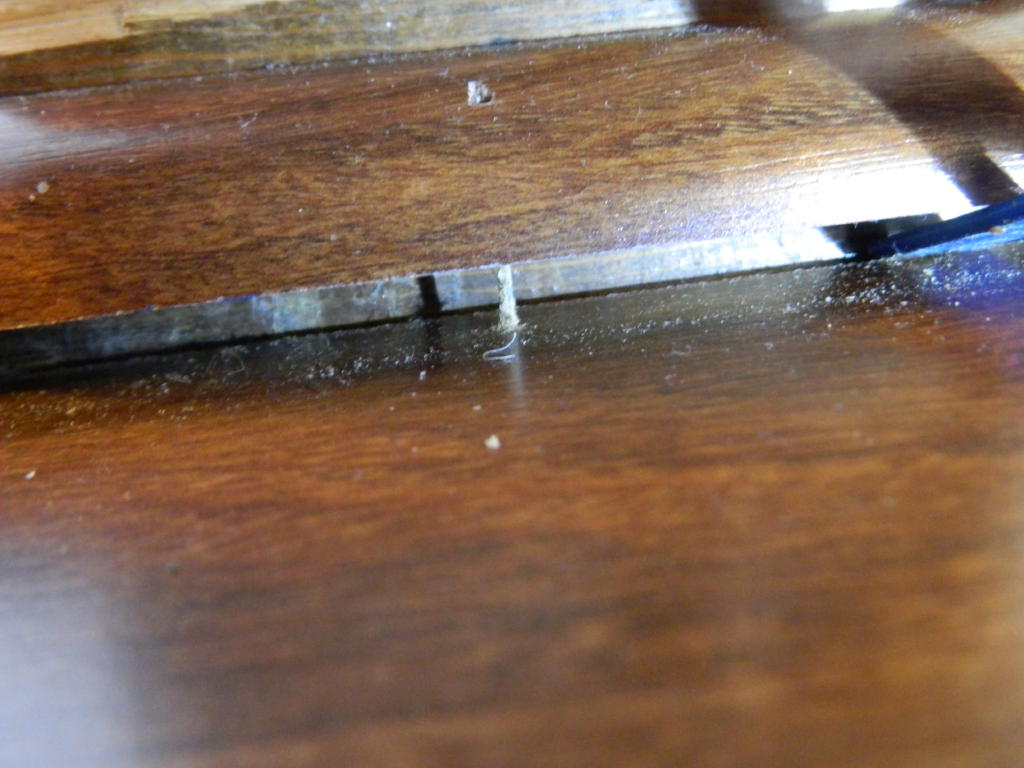
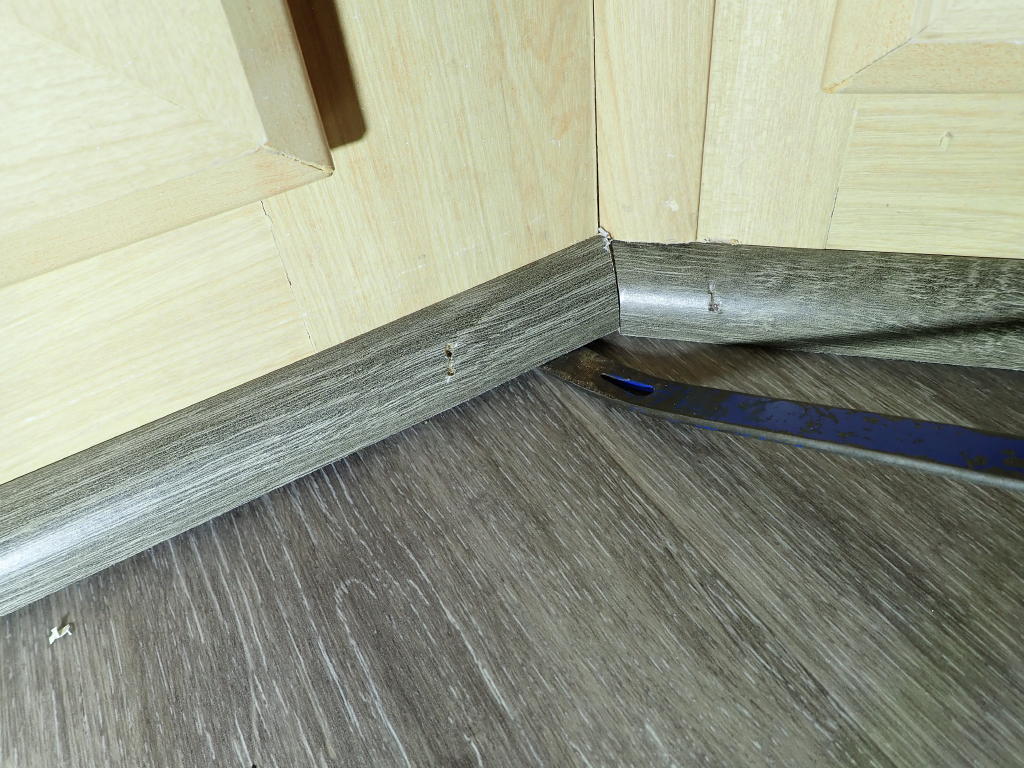
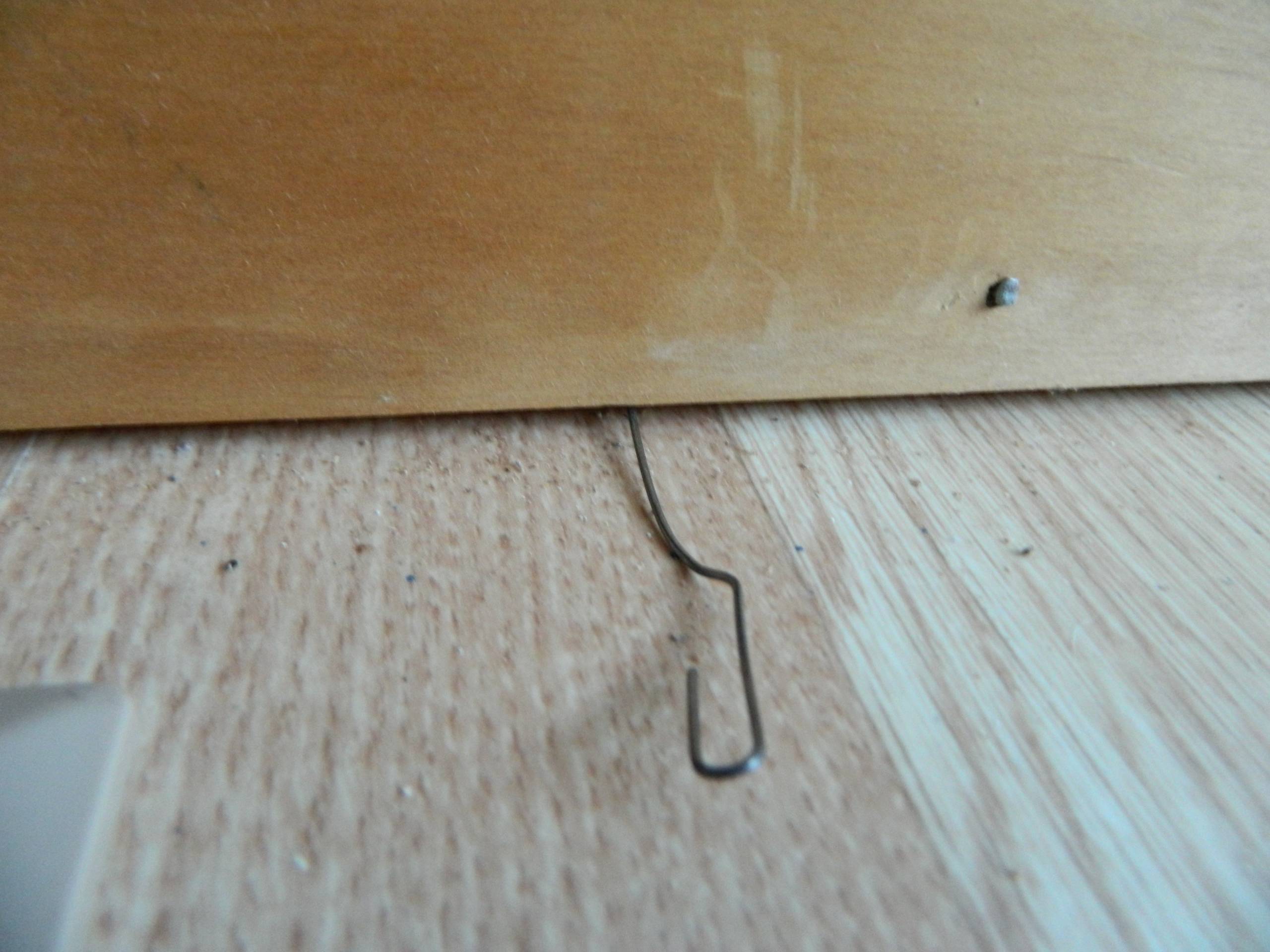
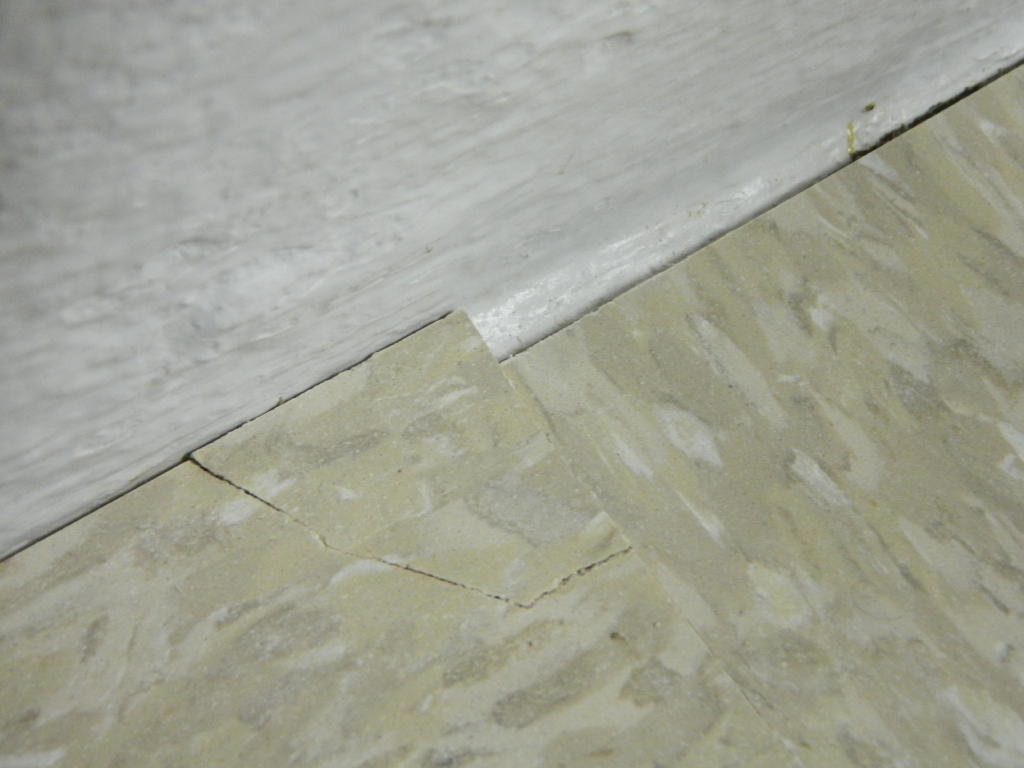
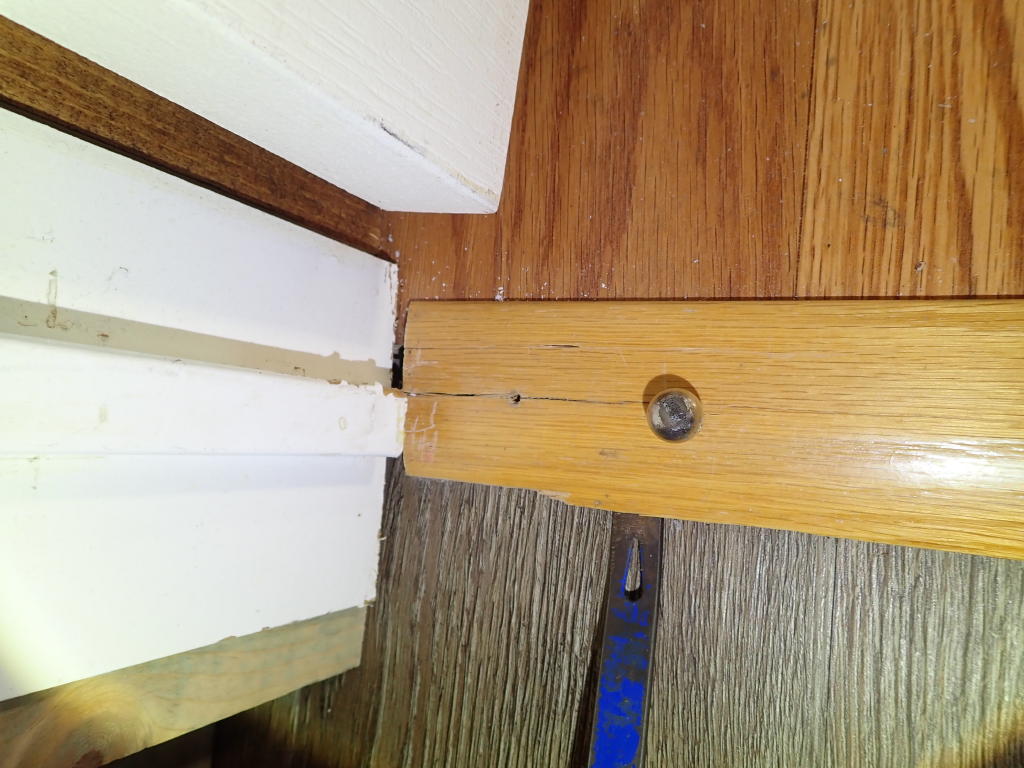
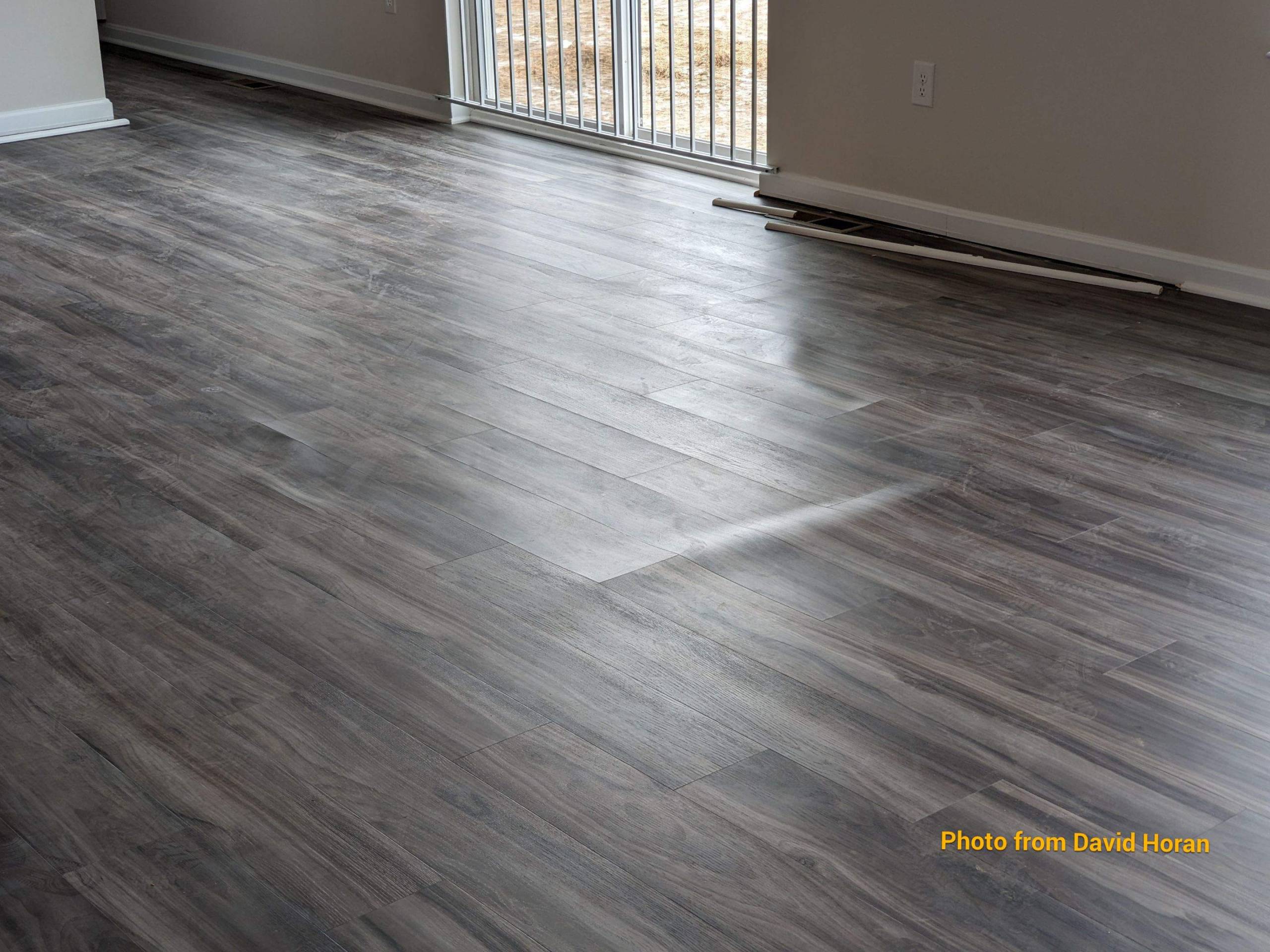
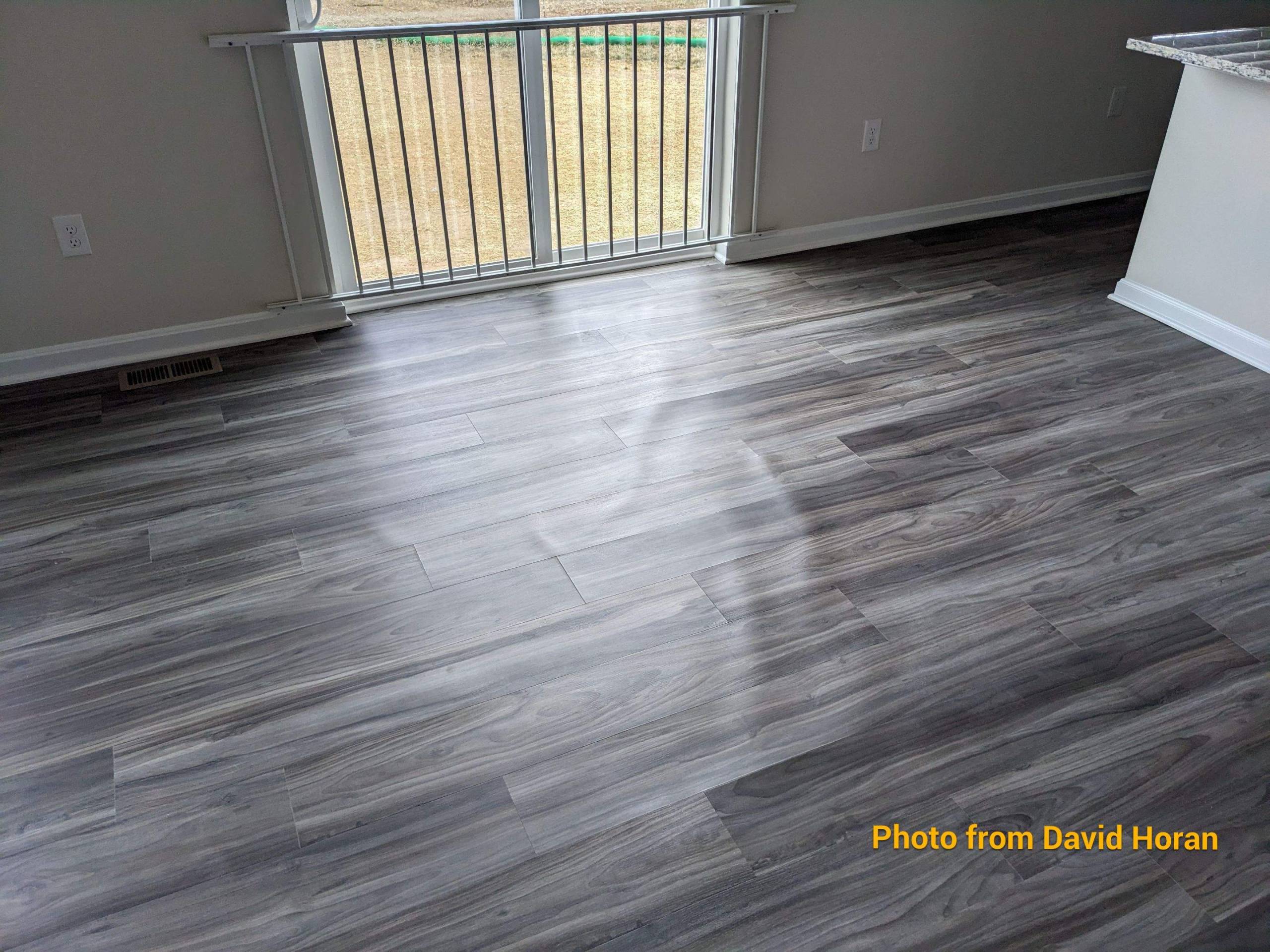
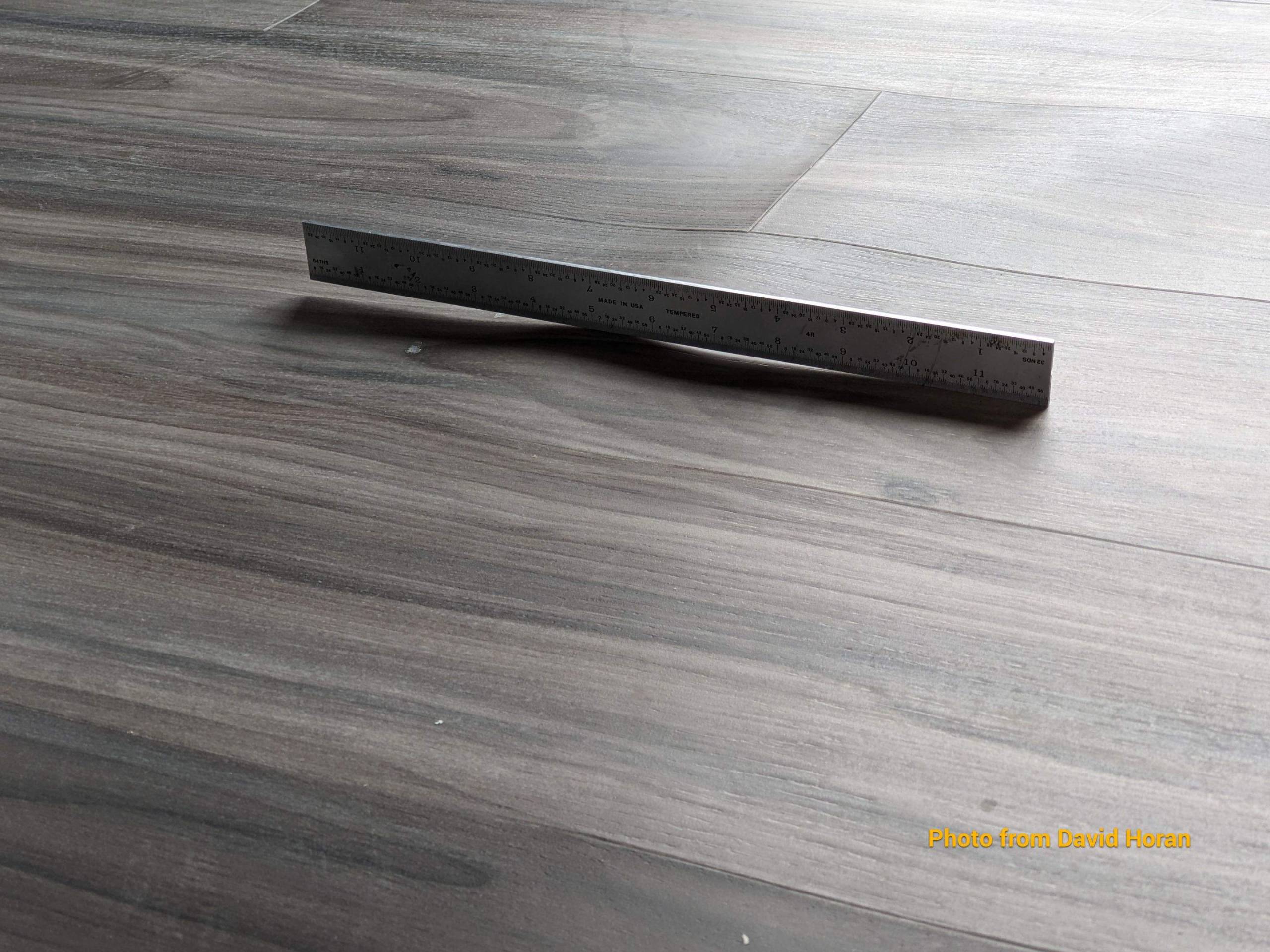
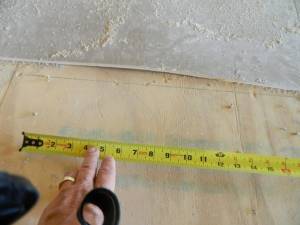
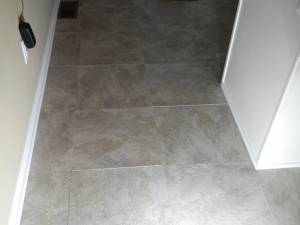
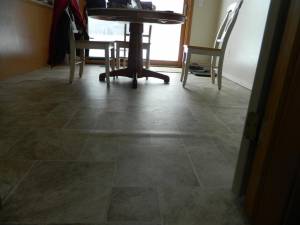
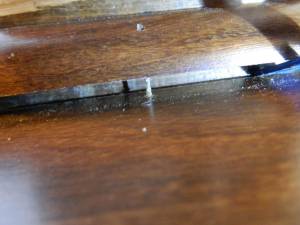
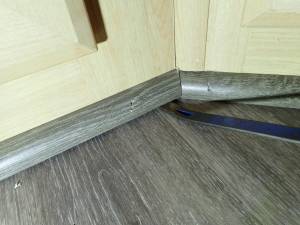
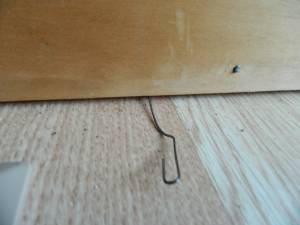
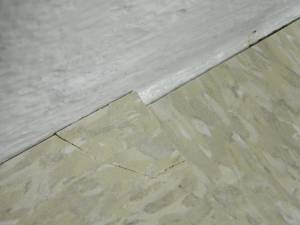
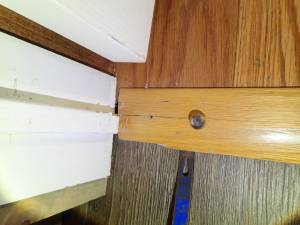
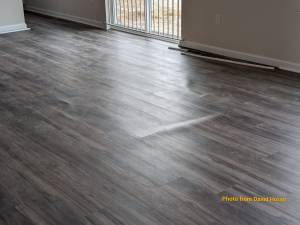
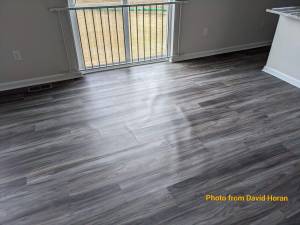
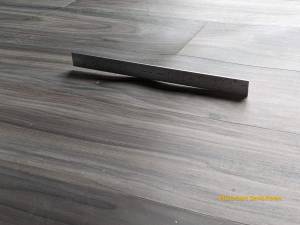
Buckling / Tenting (Resilient Plank)
Floor Detective® Claims and Conditions Guide
Summary
Buckling or tenting in resilient plank flooring is a movement-related condition in which sections of the installed floor lift upward due to compressive stress within the flooring system. Floating resilient flooring systems rely on unobstructed dimensional movement across the substrate surface, and when expansion pressure exceeds the installation’s ability to move normally, stress may release upward at seams, rows, or structurally weaker areas within the floor plane. Buckling commonly develops when flooring movement becomes restricted by walls, cabinetry, transitions, islands, door frames, fixed objects, or other restraint conditions while the flooring simultaneously experiences thermal expansion or environmental stress. The visible buckle or tented area often appears remote from the actual restriction point. Heat exposure, solar gain, environmental cycling, subfloor friction, underlayment behavior, and installation geometry may all influence stress accumulation within the flooring system. Proper evaluation requires correlation of distribution pattern, restriction locations, environmental exposure, support conditions, and flooring-system interaction rather than reliance on a single visible buckle alone. See also Peaked End Joints, Gaps Resilient Plank, and LVT and SPC Floor Problems for broader context.
Chair-Caster Damage (LVT/SPC Flooring)
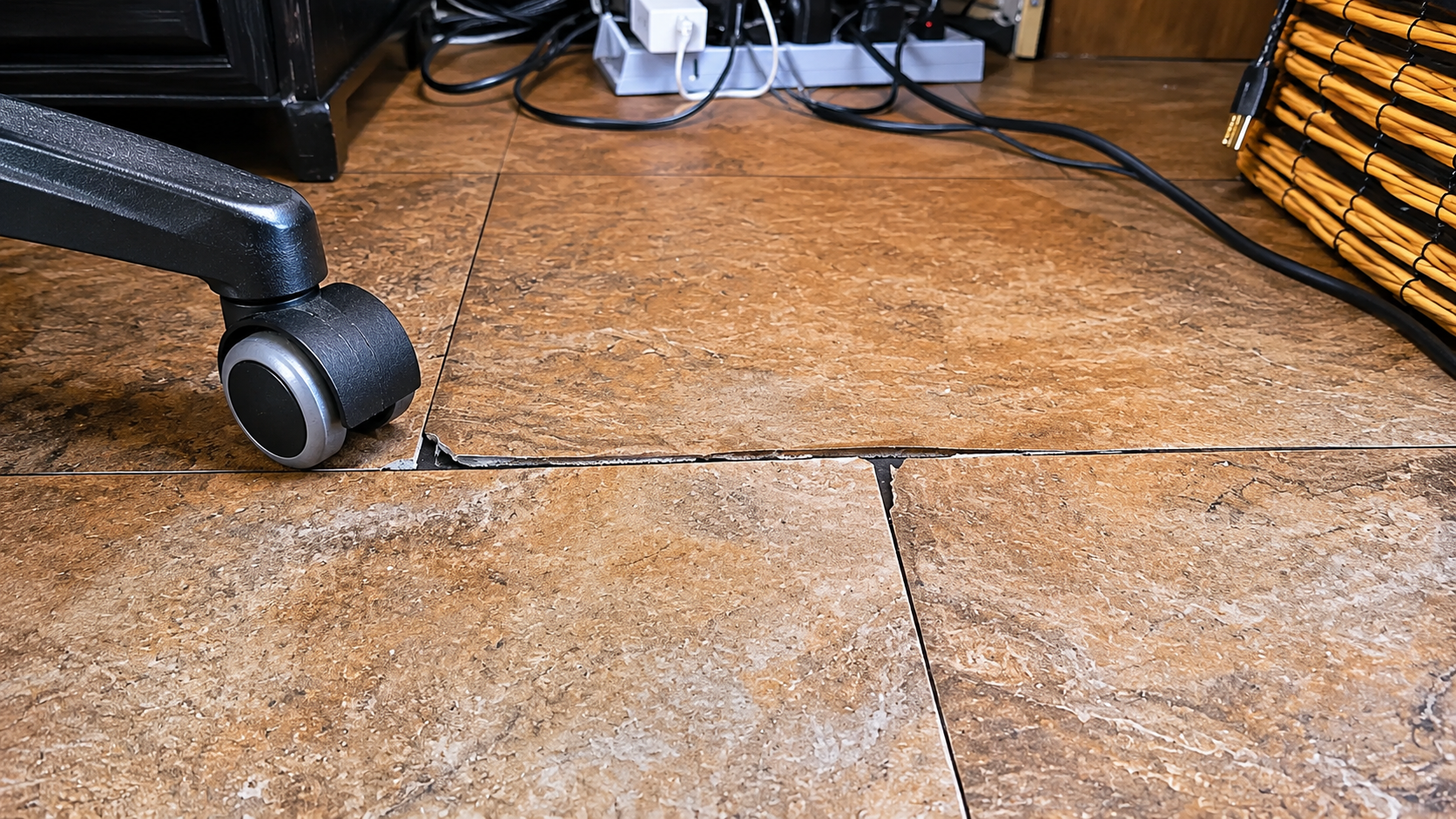
LVT and SPC Floor Problems
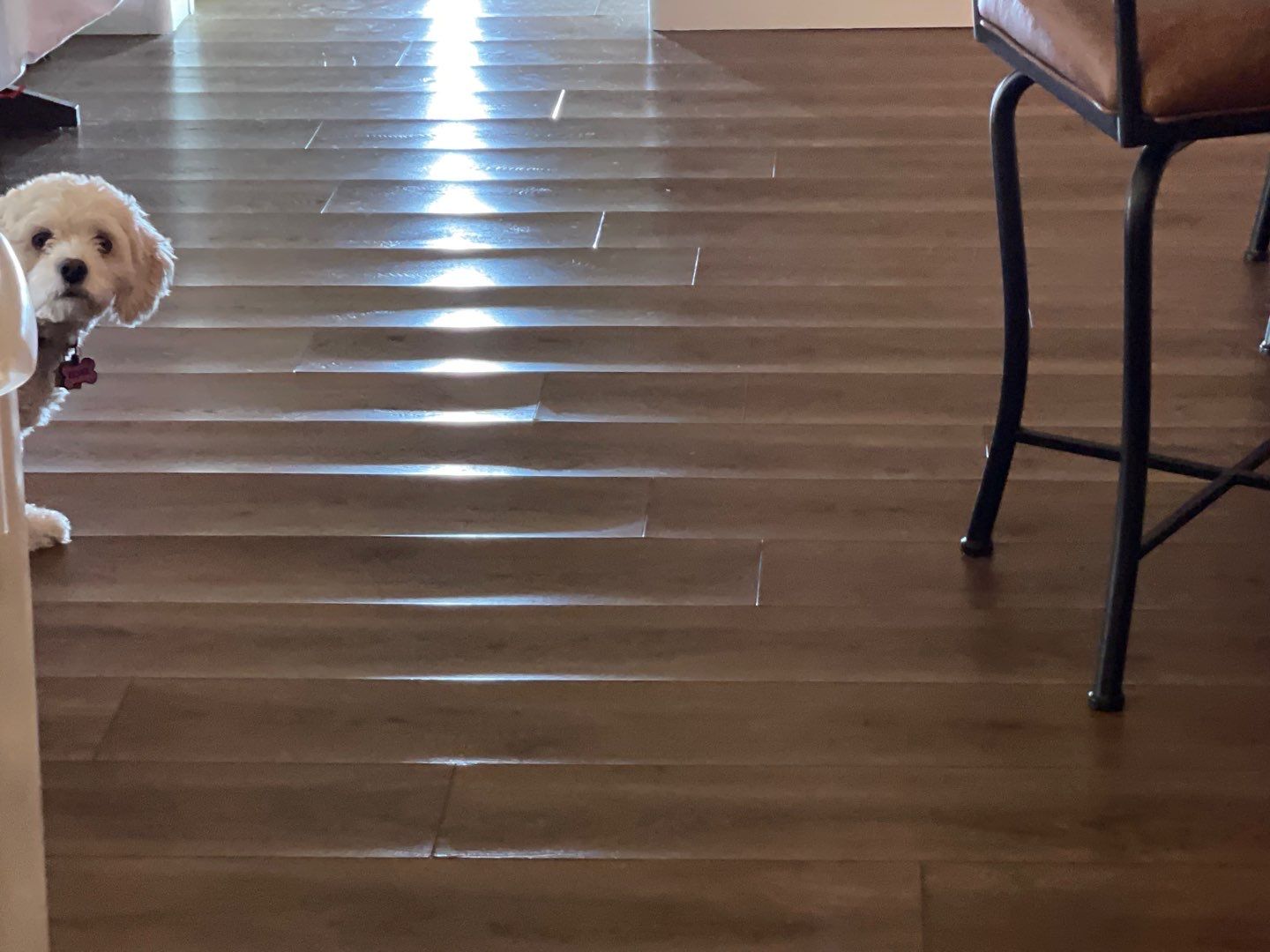
Cross-Machine Direction (Width) Shading / Texture Variation (Resilient Sheet Vinyl)
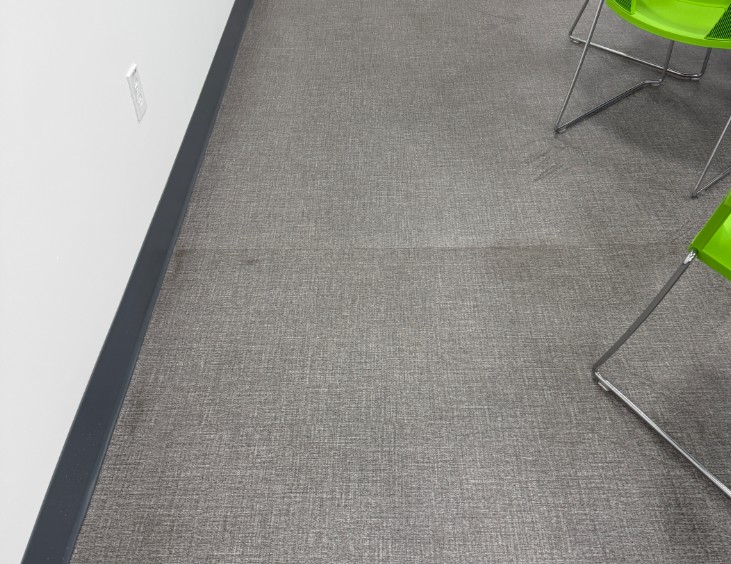
Sheet Shrinkage / Seam Opening (Resilient Sheet Flooring)
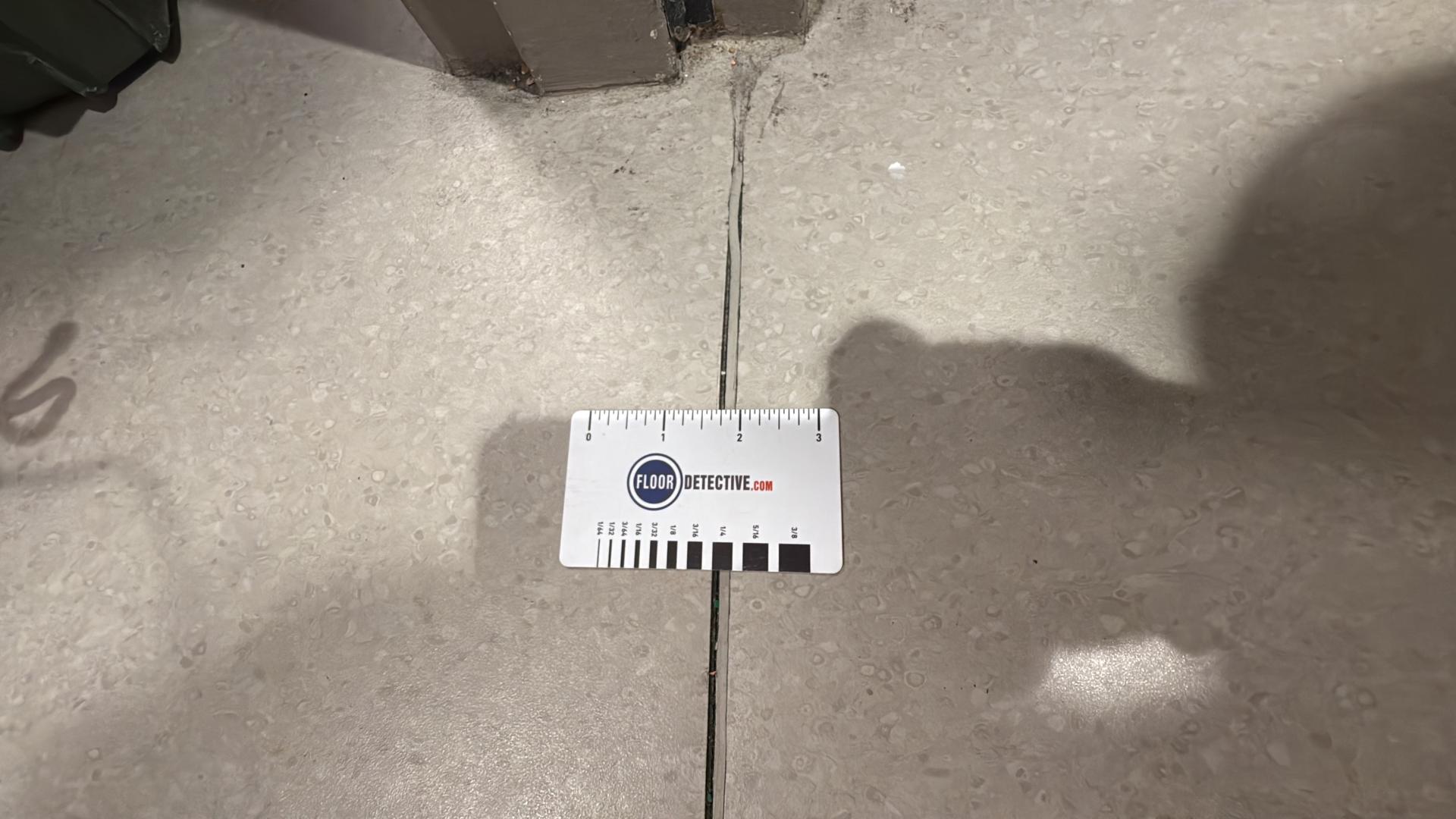
Heat Weld Seam Failure (Resilient Sheet Flooring)
Yellowing / Discoloration (LVP / SPC / WPC)
Broken Locking Profiles / Mechanical Joint Compromise (Resilient Plank)
Efflorescence-Like Mineral Migration at LVT/SPC Joints
Blistering / Surface Blisters (SPC Flooring)

Cracking Over Existing Substrates (LVT)
