Janka Hardness Rating
Illustration
Hardness test
Hardness test
Hardness test
Hardness test
Hardness test
Hardness test
Janka Hardness Rating (Wood Flooring)
Floor Detective® Claims and Conditions Guide
Summary
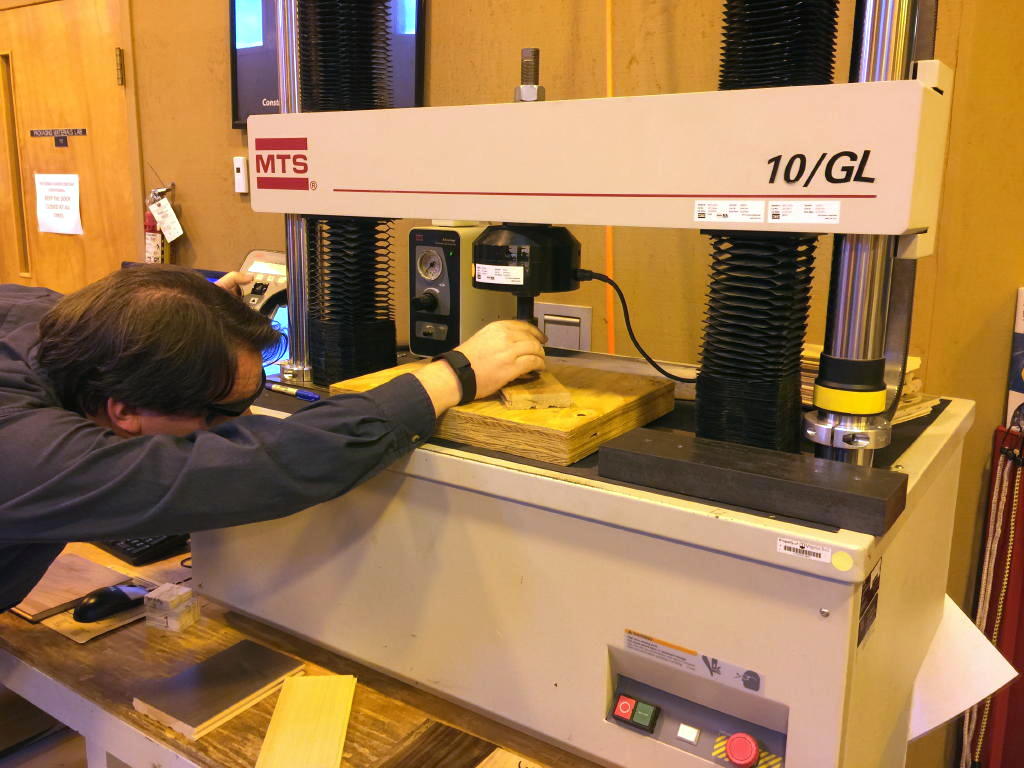
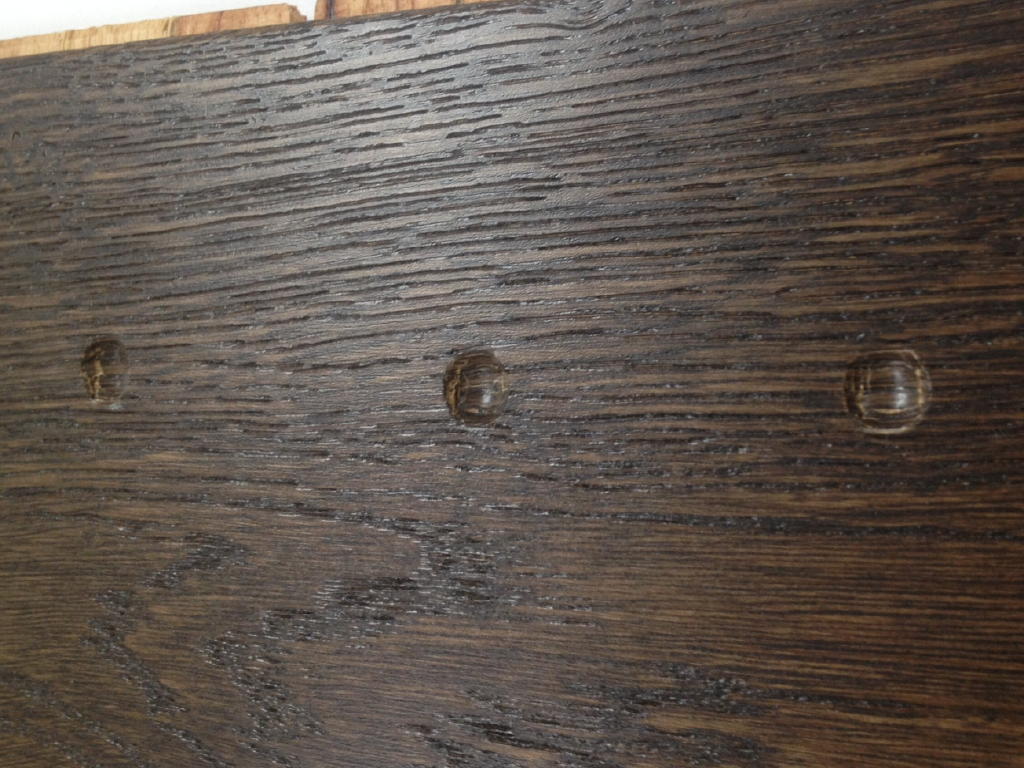
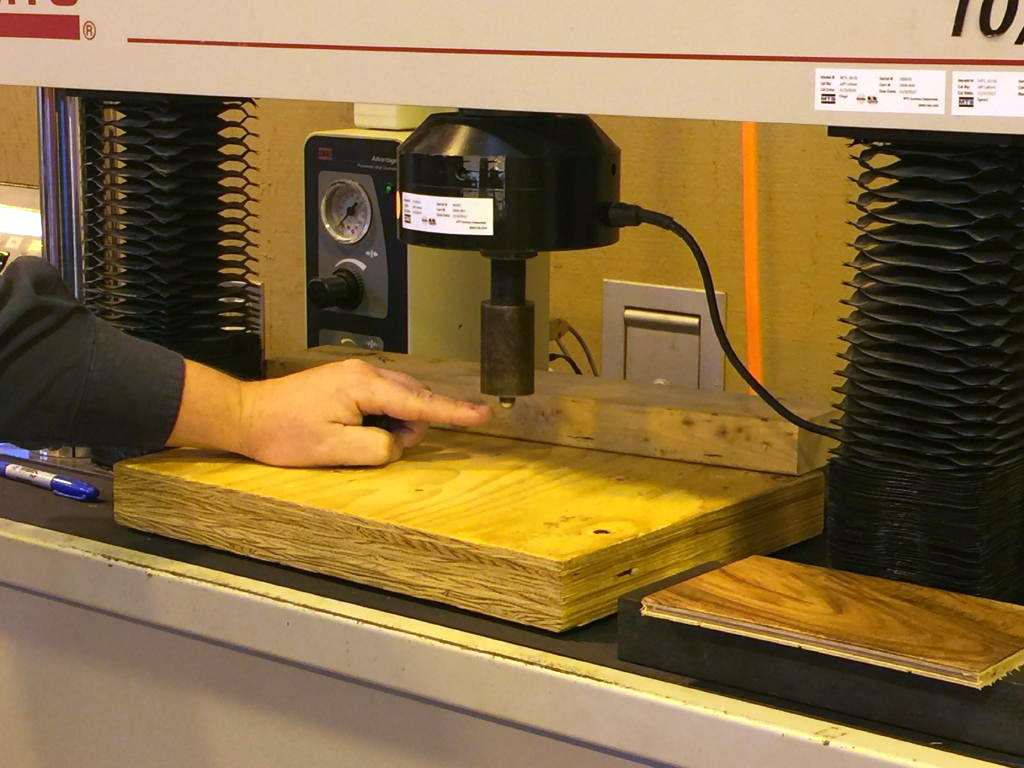
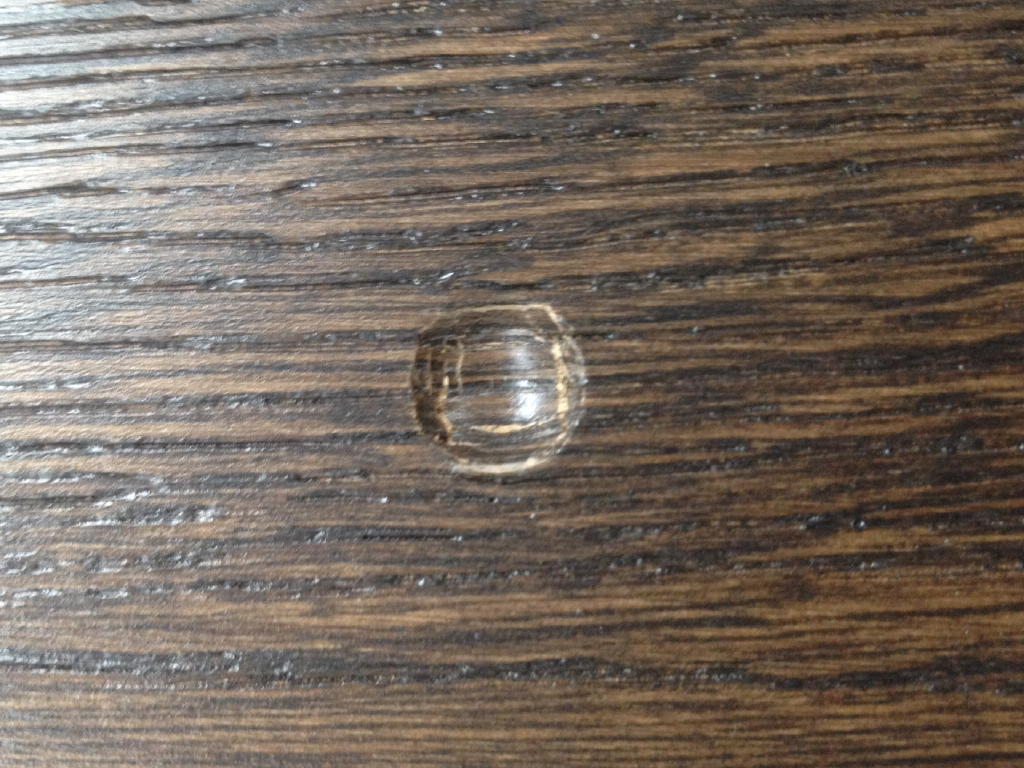
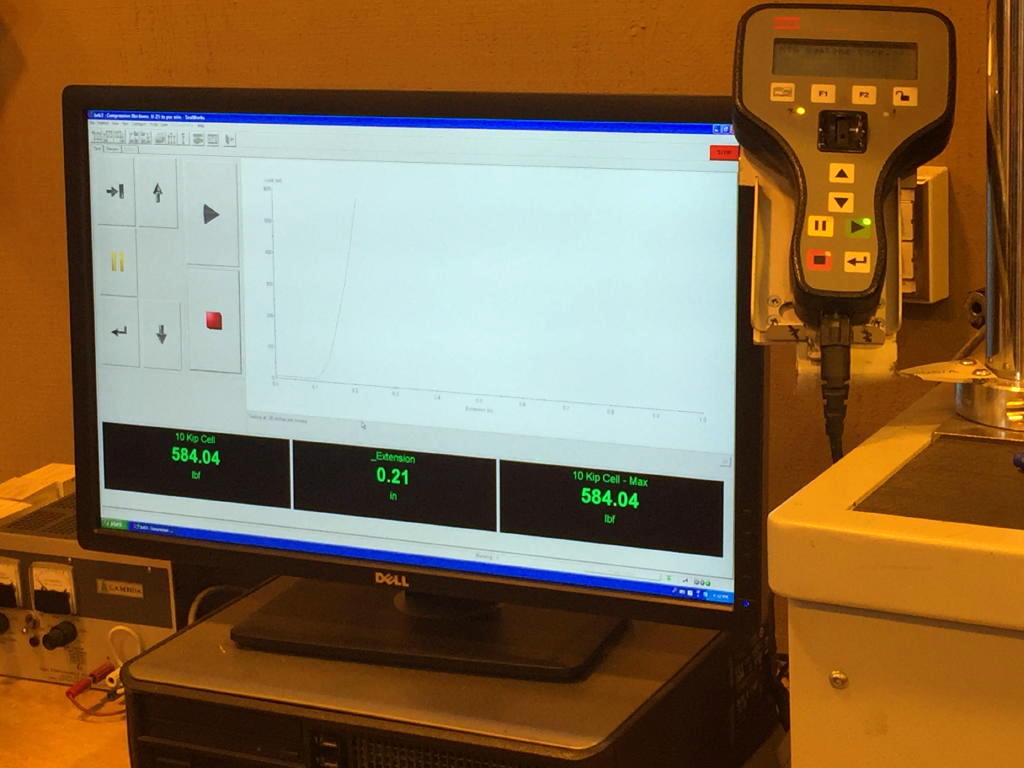
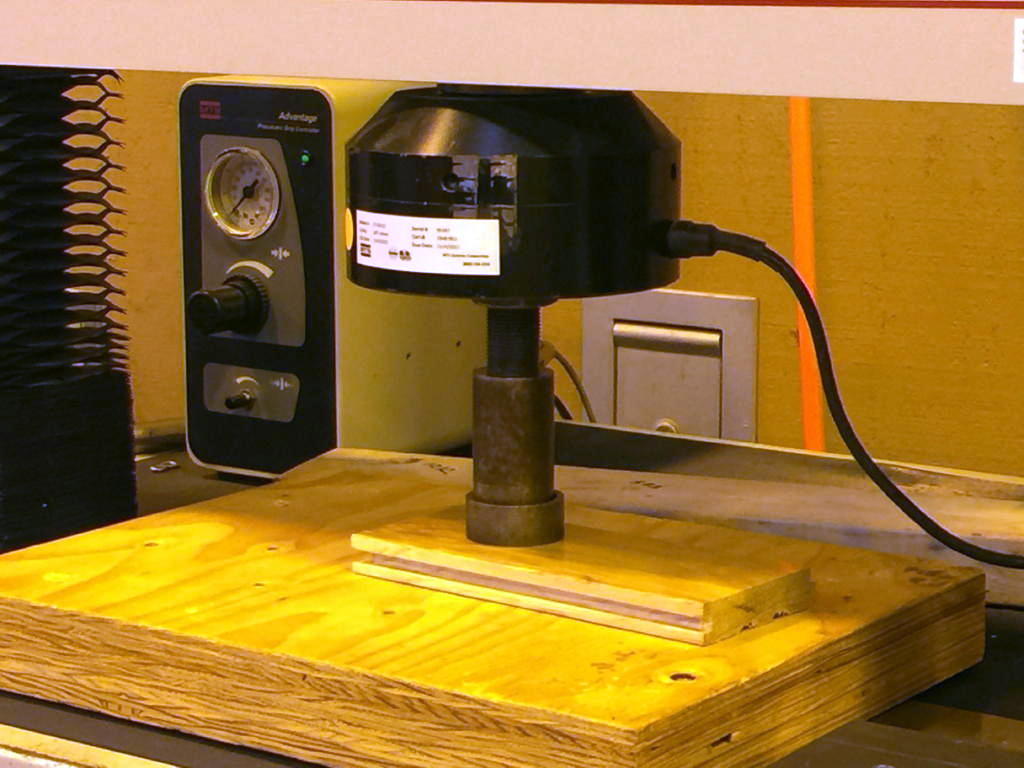
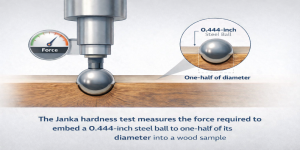
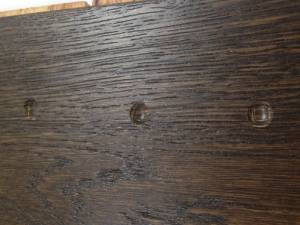
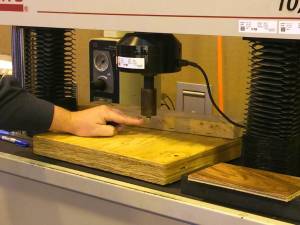
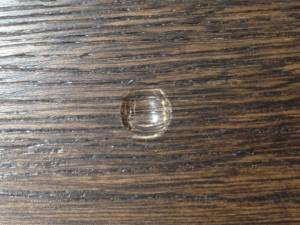
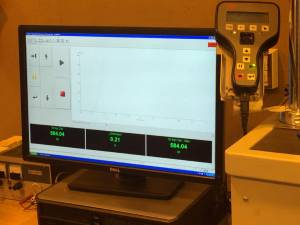
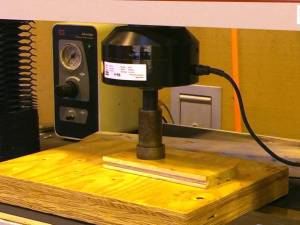
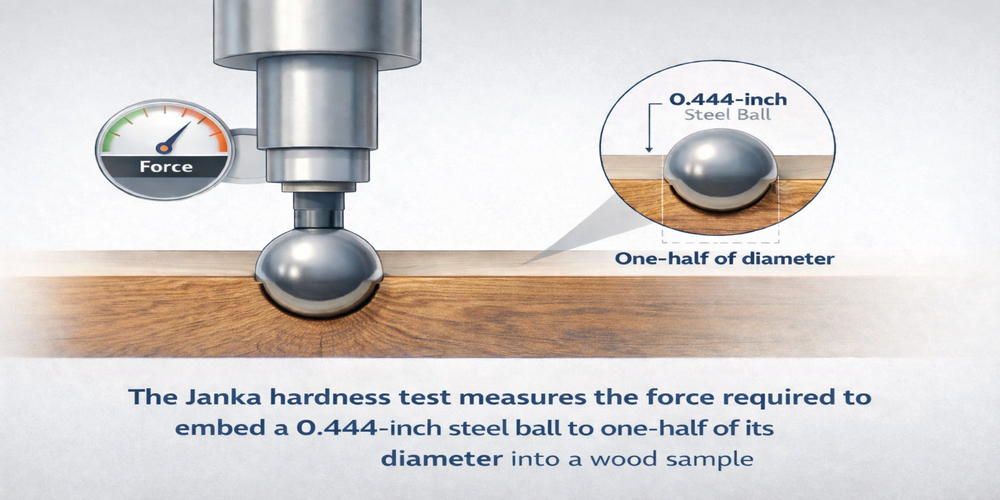
The Janka hardness rating is a laboratory measurement used to compare the relative resistance of wood species to indentation under concentrated point loads. The test measures the force required to embed a standardized steel ball into a wood sample to one-half of its diameter. Janka values provide a comparative reference for dent resistance but do not define overall flooring durability, scratch resistance, finish performance, or long-term serviceability. Actual field performance depends on species characteristics, finish system, flooring construction, contact geometry, load concentration, and environmental conditions. Solid, engineered, bamboo, and composite flooring systems may respond differently even when similar species are involved because construction design influences how force is distributed through the flooring assembly. Surface dents or compression alone do not independently establish manufacturing defect or insufficient hardness without correlation to documented loading conditions and contact characteristics. See also Scratching, Dents, and Impact Damage, Chair Protectors, and Hardwood Floor Problems for broader context.
Please subscribe to see all content
May 10, 2026
Hardwood floor problems may involve cupping, gaps, buckling, finish issues, movement, noise, or moisture-related distortion. Learn how hardwood flooring conditions...
Read More
April 3, 2026
Wood decay in hardwood flooring is a moisture-related condition that causes soft, weakened, and deteriorated wood. Proper evaluation distinguishes fungal...
Read More
April 3, 2026
Termite damage in hardwood flooring involves internal wood consumption, gallery formation, and structural weakening caused by insect activity.
Read More
February 22, 2026
Bamboo flooring construction affects dimensional movement, moisture response, spacing, and long-term flooring performance under changing environmental conditions.
Read More
January 26, 2026
Checks, splits, and shake are different wood separation conditions in hardwood flooring that vary in origin, depth, structural significance, and...
Read More
December 16, 2025
Hardwood grain raise is a surface texture condition caused by swelling and lifting of exposed wood fibers after moisture exposure...
Read More
December 16, 2025
Lap marks in hardwood flooring are visible streaks or bands caused by uneven blending between overlapping finish passes. The condition...
Read More
August 7, 2023
Splits and Cracks (Hardwood Flooring) Floor Detective® Claims and Conditions Guide Summary Splits and cracks in hardwood flooring are structural...
Read More
December 5, 2022
Wood distortion in hardwood flooring involves bowing, twisting, cupping, and dimensional shape change caused by moisture variation and internal stress...
Read More
January 1, 2022
Wood shear and delamination are distinct engineered hardwood separation mechanisms involving cohesive wood-fiber rupture or adhesive bond-line release.
Read More