
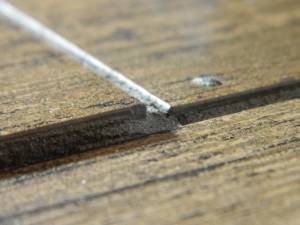
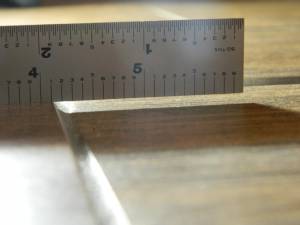
Lippage

Lippage

Sierra Exif JPEG

Lippage

Sierra Exif JPEG

Lippage

Sierra Exif JPEG

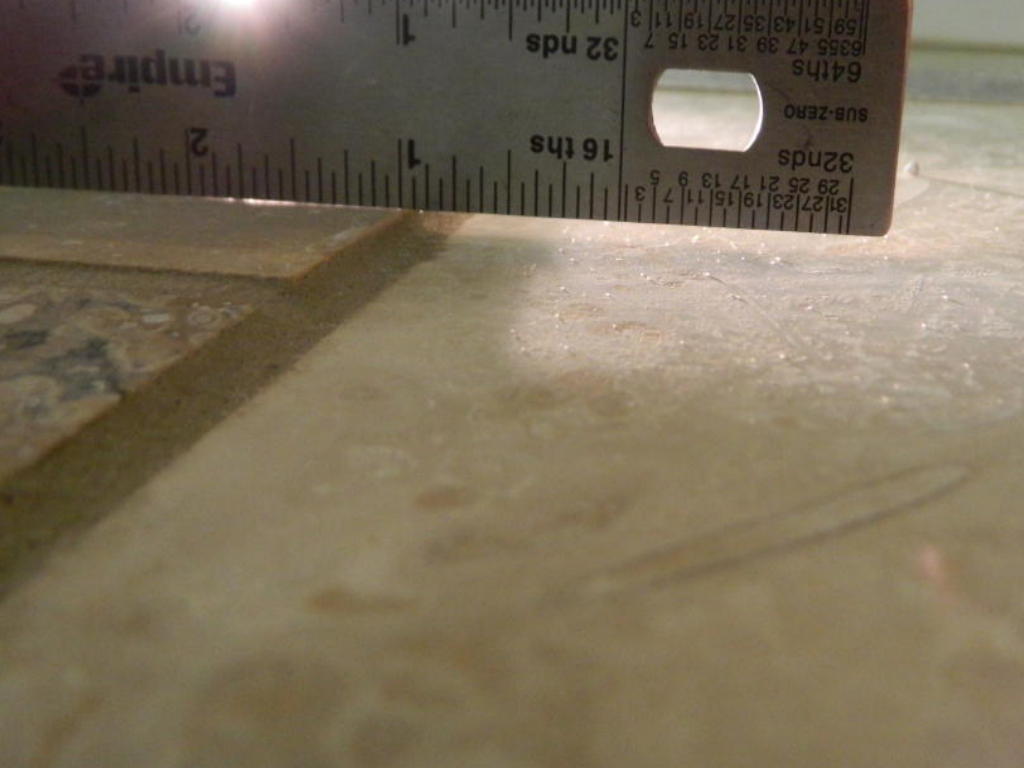
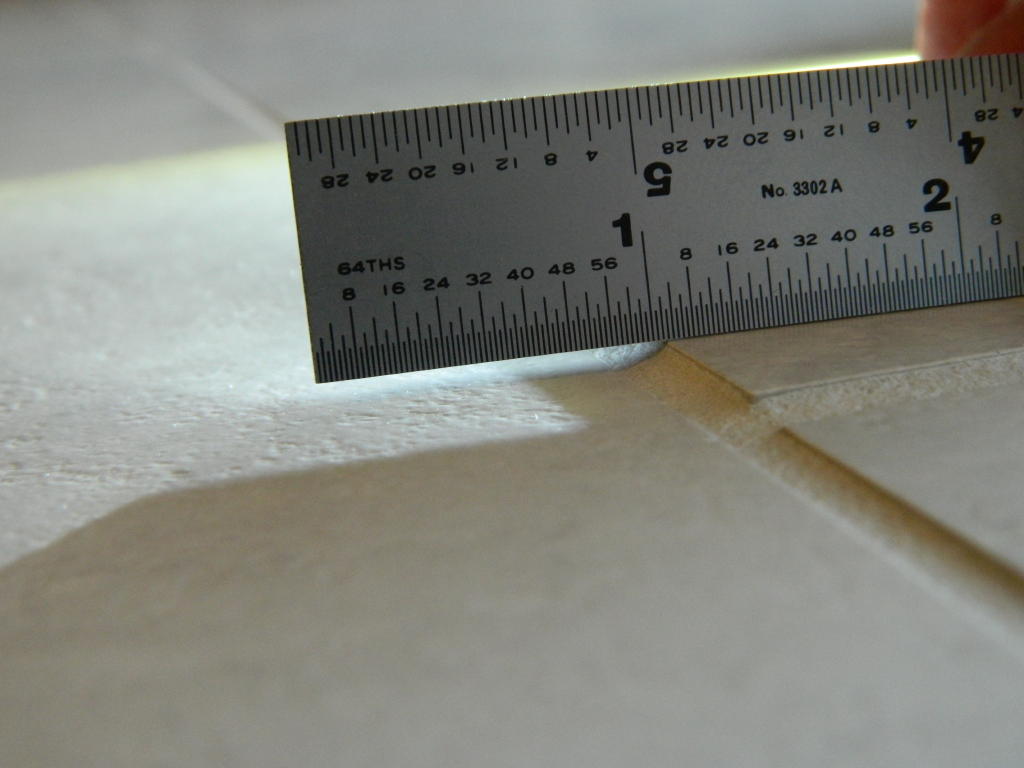
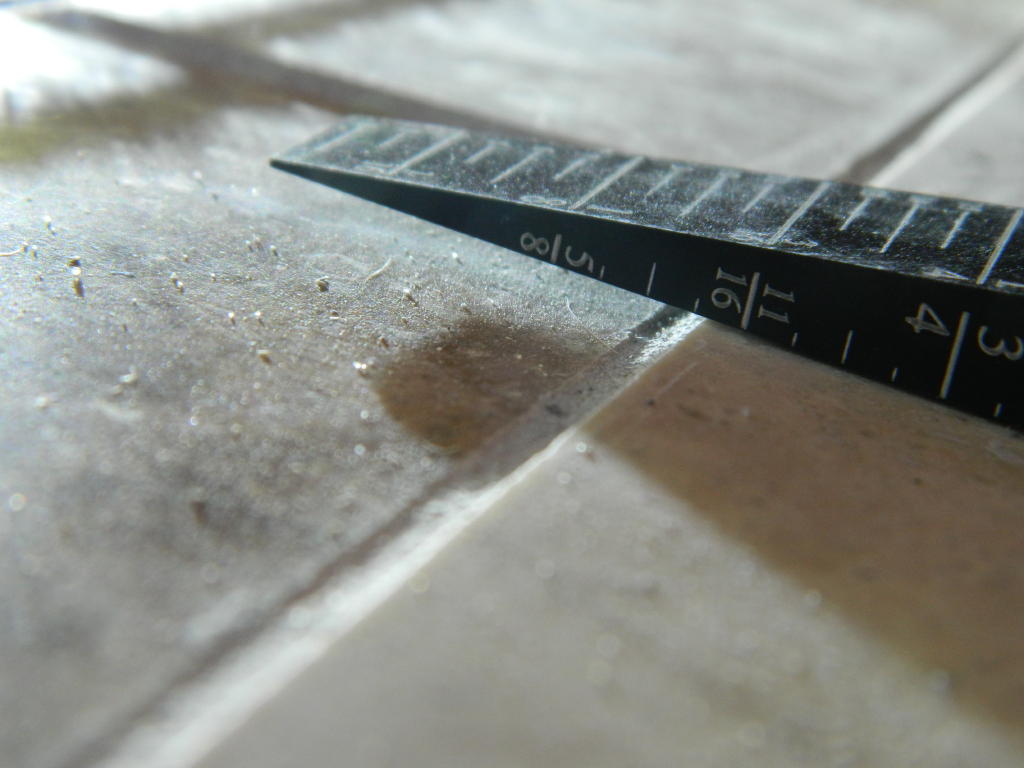
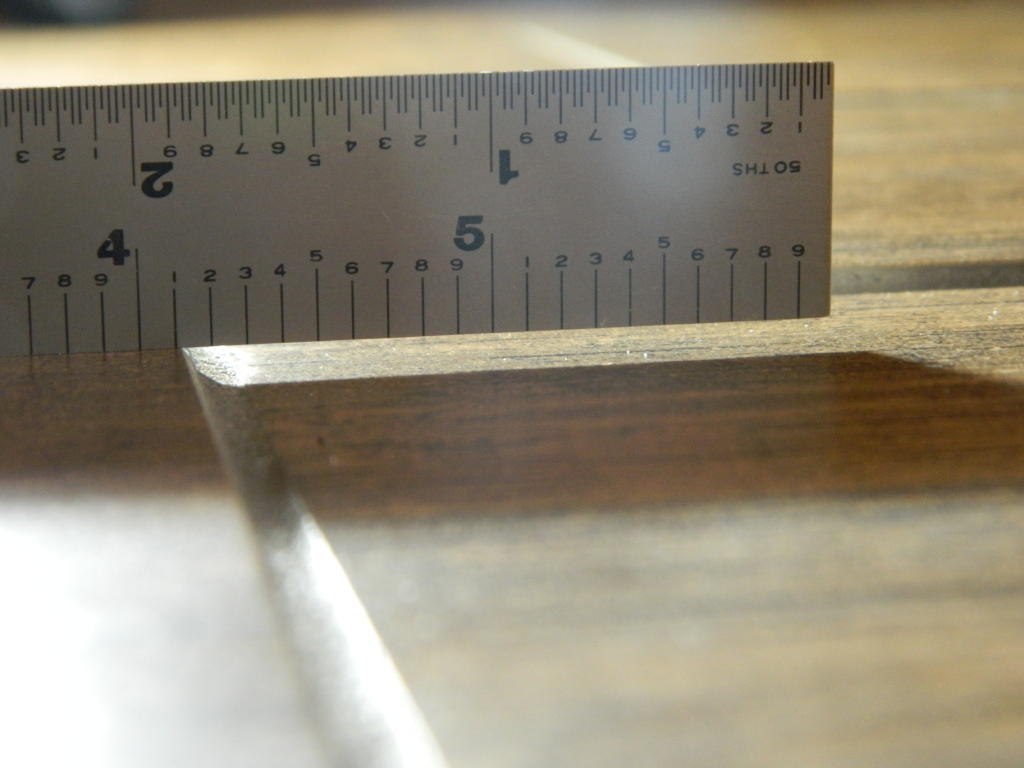
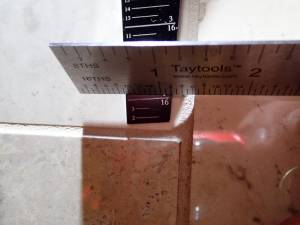
Measuring lippage

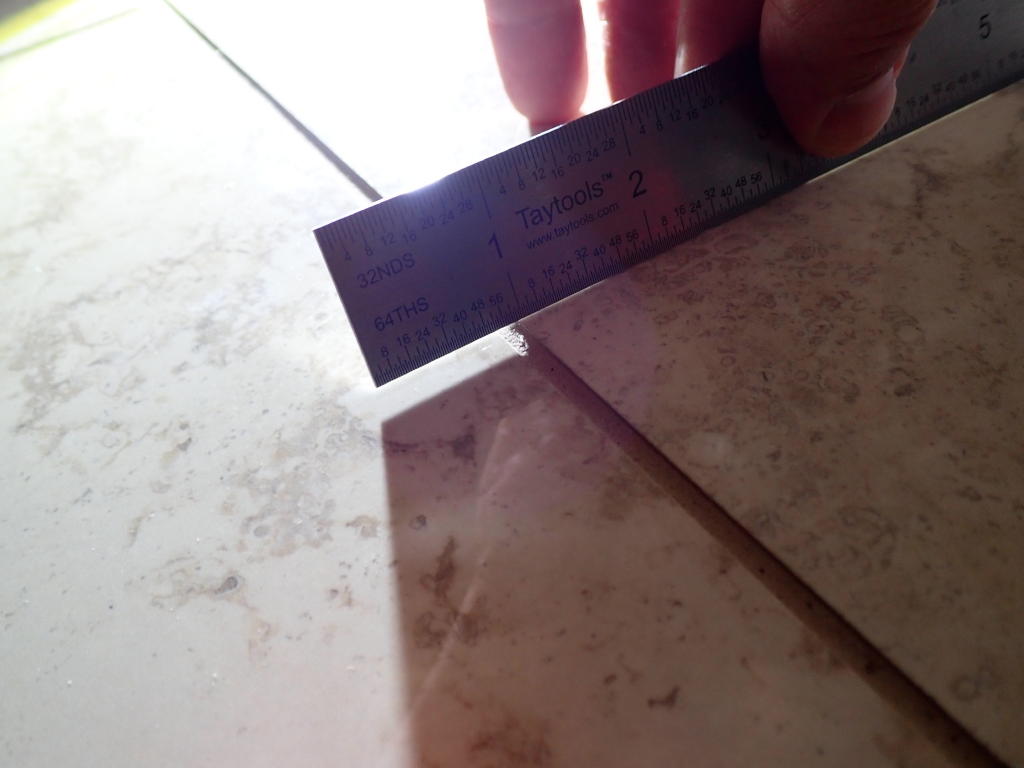
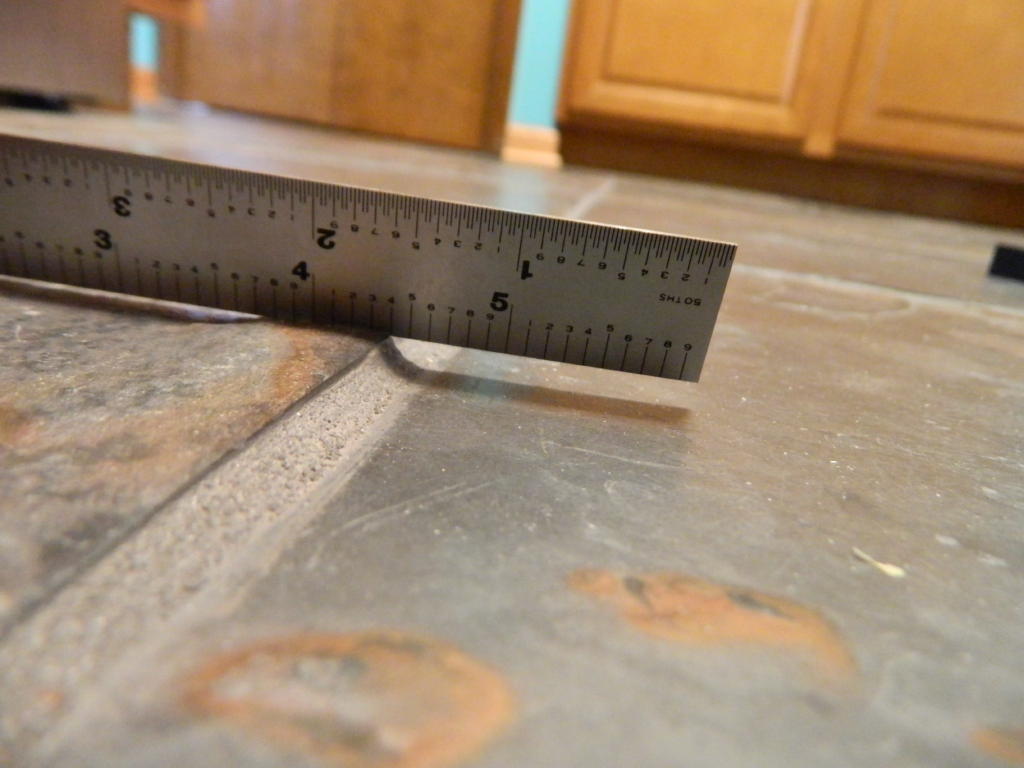
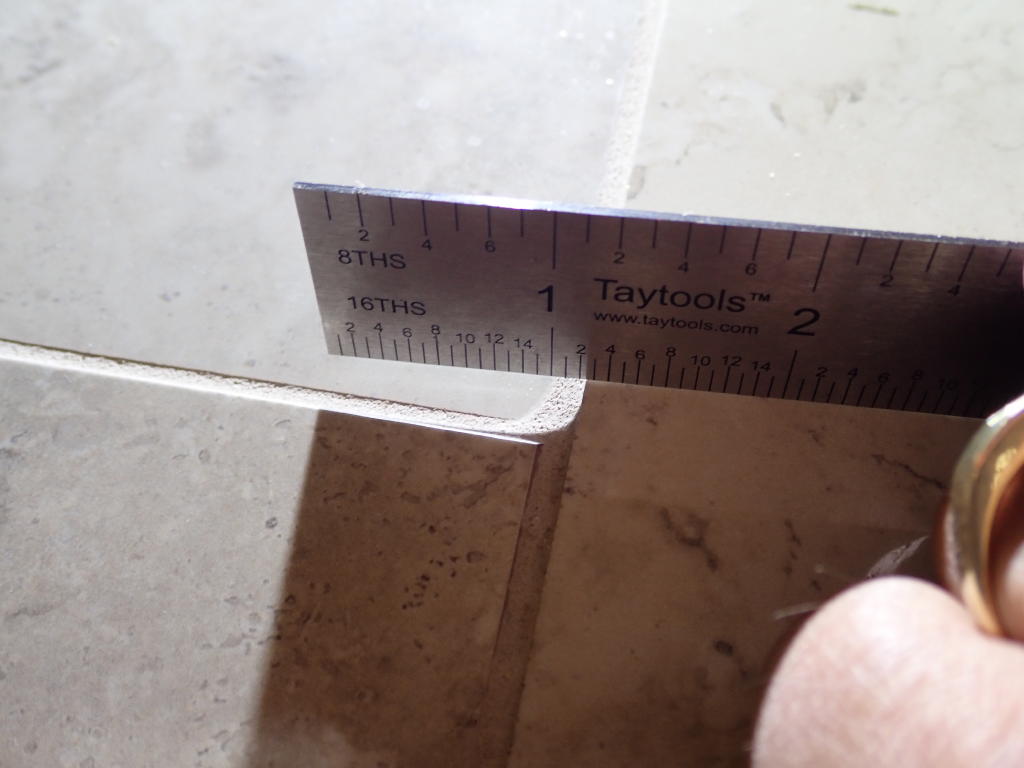
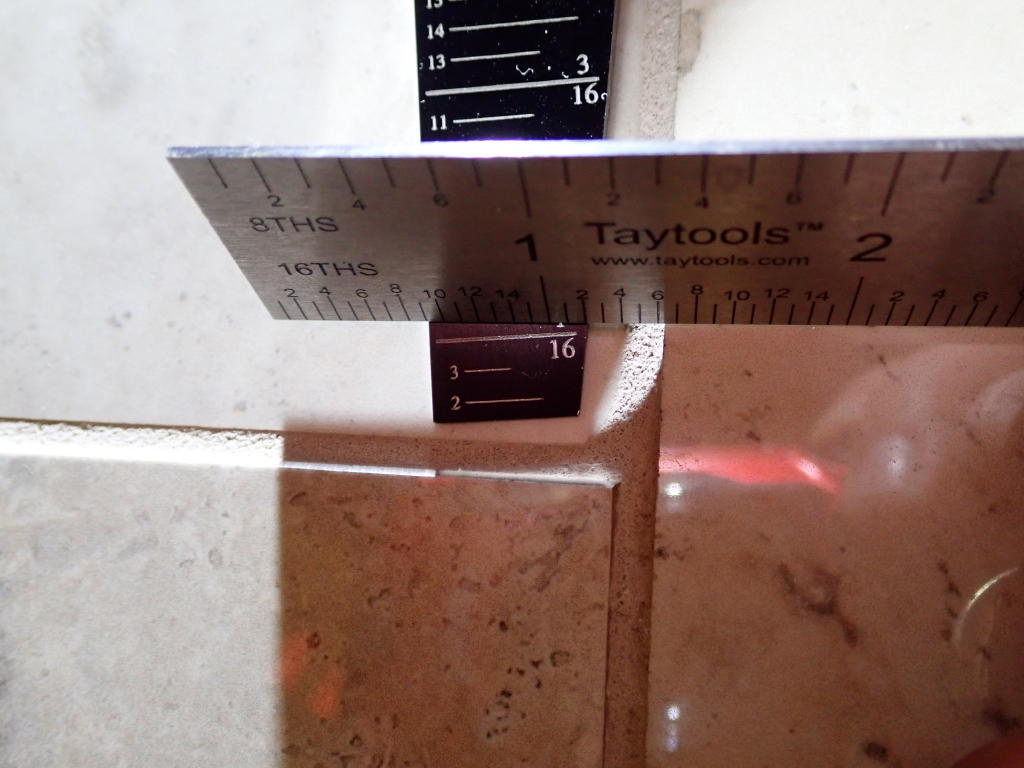
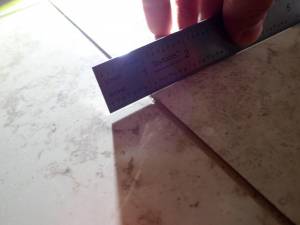
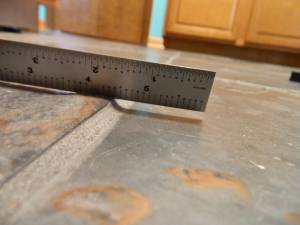
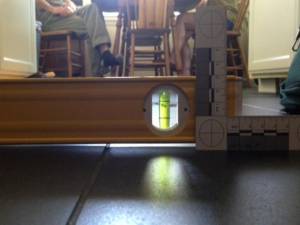
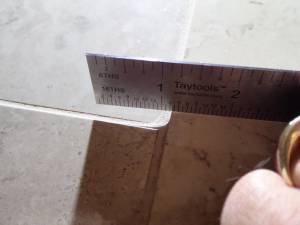
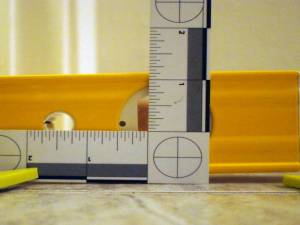
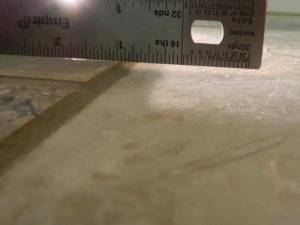
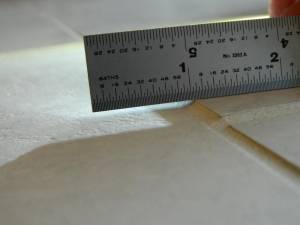
Measuring tile lippage with precision straightedge across grout joint

Lippage

Tile Lippage - 5869

Lippage

Sierra Exif JPEG

Lippage

Lippage 3 (4)

Lippage

Sierra Exif JPEG

Measurement

Sierra Exif JPEG

Lippage

Sierra Exif JPEG

Lippage

Sierra Exif JPEG

Lippage

Sierra Exif JPEG

Lippage

Sierra Exif JPEG

Lippage

Sierra Exif JPEG

Lippage

Sierra Exif JPEG

Lippage

Sierra Exif JPEG

Lippage

Sierra Exif JPEG

Lippage

Sierra Exif JPEG Sierra Exif JPEG Sierra Exif JPEG Measuring tile lippage with precision straightedge across grout joint Tile Lippage - 5869 Sierra Exif JPEG Lippage 3 (4) Sierra Exif JPEG Sierra Exif JPEG Sierra Exif JPEG Sierra Exif JPEG Sierra Exif JPEG Sierra Exif JPEG Sierra Exif JPEG Sierra Exif JPEG Sierra Exif JPEG Sierra Exif JPEG

Lippage (Tile)

Floor Detective® Claims and Conditions Guide

Summary

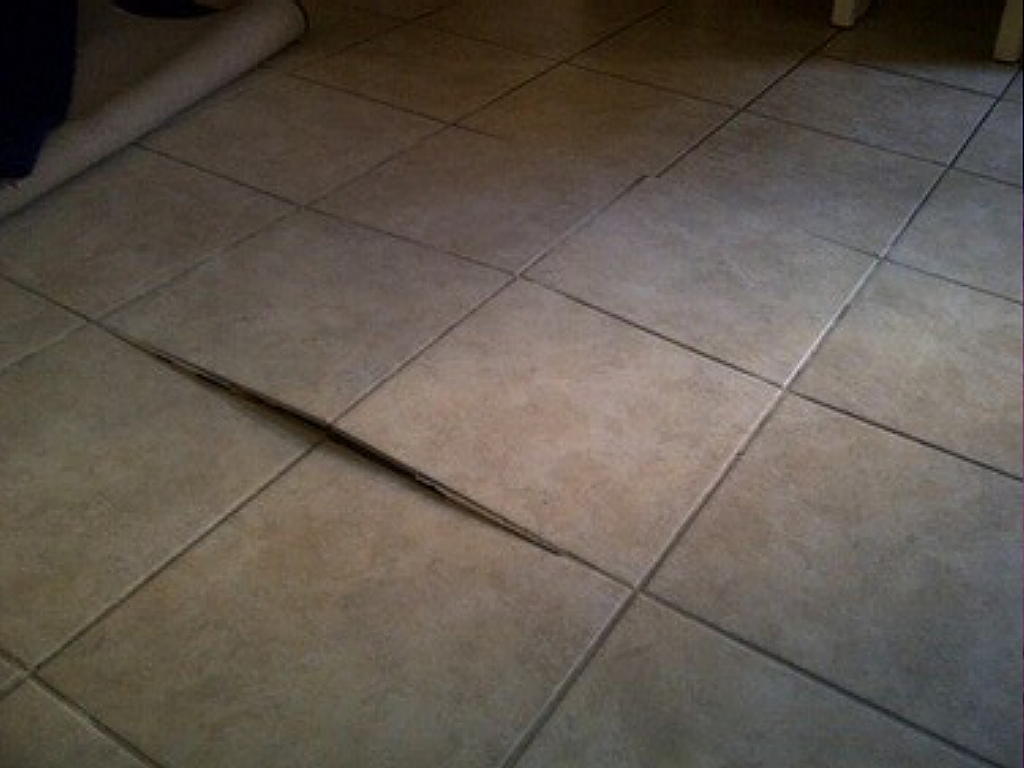
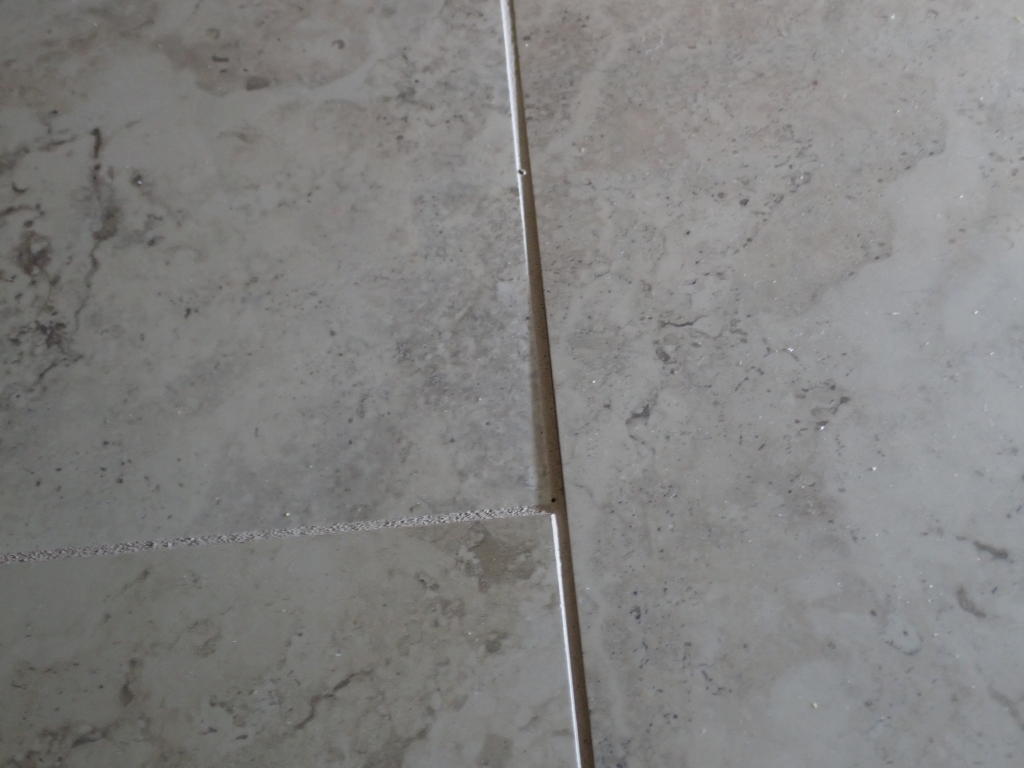
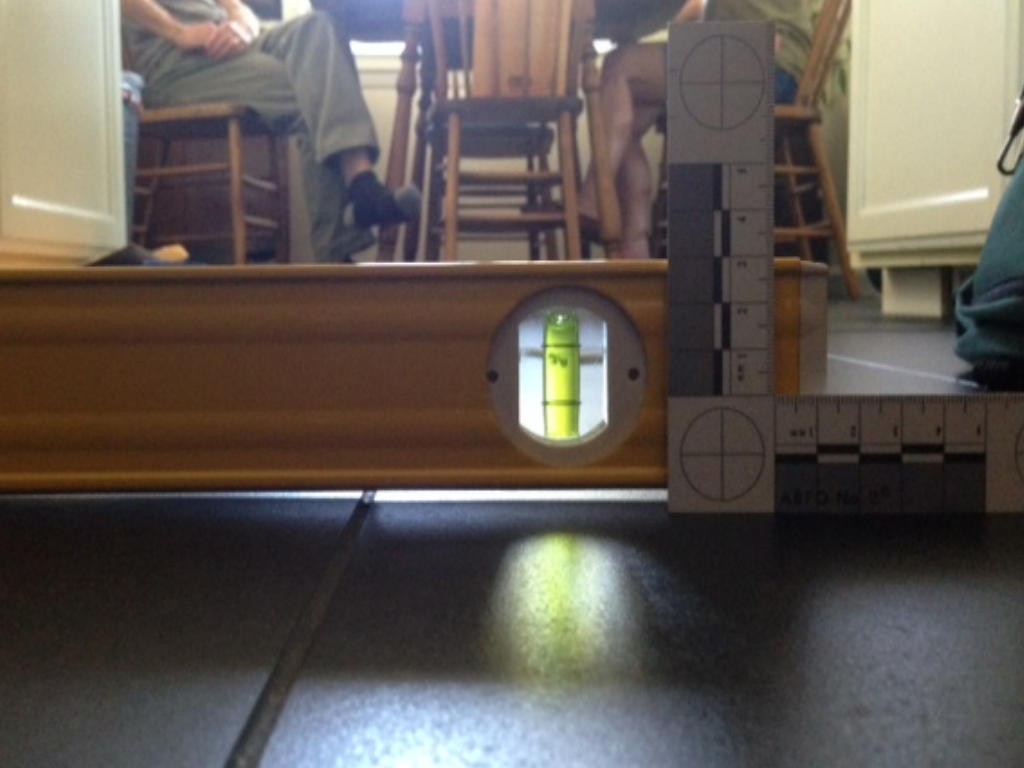
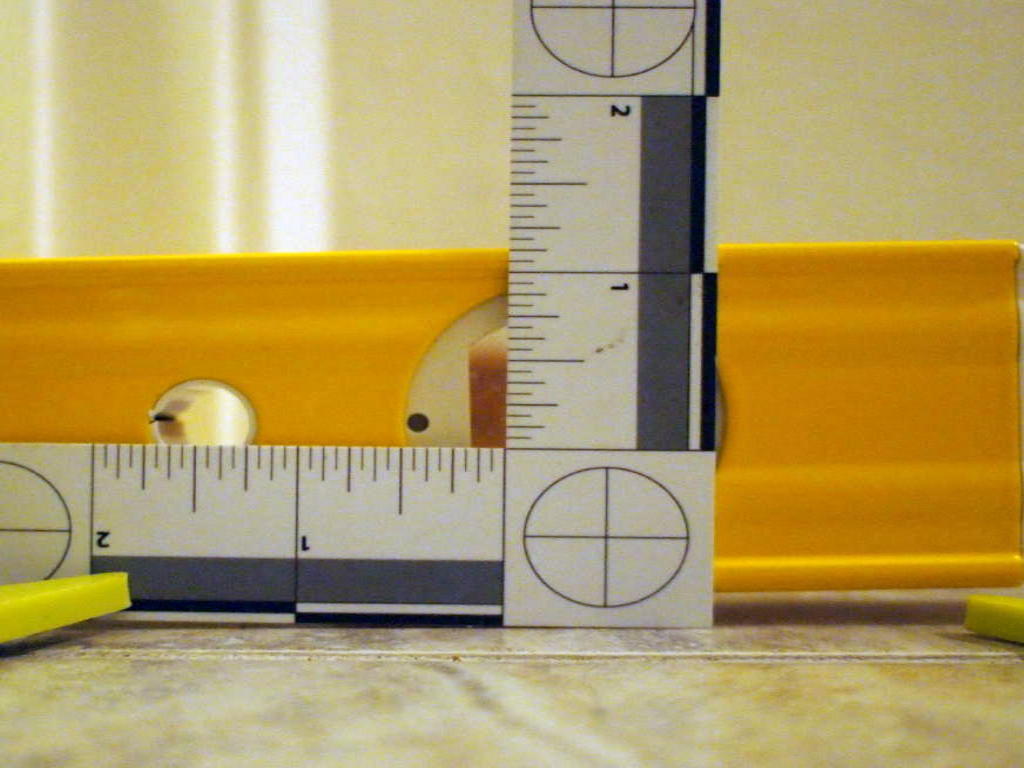
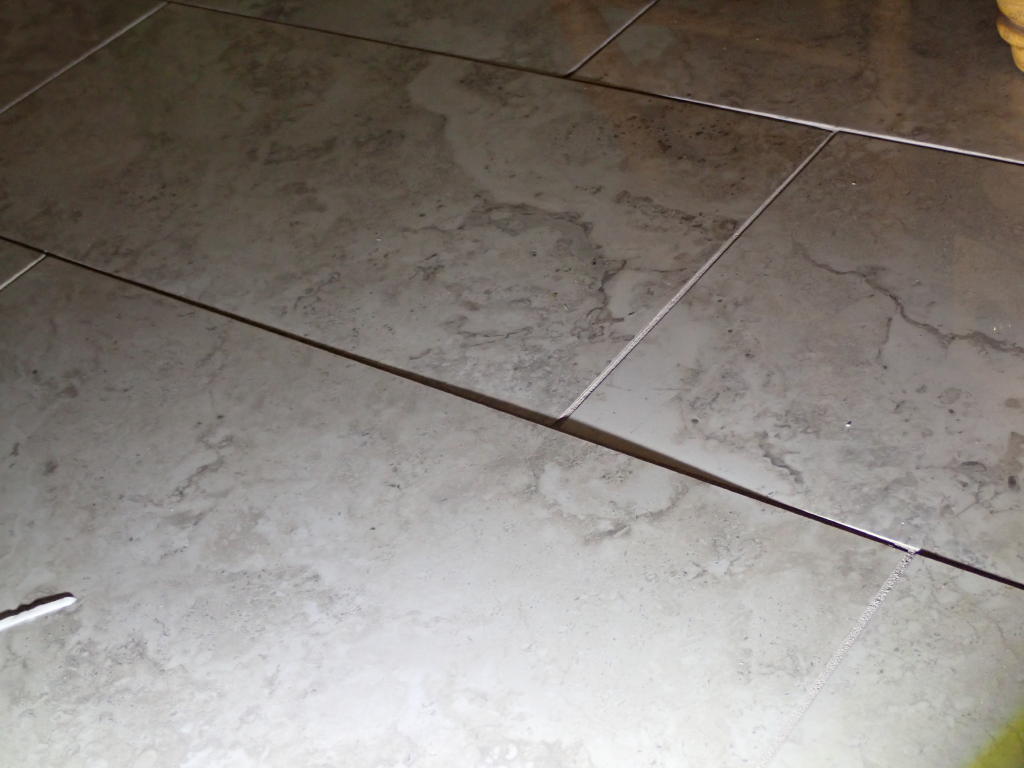
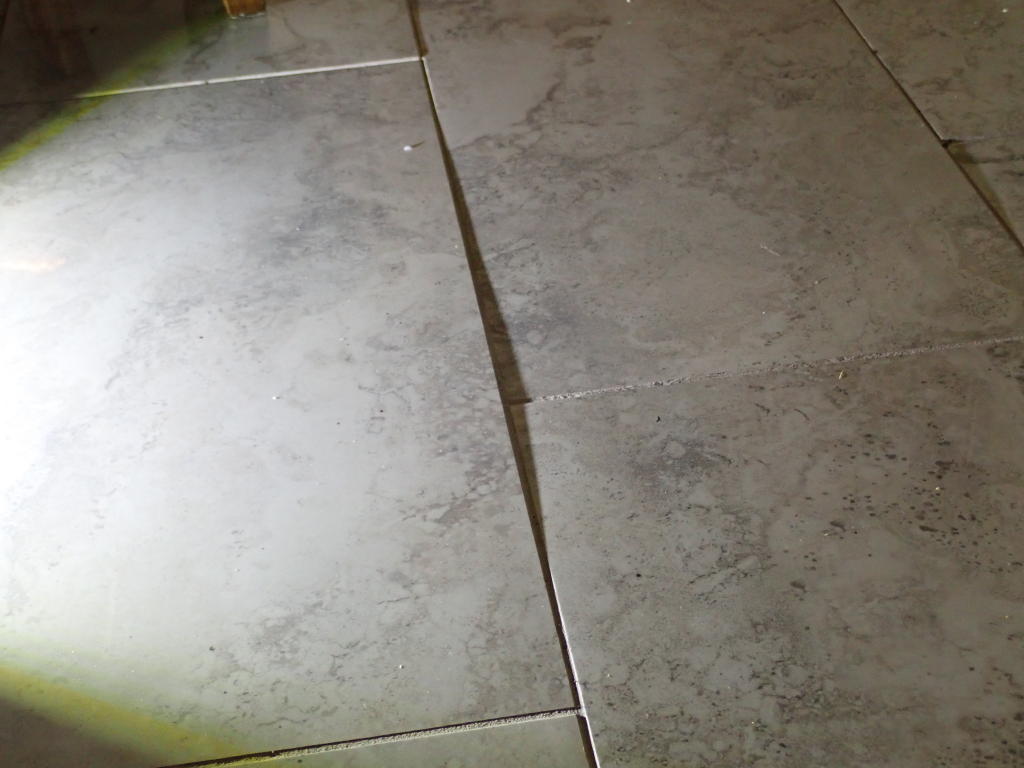
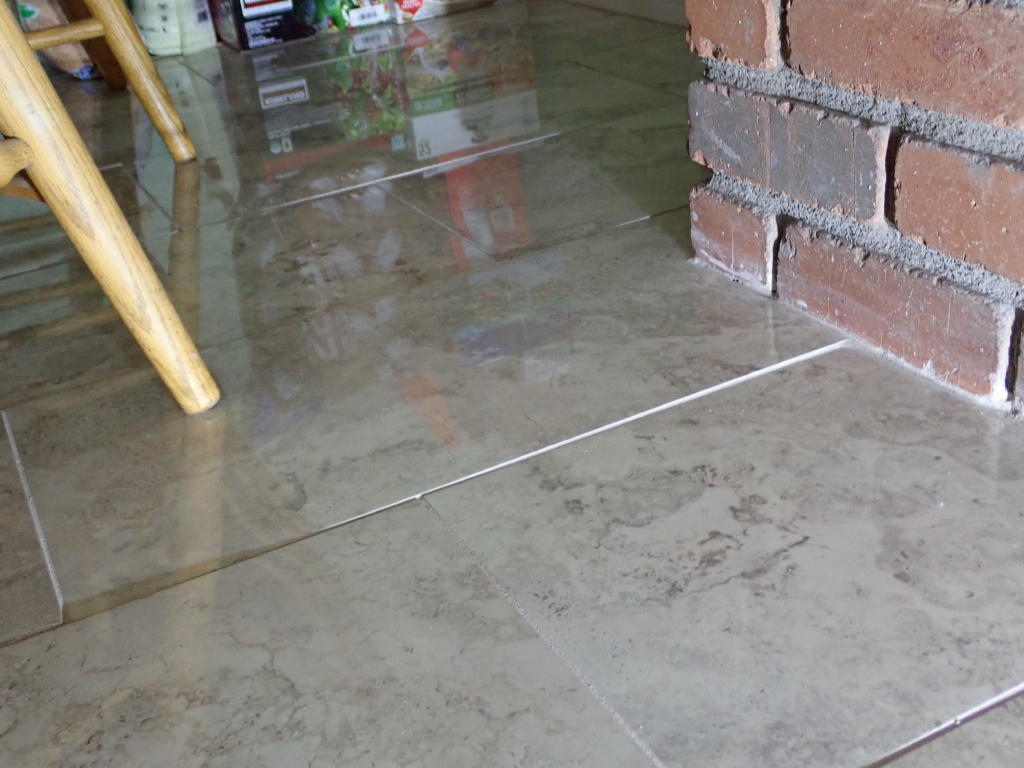
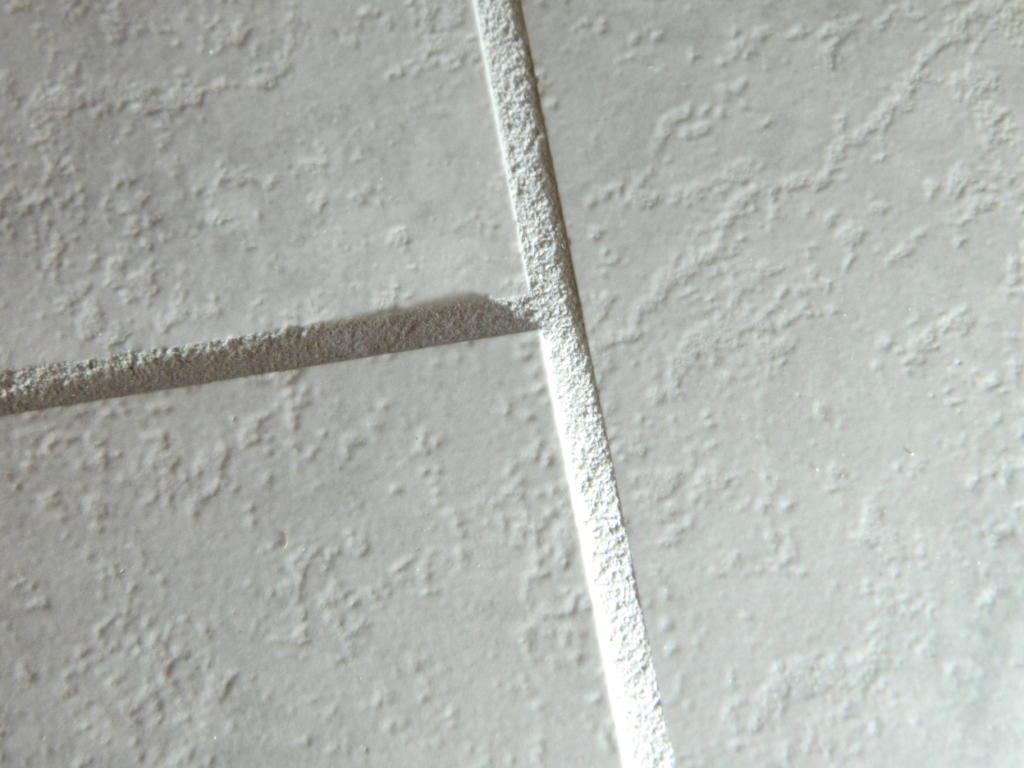
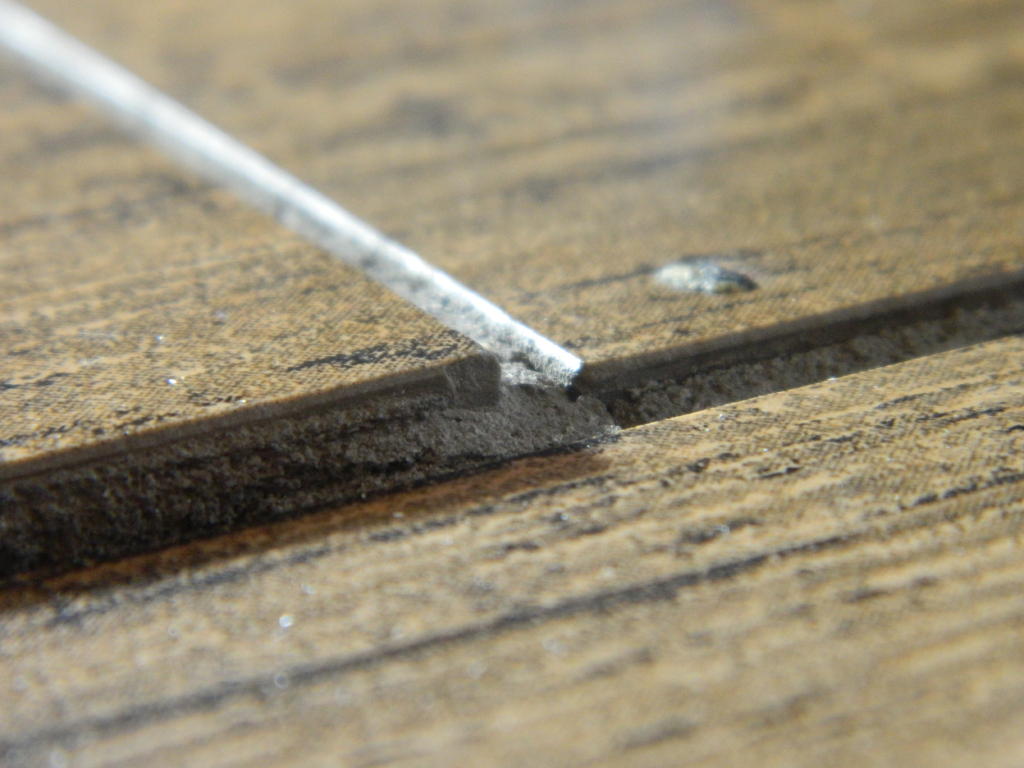
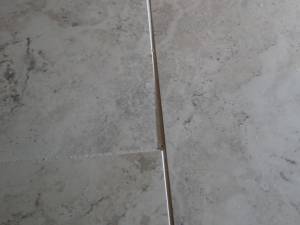
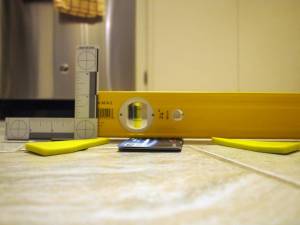
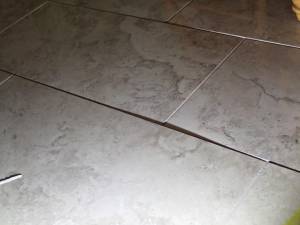
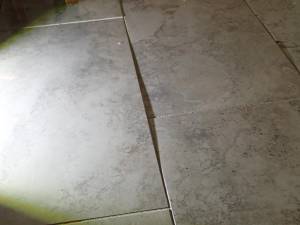
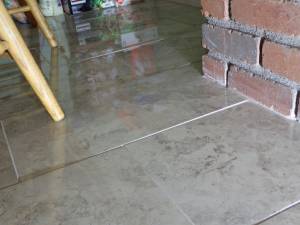
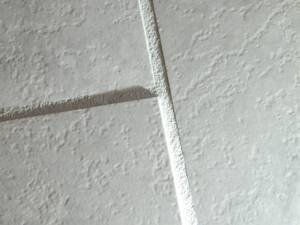
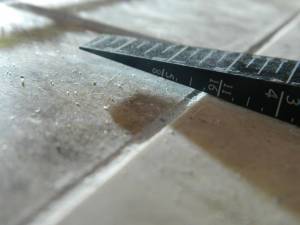
Lippage describes a condition in which one tile edge sits higher or lower than the edge of an adjacent tile, creating a measurable elevation difference at the joint. Small elevation differences may occur due to inherent tile warpage, substrate flatness variation, mortar placement, tile thickness variation, and installation alignment. Visual perception of lippage may also be greatly influenced by lighting angle, reflective tile finishes, grout joint width, and tile layout patterns. Proper evaluation requires measurement of the actual elevation difference together with consideration of inherent tile warpage and overall installation conditions. Industry lippage evaluation references commonly incorporate both measured edge difference and allowable tile warpage rather than relying on edge height alone. See also Warpage, Floor Flatness (FF) and Workmanship, and Tile and Stone Floor Problems for broader context.
Please subscribe to see all content

Wet Tile Slip Resistance and Surface Traction
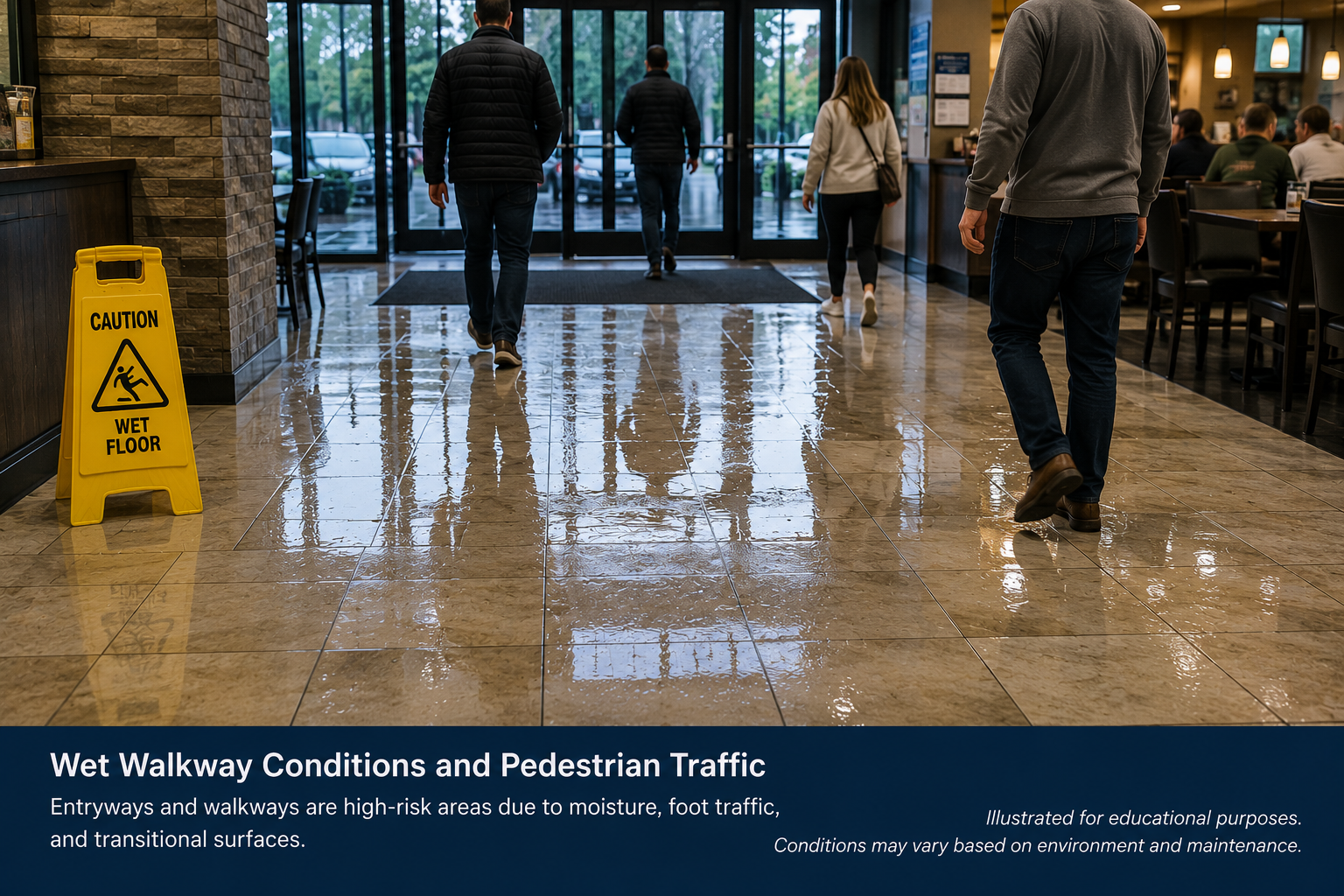
Wet tile slip resistance and surface traction are influenced by water exposure, contaminants, maintenance residue, and surface texture.
Read More
Wet Tile Slip Resistance and Surface Traction

Tile and Stone Floor Problems
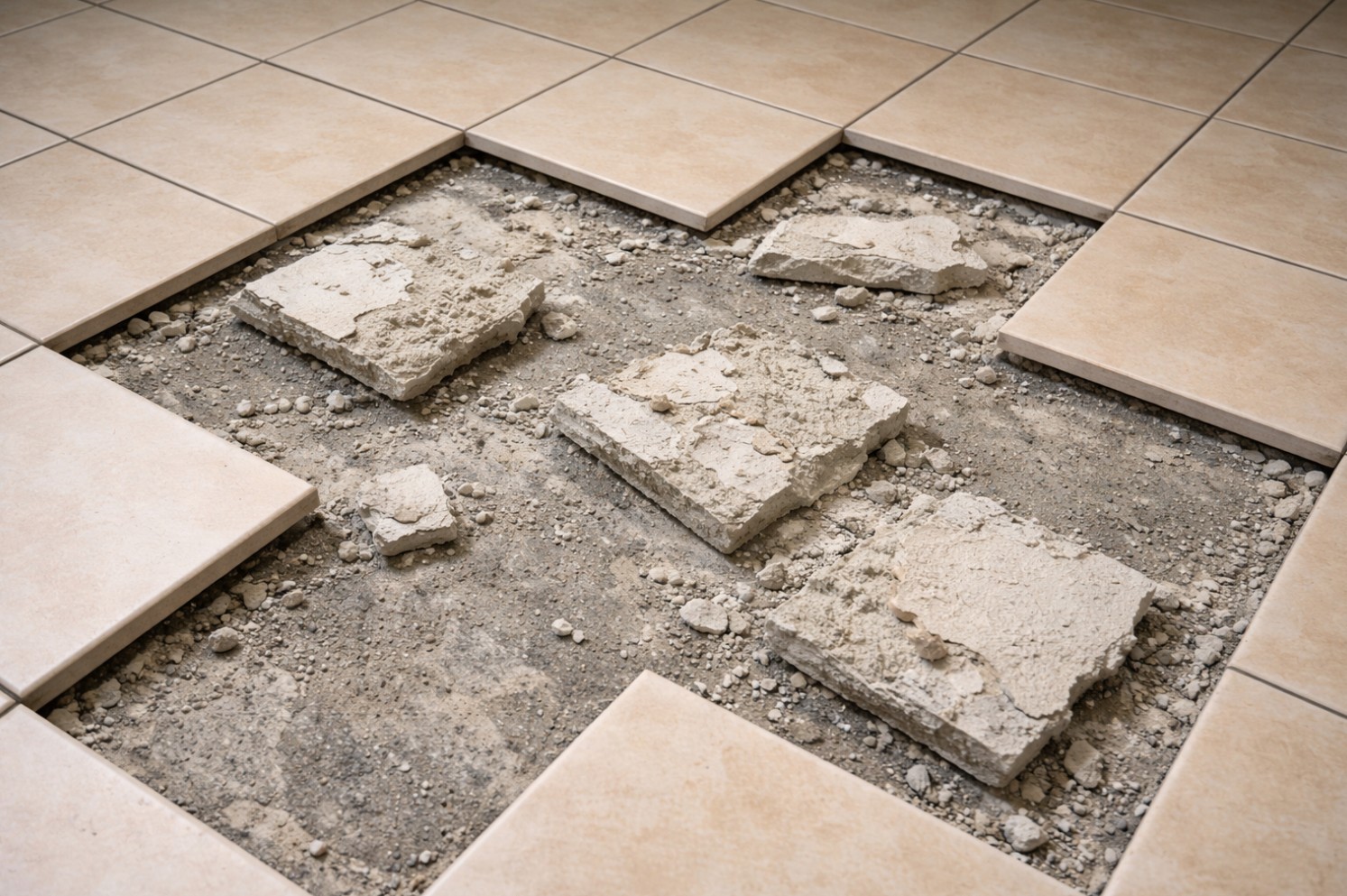
Tile and stone floor problems may involve cracking, lippage, bond loss, grout issues, moisture influence, or structural movement.
Read More
Tile and Stone Floor Problems

Tile Surface Cleaning and Residue Conditions (Overview)
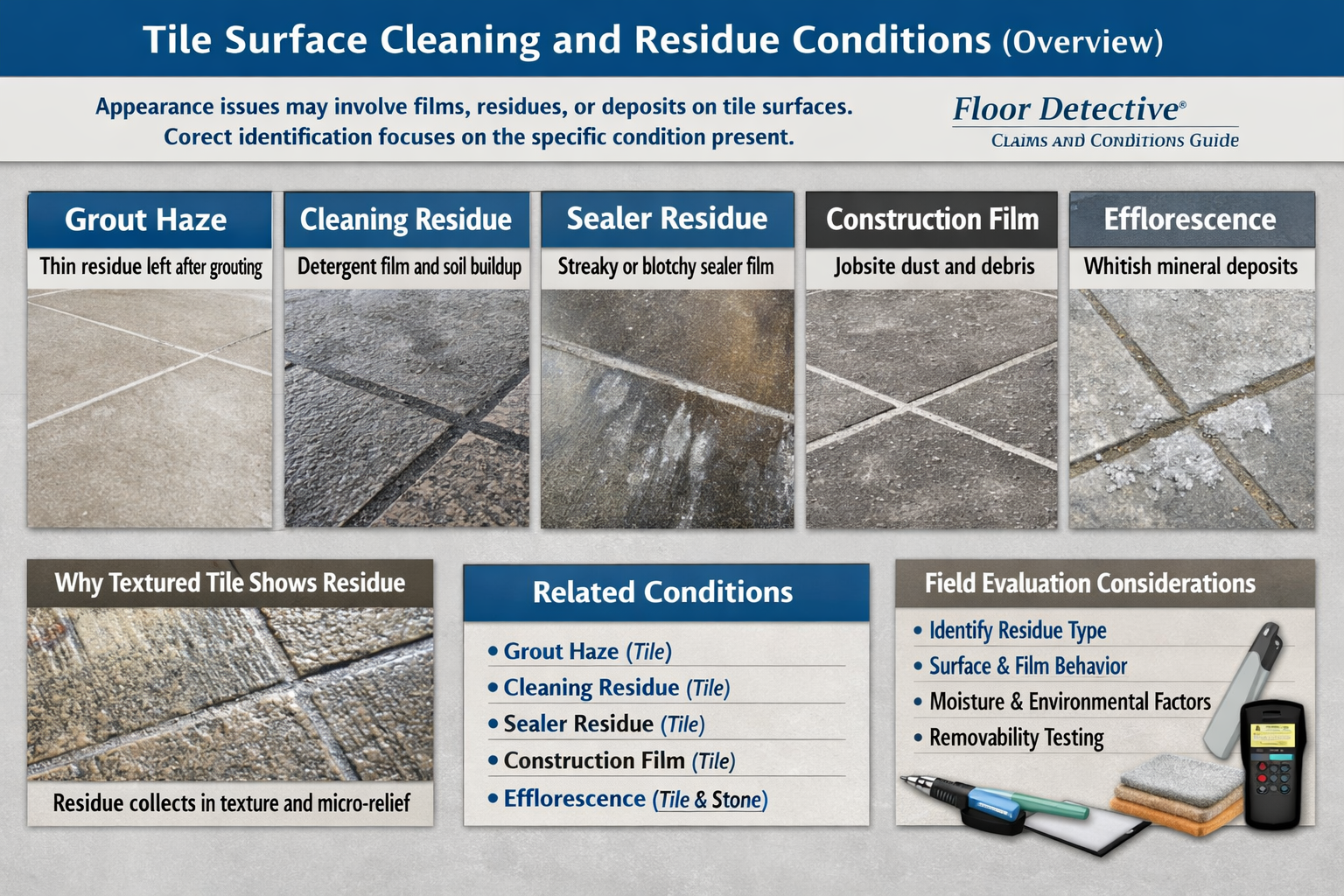
Tile surface residue conditions may involve grout haze, cleaning residue, sealer film, mineral deposits, or maintenance-related buildup.
Read More
Tile Surface Cleaning and Residue Conditions (Overview)

Surface Chipping (Ceramic Tile)
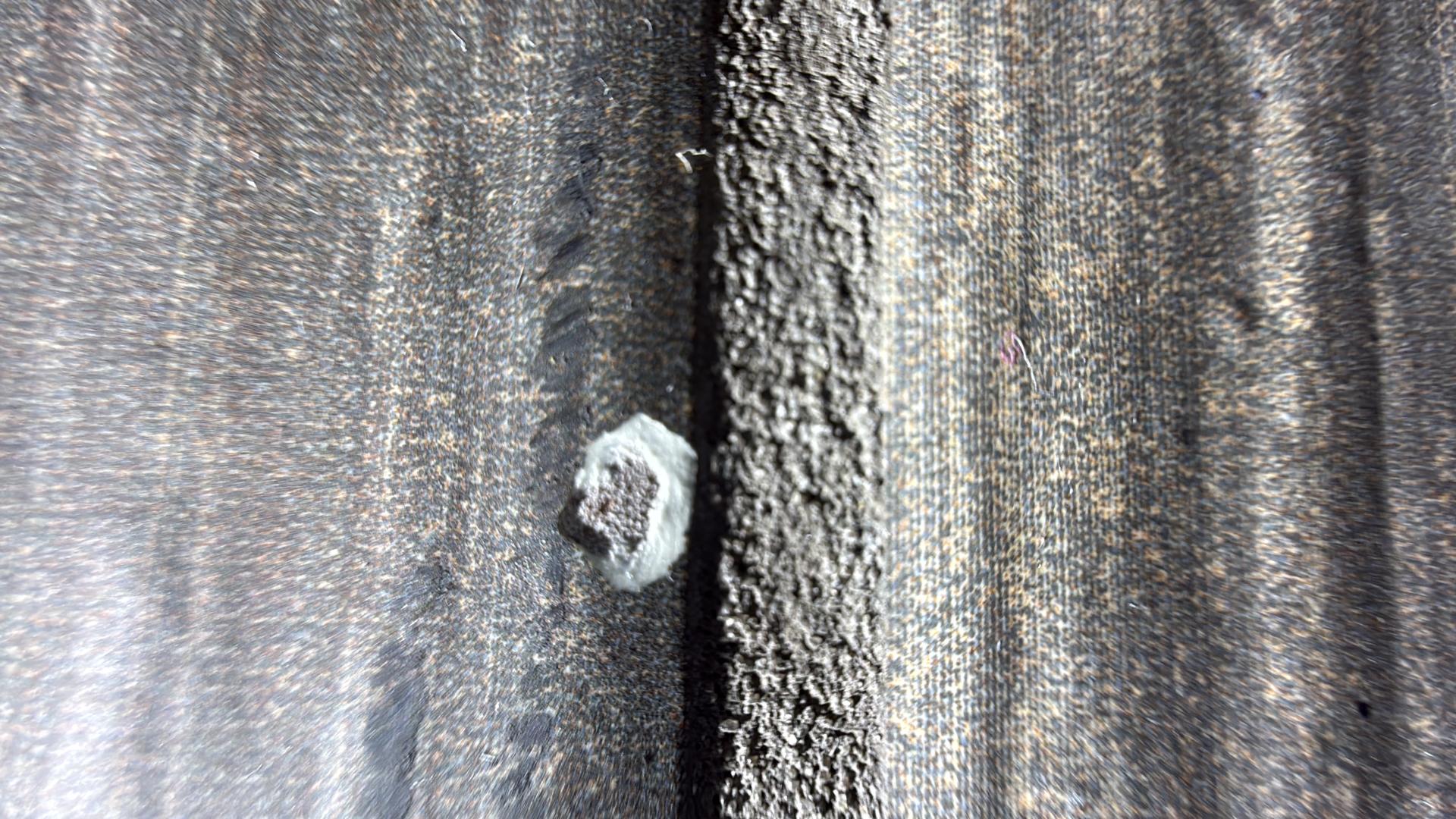
Surface chipping in ceramic tile involves localized glaze or surface loss caused by impact, contact stress, handling, or service conditions.
Read More
Surface Chipping (Ceramic Tile)

Grout Haze (Tile)
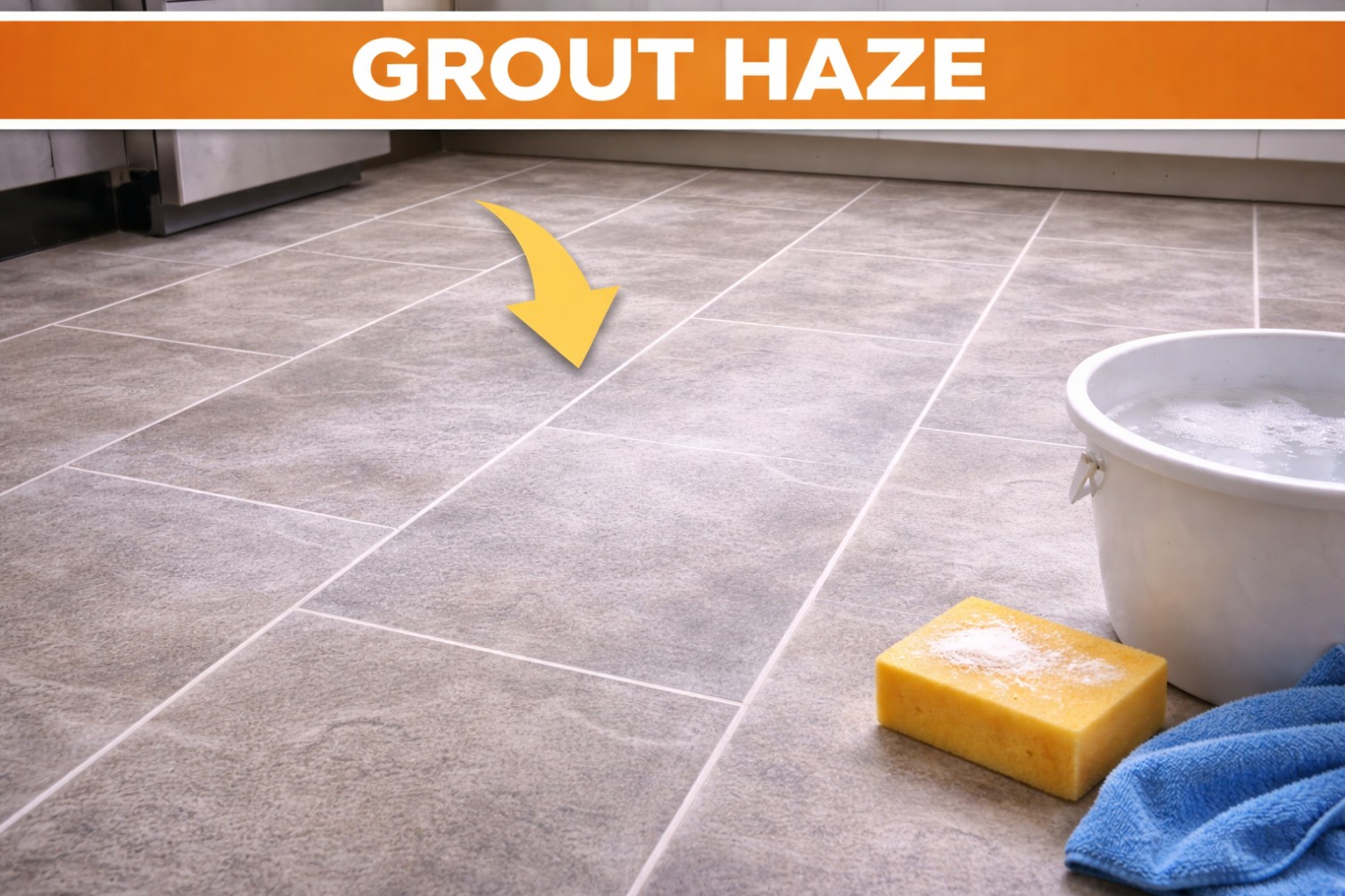
Grout haze on porcelain tile involves residual surface film caused by grout residue, tile texture, or installation conditions.
Read More
Grout Haze (Tile)

Cracked Corners

Cracked tile corners involve fractures caused by localized stress concentration, incomplete support, or movement within the tile assembly.
Read More
Cracked Corners

Outdoor Natural Stone Deterioration (Exterior Stone)

Outdoor natural stone deterioration may involve spalling, flaking, erosion, salt crystallization, and weather-related surface damage.
Read More
Outdoor Natural Stone Deterioration (Exterior Stone)

Grout – Pin Holes

Pin holes in grout joints involve small surface voids caused by grout consolidation, curing, or installation conditions.
Read More
Grout – Pin Holes

Saltillo Tile Lime Pops

Lime pops in Saltillo tile are localized surface disruptions caused by moisture-related expansion of lime-bearing particles within porous clay tile.
Read More
Saltillo Tile Lime Pops

Travertine Tile Properties

Travertine tile is a porous natural stone affected by moisture exposure, etching, wear, filler loss, and environmental conditions.
Read More
Travertine Tile Properties