
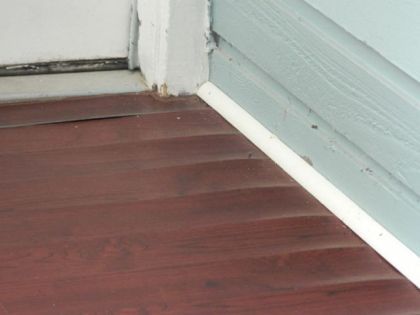
Scratches, Indentations and Surface Abrasions
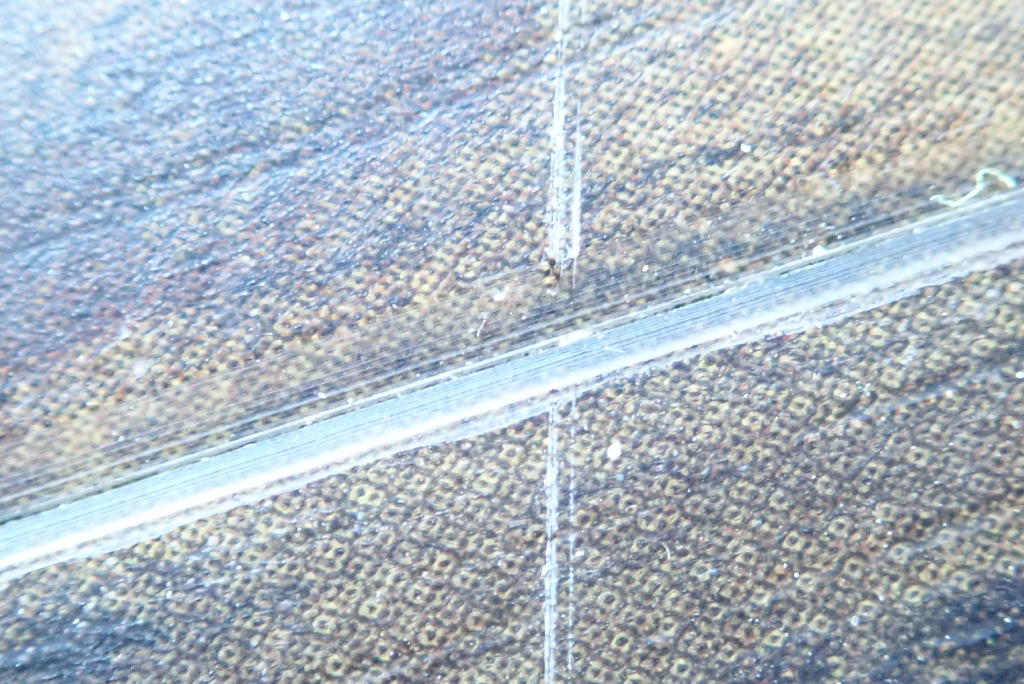
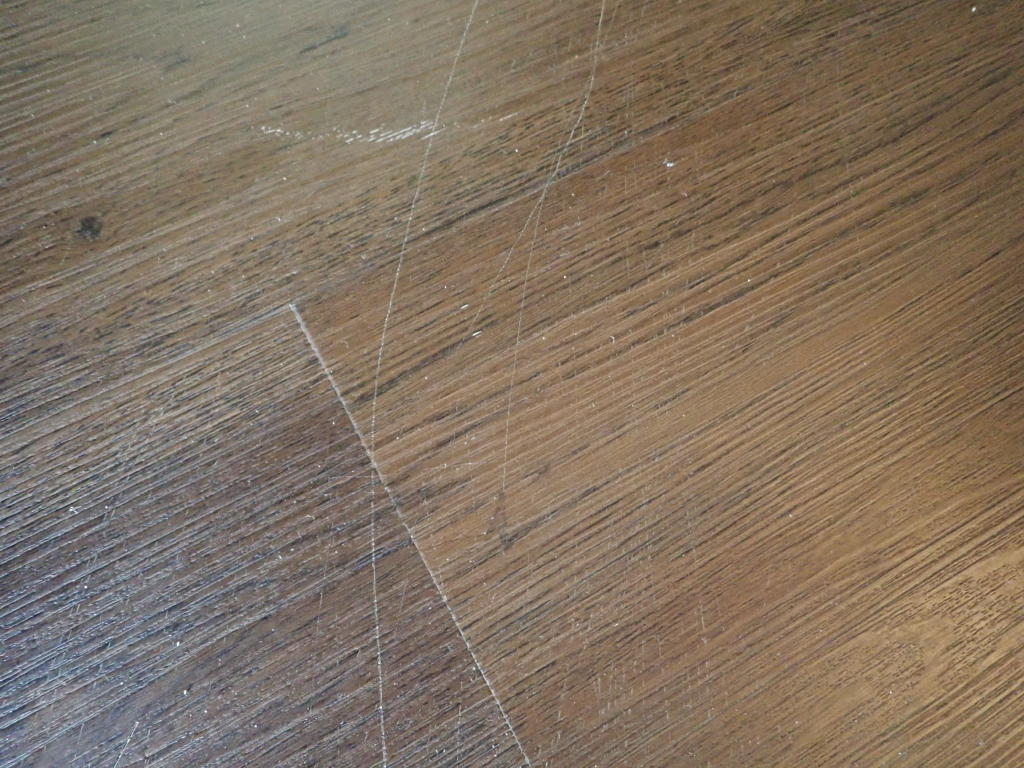
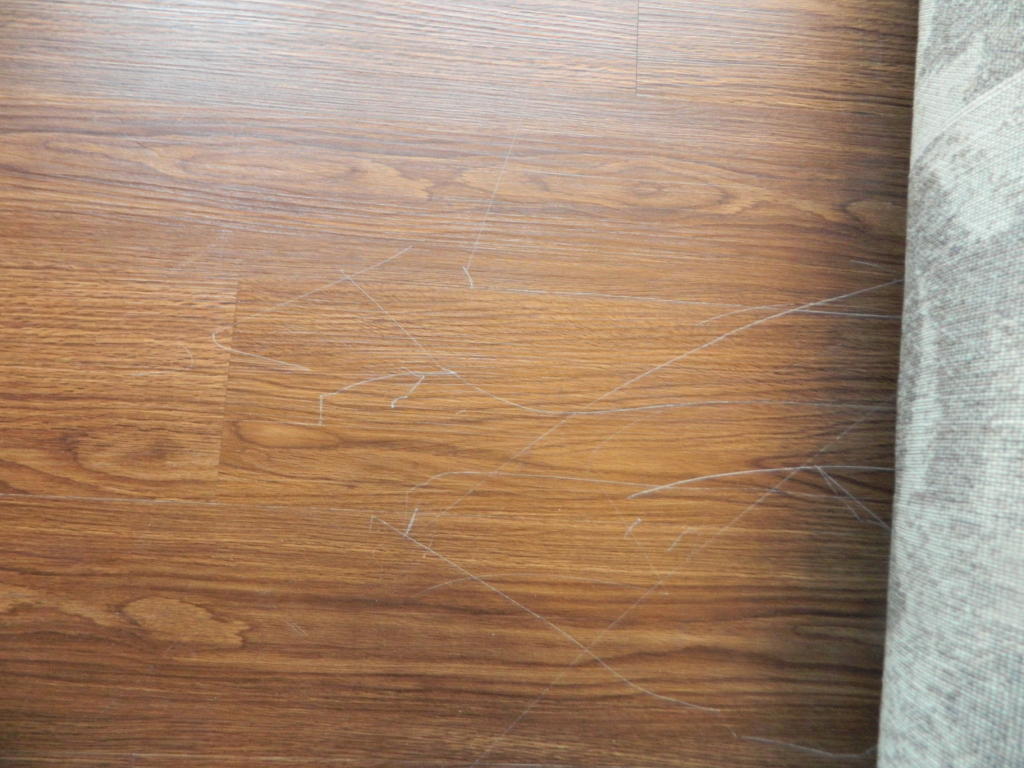
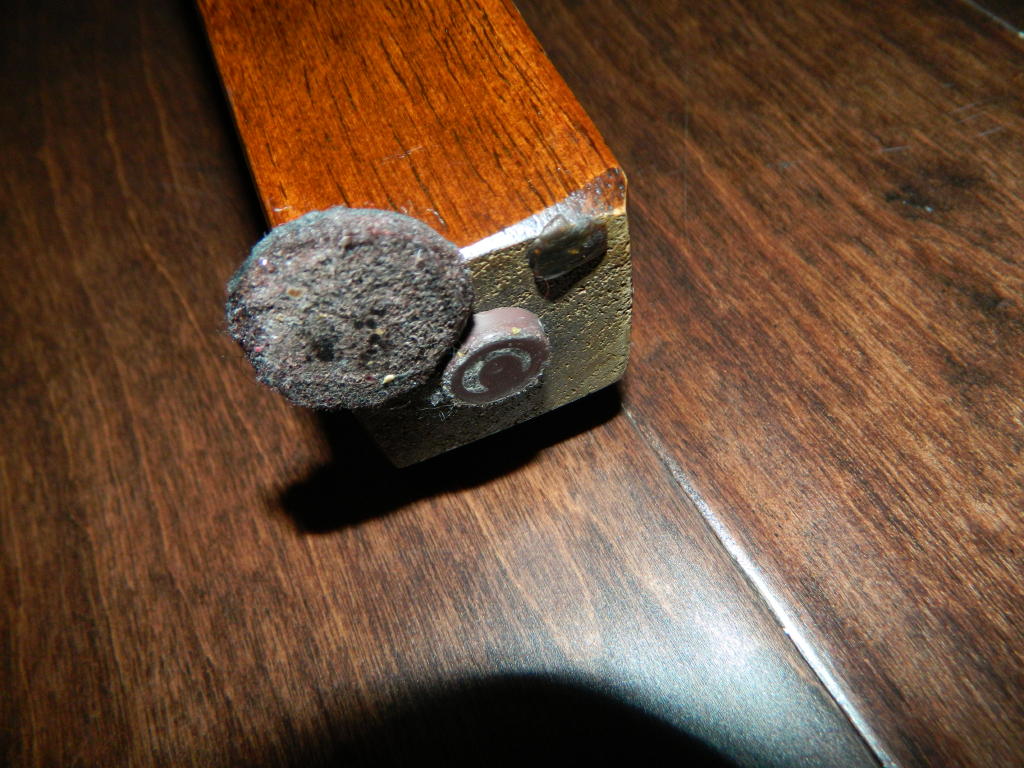
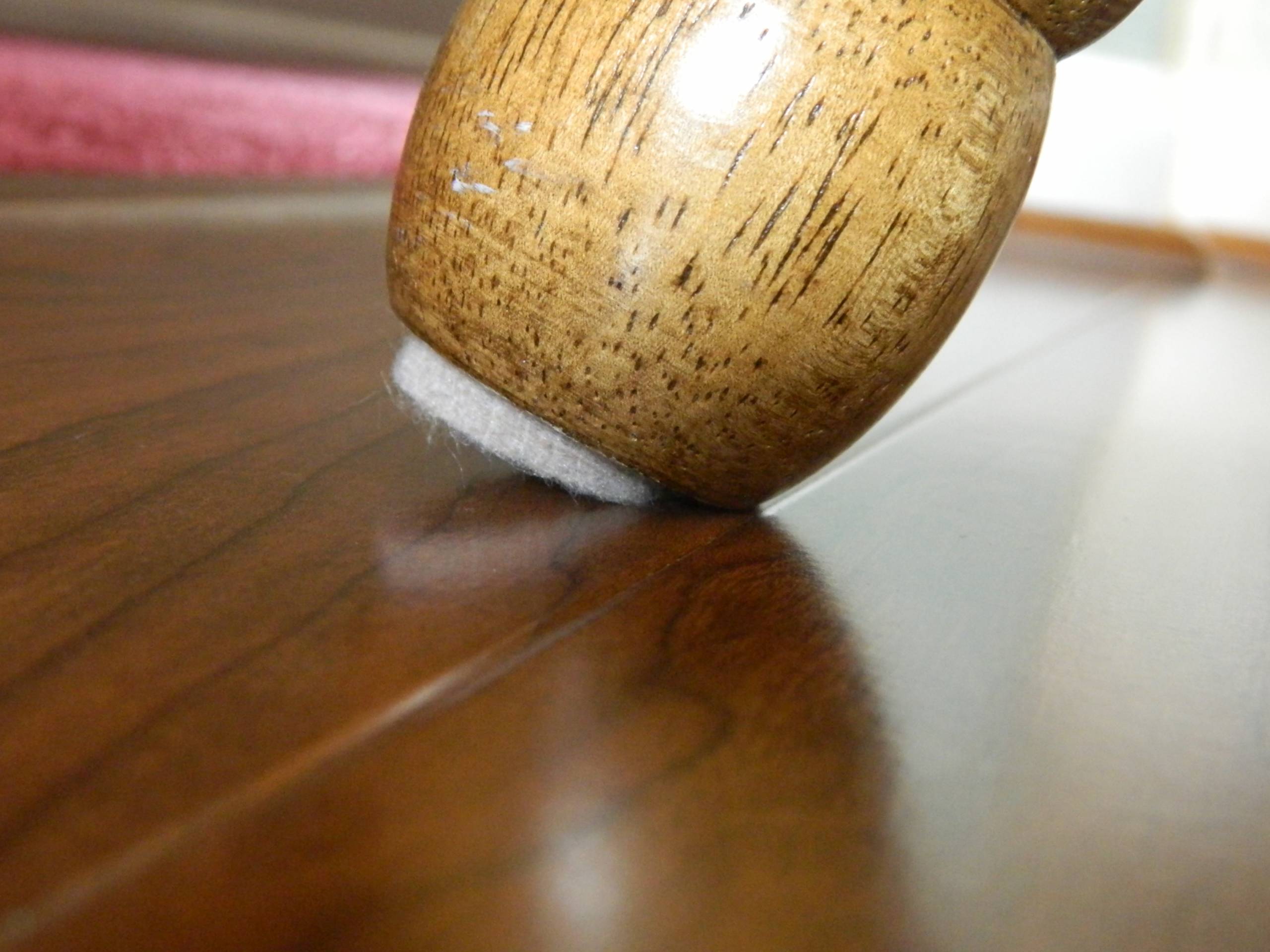
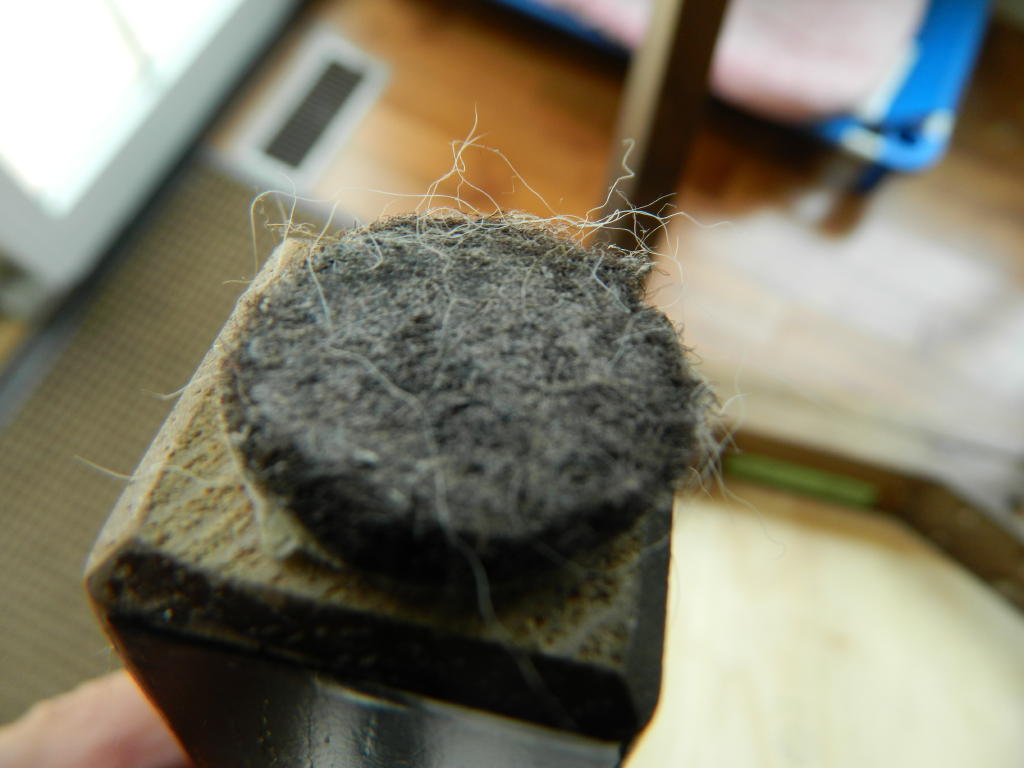
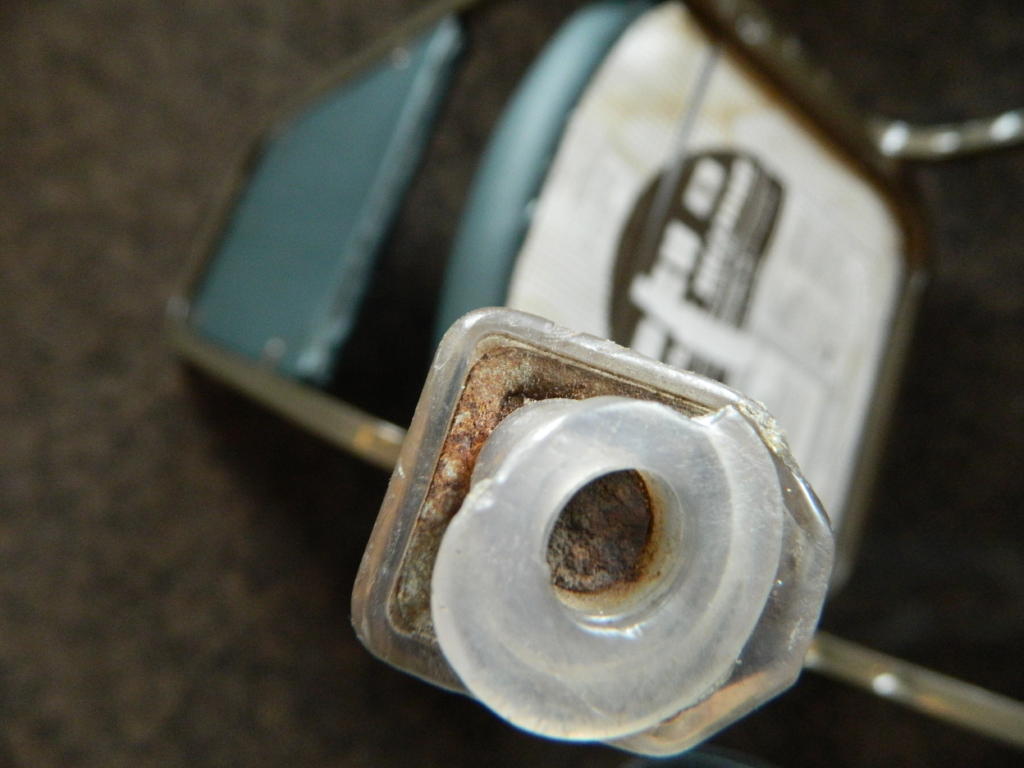
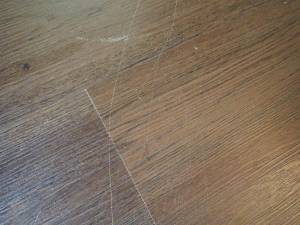
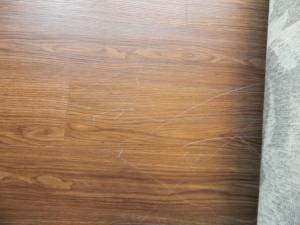
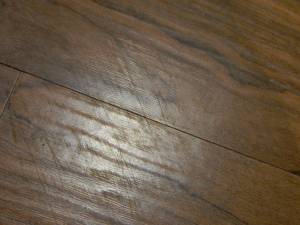
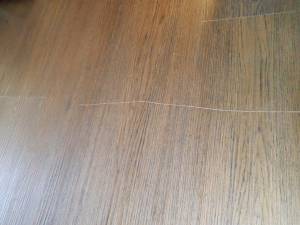
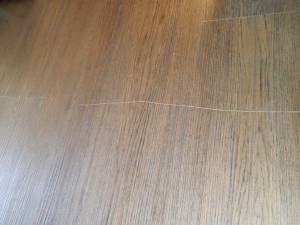
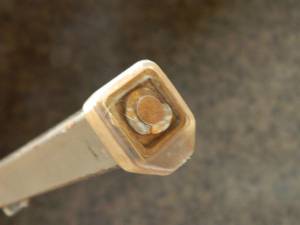
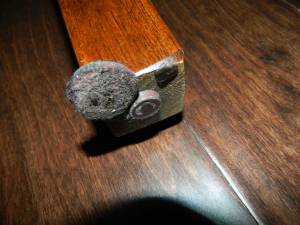
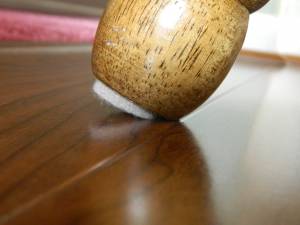
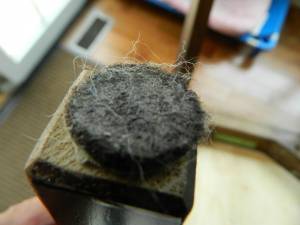
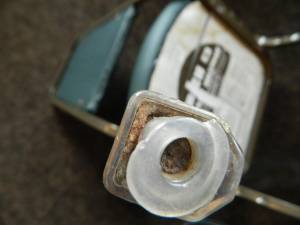
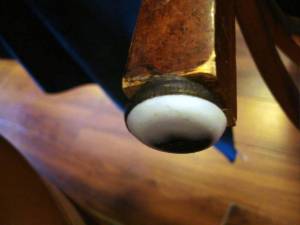
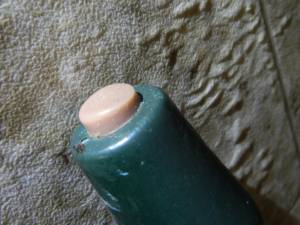
Scratches, Indentations, and Surface Abrasions (Resilient Flooring)
Floor Detective® Claims and Conditions Guide
Summary
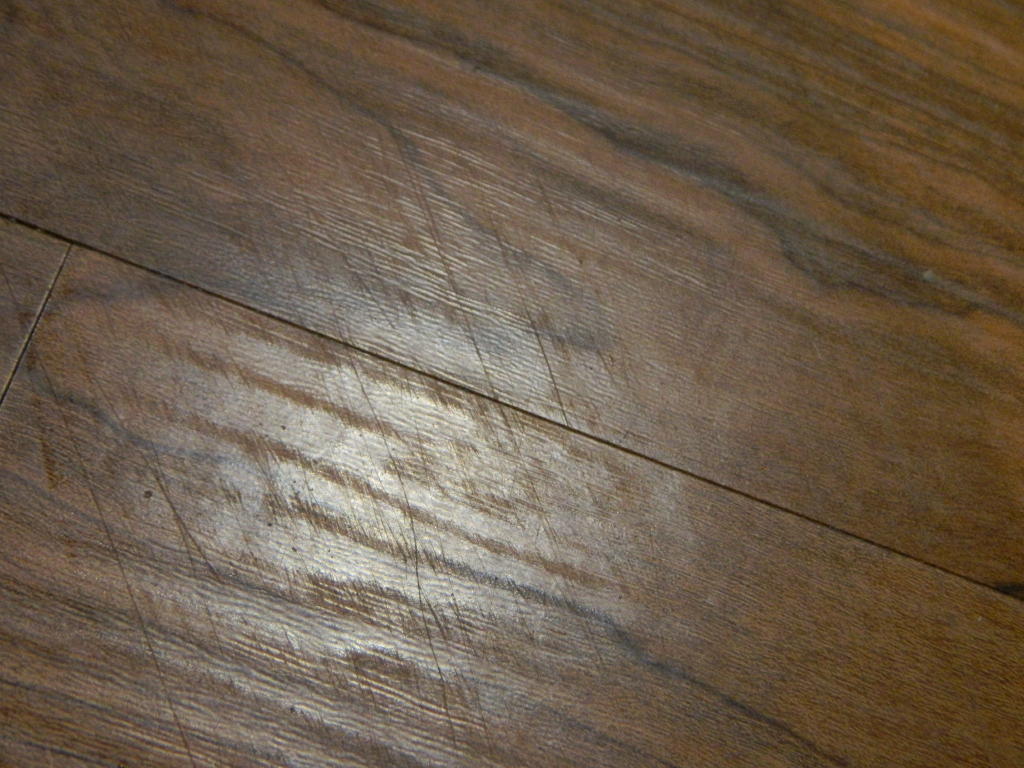
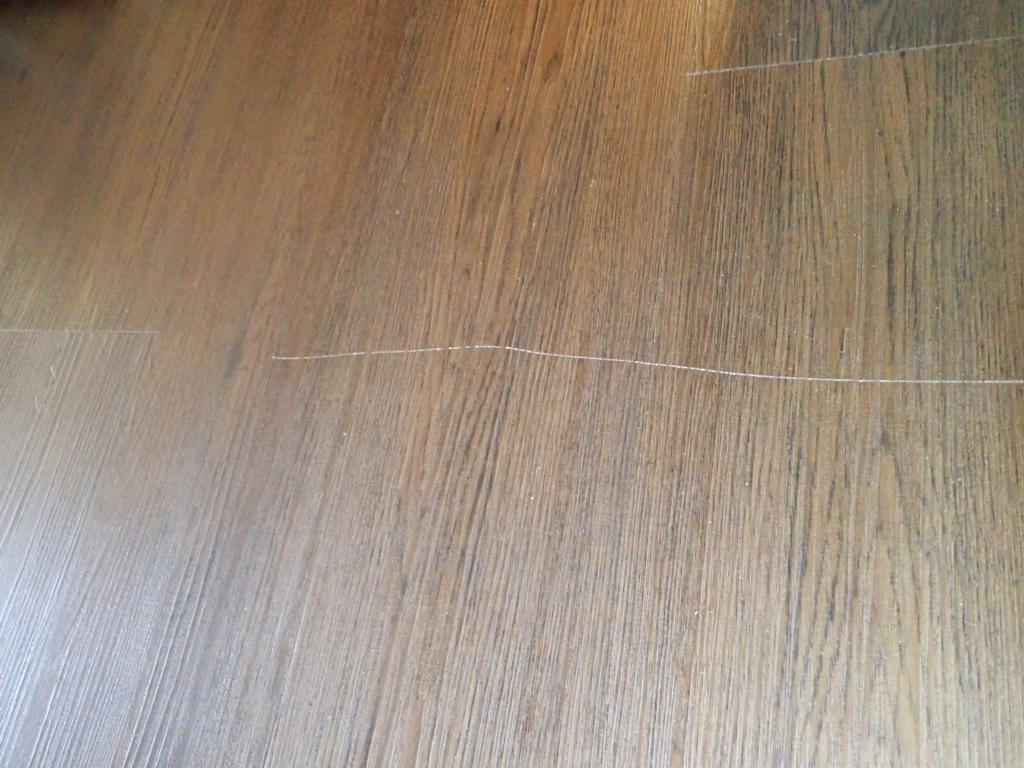
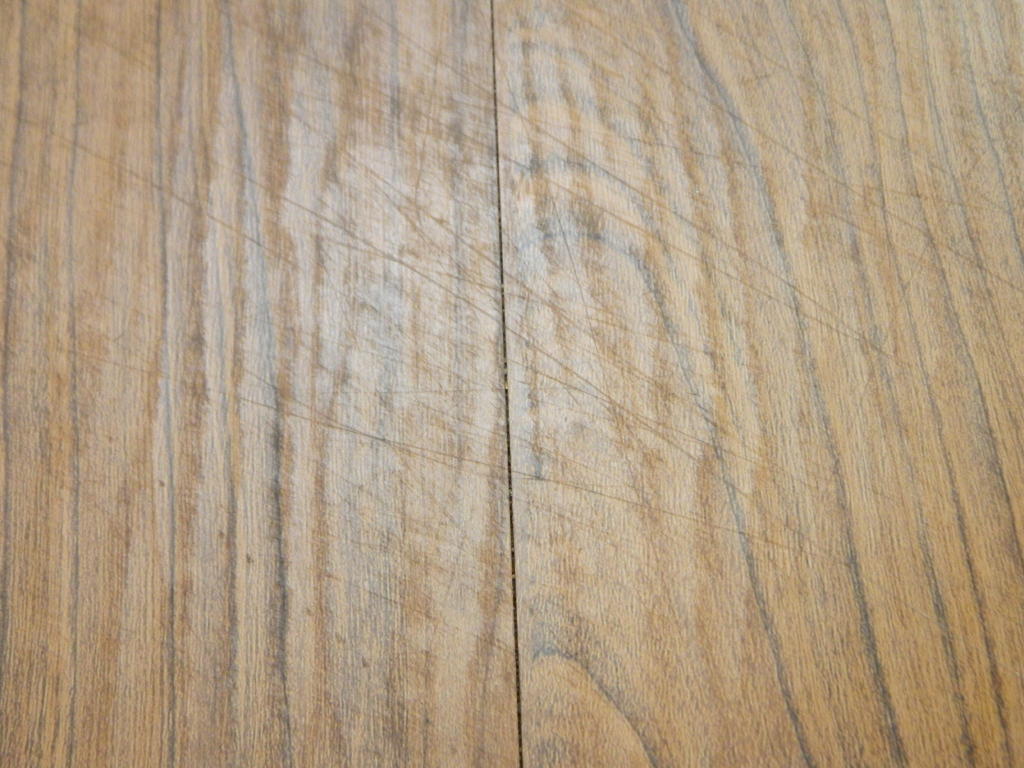
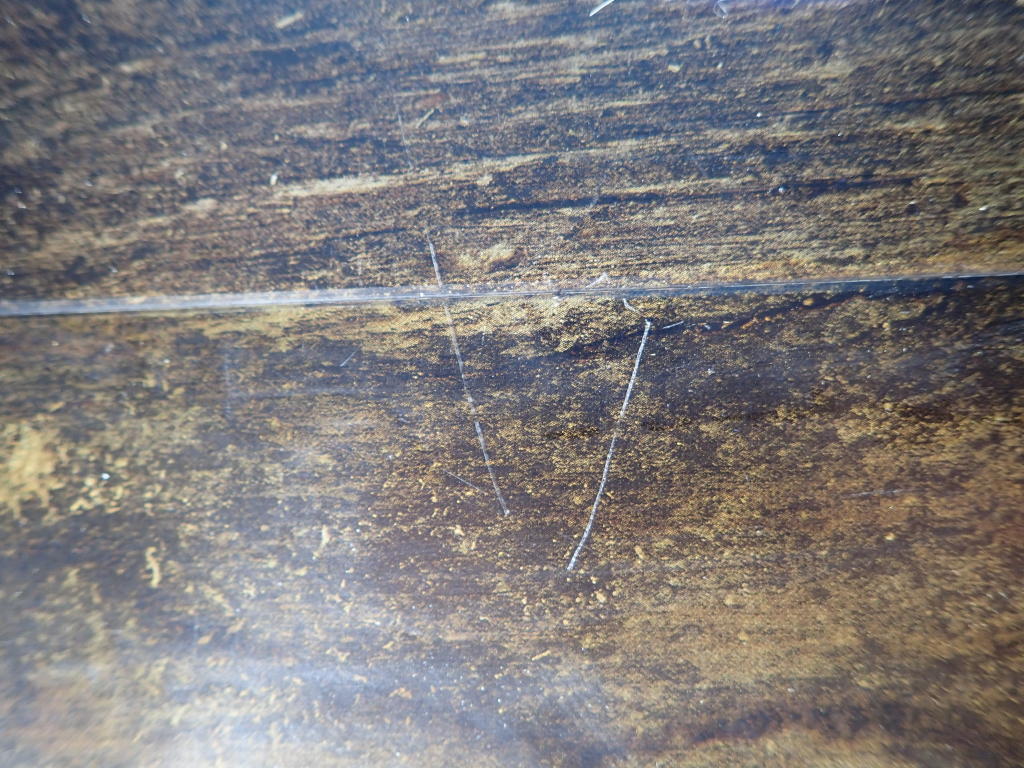
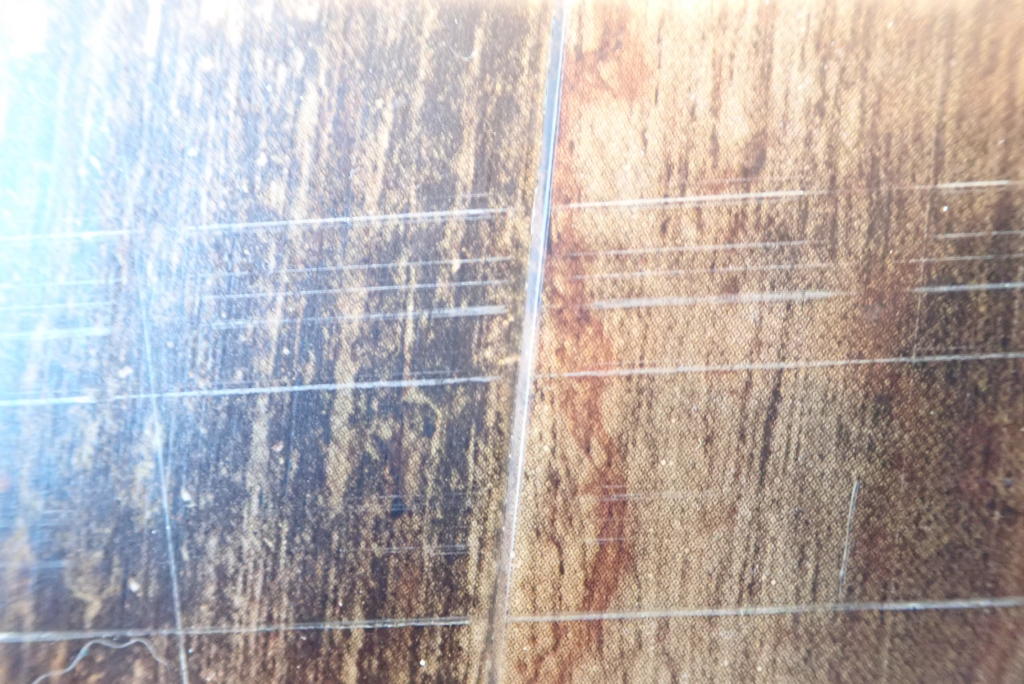
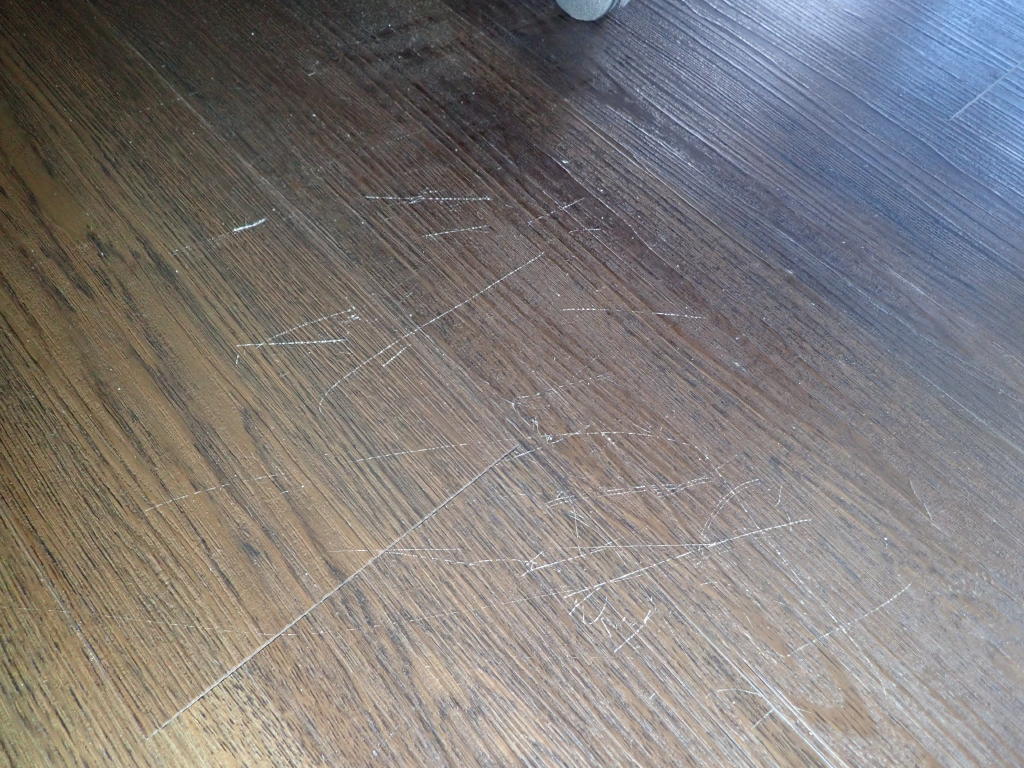
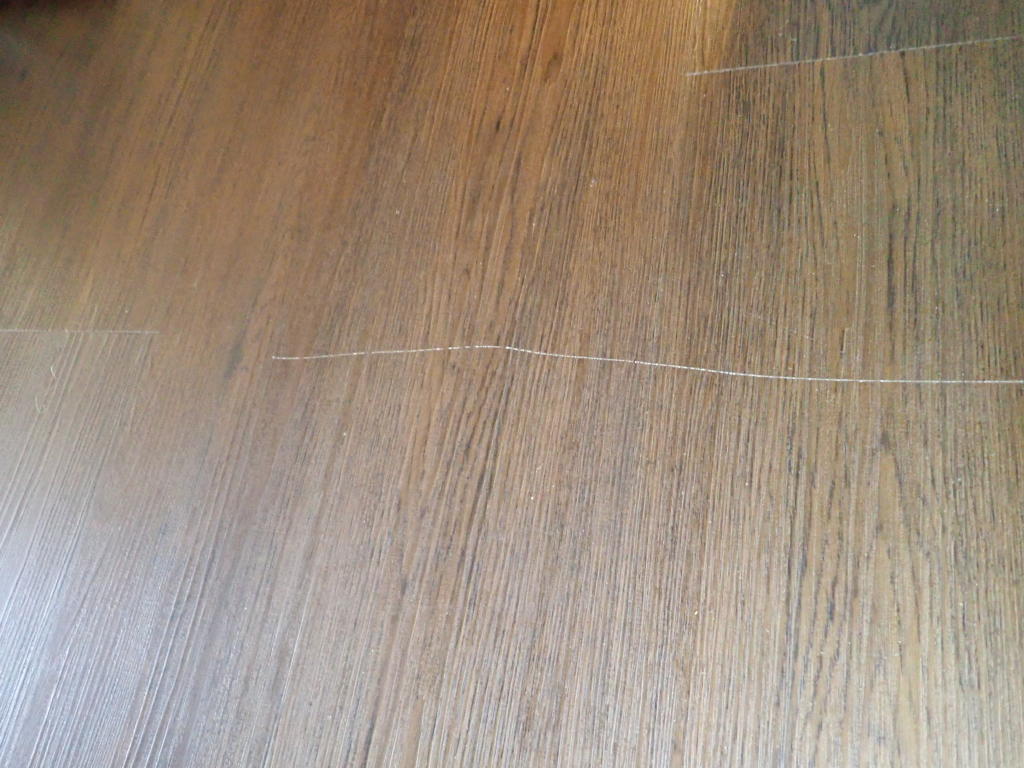
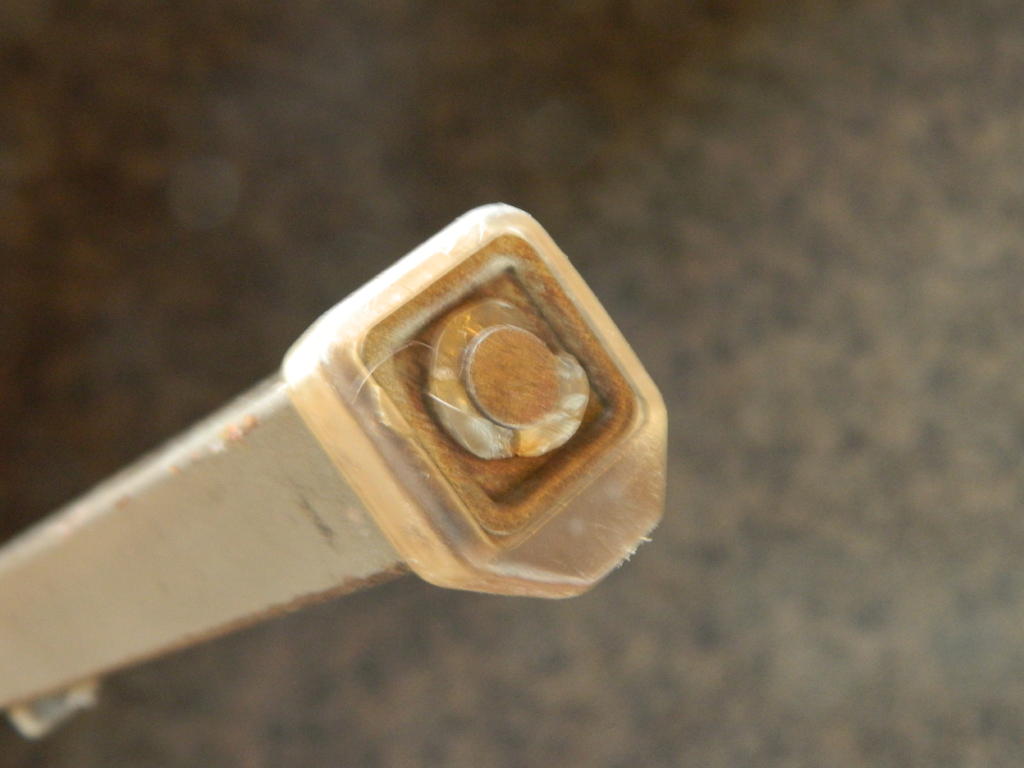
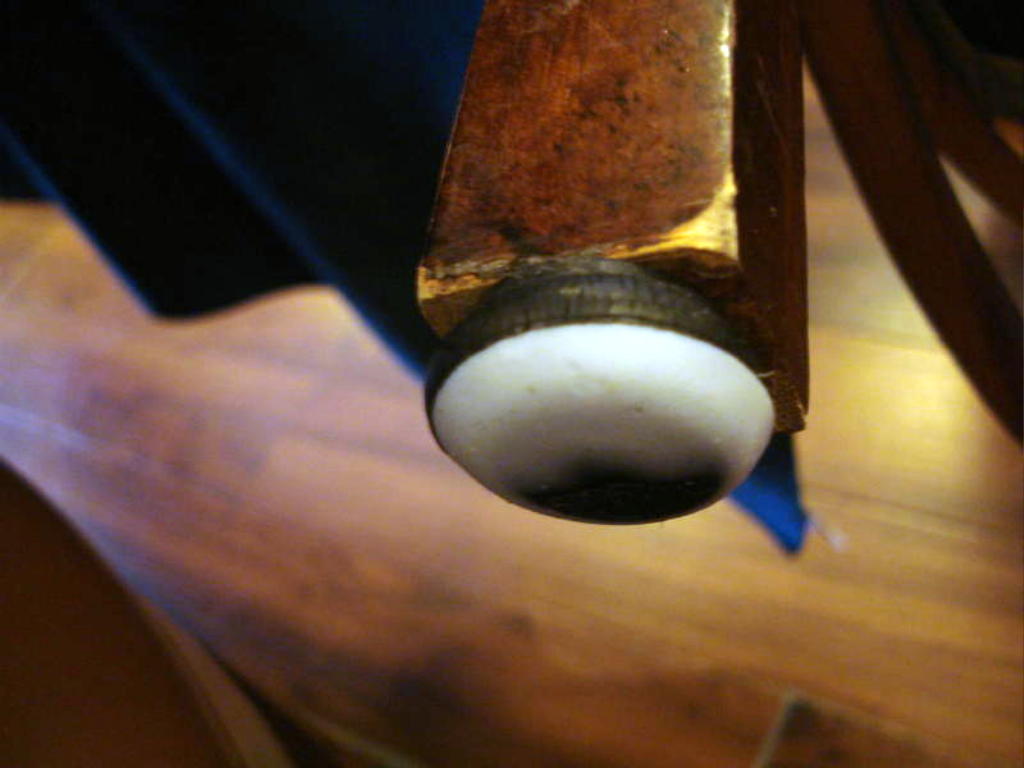
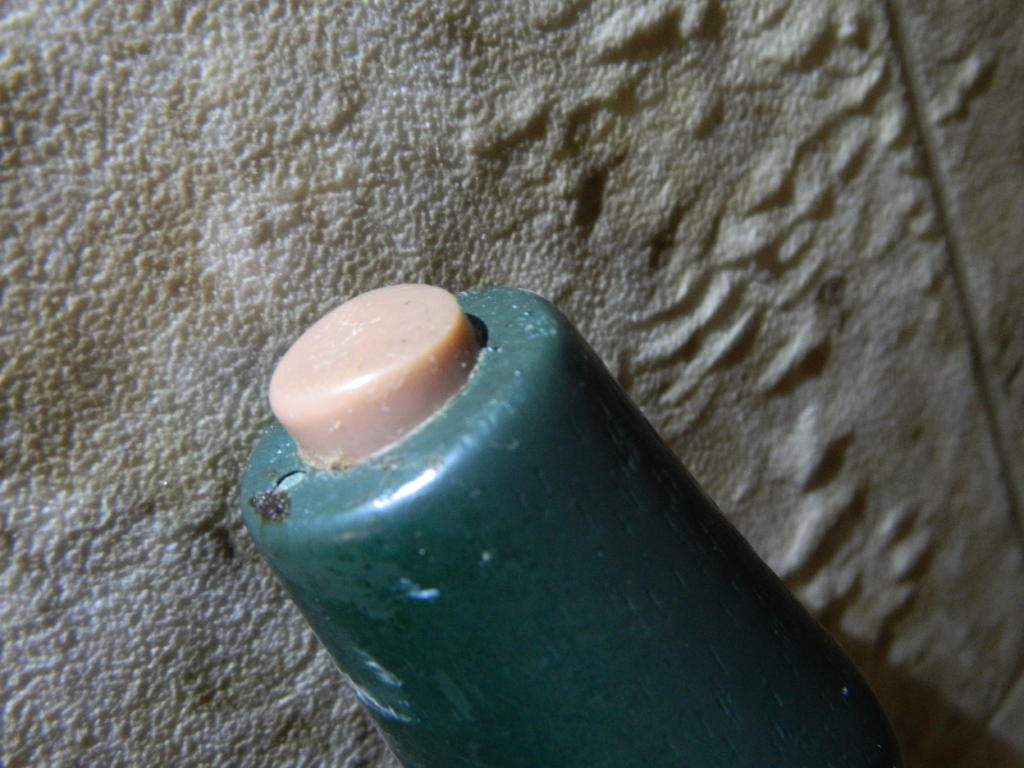
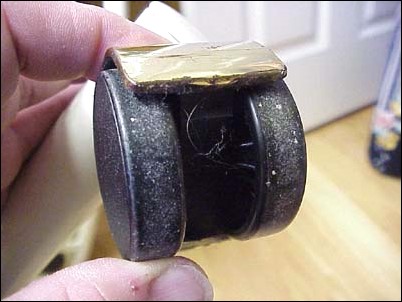
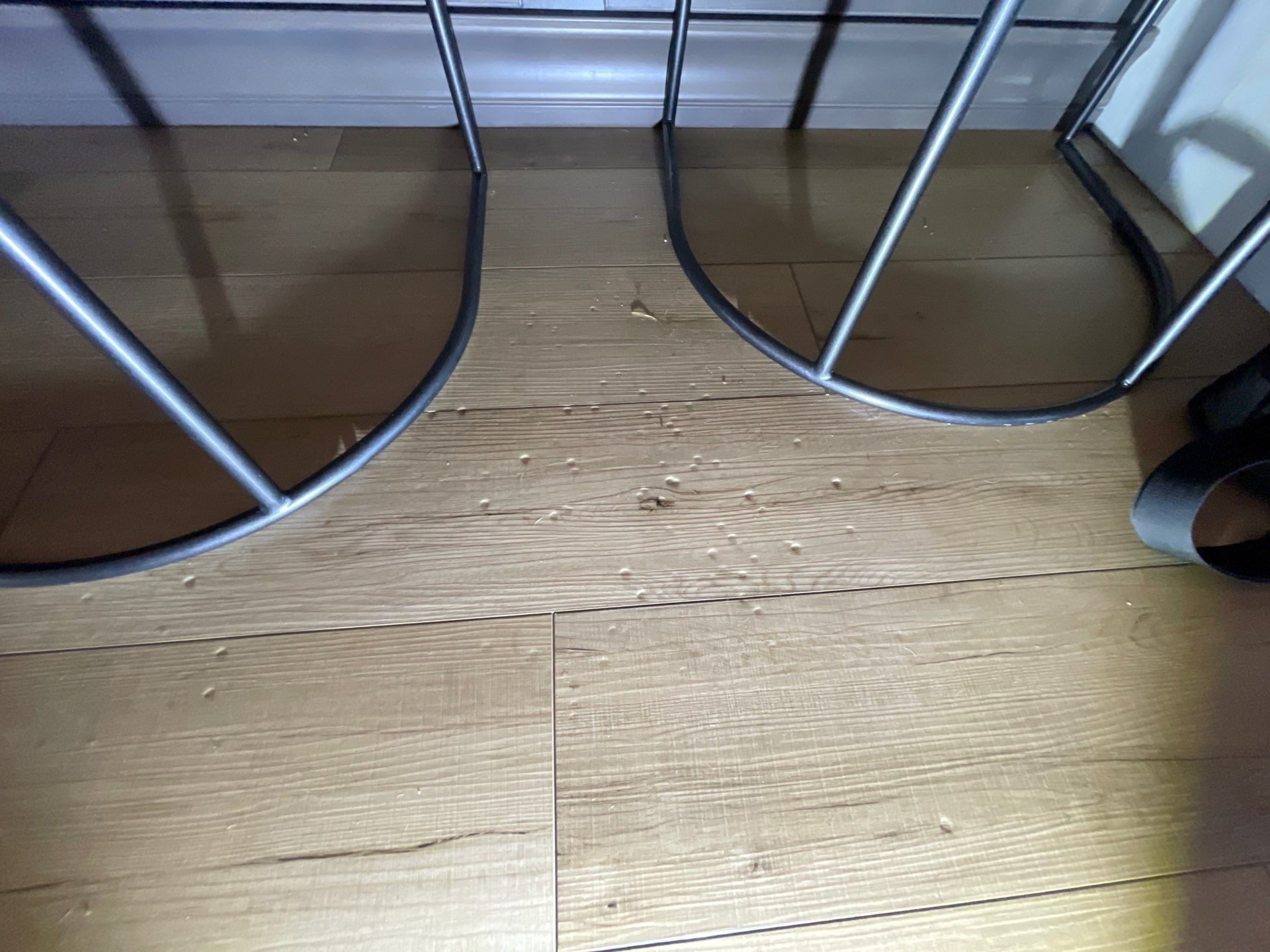
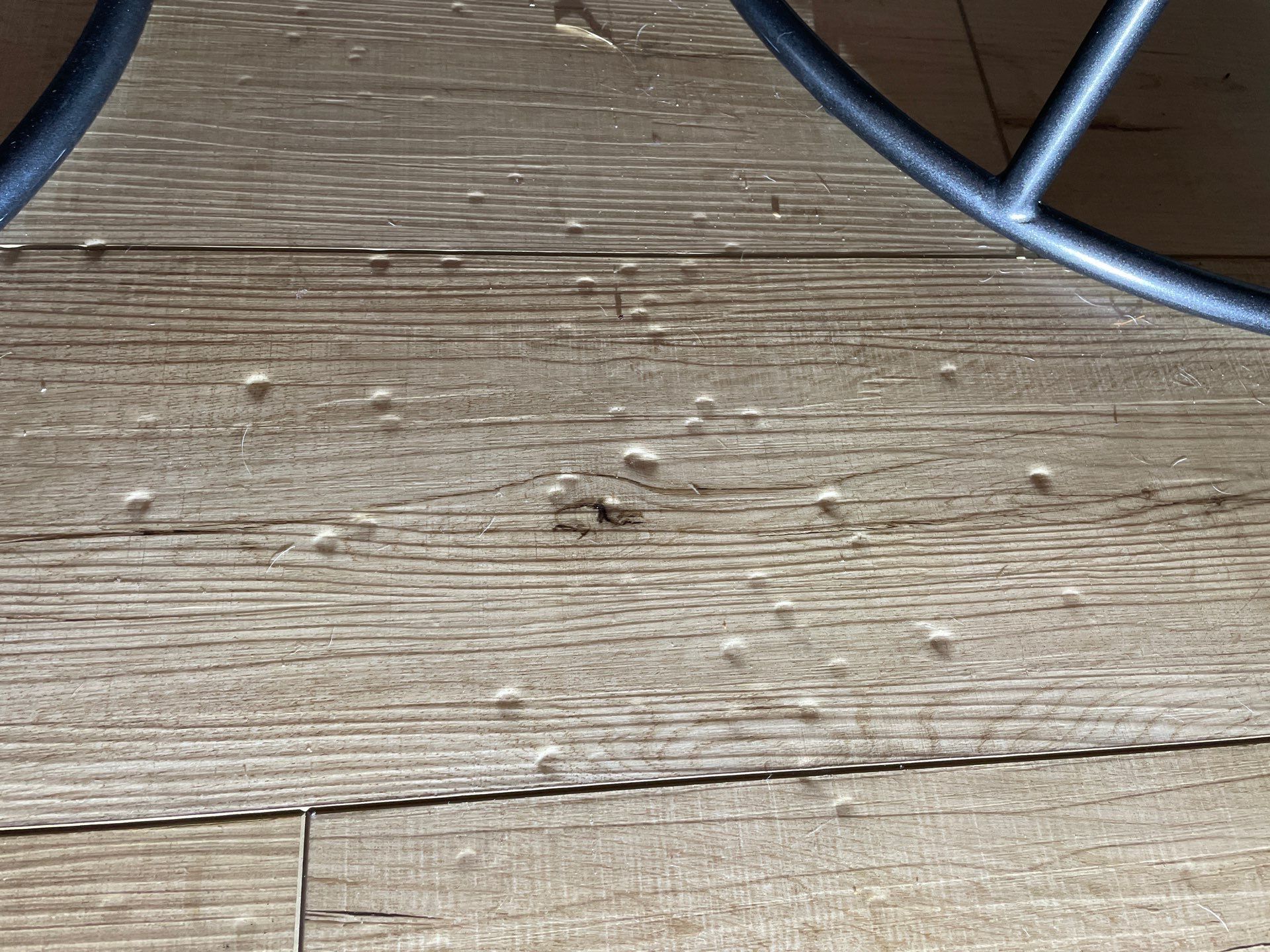
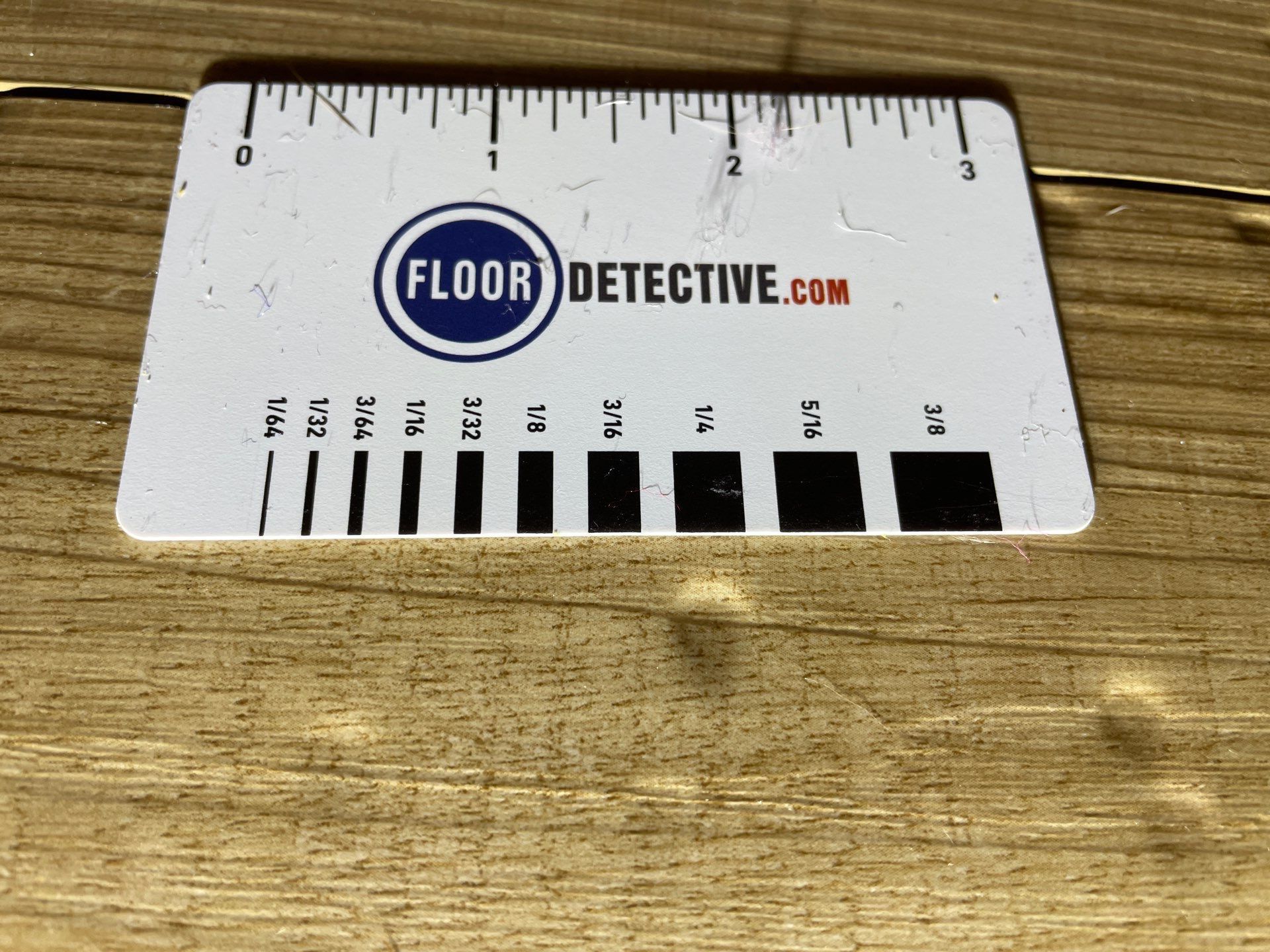
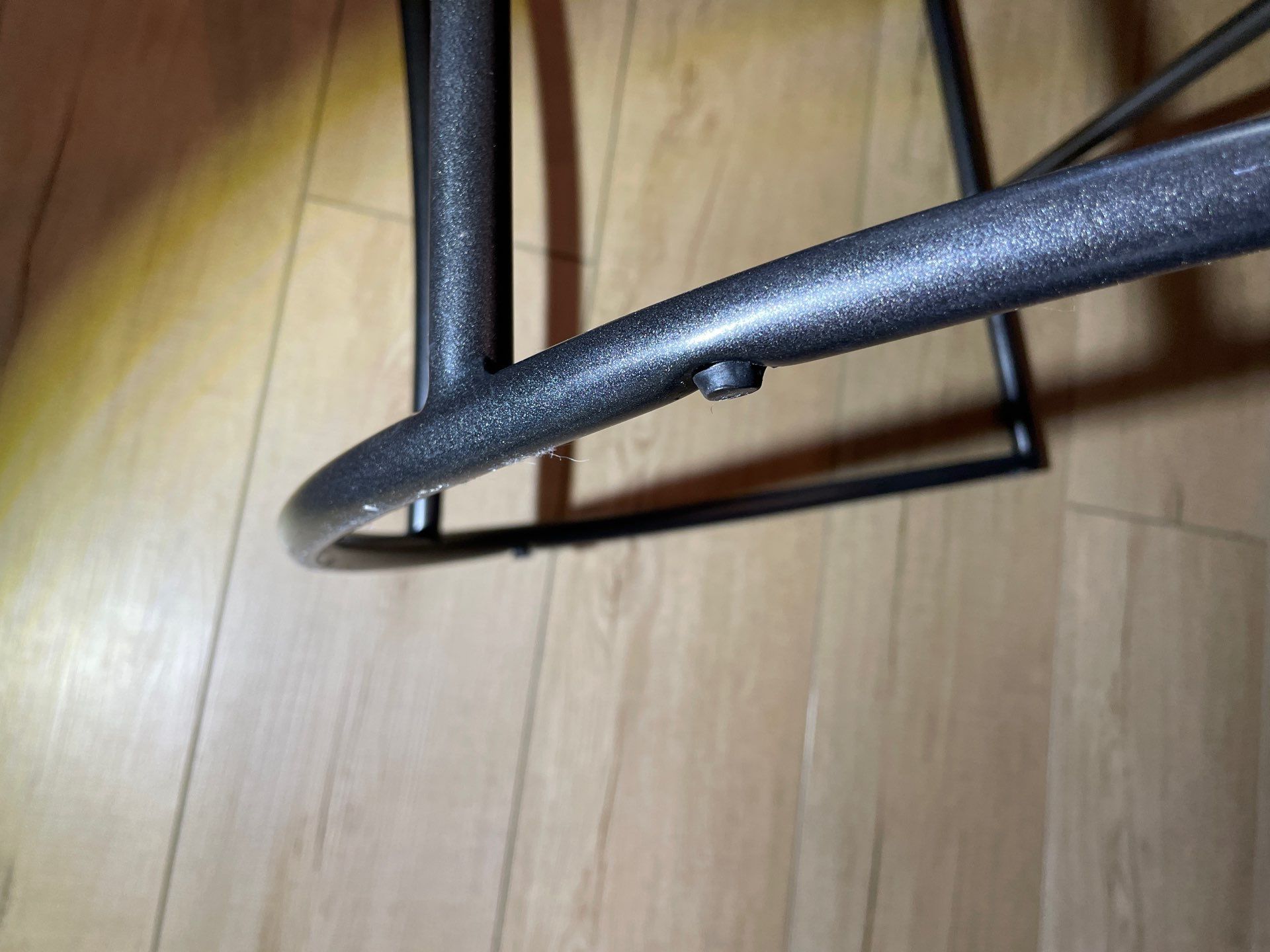
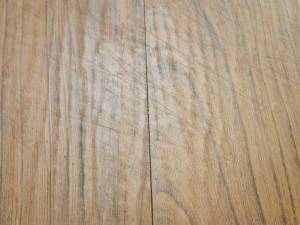
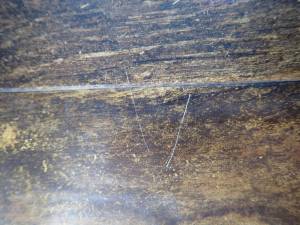
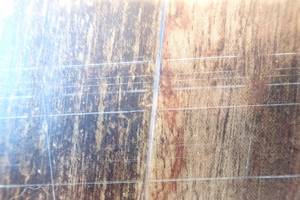
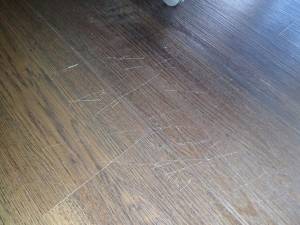
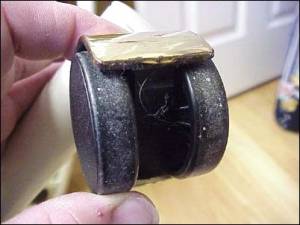
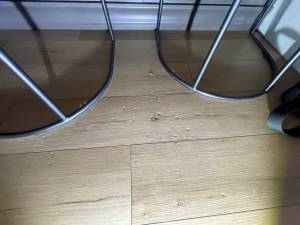
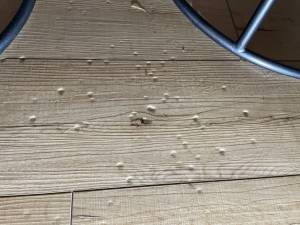
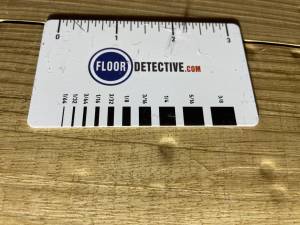
Scratches, indentations, scuffing, gouging, and surface abrasion in resilient flooring are appearance-related conditions caused by friction, sliding contact, rolling load interaction, concentrated pressure, or abrasive particulate exposure acting on the floor surface during service life. Many resilient flooring products incorporate factory-applied urethane or enhanced-performance coatings intended to improve scratch resistance, stain resistance, and long-term appearance retention; however, no resilient surface is immune from damage when applied force, contact geometry, or abrasive exposure exceeds surface resistance characteristics. Surface marking may range from light reflectivity change or superficial scuffing to deeper wear-layer penetration, compression deformation, gouging, or localized material disruption. Visibility is strongly influenced by gloss level, surface texture, embossing profile, plank color, lighting direction, and reflective sightlines within the occupied space. These conditions reflect interaction between the flooring surface and external forces, abrasive contaminants, rolling loads, or maintenance exposure rather than inherent structural flooring-system failure. Proper evaluation requires correlation of surface morphology, depth, distribution pattern, traffic exposure, contact geometry, environmental conditions, and documented use conditions rather than appearance alone. Surface marking alone does not independently establish manufacturing nonconformance. See also Gloss Variation Resilient Plank, Resilient Flooring Maintenance, and LVT and SPC Floor Problems for broader context.
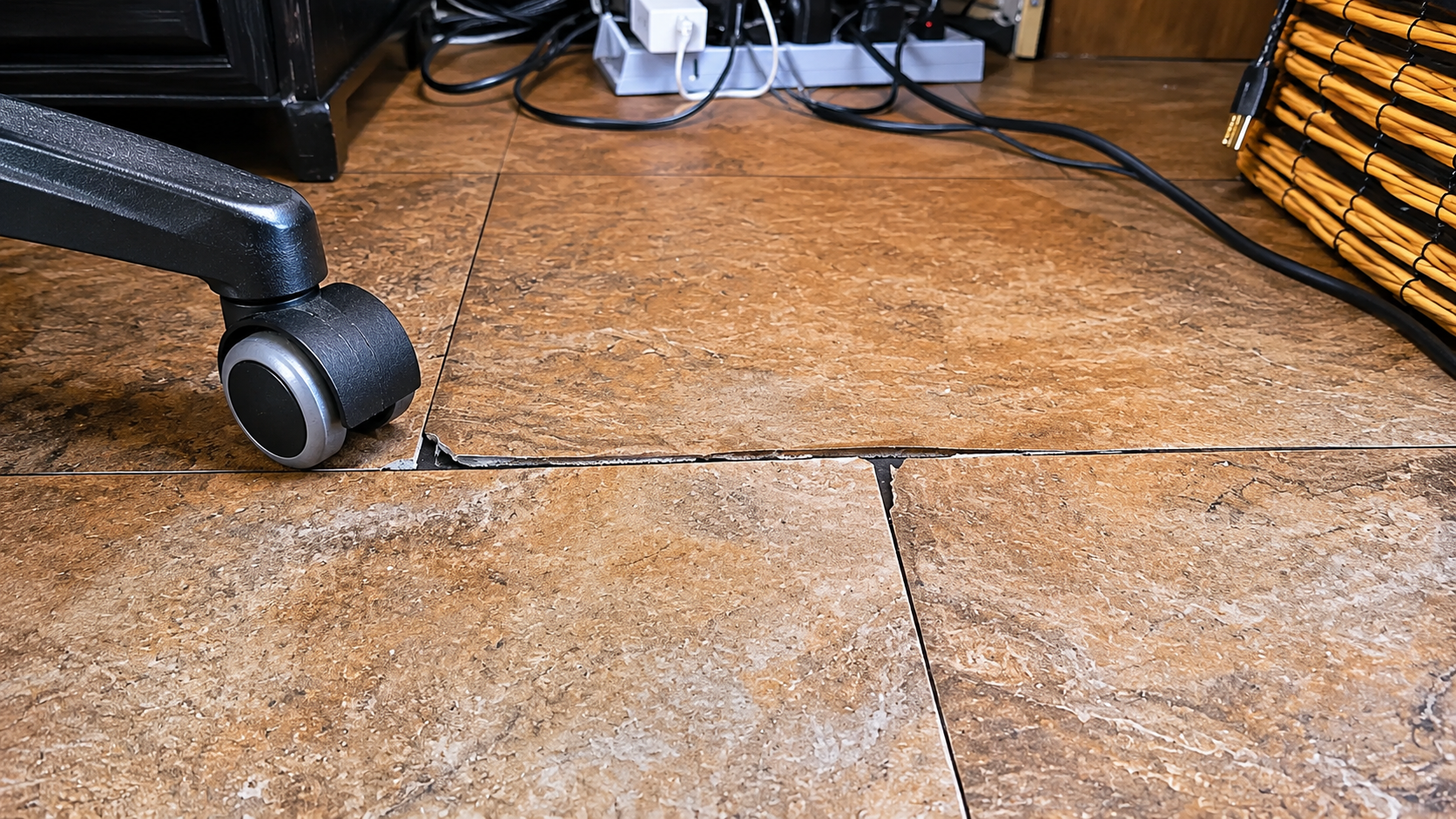
Chair-Caster Damage (LVT/SPC Flooring)
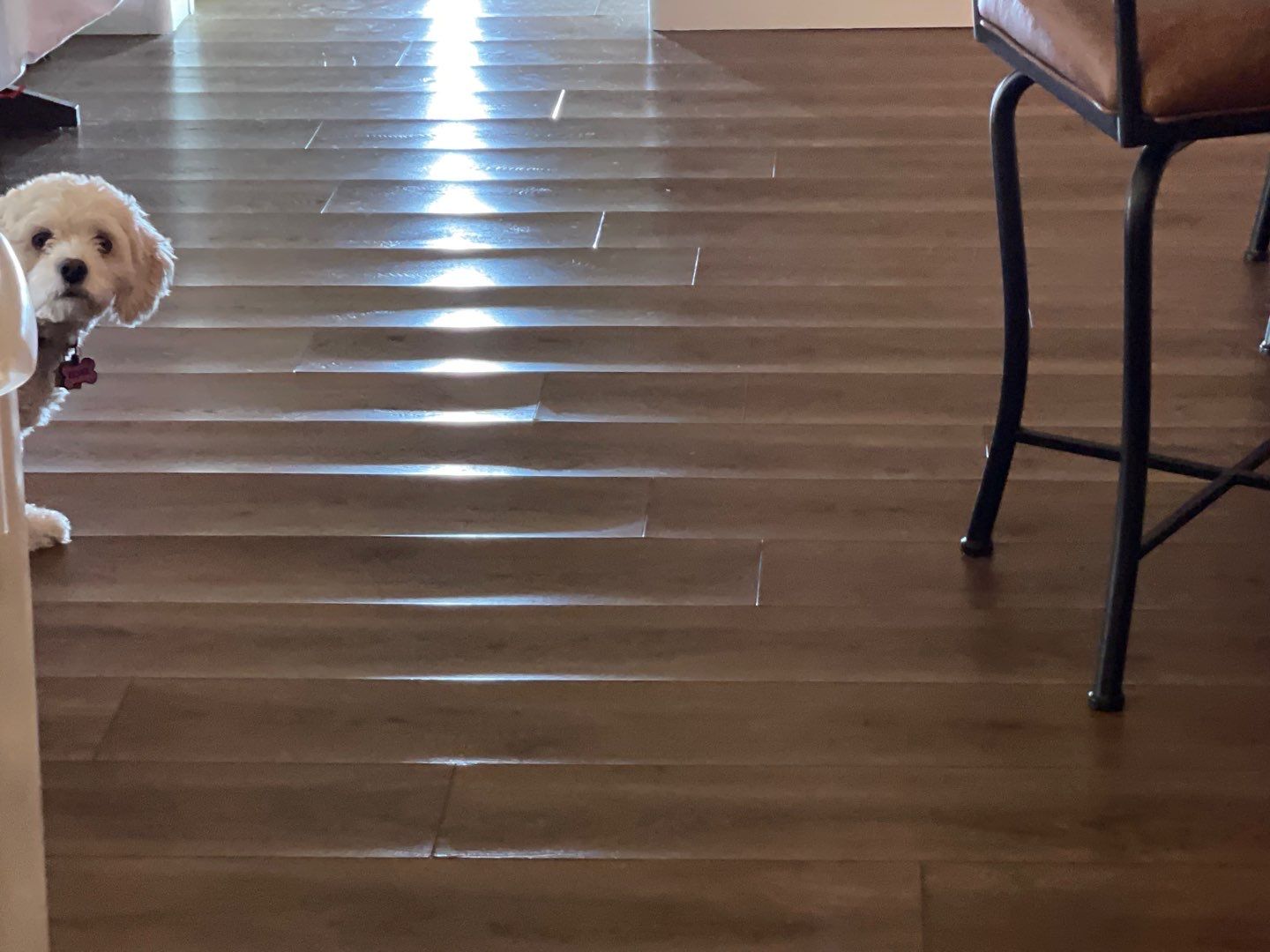
LVT and SPC Floor Problems
Cross-Machine Direction (Width) Shading / Texture Variation (Resilient Sheet Vinyl)
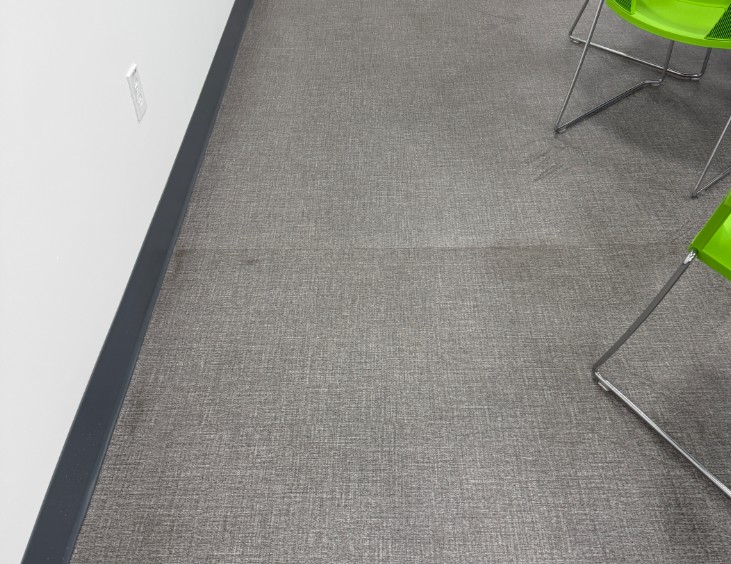
Sheet Shrinkage / Seam Opening (Resilient Sheet Flooring)
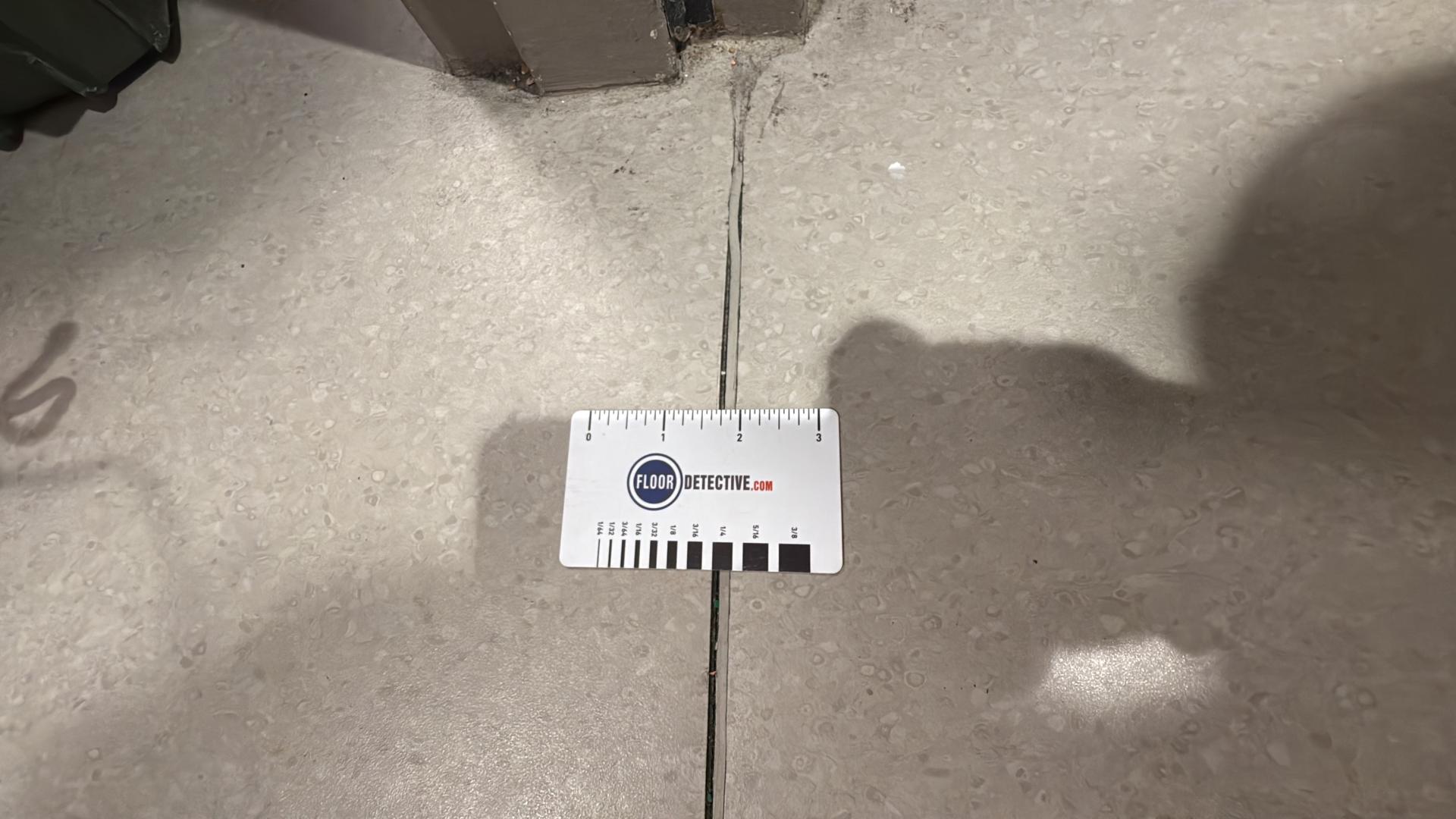
Heat Weld Seam Failure (Resilient Sheet Flooring)
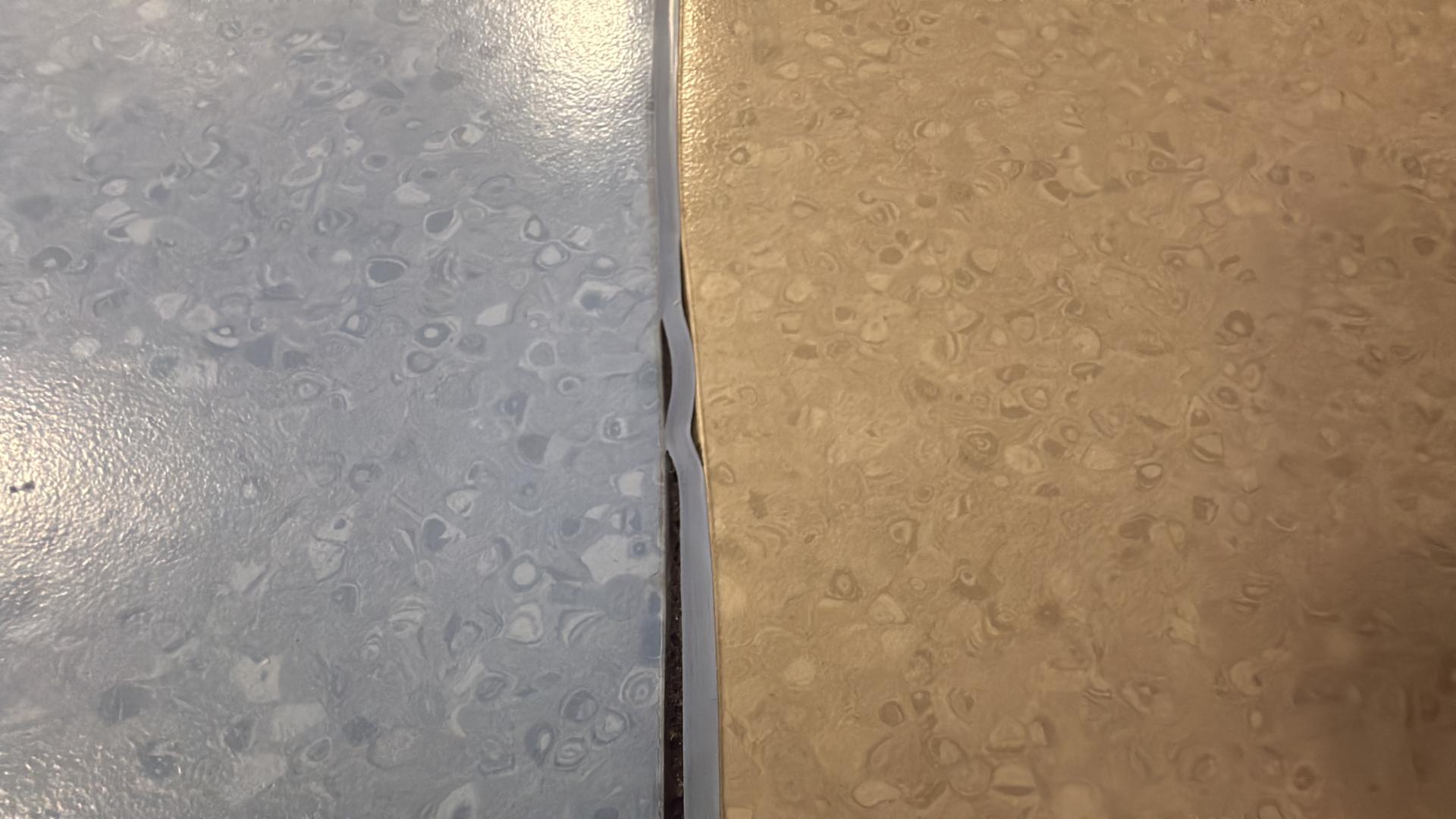
Yellowing / Discoloration (LVP / SPC / WPC)
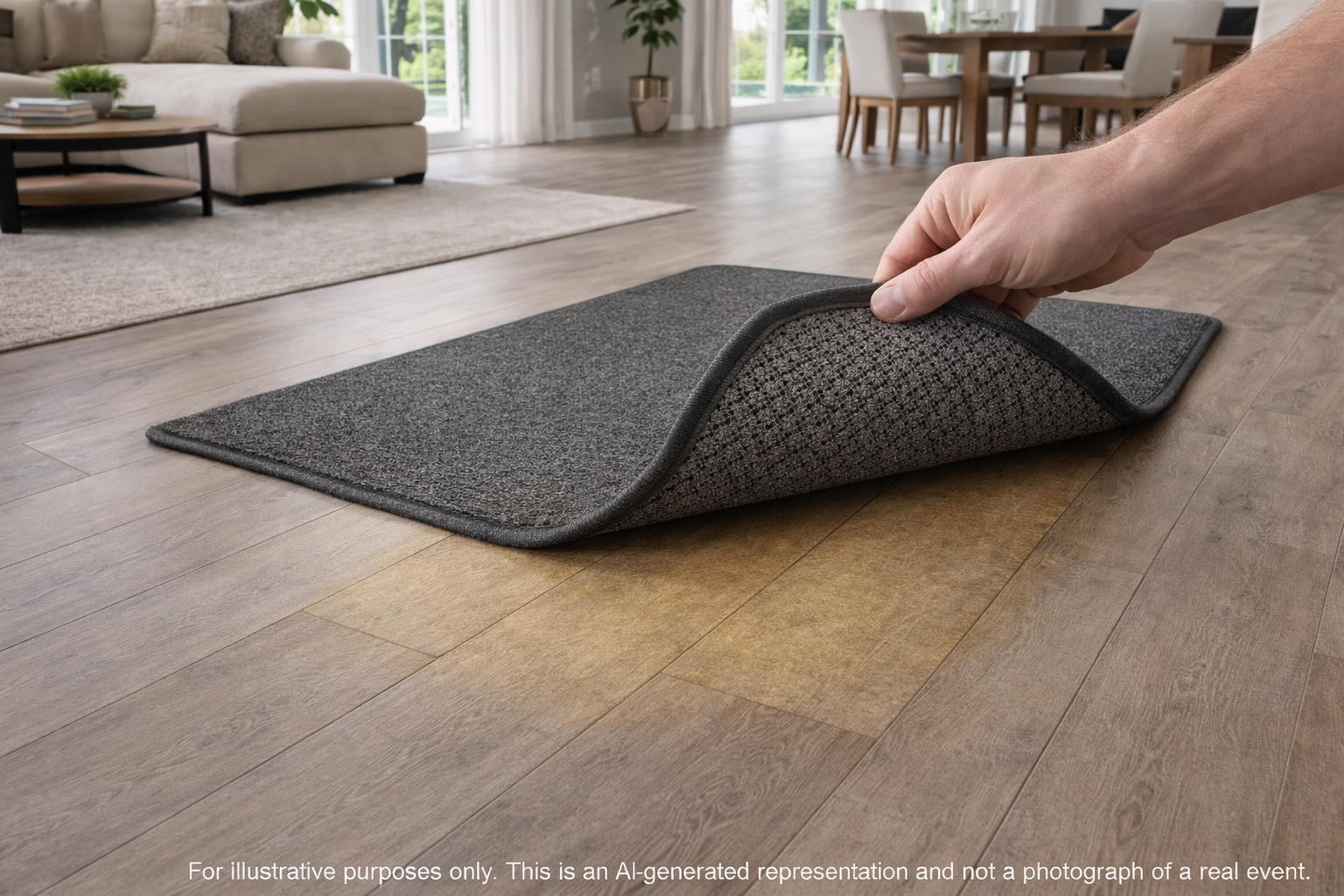
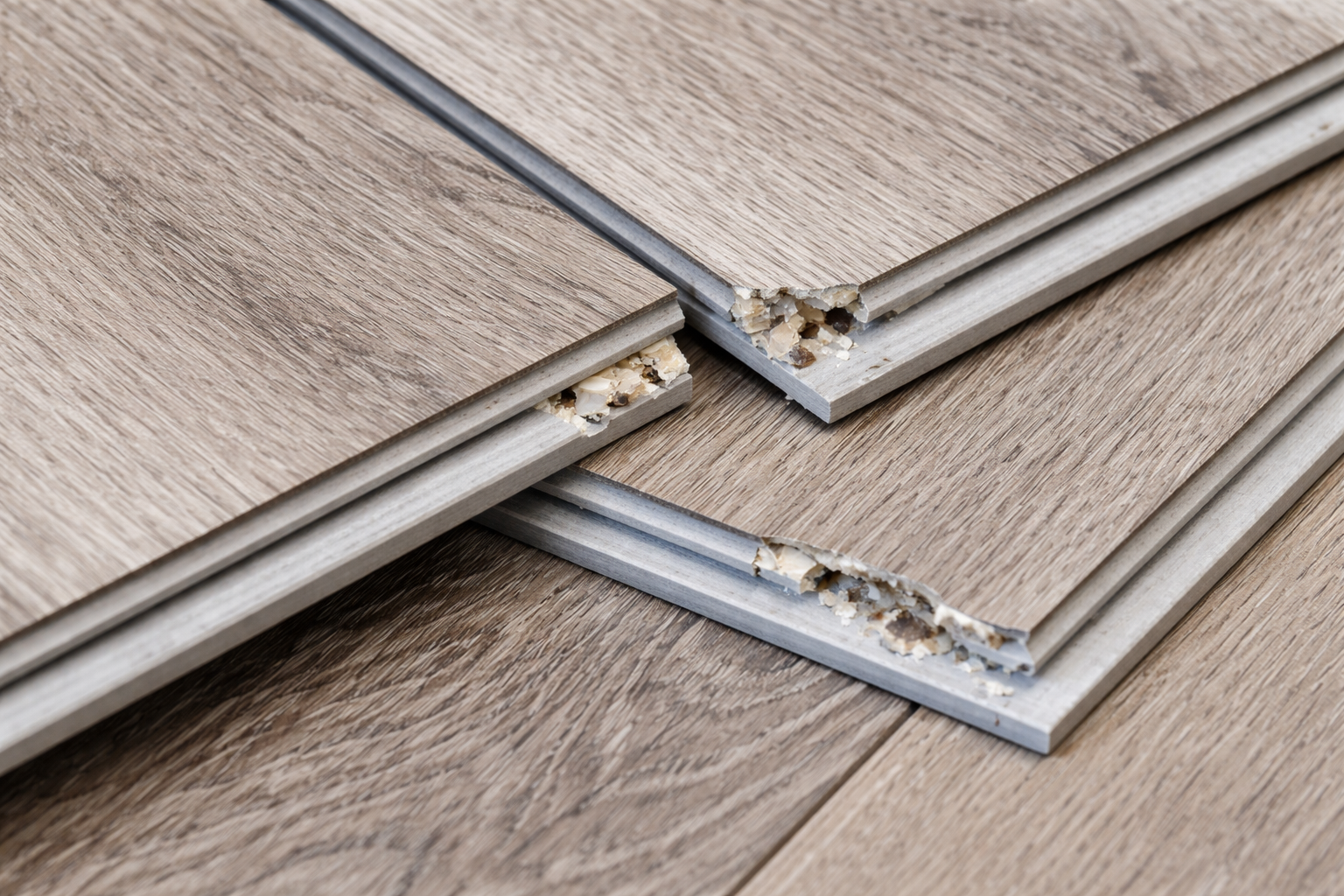
Broken Locking Profiles / Mechanical Joint Compromise (Resilient Plank)
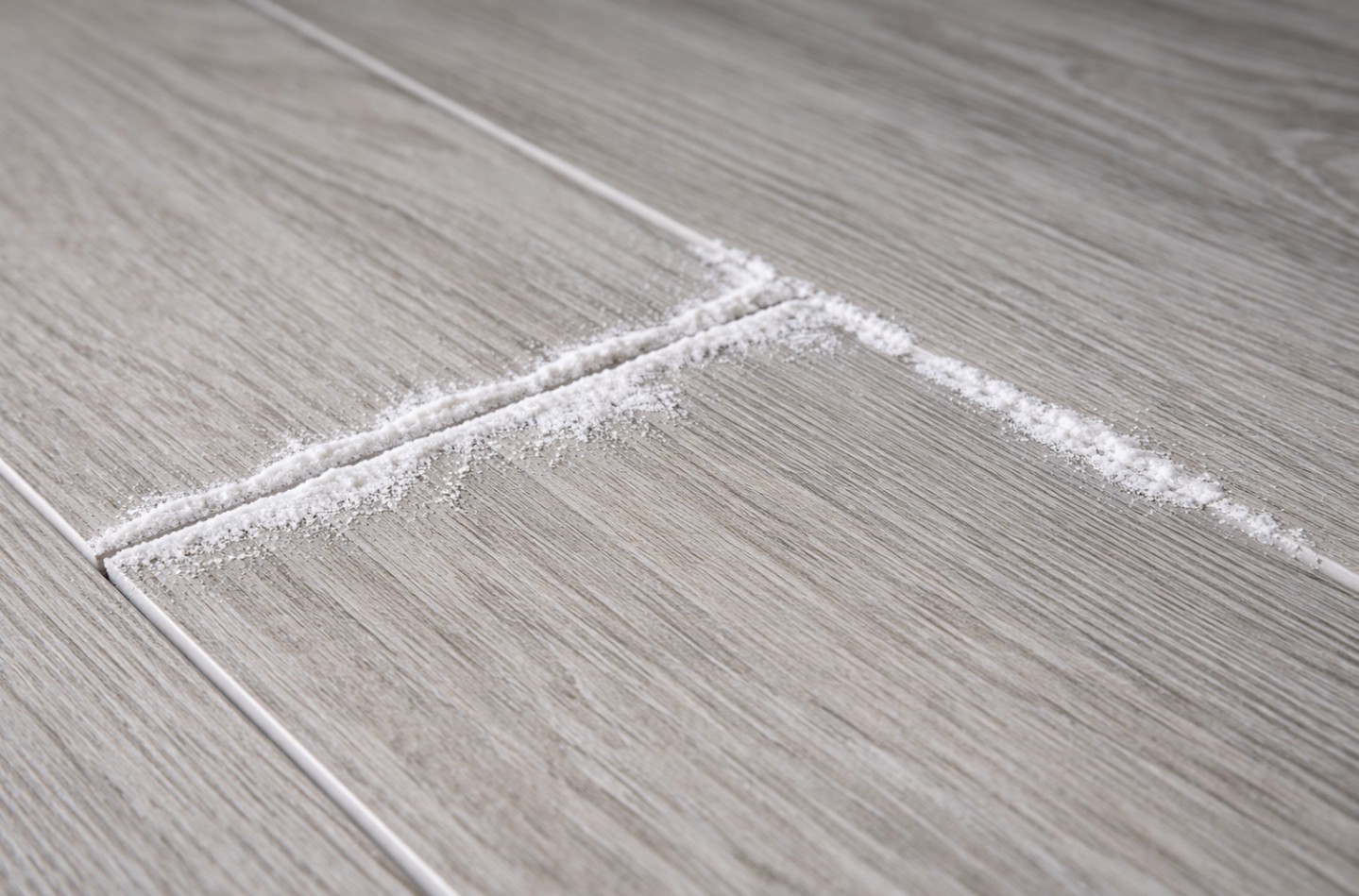
Efflorescence-Like Mineral Migration at LVT/SPC Joints
Blistering / Surface Blisters (SPC Flooring)

Cracking Over Existing Substrates (LVT)
