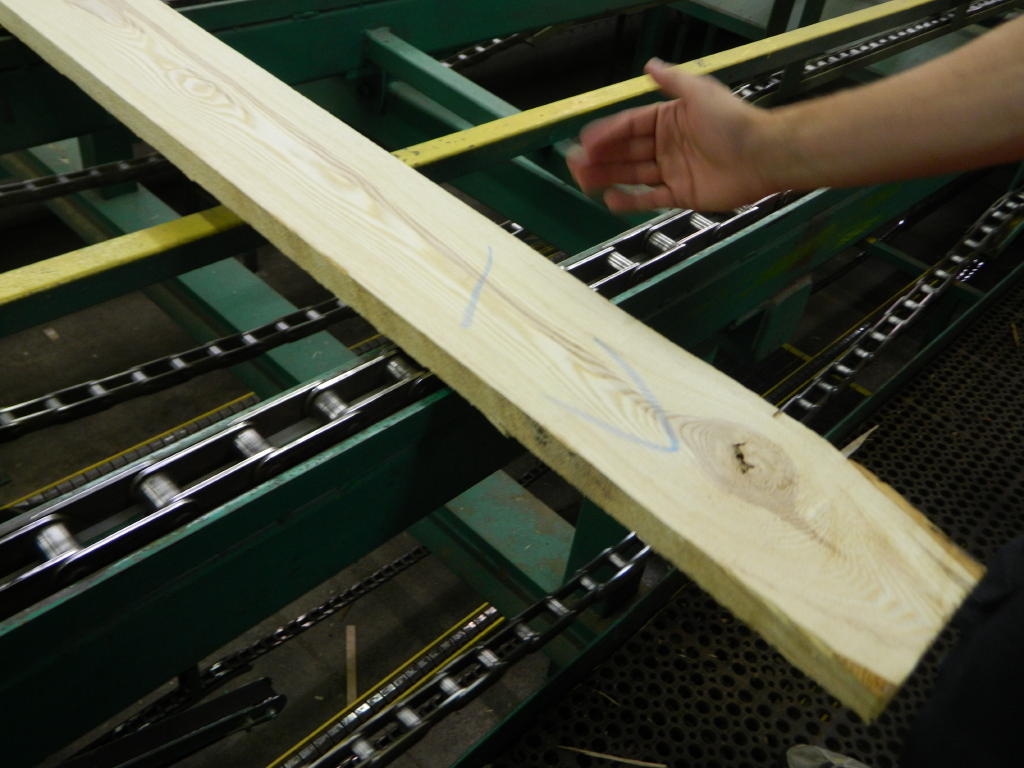
Grading
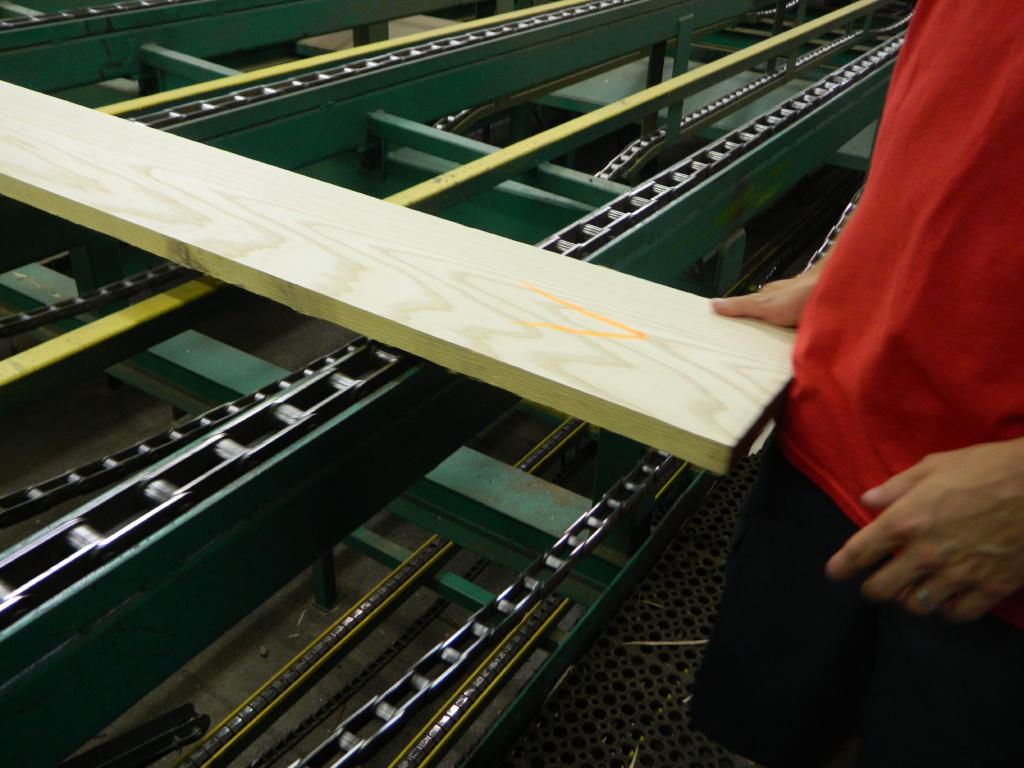
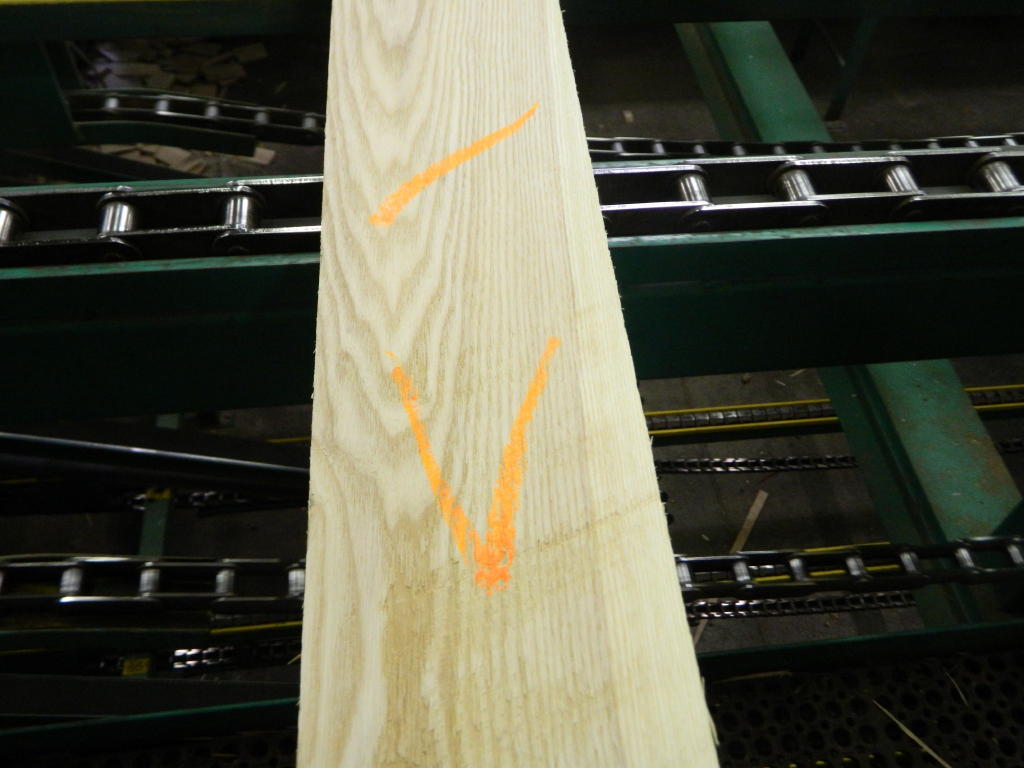
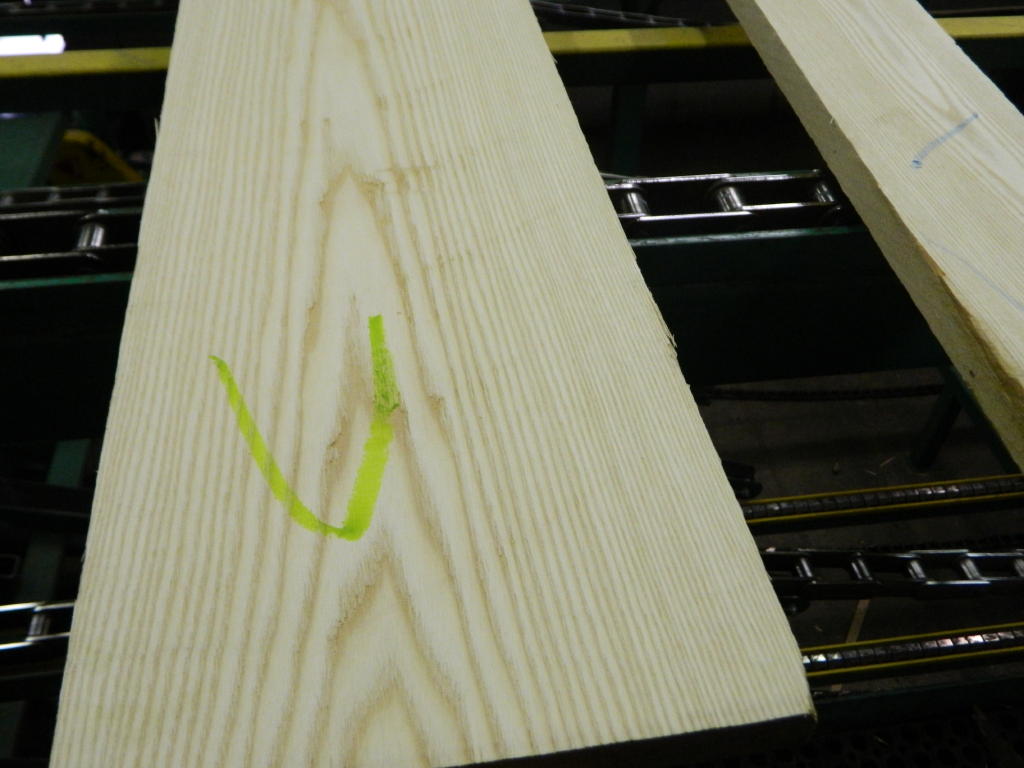
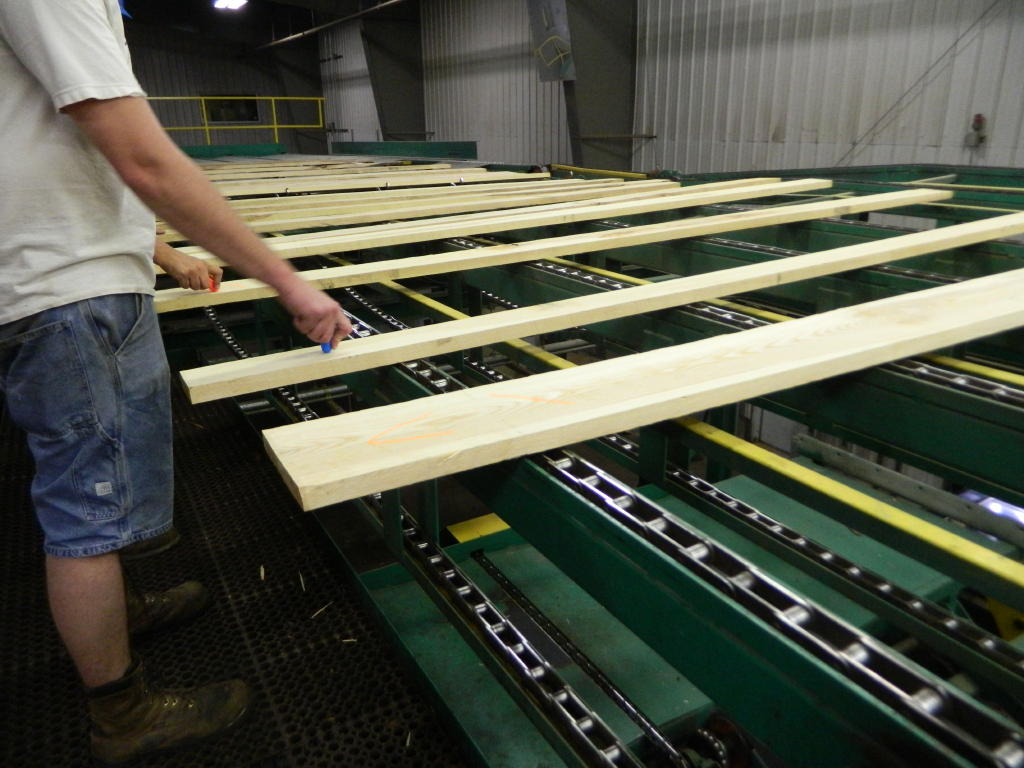
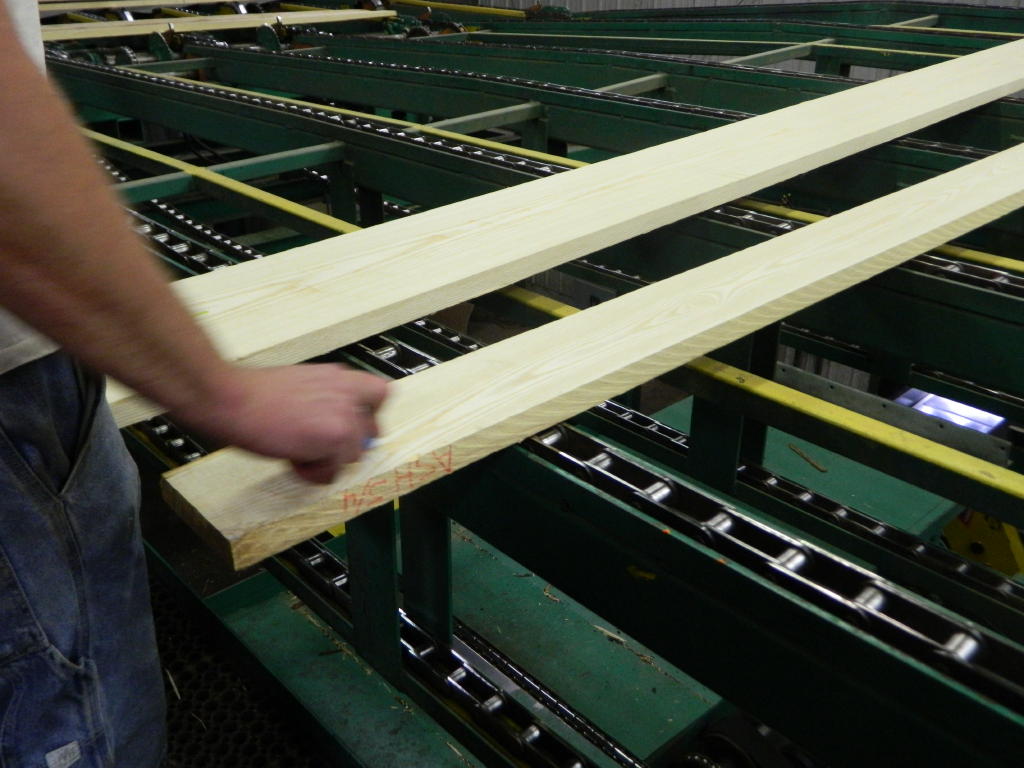
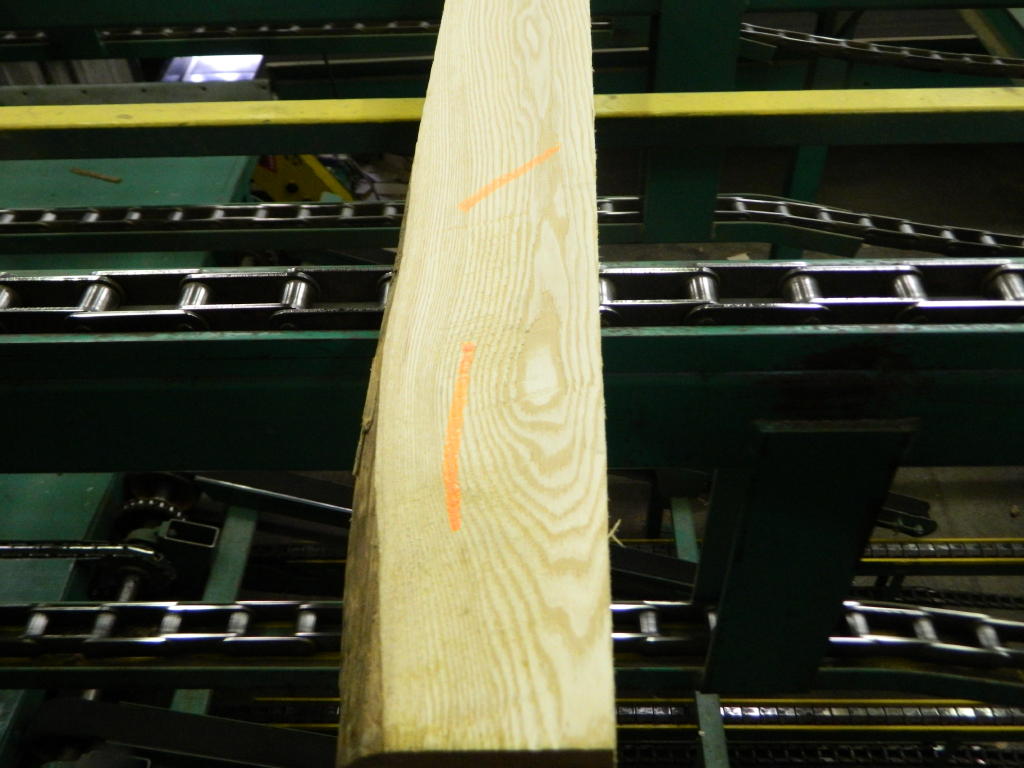
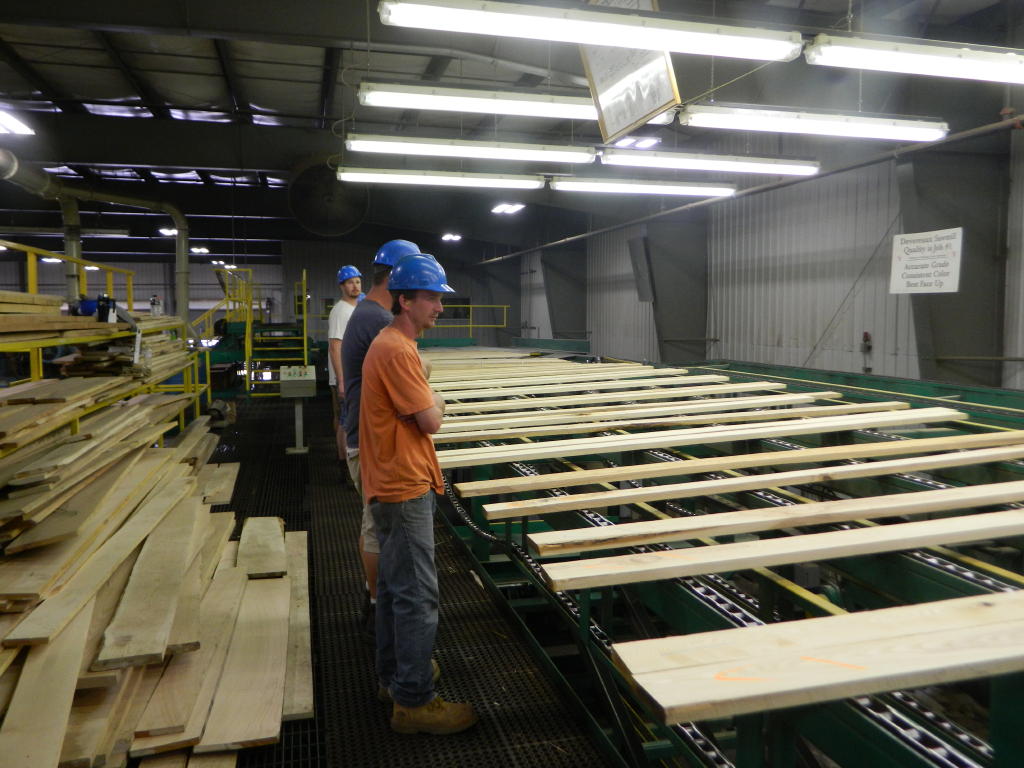
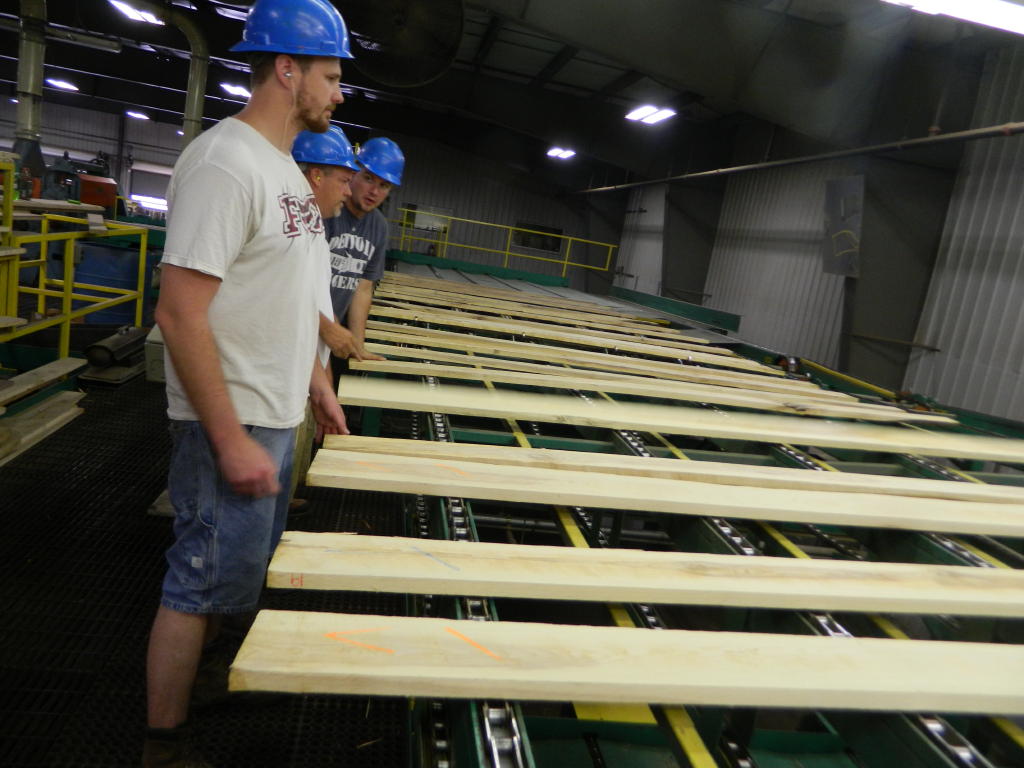
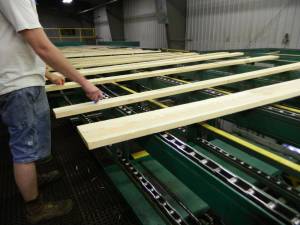
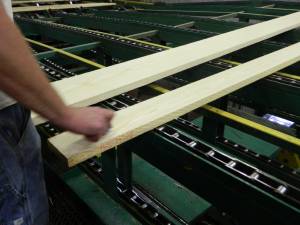
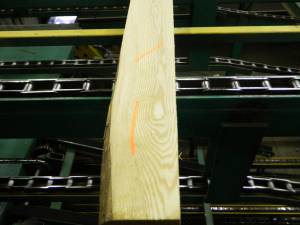
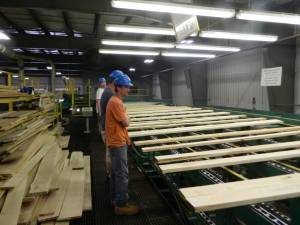
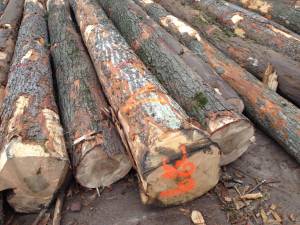
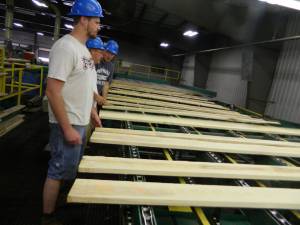
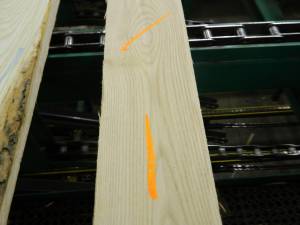
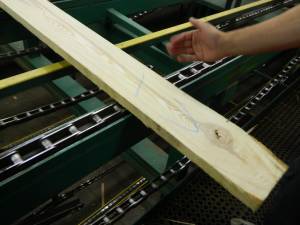
Grading at the sawmill
Grading Discrepancies (Hardwood Flooring)
Floor Detective® Claims and Conditions Guide
Summary
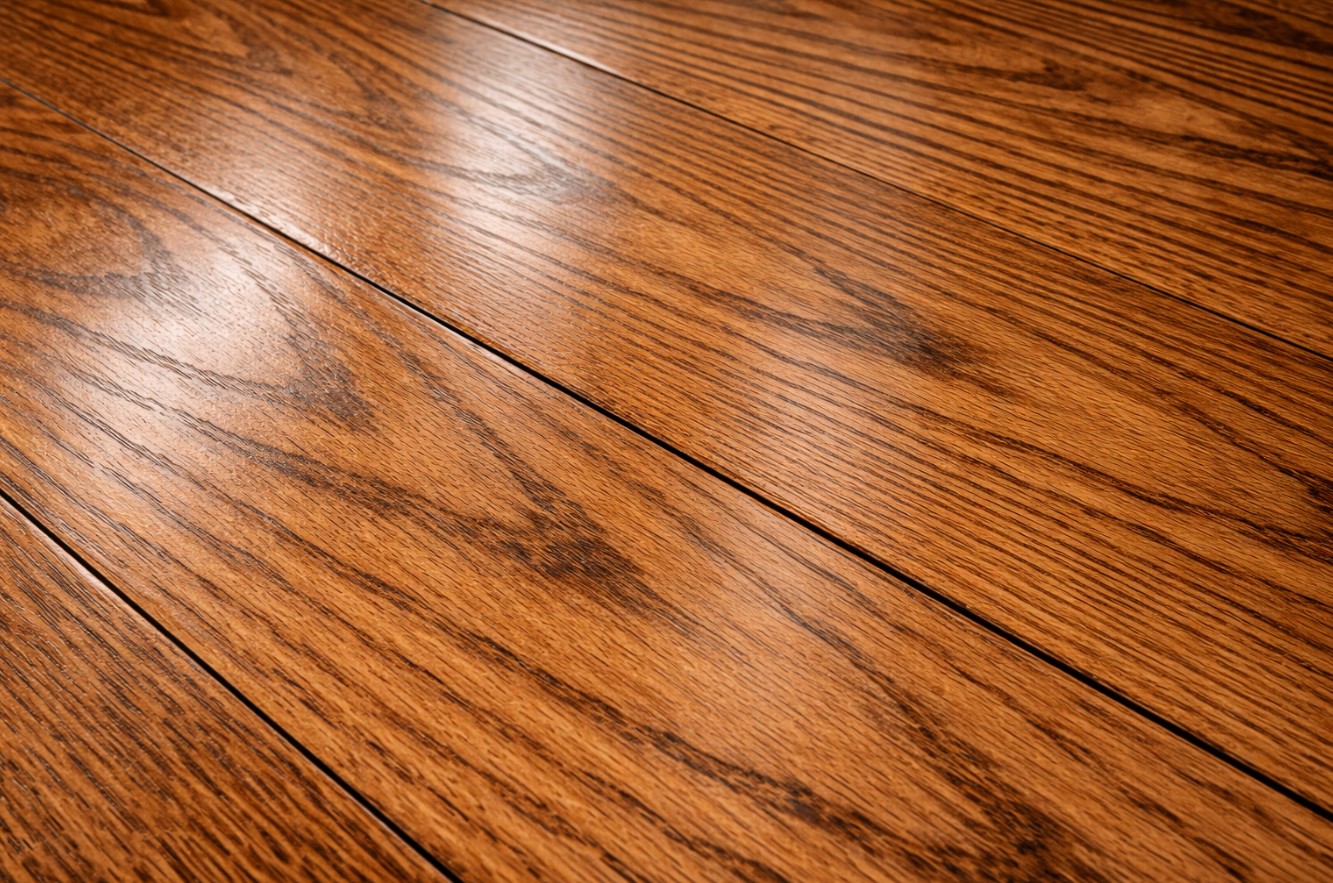
Grading discrepancies in hardwood flooring involve concerns that installed material does not match the manufacturer’s defined grade designation for the specific product purchased. Hardwood grading establishes the allowable range, size, frequency, and distribution of natural wood characteristics such as knots, mineral streaks, sapwood, grain variation, color contrast, and other naturally occurring features present at the time of manufacture. Because wood is inherently variable, visible differences between boards are expected within all grade classifications, including cleaner or select grades. Grade names are proprietary and may vary significantly between manufacturers even when similar terminology is used. Proper evaluation requires confirmation of the exact product and manufacturer-defined grade profile and assessment of the overall installation rather than isolated boards alone. Natural variation within the defined grade range does not independently establish manufacturing defect, shipment error, or grading nonconformance. See also Grading, Color Change, and Hardwood Floor Problems for broader context.
Please subscribe to see all content
May 10, 2026
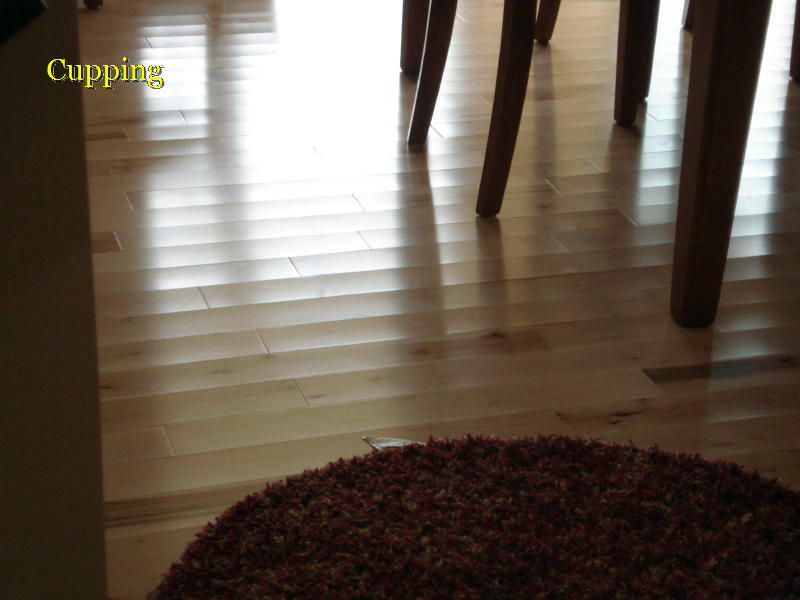
Hardwood floor problems may involve cupping, gaps, buckling, finish issues, movement, noise, or moisture-related distortion. Learn how hardwood flooring conditions...
Read More
April 3, 2026
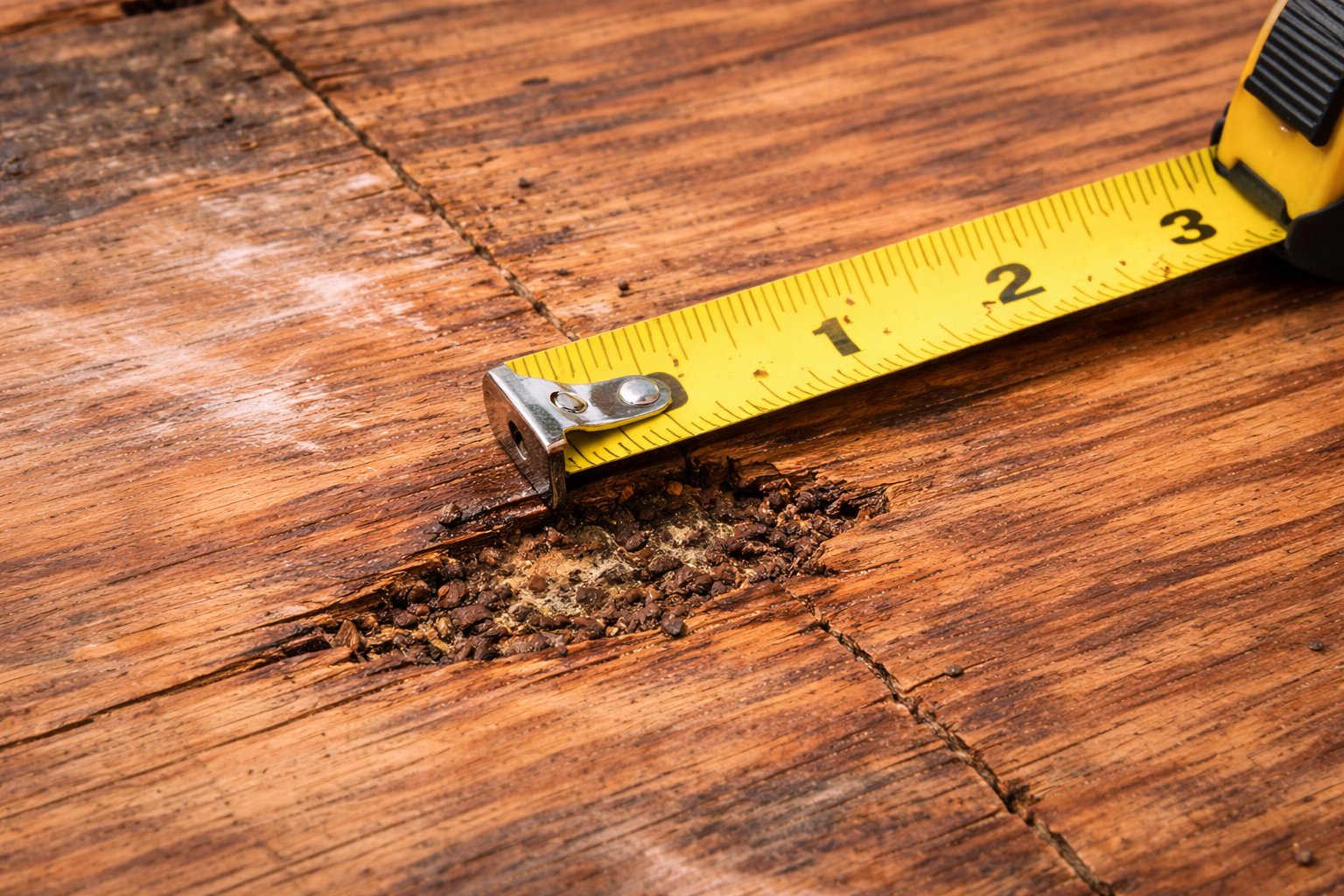
Wood decay in hardwood flooring is a moisture-related condition that causes soft, weakened, and deteriorated wood. Proper evaluation distinguishes fungal...
Read More
April 3, 2026
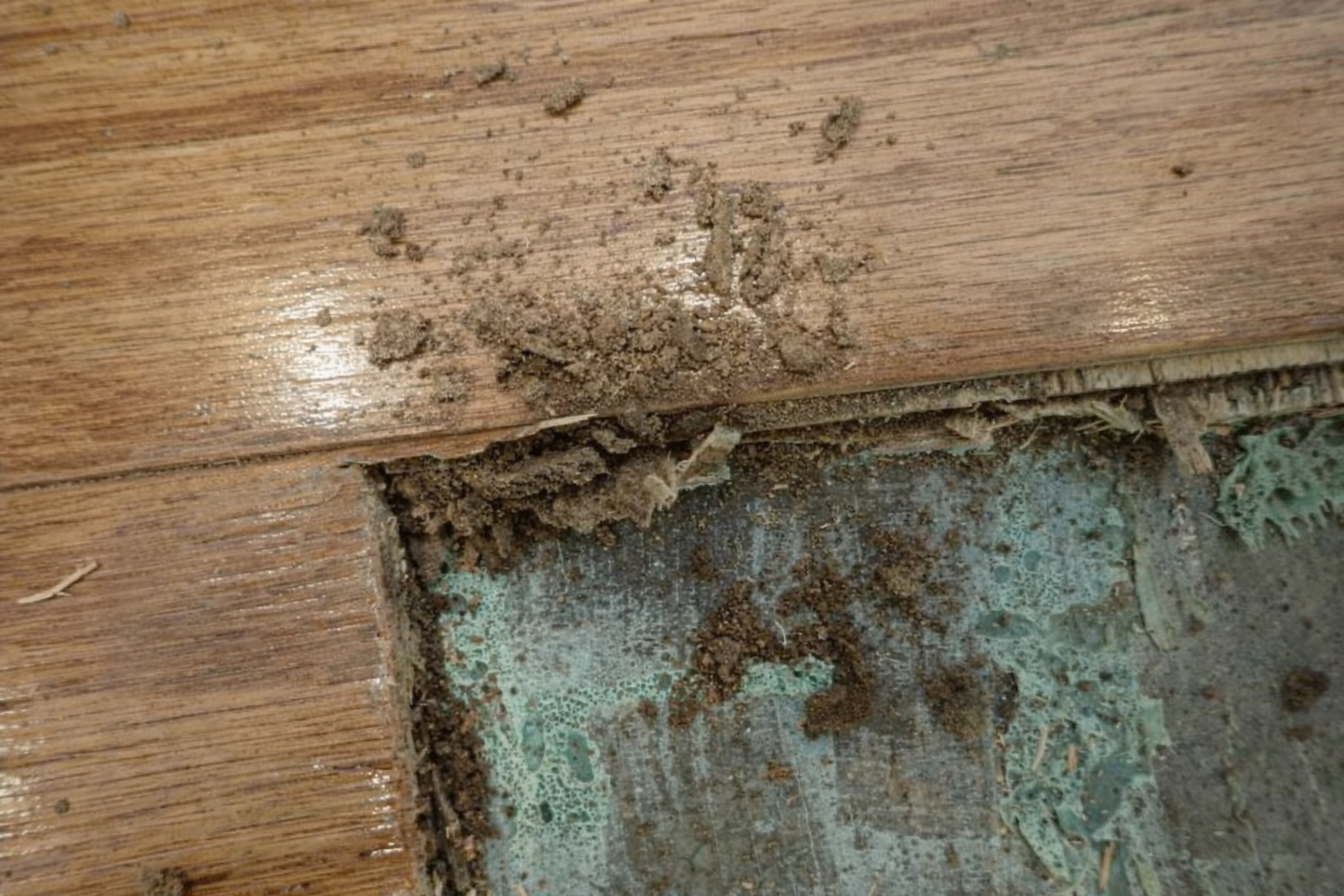
Termite damage in hardwood flooring involves internal wood consumption, gallery formation, and structural weakening caused by insect activity.
Read More
February 22, 2026
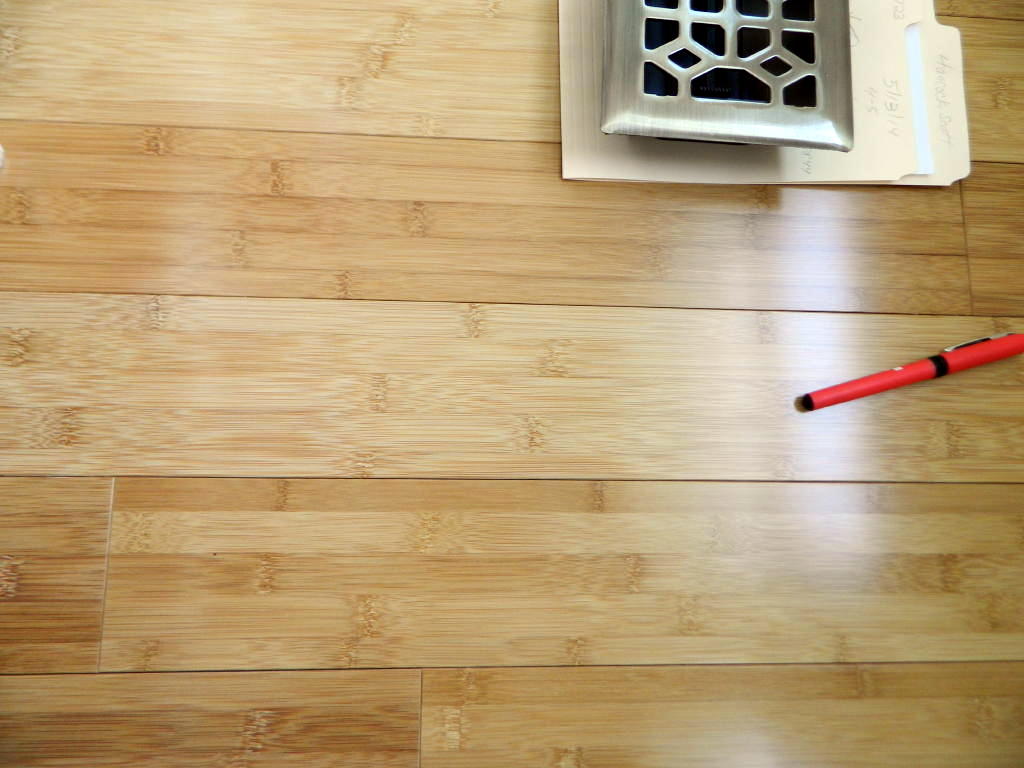
Bamboo flooring construction affects dimensional movement, moisture response, spacing, and long-term flooring performance under changing environmental conditions.
Read More
January 26, 2026
Checks, splits, and shake are different wood separation conditions in hardwood flooring that vary in origin, depth, structural significance, and...
Read More
December 16, 2025
Hardwood grain raise is a surface texture condition caused by swelling and lifting of exposed wood fibers after moisture exposure...
Read More
December 16, 2025
Lap marks in hardwood flooring are visible streaks or bands caused by uneven blending between overlapping finish passes. The condition...
Read More
August 7, 2023
Splits and Cracks (Hardwood Flooring) Floor Detective® Claims and Conditions Guide Summary Splits and cracks in hardwood flooring are structural...
Read More
December 5, 2022
Wood distortion in hardwood flooring involves bowing, twisting, cupping, and dimensional shape change caused by moisture variation and internal stress...
Read More
January 1, 2022
Wood shear and delamination are distinct engineered hardwood separation mechanisms involving cohesive wood-fiber rupture or adhesive bond-line release.
Read More