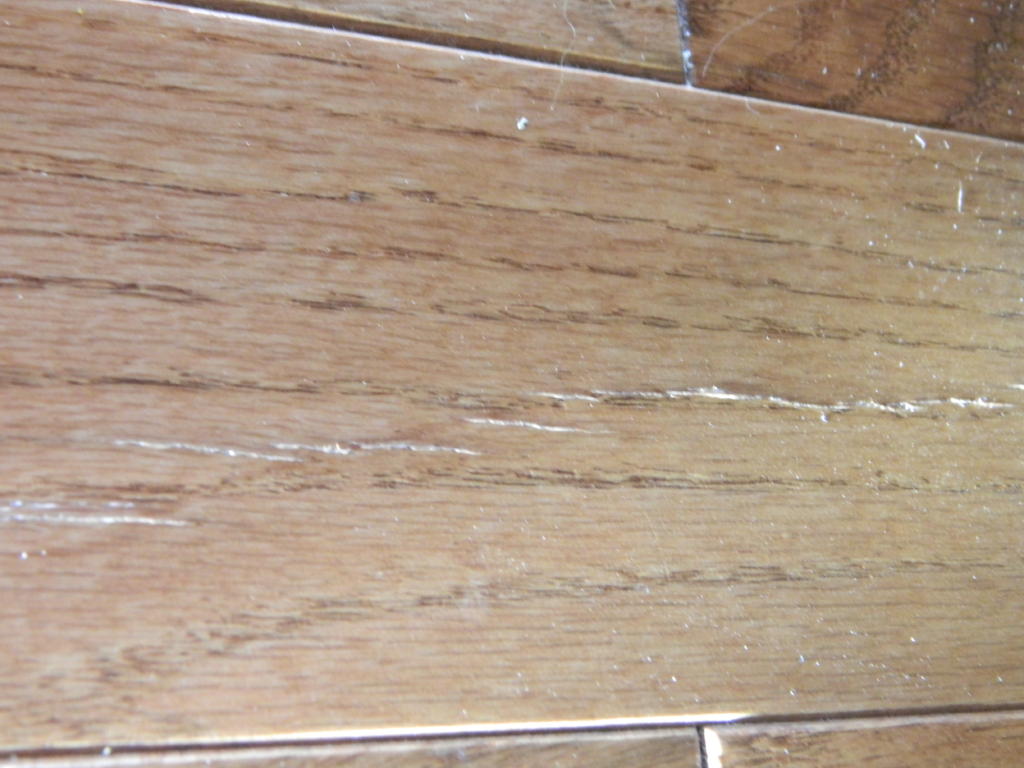
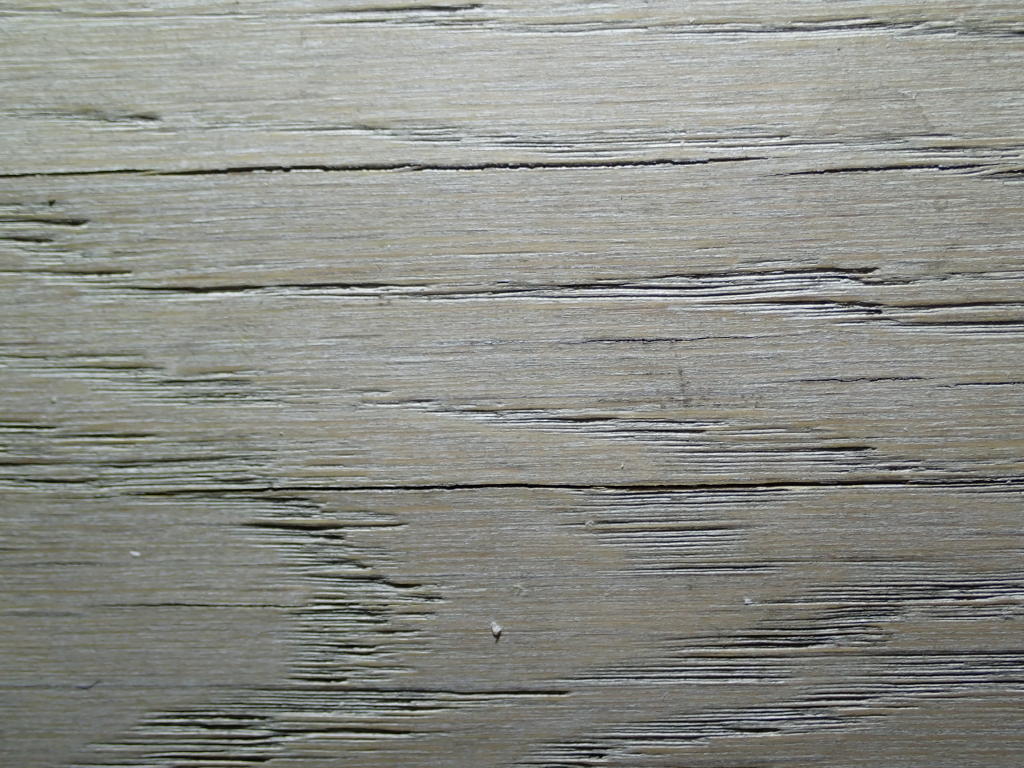
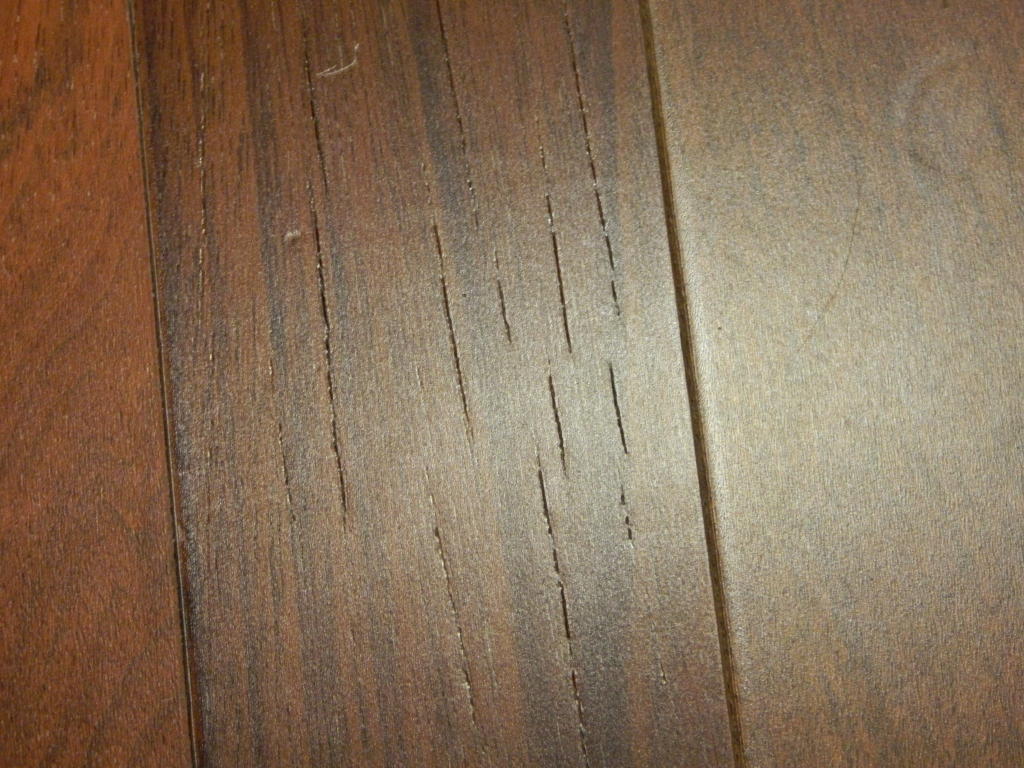
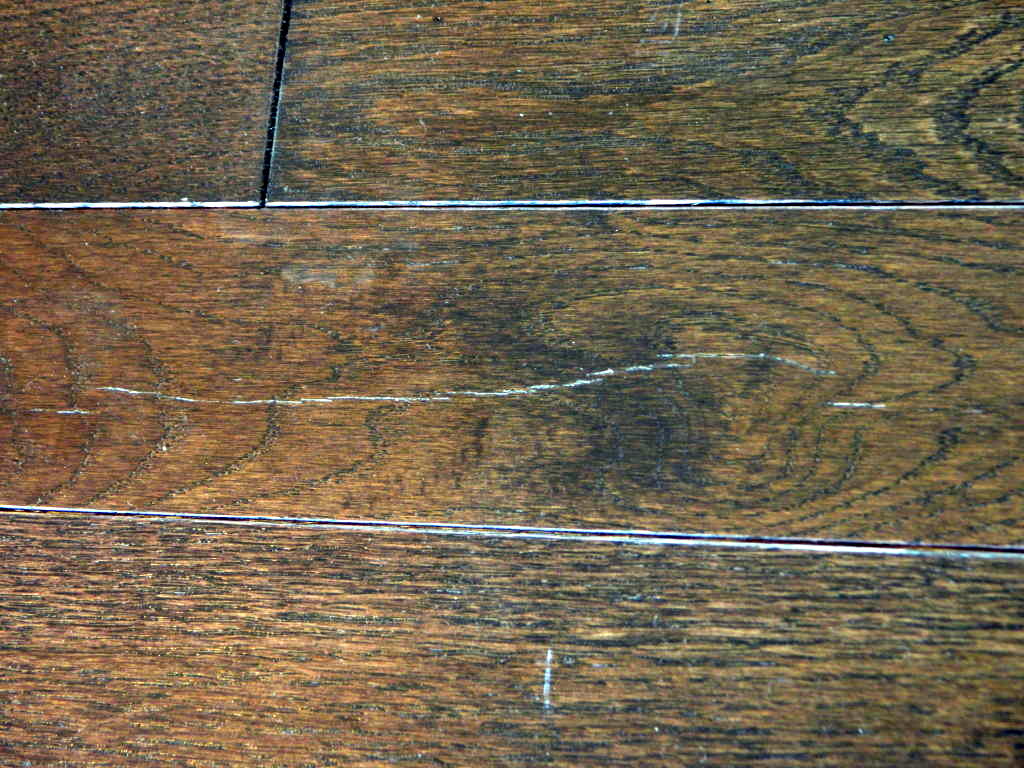
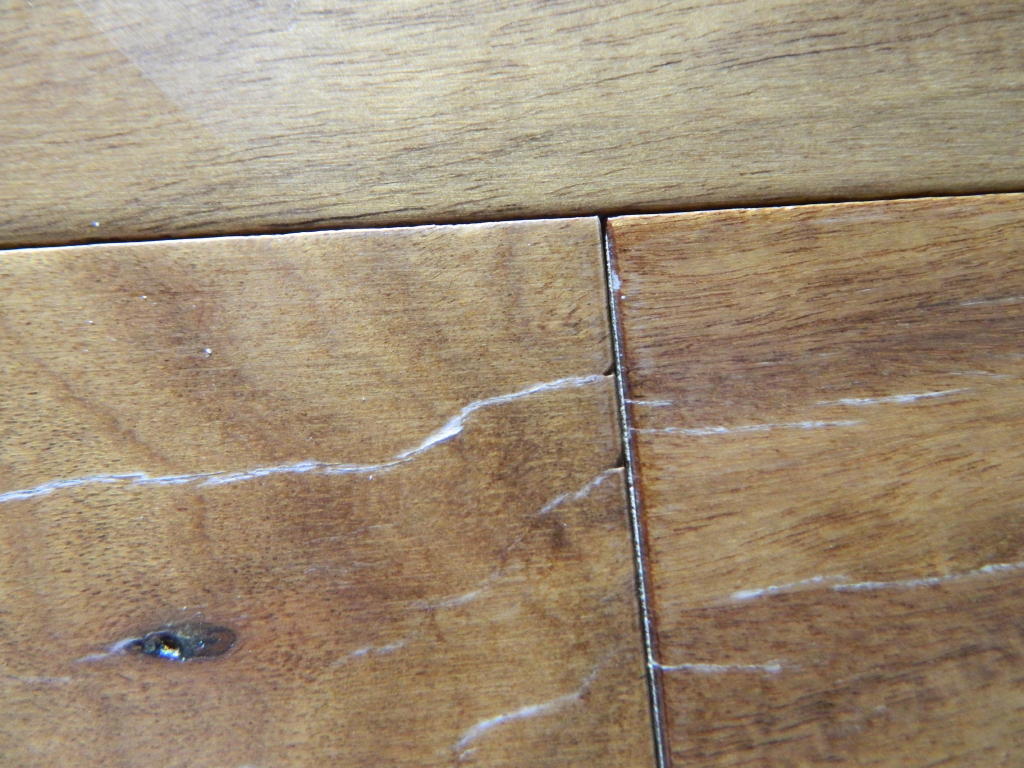
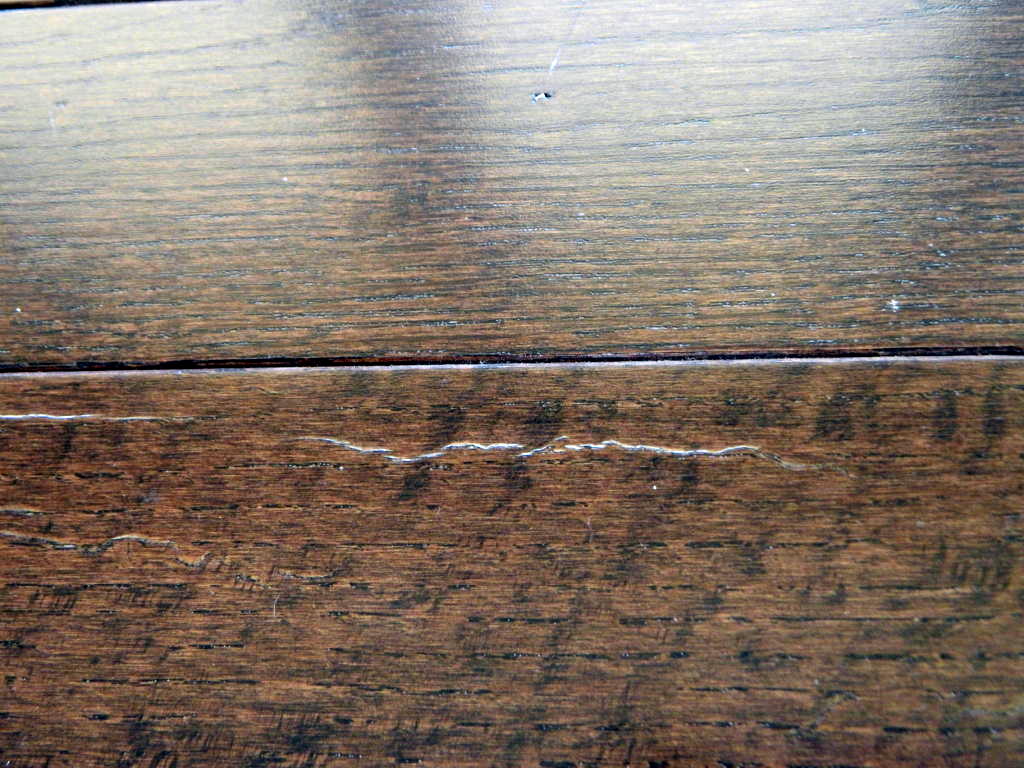
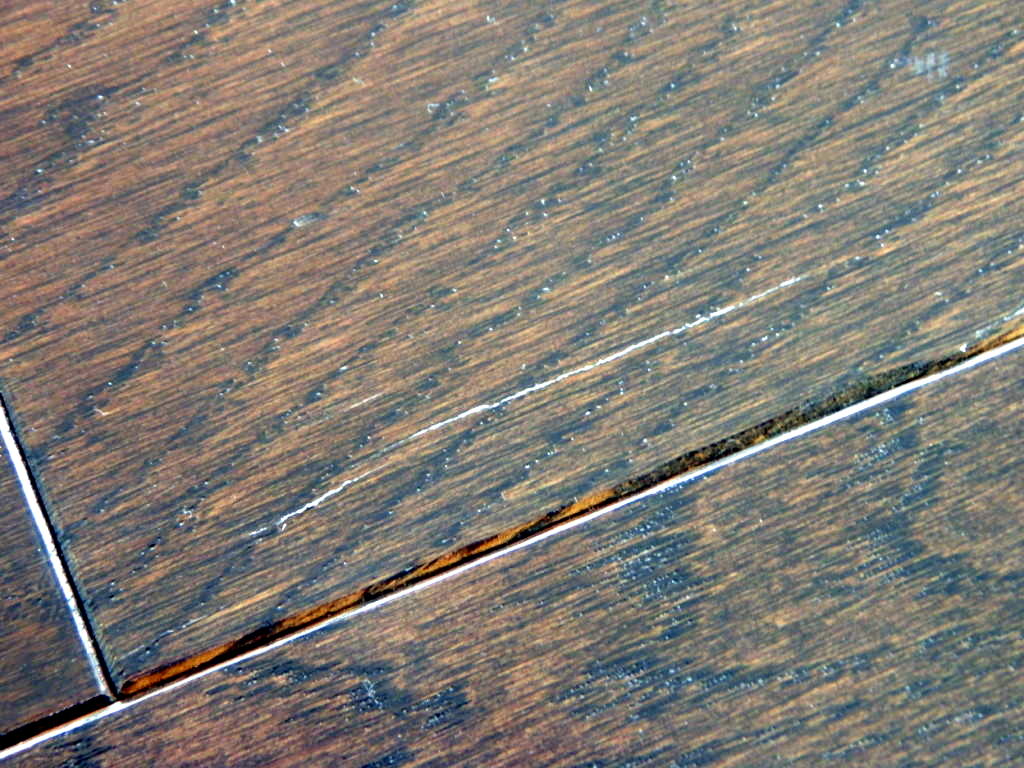
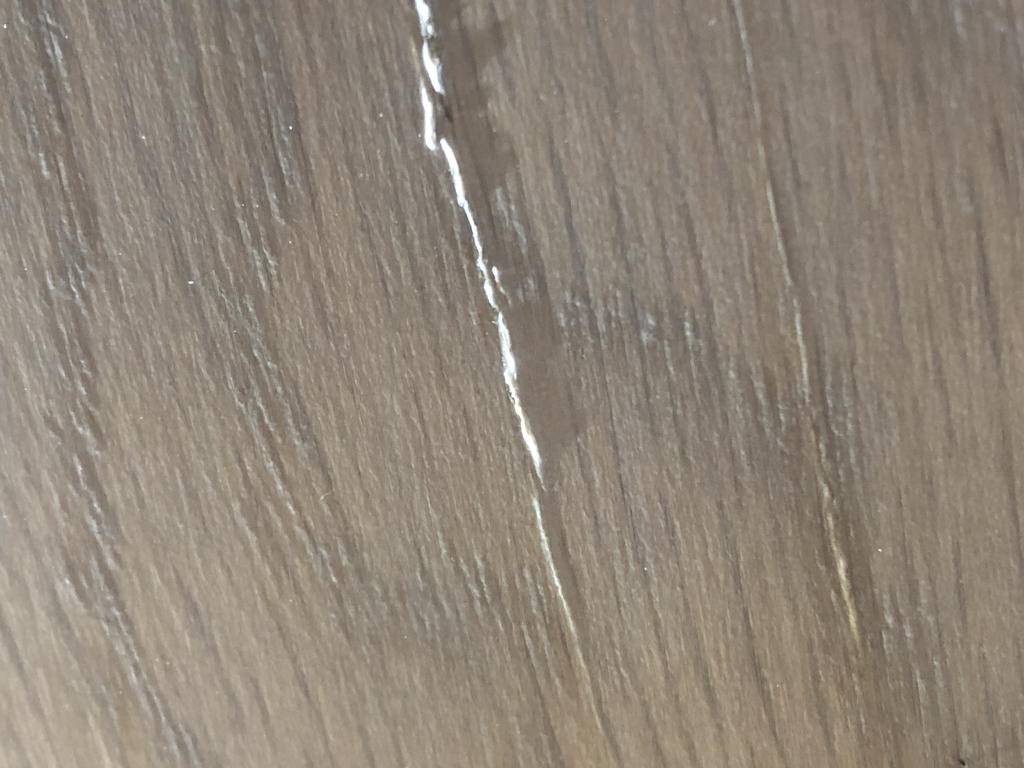
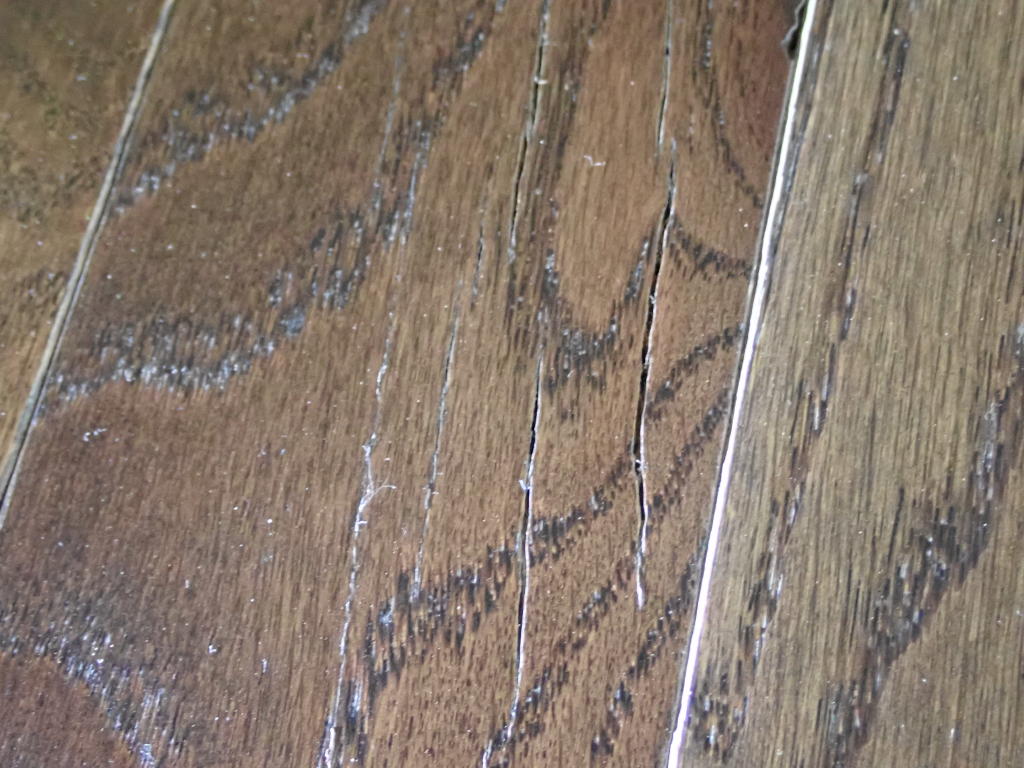
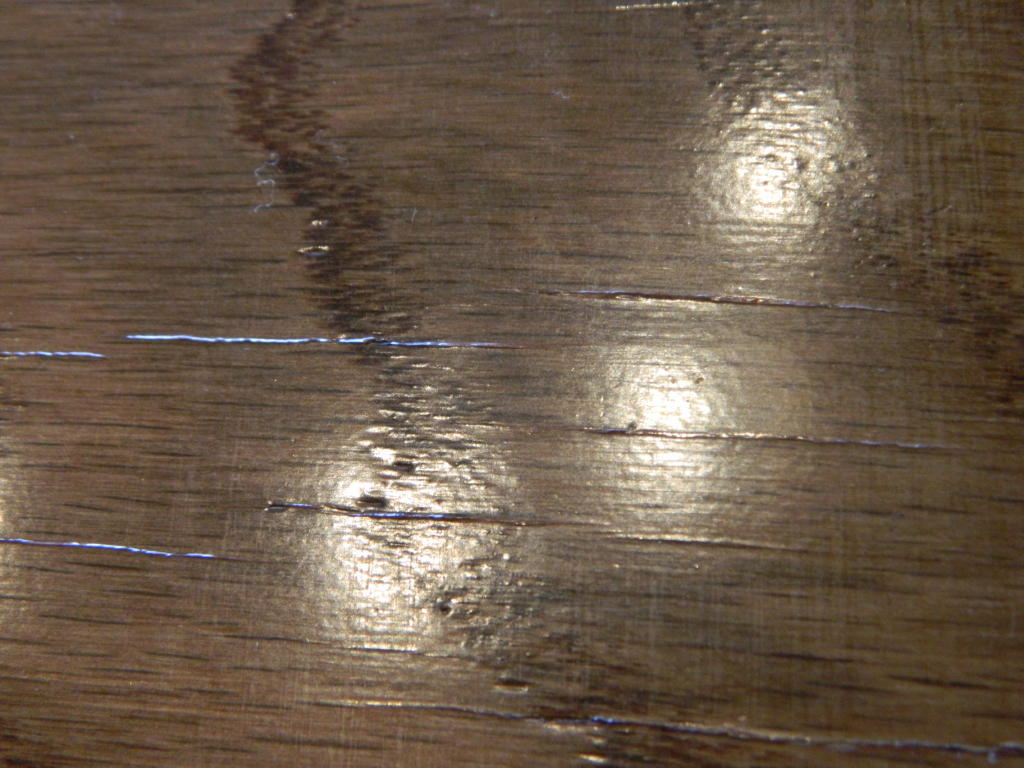
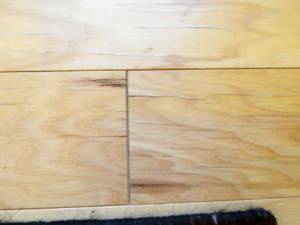
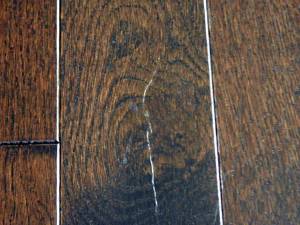
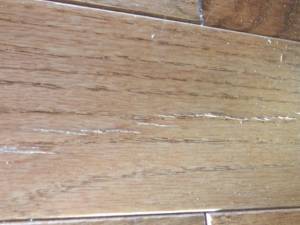
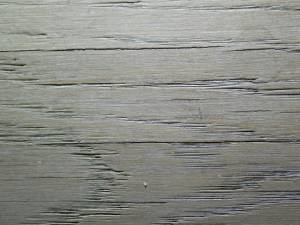
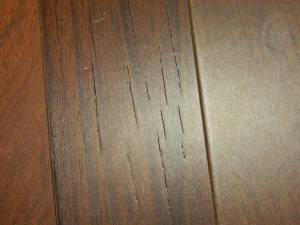
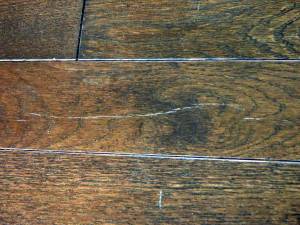
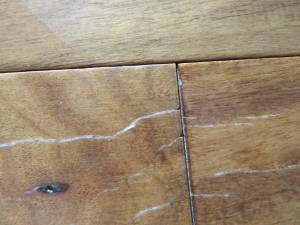
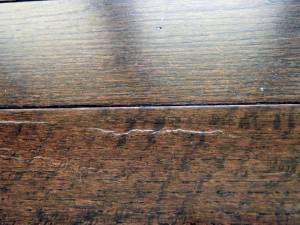
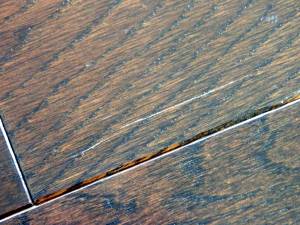
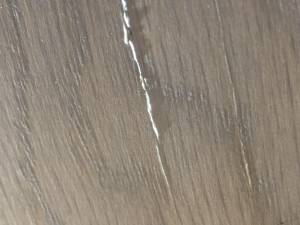
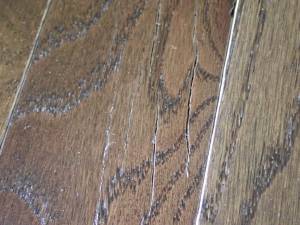
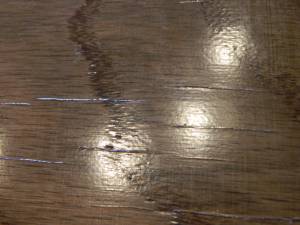
Checks (Surface & End) (Solid Hardwood)
Floor Detective® Claims and Conditions Guide
Summary
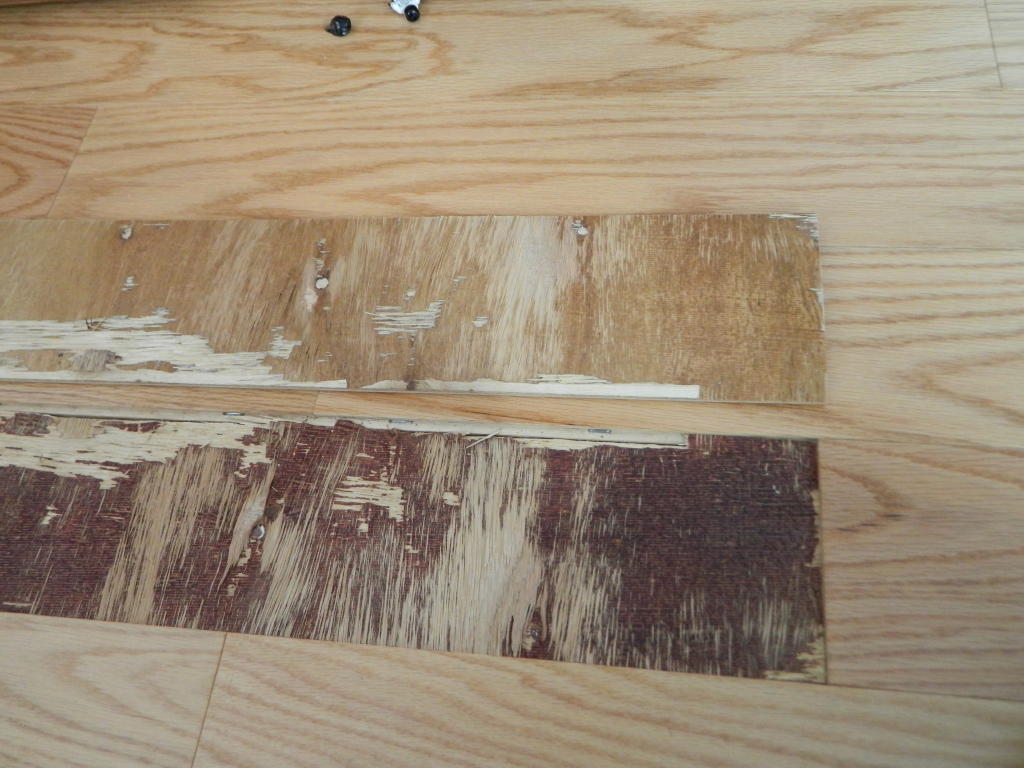
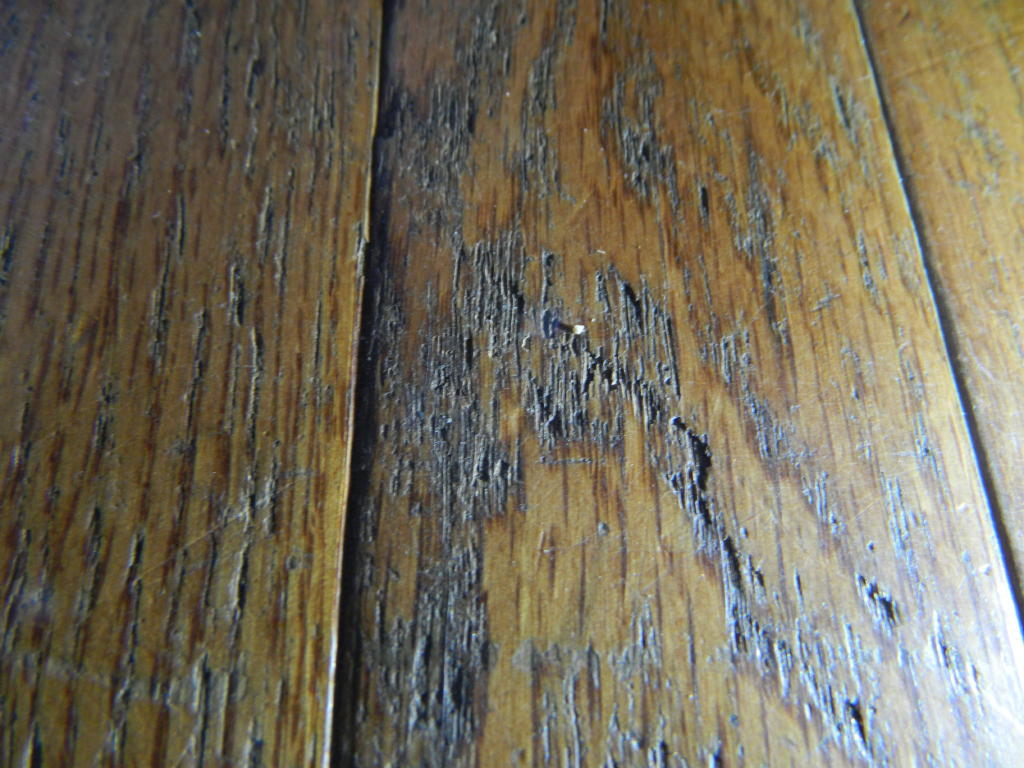
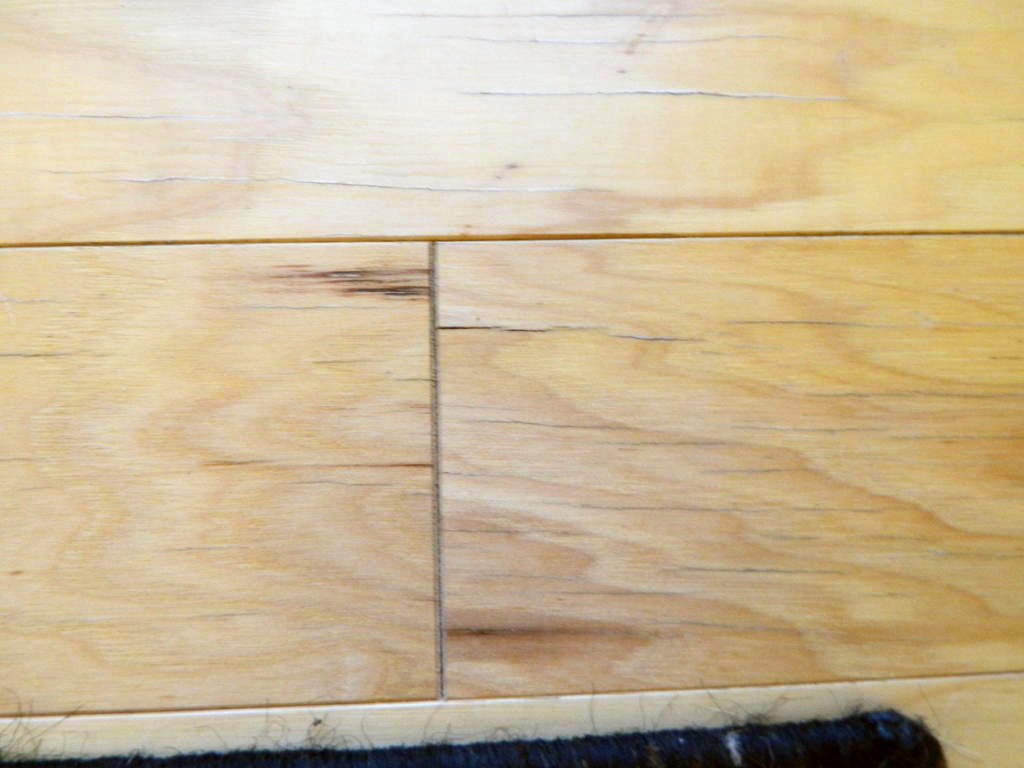
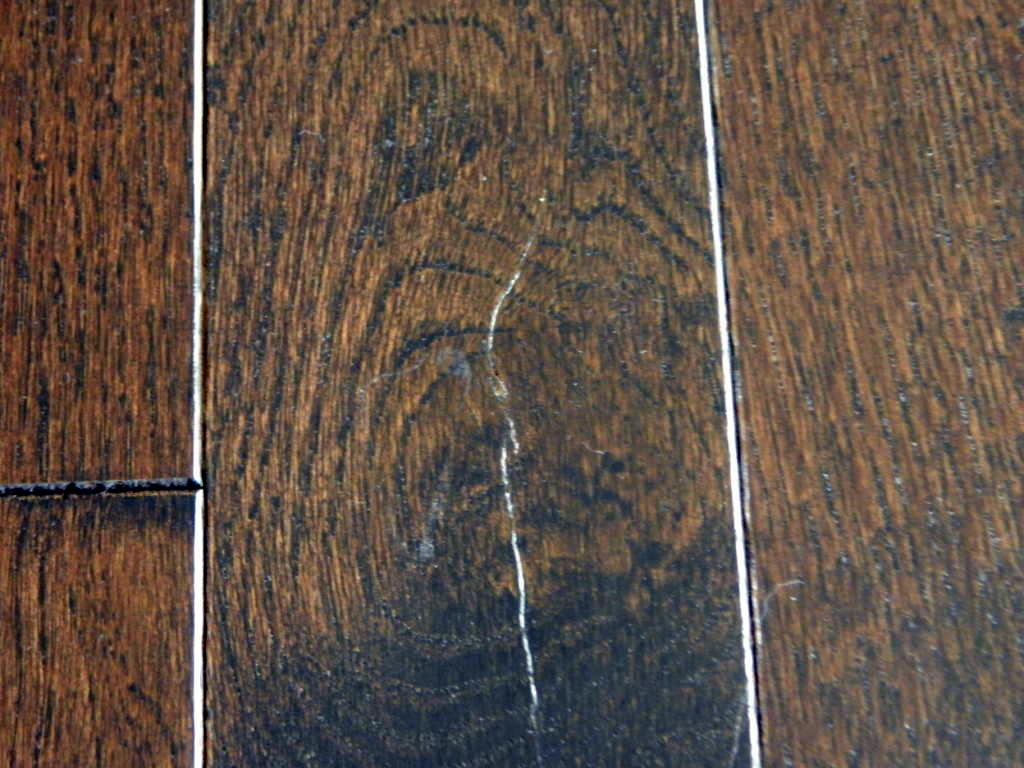
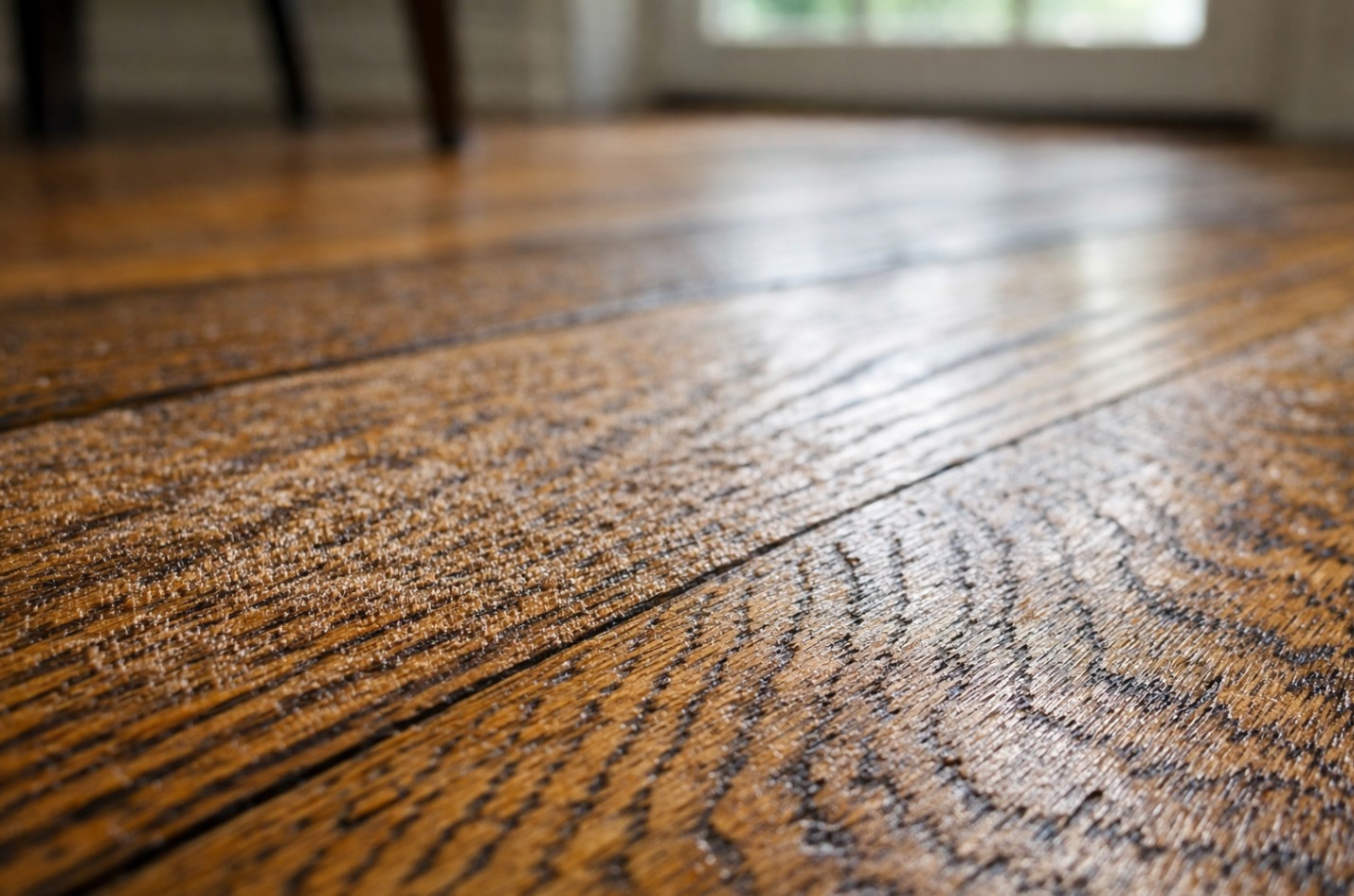
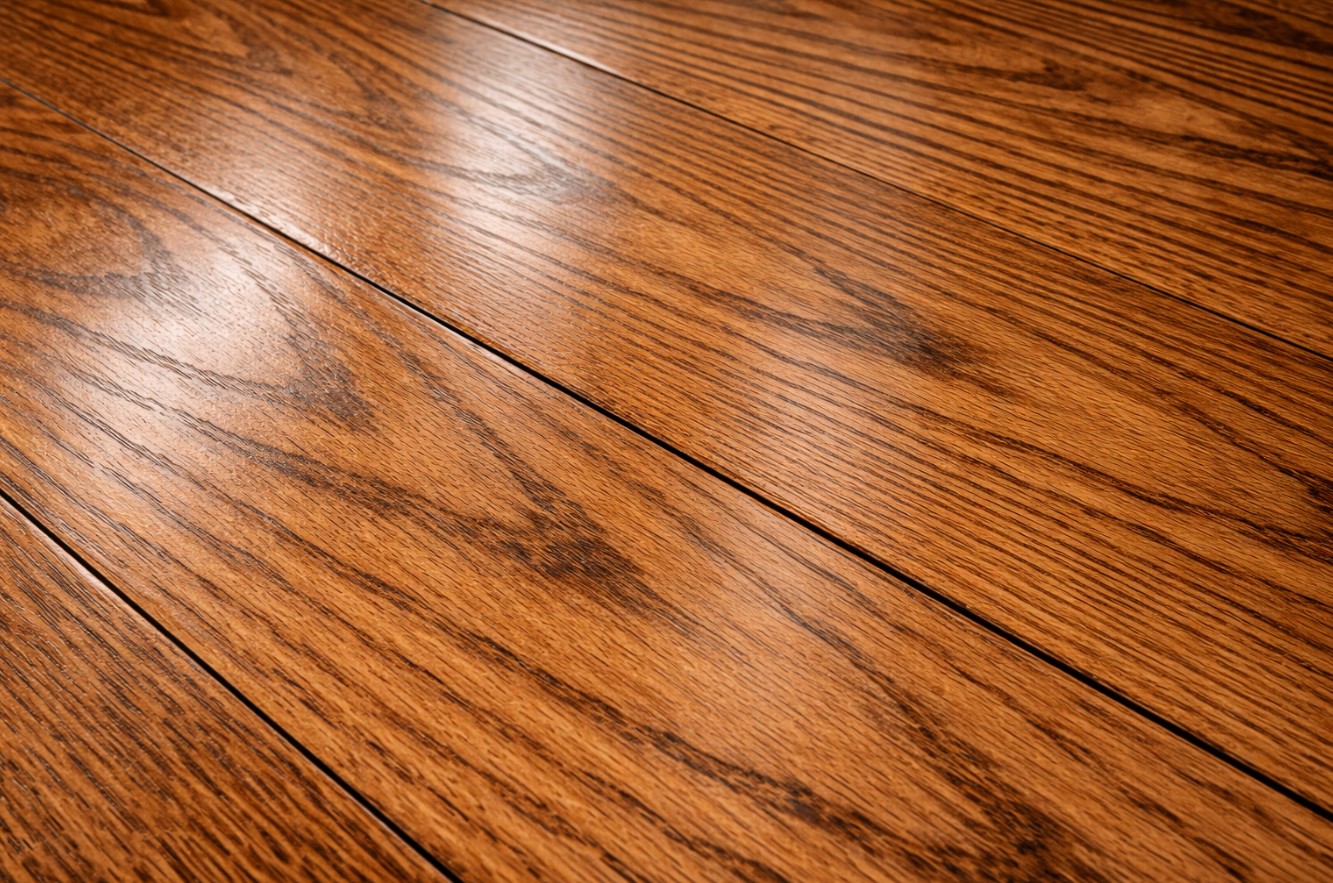
Hardwood floor checking, including surface and end checks, is a wood-separation condition that most commonly develops during lumber drying rather than after flooring installation. These narrow separations form when moisture loss creates differential shrinkage stress within the wood structure that exceeds fiber strength across the grain direction. Surface checks typically appear on the face of the board, while end checks develop at board ends where moisture loss often occurs more rapidly. Checks may exist in a tight, visually closed, or partially concealed condition during manufacturing, shipment, or installation and later become more visible as the flooring responds to interior environmental humidity conditions. Increased visibility commonly reflects movement at a pre-existing separation rather than formation of a new fracture. Checking is associated with wood drying behavior, grain structure, moisture-gradient stress, and environmental response rather than structural flooring-system failure. The presence of checks alone does not independently establish a manufacturing defect or installation deficiency. See also Splits and Cracks, Shake and Wind Shake, and Hardwood Floor Problems for broader context.
Hardwood Floor Problems
Wood Decay (Hardwood Flooring)
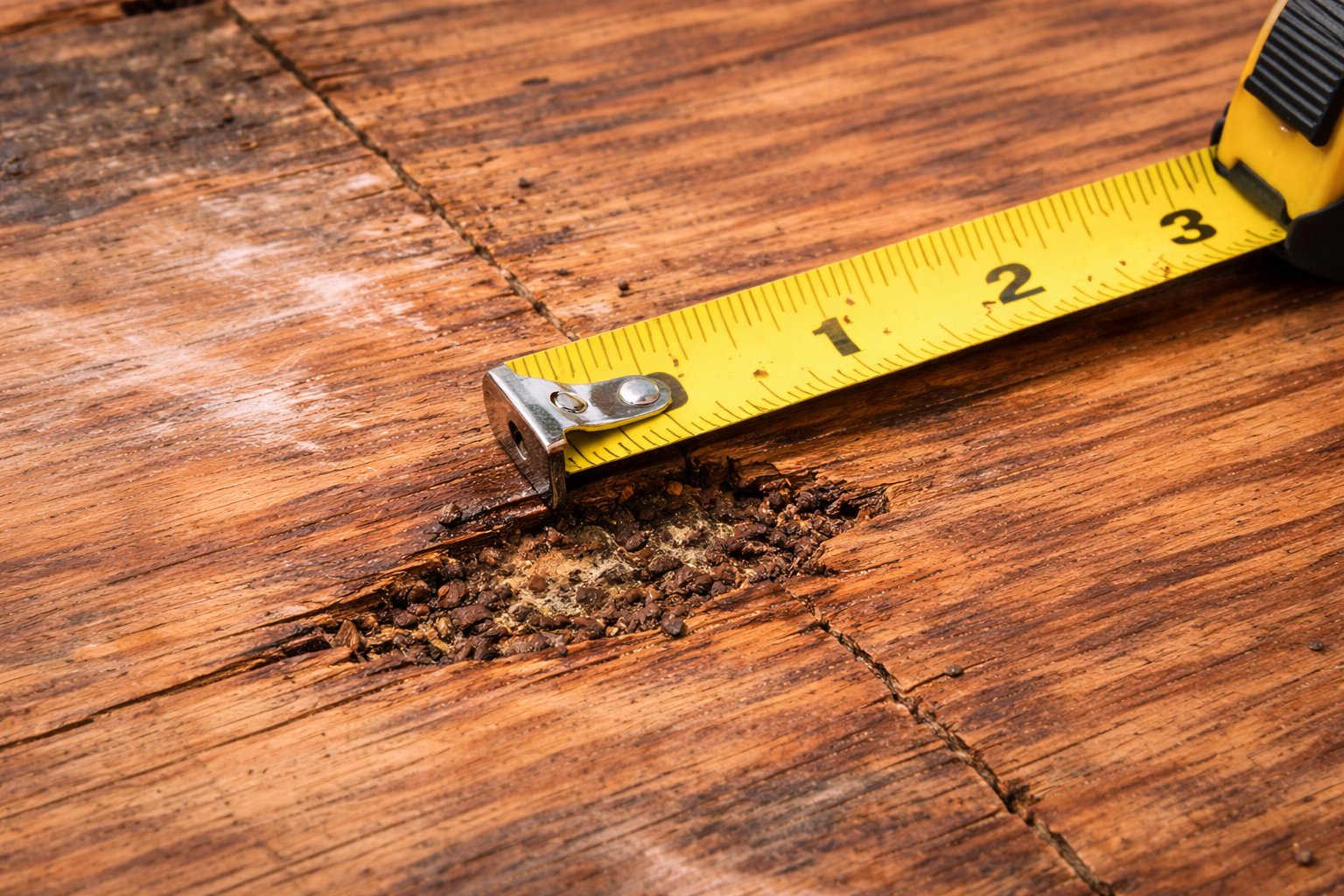
Termite Damage (Hardwood Flooring)
Bamboo Flooring Construction and Dimensional Behavior
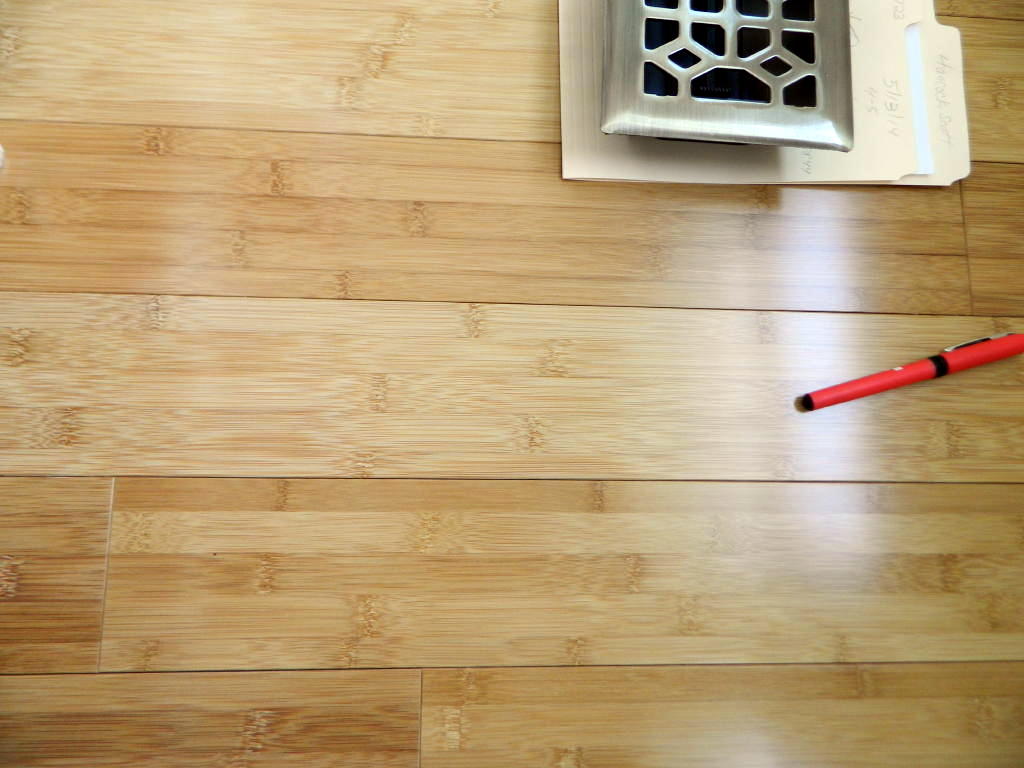
Checks vs. Splits vs. Shake (Solid Hardwood)
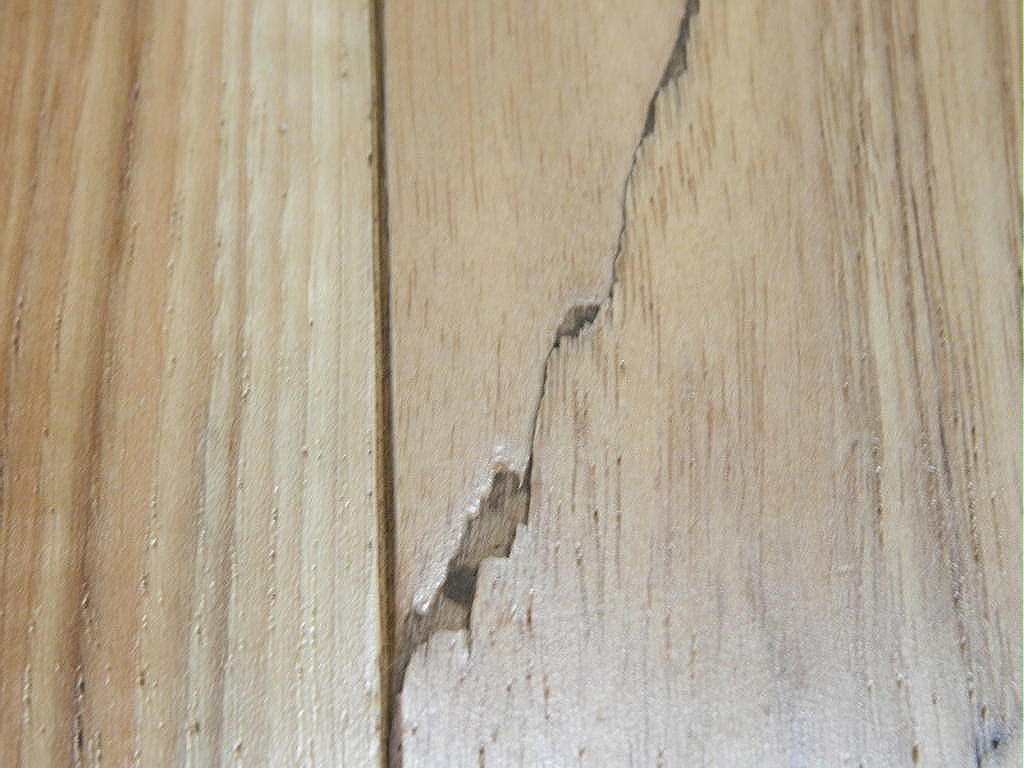
Grain Raise (Hardwood Finish Issue)
Splits – Cracks

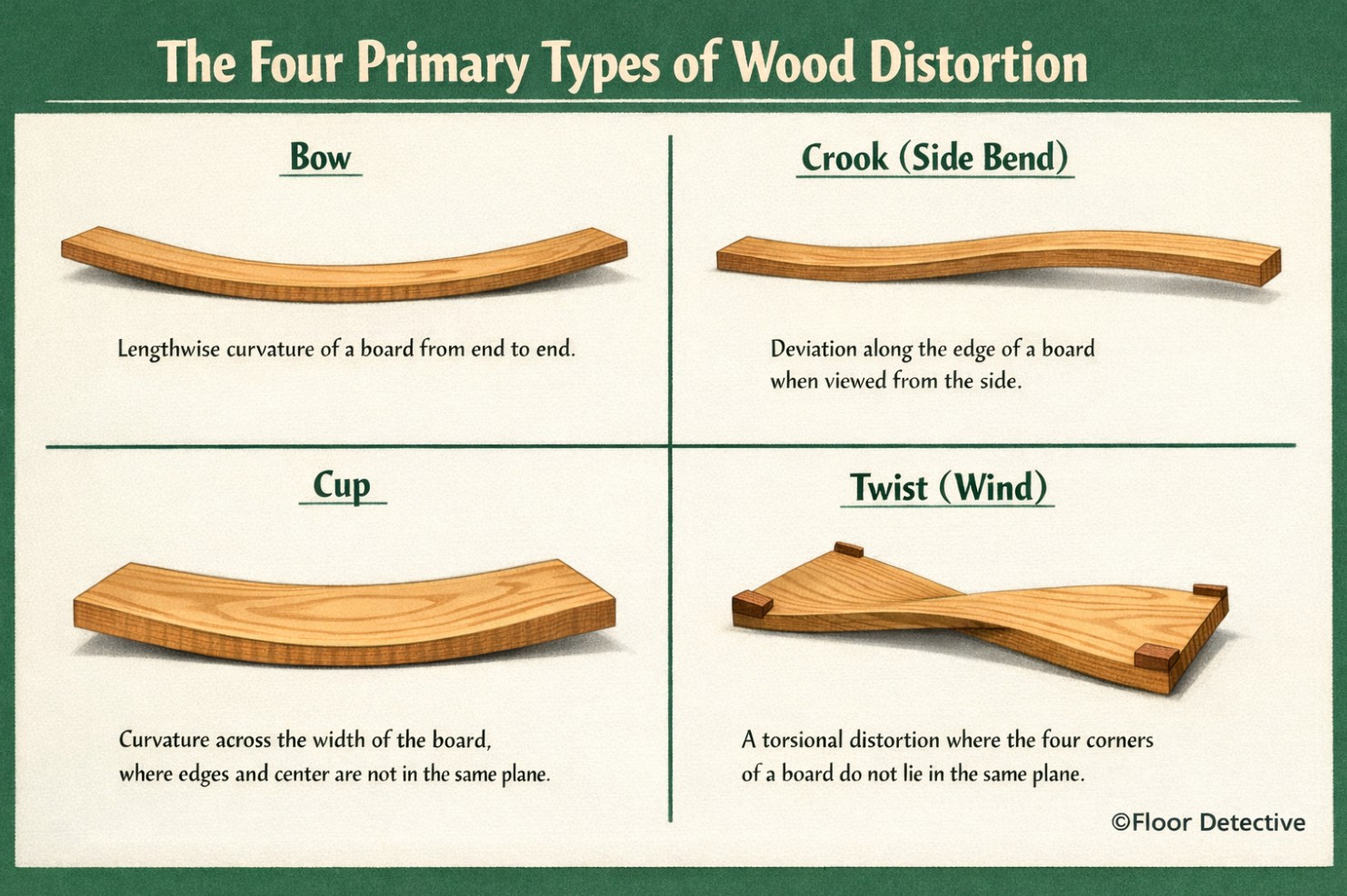
Wood Distortion
Wood Shear (Engineered Flooring)