Applicator Streaks

Applicator Streaks

Applicator Streaks - Fred Gamble (3)
Sierra Exif JPEG
Applicator Streaks Photo 1 ChatGPT
Applicator Streaks - Fred Gamble (3) Sierra Exif JPEG Applicator Streaks Photo 1 ChatGPT

Applicator Marks / Applicator Streaks / Ridging (Hardwood Flooring)

Floor Detective® Claims and Conditions Guide

Summary

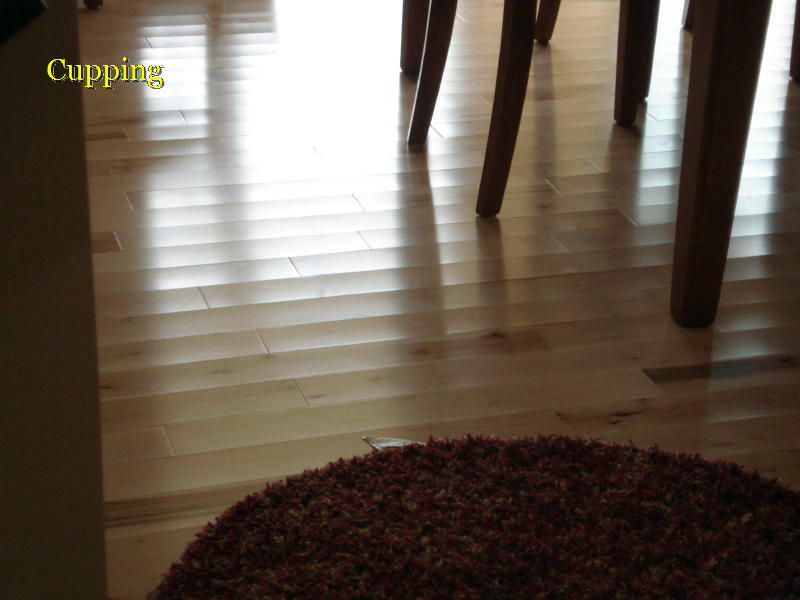
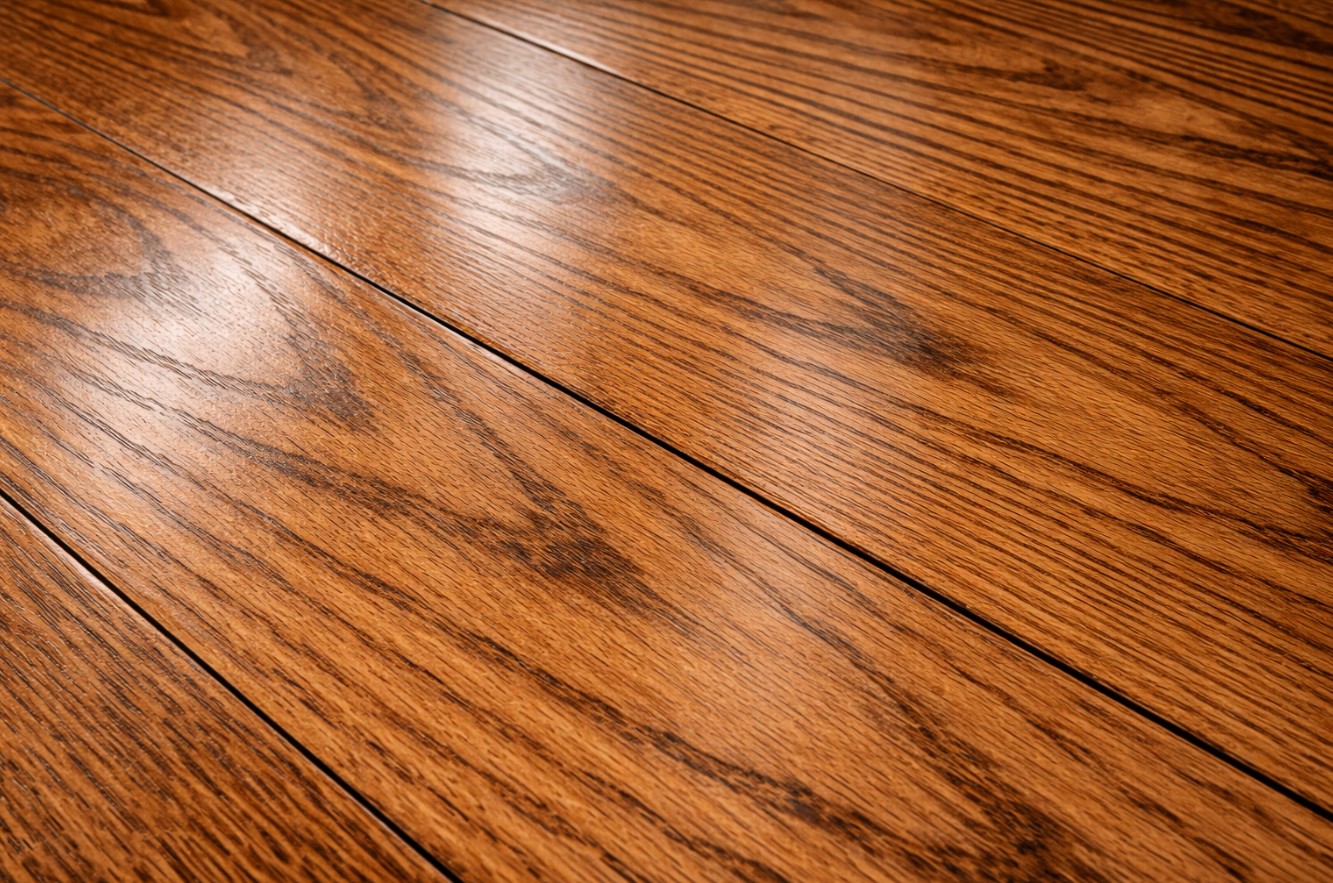
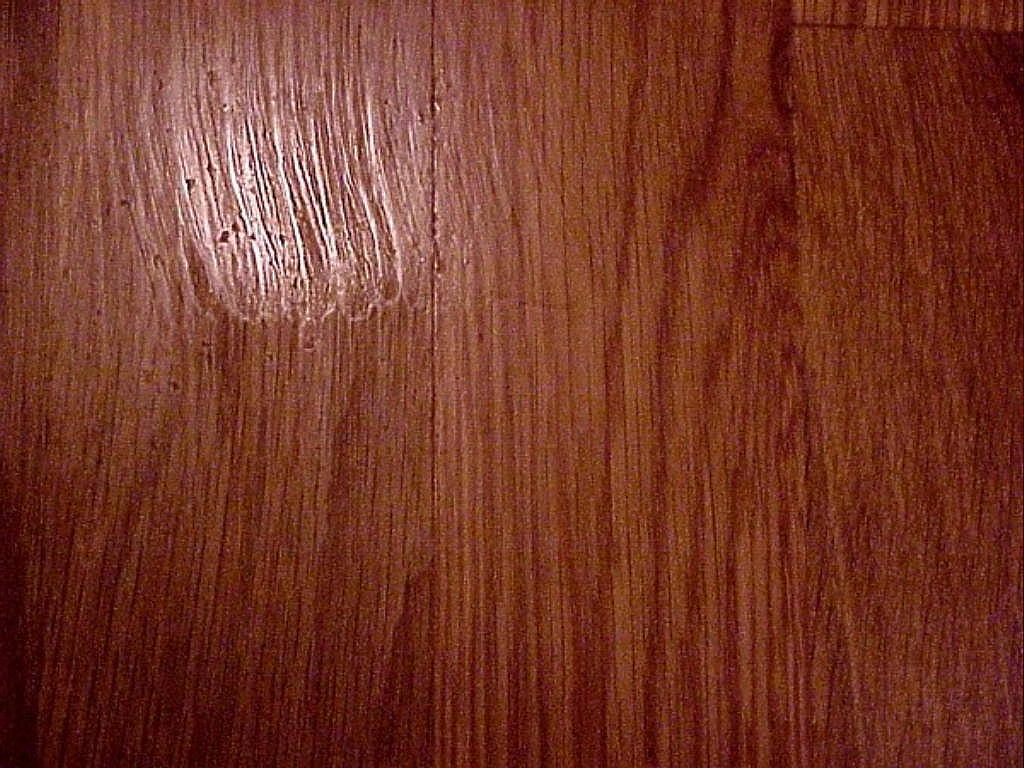
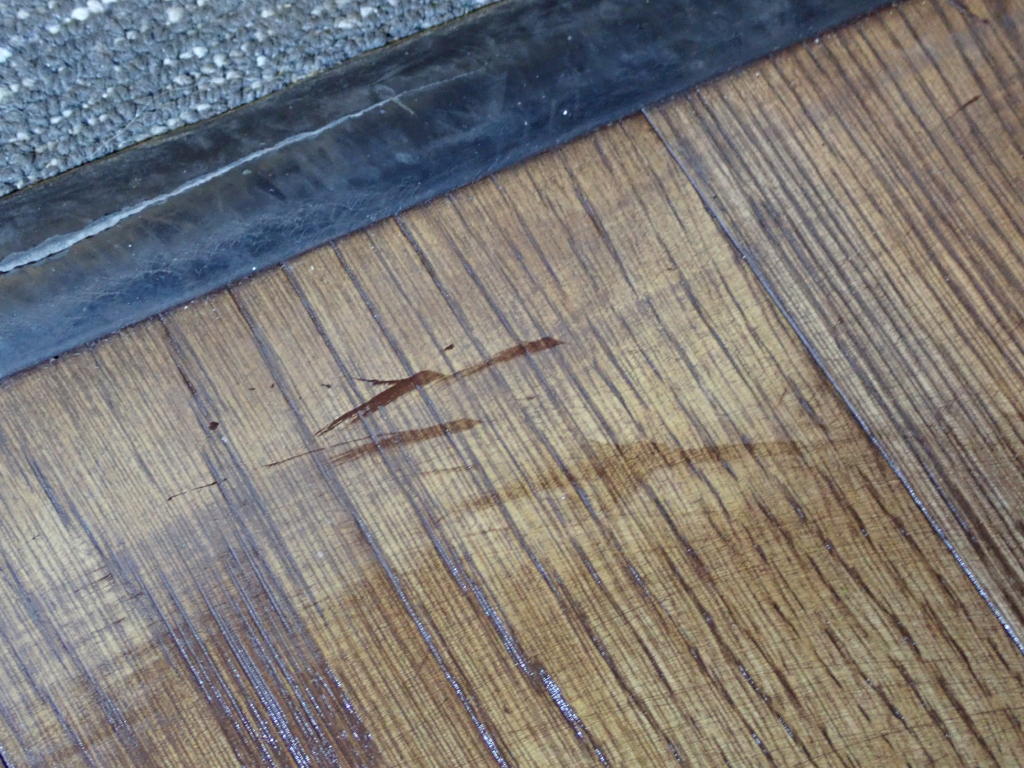
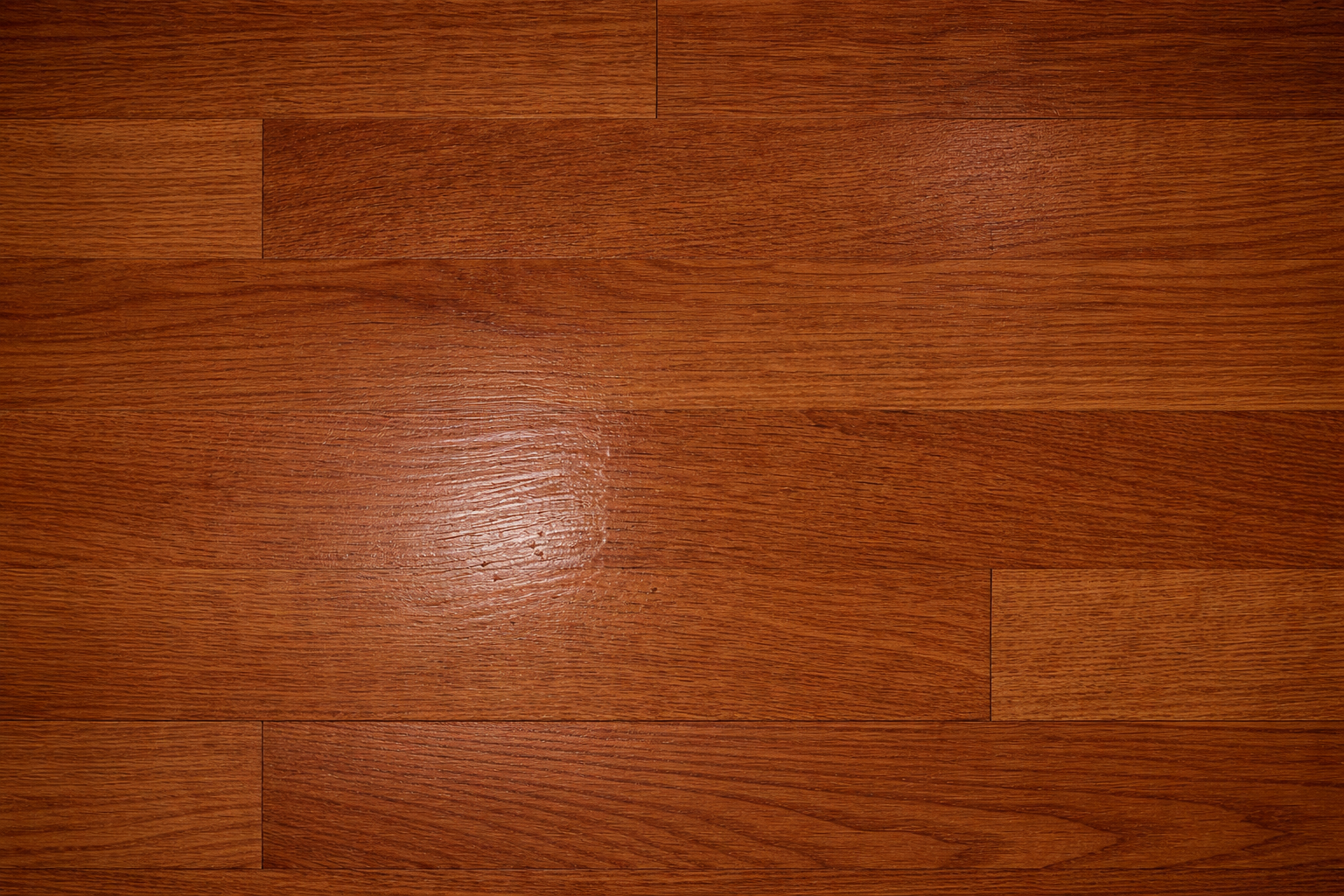
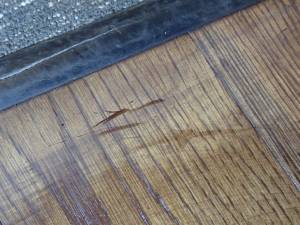
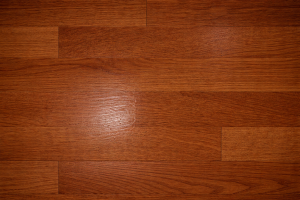
Applicator marks, sometimes referred to as applicator streaks or ridging, are finish-related appearance conditions observed in site-applied hardwood floor coatings. The condition develops when finish material is applied unevenly or does not fully level before curing, leaving visible surface texture that reflects applicator movement, overlap, pressure, or film-thickness variation. The marks are confined to the finish film and do not involve defects in the wood substrate or flooring manufacture. Visibility is commonly increased under directional, reflective, or low-angle lighting where surface texture becomes more noticeable. Applicator marks are appearance-related conditions and do not independently indicate structural flooring failure or a manufacturing defect. See also Lap Marks, Grain Raise Hardwood Finish Issue, and Hardwood Floor Problems for broader context.
Please subscribe to see all content

Hardwood Floor Problems

Hardwood floor problems may involve cupping, gaps, buckling, finish issues, movement, noise, or moisture-related distortion. Learn how hardwood flooring conditions...
Read More
Hardwood Floor Problems

Wood Decay (Hardwood Flooring)
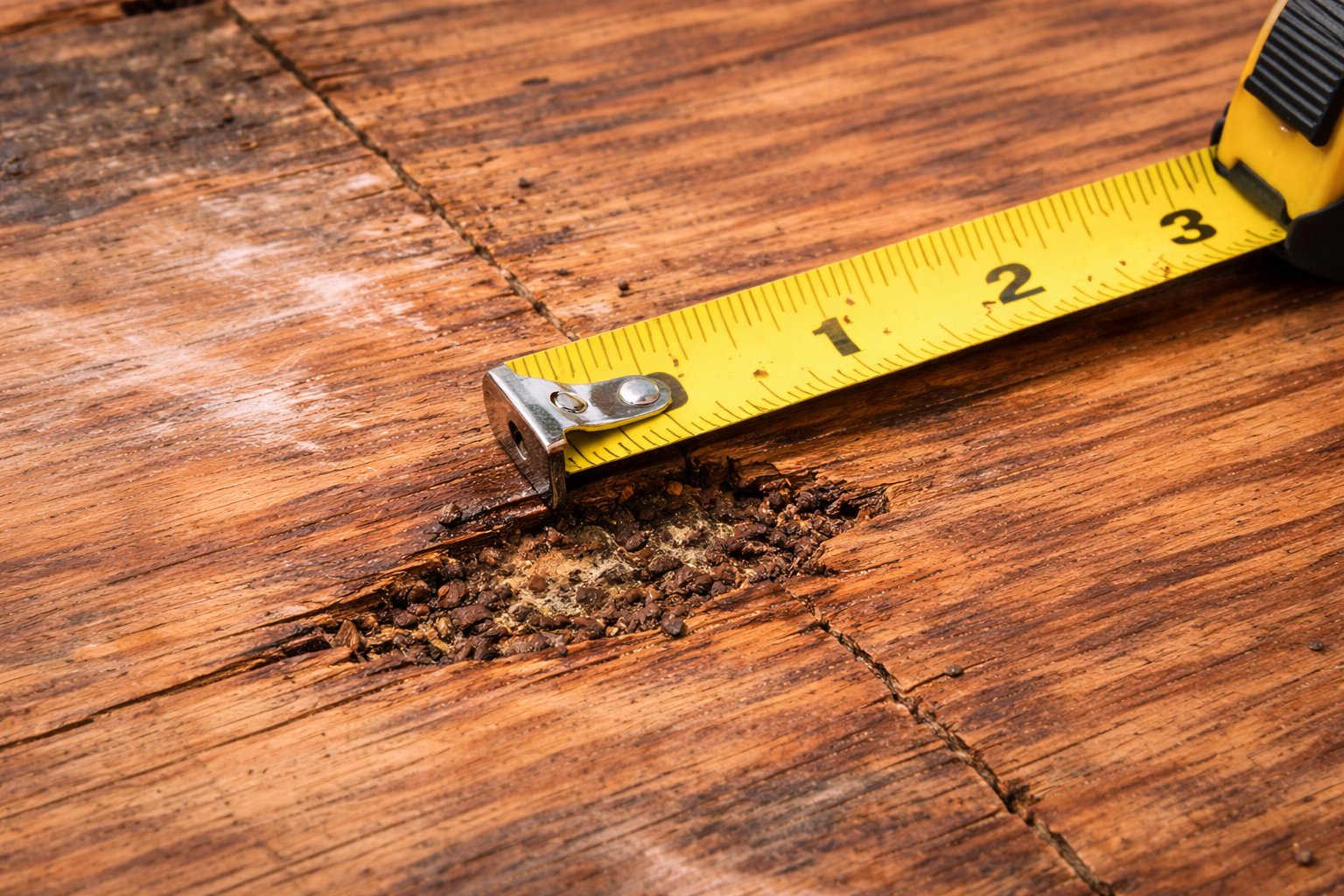
Wood decay in hardwood flooring is a moisture-related condition that causes soft, weakened, and deteriorated wood. Proper evaluation distinguishes fungal...
Read More
Wood Decay (Hardwood Flooring)

Termite Damage (Hardwood Flooring)
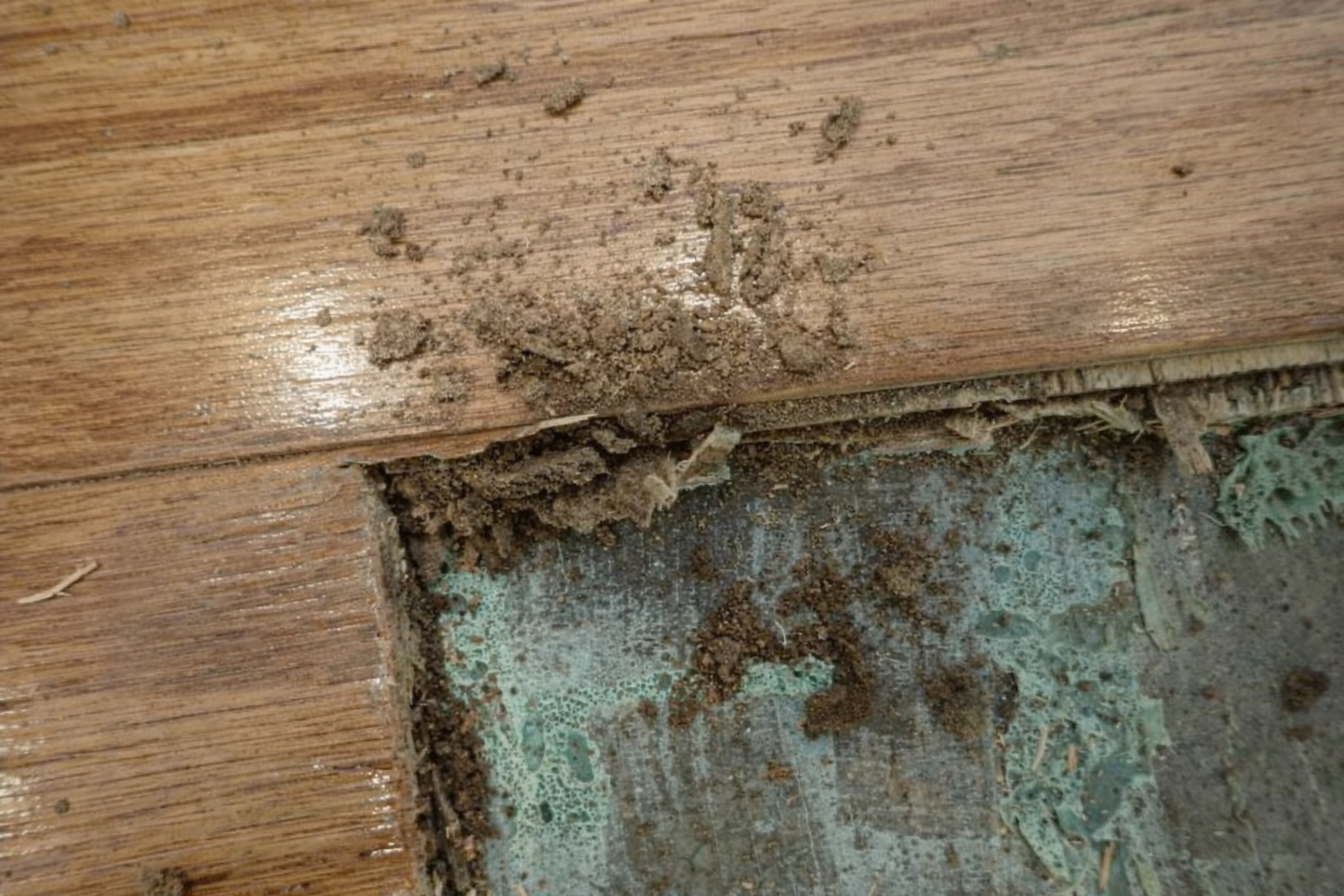
Termite damage in hardwood flooring involves internal wood consumption, gallery formation, and structural weakening caused by insect activity.
Read More
Termite Damage (Hardwood Flooring)

Bamboo Flooring Construction and Dimensional Behavior
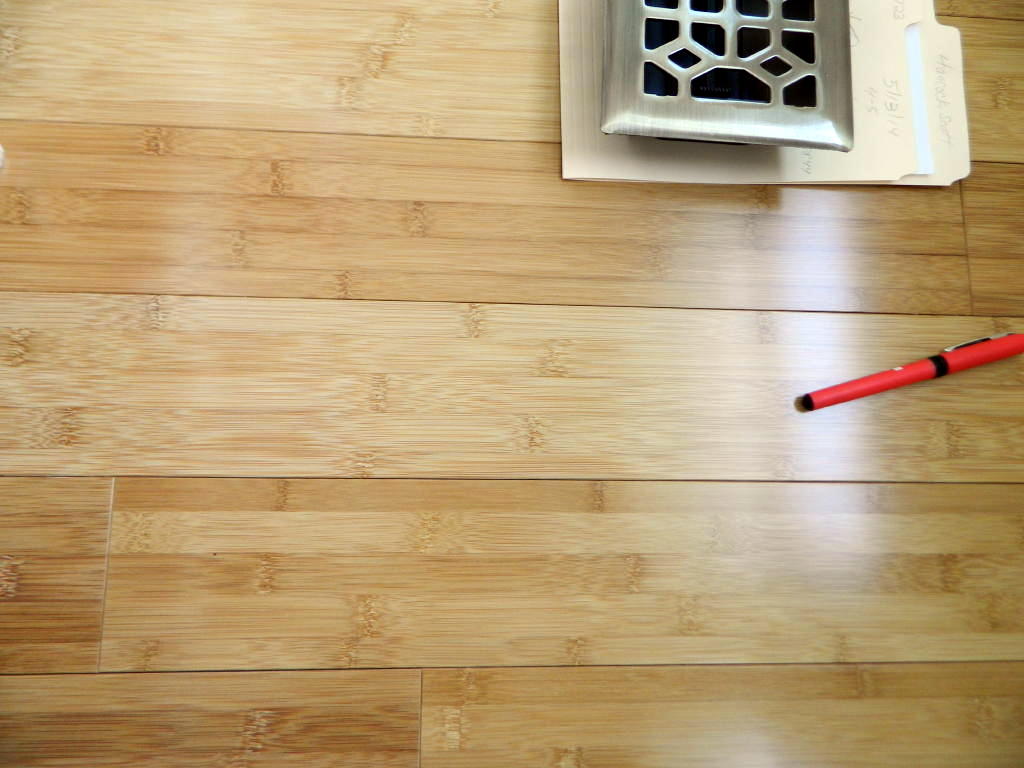
Bamboo flooring construction affects dimensional movement, moisture response, spacing, and long-term flooring performance under changing environmental conditions.
Read More
Bamboo Flooring Construction and Dimensional Behavior

Checks vs. Splits vs. Shake (Solid Hardwood)
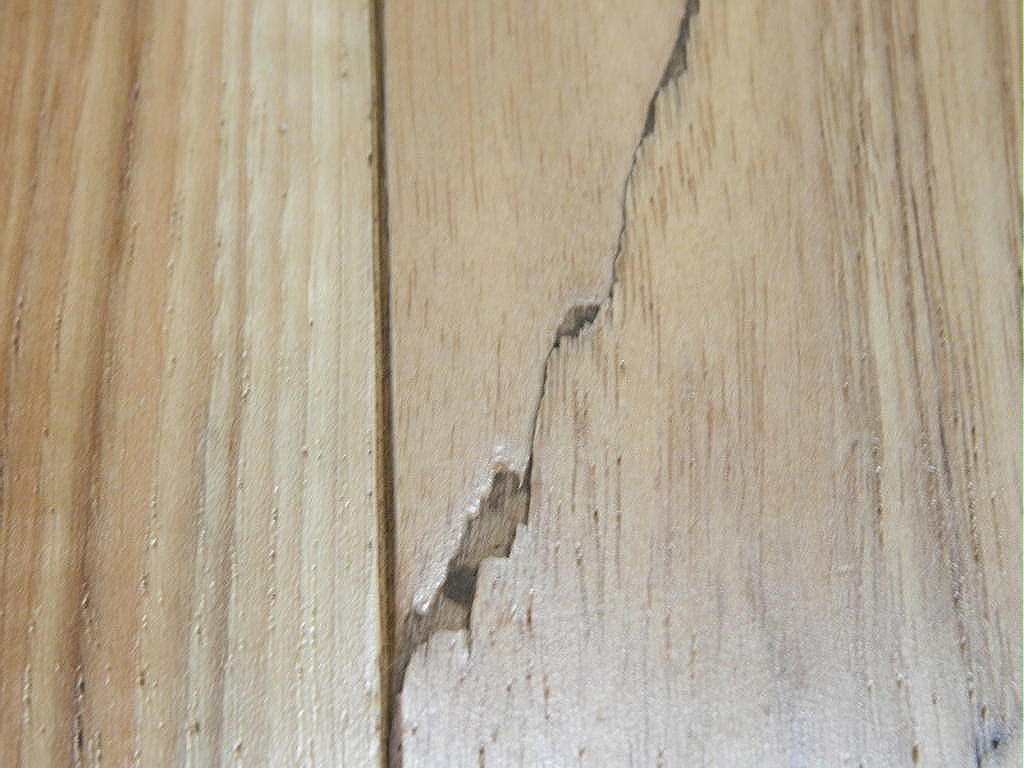
Checks, splits, and shake are different wood separation conditions in hardwood flooring that vary in origin, depth, structural significance, and...
Read More
Checks vs. Splits vs. Shake (Solid Hardwood)

Grain Raise (Hardwood Finish Issue)
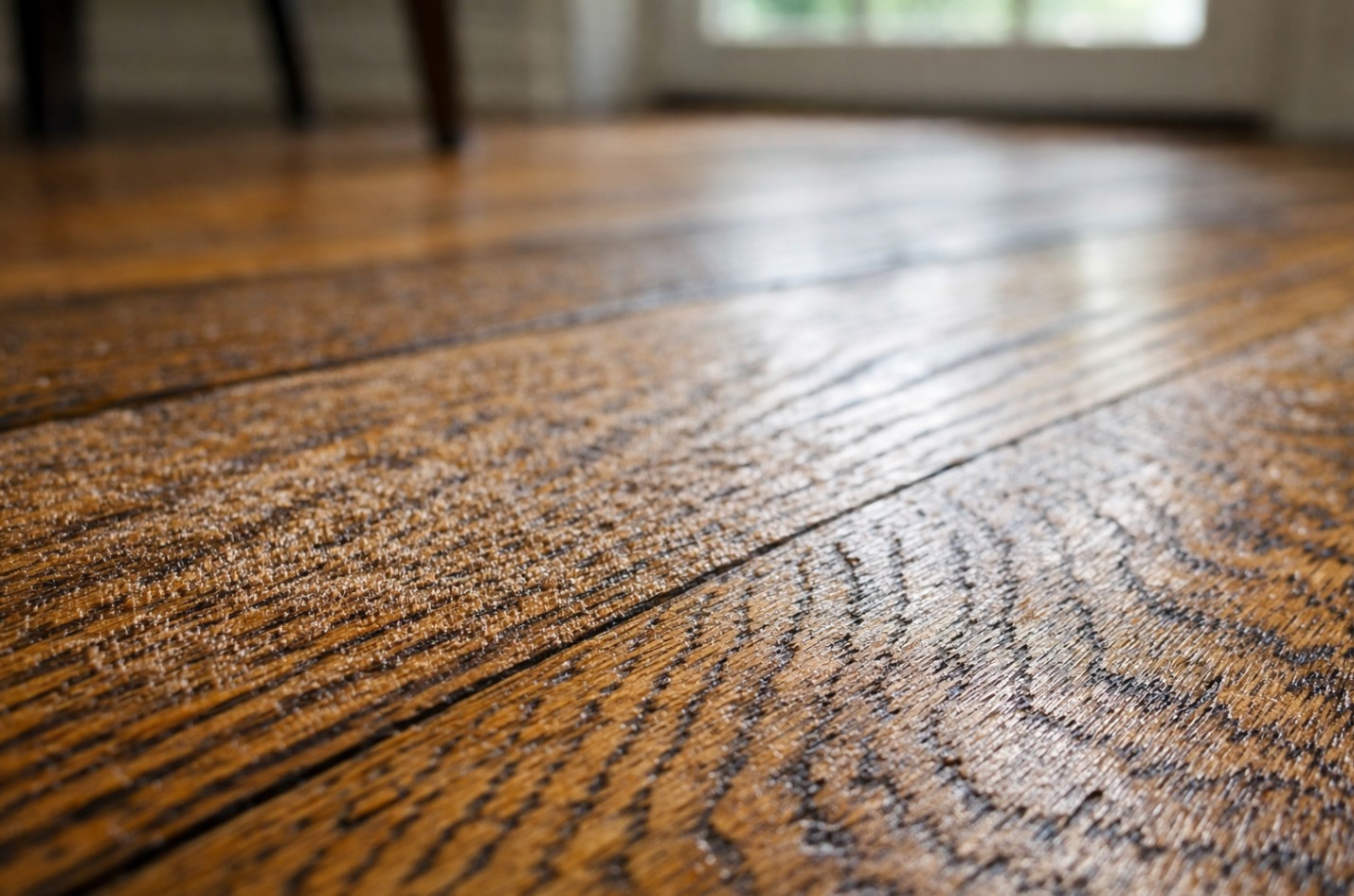
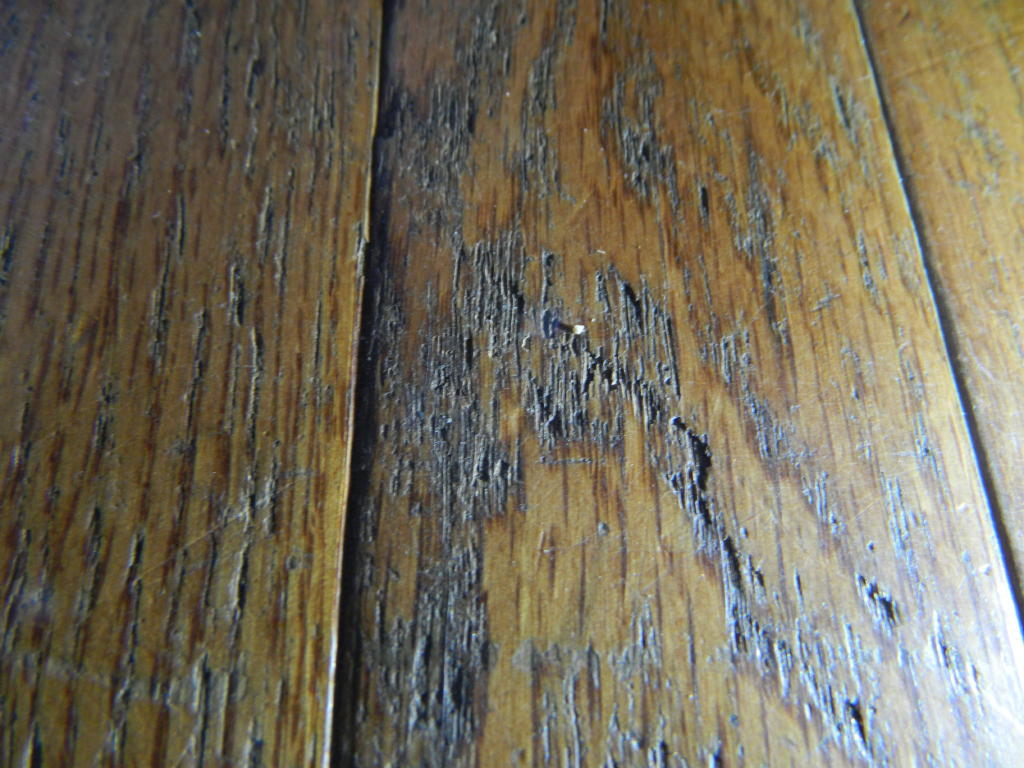
Hardwood grain raise is a surface texture condition caused by swelling and lifting of exposed wood fibers after moisture exposure...
Read More
Grain Raise (Hardwood Finish Issue)

Lap Marks

Lap marks in hardwood flooring are visible streaks or bands caused by uneven blending between overlapping finish passes. The condition...
Read More
Lap Marks

Splits – Cracks

Splits and Cracks (Hardwood Flooring) Floor Detective® Claims and Conditions Guide Summary Splits and cracks in hardwood flooring are structural...
Read More
Splits – Cracks

Wood Distortion

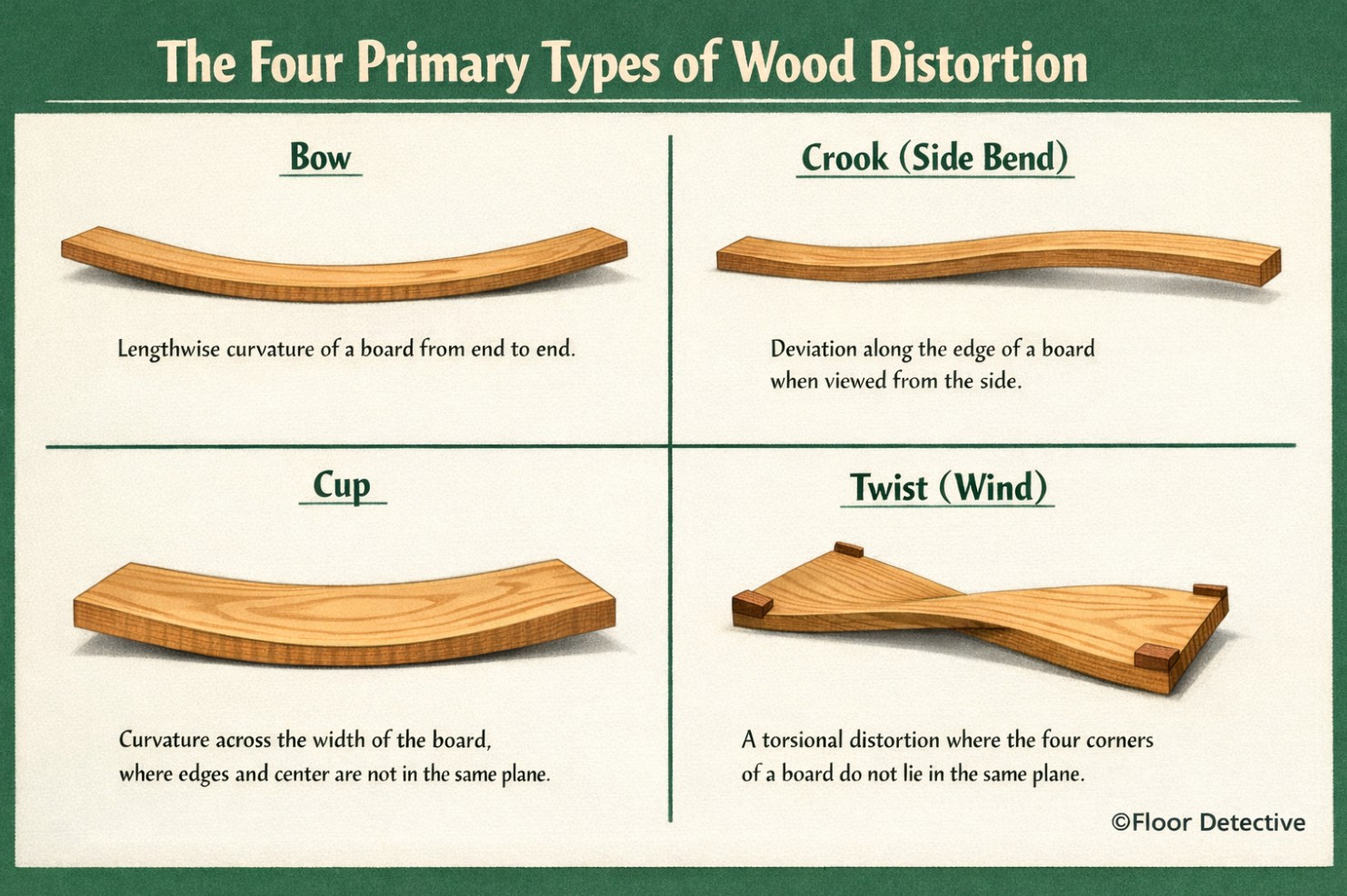
Wood distortion in hardwood flooring involves bowing, twisting, cupping, and dimensional shape change caused by moisture variation and internal stress...
Read More
Wood Distortion

Wood Shear (Engineered Flooring)
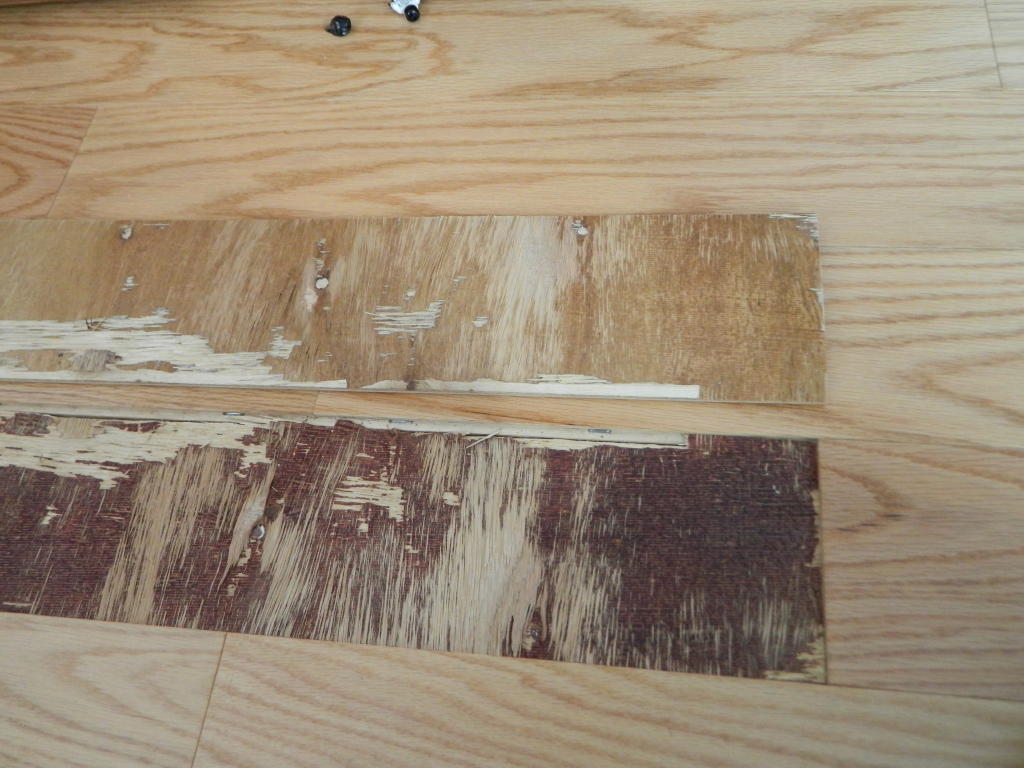
Wood shear and delamination are distinct engineered hardwood separation mechanisms involving cohesive wood-fiber rupture or adhesive bond-line release.
Read More
Wood Shear (Engineered Flooring)