Acclimation or Conditioning
Acclimation and Conditioning (Hardwood Flooring)
Floor Detective® Claims and Conditions Guide
Summary
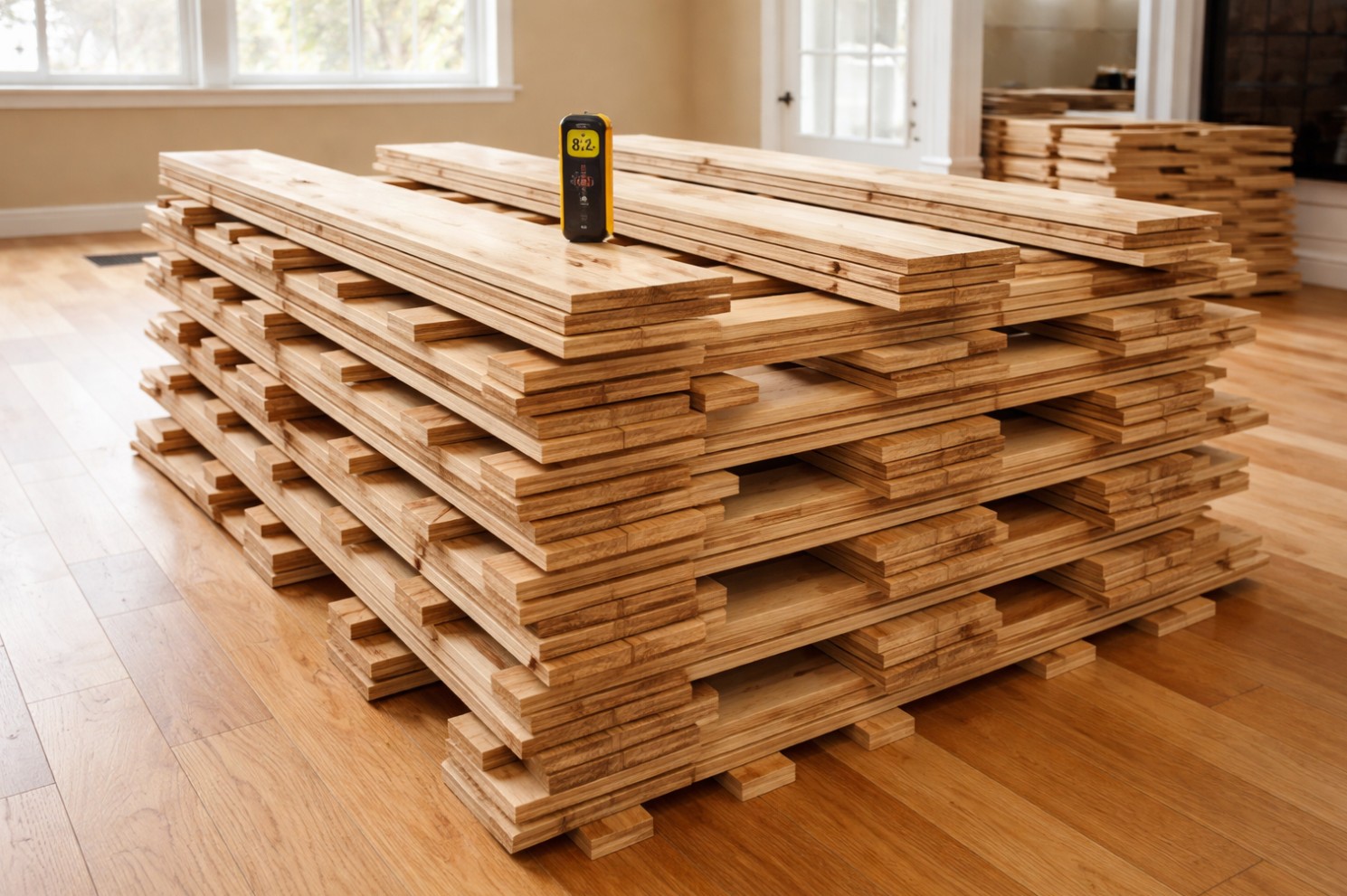
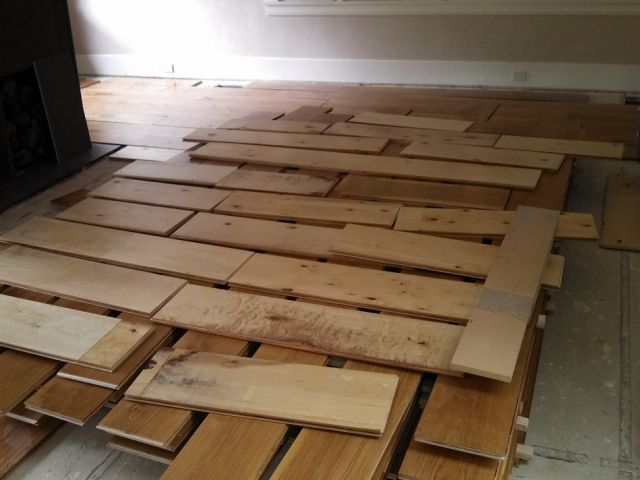
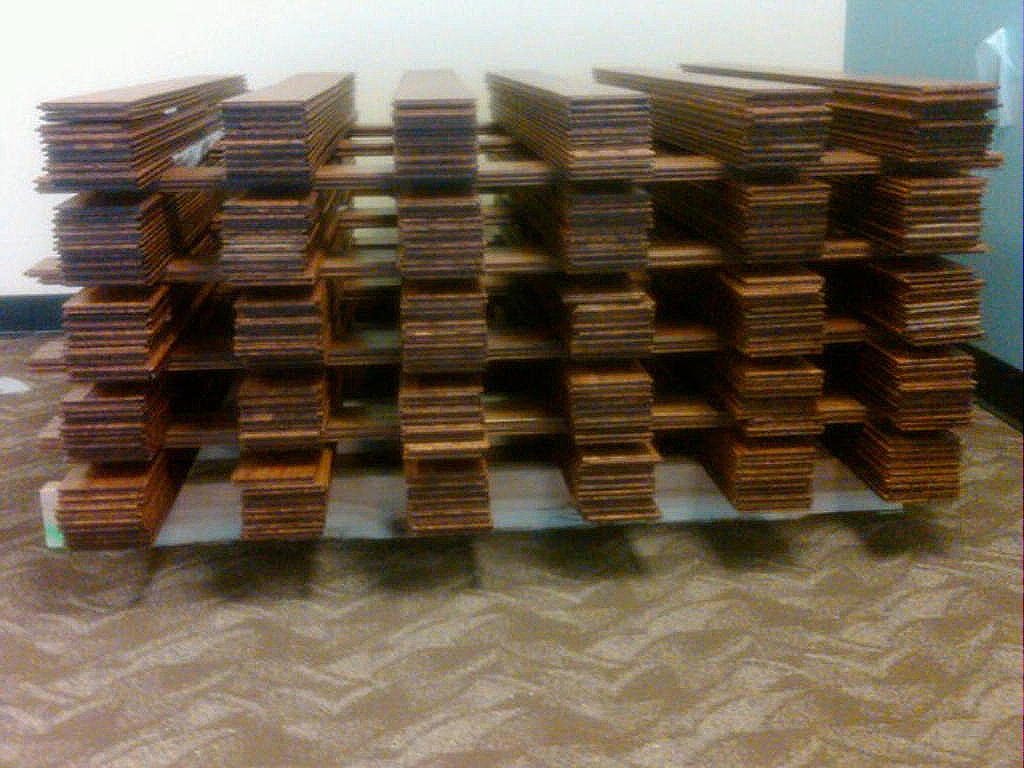
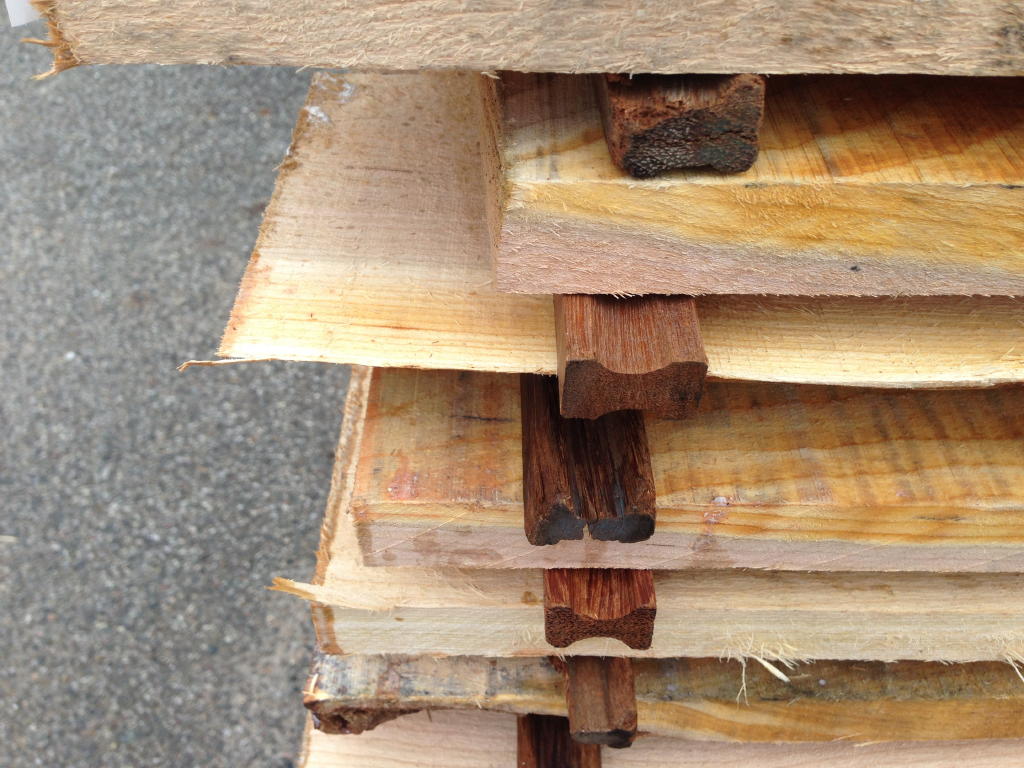
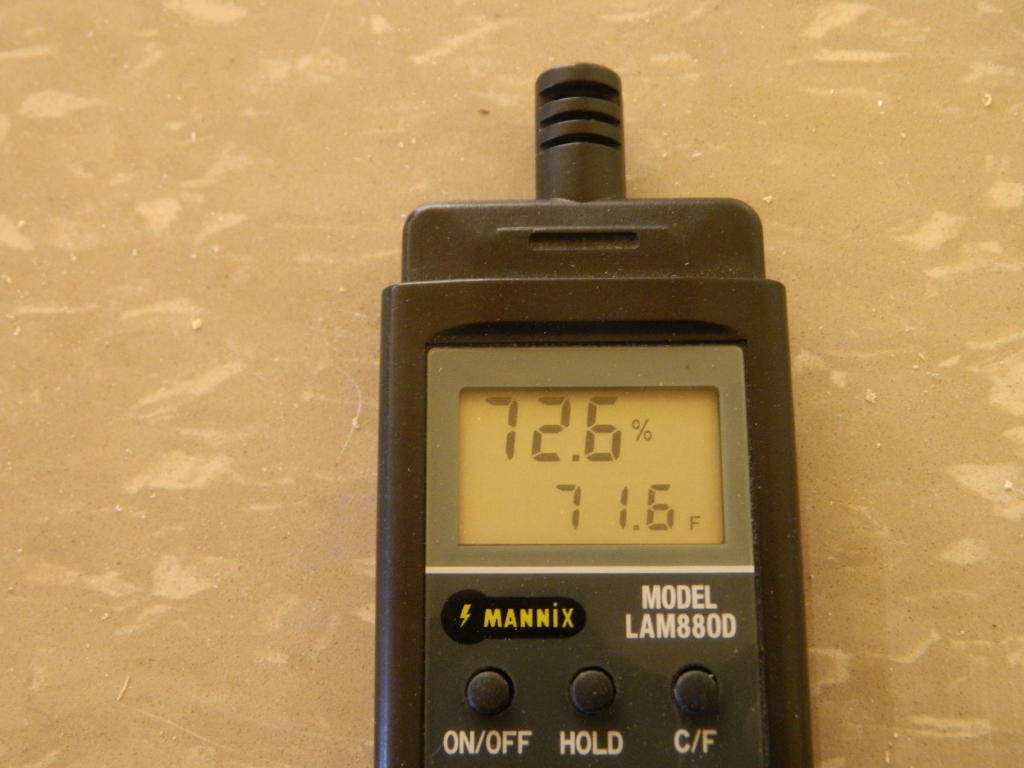
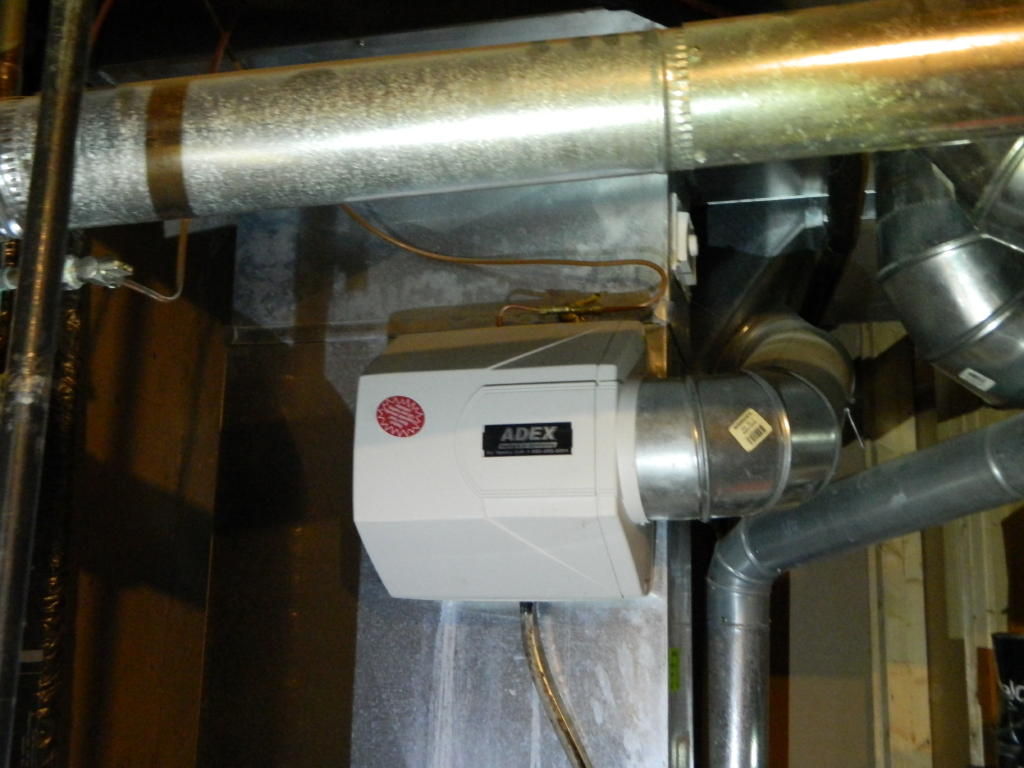
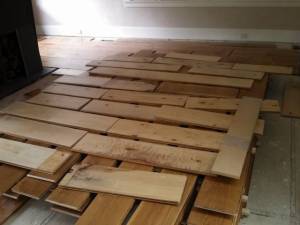
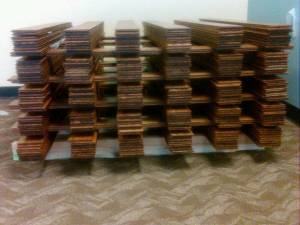
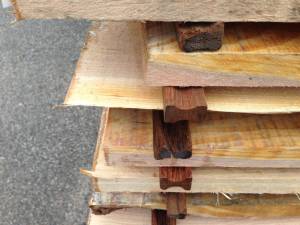
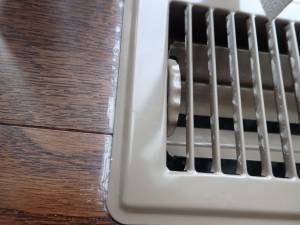
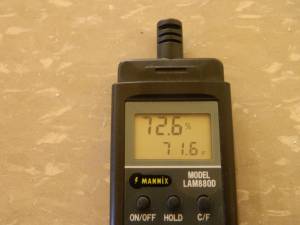
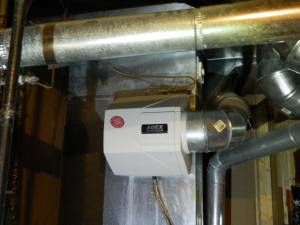
Hardwood floor acclimation, sometimes referred to as conditioning, is the process by which flooring systems become aligned with expected occupied-service environmental conditions before and after installation. Because wood is hygroscopic, it naturally absorbs and releases moisture as surrounding environmental conditions change, causing boards to expand, contract, cup, gap, crown, or distort over time. Modern acclimation practices focus less on “adjusting the wood” and more on establishing and maintaining interior environmental conditions capable of supporting the flooring product within its intended performance range. Flooring stored in uncontrolled spaces such as garages, patios, warehouses, or unfinished structures may adjust to temporary environmental conditions rather than the conditions expected during occupancy. Installation secures flooring in place but does not stop ongoing moisture exchange within the wood. Hardwood flooring systems may therefore continue responding to environmental fluctuation throughout their service life. Acclimation-related movement alone does not independently establish manufacturing nonconformance or installation deficiency. Proper evaluation requires correlation of environmental history, flooring moisture conditions, HVAC operation, subfloor conditions, flooring design, and observed dimensional movement patterns rather than reliance on a single moisture reading or visible condition alone. See also Wood Distortion, Cupping, and Hardwood Floor Problems for broader context.
Hardwood Floor Problems
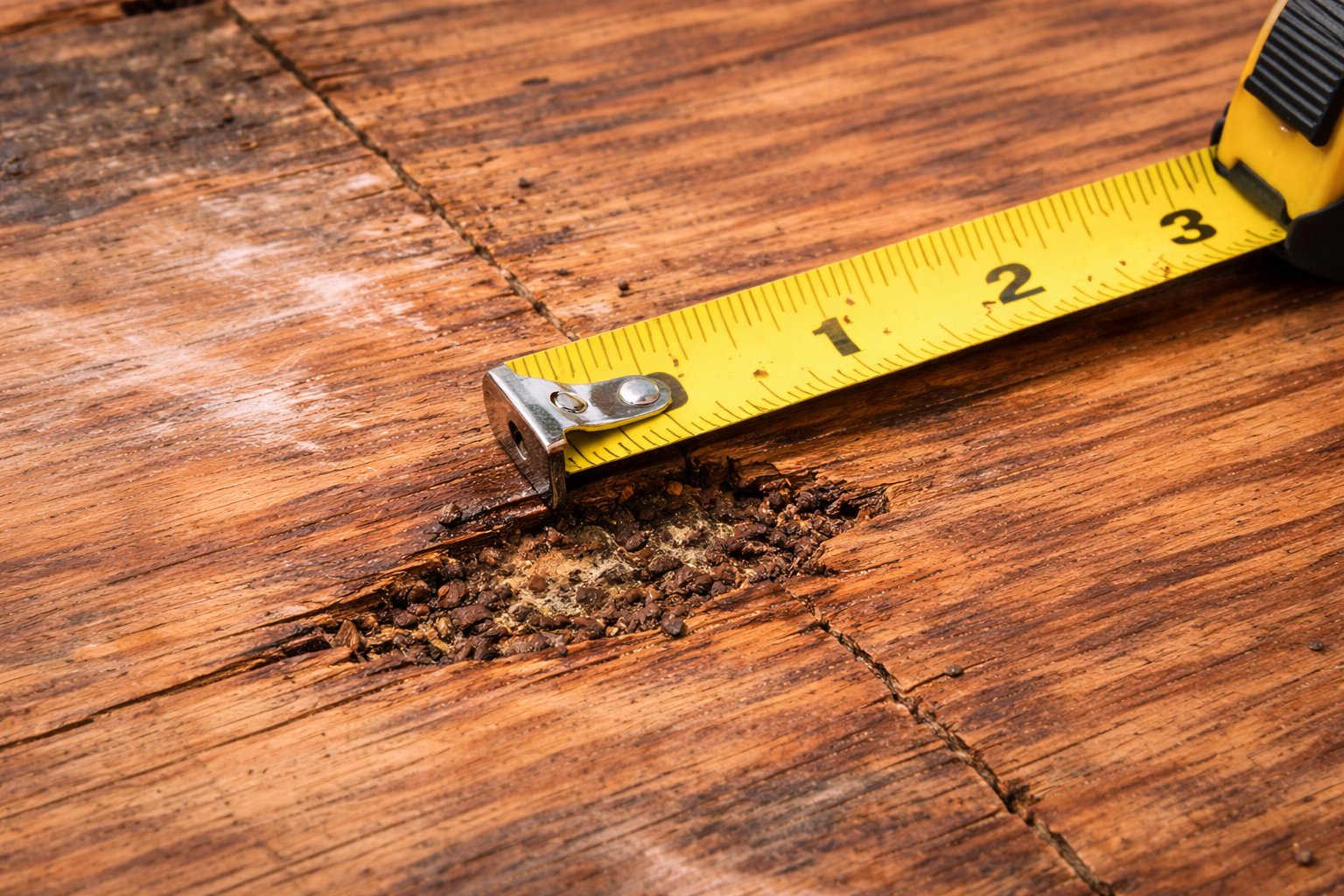
Wood Decay (Hardwood Flooring)
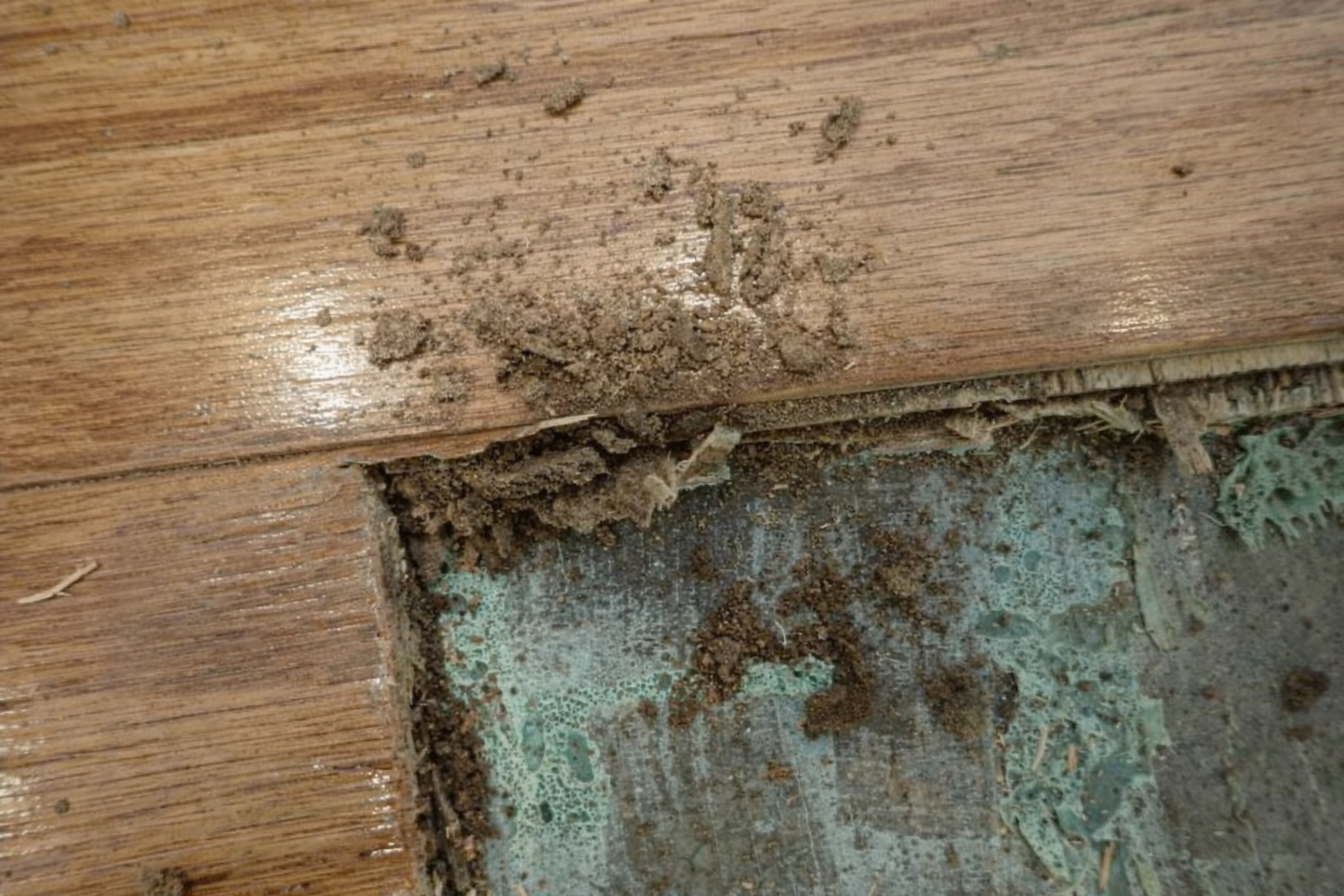
Termite Damage (Hardwood Flooring)
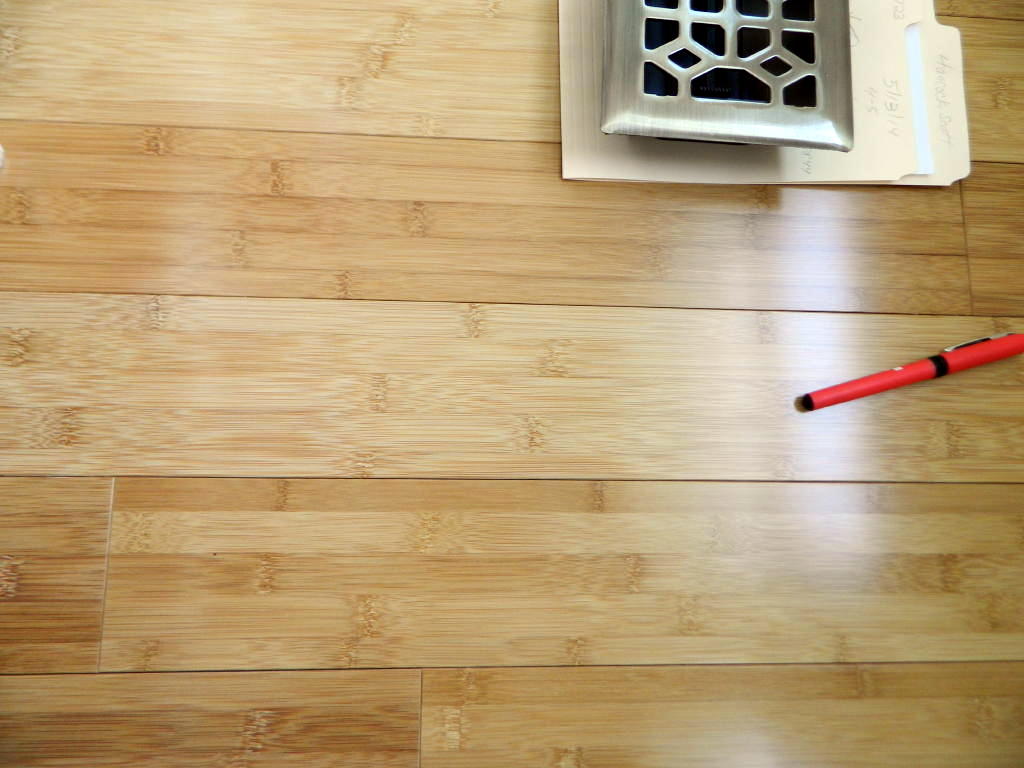
Bamboo Flooring Construction and Dimensional Behavior
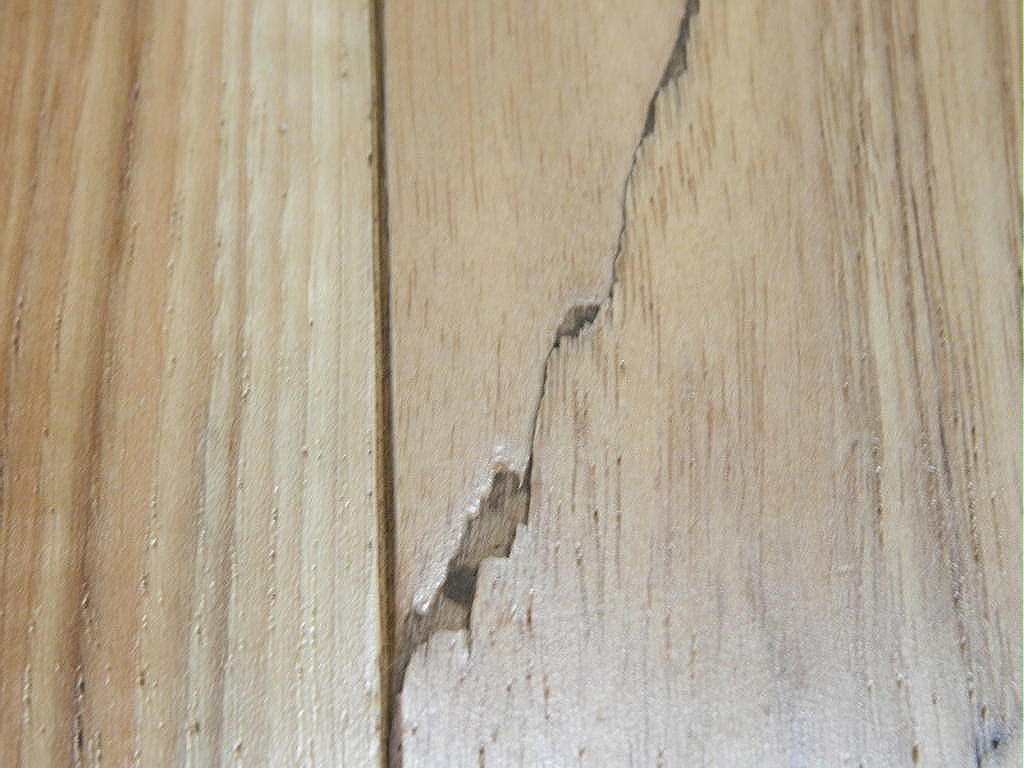
Checks vs. Splits vs. Shake (Solid Hardwood)
Grain Raise (Hardwood Finish Issue)
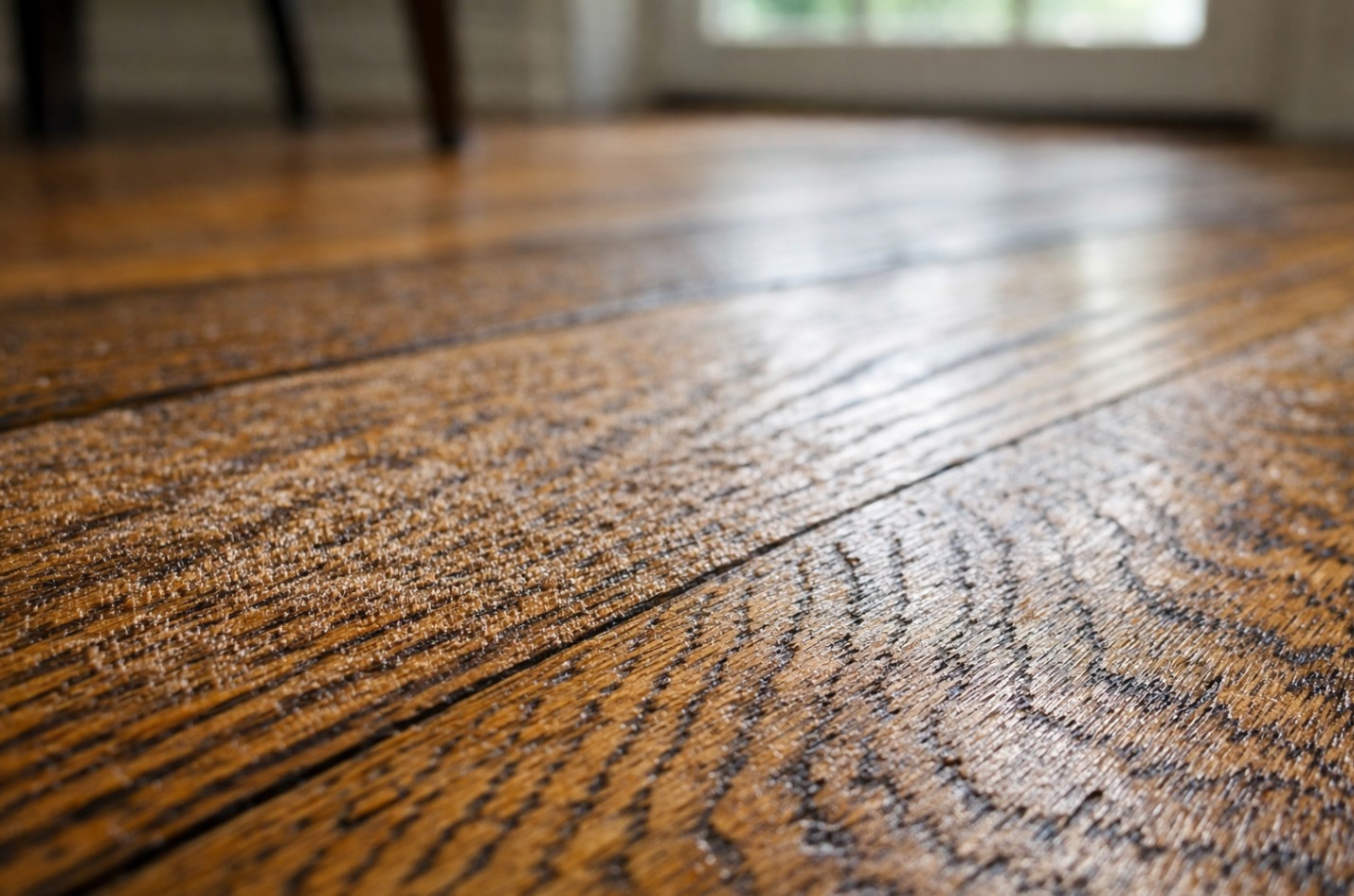
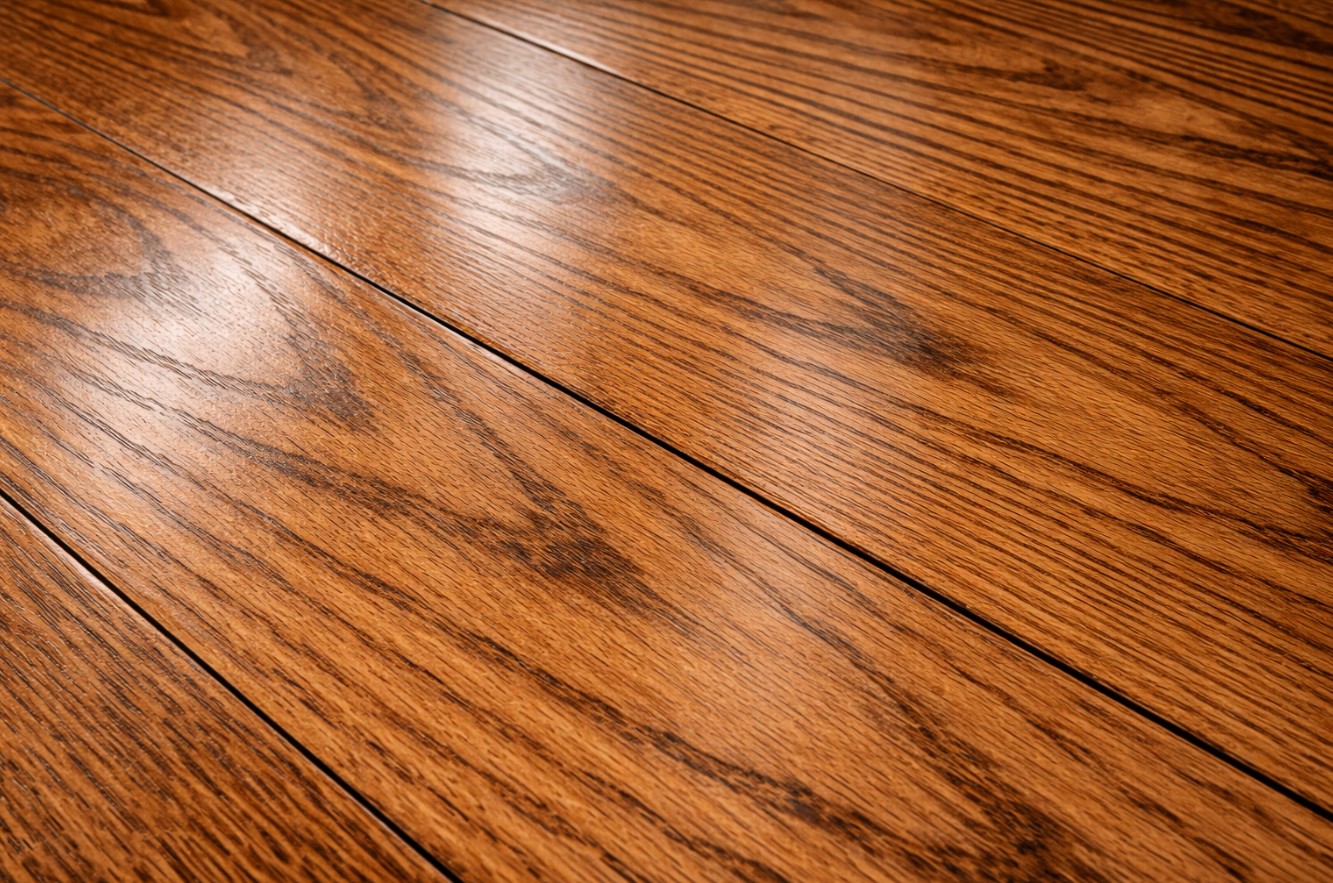
Splits – Cracks

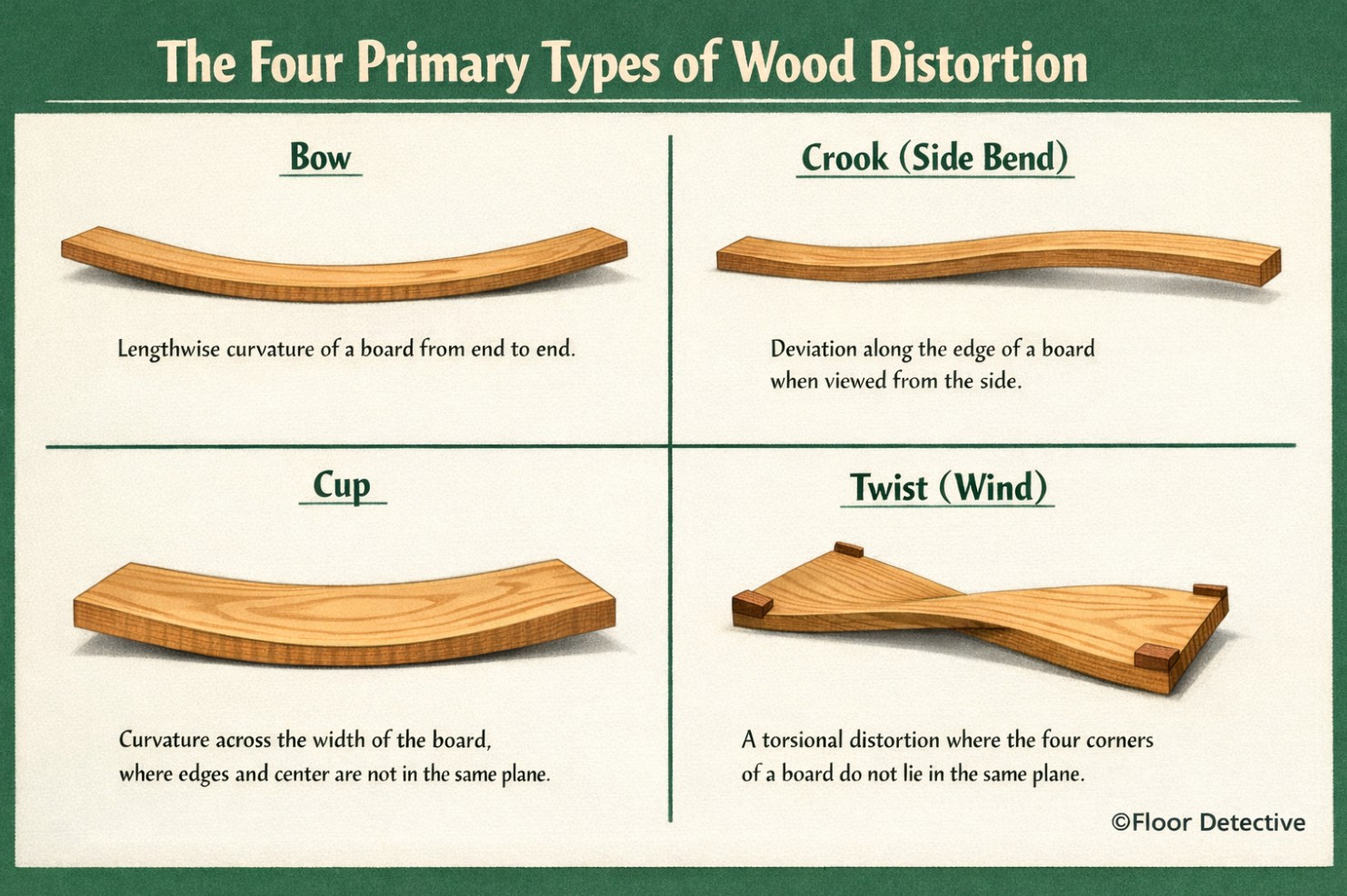
Wood Distortion
Wood Shear (Engineered Flooring)