Craters/Fish Eyes

Fish Eyes

Hardwood-fish eyes-22
Sierra Exif JPEG
Sierra Exif JPEG
Hardwood-fish eyes-21
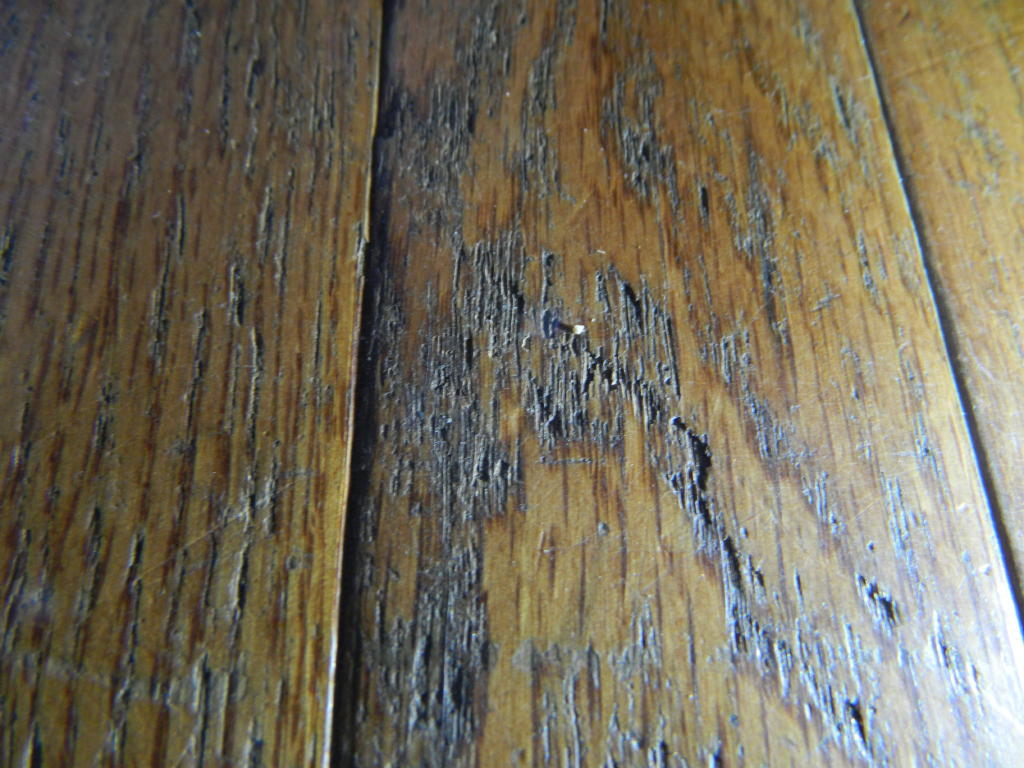
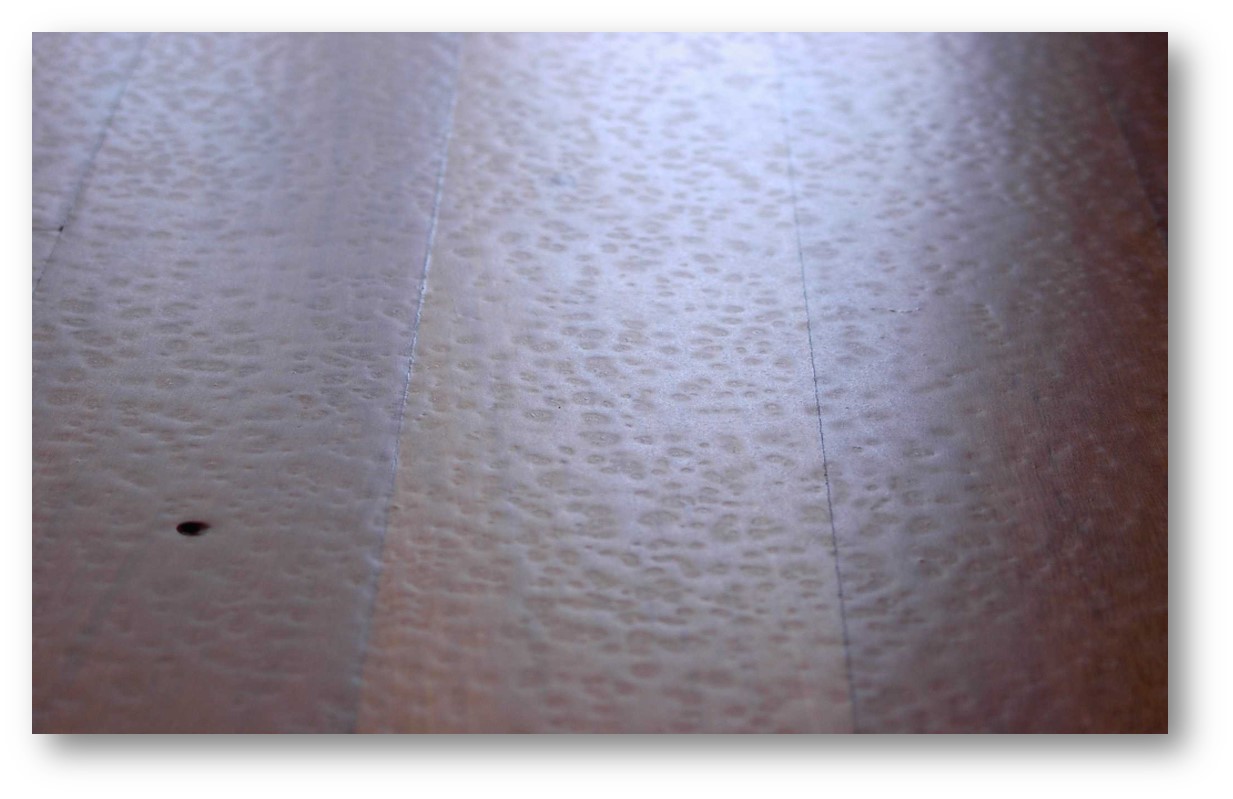
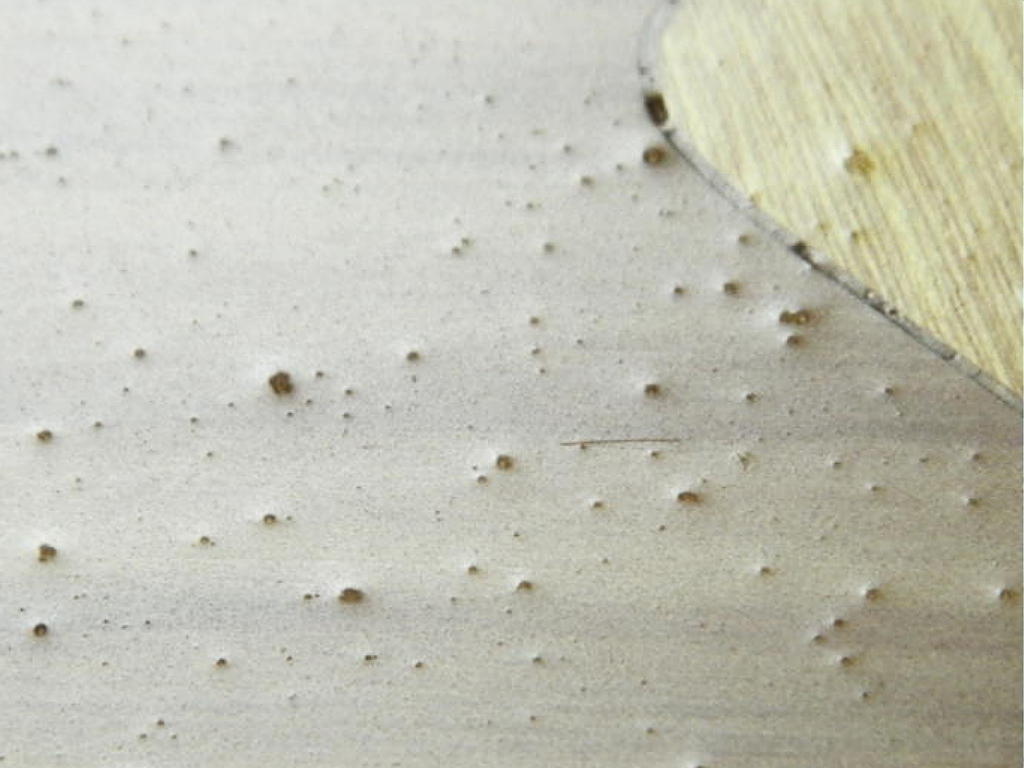
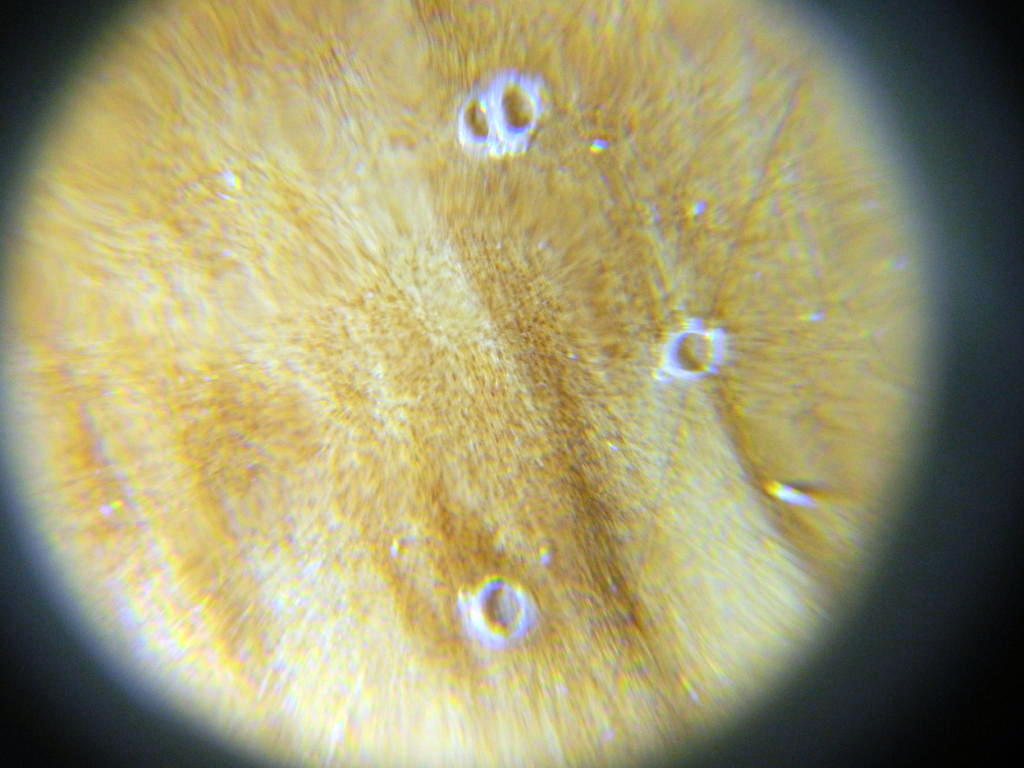
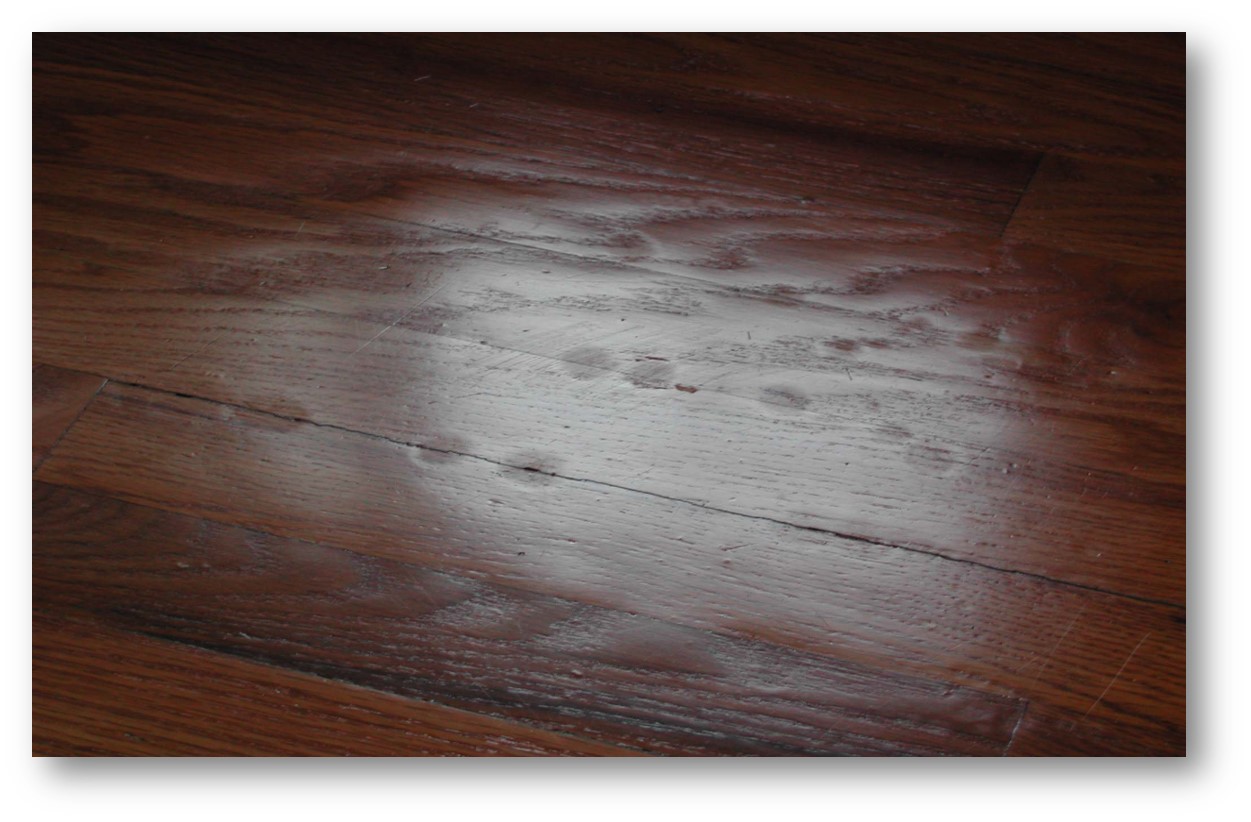
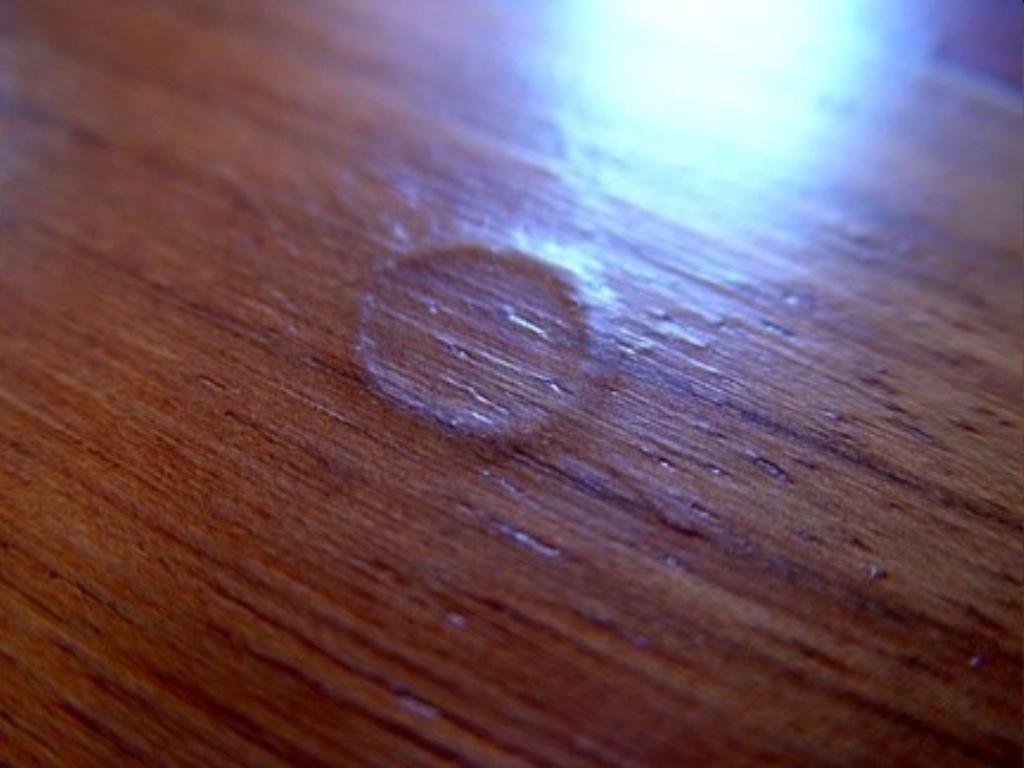
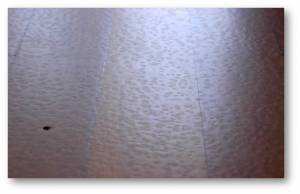
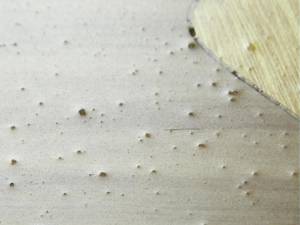
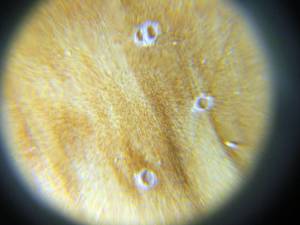
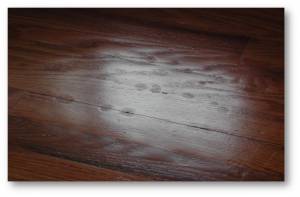
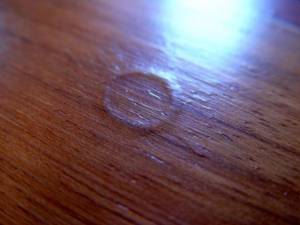
Hardwood finish showing fish eyes and crater defects with circular depressions in the coating surface
Hardwood-fish eyes-22 Sierra Exif JPEG Sierra Exif JPEG Hardwood-fish eyes-21 Hardwood finish showing fish eyes and crater defects with circular depressions in the coating surface

Craters / Fish Eyes (Hardwood Finish)

Floor Detective® Claims and Conditions Guide

Summary

Craters, commonly referred to as fish eyes, are localized depressions that develop within a wet or semi-fluid hardwood finish during application and curing. The condition occurs when the coating pulls away from isolated areas instead of flowing and leveling uniformly across the surface. Craters commonly appear as circular or bowl-shaped depressions and may or may not contain visible particulate at the center. Surface contamination, finish incompatibility, environmental conditions, or localized wetting disruption may interfere with normal finish flow behavior during application. The condition reflects finish-film interaction and coating behavior rather than structural failure of the wood flooring itself. Visibility may vary depending on sheen level, lighting angle, film thickness, and overall distribution. Proper classification requires distinguishing craters from bubbles, crawling, embedded debris, or other finish-surface irregularities. See also Crawling Hardwood Finish, Bubbles in Finish Hardwood, and Hardwood Floor Problems for broader context.
Please subscribe to see all content

Hardwood Floor Problems

Hardwood floor problems may involve cupping, gaps, buckling, finish issues, movement, noise, or moisture-related distortion. Learn how hardwood flooring conditions...
Read More
Hardwood Floor Problems

Wood Decay (Hardwood Flooring)
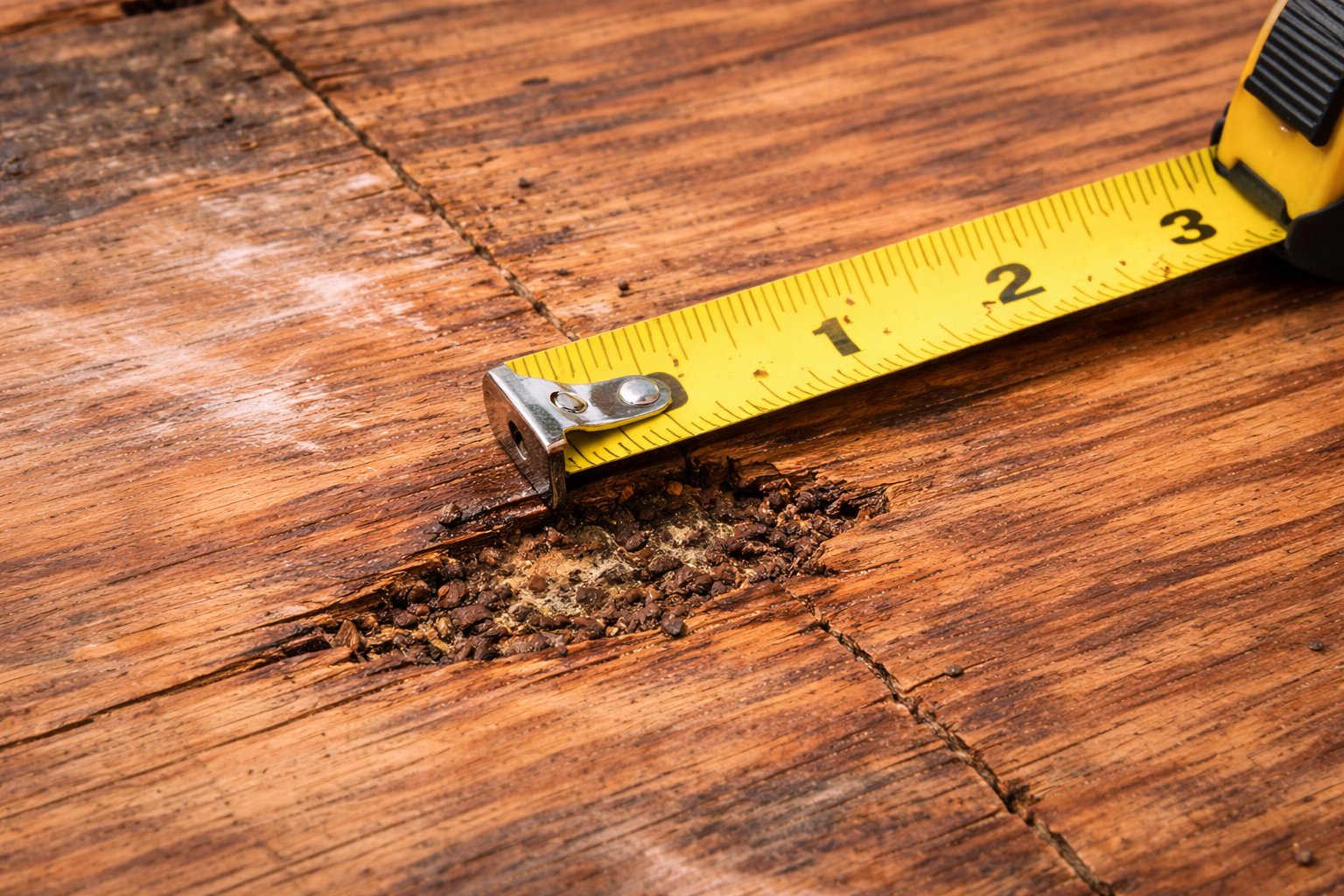
Wood decay in hardwood flooring is a moisture-related condition that causes soft, weakened, and deteriorated wood. Proper evaluation distinguishes fungal...
Read More
Wood Decay (Hardwood Flooring)

Termite Damage (Hardwood Flooring)
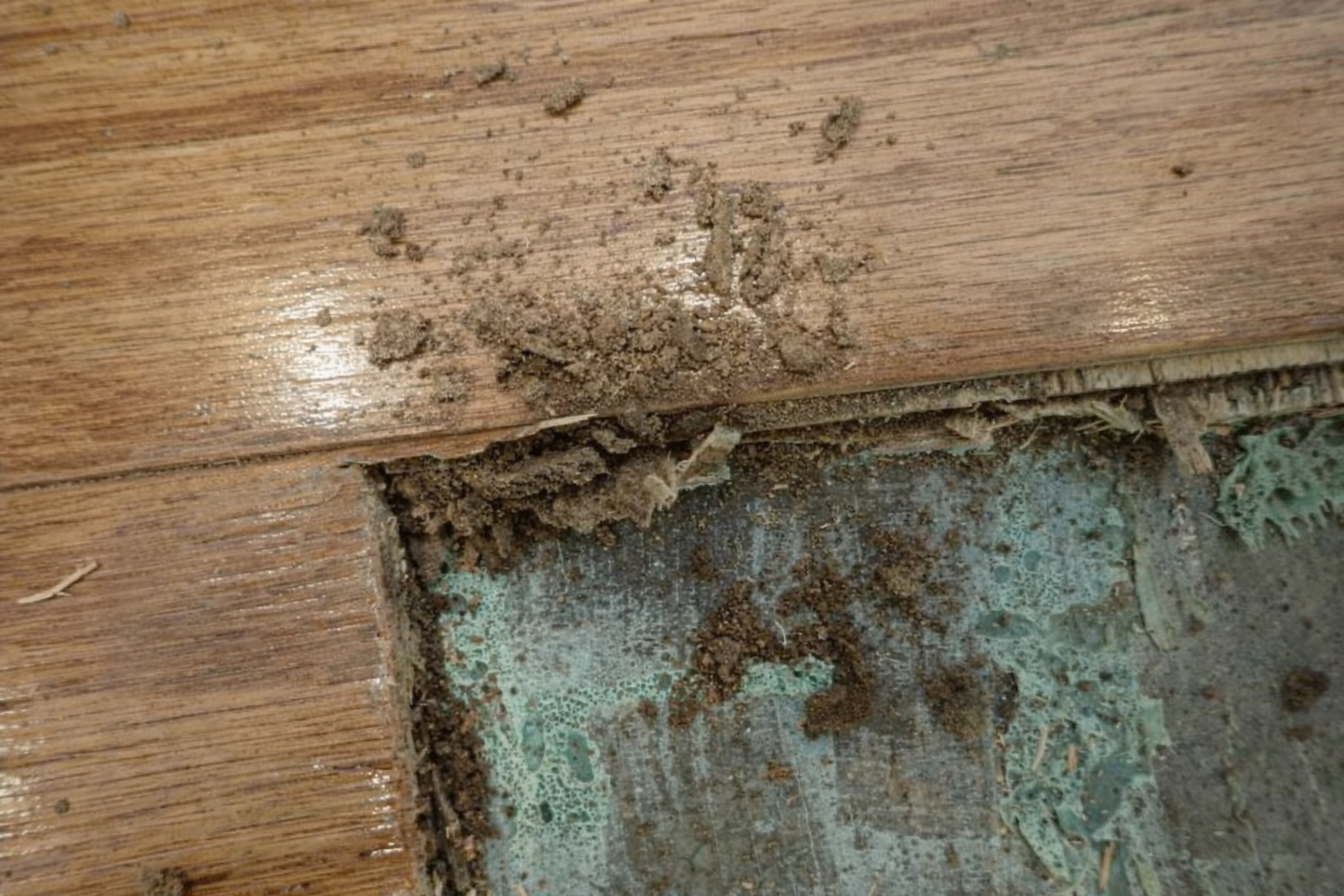
Termite damage in hardwood flooring involves internal wood consumption, gallery formation, and structural weakening caused by insect activity.
Read More
Termite Damage (Hardwood Flooring)

Bamboo Flooring Construction and Dimensional Behavior
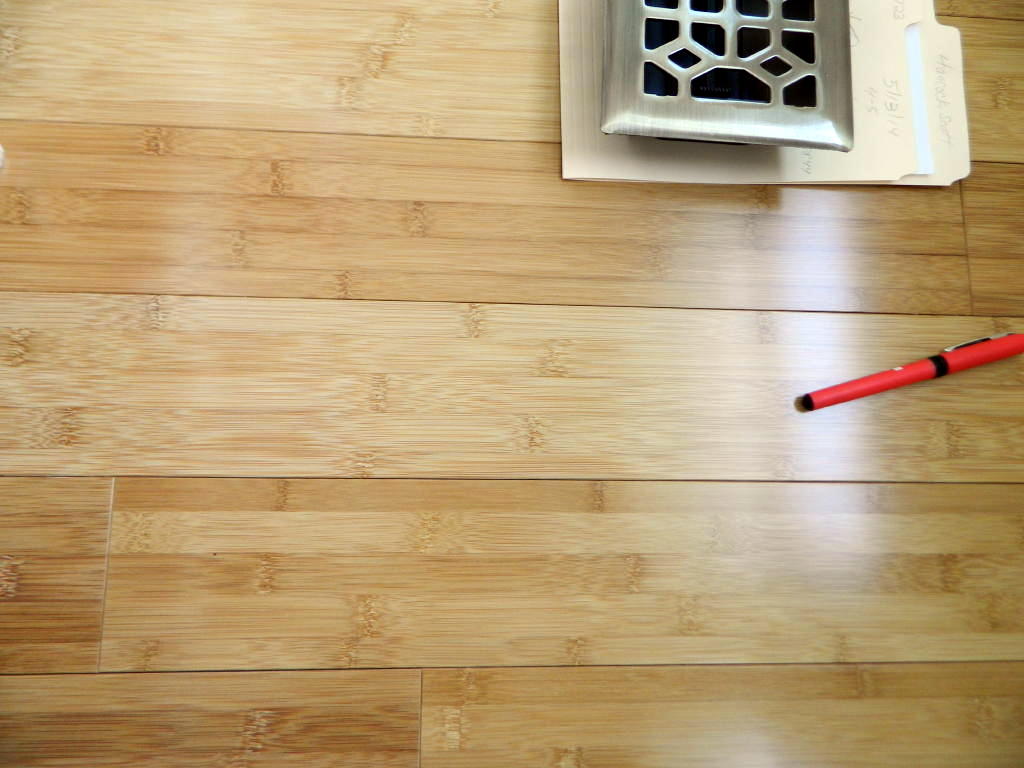
Bamboo flooring construction affects dimensional movement, moisture response, spacing, and long-term flooring performance under changing environmental conditions.
Read More
Bamboo Flooring Construction and Dimensional Behavior

Checks vs. Splits vs. Shake (Solid Hardwood)
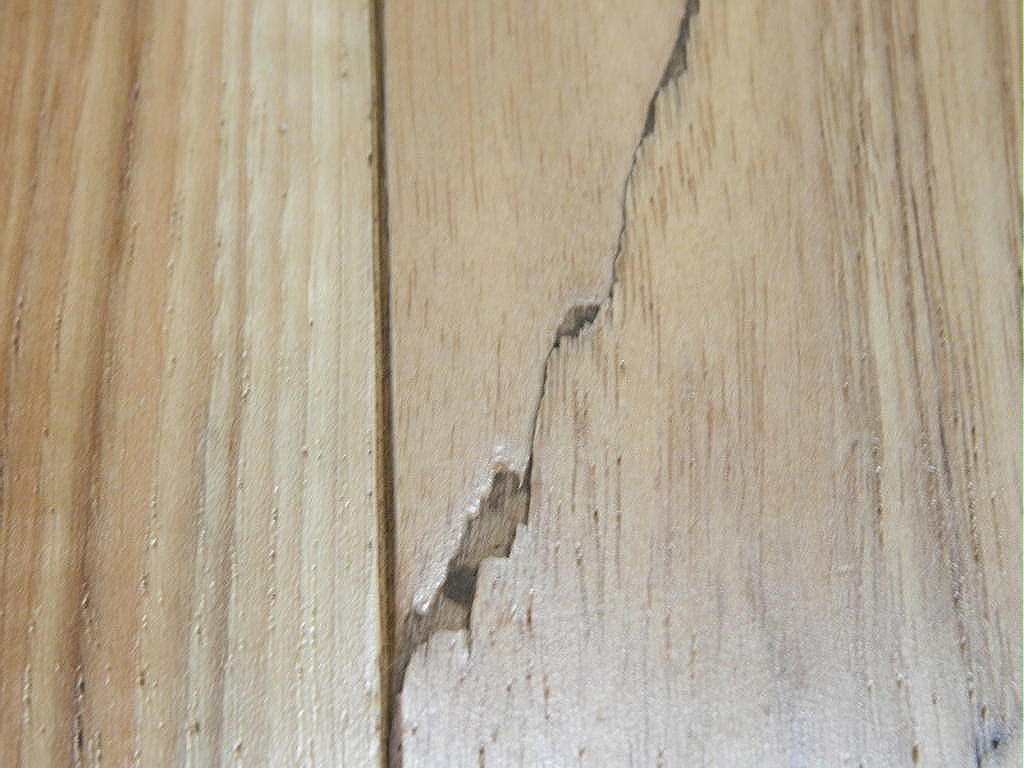
Checks, splits, and shake are different wood separation conditions in hardwood flooring that vary in origin, depth, structural significance, and...
Read More
Checks vs. Splits vs. Shake (Solid Hardwood)

Grain Raise (Hardwood Finish Issue)
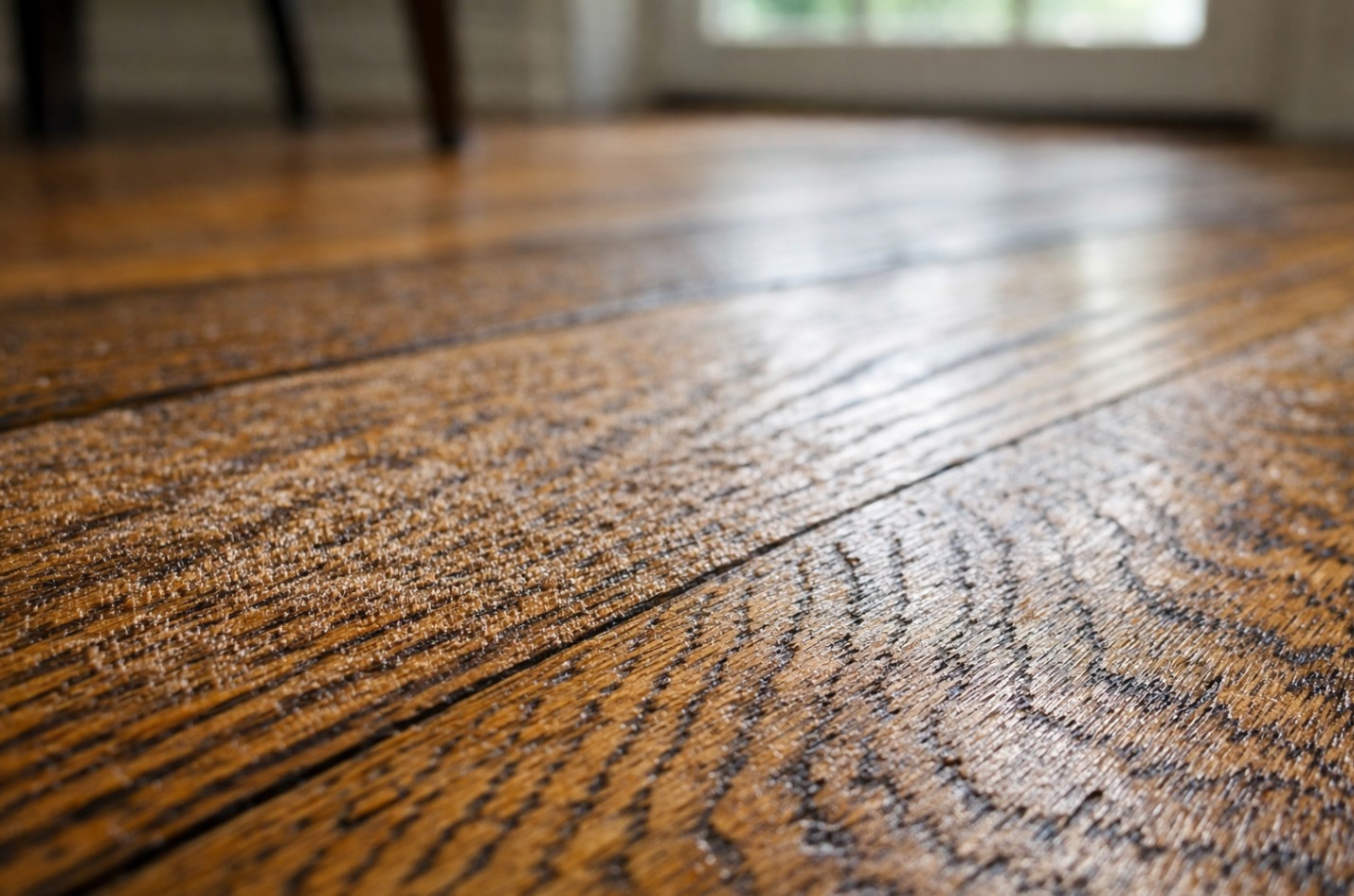
Hardwood grain raise is a surface texture condition caused by swelling and lifting of exposed wood fibers after moisture exposure...
Read More
Grain Raise (Hardwood Finish Issue)

Lap Marks

Lap marks in hardwood flooring are visible streaks or bands caused by uneven blending between overlapping finish passes. The condition...
Read More
Lap Marks

Splits – Cracks

Splits and Cracks (Hardwood Flooring) Floor Detective® Claims and Conditions Guide Summary Splits and cracks in hardwood flooring are structural...
Read More
Splits – Cracks

Wood Distortion

Wood distortion in hardwood flooring involves bowing, twisting, cupping, and dimensional shape change caused by moisture variation and internal stress...
Read More
Wood Distortion

Wood Shear (Engineered Flooring)
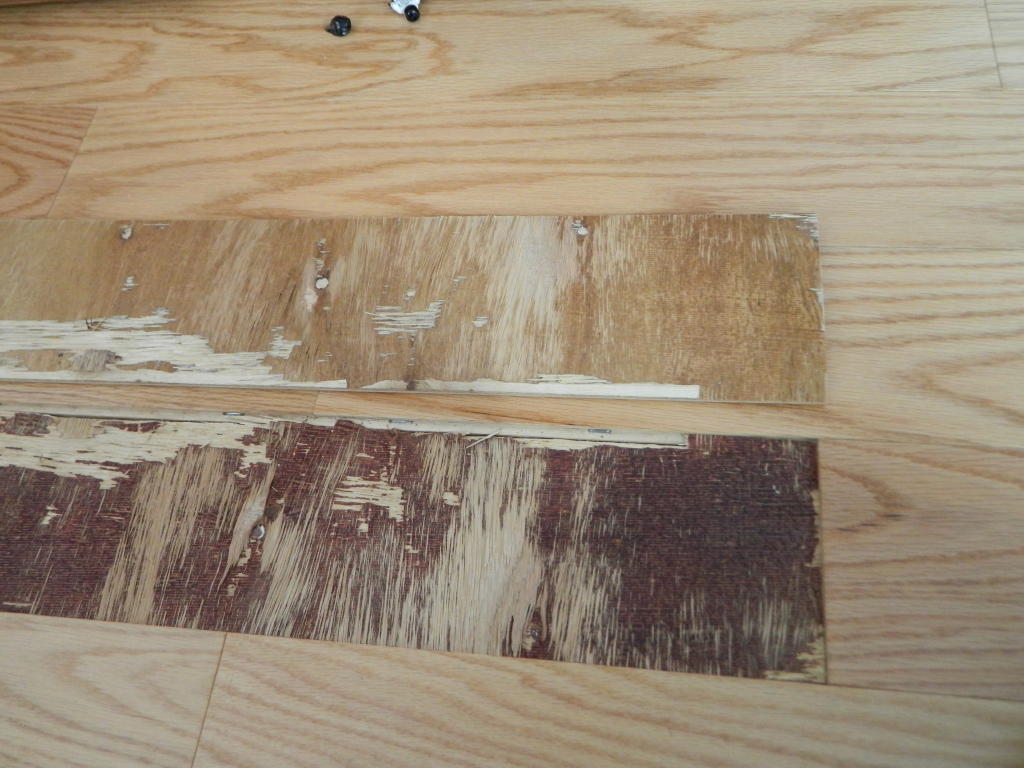
Wood shear and delamination are distinct engineered hardwood separation mechanisms involving cohesive wood-fiber rupture or adhesive bond-line release.
Read More
Wood Shear (Engineered Flooring)