Dry Cupping – Engineered Hardwood
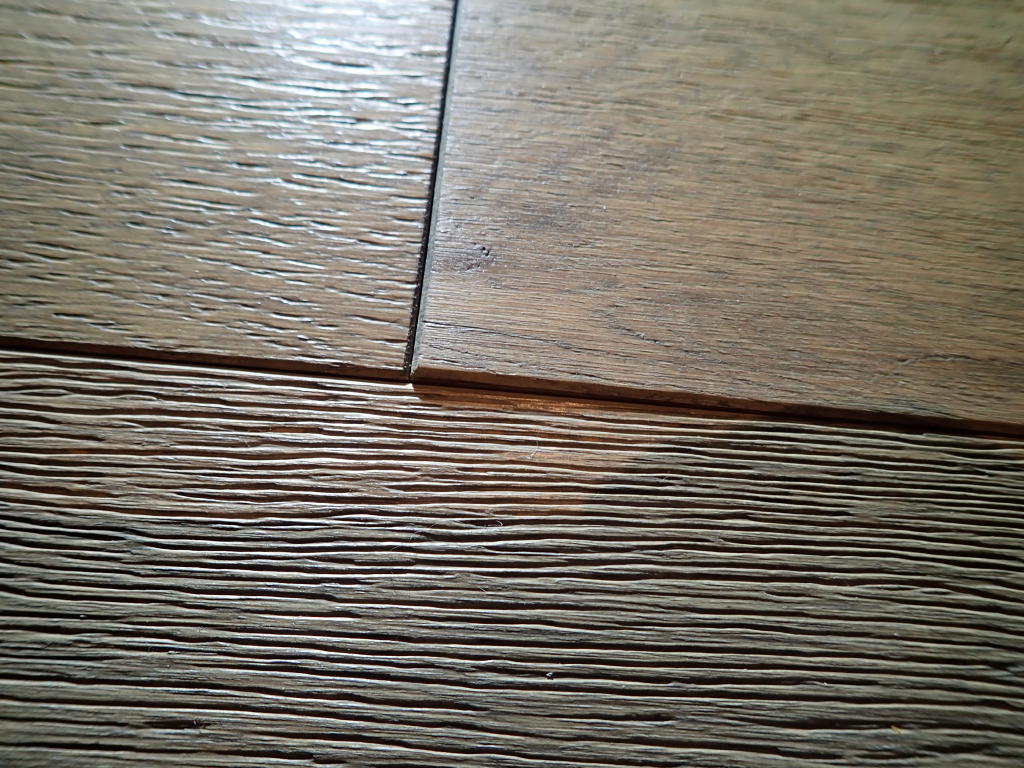
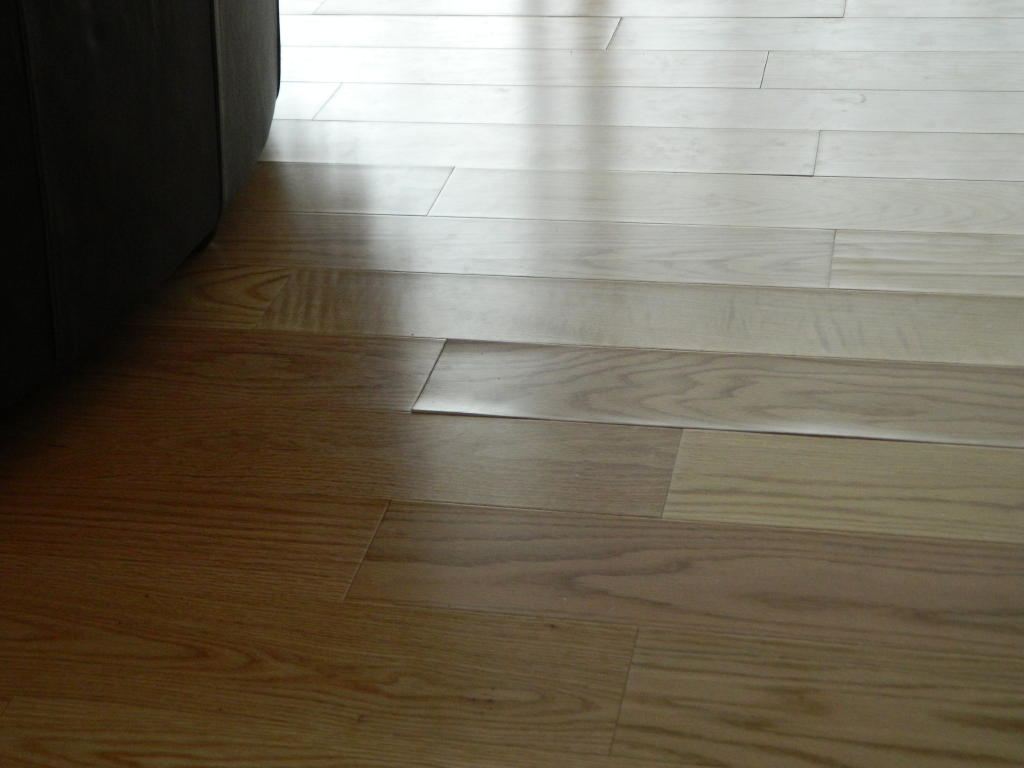
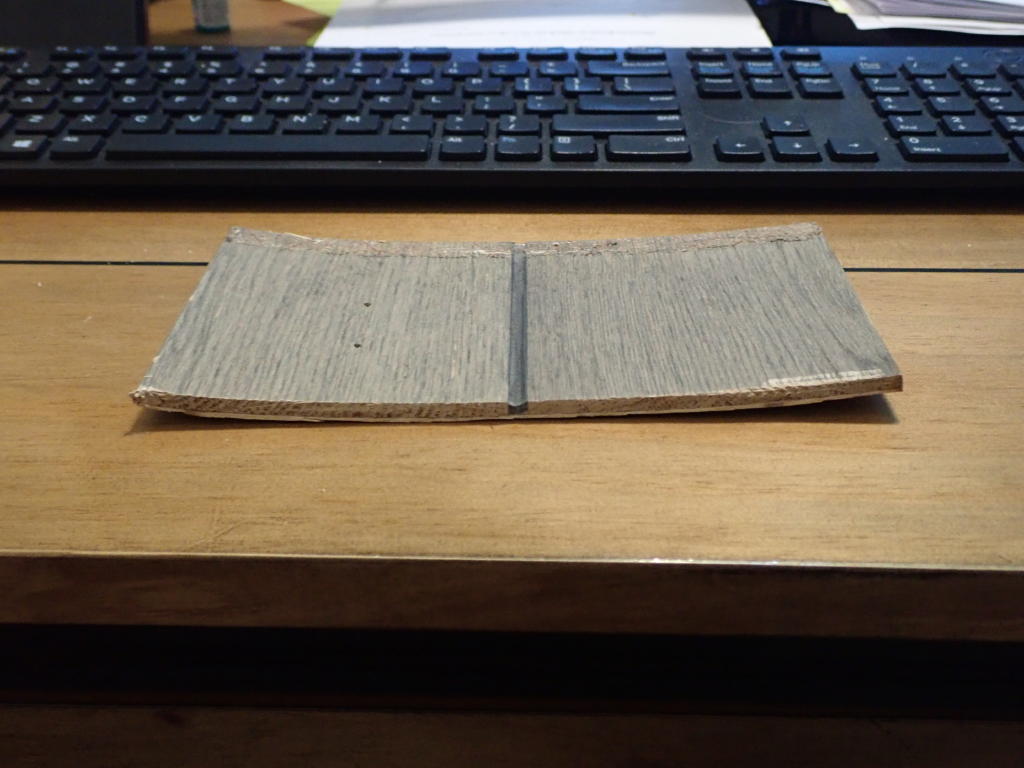
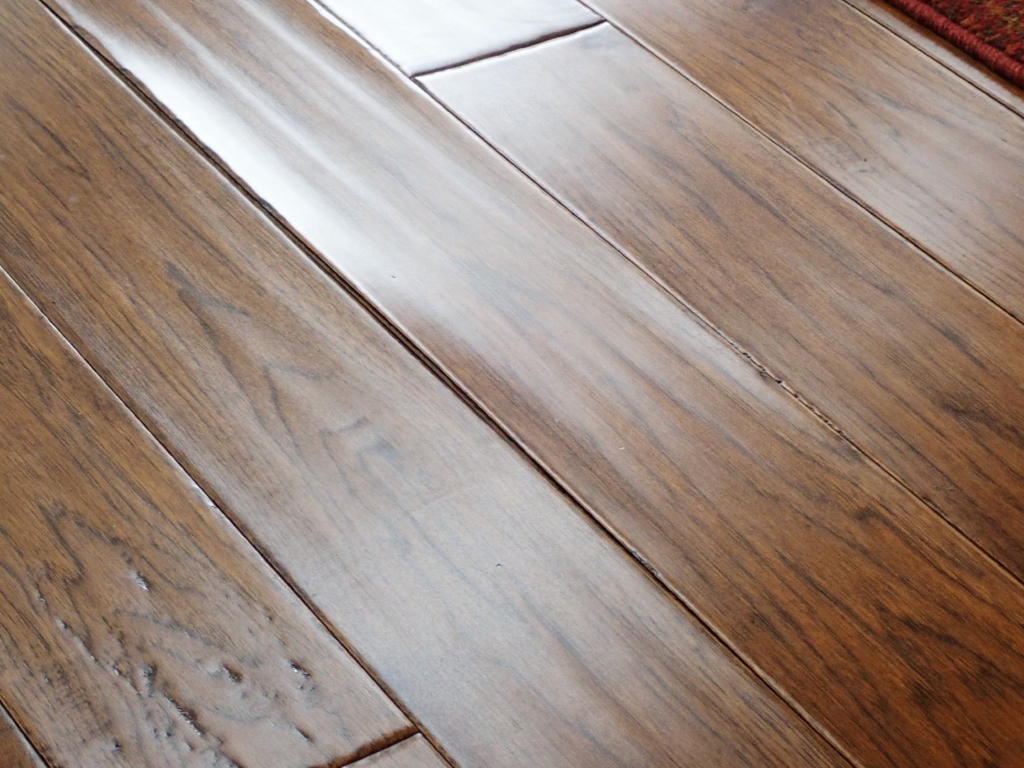
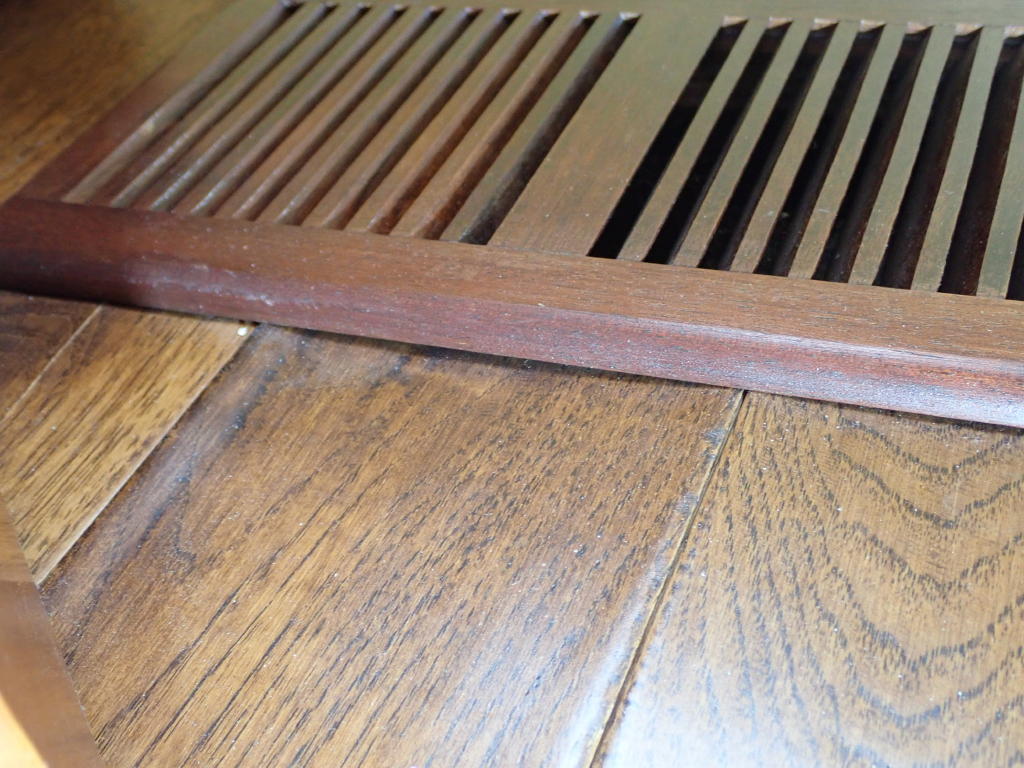
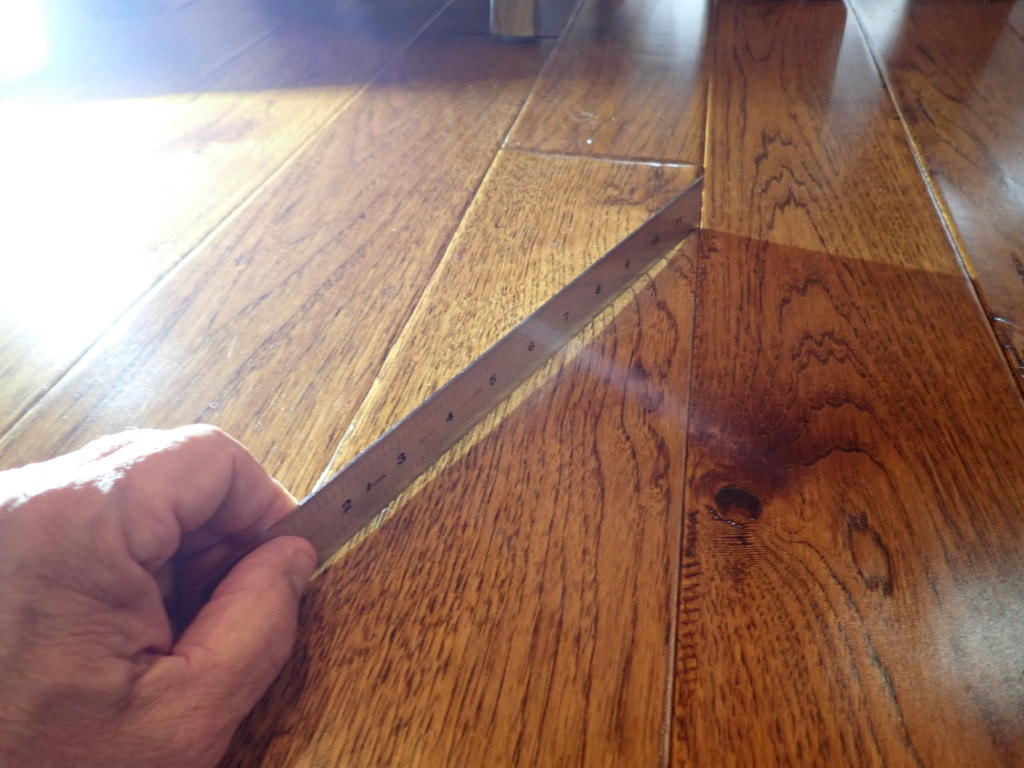
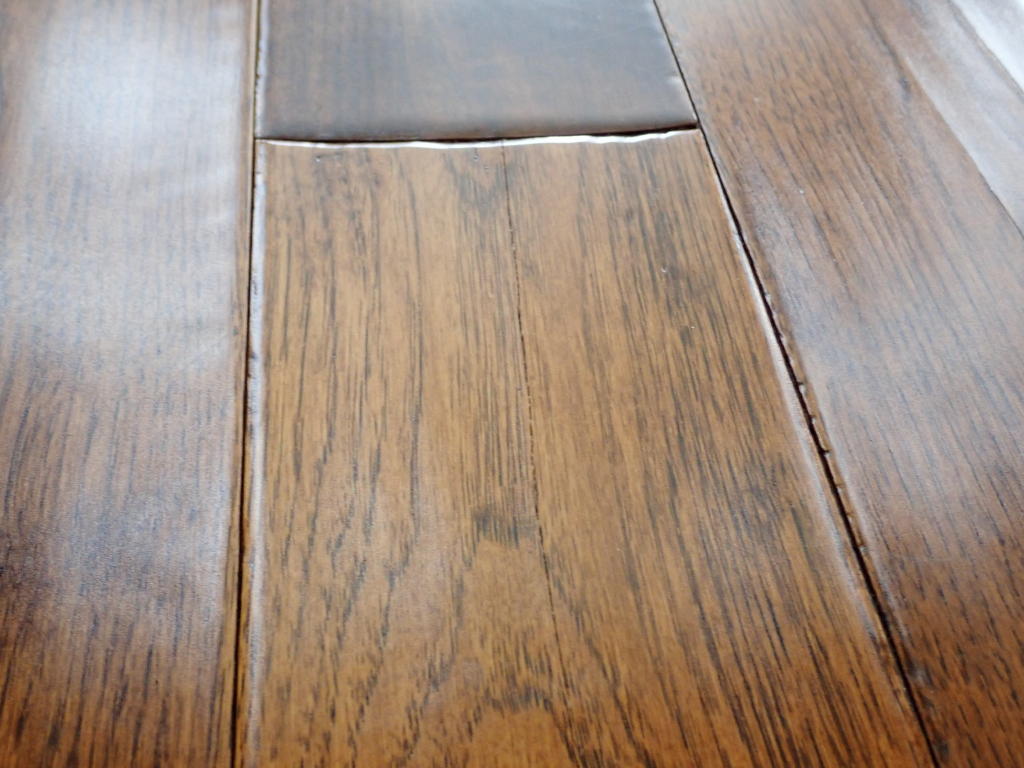
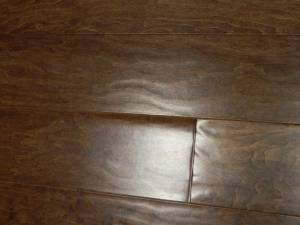
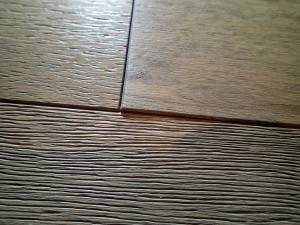
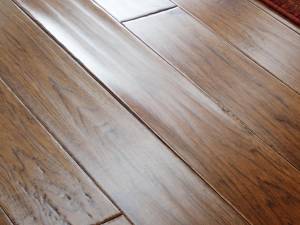
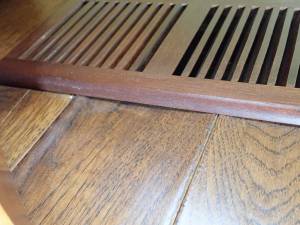
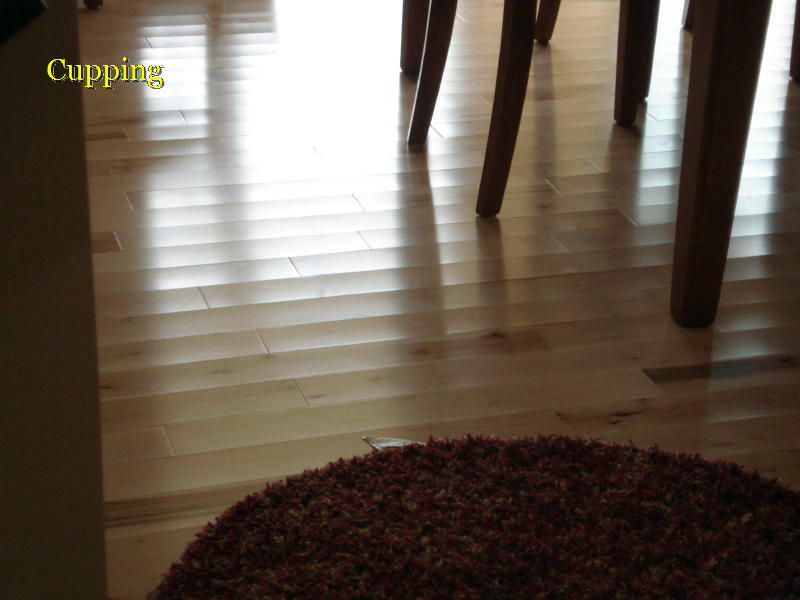
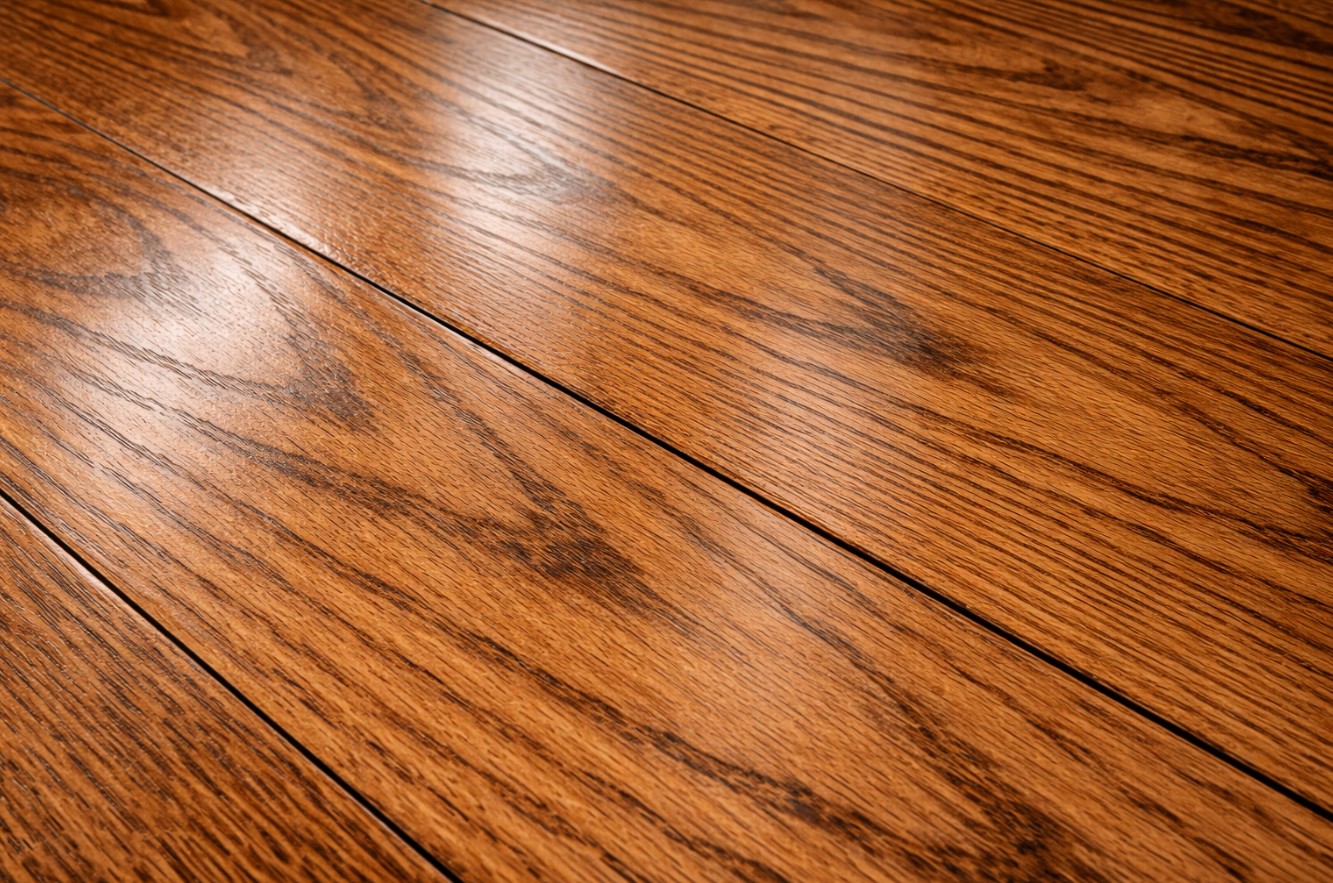
Edges of planks are higher than the centers
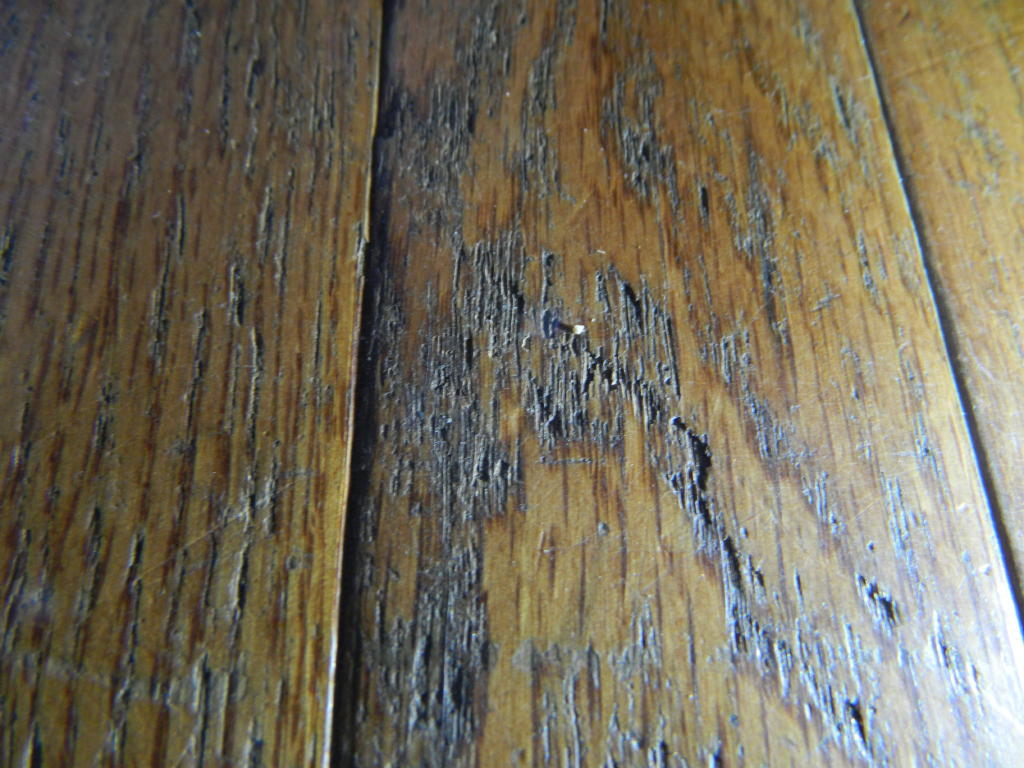
Dry cupping
Dry cupping
Dry cupping
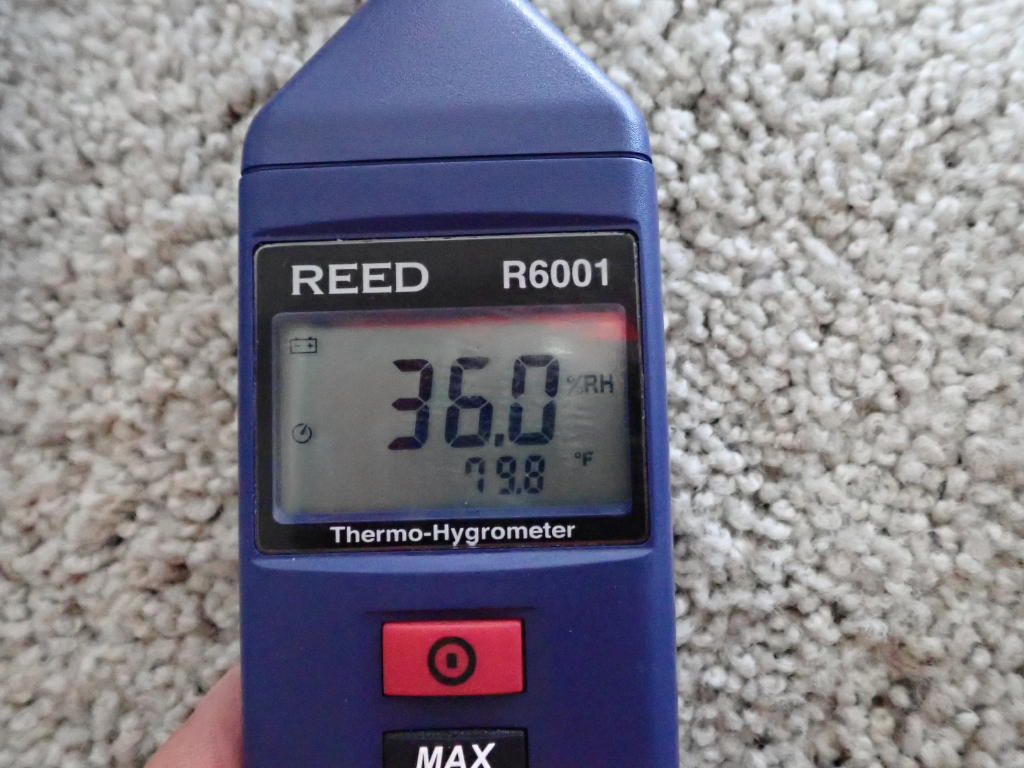
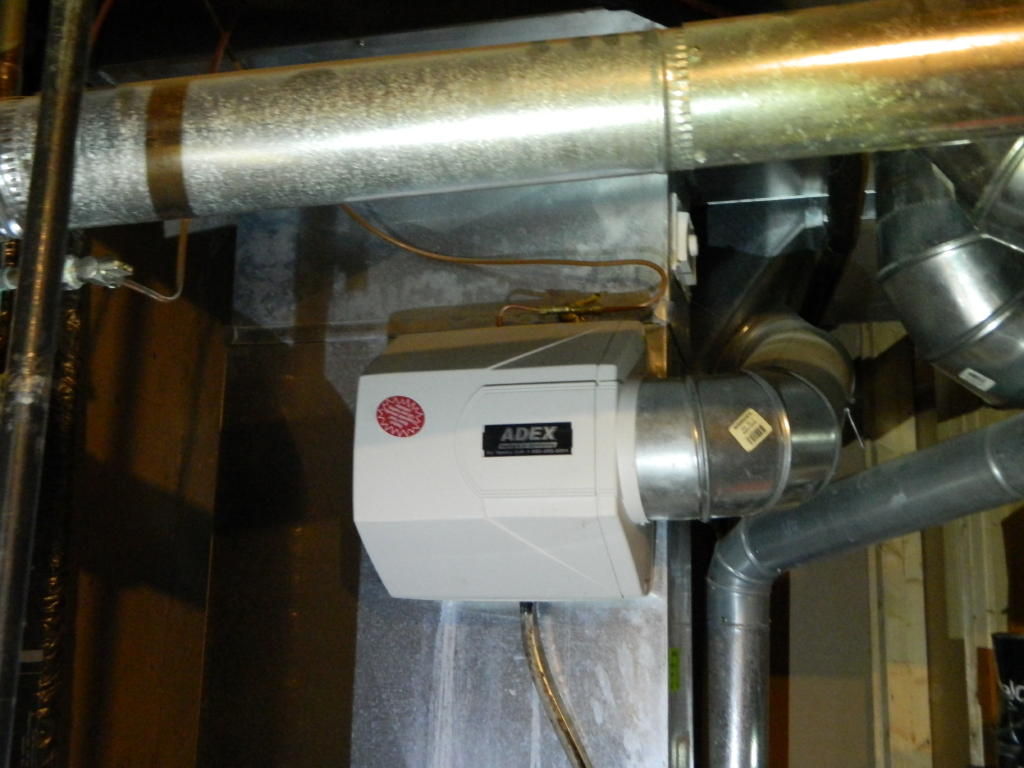
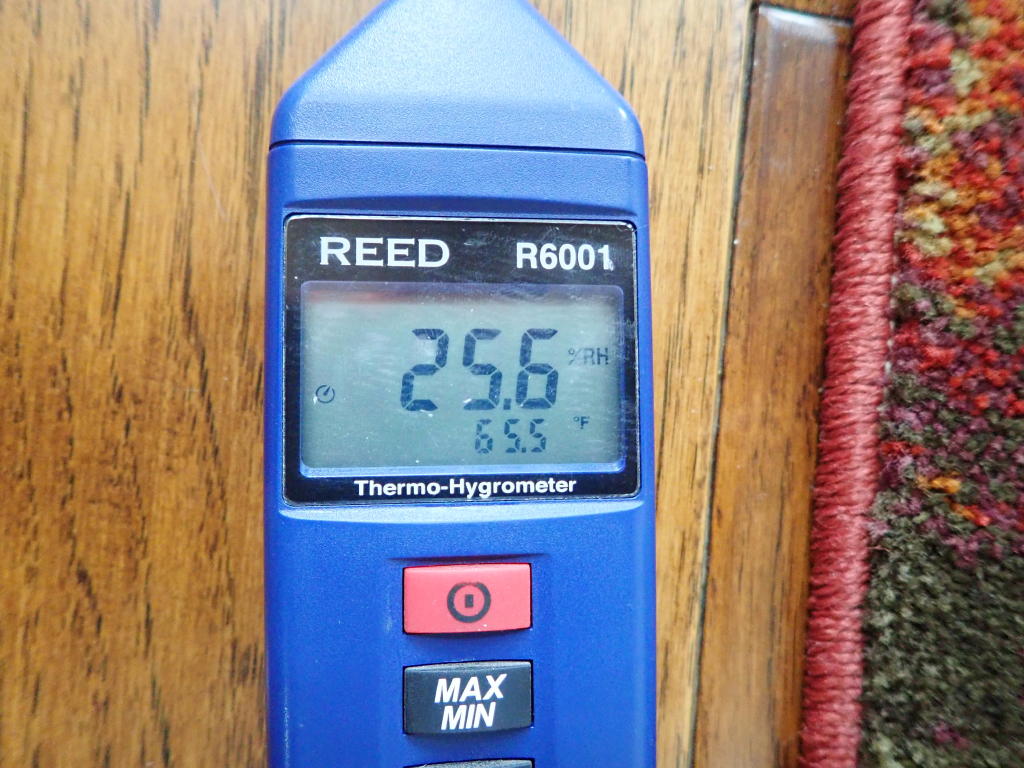
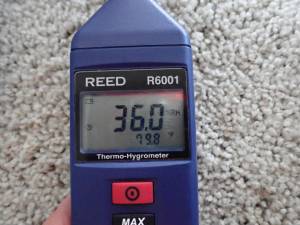
Checked humidity and temperature
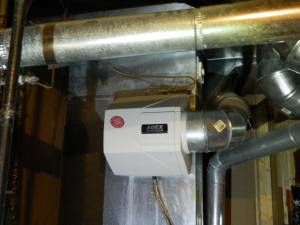
Humidifier
Dry cupping
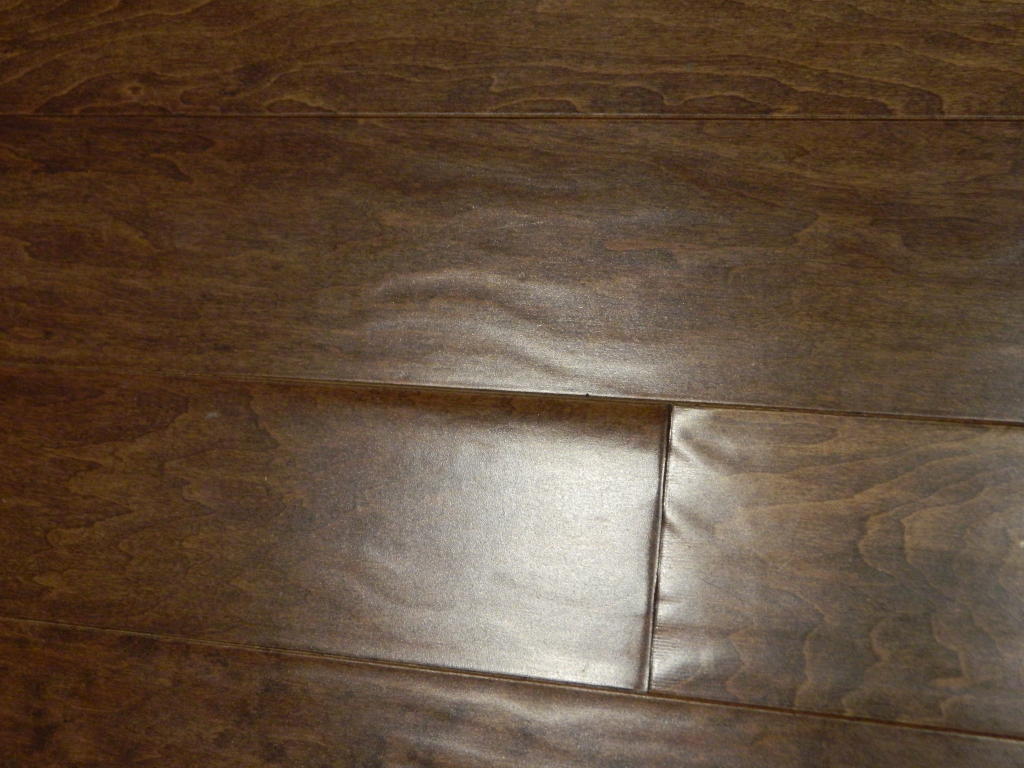
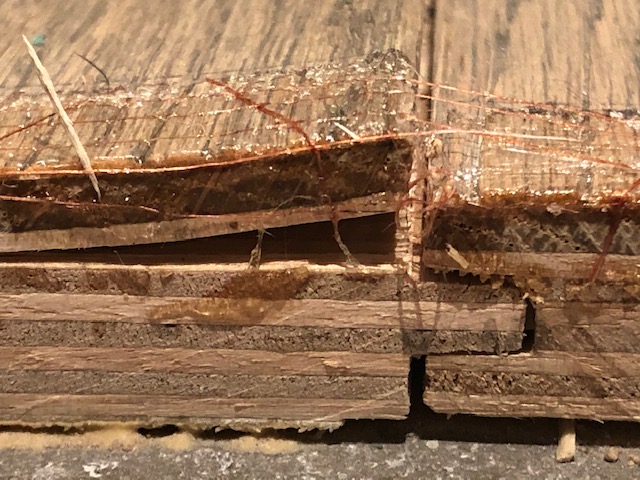
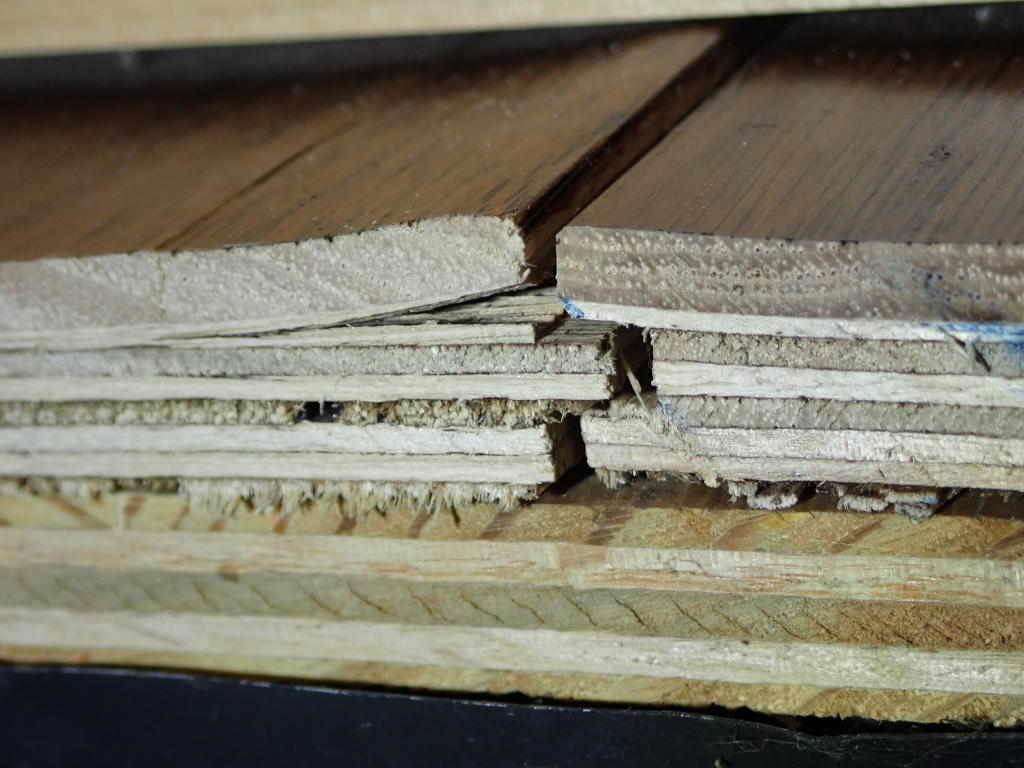
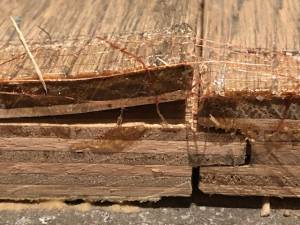
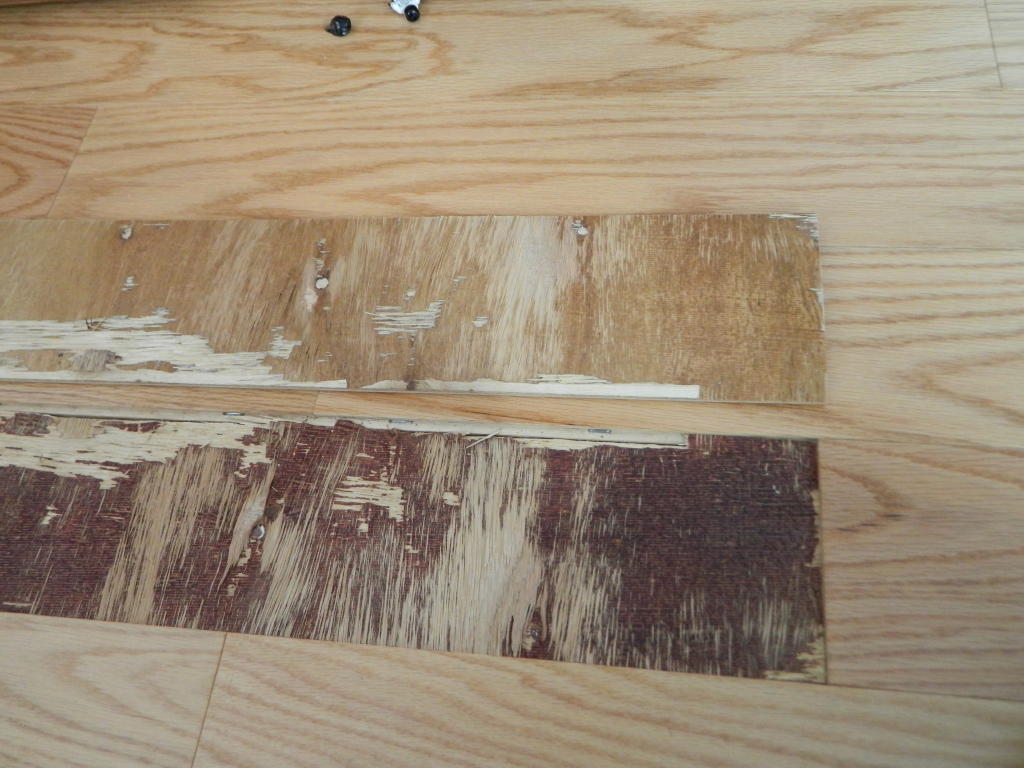
Dry cupping- shear or delamination
Dry cupping
Dry cupping
Dry cupping causing separation of veneer
Dry cupping
Low Rh
Dry cupping
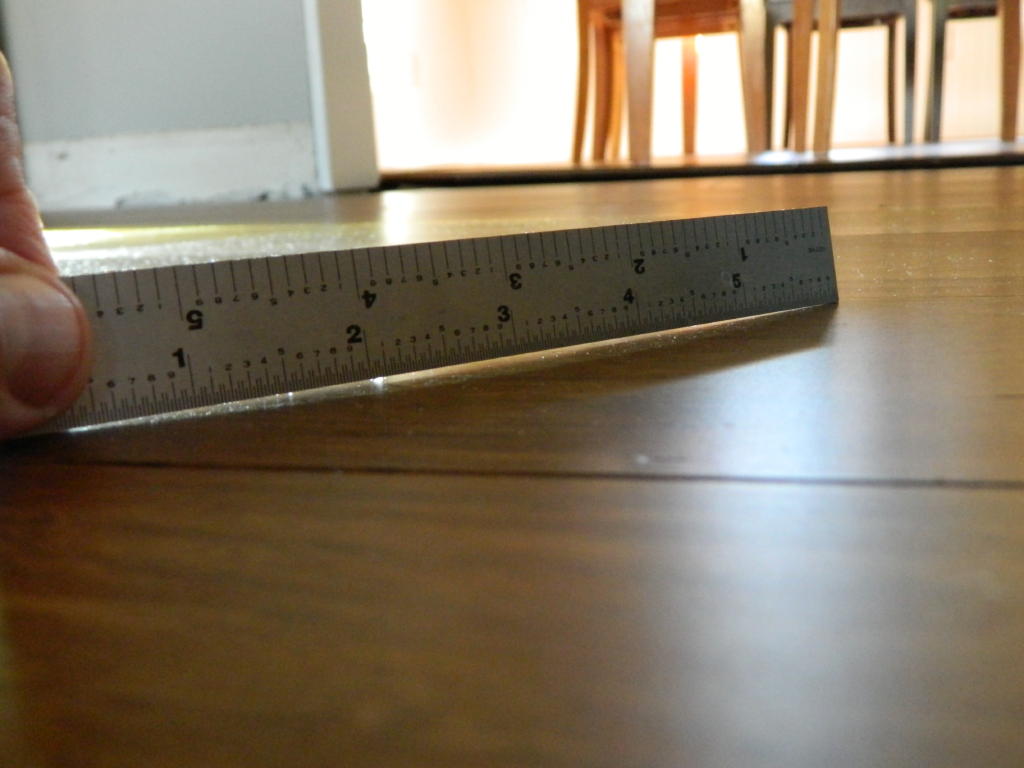
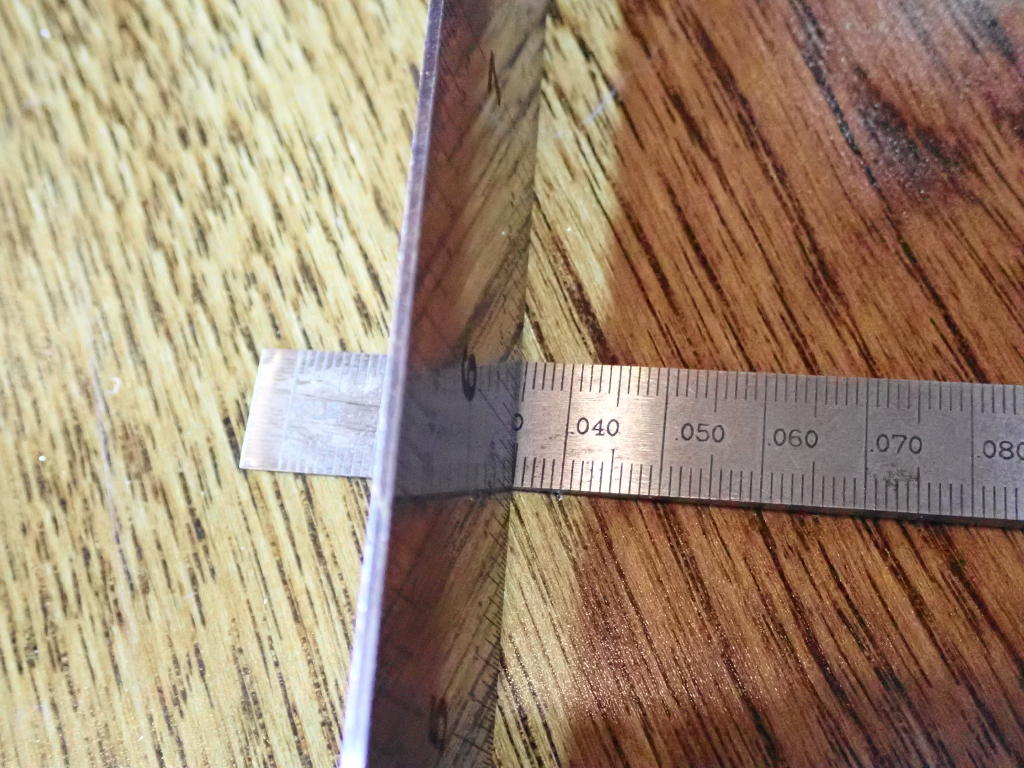
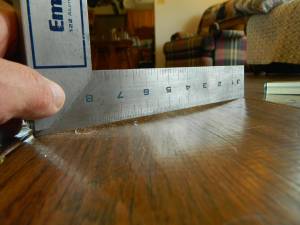
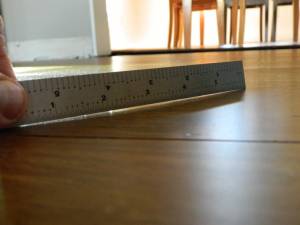
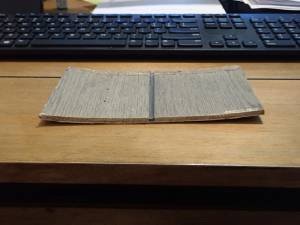
Cupping measurement
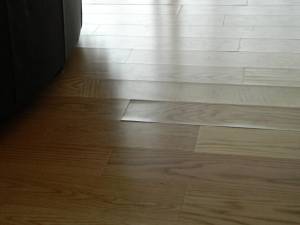
Board edges are higher than the centers
Dry Cupping (Engineered Hardwood)
Floor Detective® Claims and Conditions Guide
Summary
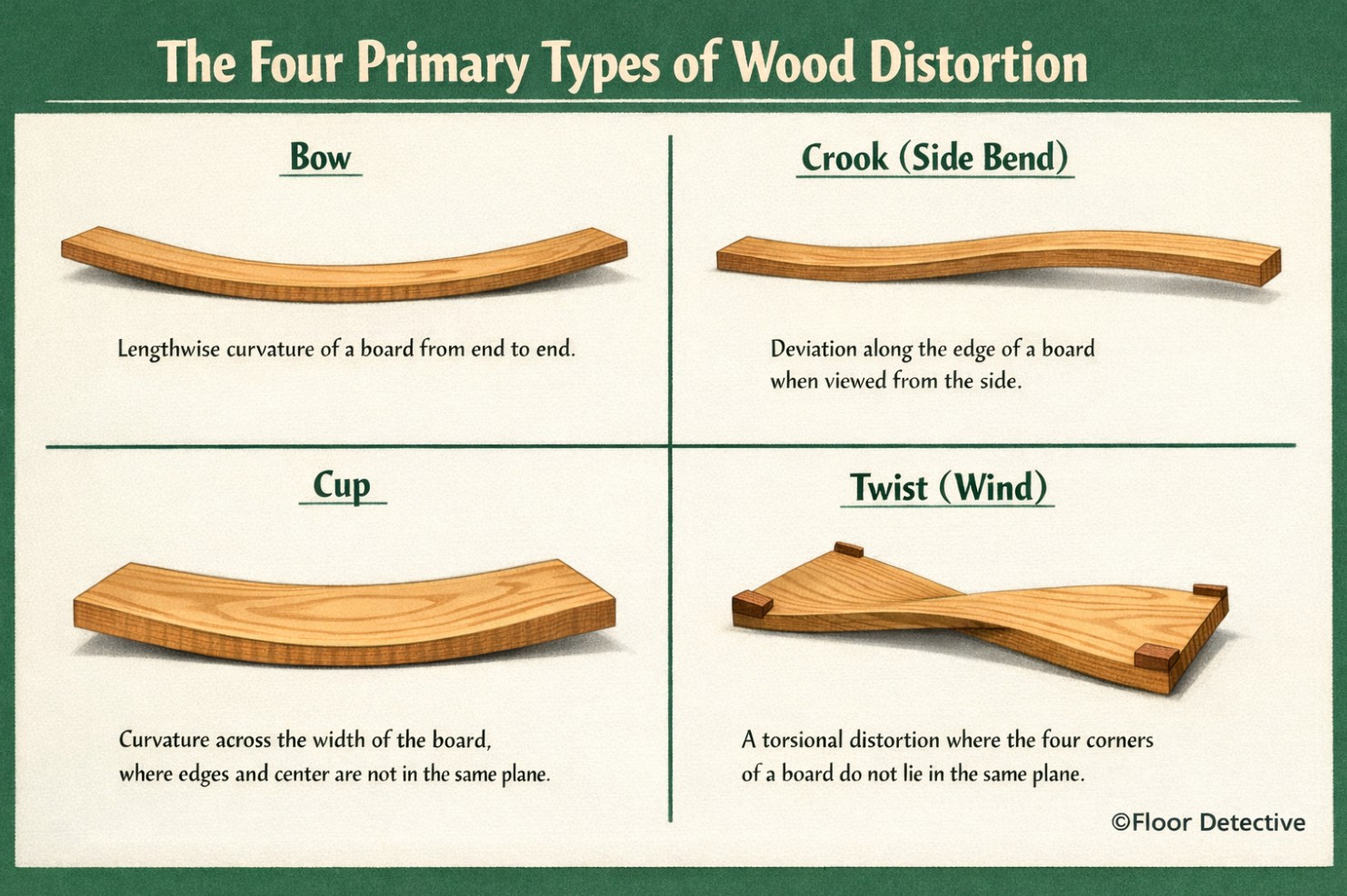
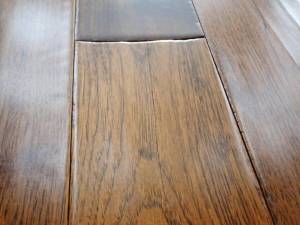
Dry cupping in engineered hardwood flooring is a concave profile distortion in which plank edges become elevated relative to the center because the exposed veneer layer loses moisture more rapidly than the underlying core structure. Unlike moisture-driven cupping associated with elevated moisture from below, dry cupping is generally associated with sustained low-humidity conditions, excessive drying, radiant heat exposure, aggressive environmental control, or localized surface drying influences. As the exposed veneer shrinks faster than the underlying layers, internal stress develops through the thickness of the plank, altering the surface profile. The condition may develop gradually during seasonal drying cycles or appear more rapidly under aggressive environmental exposure. Associated conditions may include side gapping, increased surface tension, finish stress, or localized profile irregularity. In the absence of bond-line separation or structural layer failure, dry cupping alone does not independently establish manufacturing defect or installation nonconformance. Proper classification requires distinguishing dry cupping from moisture intrusion, elevated substrate moisture, adhesive-interface failure, structural delamination, or substrate irregularity. See also Cupping, Delamination, and Hardwood Floor Problems for broader context.
Please subscribe to see all content
May 10, 2026
Hardwood floor problems may involve cupping, gaps, buckling, finish issues, movement, noise, or moisture-related distortion. Learn how hardwood flooring conditions...
Read More
April 3, 2026
Wood decay in hardwood flooring is a moisture-related condition that causes soft, weakened, and deteriorated wood. Proper evaluation distinguishes fungal...
Read More
April 3, 2026
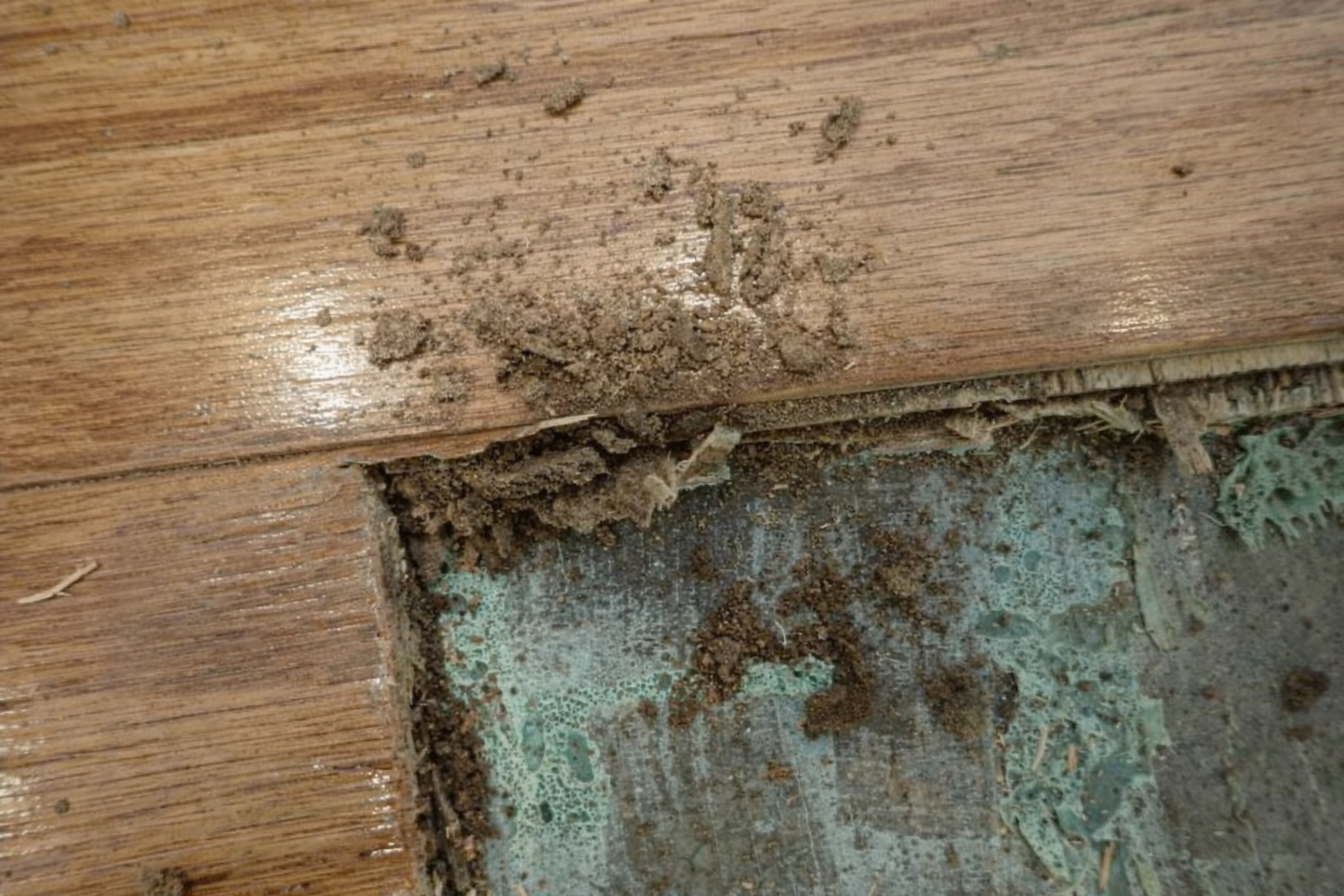
Termite damage in hardwood flooring involves internal wood consumption, gallery formation, and structural weakening caused by insect activity.
Read More
February 22, 2026
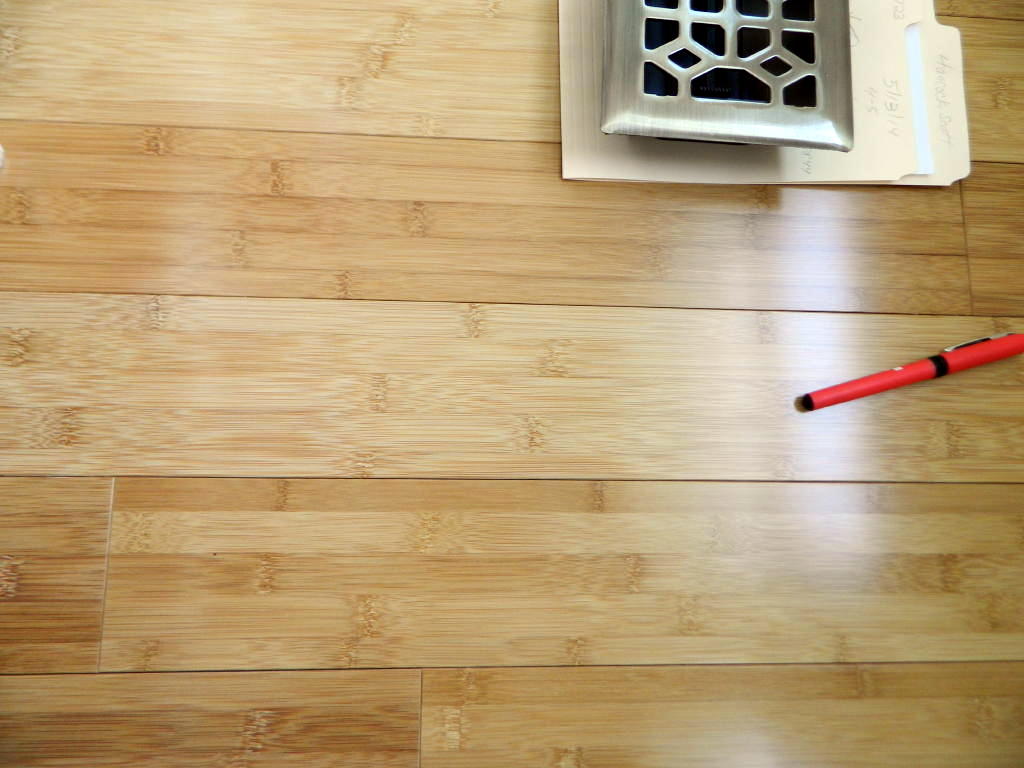
Bamboo flooring construction affects dimensional movement, moisture response, spacing, and long-term flooring performance under changing environmental conditions.
Read More
January 26, 2026
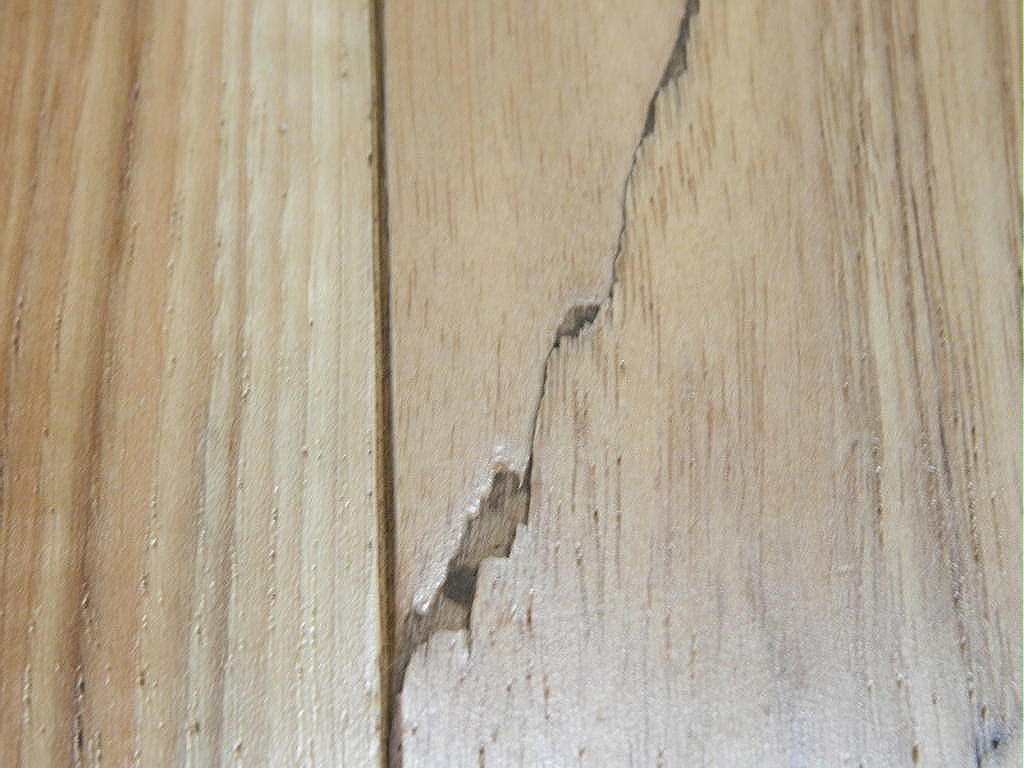
Checks, splits, and shake are different wood separation conditions in hardwood flooring that vary in origin, depth, structural significance, and...
Read More
December 16, 2025
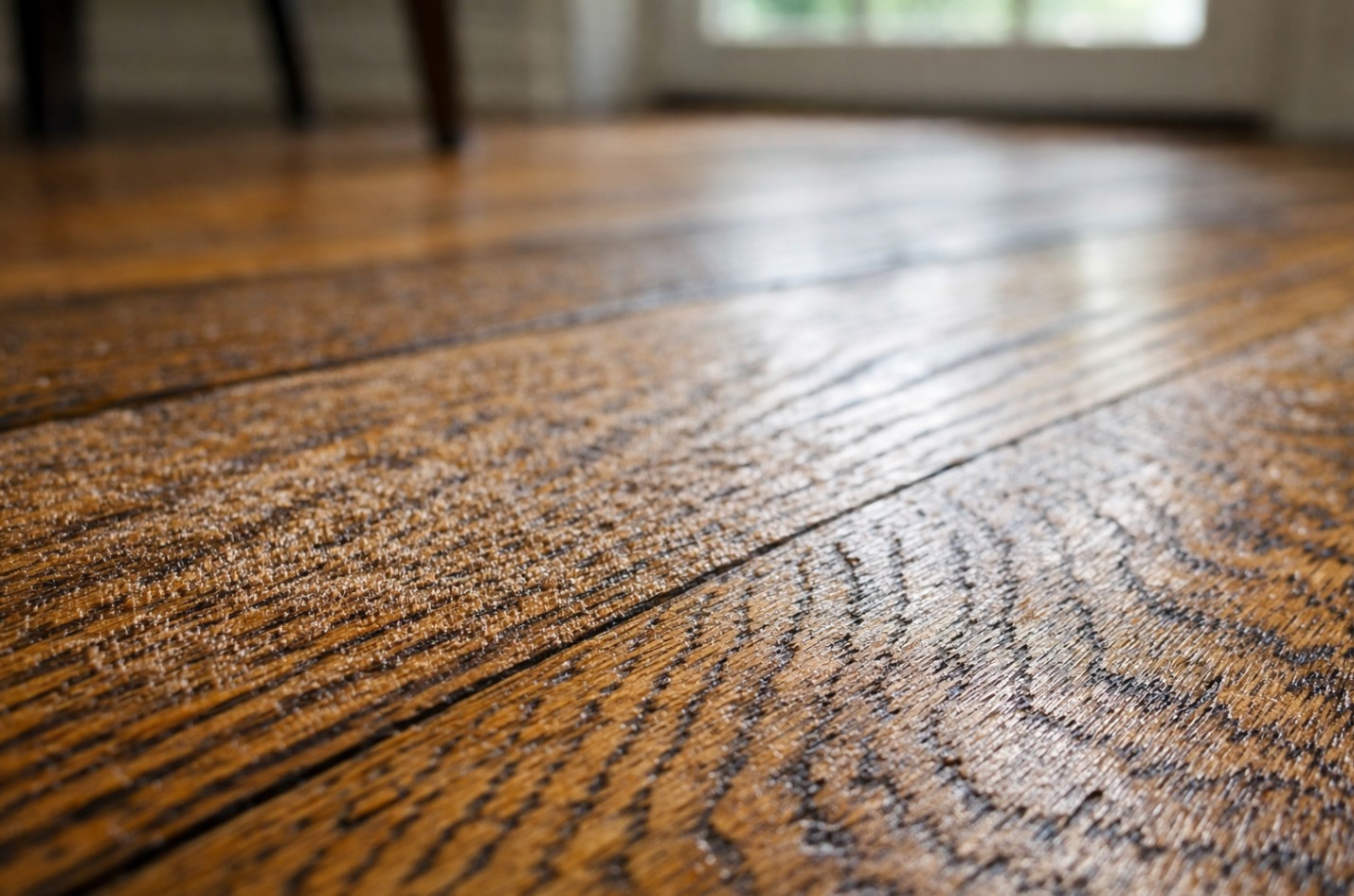
Hardwood grain raise is a surface texture condition caused by swelling and lifting of exposed wood fibers after moisture exposure...
Read More
December 16, 2025
Lap marks in hardwood flooring are visible streaks or bands caused by uneven blending between overlapping finish passes. The condition...
Read More
August 7, 2023
Splits and Cracks (Hardwood Flooring) Floor Detective® Claims and Conditions Guide Summary Splits and cracks in hardwood flooring are structural...
Read More
December 5, 2022
Wood distortion in hardwood flooring involves bowing, twisting, cupping, and dimensional shape change caused by moisture variation and internal stress...
Read More
January 1, 2022
Wood shear and delamination are distinct engineered hardwood separation mechanisms involving cohesive wood-fiber rupture or adhesive bond-line release.
Read More