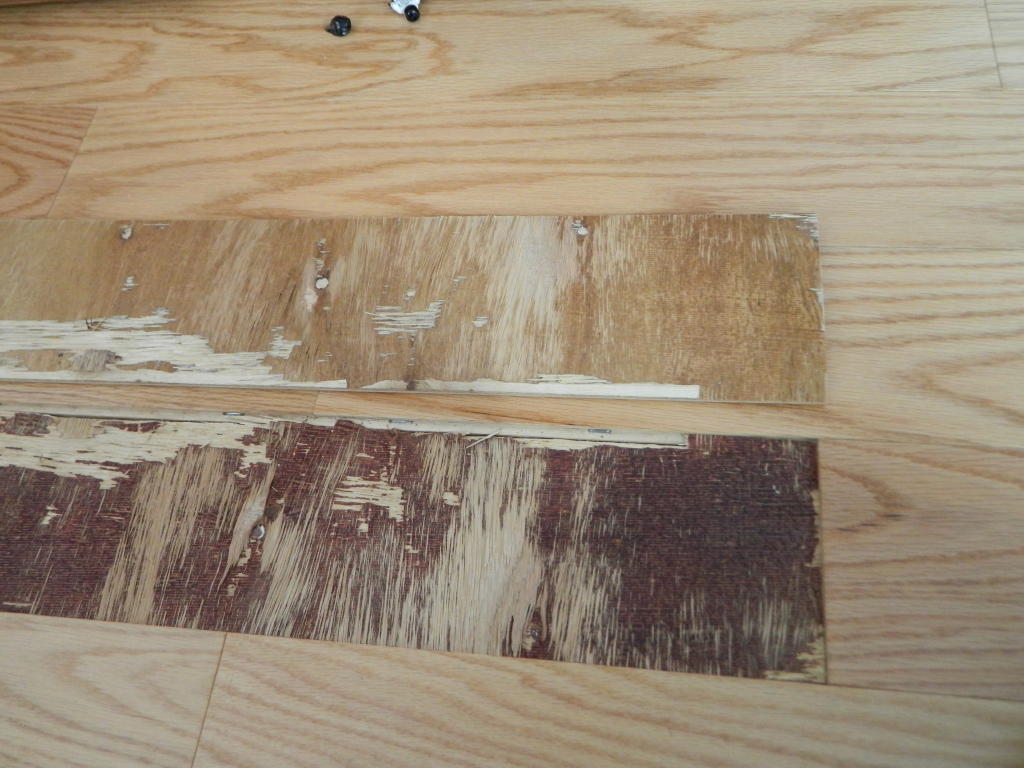
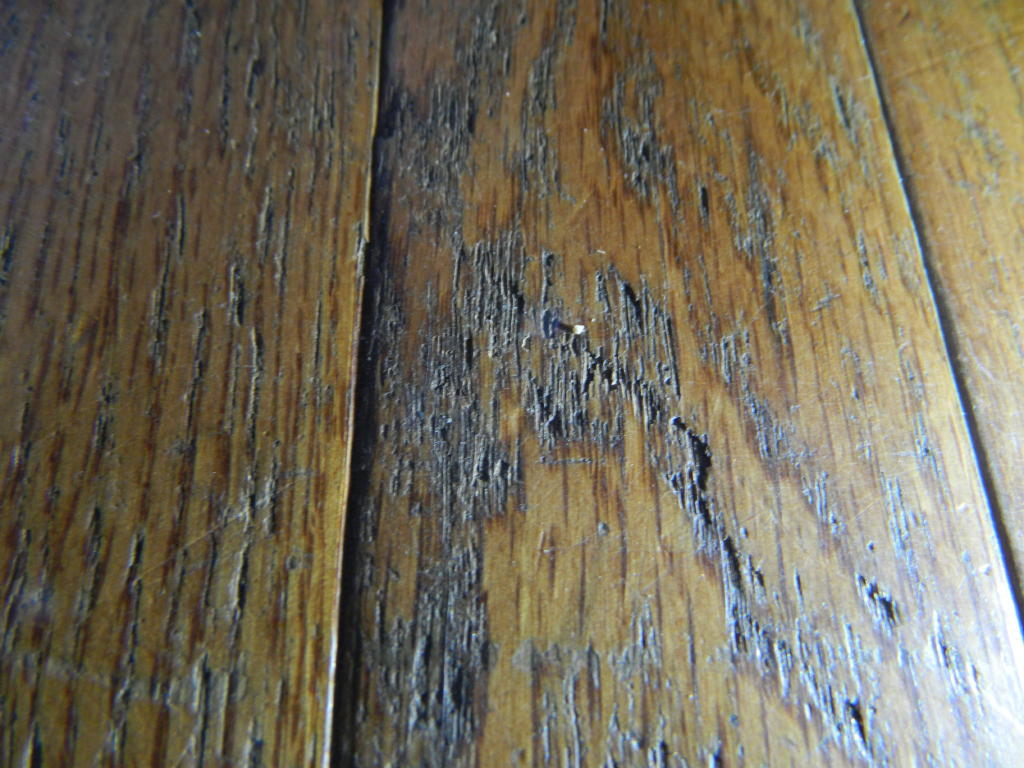
Core Void
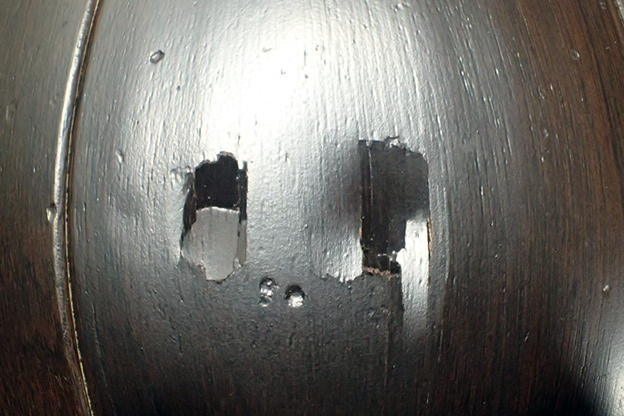
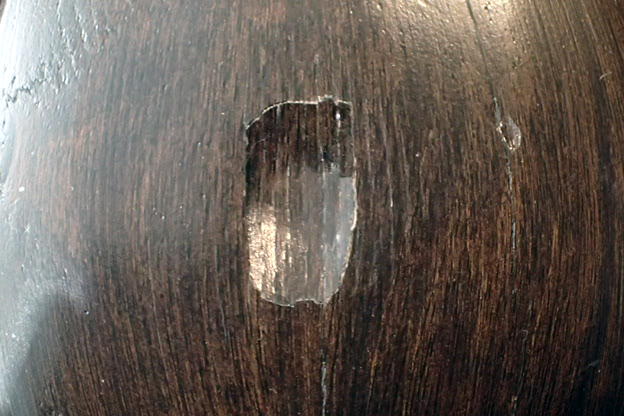
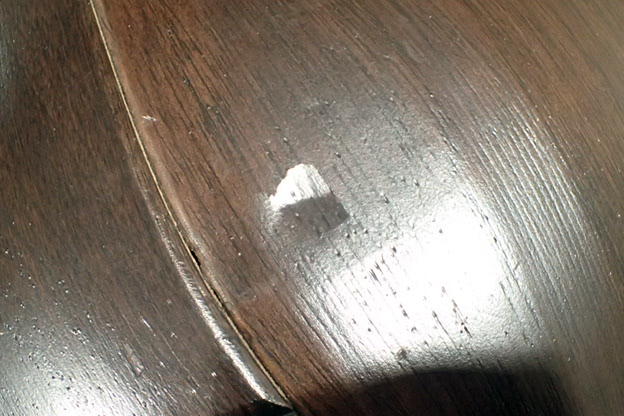
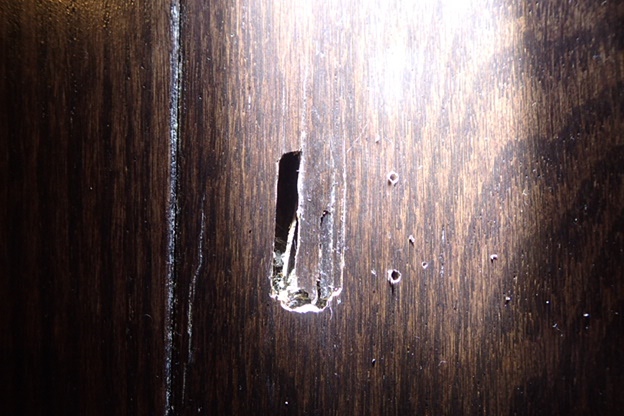
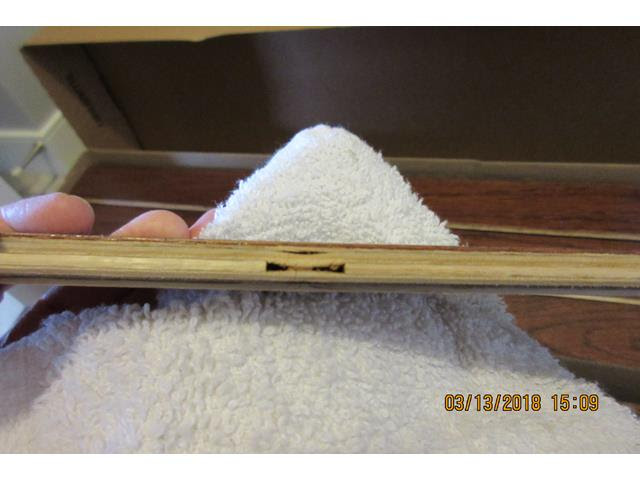
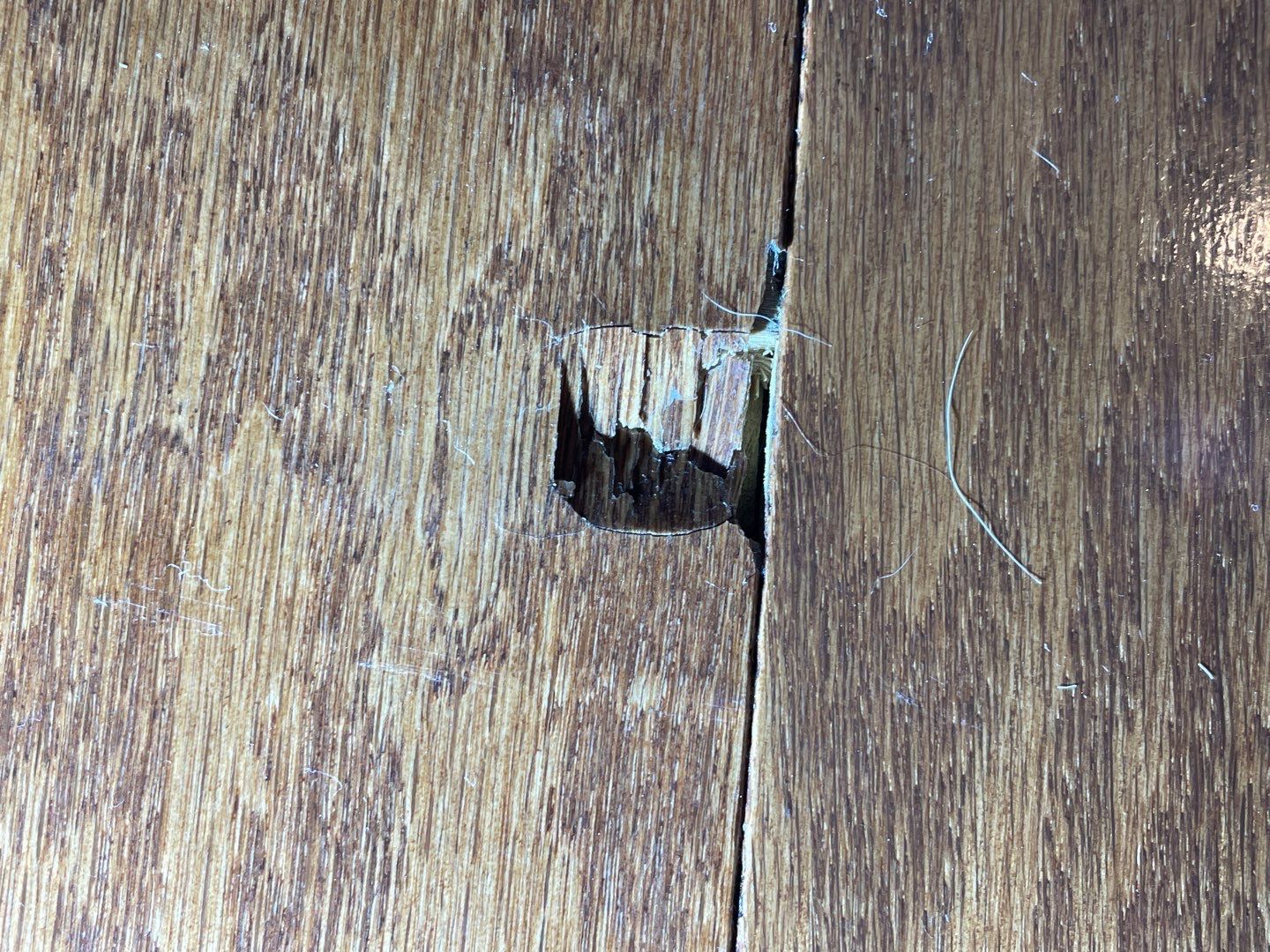
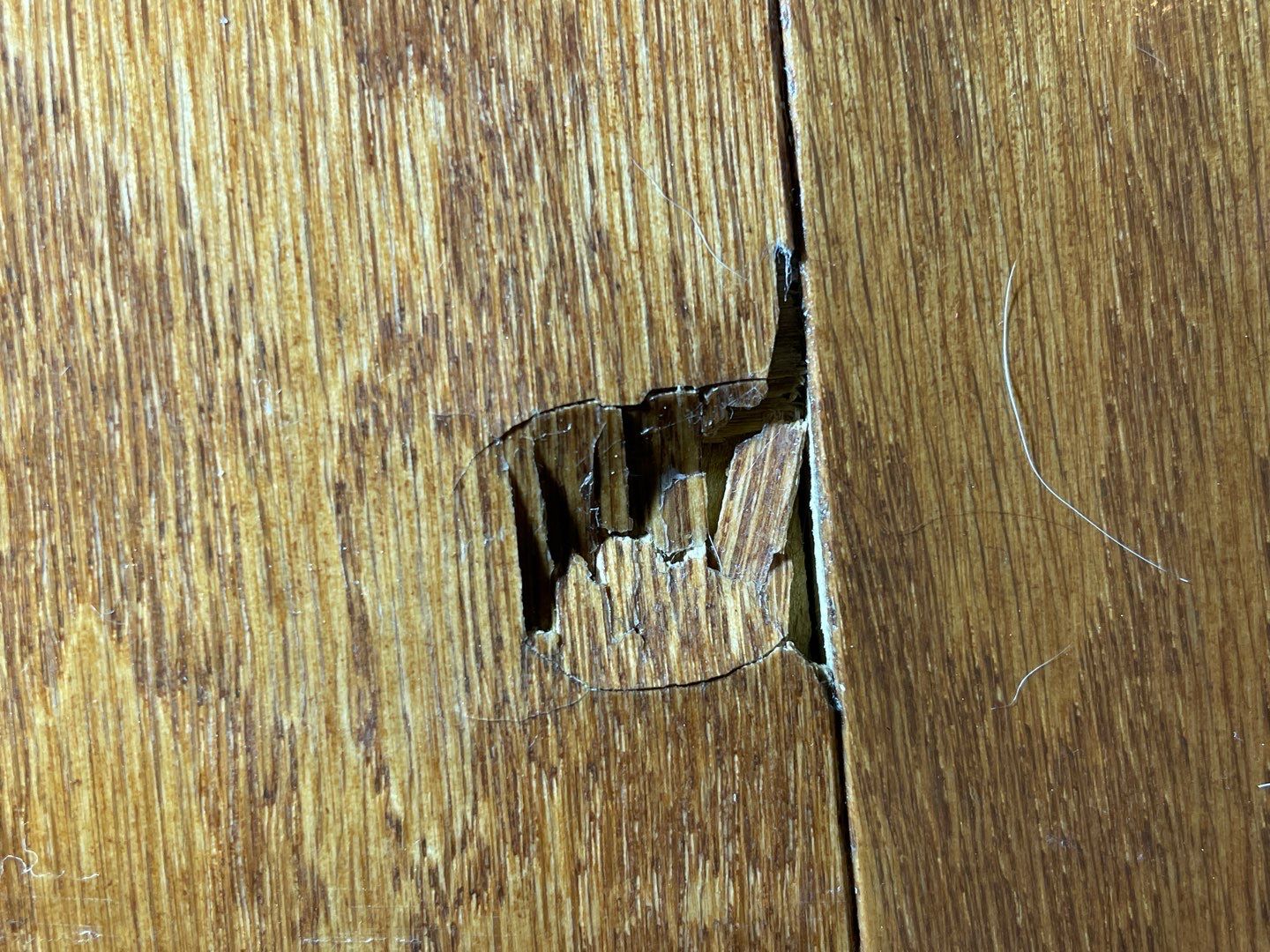
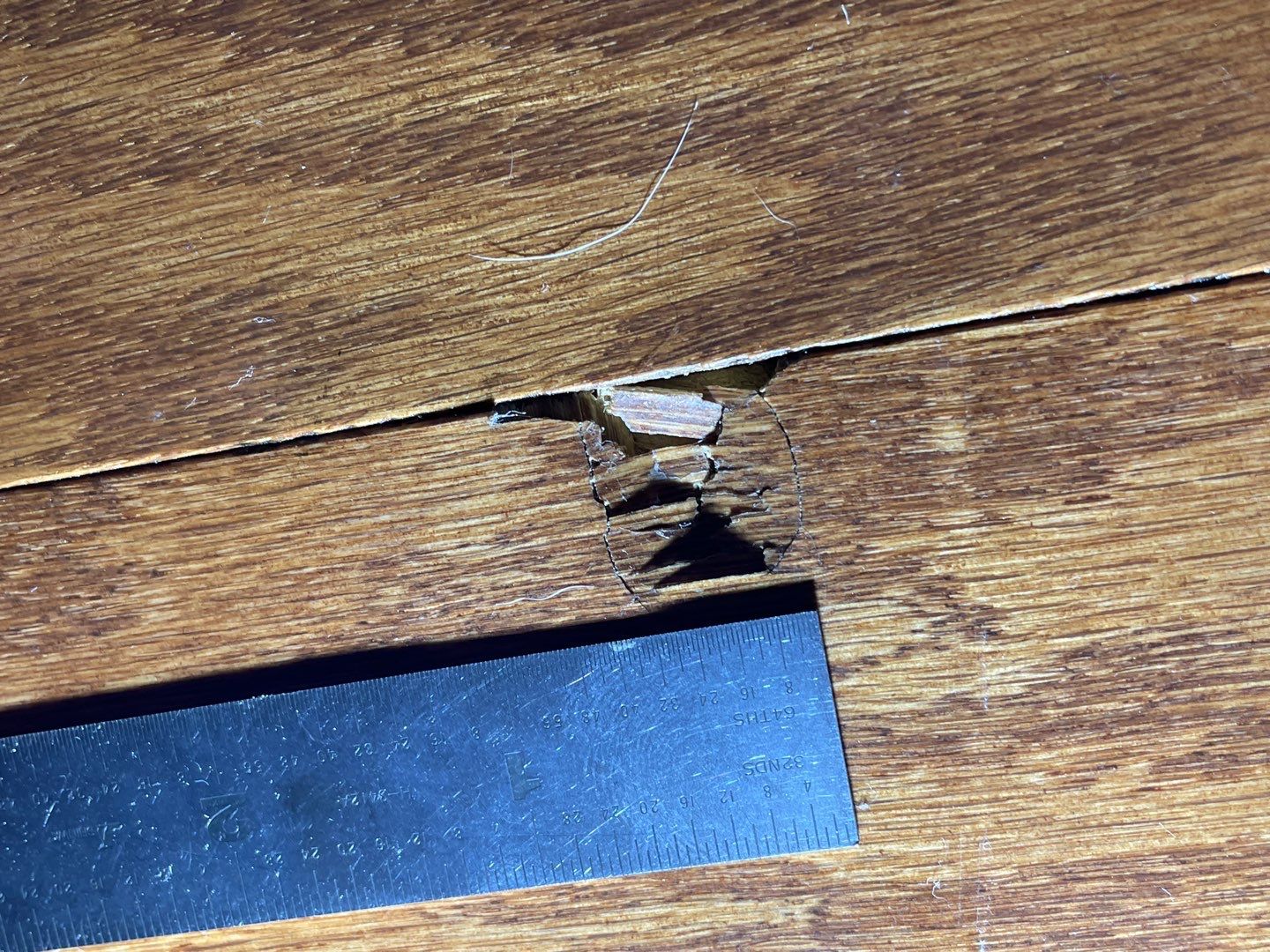
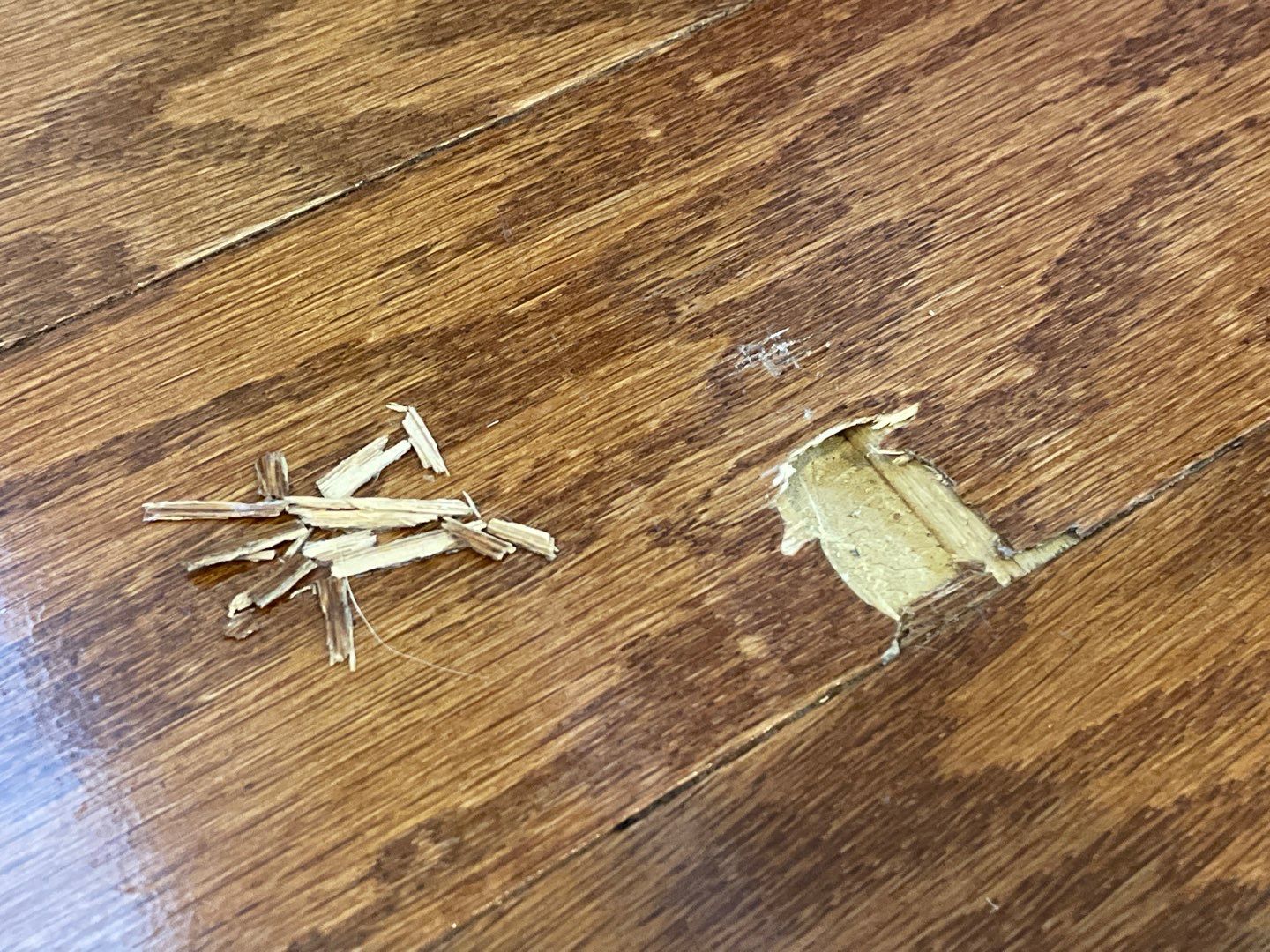
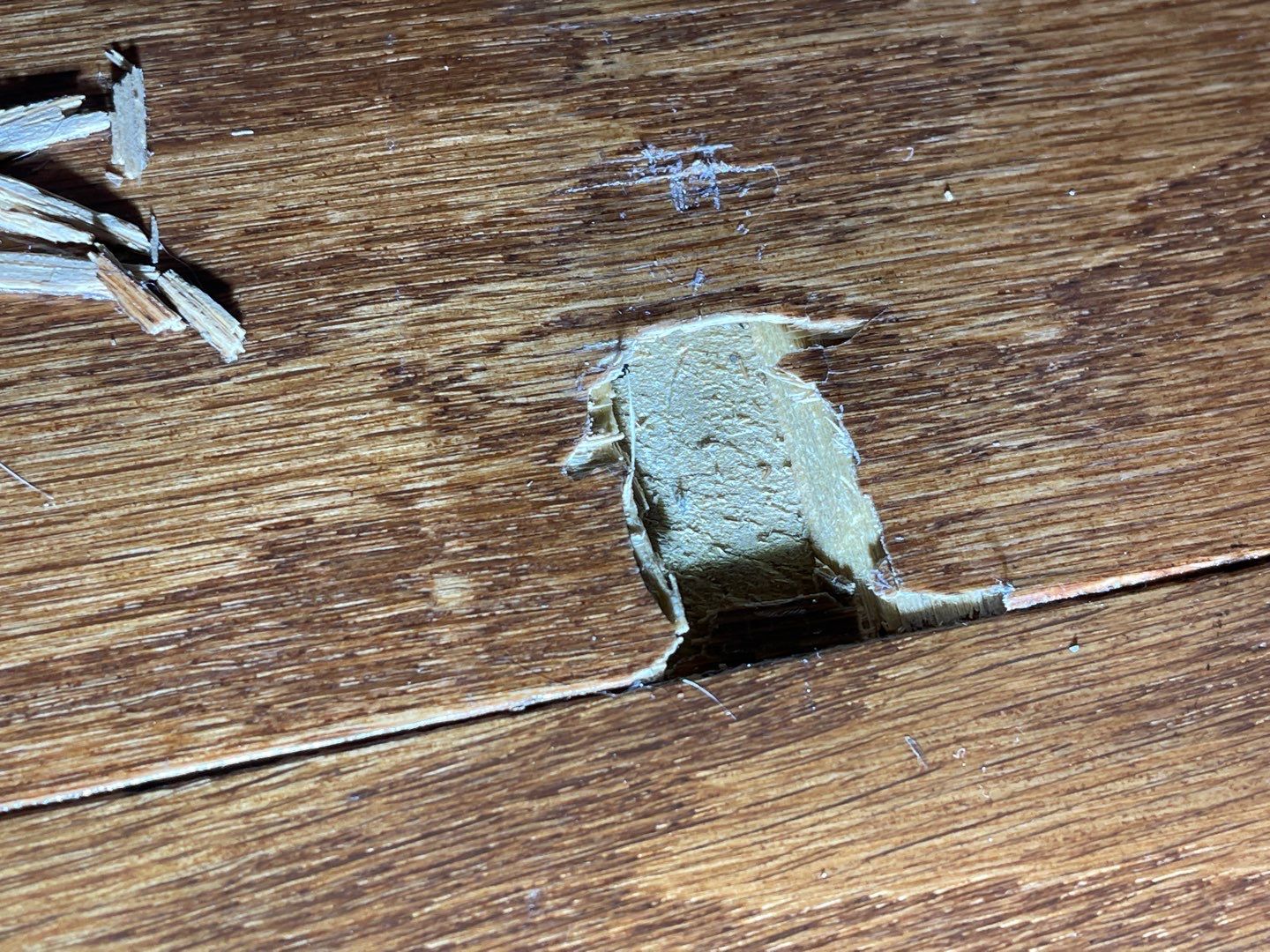
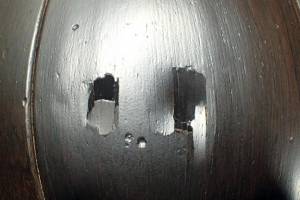
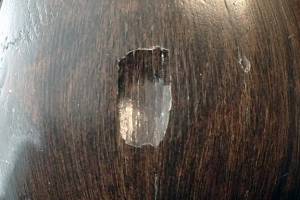
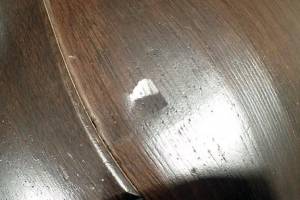
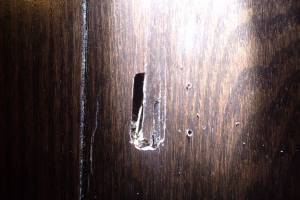
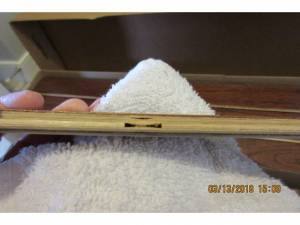
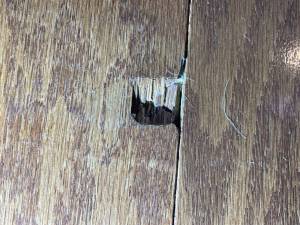
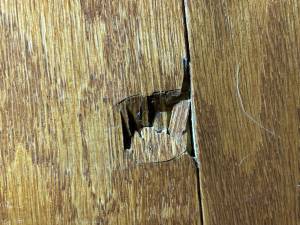

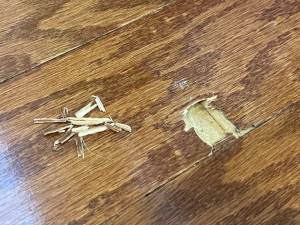
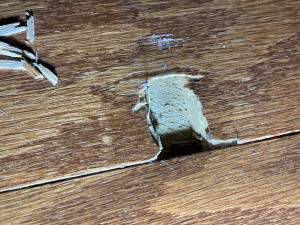
Core Void (Engineered Hardwood)
Floor Detective® Claims and Conditions Guide
Summary
A core void in engineered hardwood flooring is a localized internal open area, gap, or reduction of support within one or more structural core layers beneath the face veneer. Because the condition exists below the visible surface, it may remain concealed until the affected area is subjected to traffic, concentrated loading, or repeated flexing during normal use. Reduced internal support may allow abnormal movement within the veneer layer, sometimes resulting in cracking, fracture, puncture, hollow response, or localized deflection above the unsupported area. Whether an internal open area is considered acceptable may depend on product construction, location within the core, size, veneer thickness, layer thickness, and manufacturer-specific criteria. Manifestation severity may vary depending on veneer thickness, core construction, installation method, panel stiffness, and loading conditions. Core voids involve internal panel construction rather than finish wear, surface texture, or ordinary environmental movement. Proper classification requires distinguishing internal support loss from substrate irregularity, use-related movement, adhesive voids, natural wood characteristics, or impact damage. See also Delamination Engineered Wood, Wood Distortion, and Hardwood Floor Problems for broader context.
Hardwood Floor Problems
Wood Decay (Hardwood Flooring)

Termite Damage (Hardwood Flooring)
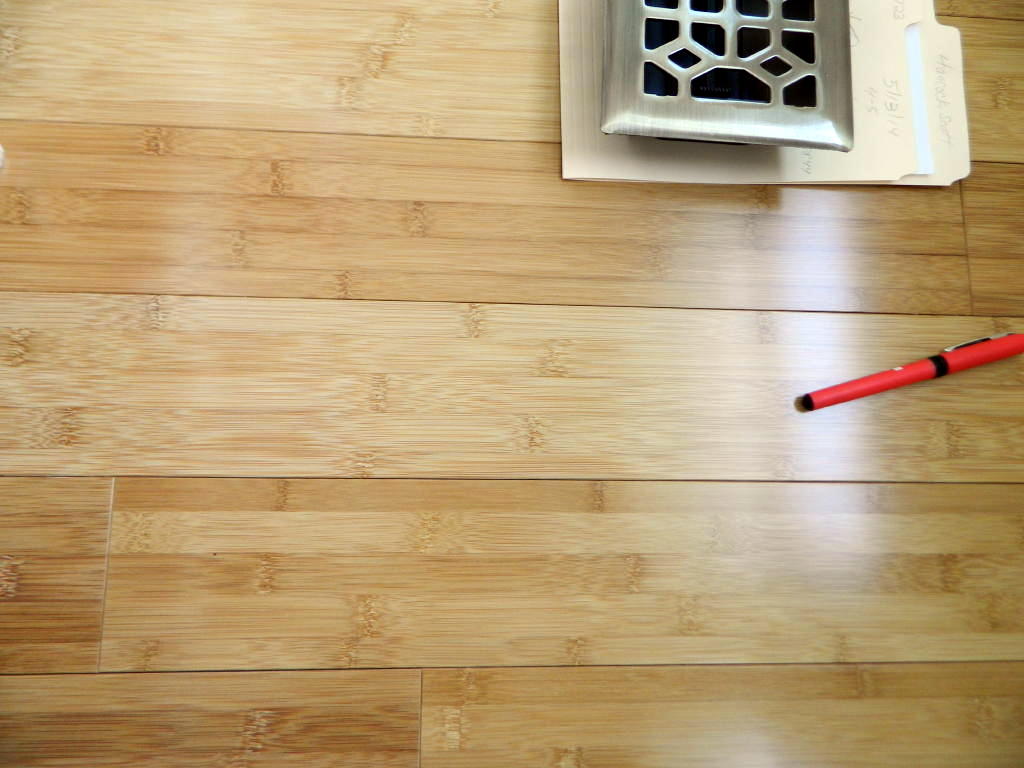
Bamboo Flooring Construction and Dimensional Behavior
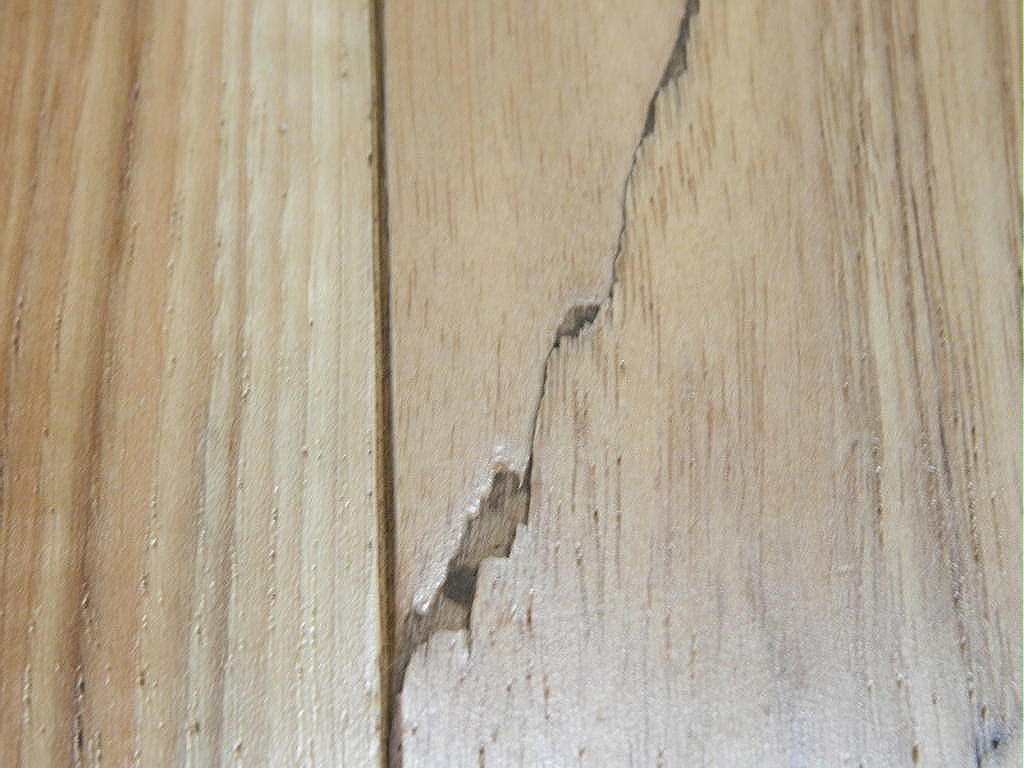
Checks vs. Splits vs. Shake (Solid Hardwood)
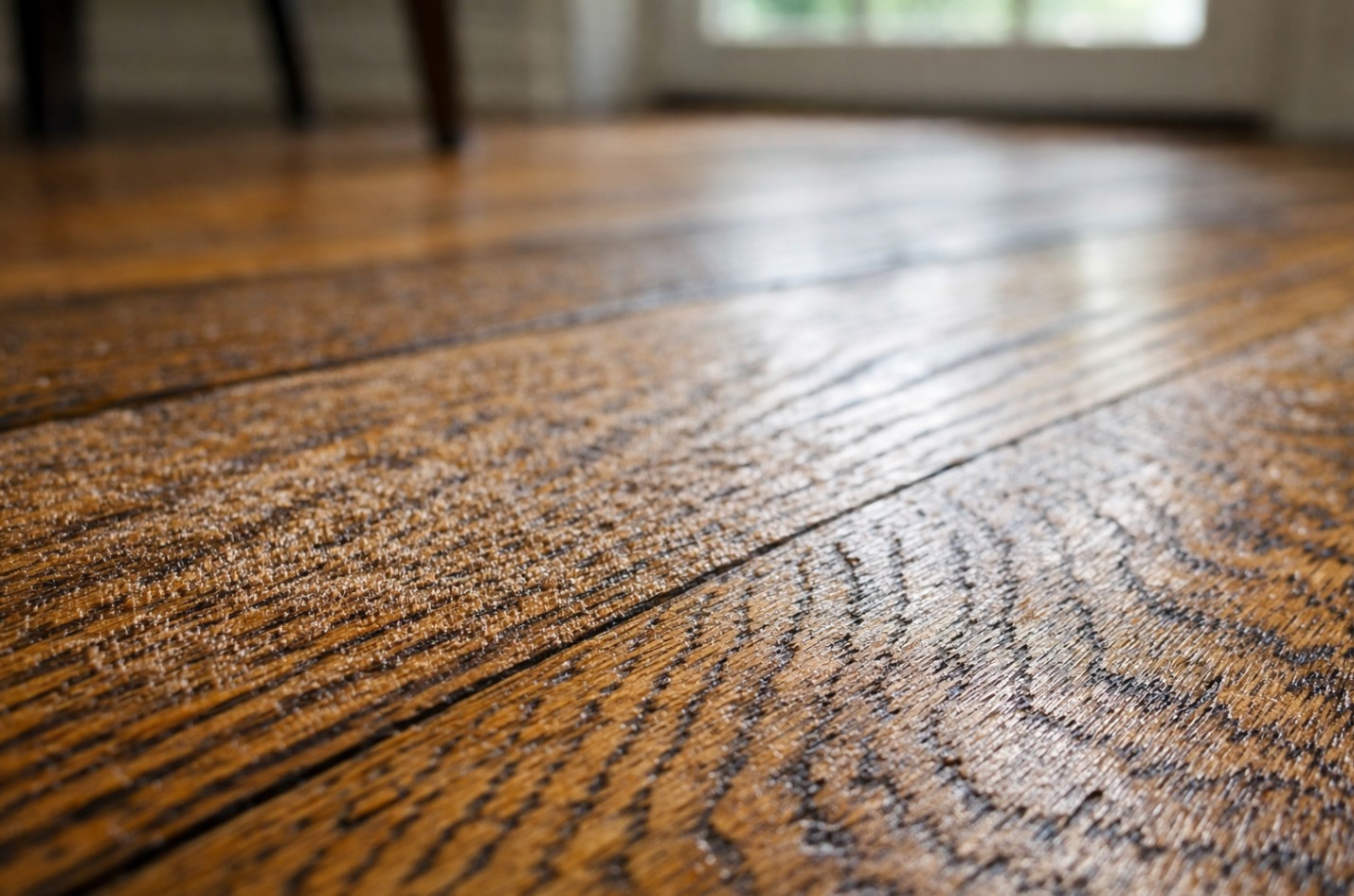
Grain Raise (Hardwood Finish Issue)
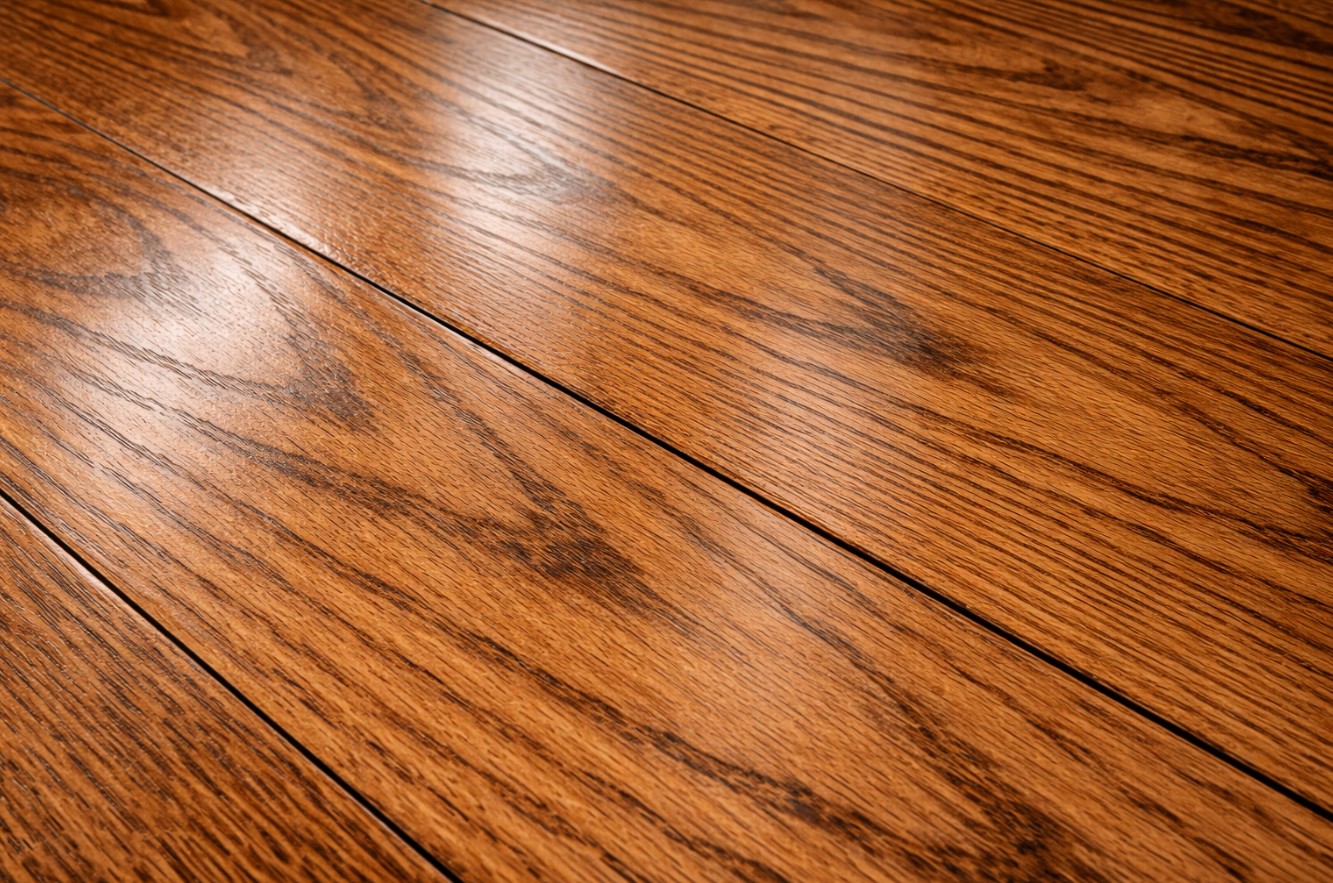
Splits – Cracks

Wood Distortion
Wood Shear (Engineered Flooring)