Endlift /Ski Jump (Engineered Flooring)

End Lift (Peaked Ends)
Sierra Exif JPEG

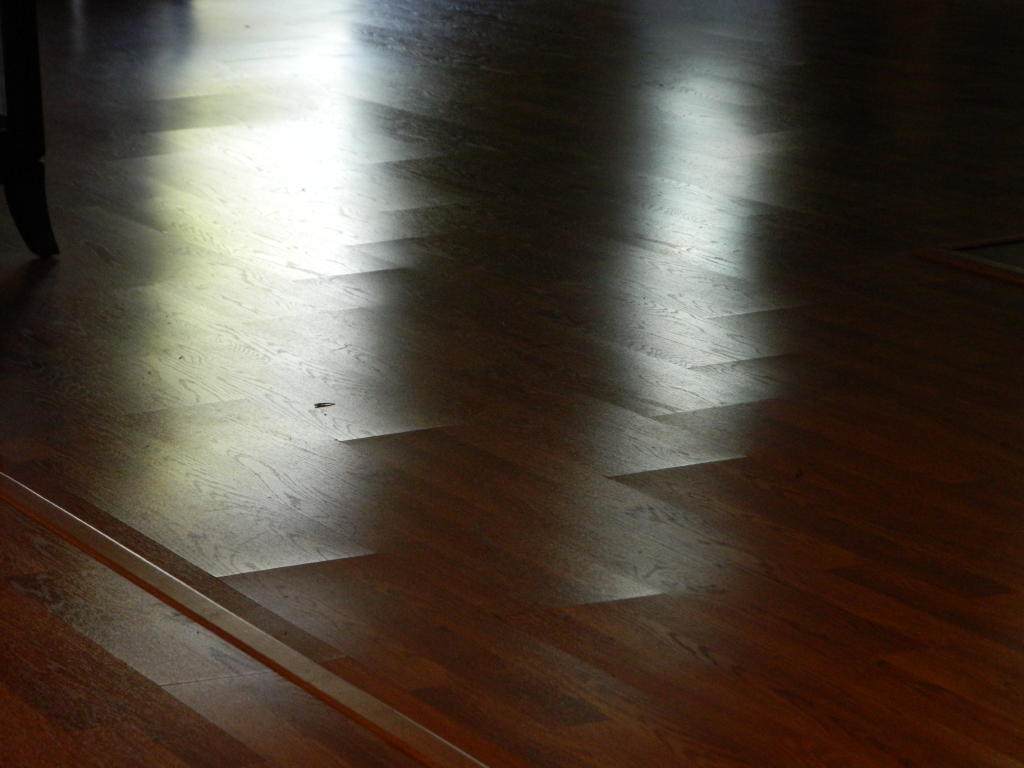
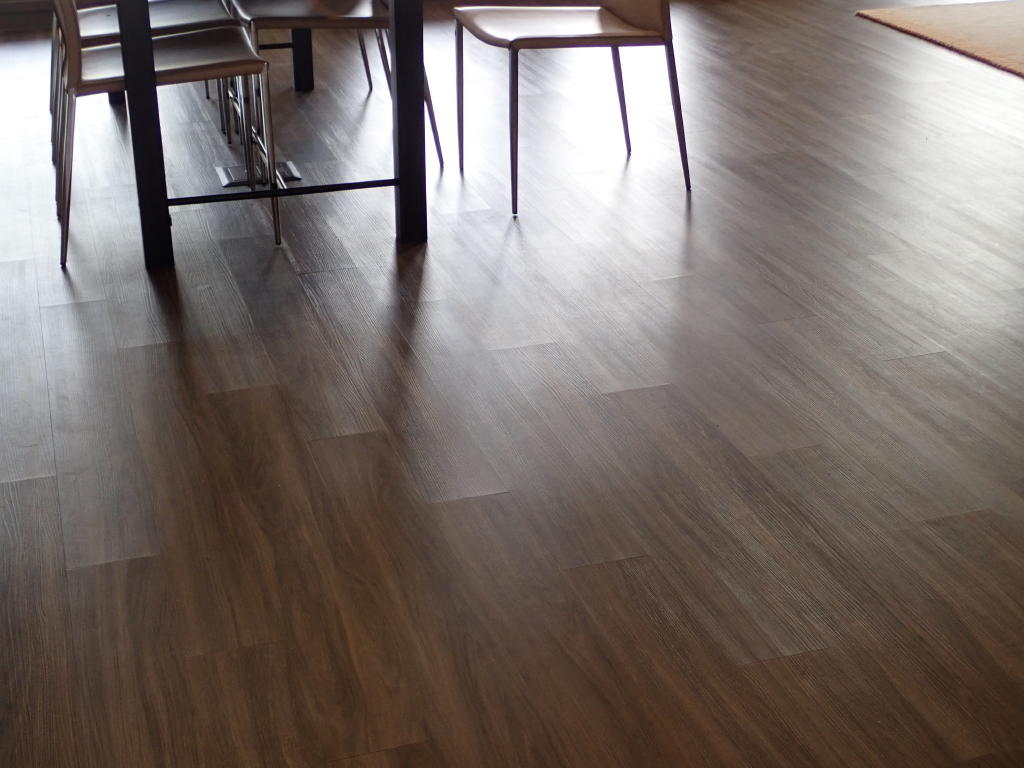
Peaking end joints

Sierra Exif JPEG

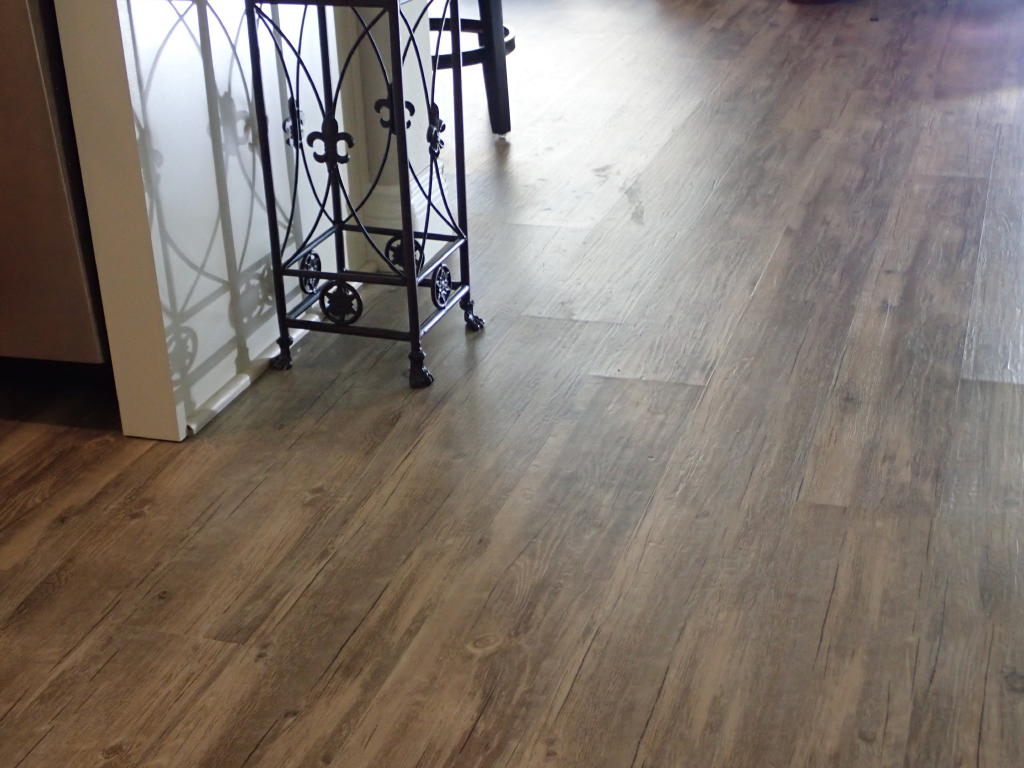
Peaking end joints

Sierra Exif JPEG

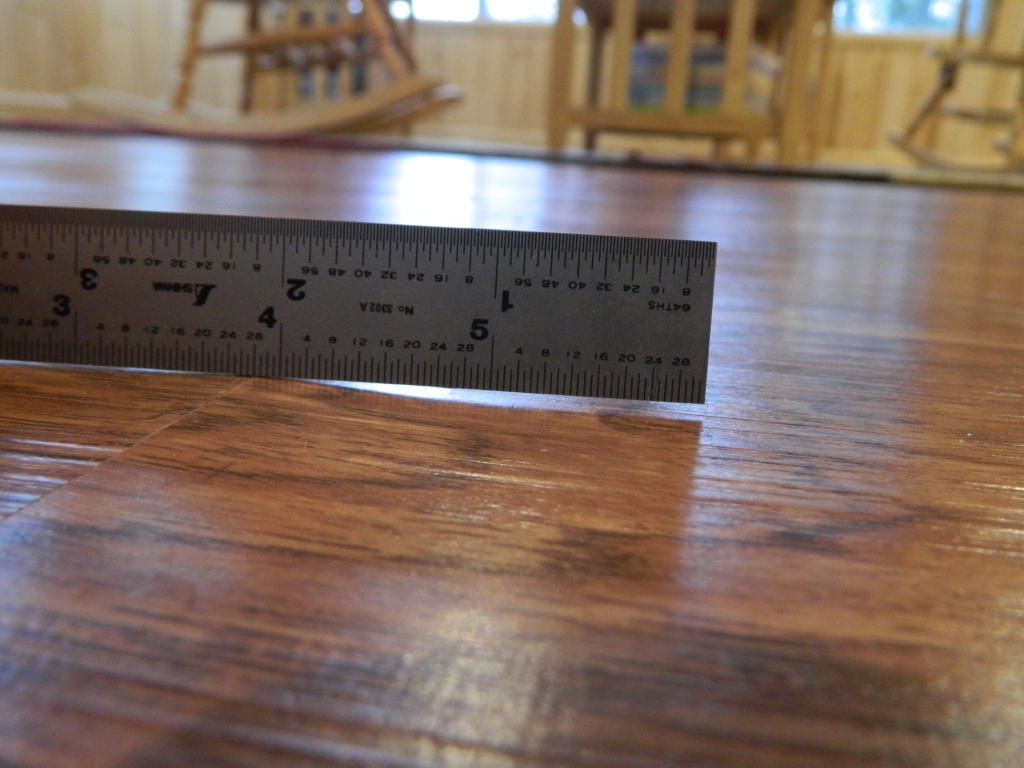
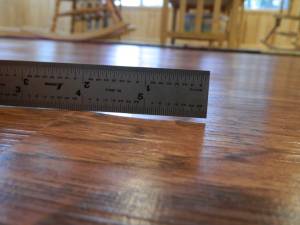
Steel ruler shows peaking

Sierra Exif JPEG

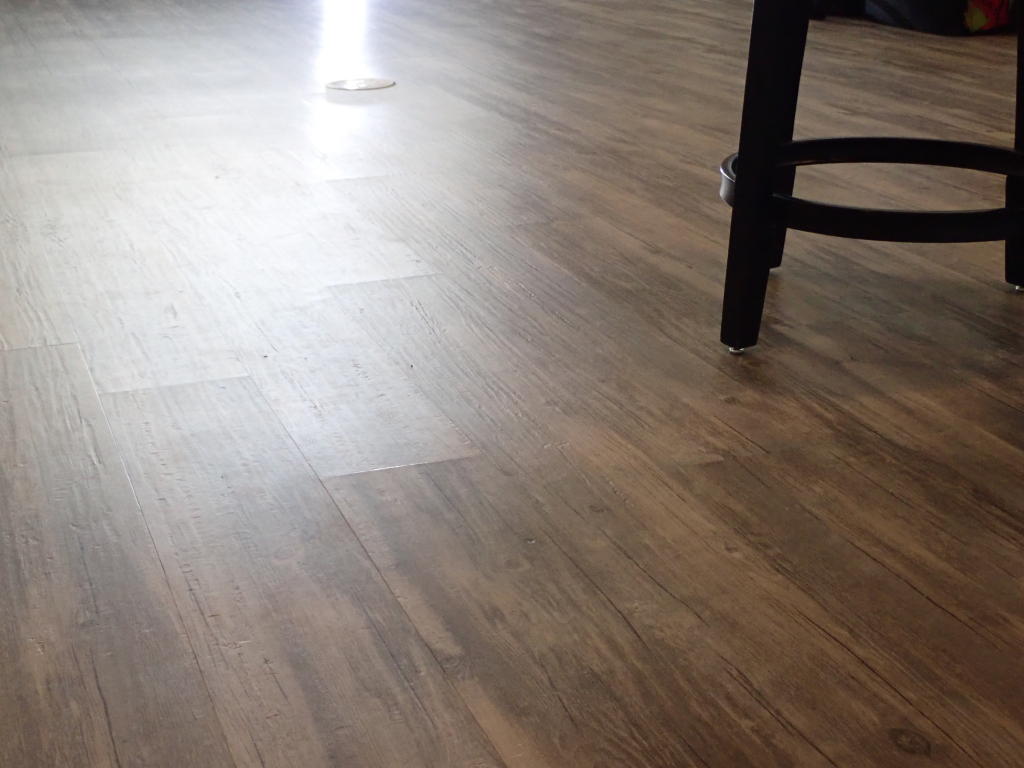
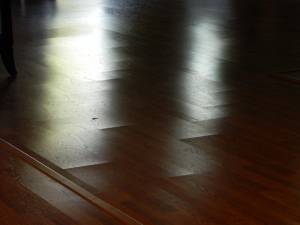
Peaked ends

Sierra Exif JPEG
Sierra Exif JPEG
Sierra Exif JPEG Sierra Exif JPEG Sierra Exif JPEG Sierra Exif JPEG Sierra Exif JPEG Sierra Exif JPEG

End Lift / Ski Jump (Engineered Flooring)

Floor Detective® Claims and Conditions Guide

Summary

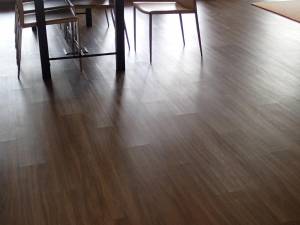
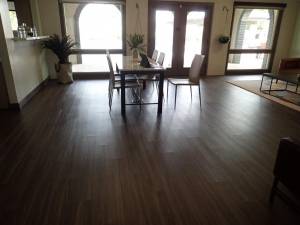
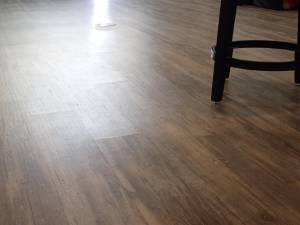
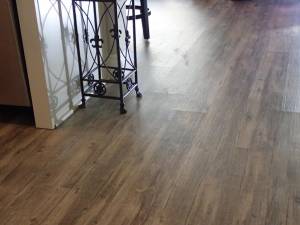
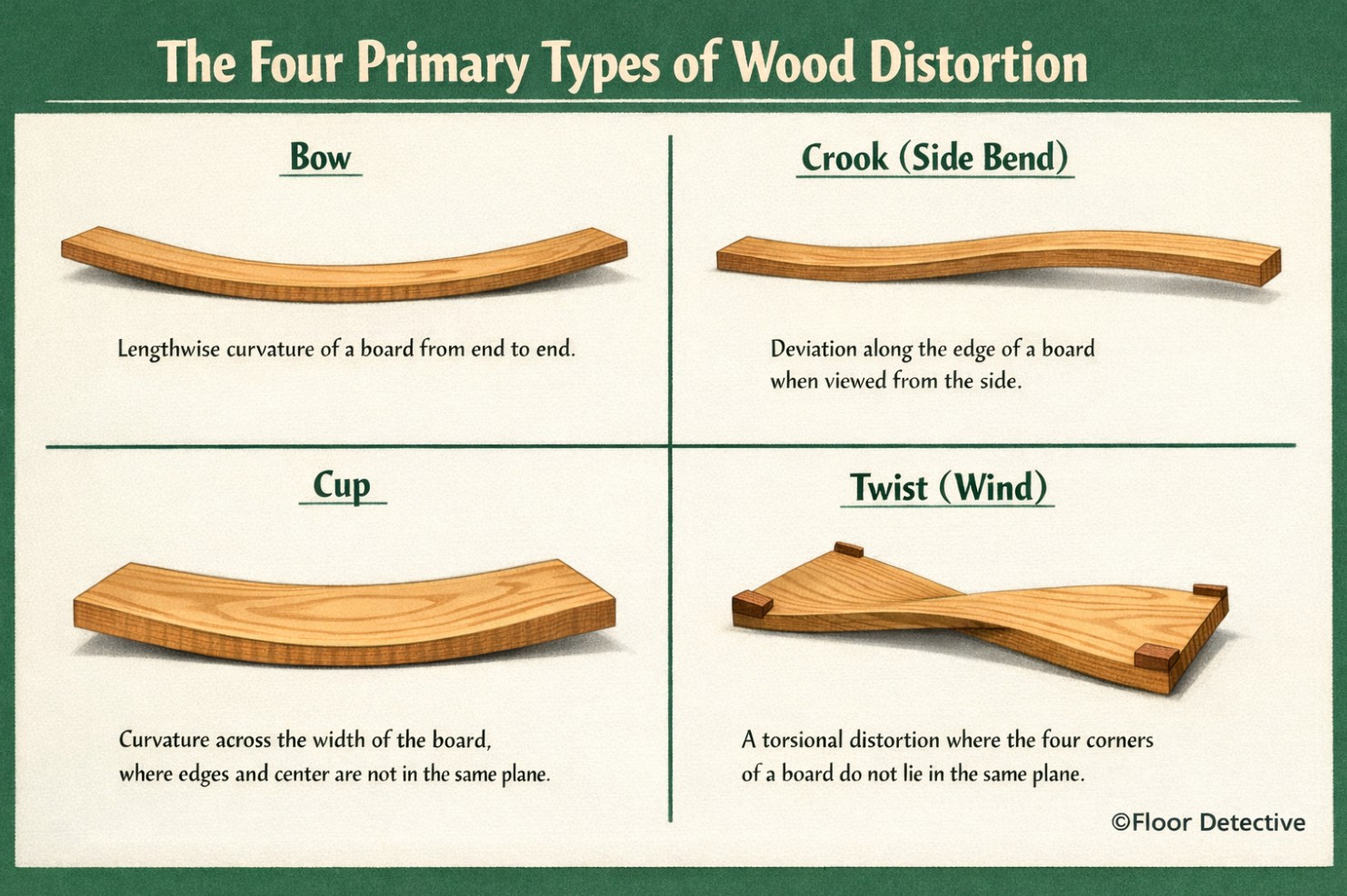
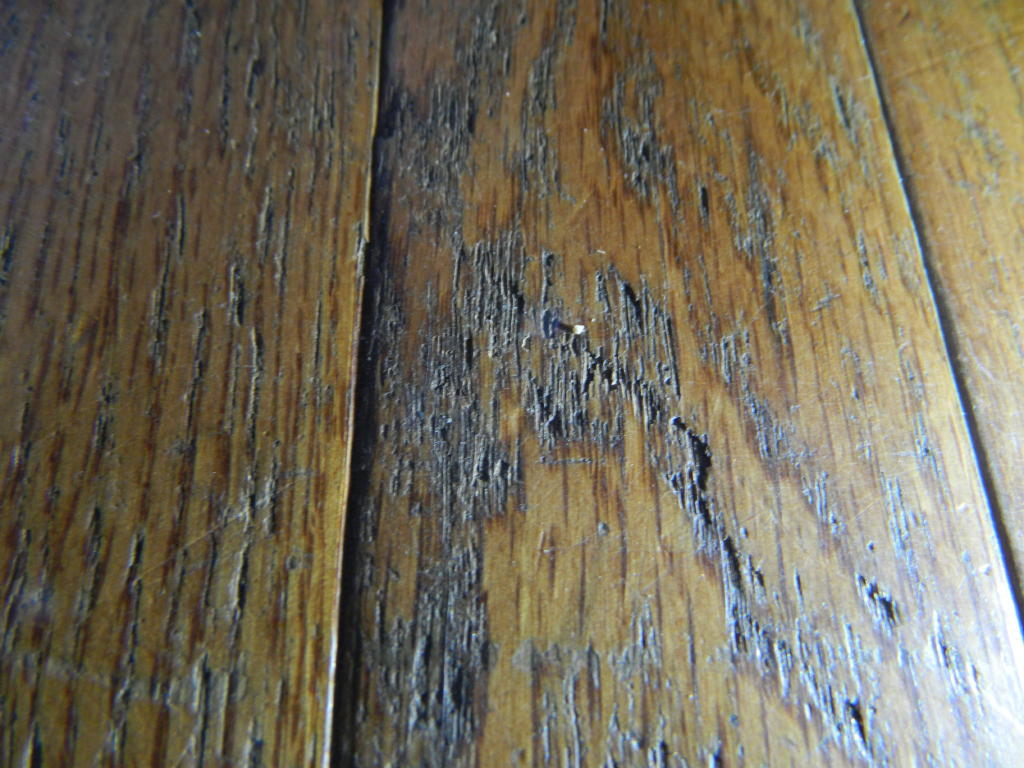
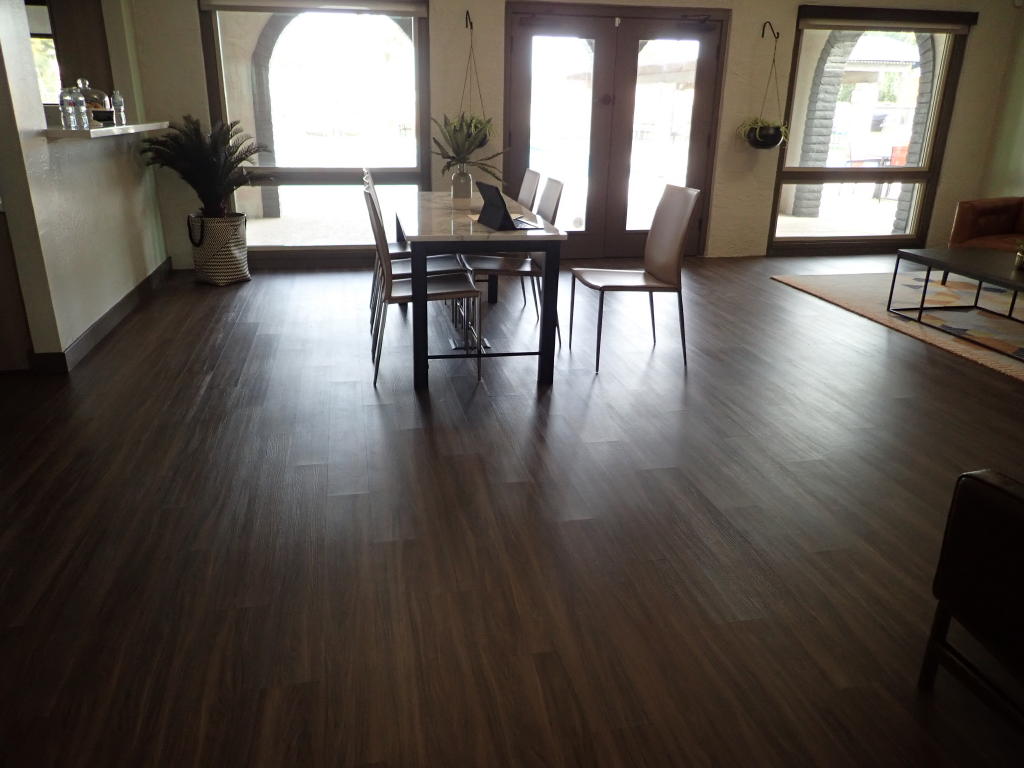
End lift, commonly referred to as ski jump, is a dimensional condition in engineered wood flooring in which plank ends deviate upward from the intended flat plane. The condition develops when differential movement occurs within the layered plank structure, allowing dimensional stress to become concentrated at plank ends rather than uniformly distributed across the board surface. Environmental cycling, moisture imbalance, attachment restraint, substrate interaction, and engineered core construction may all influence how the condition develops and becomes visually expressed. Because engineered flooring consists of bonded layers with differing grain orientation and dimensional behavior, localized movement may occur even when the overall floor system appears otherwise stable. Visibility is often amplified by reflective lighting and low-angle observation. In the absence of corroborating evidence of bond-line separation, structural instability, or progressive material breakdown, end lift alone does not independently establish manufacturing defect or installation nonconformance. Proper classification requires differentiating engineered plank movement from end-joint peaking, substrate irregularity, moisture intrusion, attachment-related restraint, or localized mechanical damage. See also End Lift / Peaked Ends, Delamination, and Hardwood Floor Problems for broader context.
Please subscribe to see all content

Hardwood Floor Problems

Hardwood floor problems may involve cupping, gaps, buckling, finish issues, movement, noise, or moisture-related distortion. Learn how hardwood flooring conditions...
Read More
Hardwood Floor Problems

Wood Decay (Hardwood Flooring)
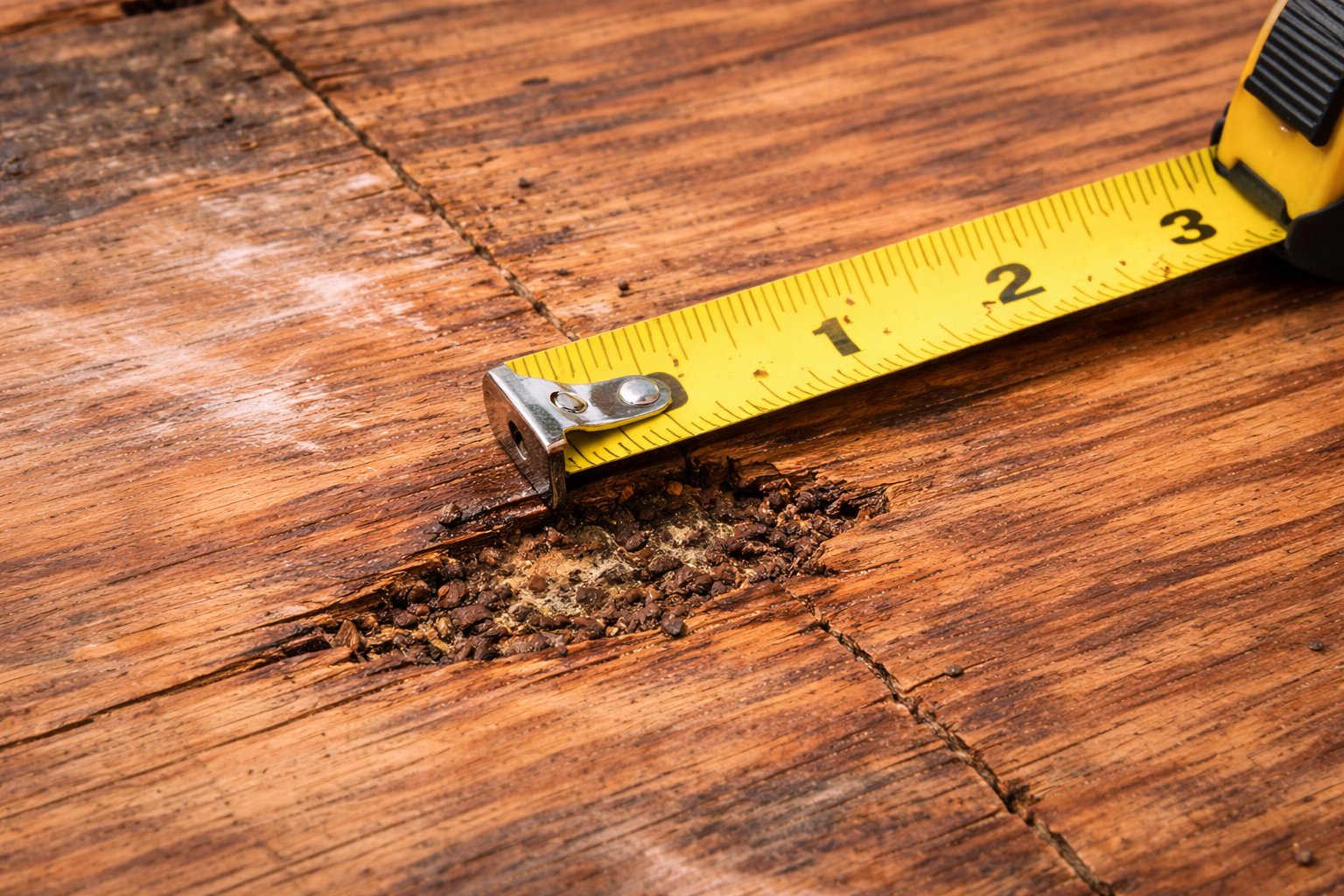
Wood decay in hardwood flooring is a moisture-related condition that causes soft, weakened, and deteriorated wood. Proper evaluation distinguishes fungal...
Read More
Wood Decay (Hardwood Flooring)

Termite Damage (Hardwood Flooring)
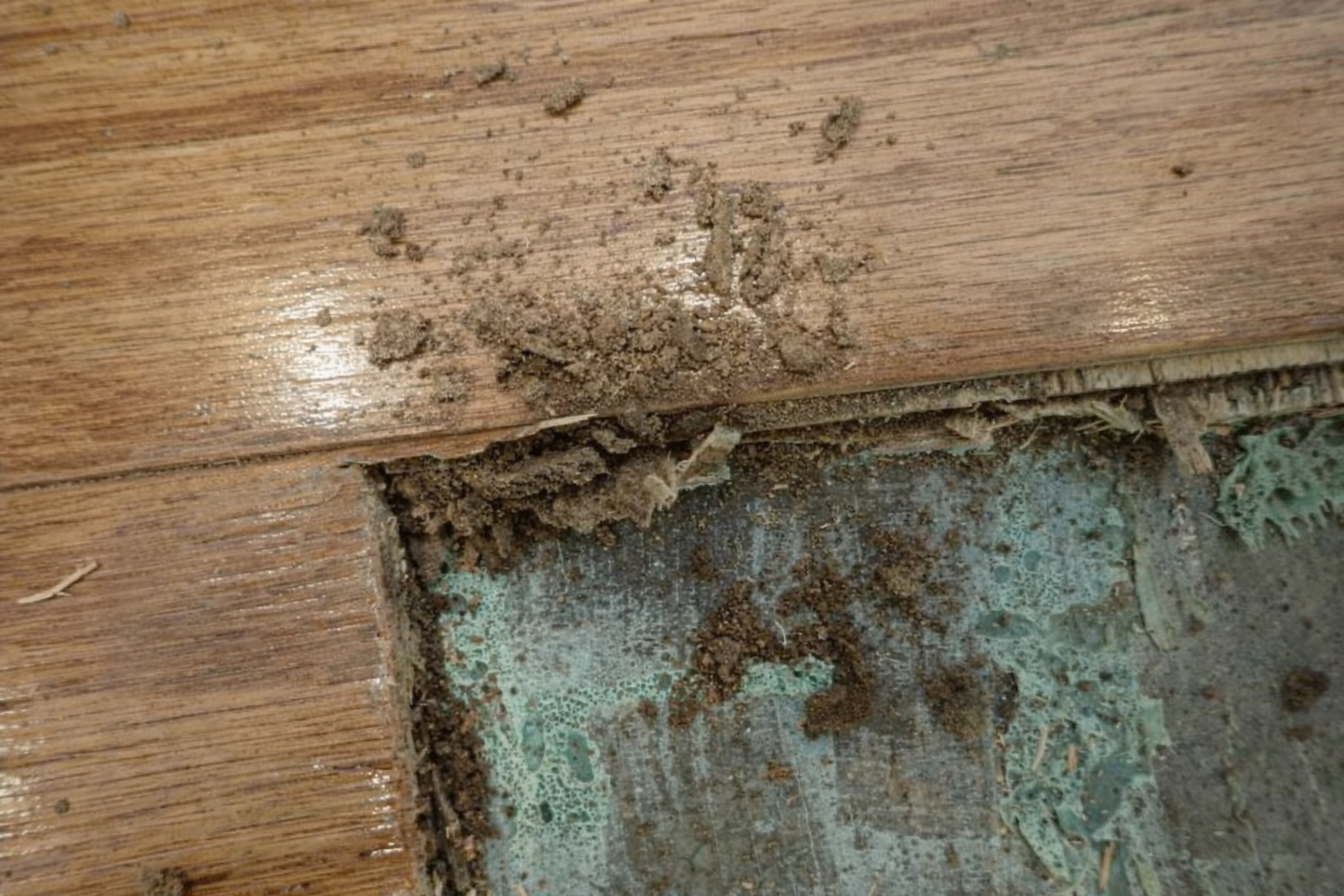
Termite damage in hardwood flooring involves internal wood consumption, gallery formation, and structural weakening caused by insect activity.
Read More
Termite Damage (Hardwood Flooring)

Bamboo Flooring Construction and Dimensional Behavior
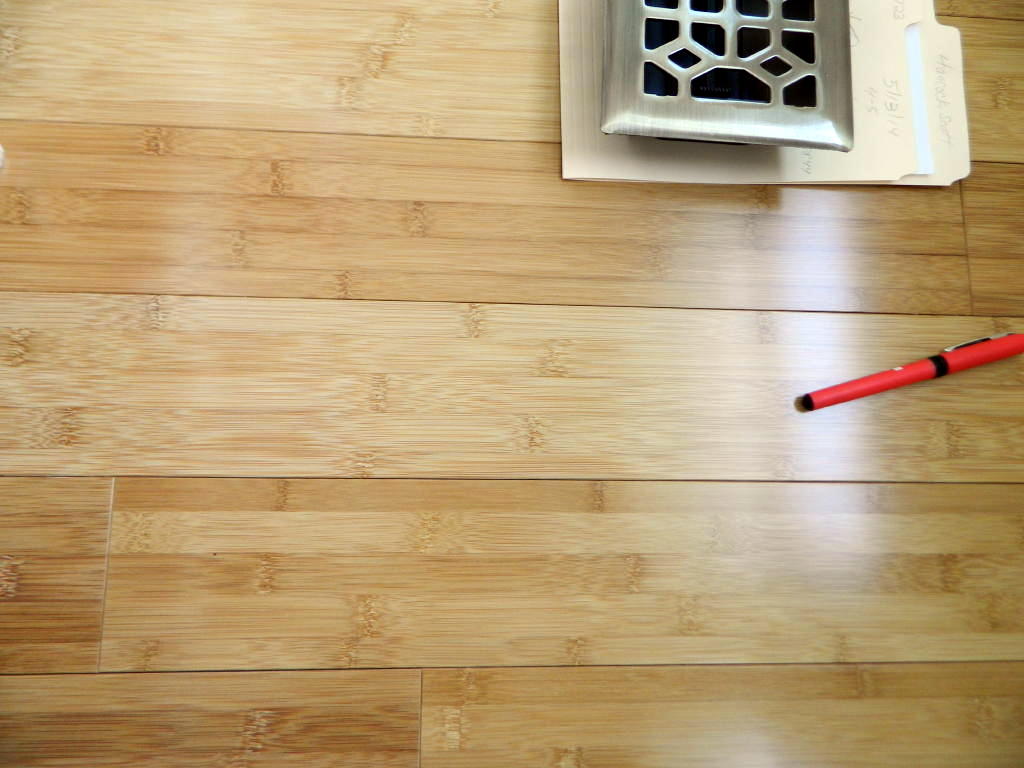
Bamboo flooring construction affects dimensional movement, moisture response, spacing, and long-term flooring performance under changing environmental conditions.
Read More
Bamboo Flooring Construction and Dimensional Behavior

Checks vs. Splits vs. Shake (Solid Hardwood)
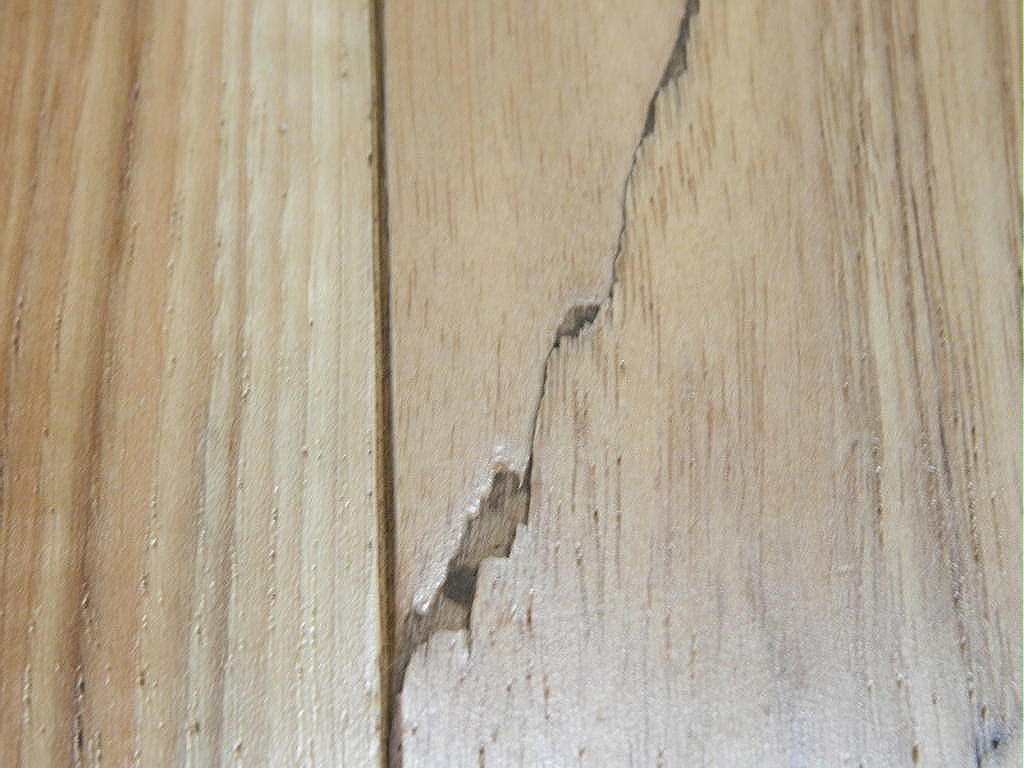
Checks, splits, and shake are different wood separation conditions in hardwood flooring that vary in origin, depth, structural significance, and...
Read More
Checks vs. Splits vs. Shake (Solid Hardwood)

Grain Raise (Hardwood Finish Issue)
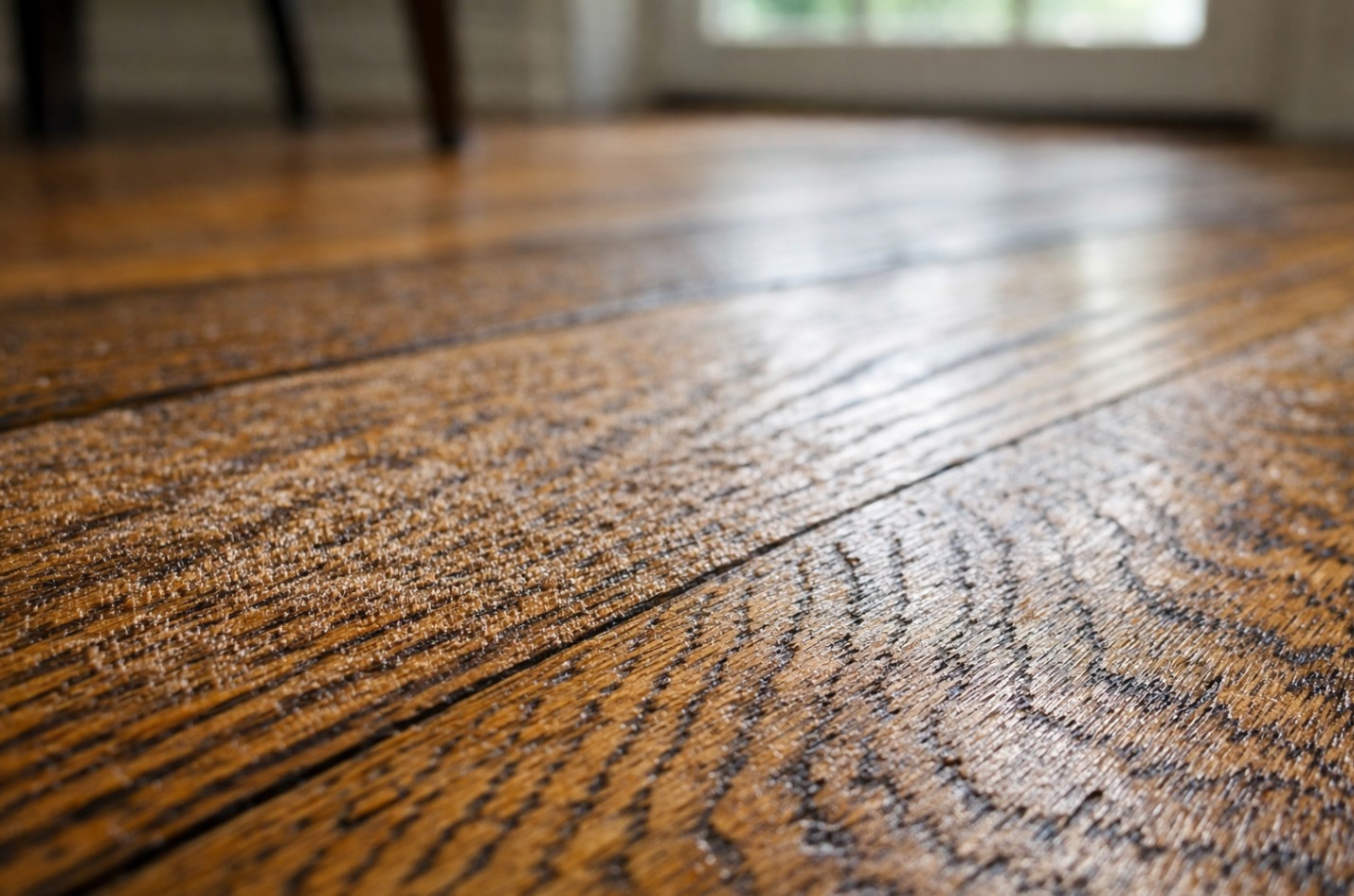
Hardwood grain raise is a surface texture condition caused by swelling and lifting of exposed wood fibers after moisture exposure...
Read More
Grain Raise (Hardwood Finish Issue)

Lap Marks

Lap marks in hardwood flooring are visible streaks or bands caused by uneven blending between overlapping finish passes. The condition...
Read More
Lap Marks

Splits – Cracks

Splits and Cracks (Hardwood Flooring) Floor Detective® Claims and Conditions Guide Summary Splits and cracks in hardwood flooring are structural...
Read More
Splits – Cracks

Wood Distortion

Wood distortion in hardwood flooring involves bowing, twisting, cupping, and dimensional shape change caused by moisture variation and internal stress...
Read More
Wood Distortion

Wood Shear (Engineered Flooring)
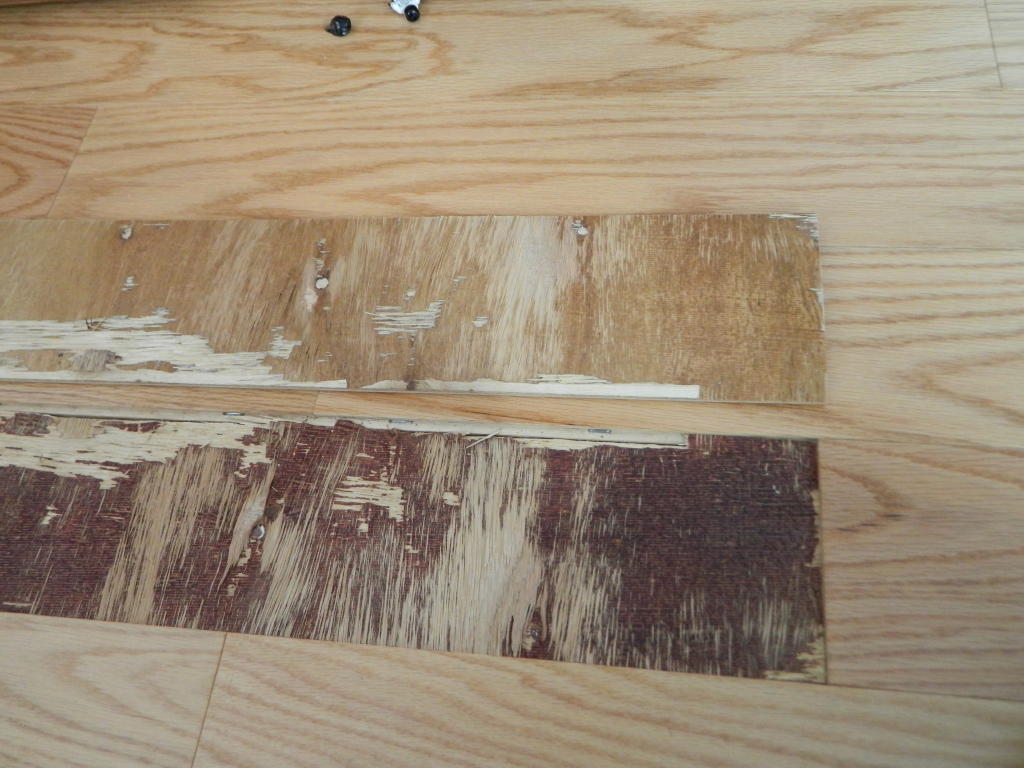
Wood shear and delamination are distinct engineered hardwood separation mechanisms involving cohesive wood-fiber rupture or adhesive bond-line release.
Read More
Wood Shear (Engineered Flooring)