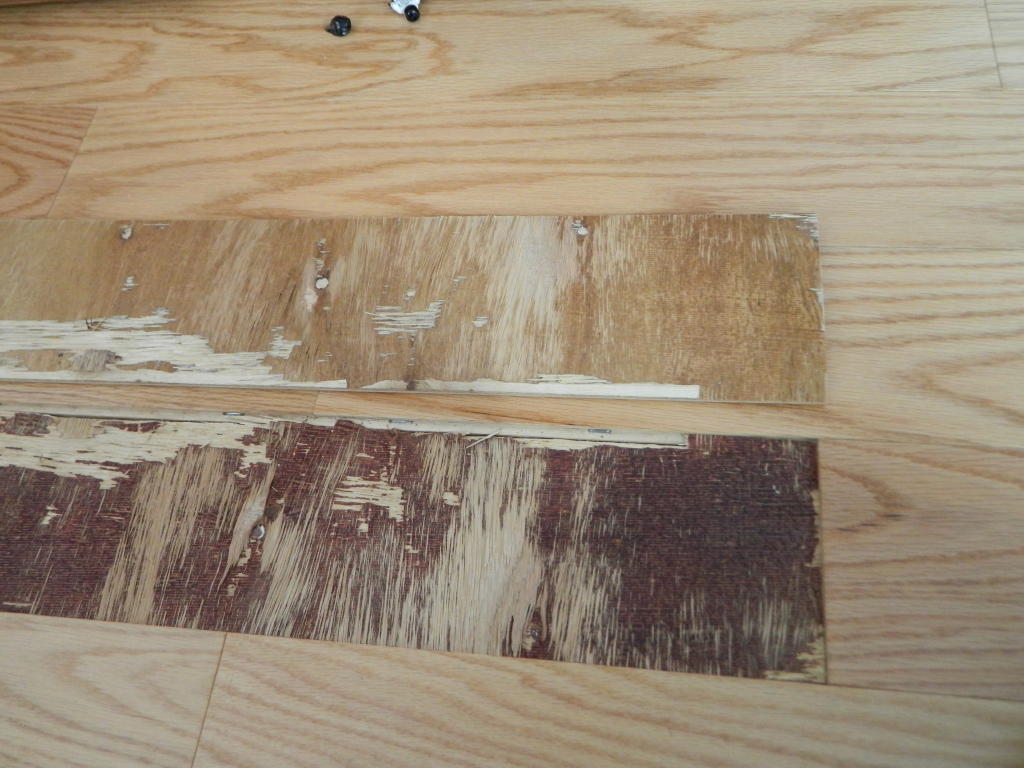
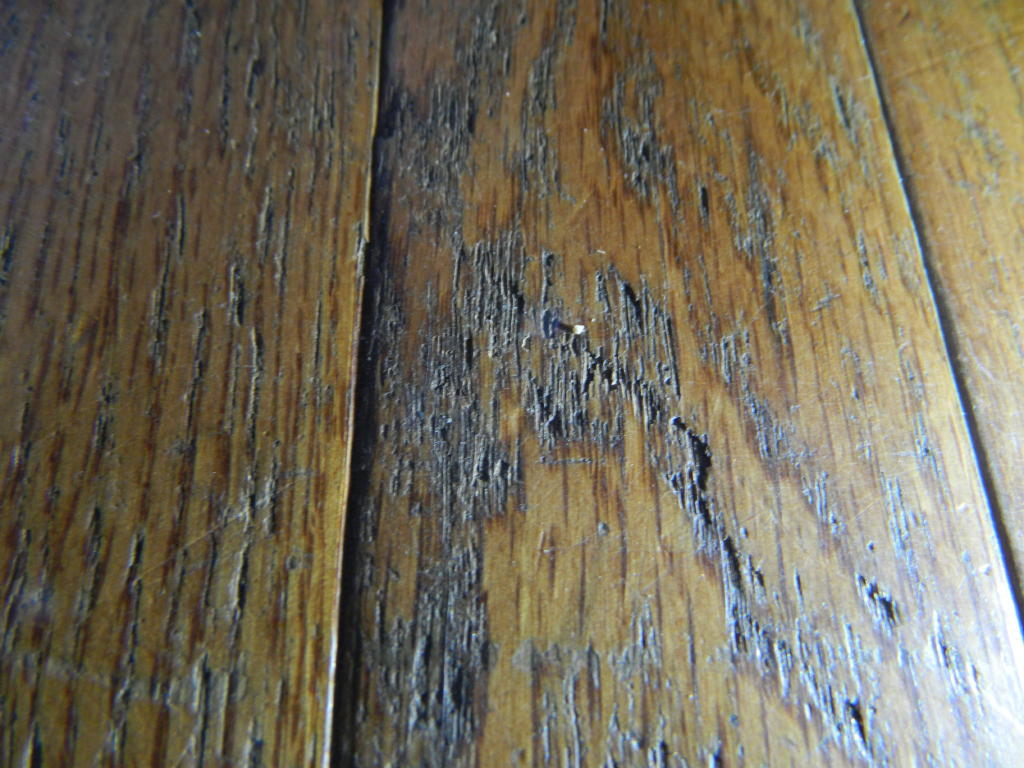
Dishout


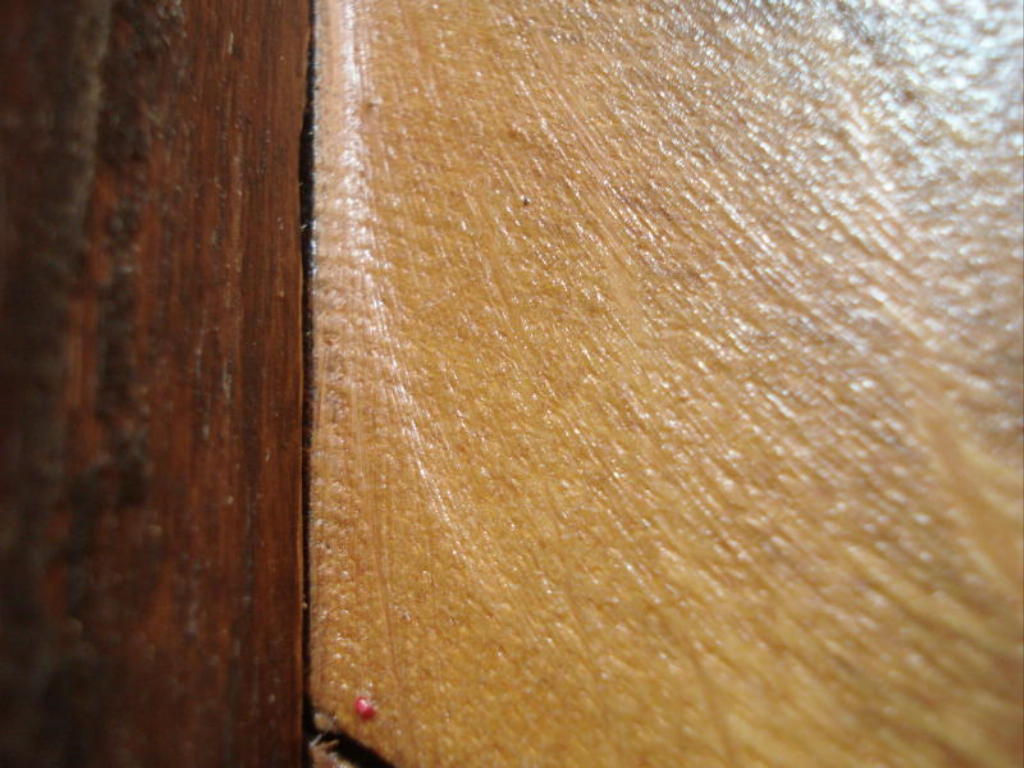
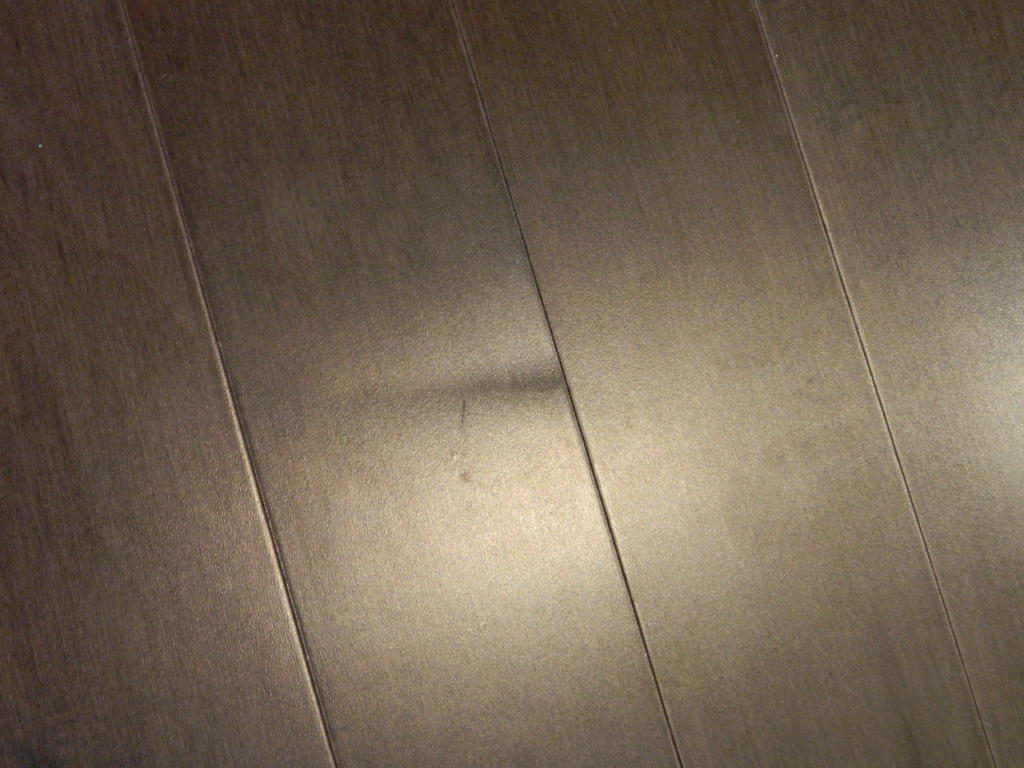
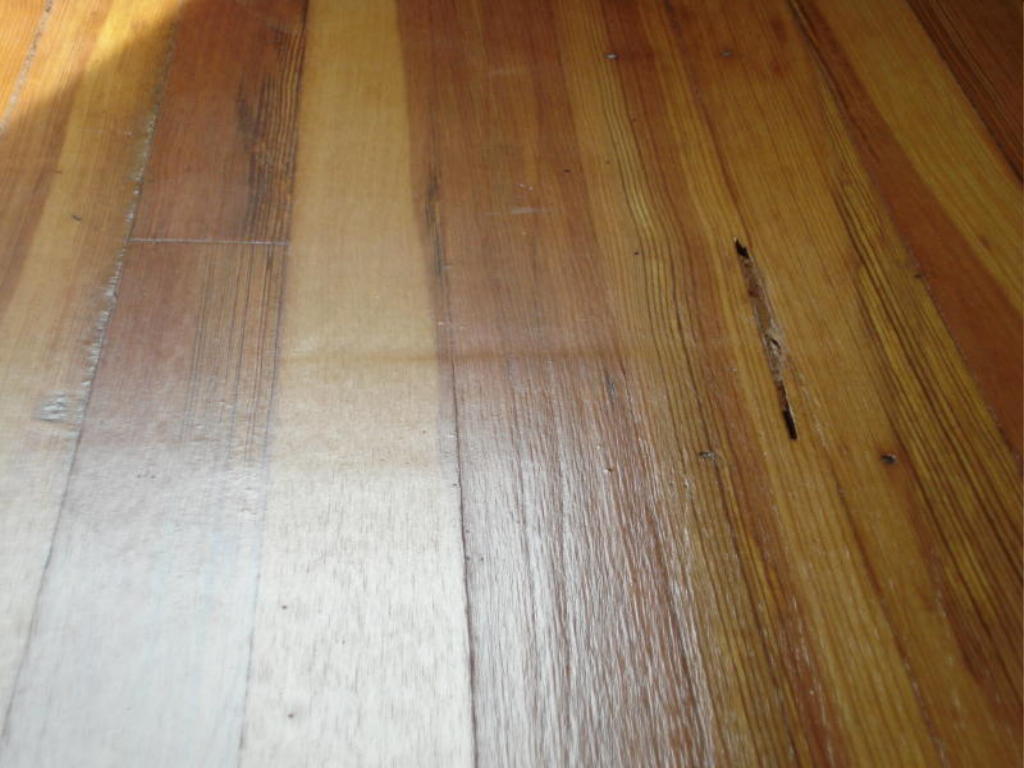
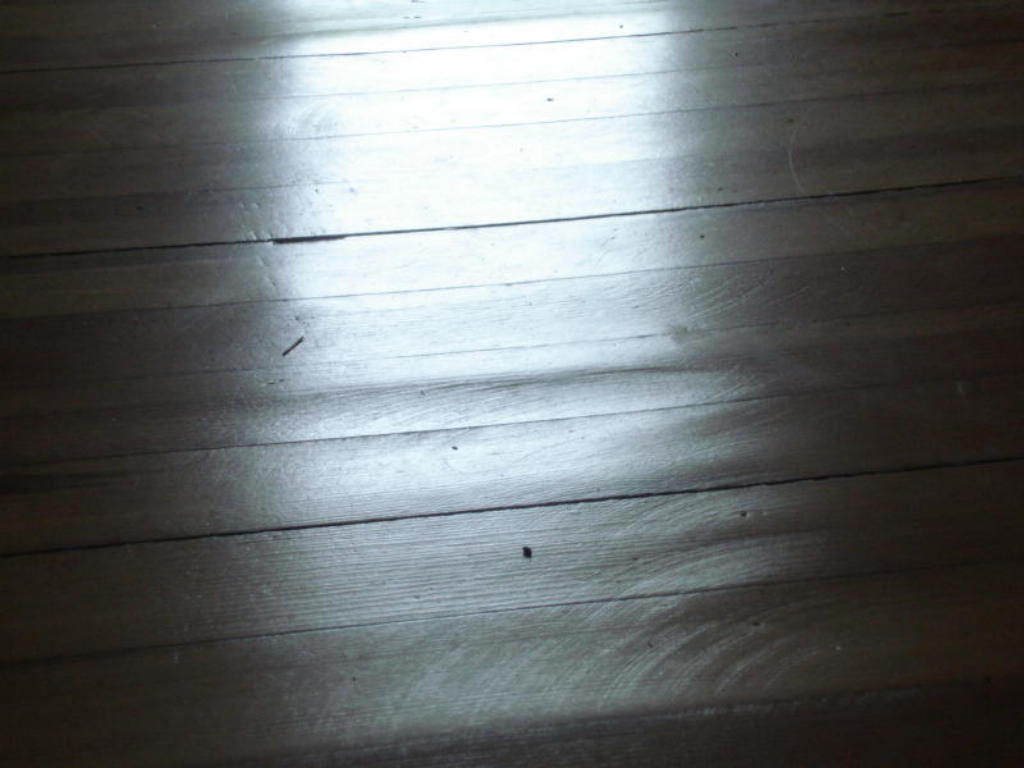
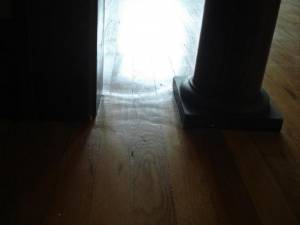
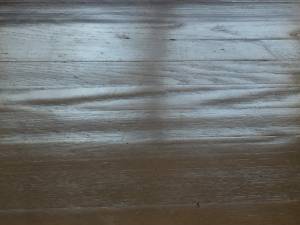
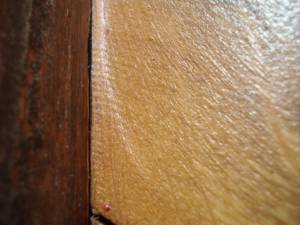
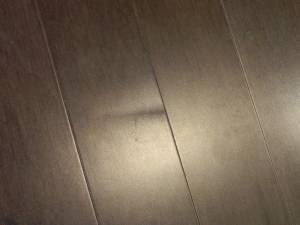

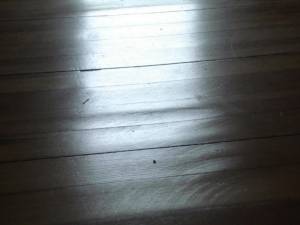
Dishout / Shellout (Hardwood)
Floor Detective® Claims and Conditions Guide
Summary
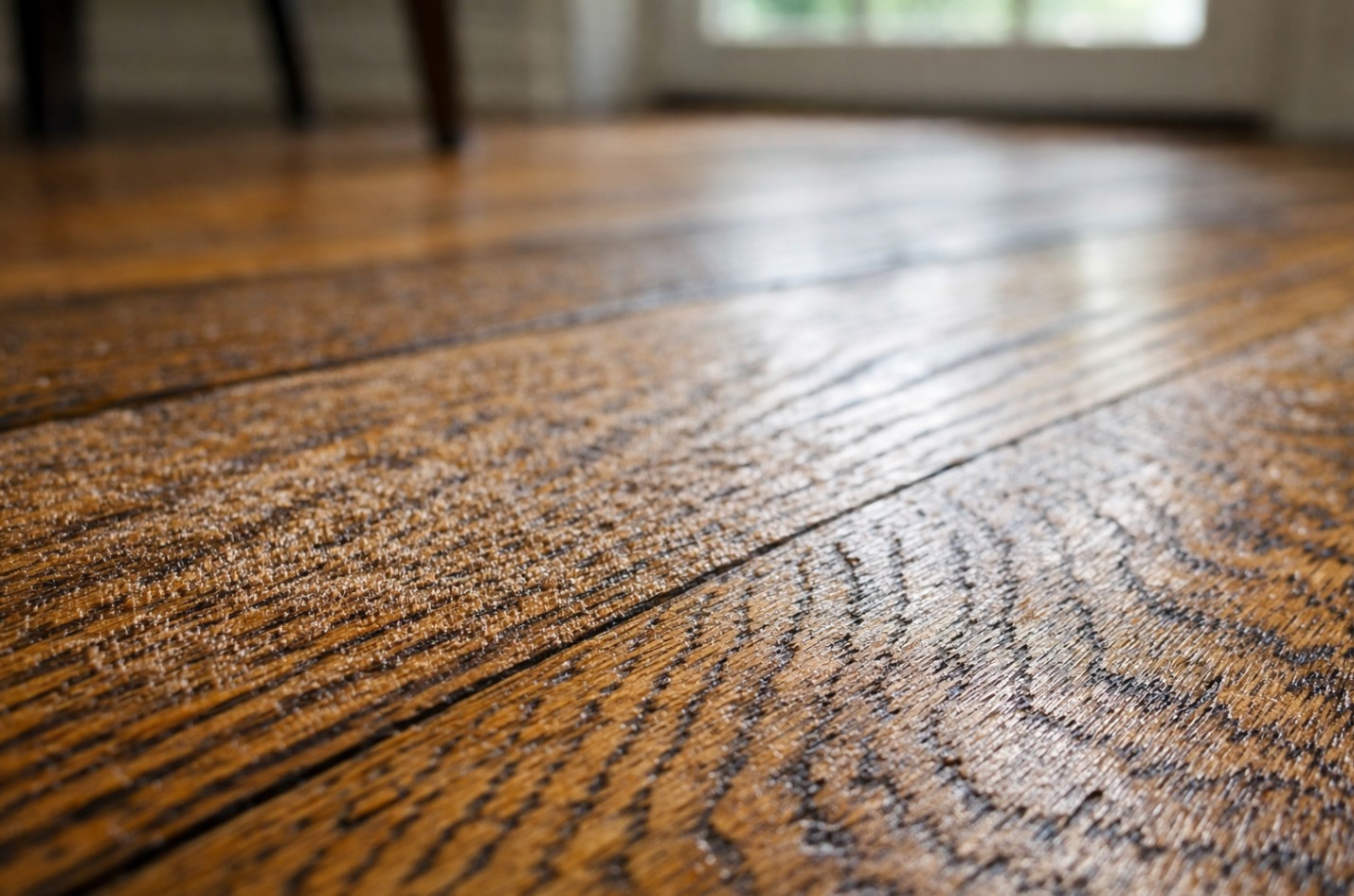
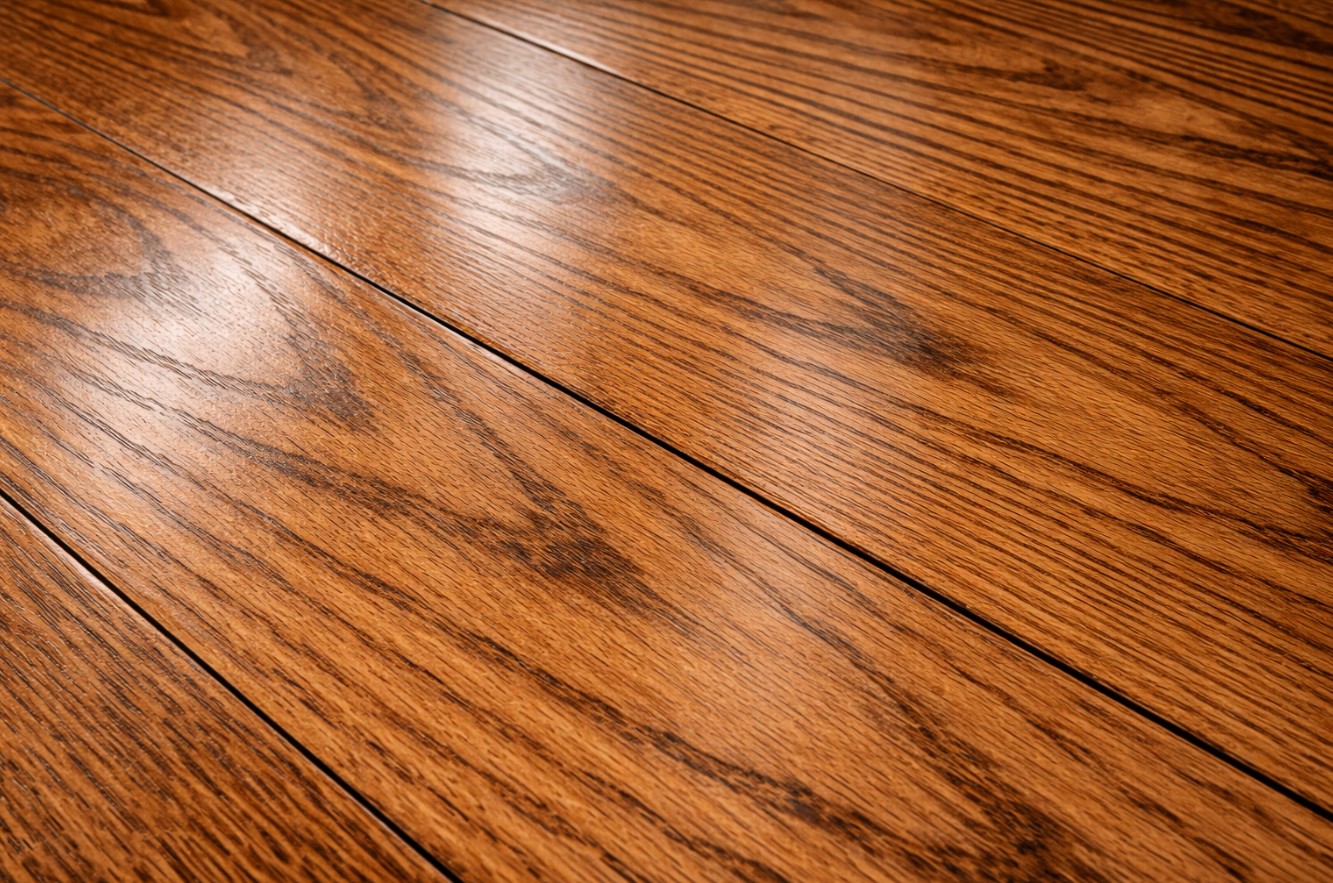
Dishout and shellout are appearance-related surface contour conditions in hardwood flooring characterized by recessed softer grain areas below adjacent harder wood fibers. Dishout commonly develops during sanding or surface preparation when softer earlywood fibers are removed more aggressively than surrounding denser grain, while shellout generally refers to progressive erosion of softer fibers caused by traffic, abrasion, maintenance exposure, or long-term wear. The resulting surface profile may appear uneven, wavy, hollowed, or textured under directional or reflective lighting. Visibility commonly increases on higher-gloss finishes, darker stain colors, and species with pronounced grain-density contrast. Some hardwood flooring products intentionally incorporate contour or texture as part of the manufacturing design, requiring differentiation between intended surface character and abnormal wear-related erosion. In the absence of moisture-driven distortion, structural instability, or adhesive failure, dishout and shellout do not independently establish manufacturing defect or installation nonconformance. Proper classification requires distinguishing differential fiber erosion from cupping, crowning, compression set, or moisture-related movement conditions. See also Cupping, Crowning, and Hardwood Floor Problems for broader context.
Hardwood Floor Problems
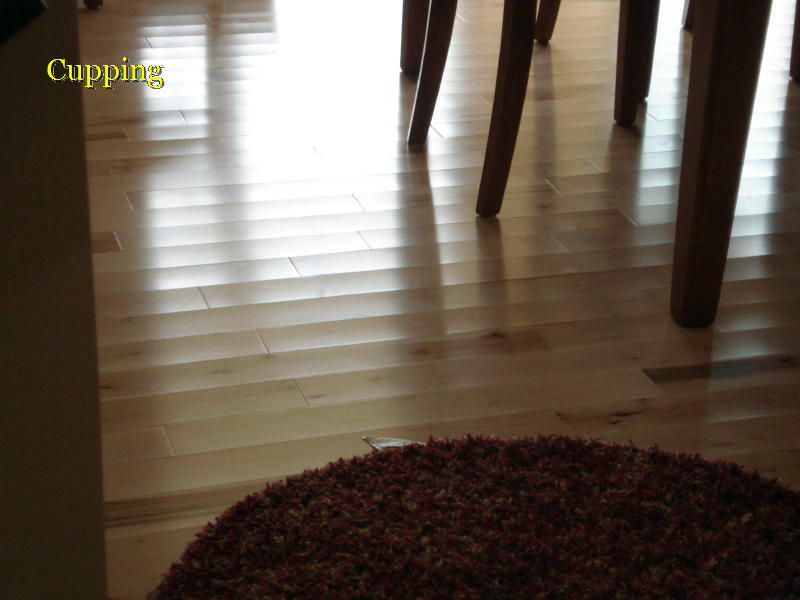
Wood Decay (Hardwood Flooring)
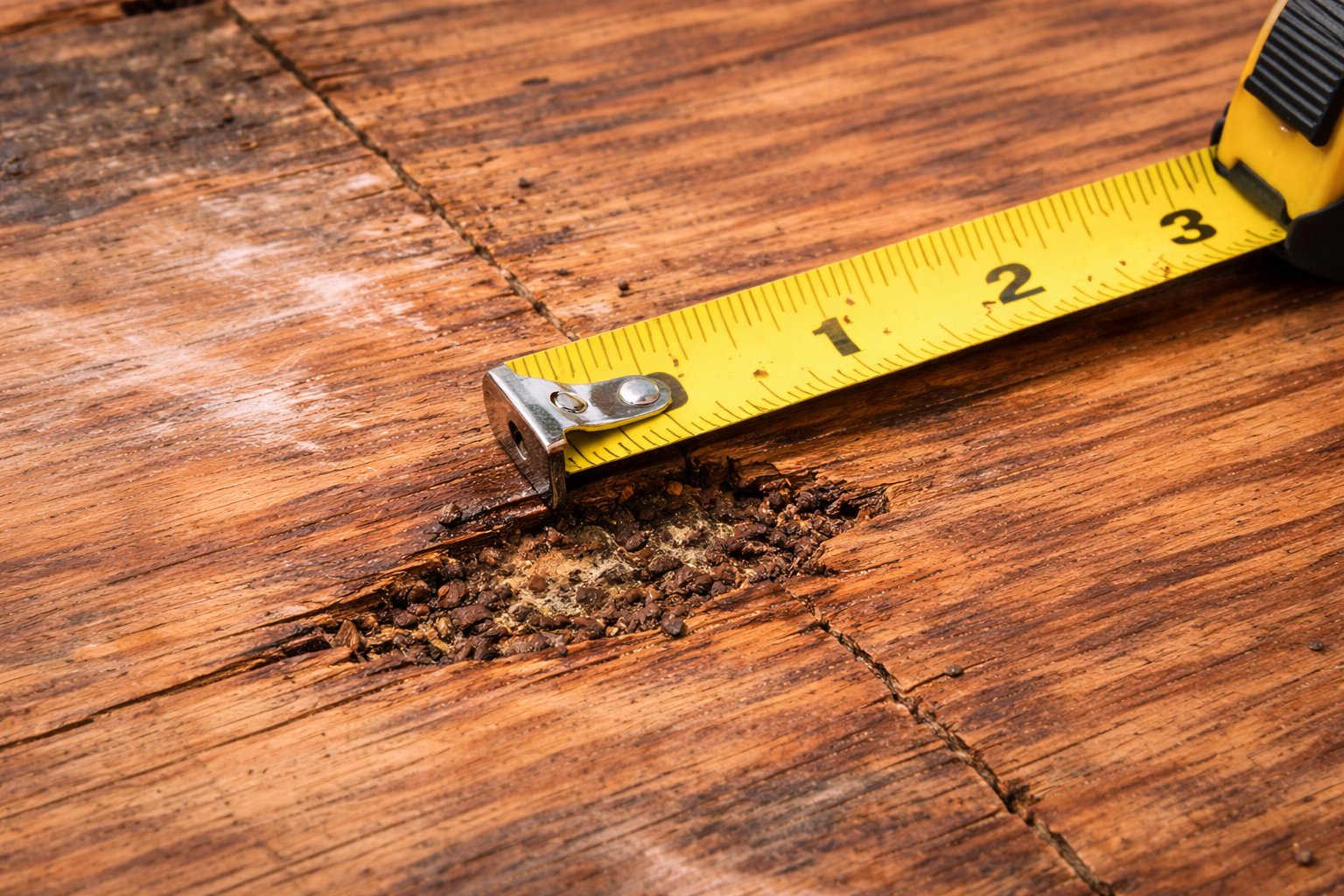
Termite Damage (Hardwood Flooring)
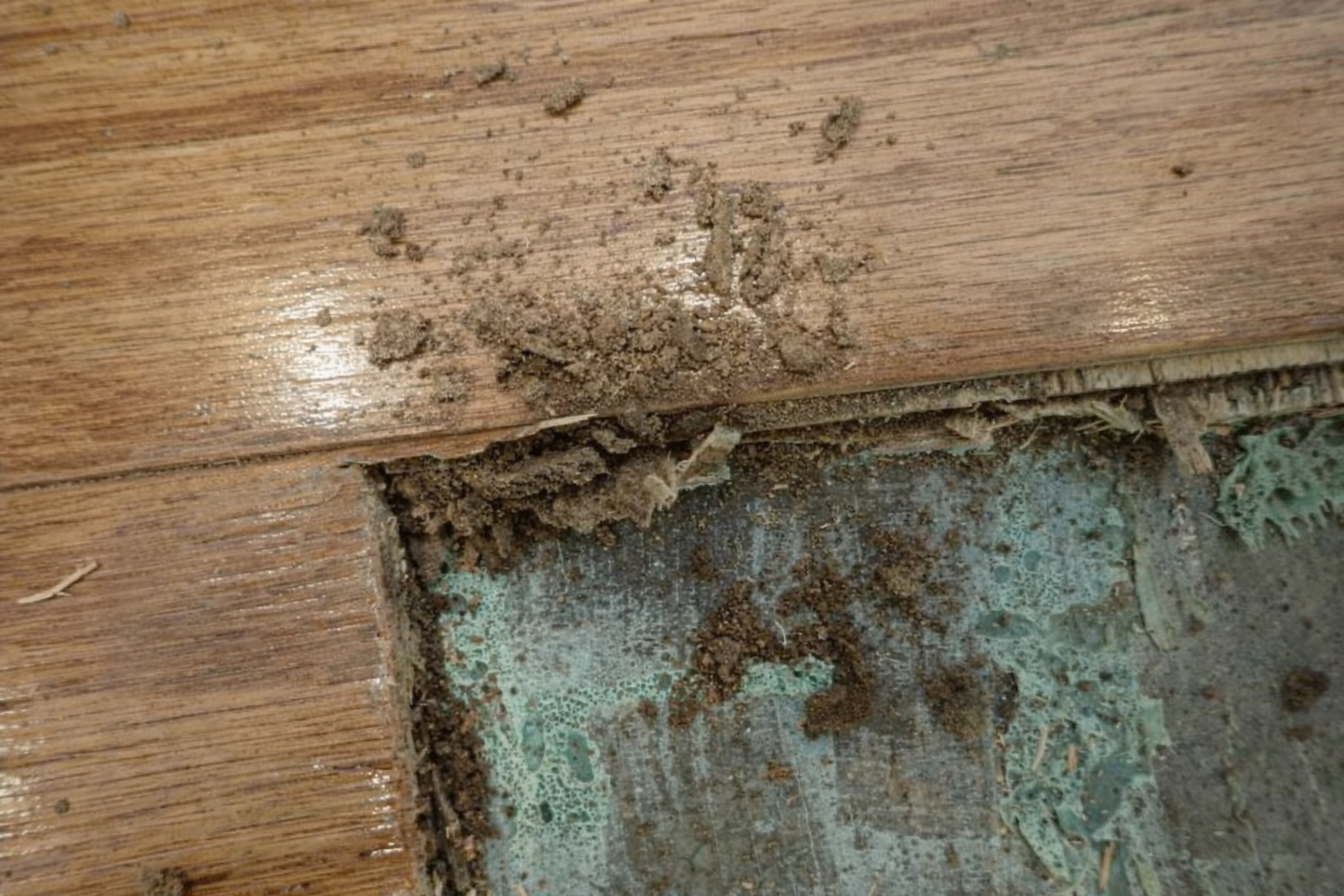
Bamboo Flooring Construction and Dimensional Behavior
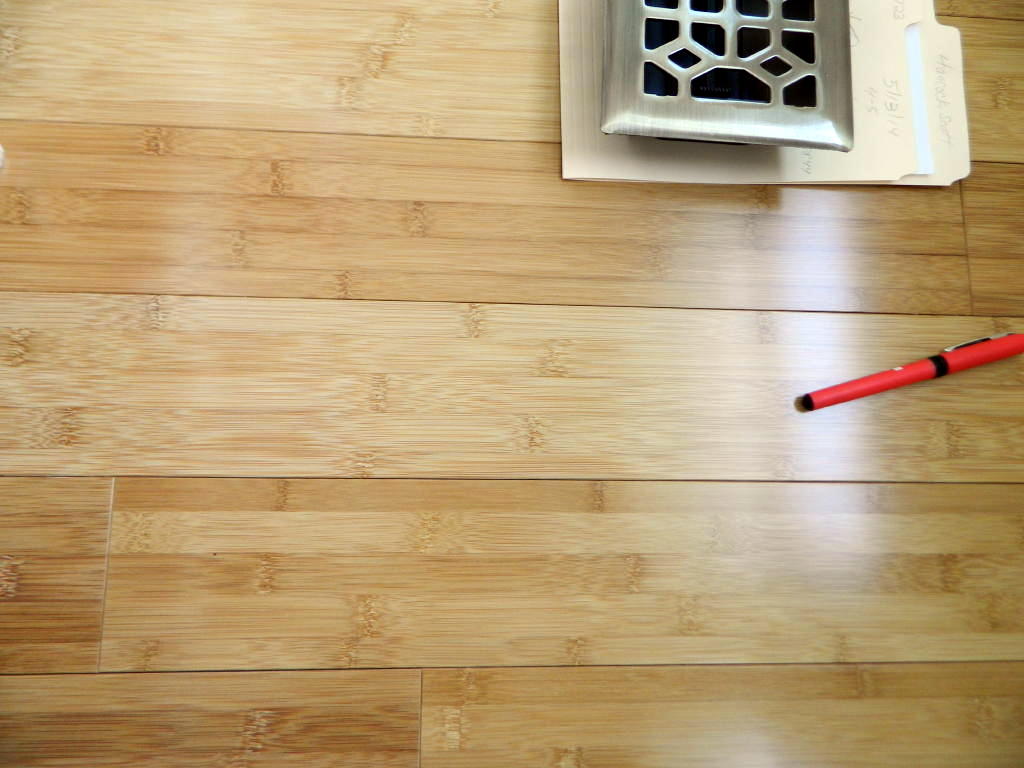
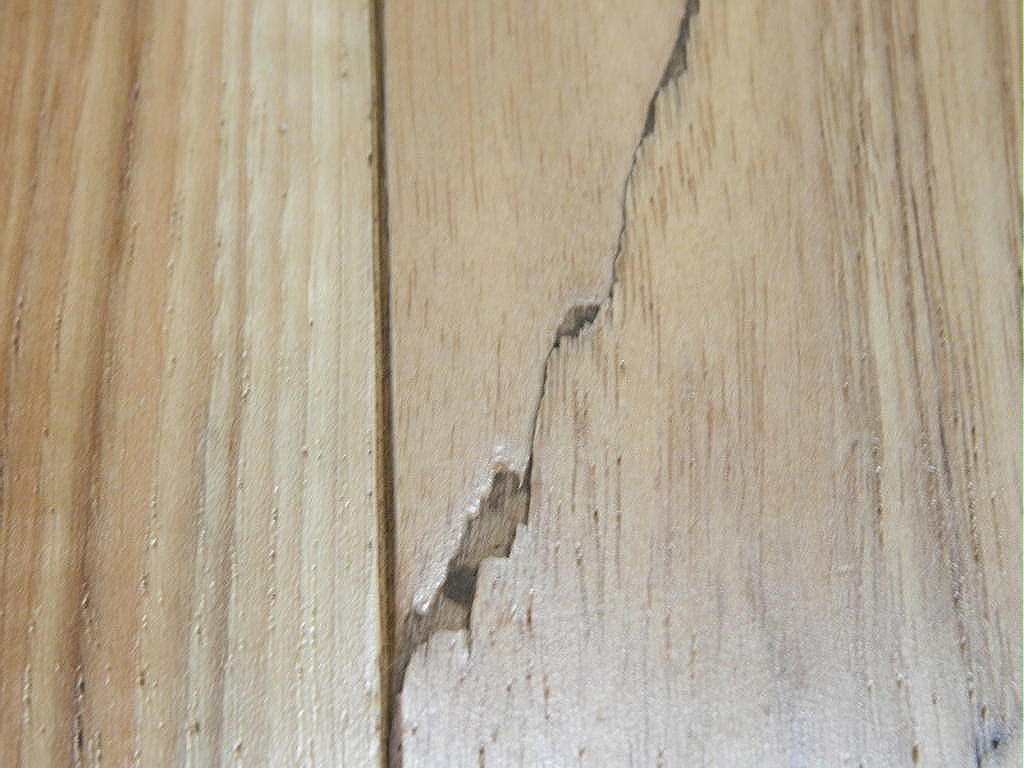
Checks vs. Splits vs. Shake (Solid Hardwood)
Grain Raise (Hardwood Finish Issue)
Splits – Cracks

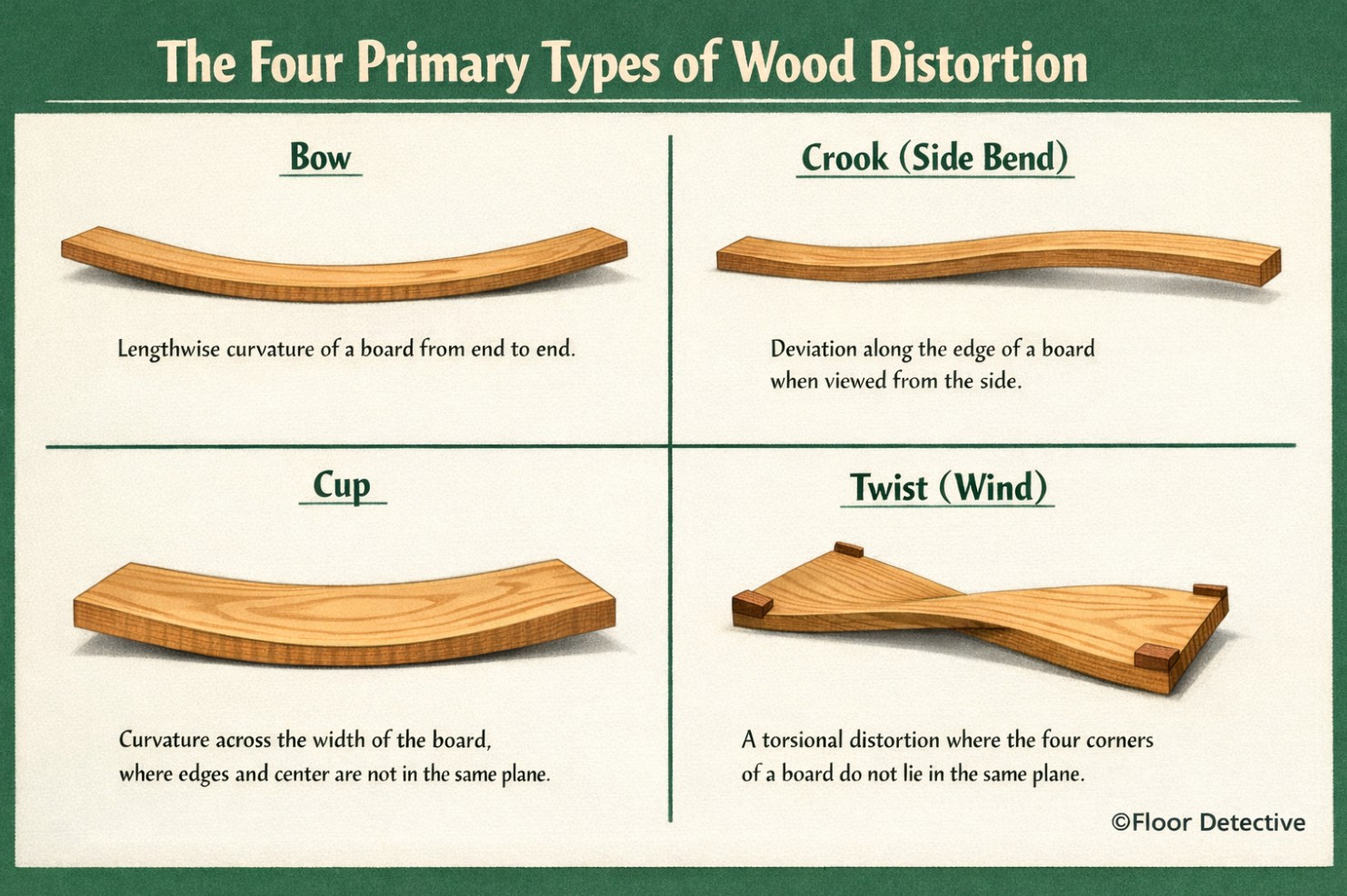
Wood Distortion
Wood Shear (Engineered Flooring)