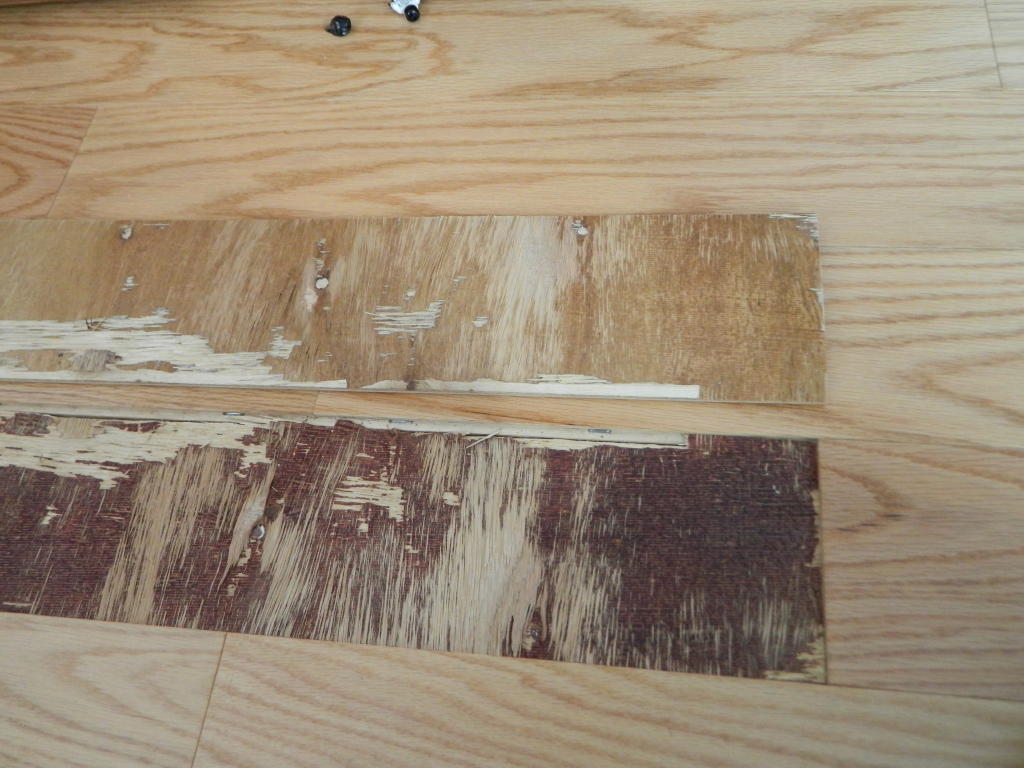
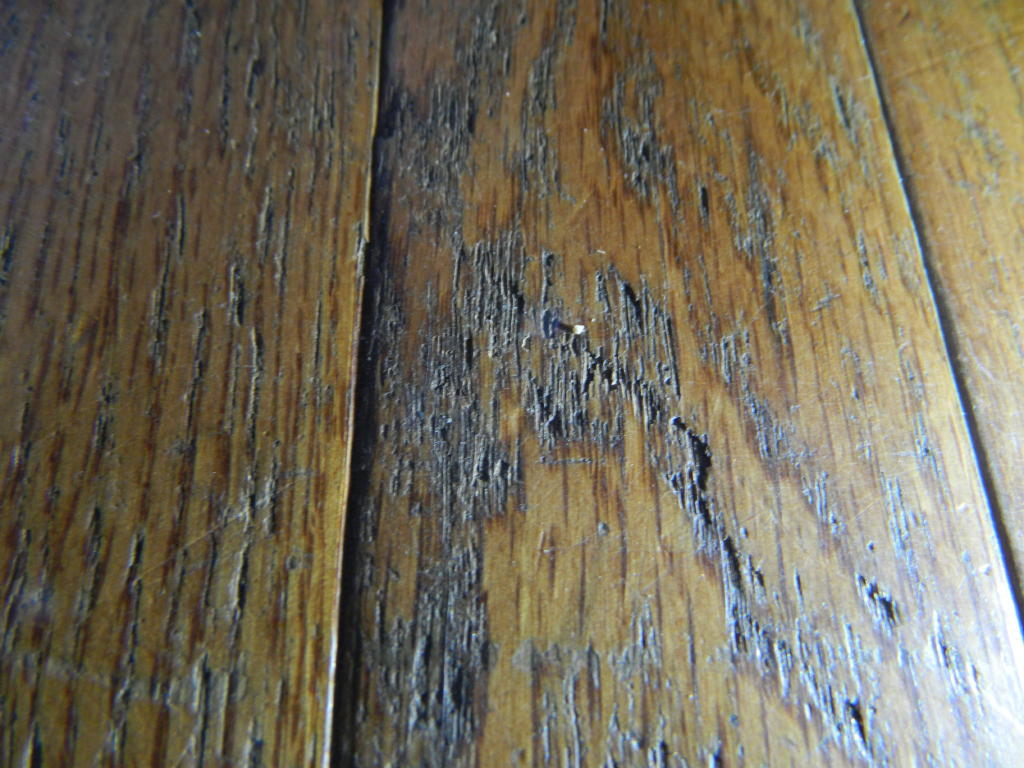
Greenhouse Effect
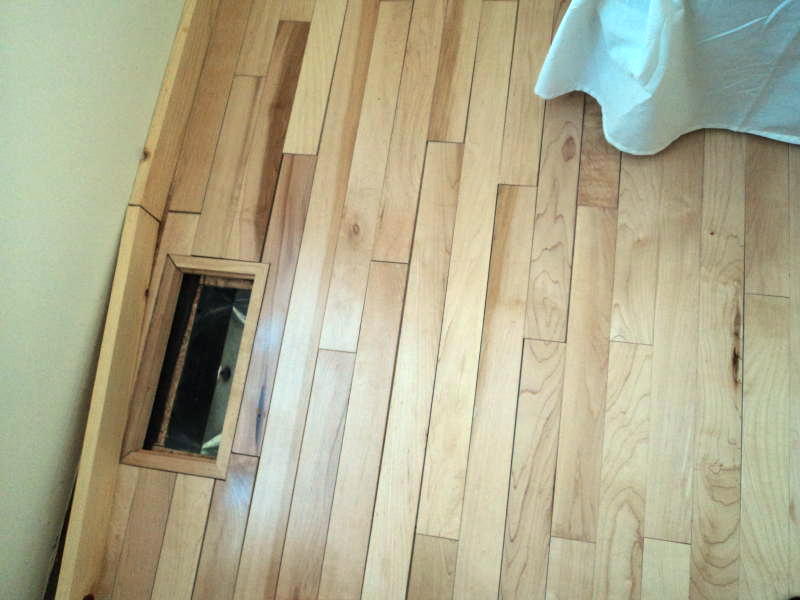
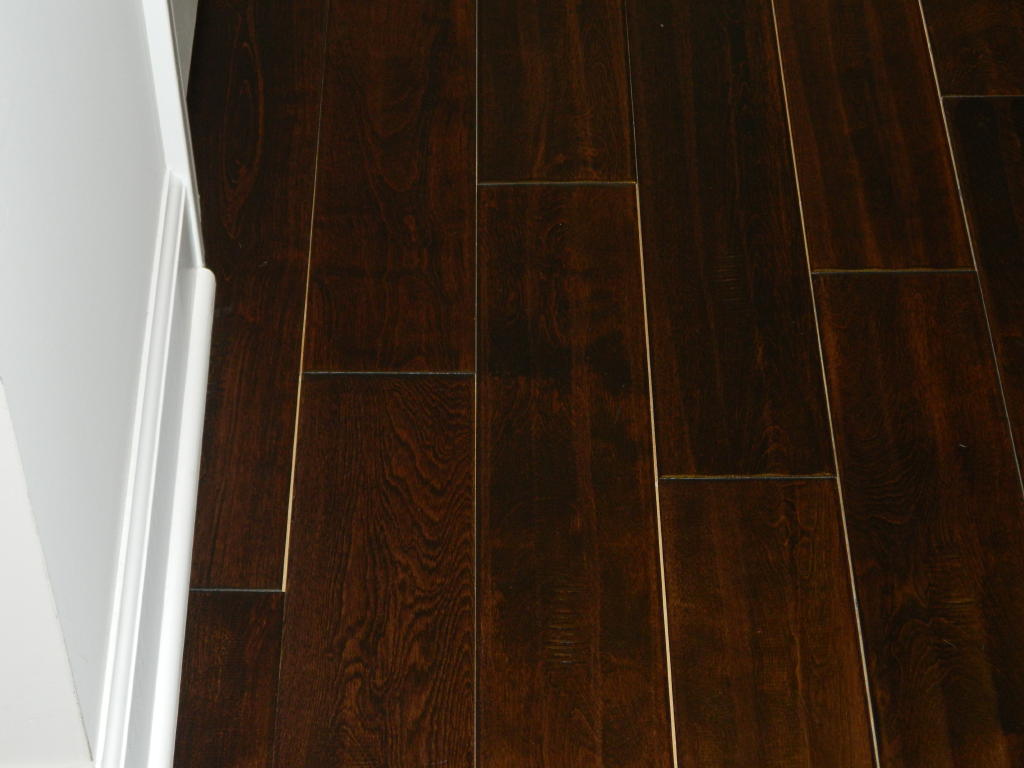


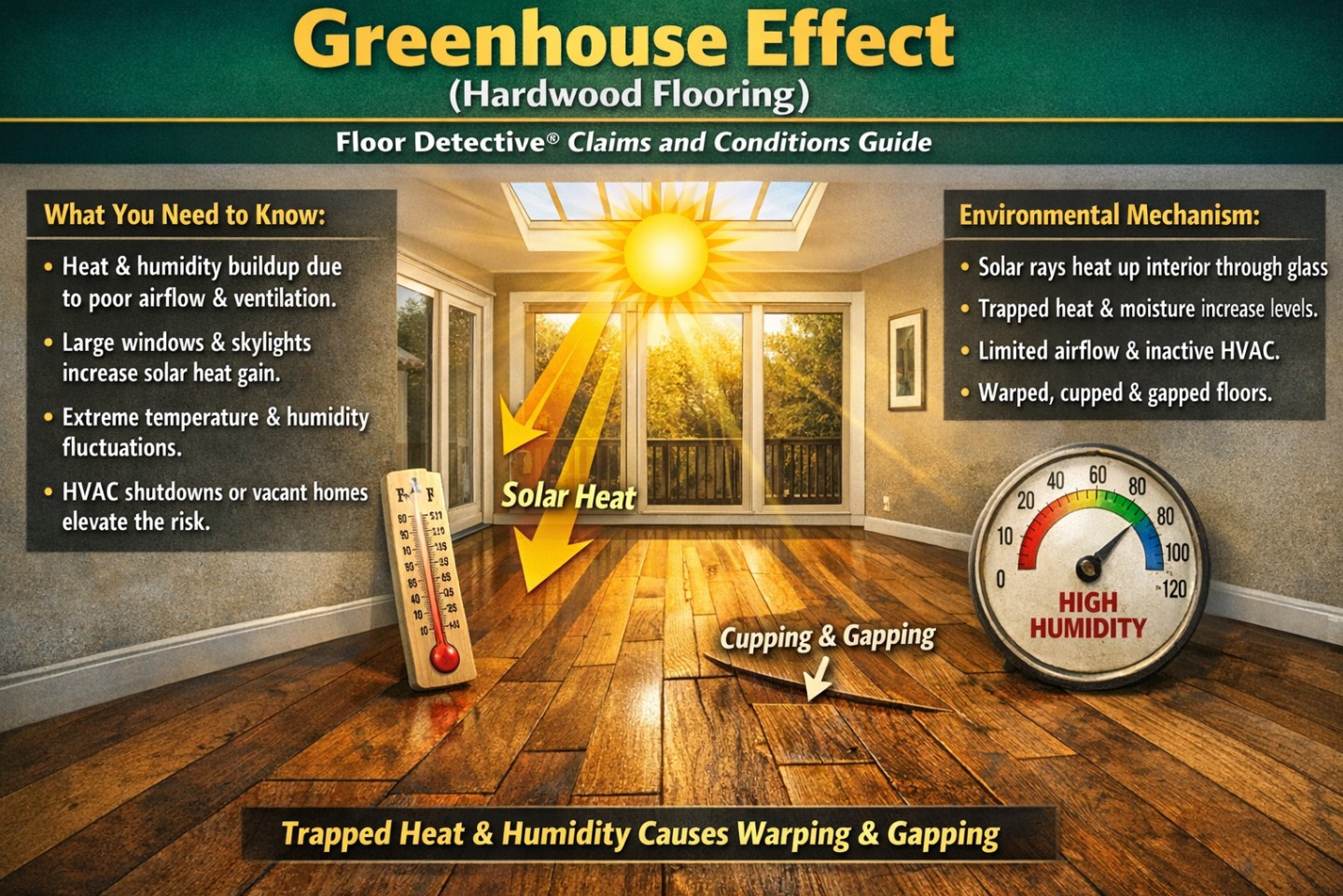
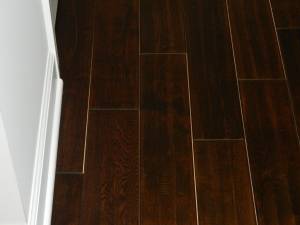

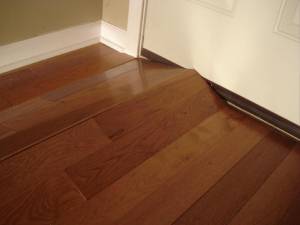
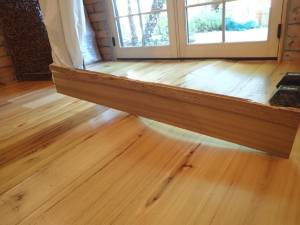
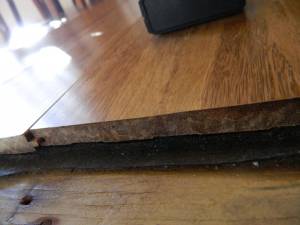

Greenhouse Effect (Hardwood Flooring)
Floor Detective® Claims and Conditions Guide
Summary
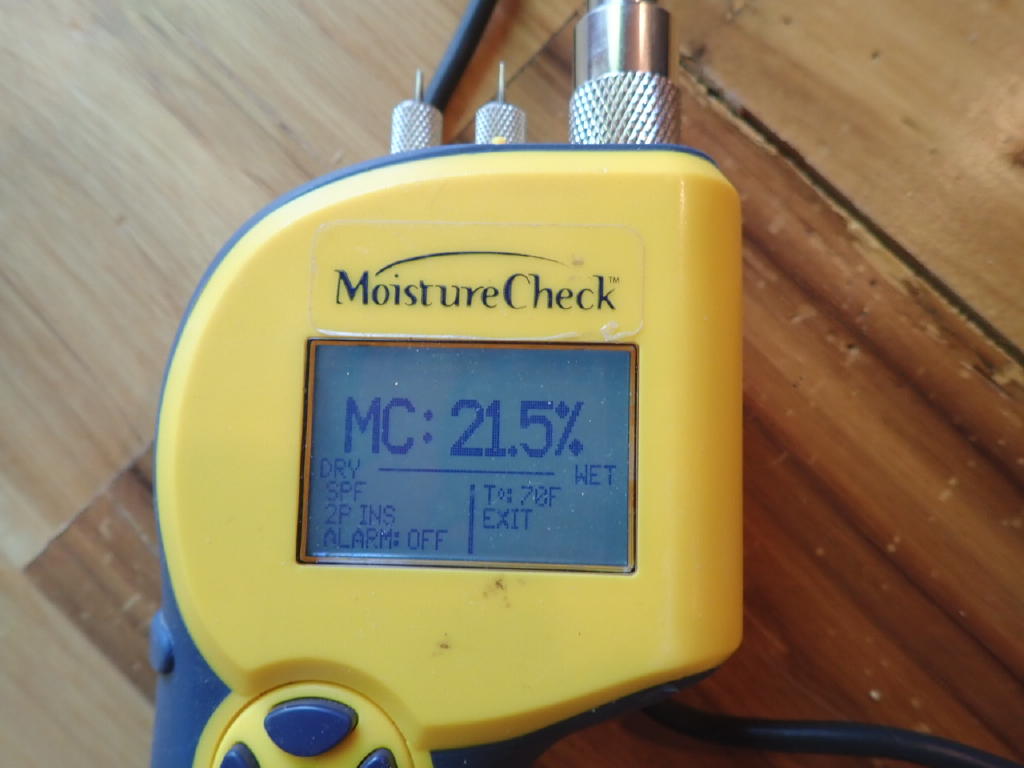
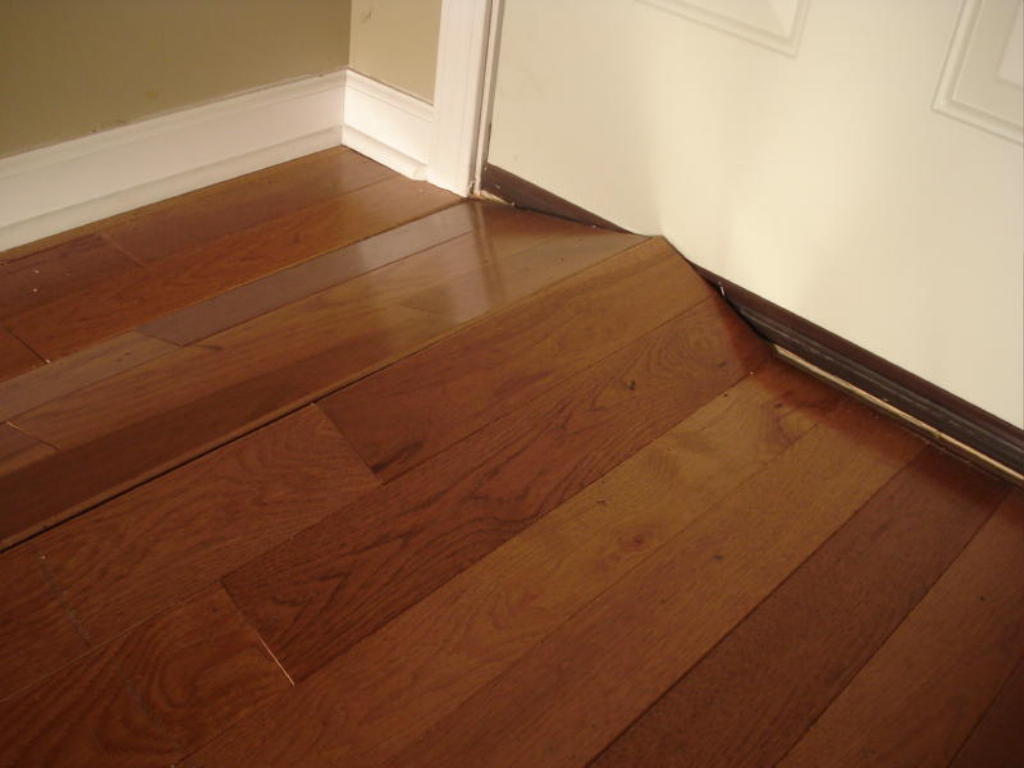
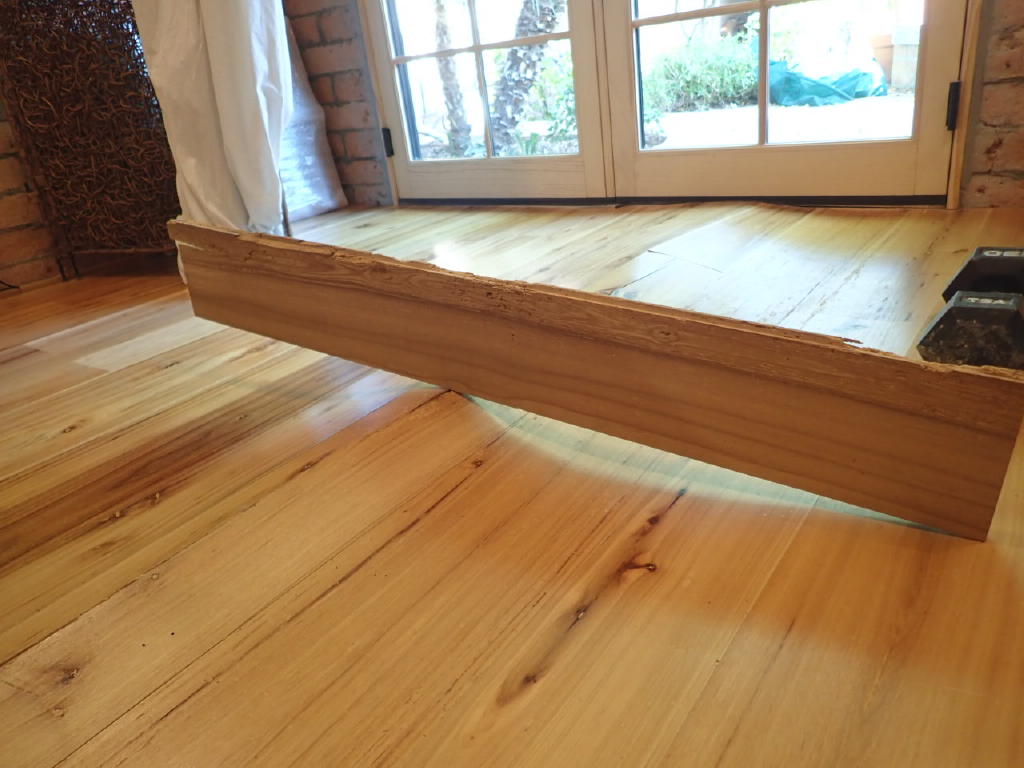
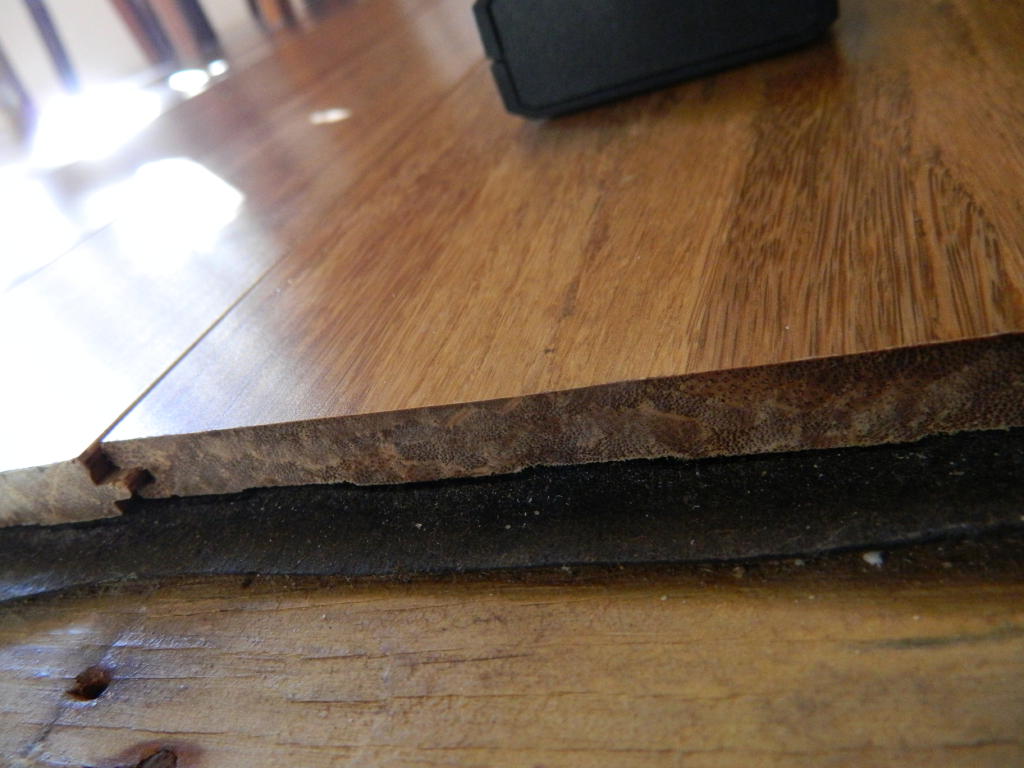
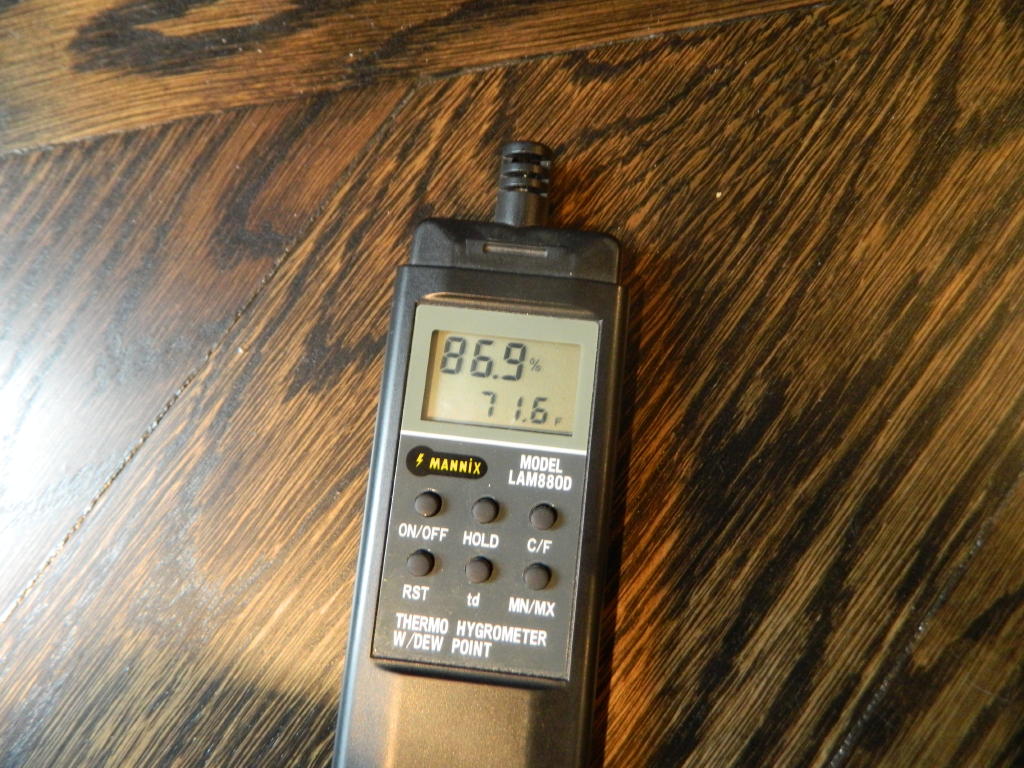
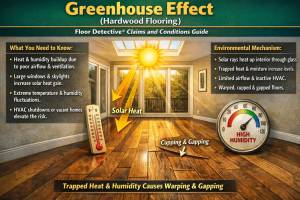
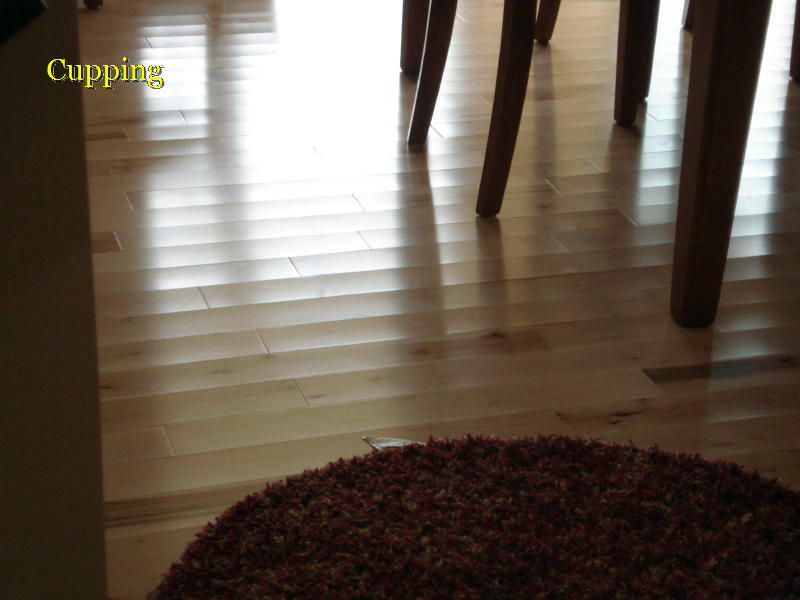
The greenhouse effect, as it relates to hardwood flooring, is an environmental exposure condition in which solar heat gain and limited air exchange allow interior temperature and humidity conditions to rise beyond normal in-service ranges. Homes with extensive glass exposure, large sun-facing windows, inactive HVAC systems, limited ventilation, or prolonged vacancy may experience significant localized environmental accumulation. Elevated heat and humidity may alter wood moisture balance and create dimensional stress within hardwood flooring systems. Resulting movement may include cupping, buckling, crowning, gapping, end lift, end swell, compression set, or engineered flooring distortion depending on flooring construction and exposure severity. Solid hardwood and engineered hardwood may respond differently because of differences in board construction, layered stability, and moisture distribution through the flooring system. In the absence of material irregularity or installation instability, environmentally driven movement associated with greenhouse exposure does not independently establish manufacturing defect or installation nonconformance. Proper evaluation requires correlation between documented environmental exposure history and the observed flooring response pattern. See also Wood Distortion, Buckling Hardwood Flooring, and Hardwood Floor Problems for broader context.
Hardwood Floor Problems
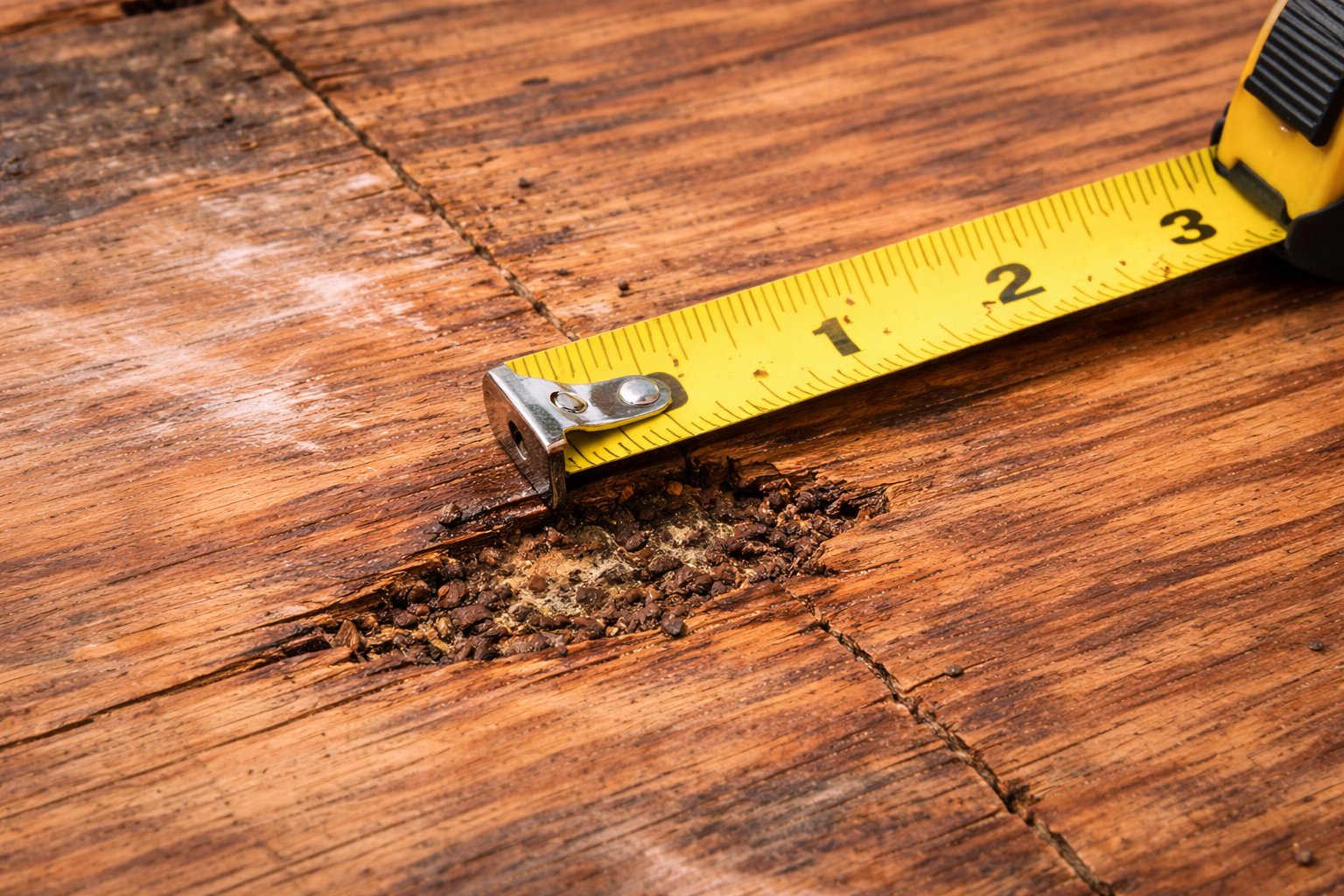
Wood Decay (Hardwood Flooring)
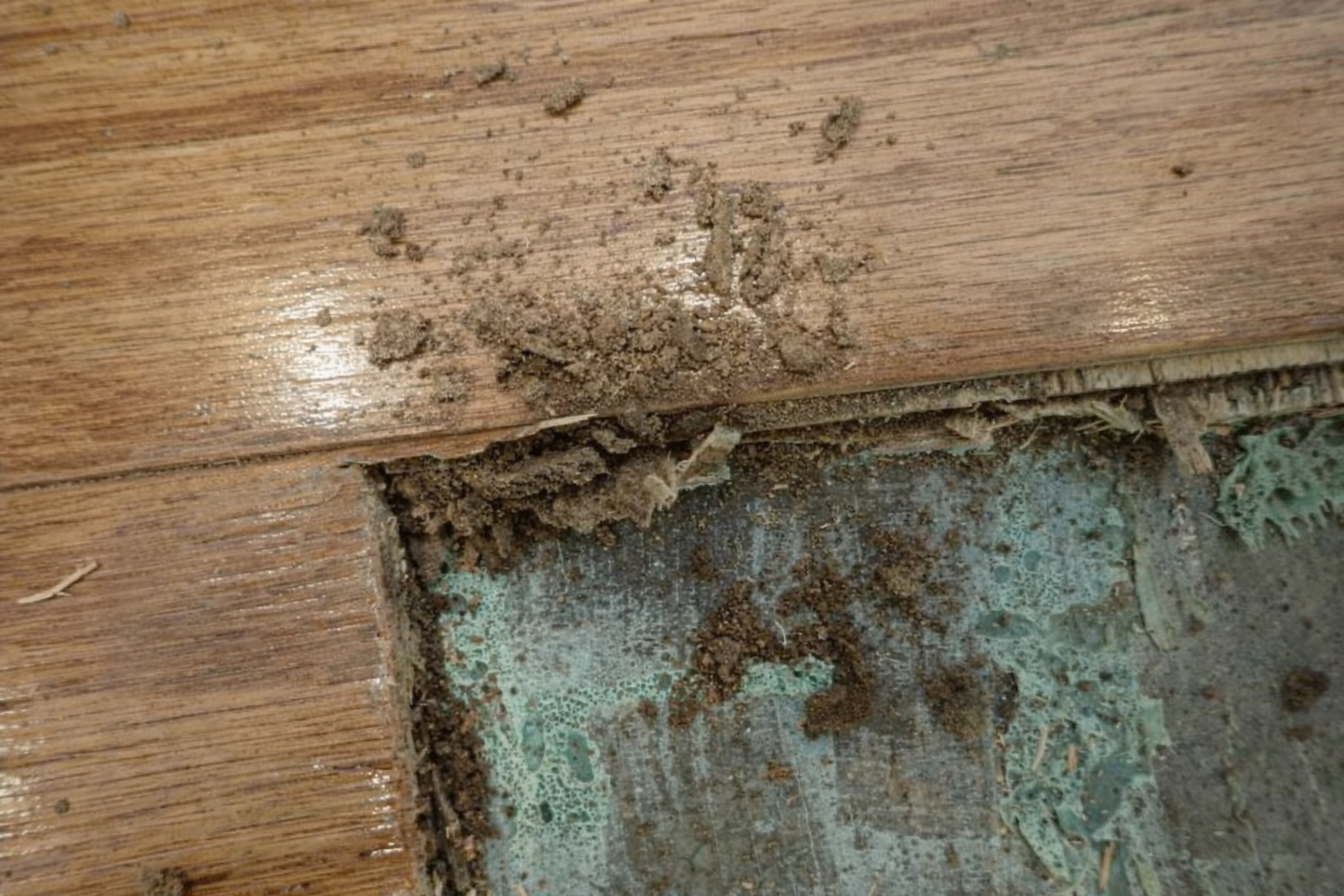
Termite Damage (Hardwood Flooring)
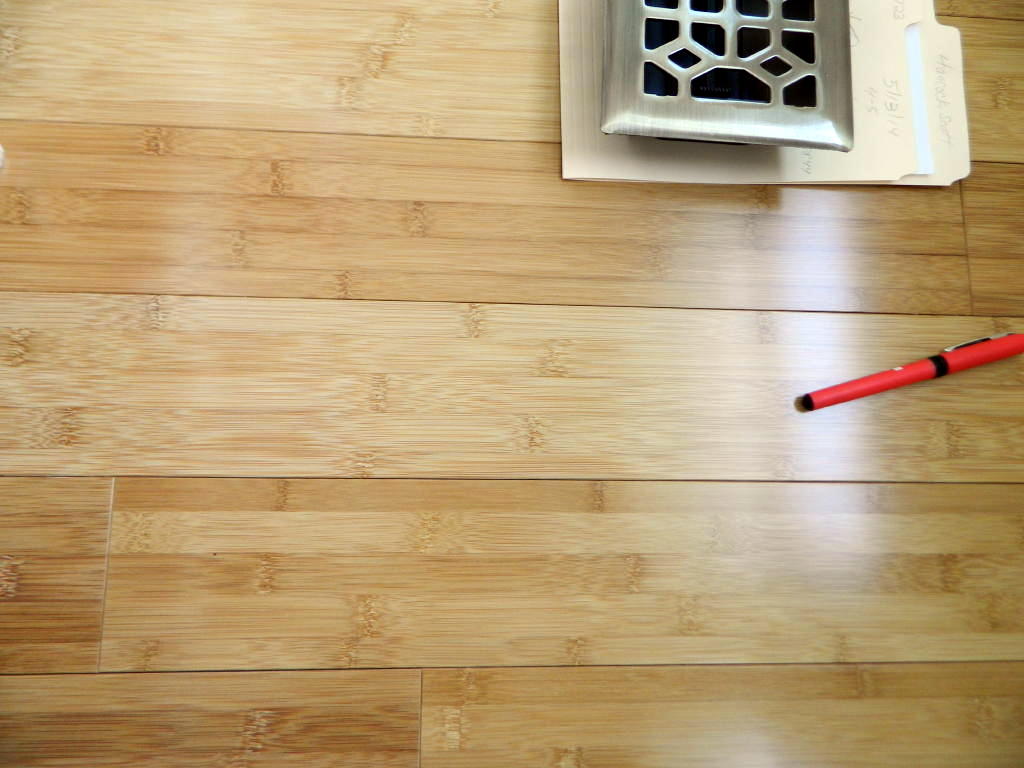
Bamboo Flooring Construction and Dimensional Behavior
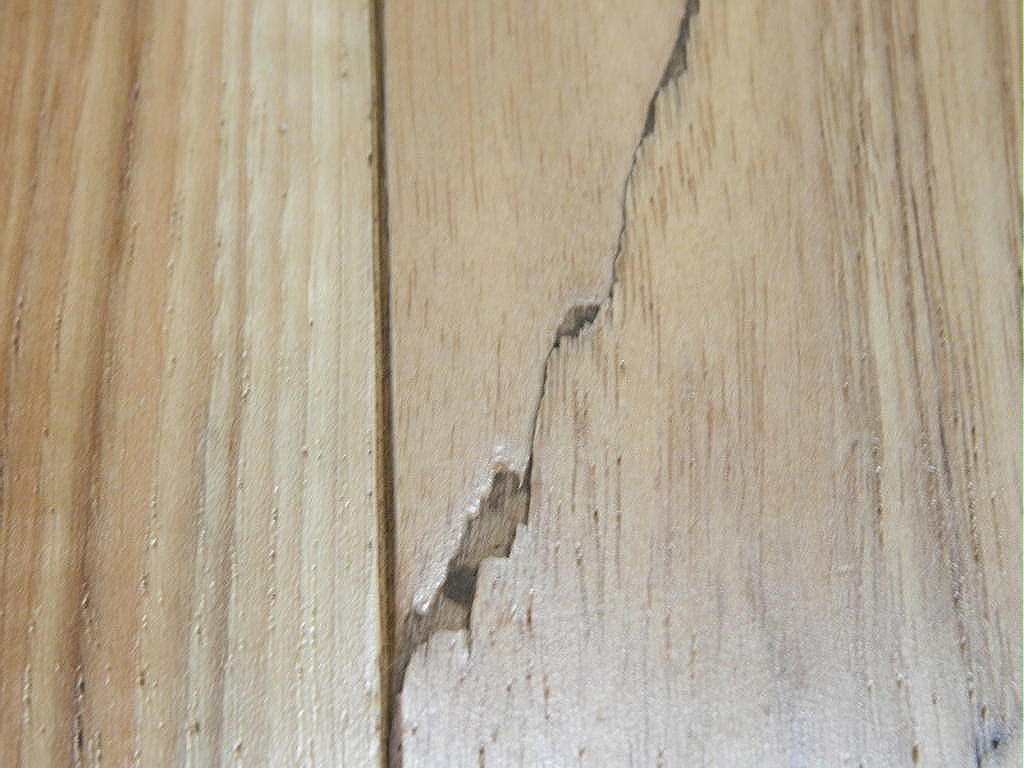
Checks vs. Splits vs. Shake (Solid Hardwood)
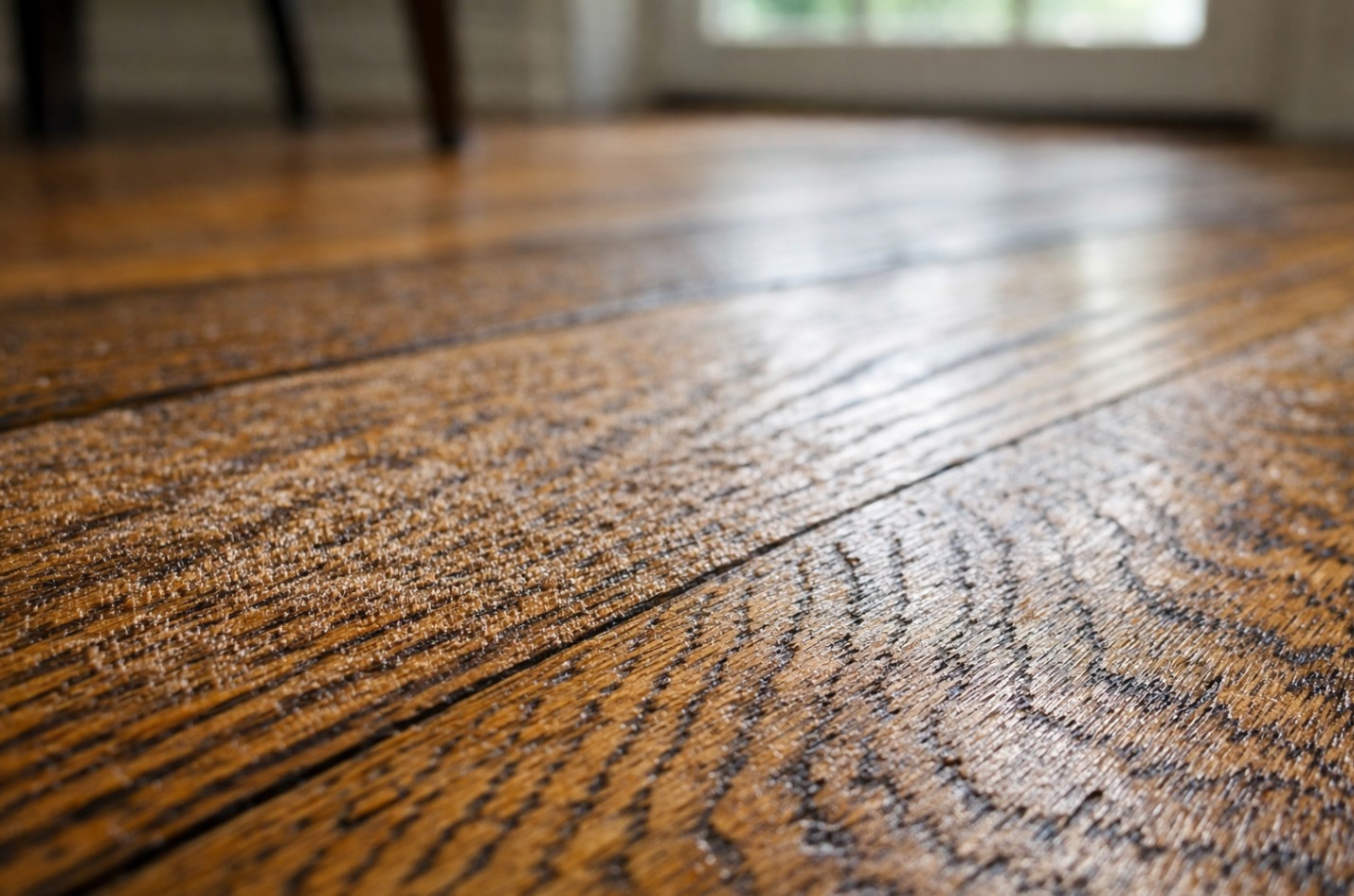
Grain Raise (Hardwood Finish Issue)
Splits – Cracks

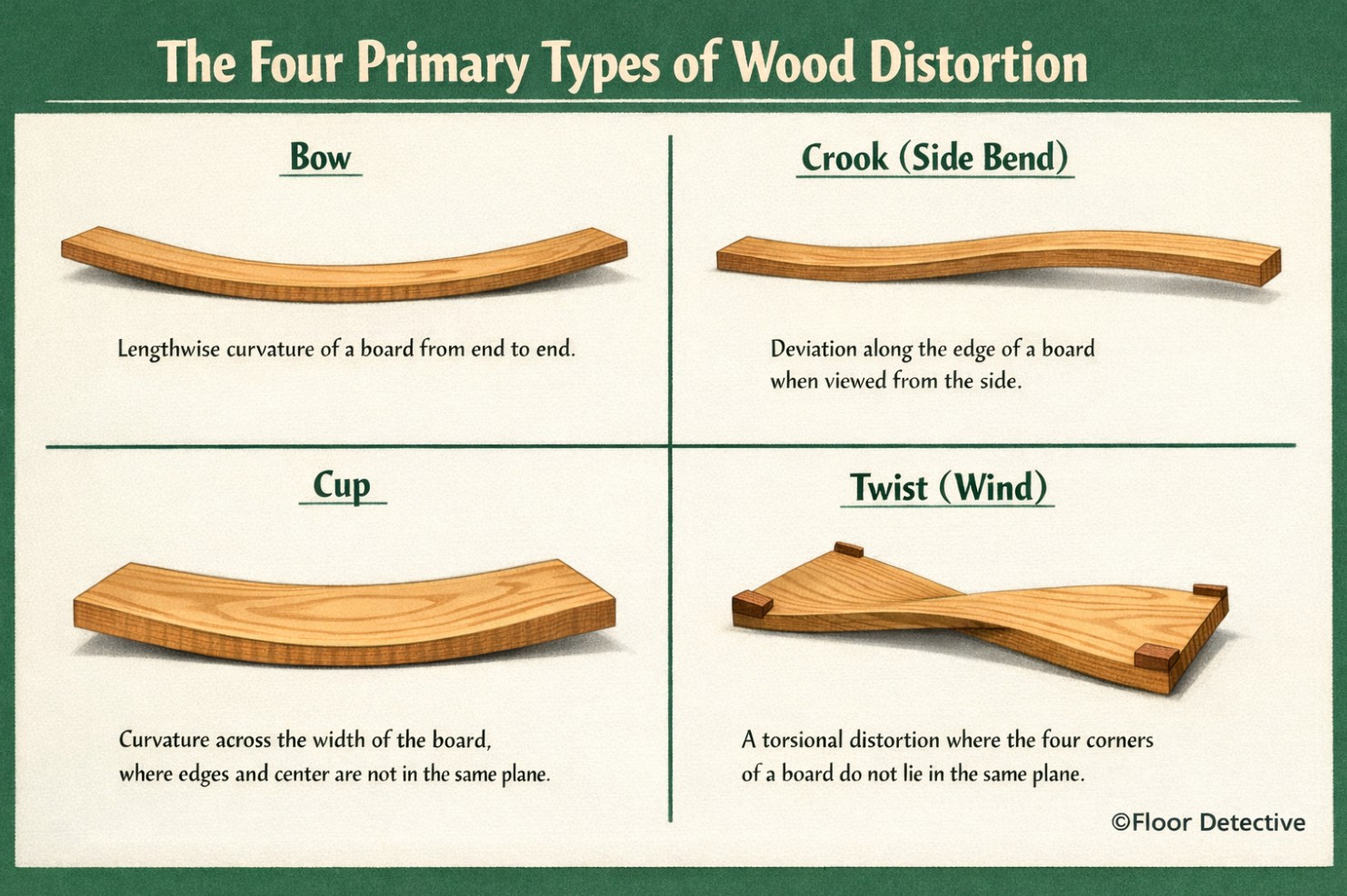
Wood Distortion
Wood Shear (Engineered Flooring)