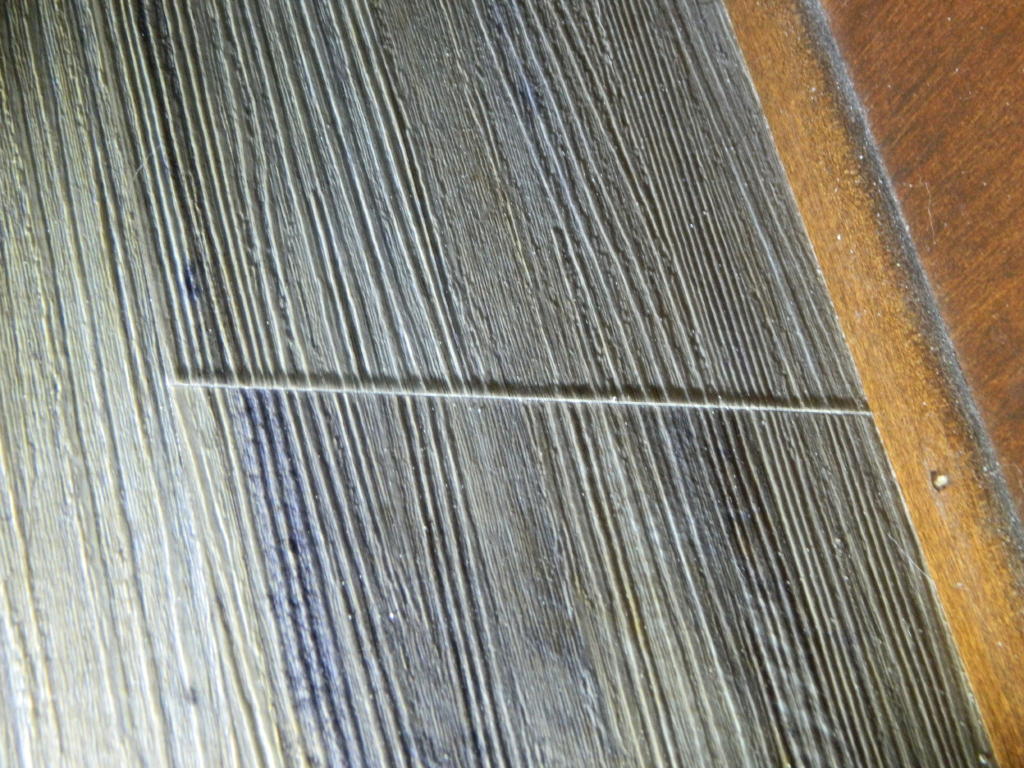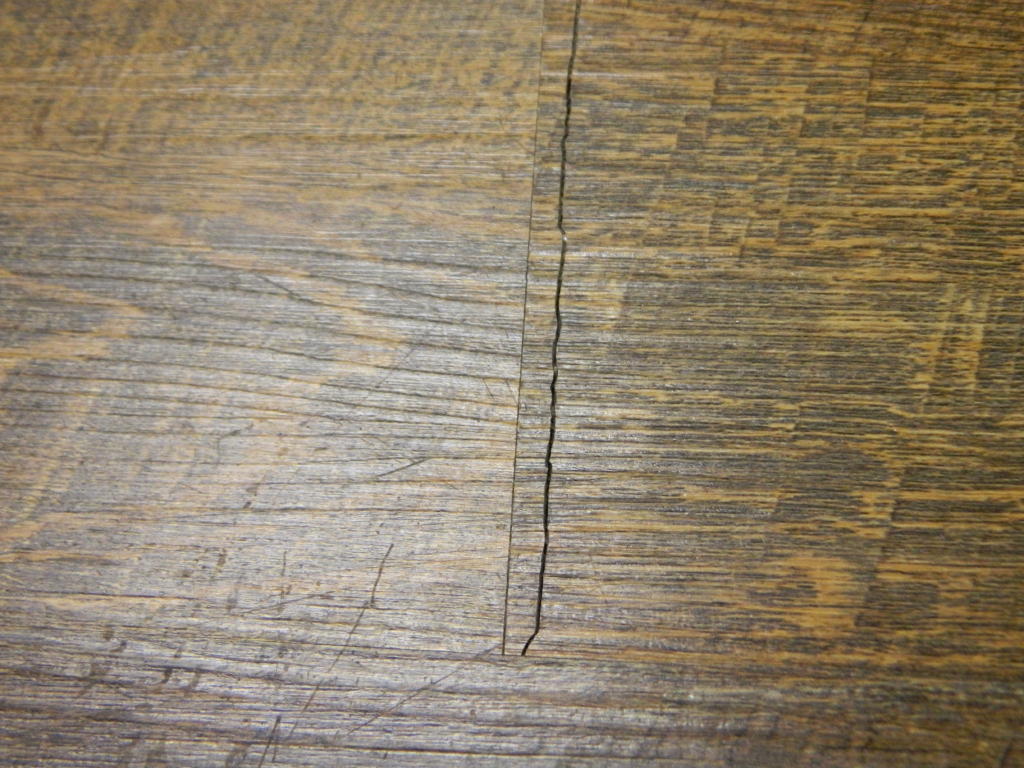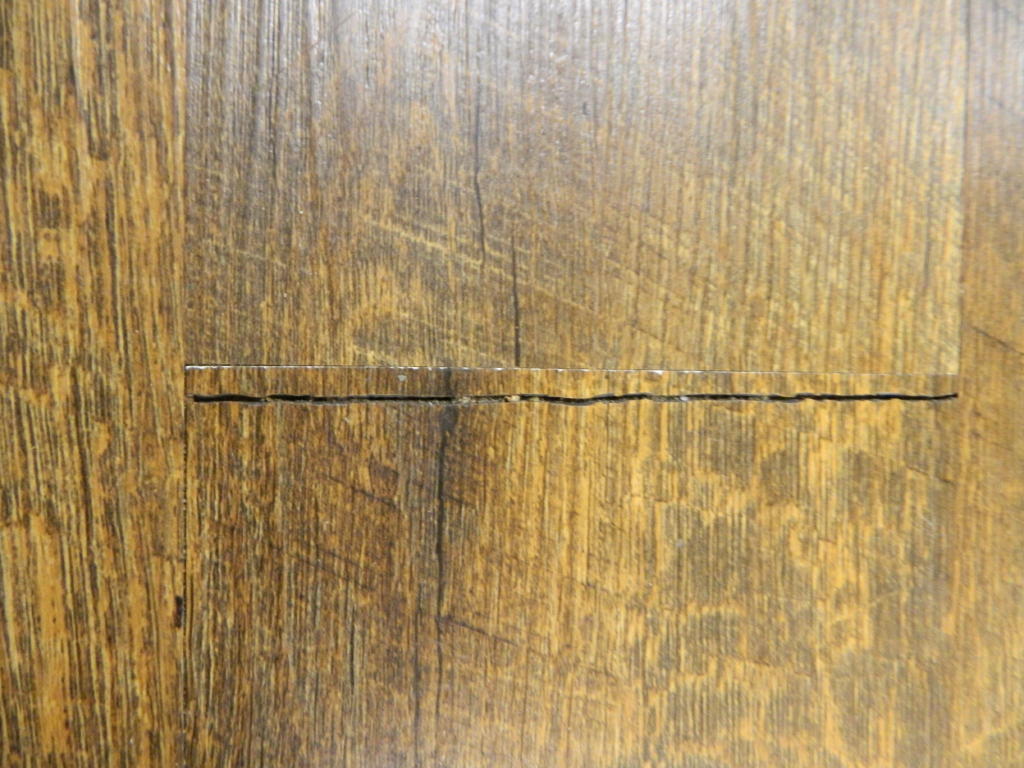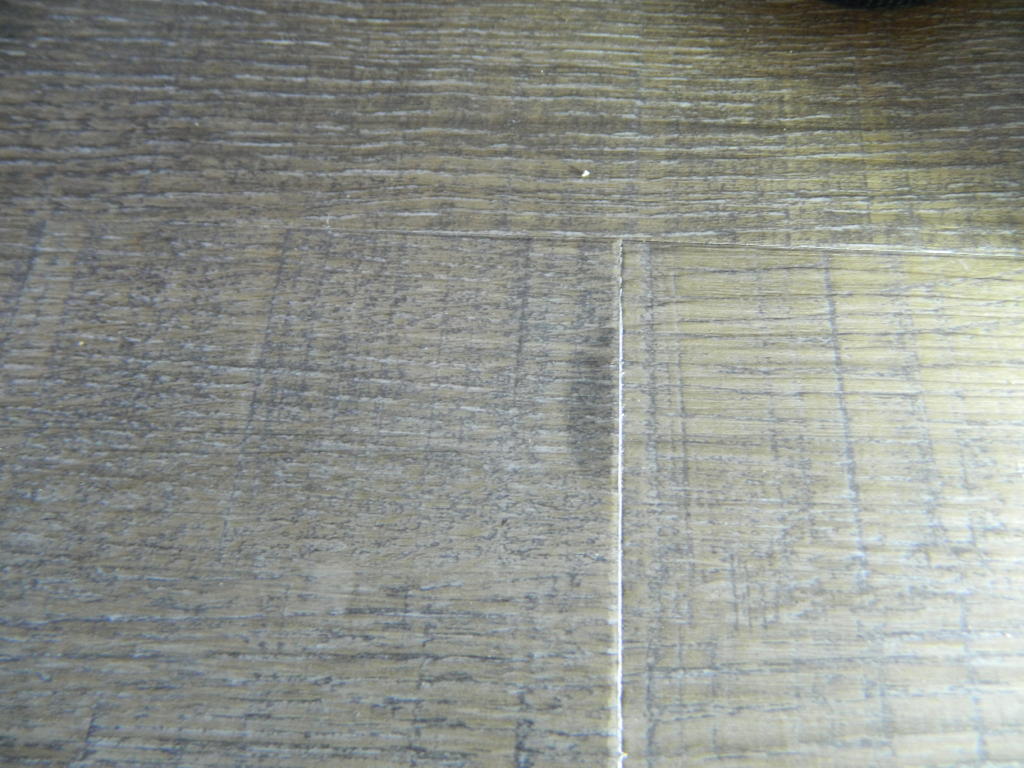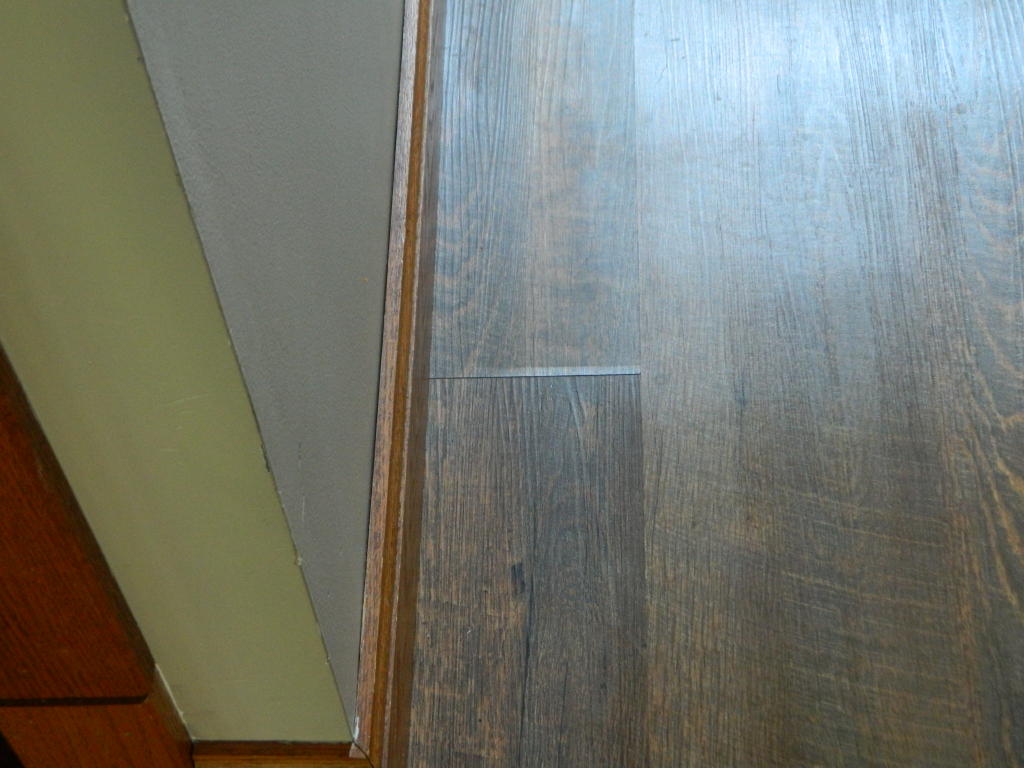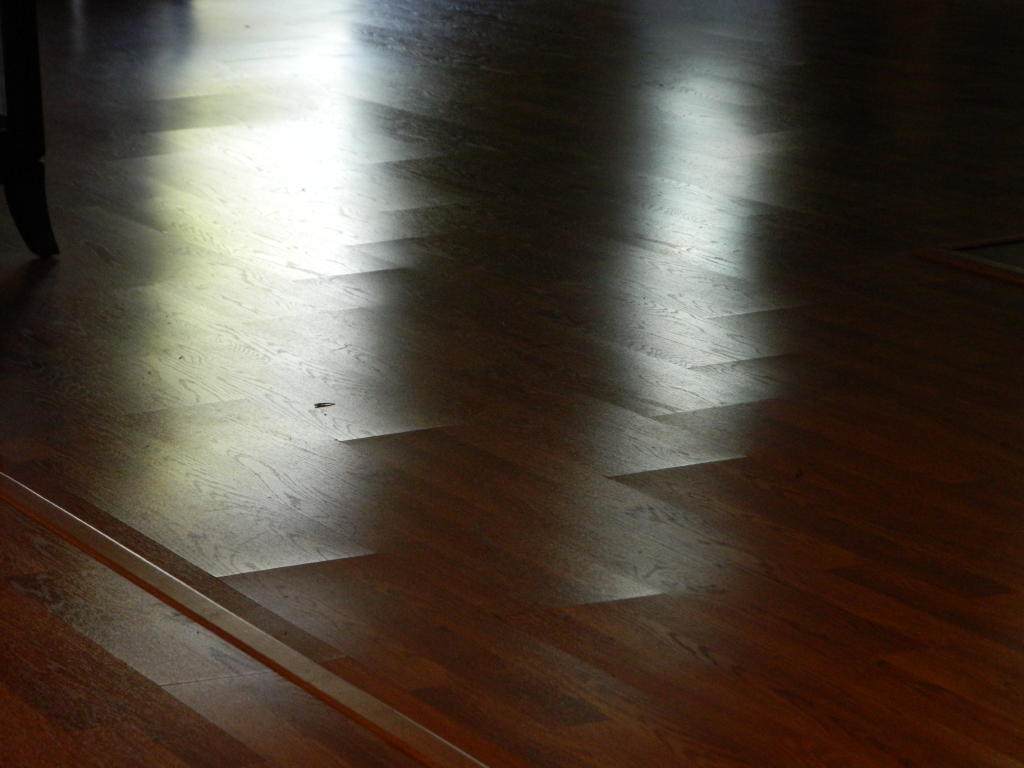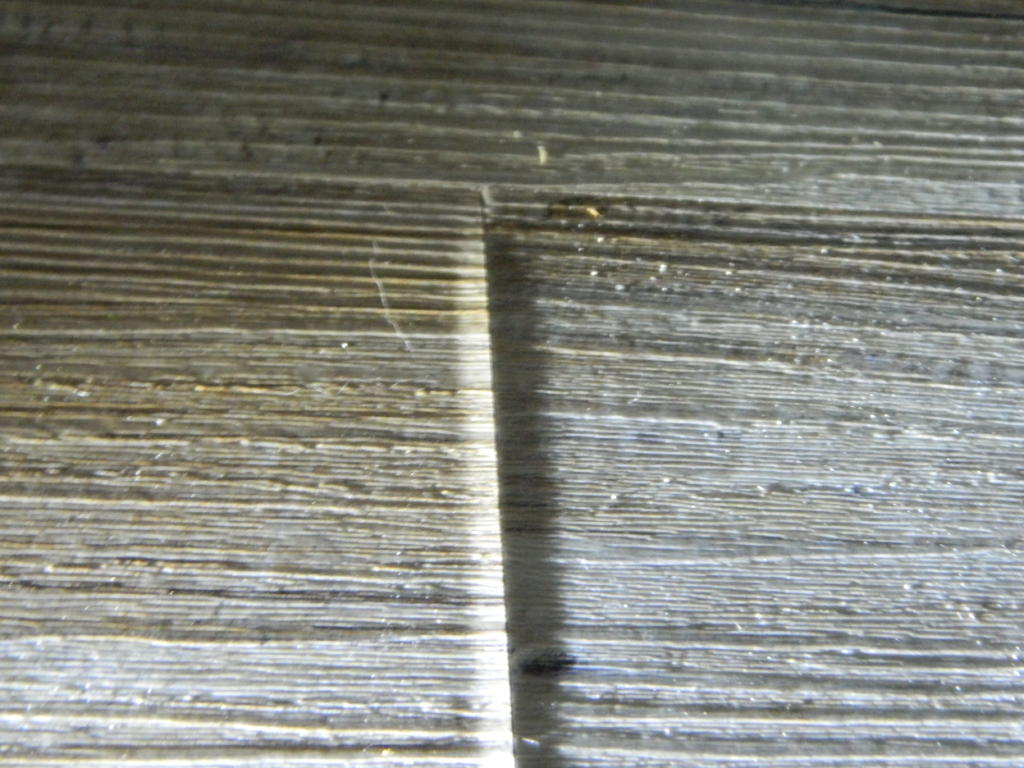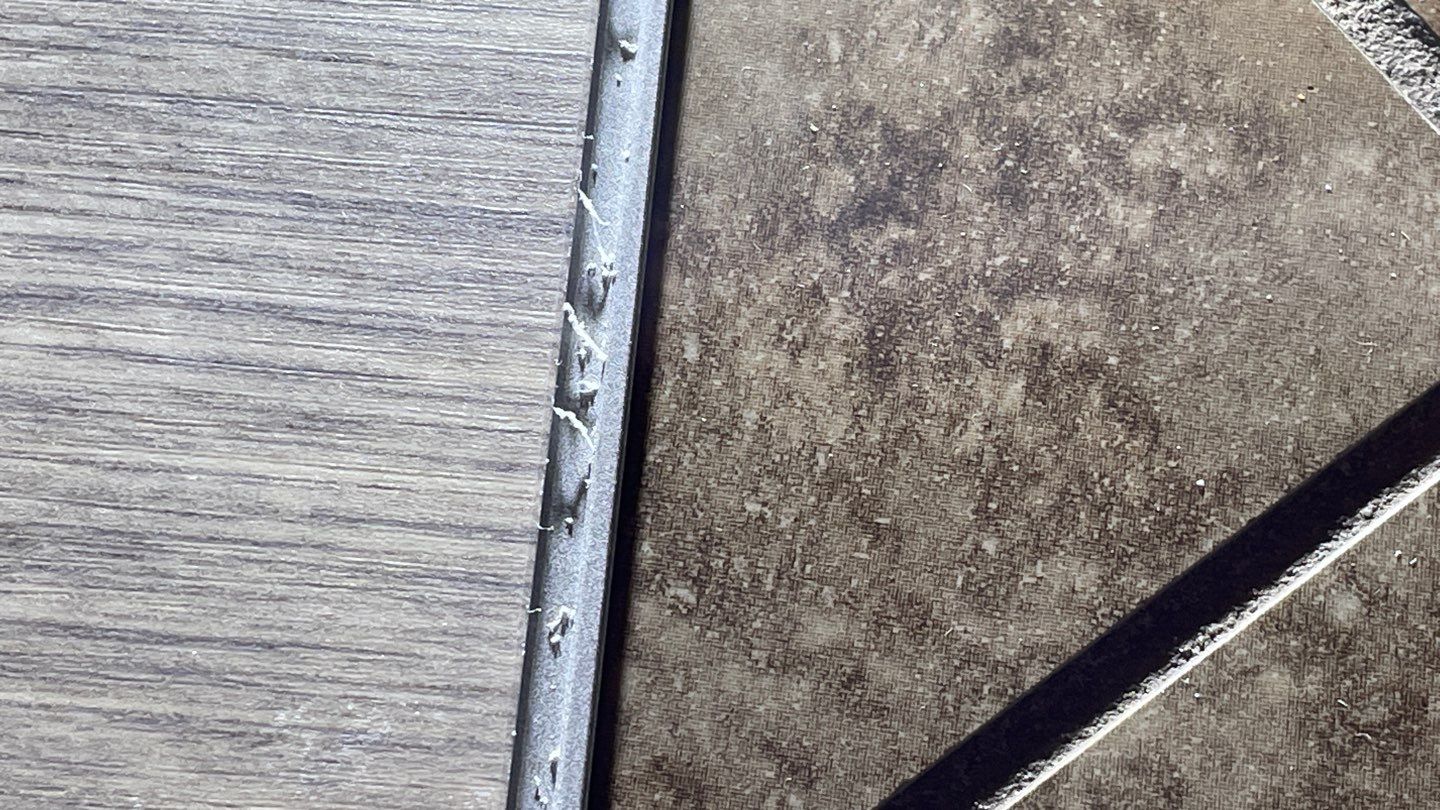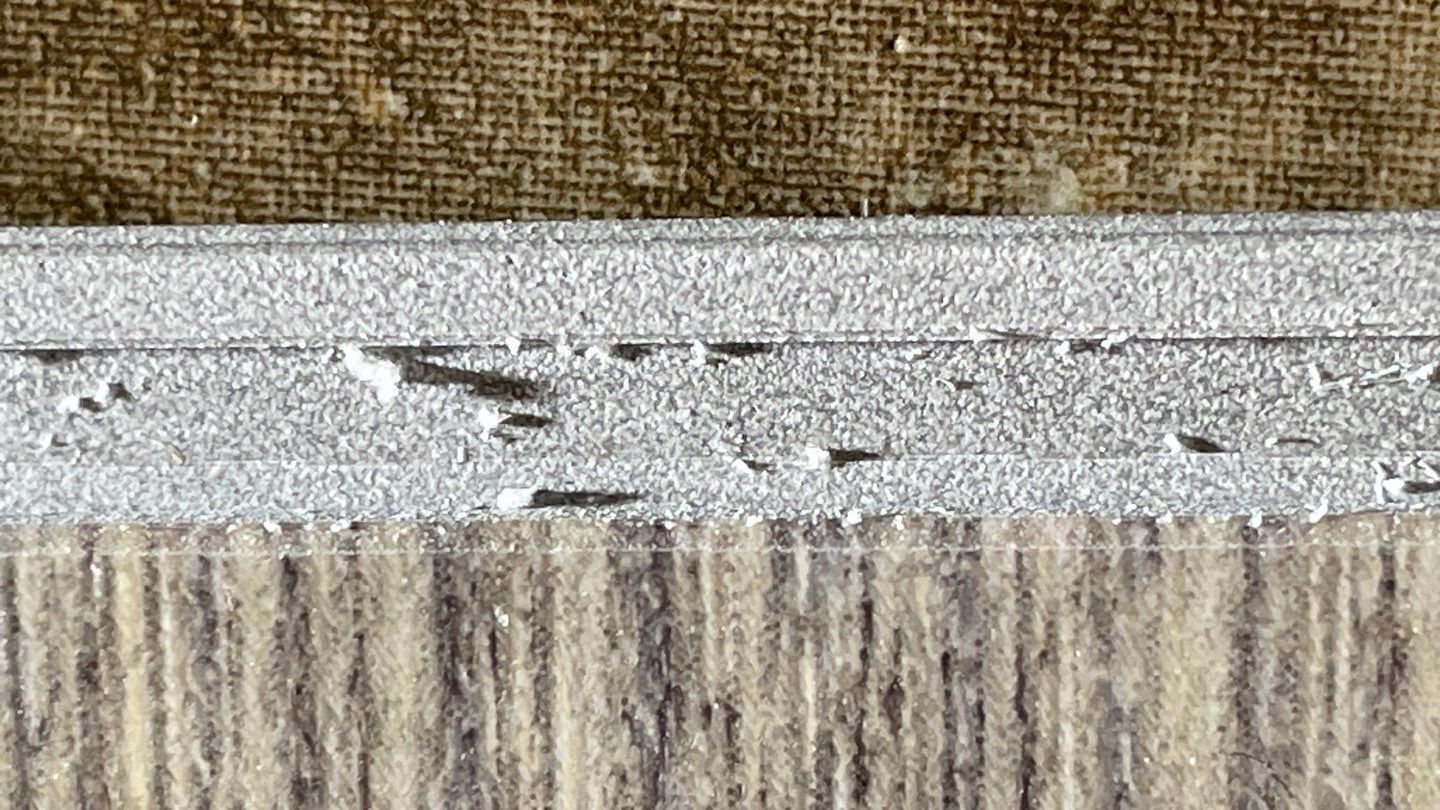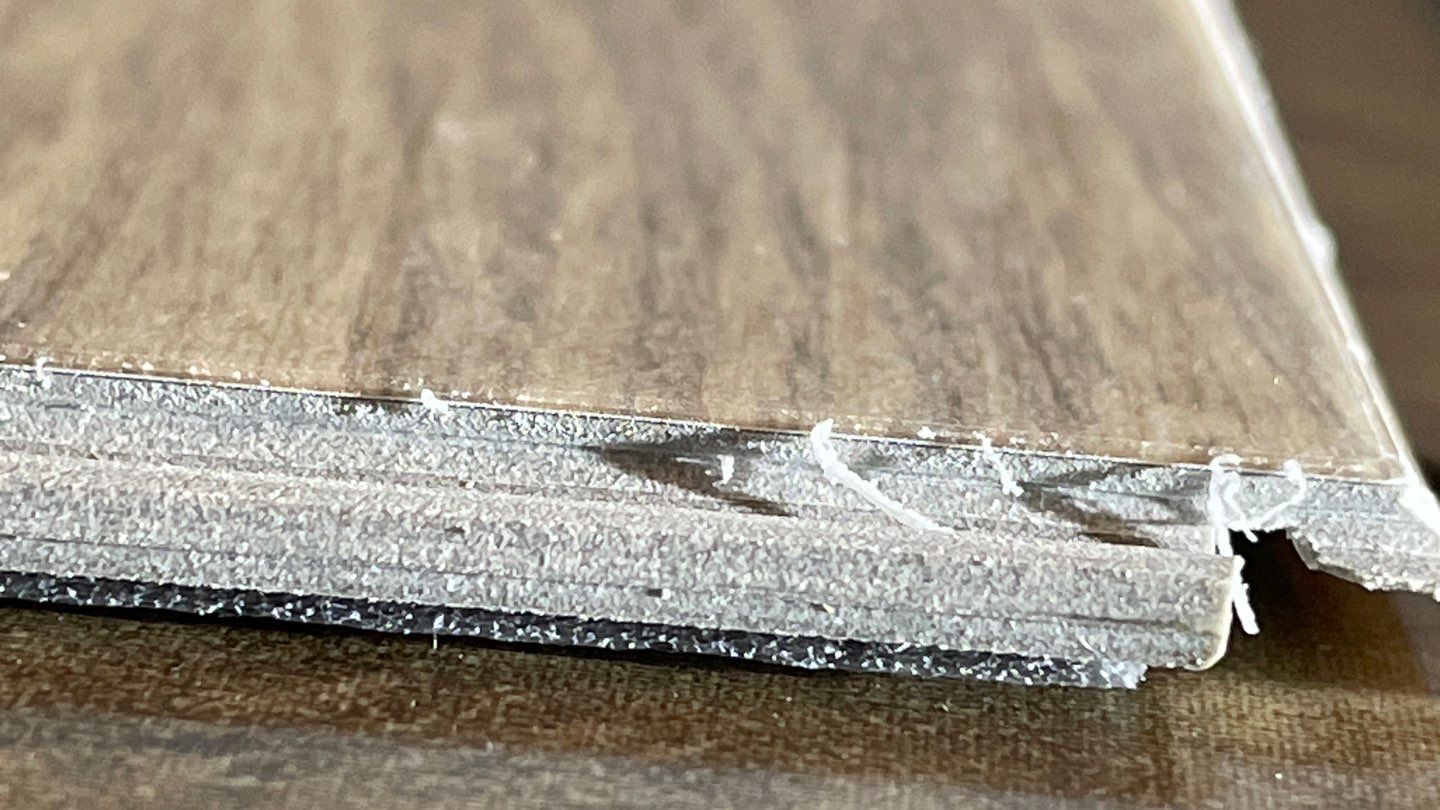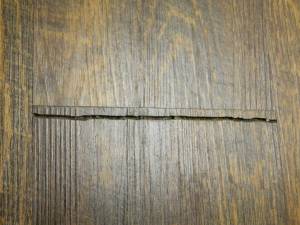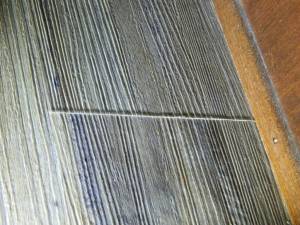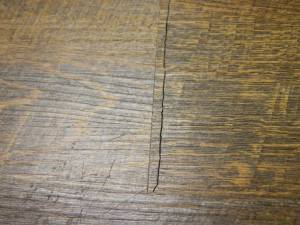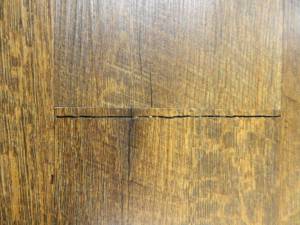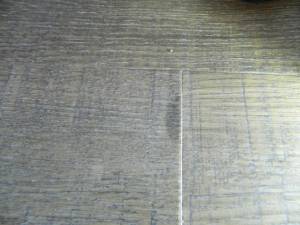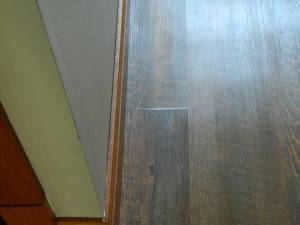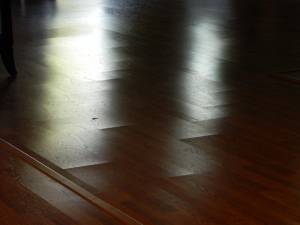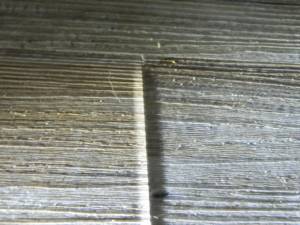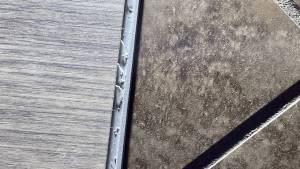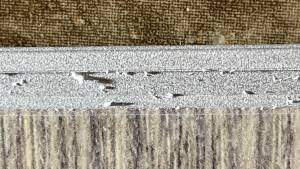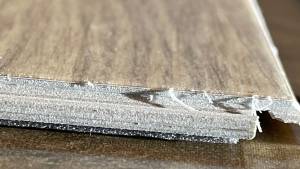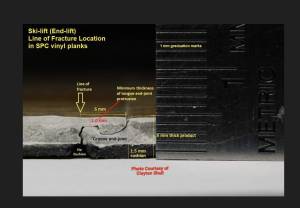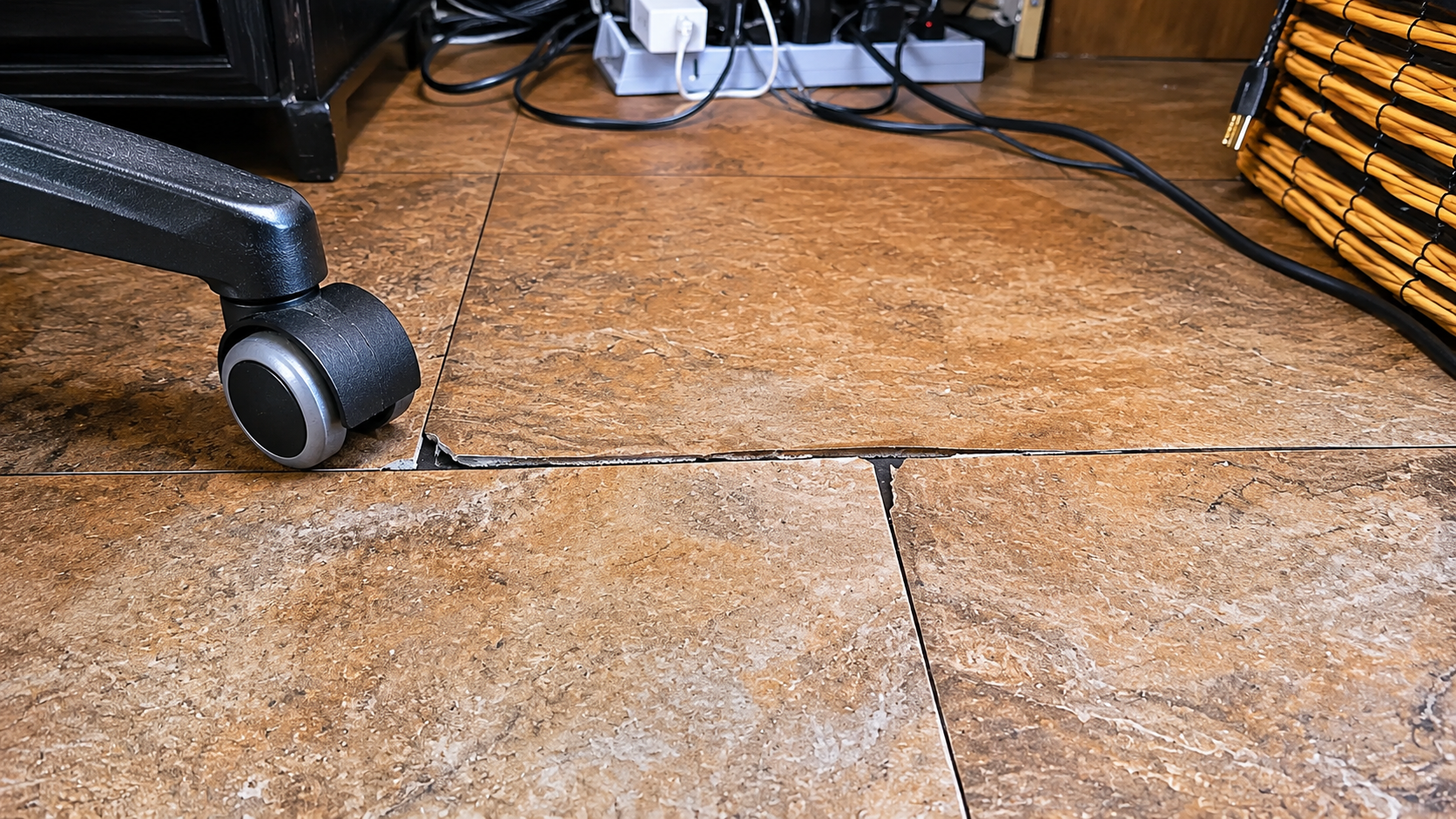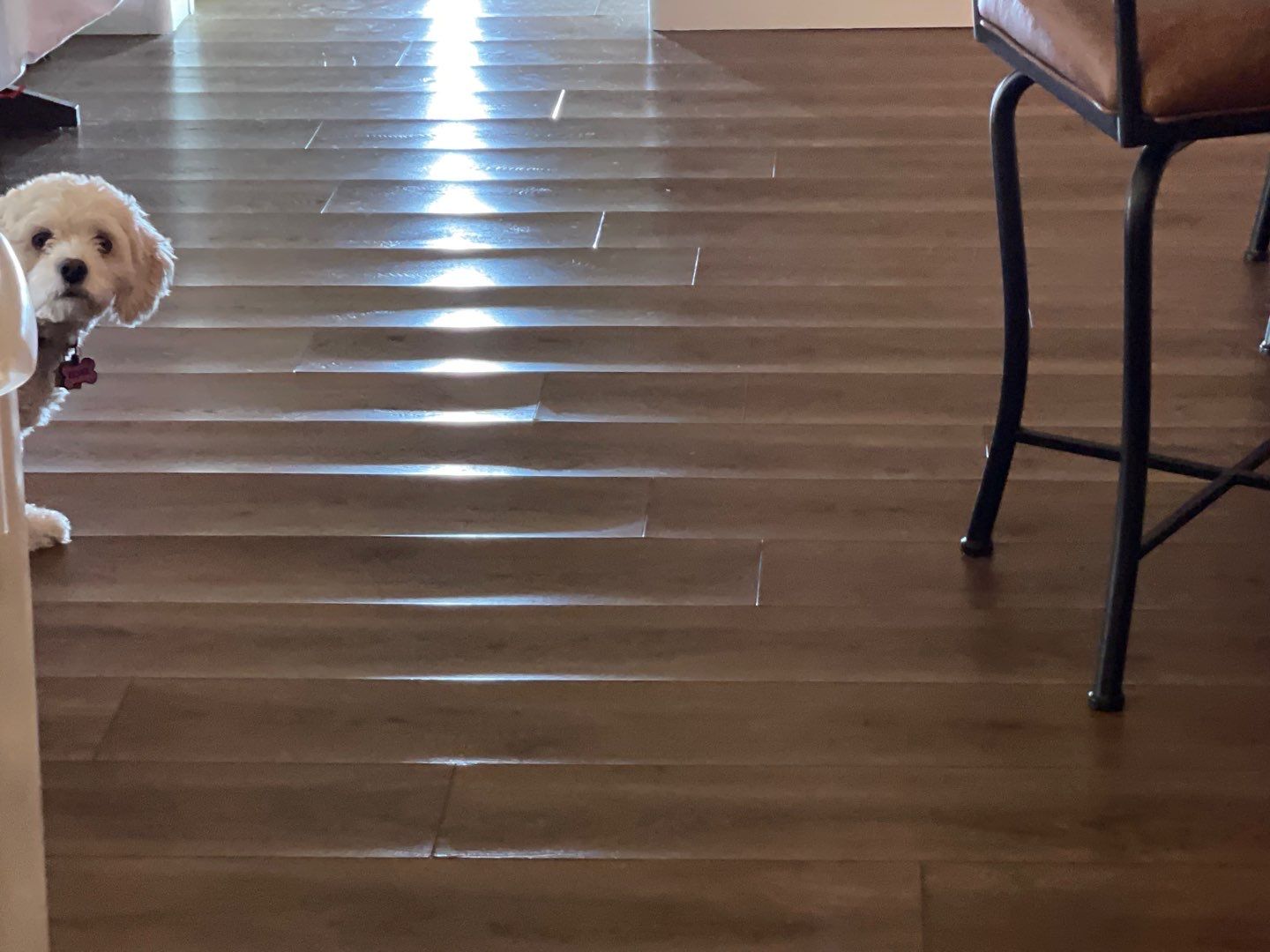
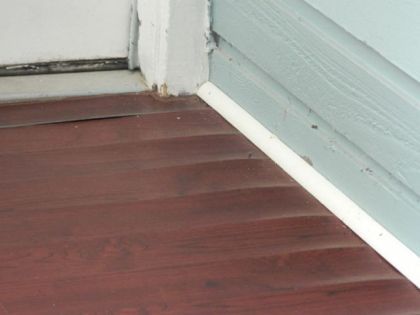
Edge Damage / Ski Jump Effect

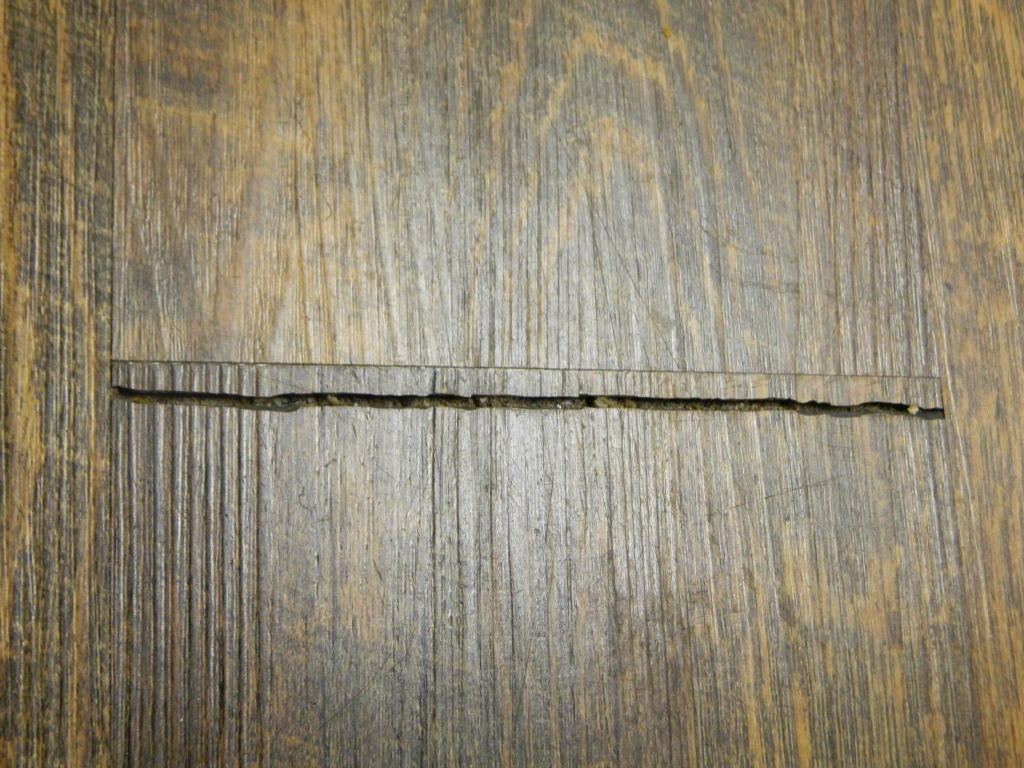
Edge Damage – Ski Lift
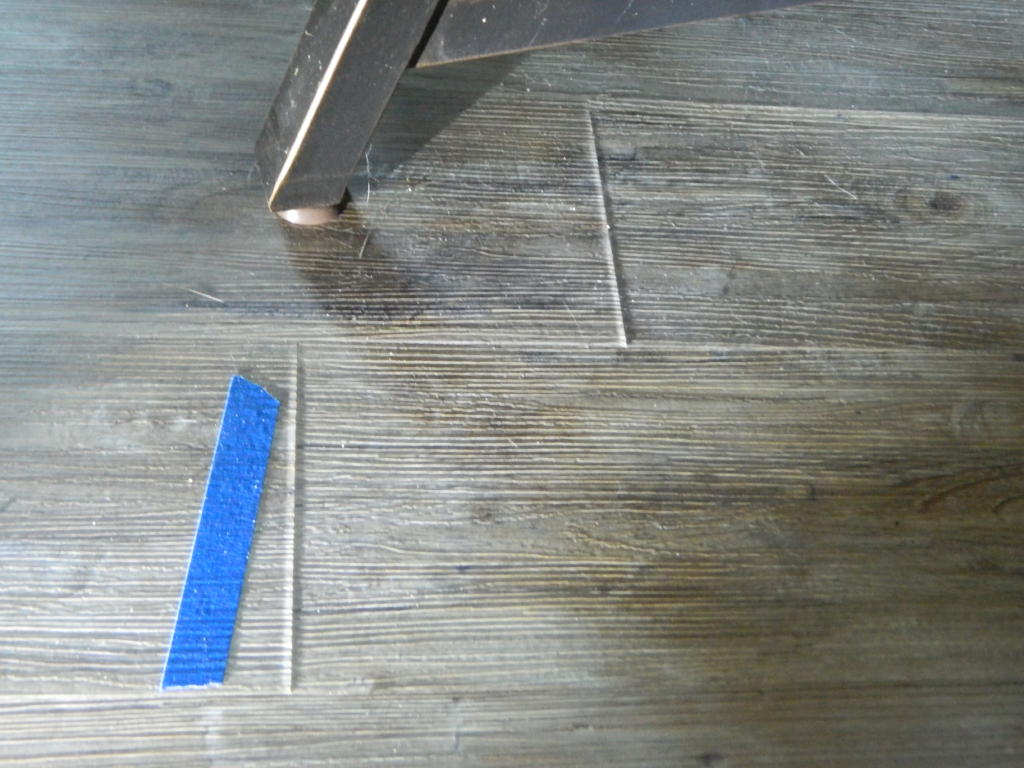
Sierra Exif JPEG

Installation damage

Sierra Exif JPEG

Installation damage

Sierra Exif JPEG

Installation damage

Sierra Exif JPEG

Installation damage

Sierra Exif JPEG

Installation damage

Sierra Exif JPEG

Installation damage

Sierra Exif JPEG

Installation damage

Sierra Exif JPEG

Peaked ends

Sierra Exif JPEG

Installation damage

2-Mar 03 2023 01_10pm-dAMo

Milling issue

9-Mar 03 2023 01_12pm-v1sV

Milling issue

14-Mar 03 2023 01_16pm-BTmb

Milling issue

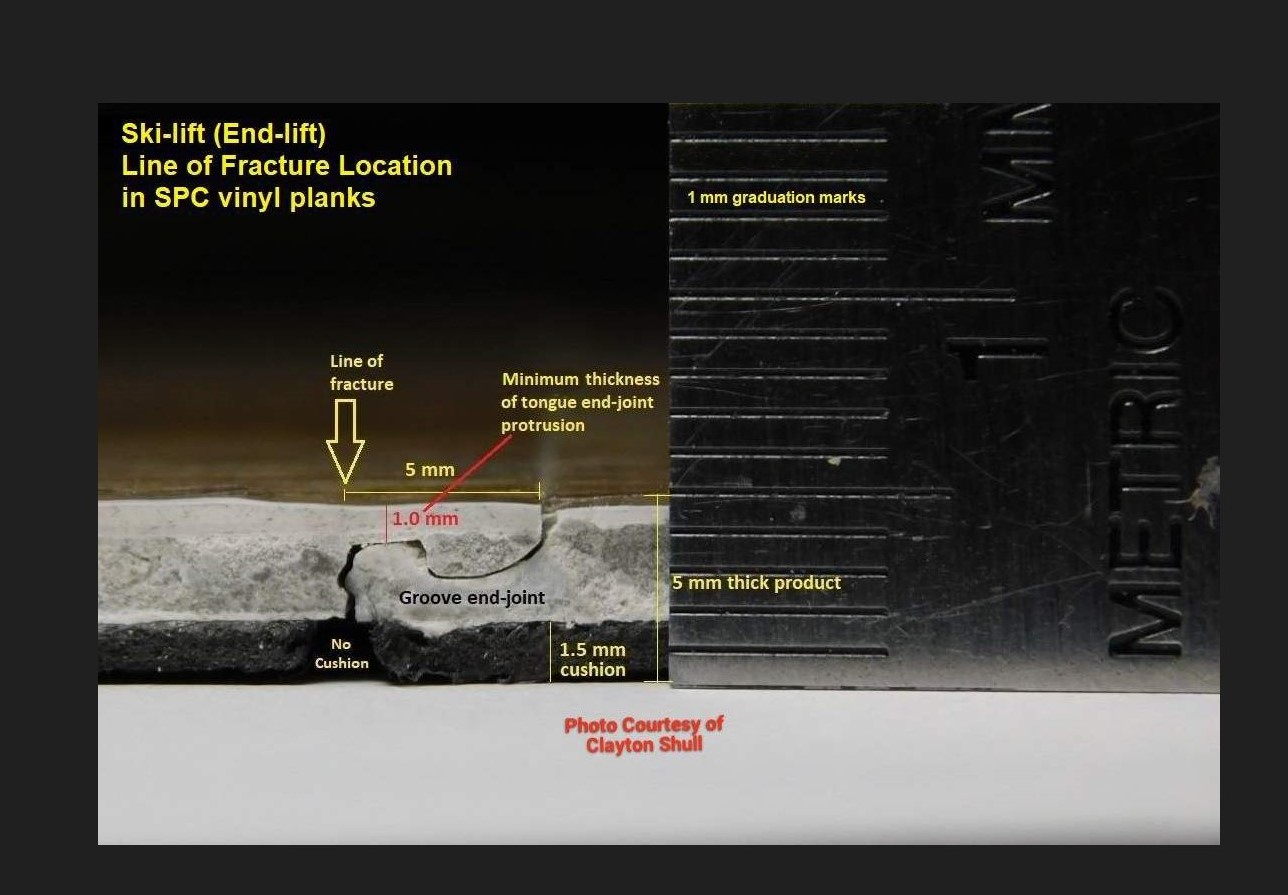
Ski Lift - photo Courtesy of Clayton Shull

Ski Lift - Photo by Clayton Shull

Sierra Exif JPEG Sierra Exif JPEG Sierra Exif JPEG Sierra Exif JPEG Sierra Exif JPEG Sierra Exif JPEG Sierra Exif JPEG Sierra Exif JPEG Sierra Exif JPEG 2-Mar 03 2023 01_10pm-dAMo 9-Mar 03 2023 01_12pm-v1sV 14-Mar 03 2023 01_16pm-BTmb Ski Lift - photo Courtesy of Clayton Shull

Edge Damage / Ski Jump Effect (Resilient Plank)

Floor Detective® Claims and Conditions Guide

Summary

Edge damage and the associated “ski jump” effect in resilient plank flooring are conditions in which plank edges or locking joints lose structural integrity or effective support, resulting in localized upward or downward displacement at joints. These conditions commonly develop when stress becomes concentrated at thin locking profiles due to edge damage, incomplete engagement, support irregularity, or repeated vertical deflection under service loads. The condition may be visible at installation or may progressively develop as concealed micro-damage or joint fatigue worsens over time. Rigid-core flooring systems depend heavily on continuous edge support and stable locking engagement to distribute loads evenly across joints. Proper evaluation requires differentiation between locking-profile damage, unsupported joint deflection, environmental distortion, and installation alignment irregularities. The timing of visible appearance alone does not independently establish origin. See also Broken Locking Profiles LVT, Uni-Push Joint Damage, and LVT and SPC Floor Problems for broader context.
Please subscribe to see all content

LVT and SPC Floor Problems

LVT and SPC floor problems may involve movement, gapping, curling, noise, indentation, discoloration, or substrate-related effects.
Read More
LVT and SPC Floor Problems

Cross-Machine Direction (Width) Shading / Texture Variation (Resilient Sheet Vinyl)
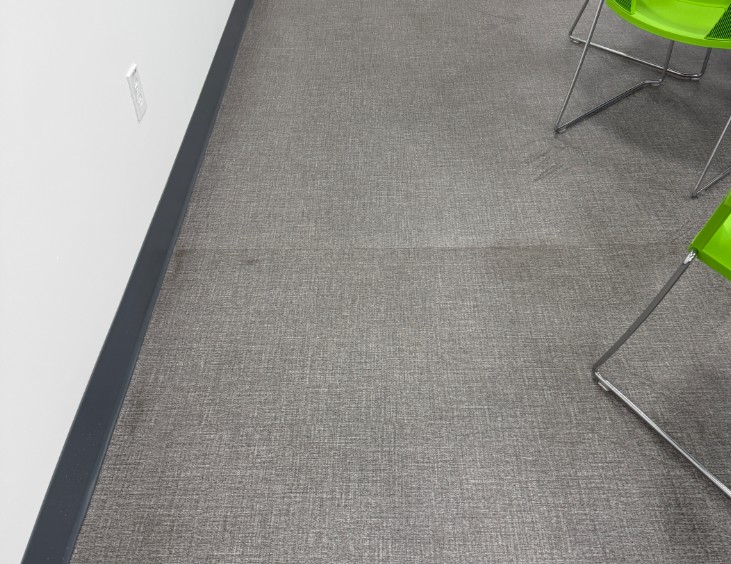
Cross-machine direction shading in resilient sheet vinyl involves side-to-side visual or texture variation across the sheet width.
Read More
Cross-Machine Direction (Width) Shading / Texture Variation (Resilient Sheet Vinyl)

Sheet Shrinkage / Seam Opening (Resilient Sheet Flooring)
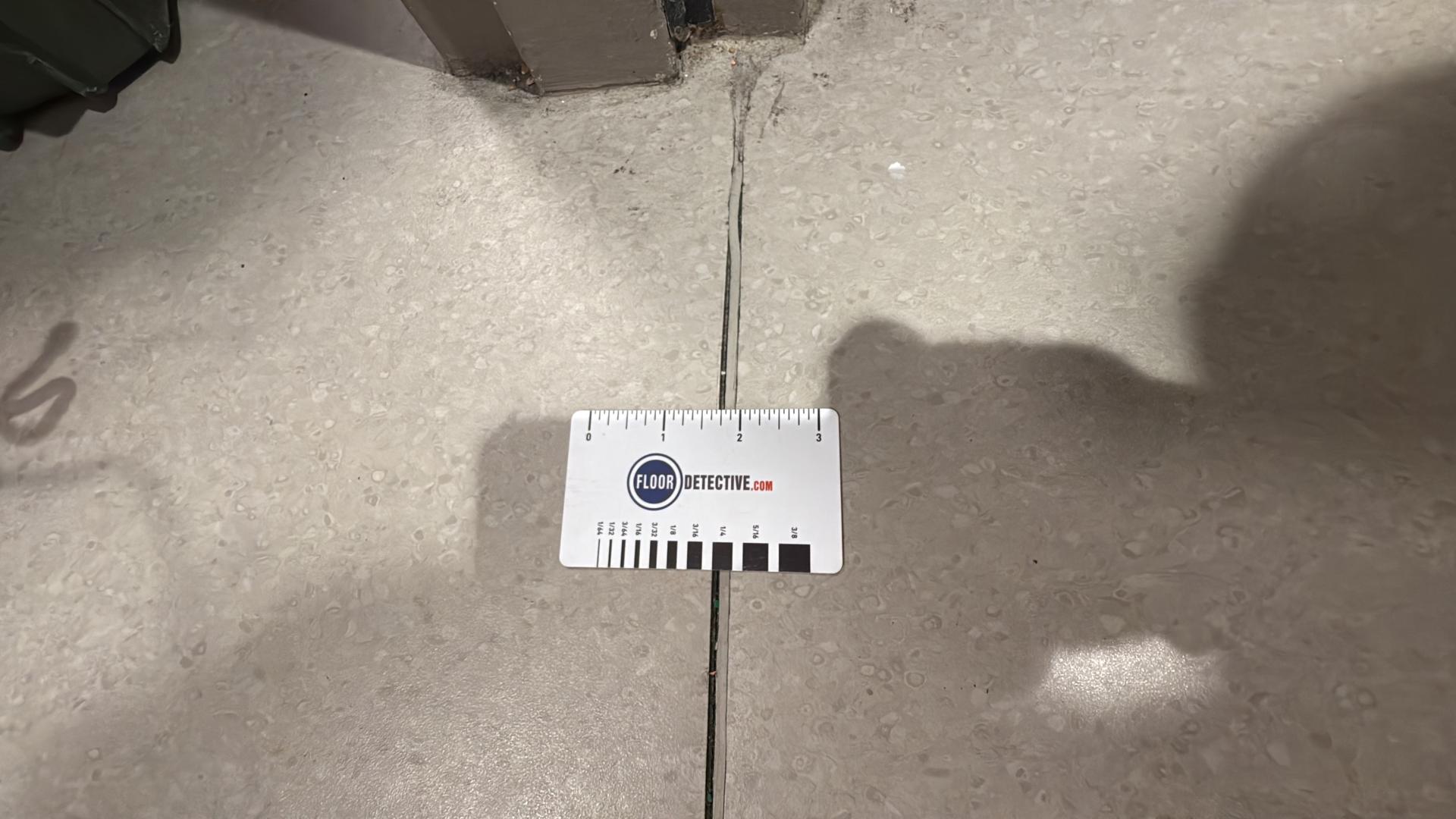
Sheet shrinkage and seam opening in resilient sheet flooring involve dimensional movement, edge pull-back, and flooring-system stress redistribution.
Read More
Sheet Shrinkage / Seam Opening (Resilient Sheet Flooring)

Heat Weld Seam Failure (Resilient Sheet Flooring)
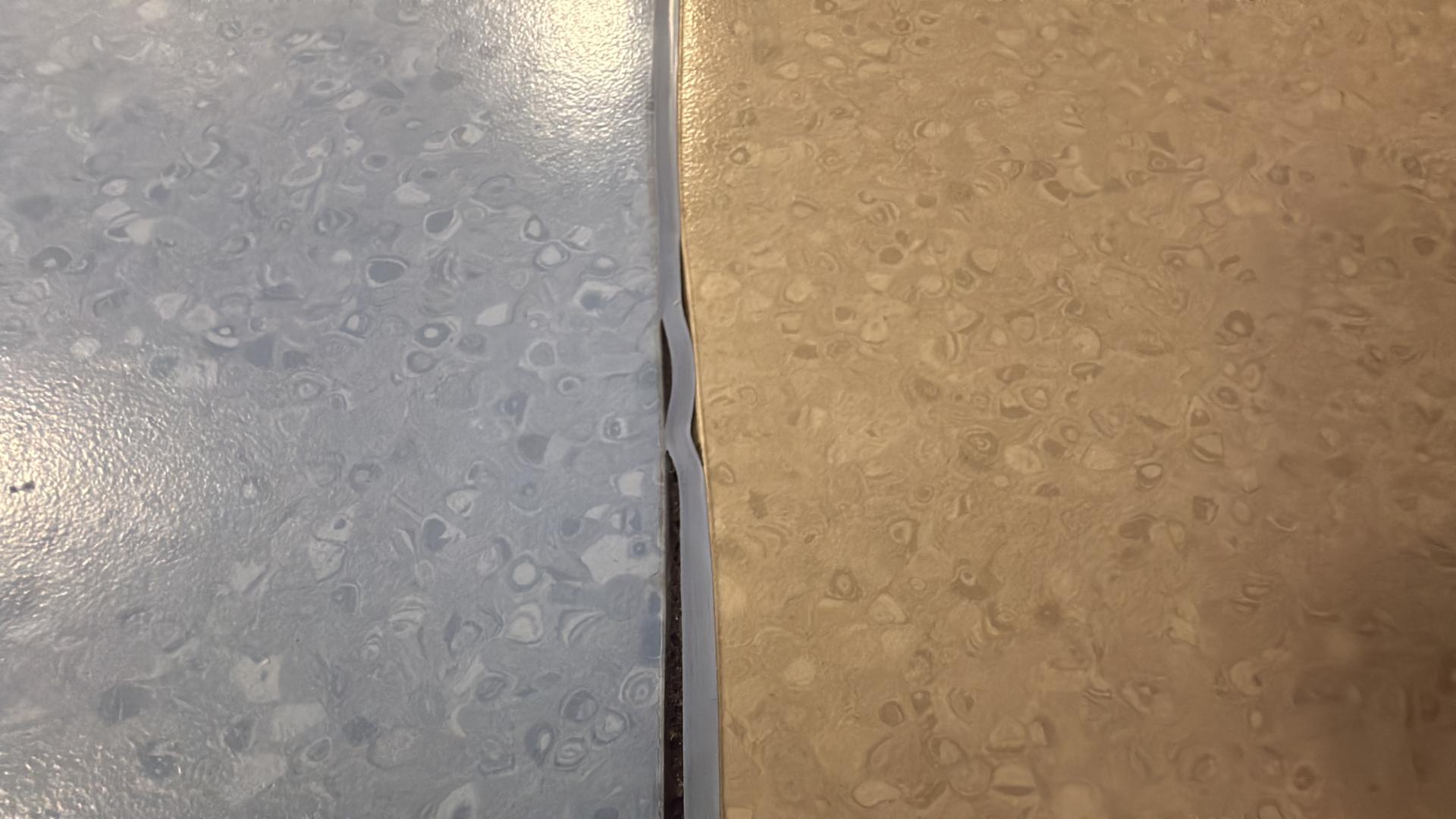
Heat weld seam failure in resilient sheet flooring involves loss of fusion or structural integrity within welded sheet-flooring joints.
Read More
Heat Weld Seam Failure (Resilient Sheet Flooring)

Yellowing / Discoloration (LVP / SPC / WPC)
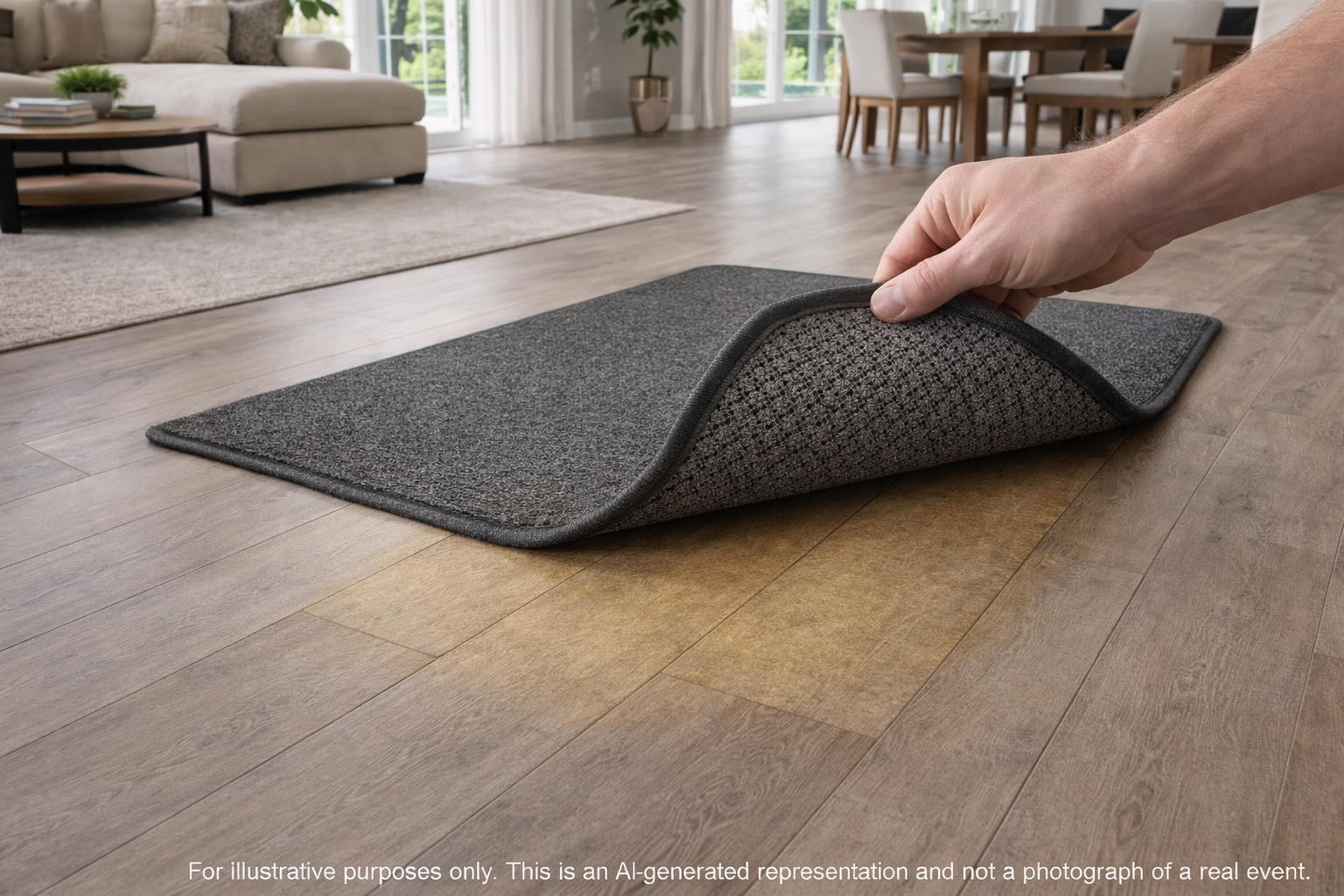
Yellowing in LVP, SPC, and WPC flooring involves internal discoloration caused by oxidation, ultraviolet exposure, or environmental influence.
Read More
Yellowing / Discoloration (LVP / SPC / WPC)

Broken Locking Profiles / Mechanical Joint Compromise (Resilient Plank)
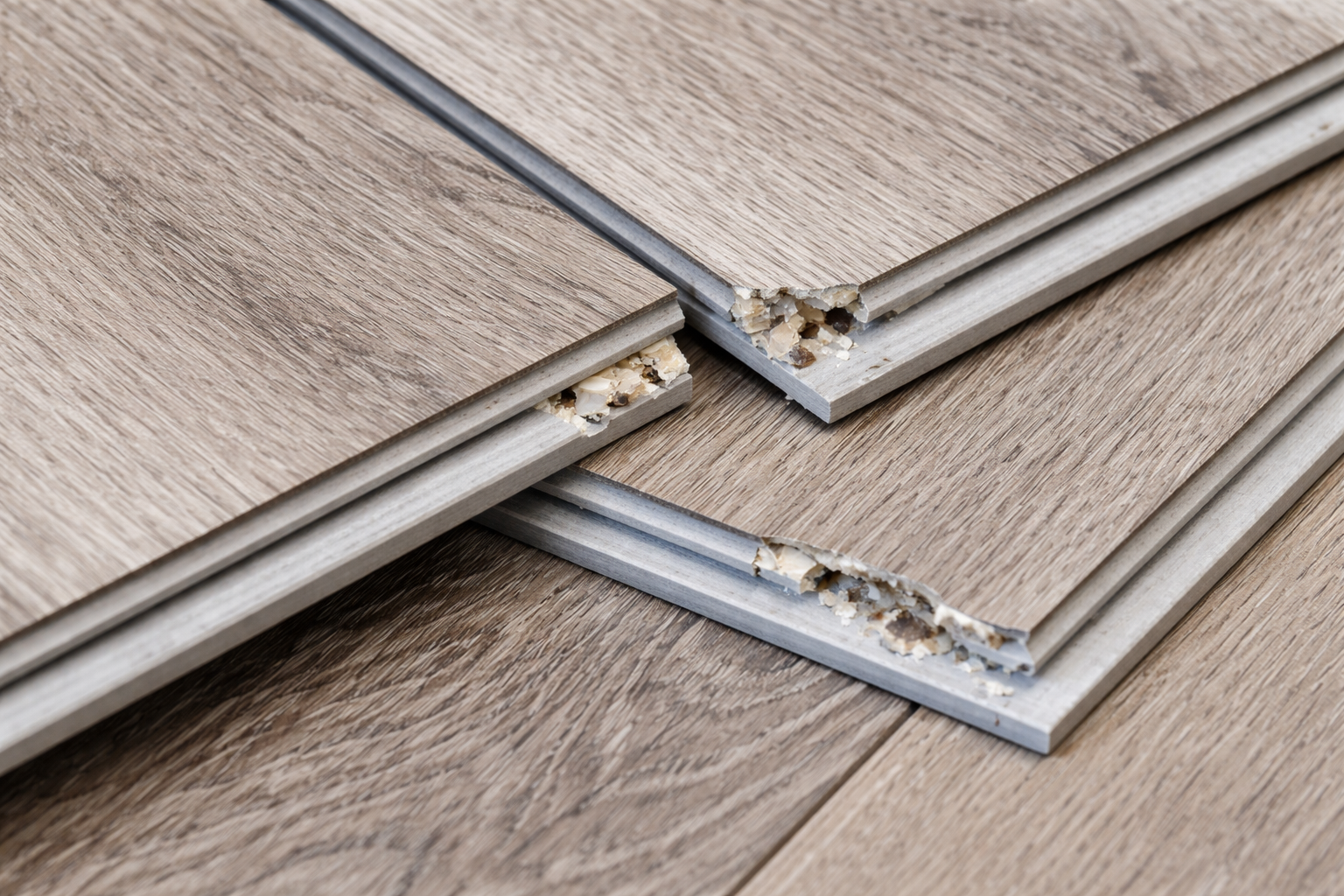
Broken locking profiles and mechanical joint compromise involve fracture, deformation, or weakening of resilient plank locking systems.
Read More
Broken Locking Profiles / Mechanical Joint Compromise (Resilient Plank)

Efflorescence-Like Mineral Migration at LVT/SPC Joints
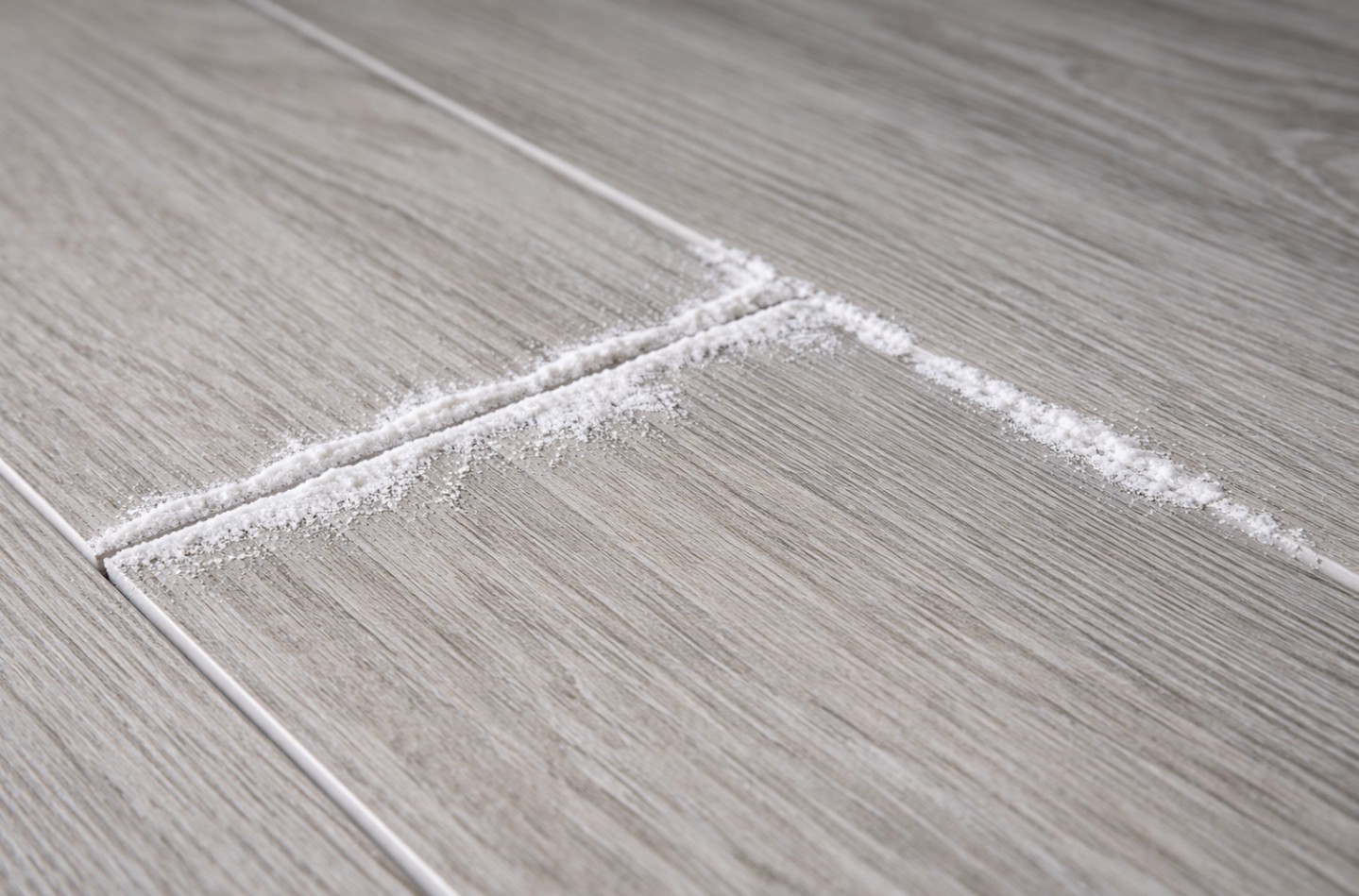
Efflorescence-like mineral migration at LVT and SPC joints is a moisture-related substrate condition involving mineral residue from concrete slabs.
Read More
Efflorescence-Like Mineral Migration at LVT/SPC Joints

Blistering / Surface Blisters (SPC Flooring)

SPC flooring blistering involves localized raised areas or bubble-like distortions originating within individual flooring planks.
Read More
Blistering / Surface Blisters (SPC Flooring)

Cracking Over Existing Substrates (LVT)

Cracking in resilient plank flooring over existing substrates commonly involves stress transfer from grout joints or uneven support.
Read More
Cracking Over Existing Substrates (LVT)

Buckling of Resilient Plank Flooring Installed Over Wood Substrates on Concrete

Buckling of resilient plank flooring over wood substrates on concrete may result from moisture-related expansion within layered flooring assemblies.
Read More
Buckling of Resilient Plank Flooring Installed Over Wood Substrates on Concrete