
Double Stick Bubbles (Carpet)

Double Stick Bubbles
Sierra Exif JPEG

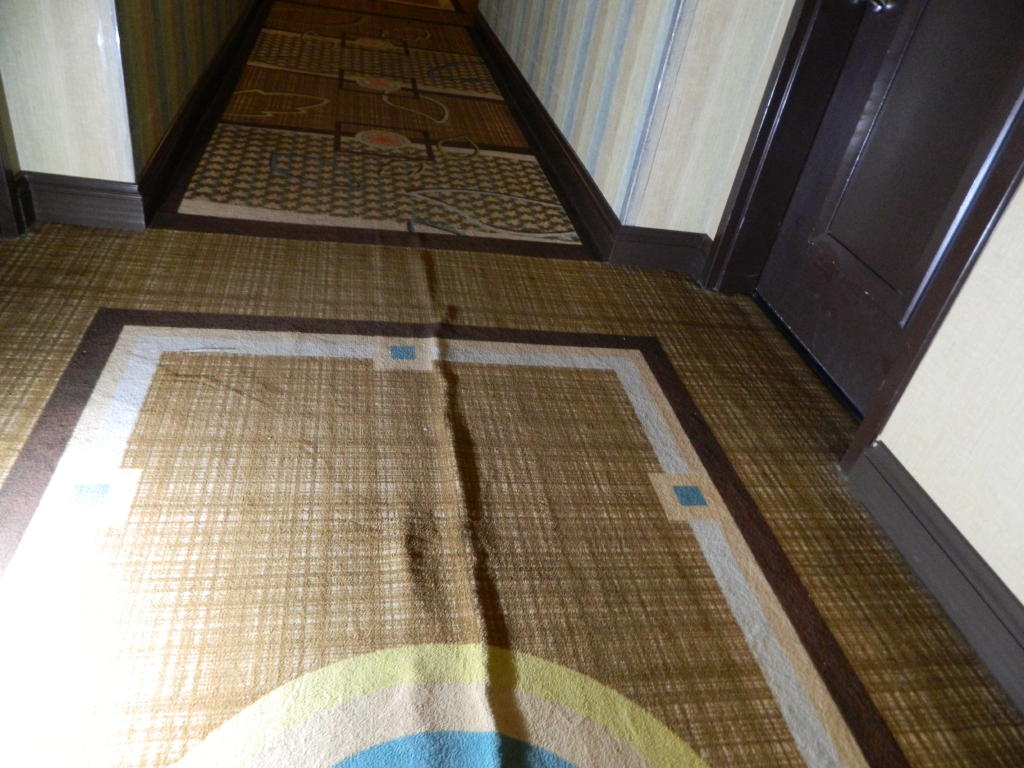
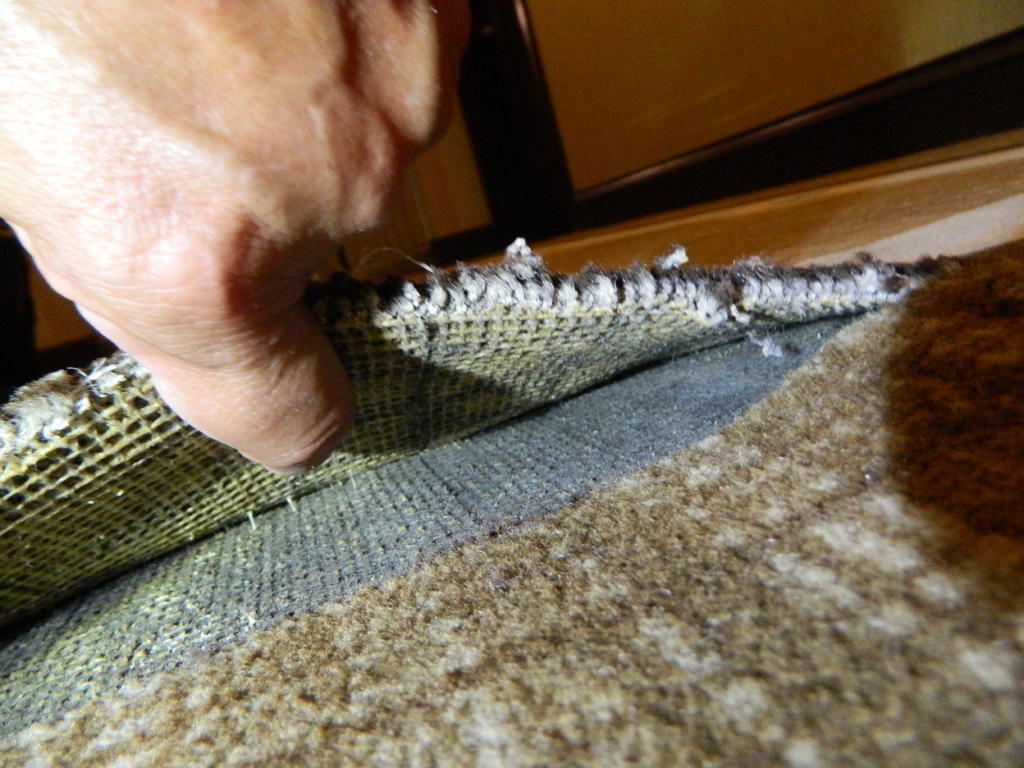
Lack of adhesive transfer

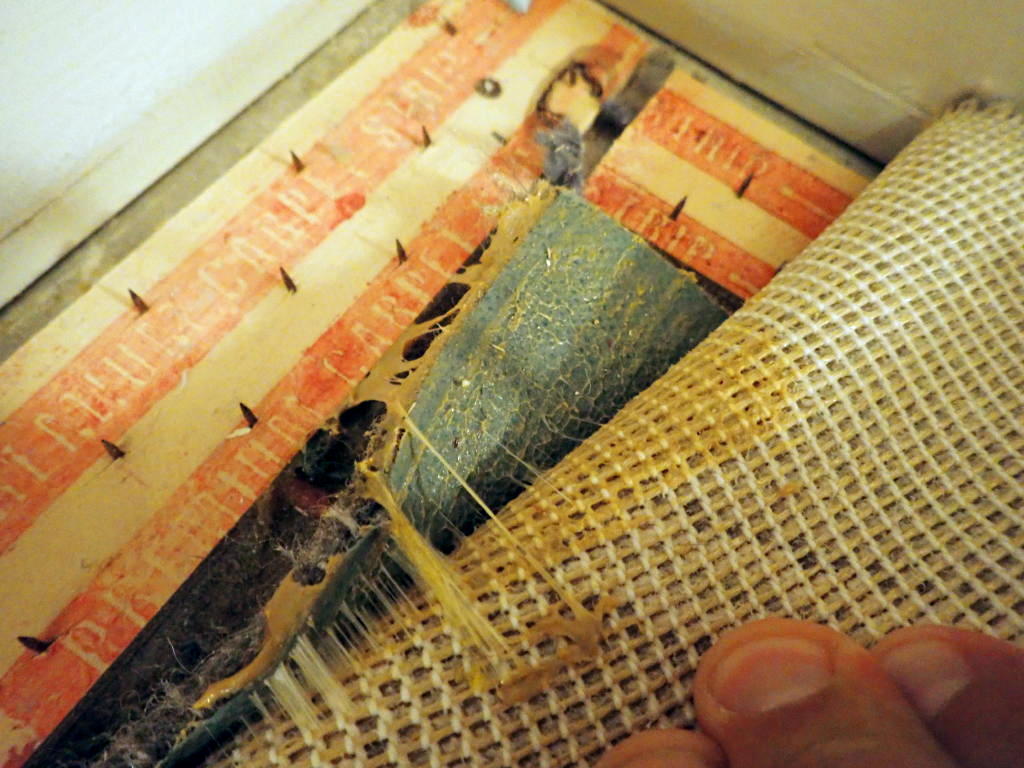
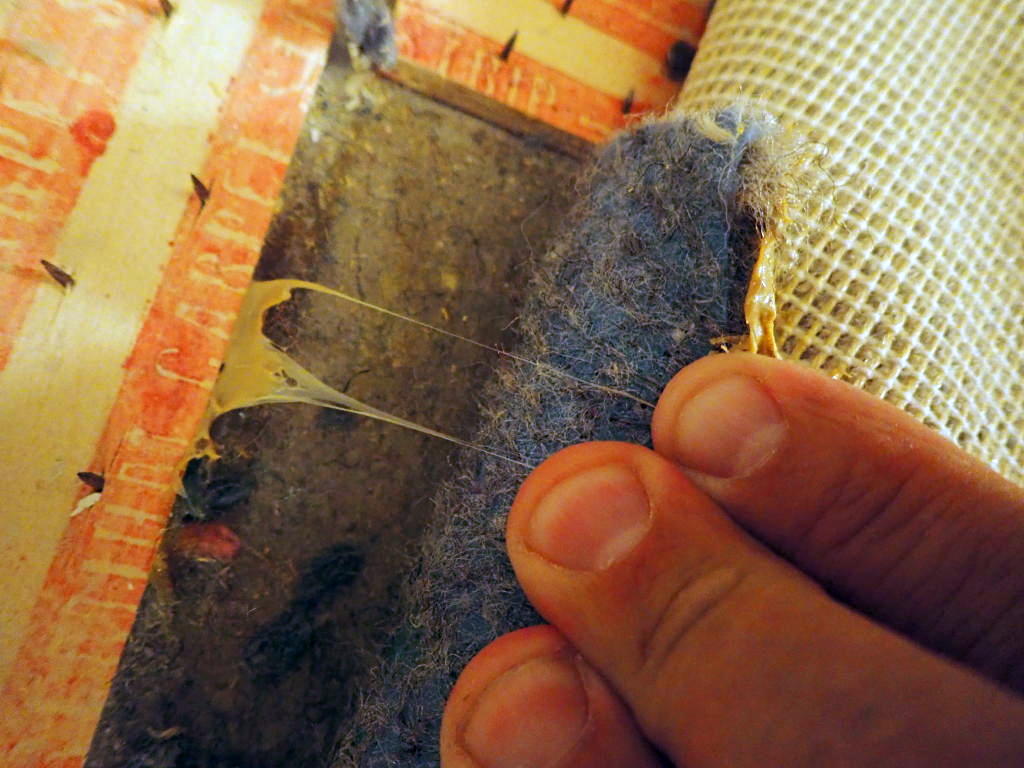
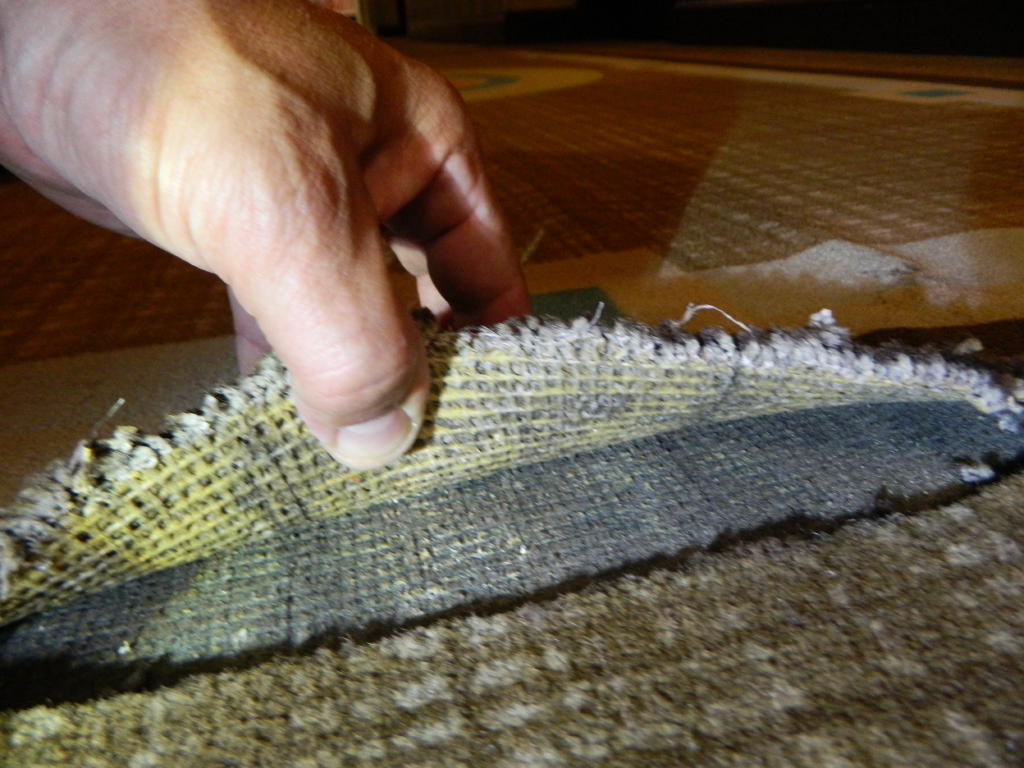
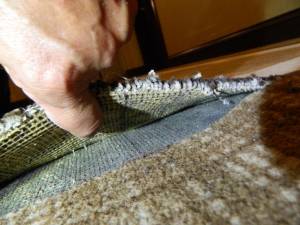
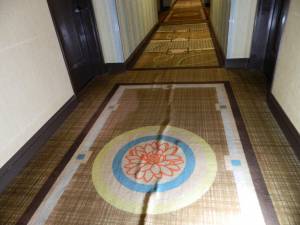
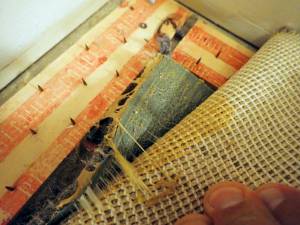
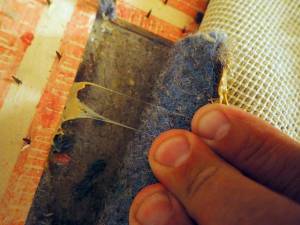
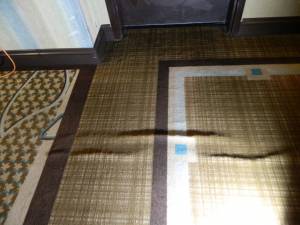
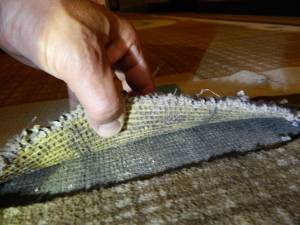
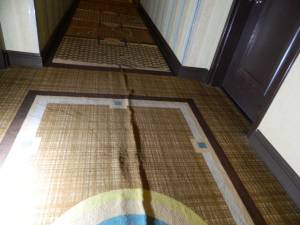
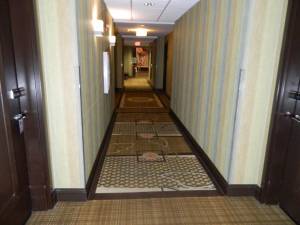
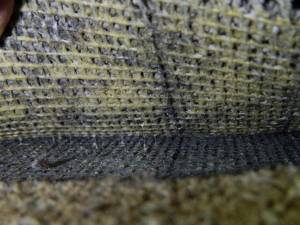
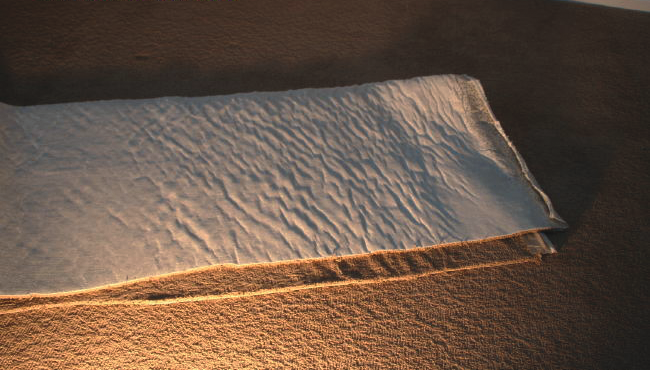
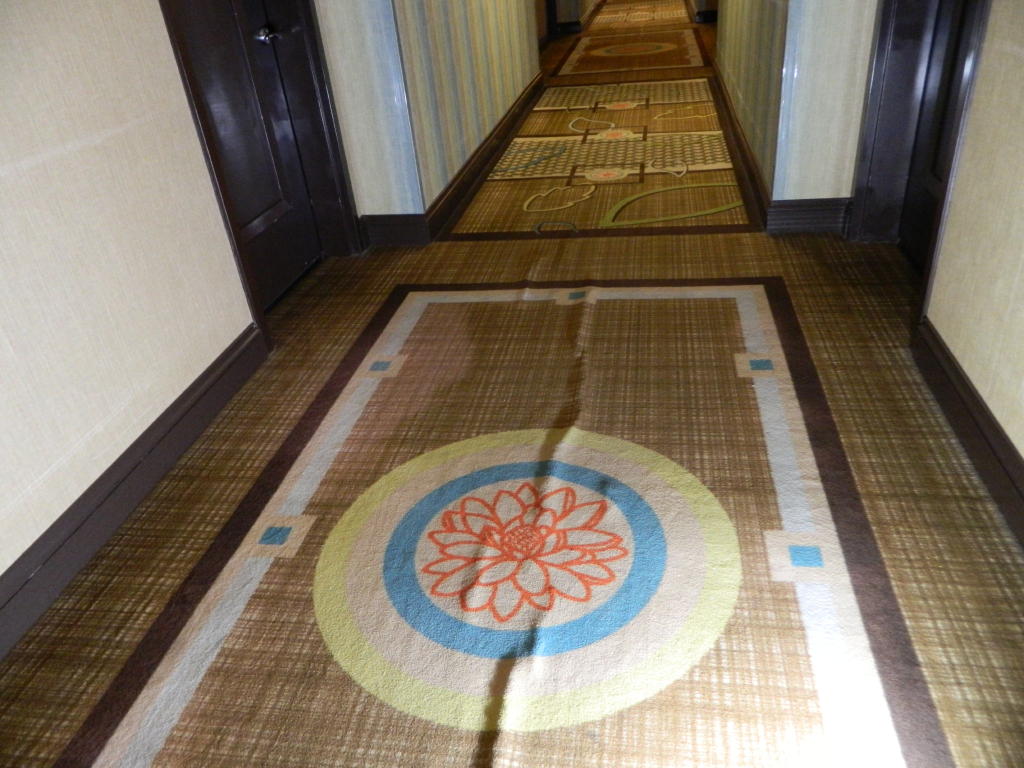
Carpet double stick installation showing adhesive bond interaction between carpet, cushion, and substrate layers.

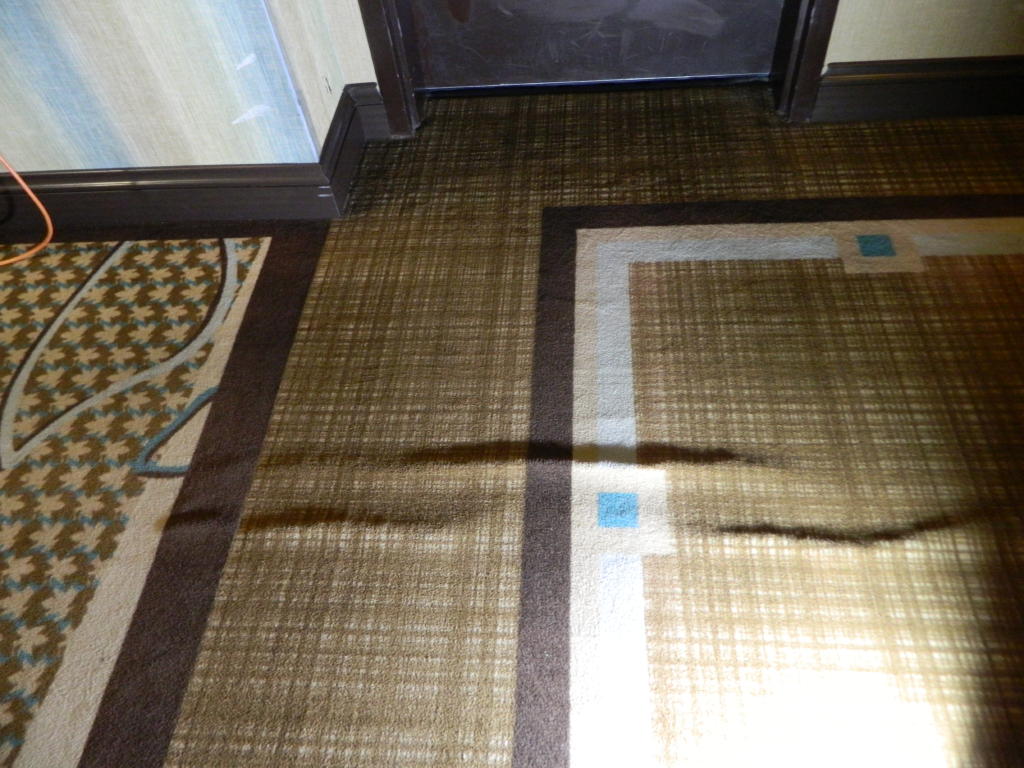
Double stick bubbles

Sierra Exif JPEG

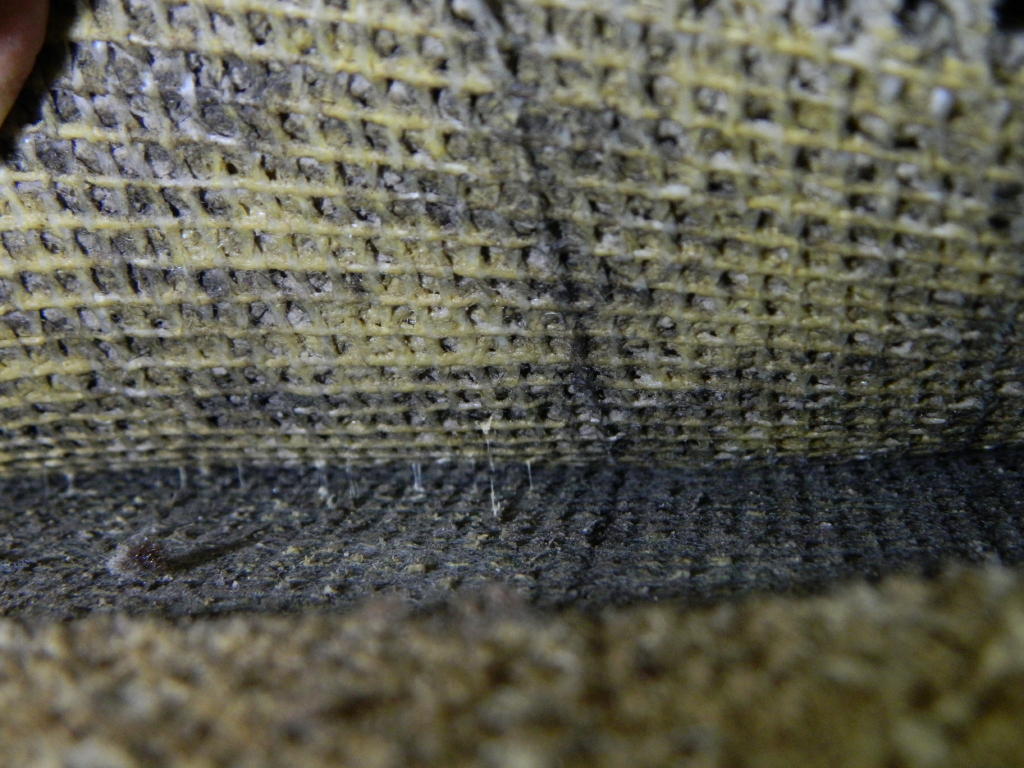
Lack of adhesive transfer

Sierra Exif JPEG

Lack of adhesive transfer

Sierra Exif JPEG

Double stick bubbles

Sierra Exif JPEG

Lack of adhesive transfer

Sierra Exif JPEG

Double stick bubbles

Sierra Exif JPEG

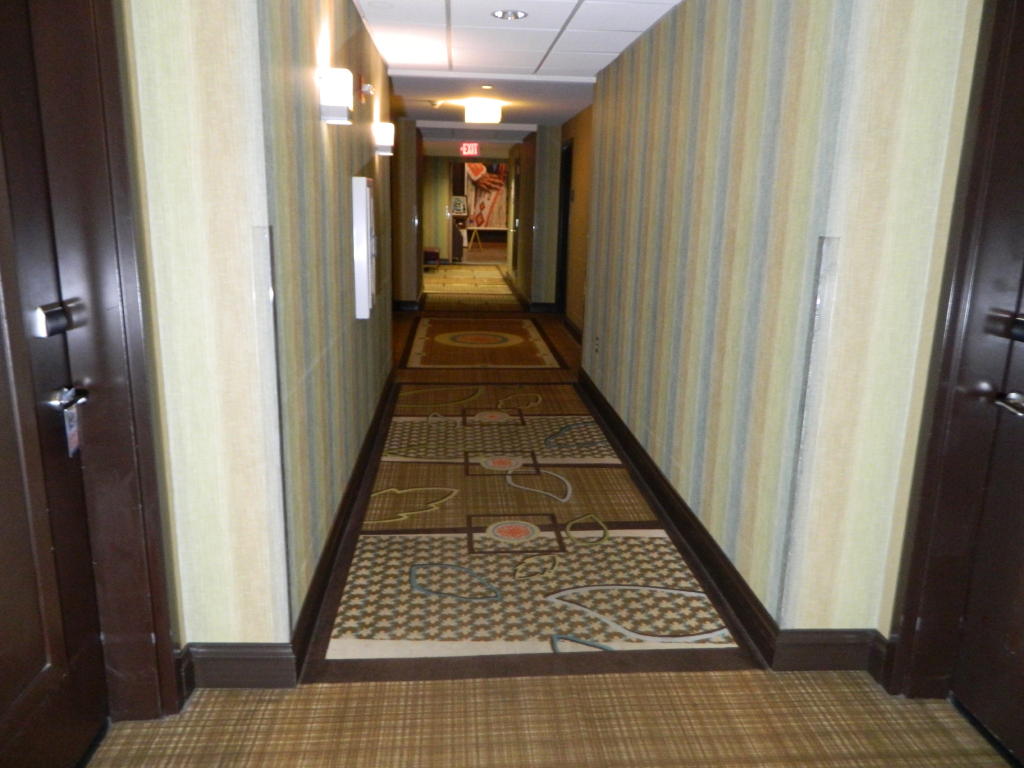
Commercial facility

Sierra Exif JPEG

Lack of adhesive transfer

Sierra Exif JPEG Carpet double stick installation showing adhesive bond interaction between carpet, cushion, and substrate layers. Sierra Exif JPEG Sierra Exif JPEG Sierra Exif JPEG Sierra Exif JPEG Sierra Exif JPEG Sierra Exif JPEG Sierra Exif JPEG

Double Stick / Double Glue Installation (Carpet)

Floor Detective® Claims and Conditions Guide

Summary

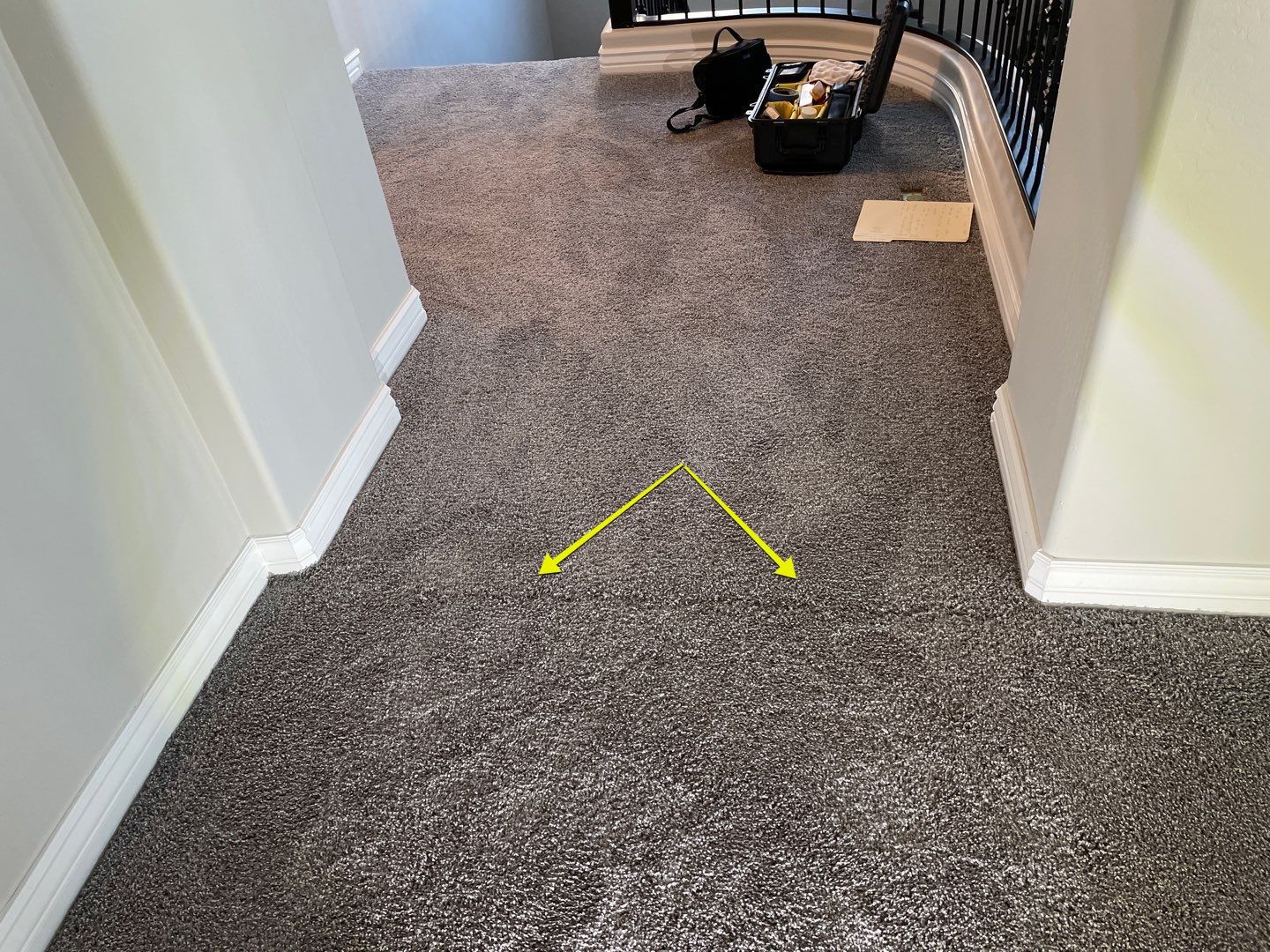
Double stick, also referred to as double glue, is an adhered carpet installation system in which cushion is bonded to the substrate and carpet is bonded to the cushion using separate adhesive interfaces. System performance depends on compatibility between carpet backing, cushion construction, adhesive chemistry, substrate condition, moisture conditions, and installation technique. Observed failures typically involve bond loss, movement, or stress-related release at one or both adhesive interfaces rather than defect in the carpet face fiber or yarn system. Conditions associated with double stick systems may appear as bubbling, rippling, localized looseness, hollow movement, or surface distortion caused by adhesive failure, moisture influence, environmental stress, or rolling-load shear forces. See also Buckling, Dimensional Stability, and Carpet Problems for broader context.did
Please subscribe to see all content

Carpet Problems

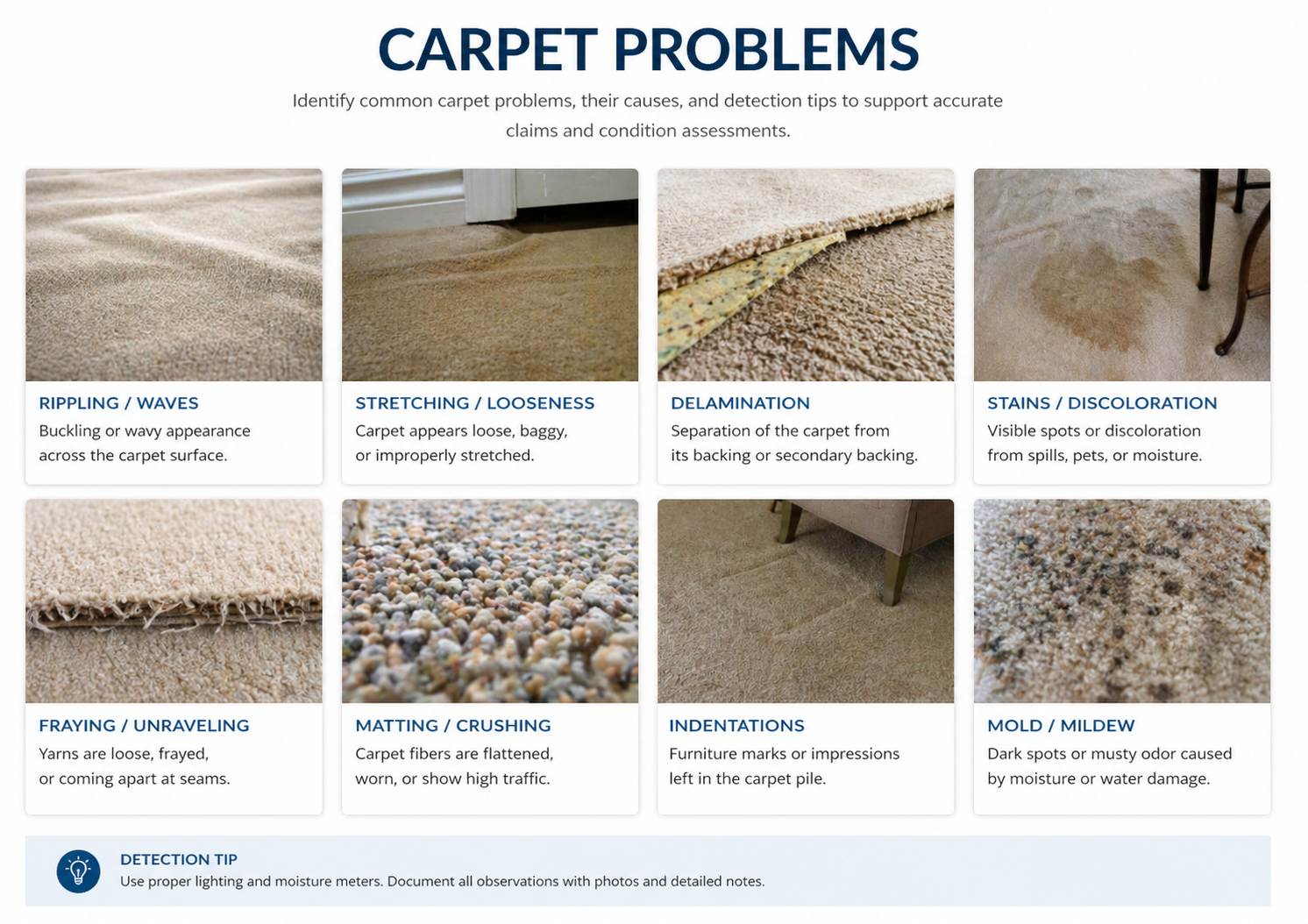
Carpet problems may involve seams, backing systems, texture changes, traffic wear, mechanical damage, or installation-related conditions.
Read More
Carpet Problems

Carpet Fiber Identification (Field and Laboratory Methods)
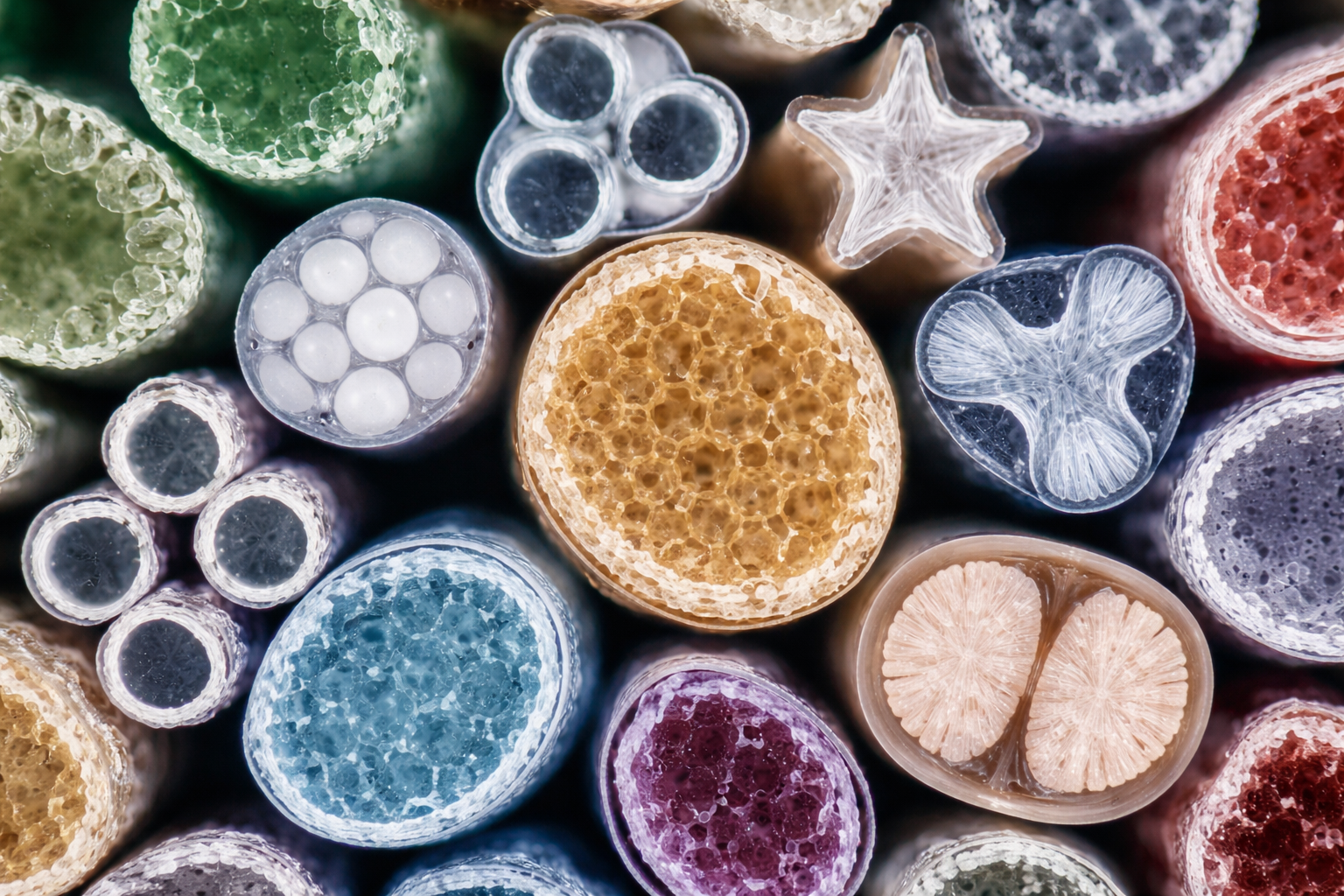
Carpet fiber identification helps determine how carpet may respond to heat, moisture, cleaning chemistry, abrasion, and environmental exposure.
Read More
Carpet Fiber Identification (Field and Laboratory Methods)

Wool and Wool Carpet Properties
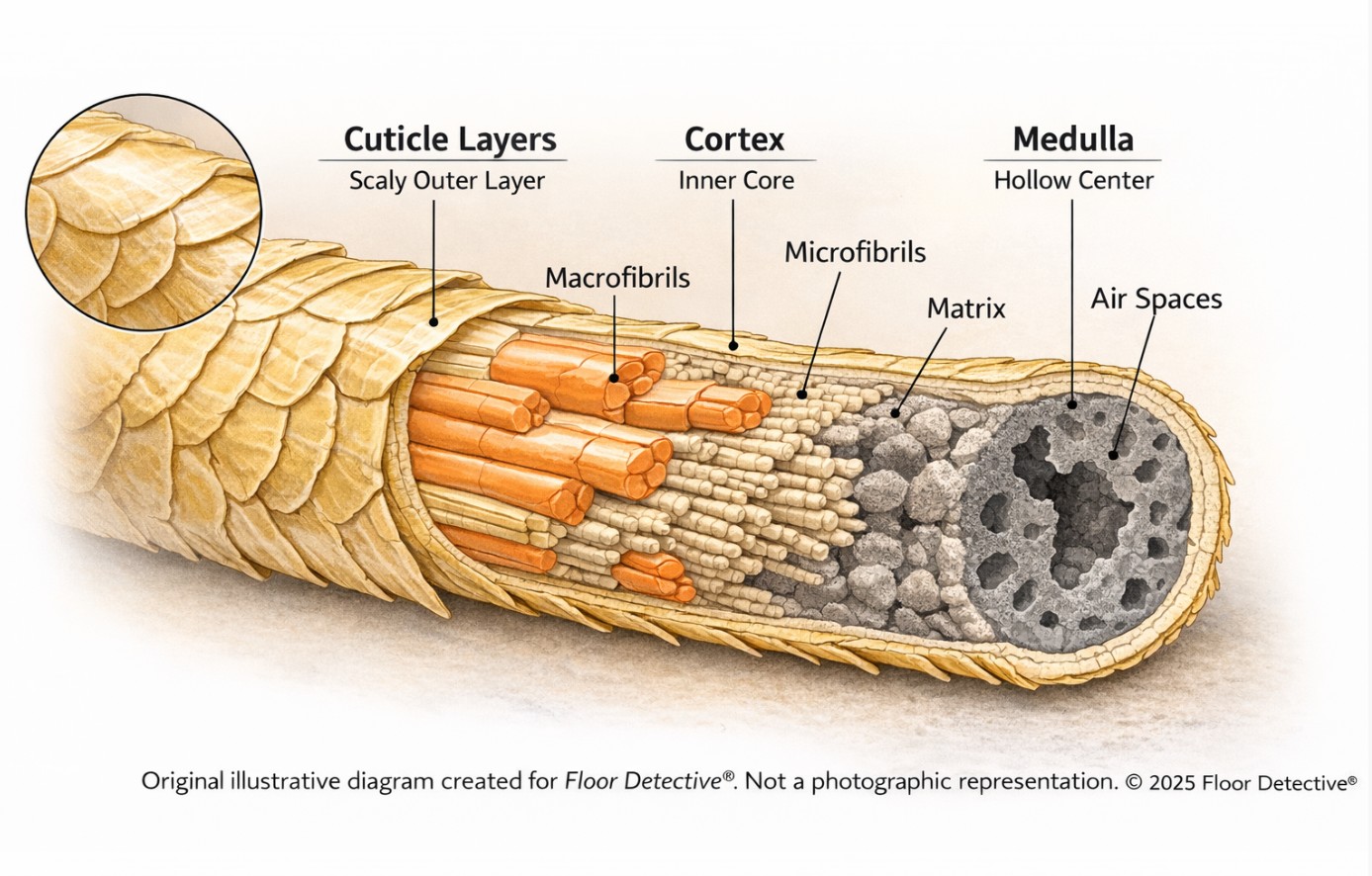
Wool carpet properties include moisture absorption, chemical sensitivity, shedding, and appearance variation associated with natural wool fibers.
Read More
Wool and Wool Carpet Properties

Carpet Beetle Damage
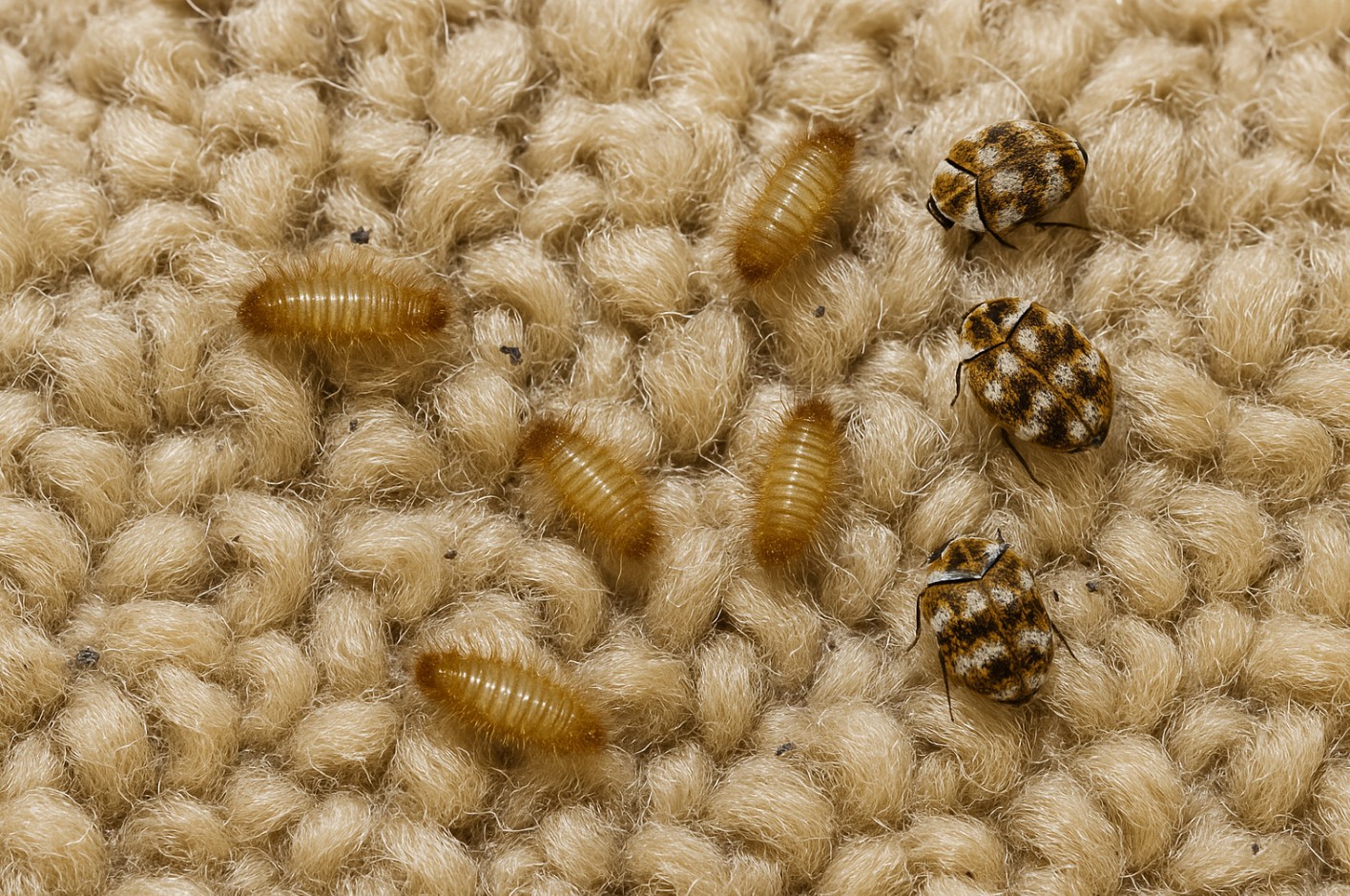
Carpet beetle damage is localized fiber loss caused by larvae feeding on organic materials within carpet, often occurring in concealed...
Read More
Carpet Beetle Damage

Fiber Properties

Carpet fiber properties determine durability, resilience, and how flooring performs under traffic and environmental conditions.
Read More
Fiber Properties

Missing Row

Carpet missing rows are manufacturing-origin tufting conditions involving absent yarn along machine-direction rows.
Read More
Missing Row

Browning

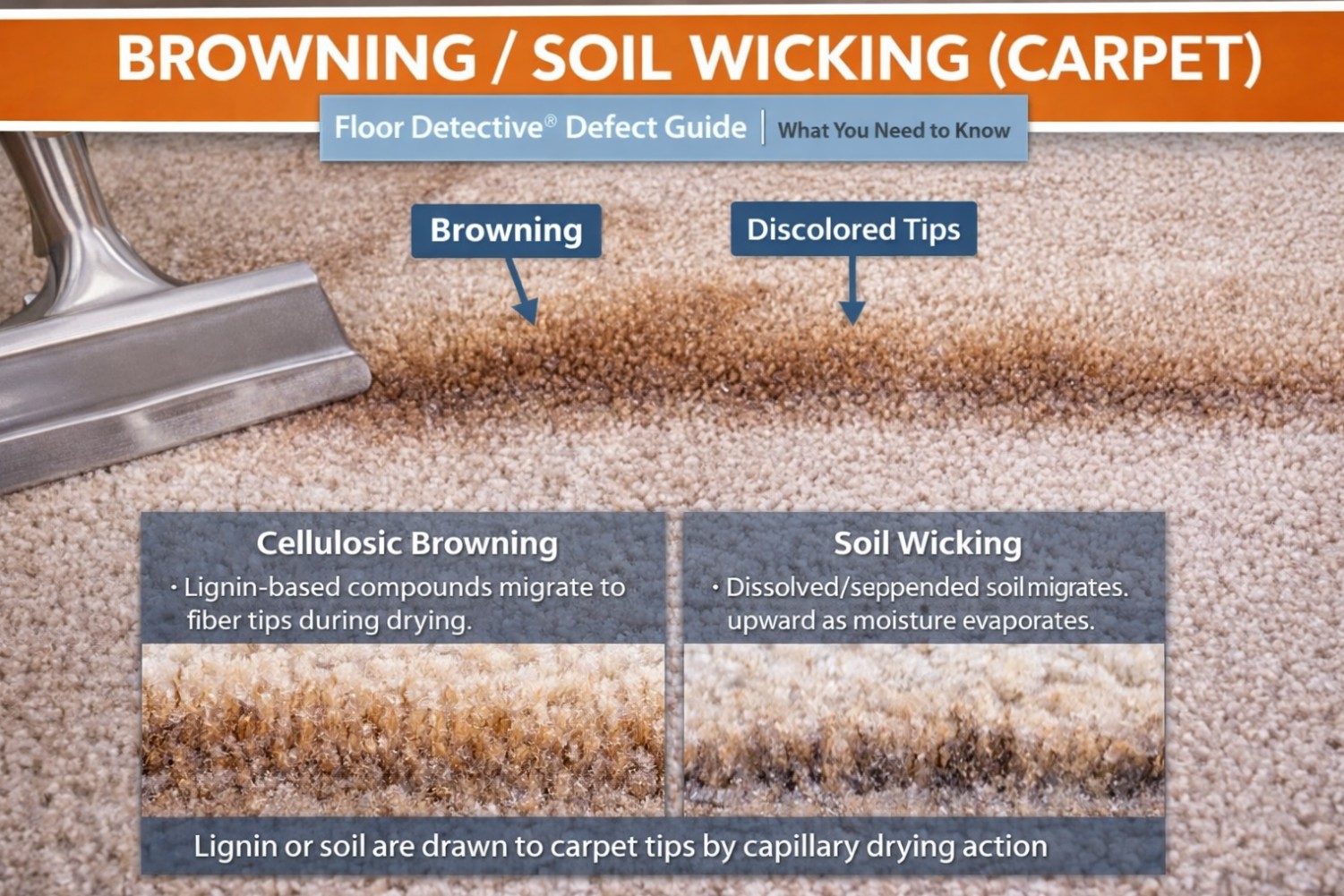
Browning and soil wicking are discoloration conditions caused by moisture-driven migration of materials to the carpet surface during drying.
Read More
Browning

Wrinkles in Backing

Carpet backing wrinkles are manufacturing-related distortions caused by backing misalignment, tension variation, or latex lock-in.
Read More
Wrinkles in Backing

Unraveling / Runs (Carpet)
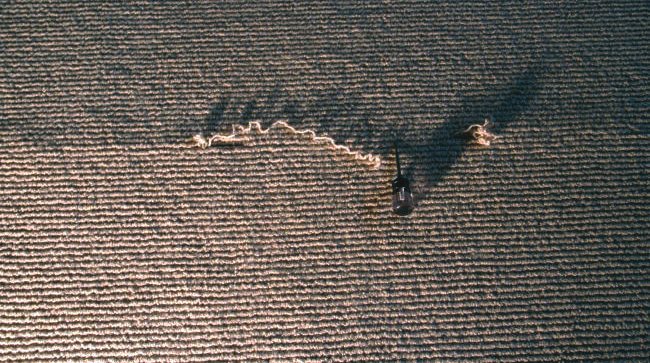
Carpet unraveling runs are progressive yarn withdrawals that follow tuft rows in continuous filament carpet constructions.
Read More
Unraveling / Runs (Carpet)

Core Crush / Roll-Core Pile Reversal (Carpet)
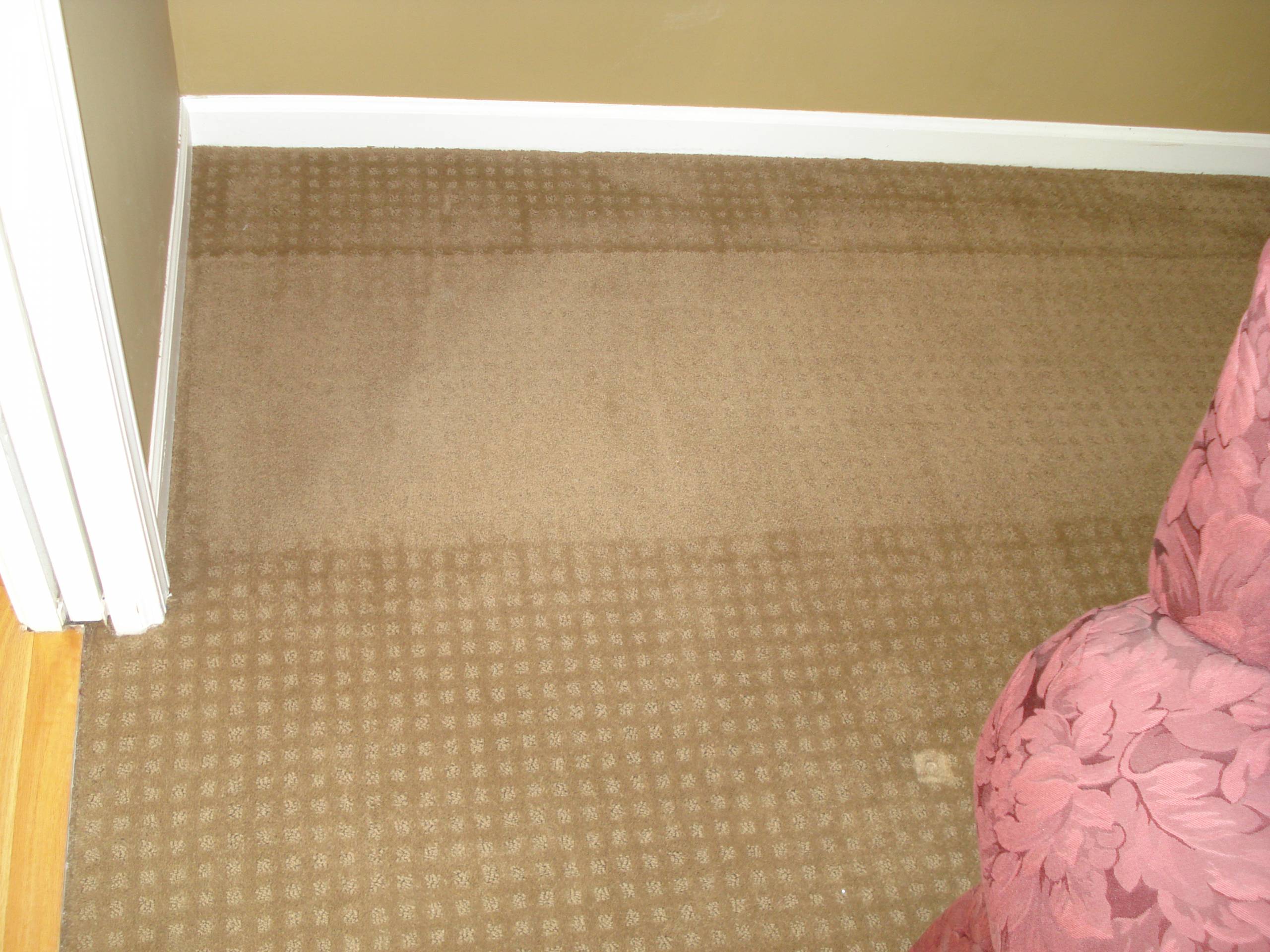
Carpet roll-core crush occurs when pile yarns become compressed around the roll core, creating visible light or dark banding near...
Read More
Core Crush / Roll-Core Pile Reversal (Carpet)