
Matting (Carpet)

Matting

Sierra Exif JPEG

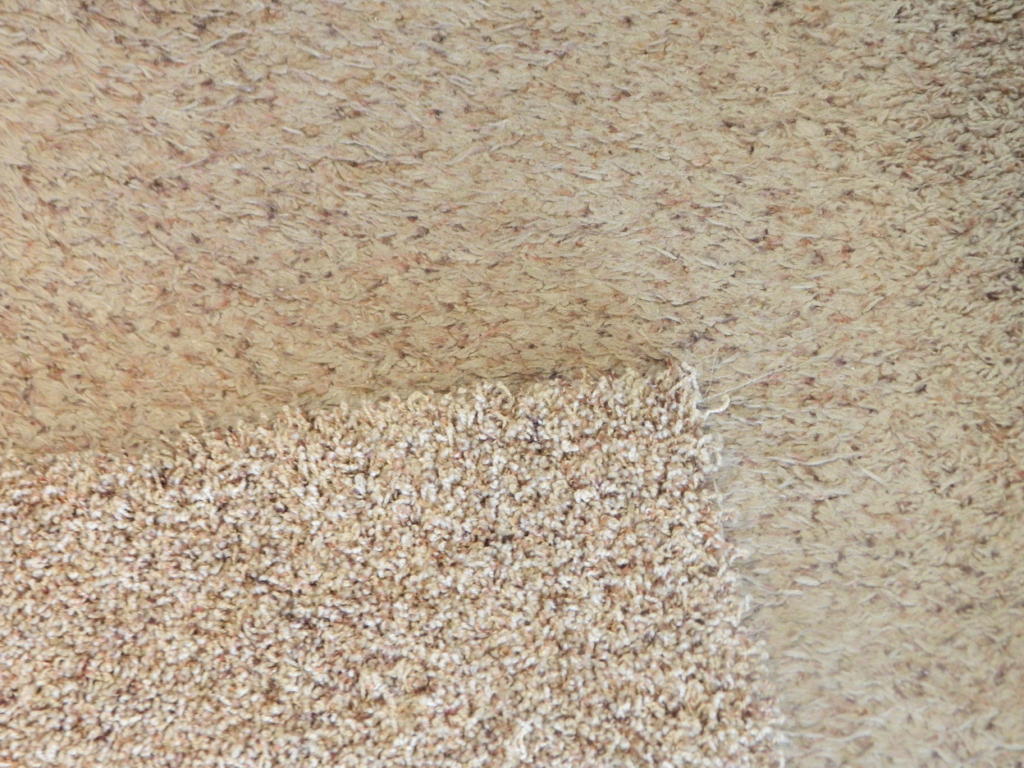
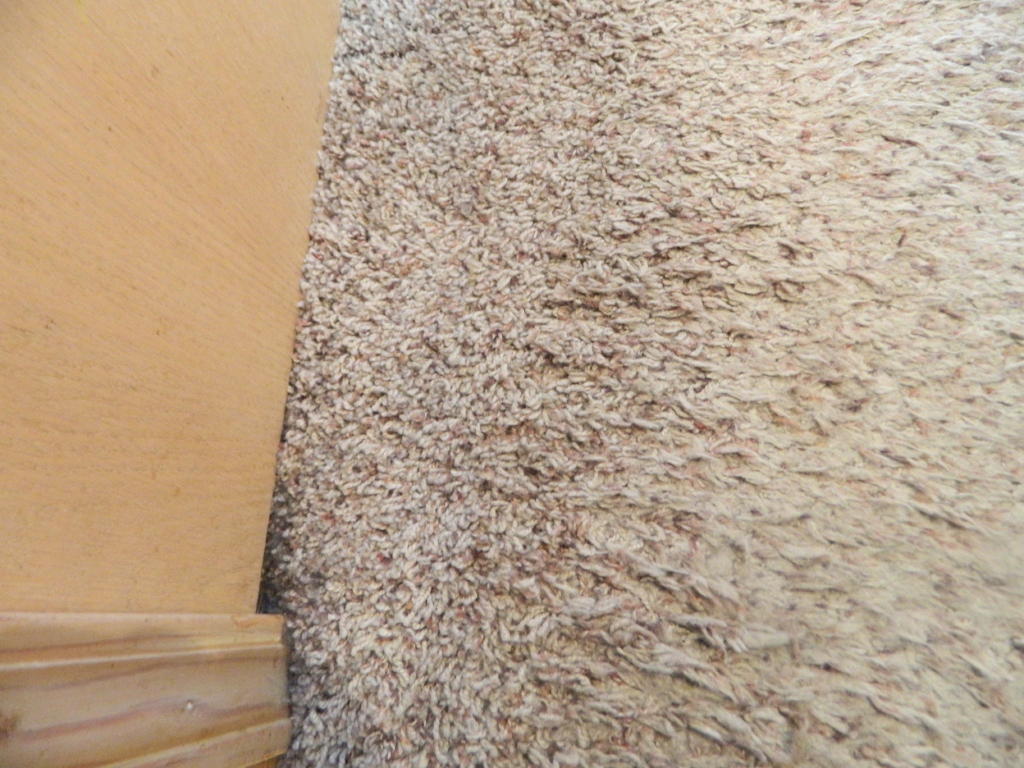
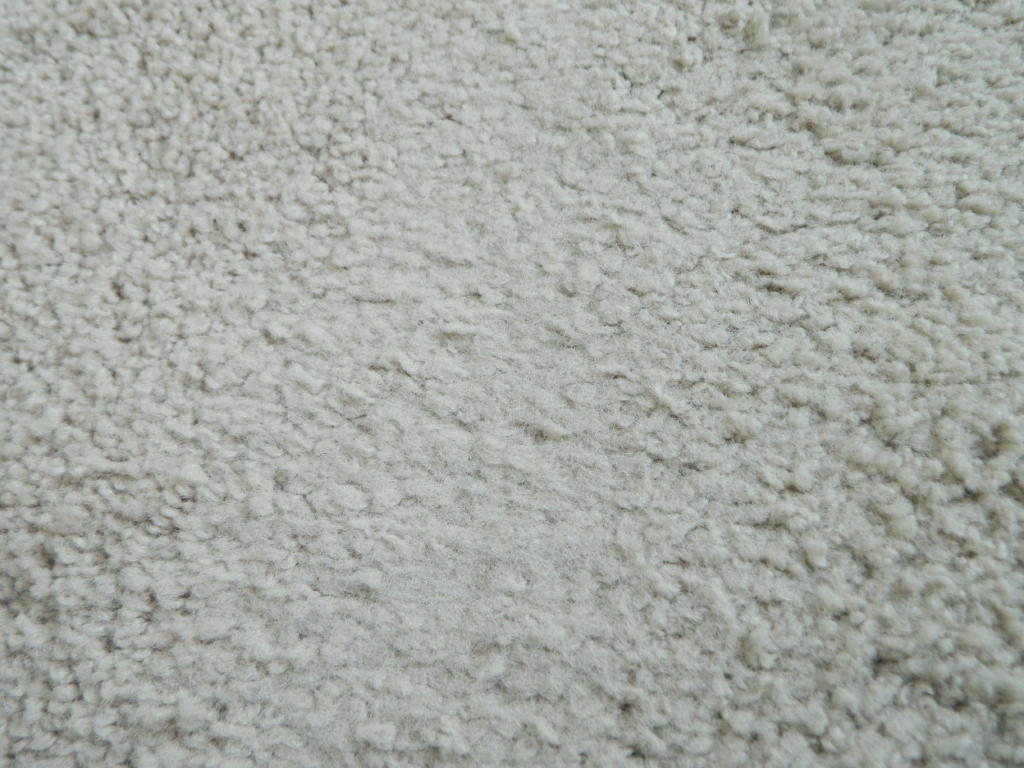
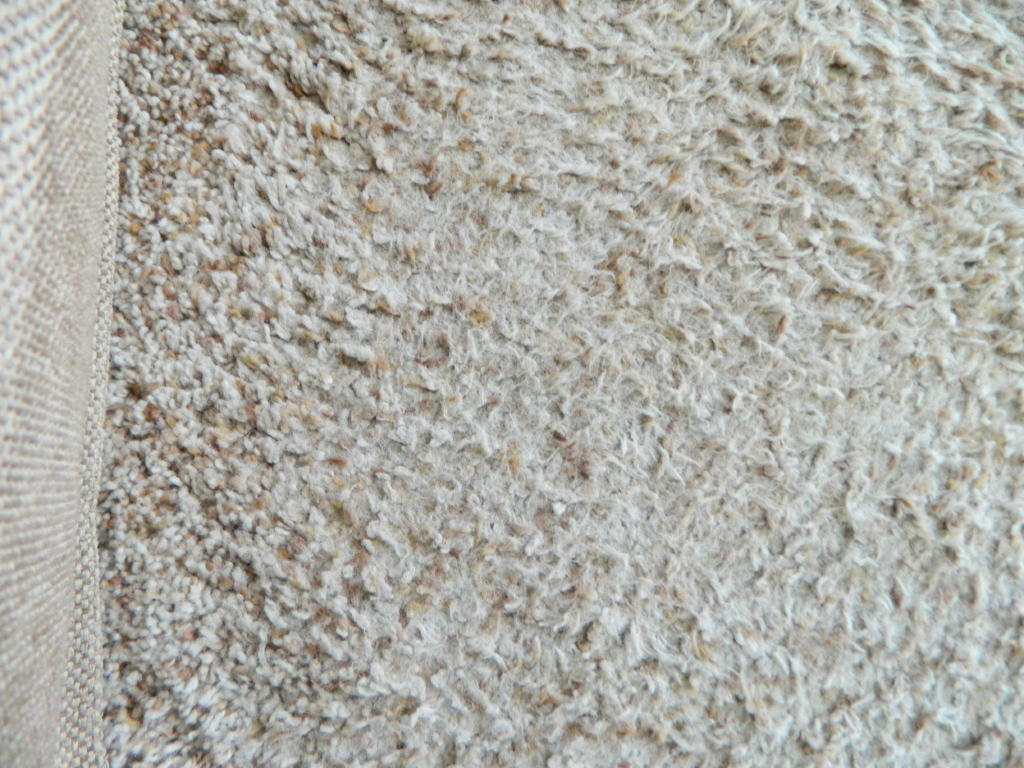
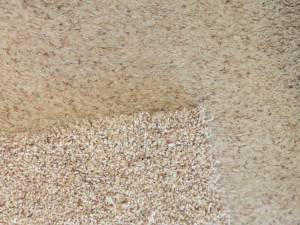
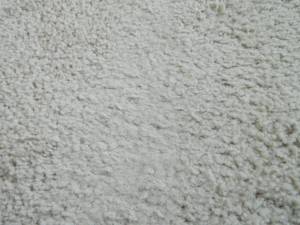
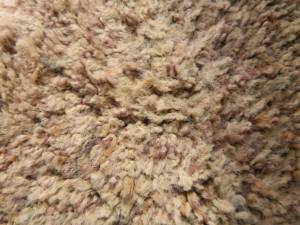
Comparison between new and matted carpet

Sierra Exif JPEG

Matting

Matting

Matting

Sierra Exif JPEG

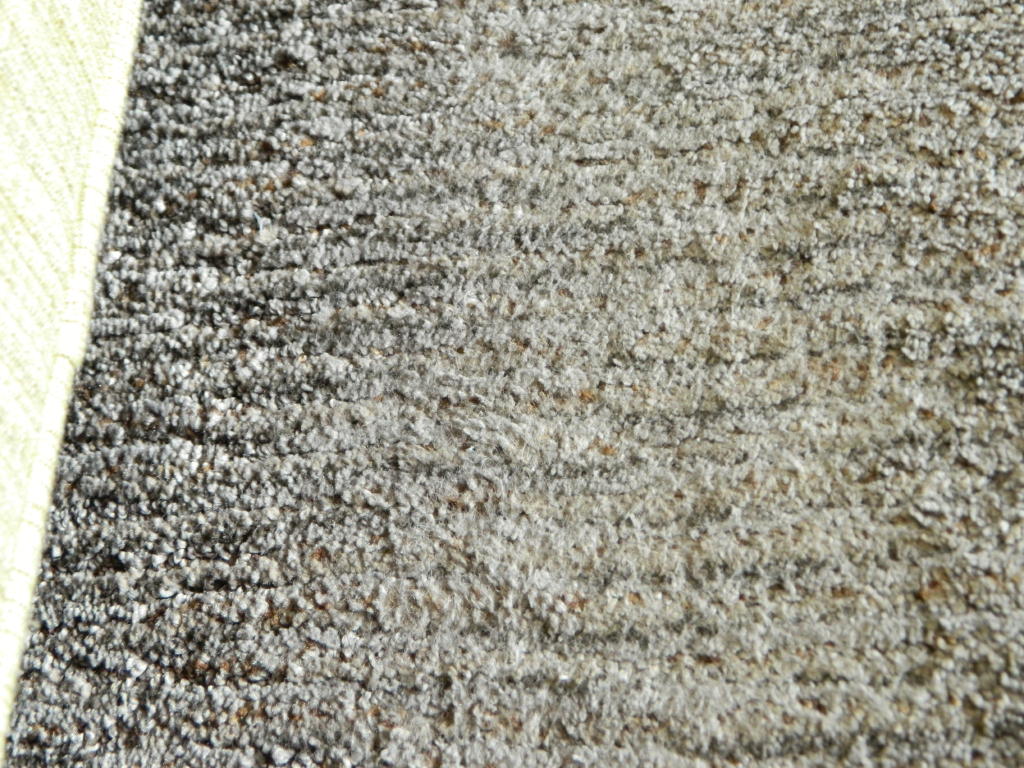
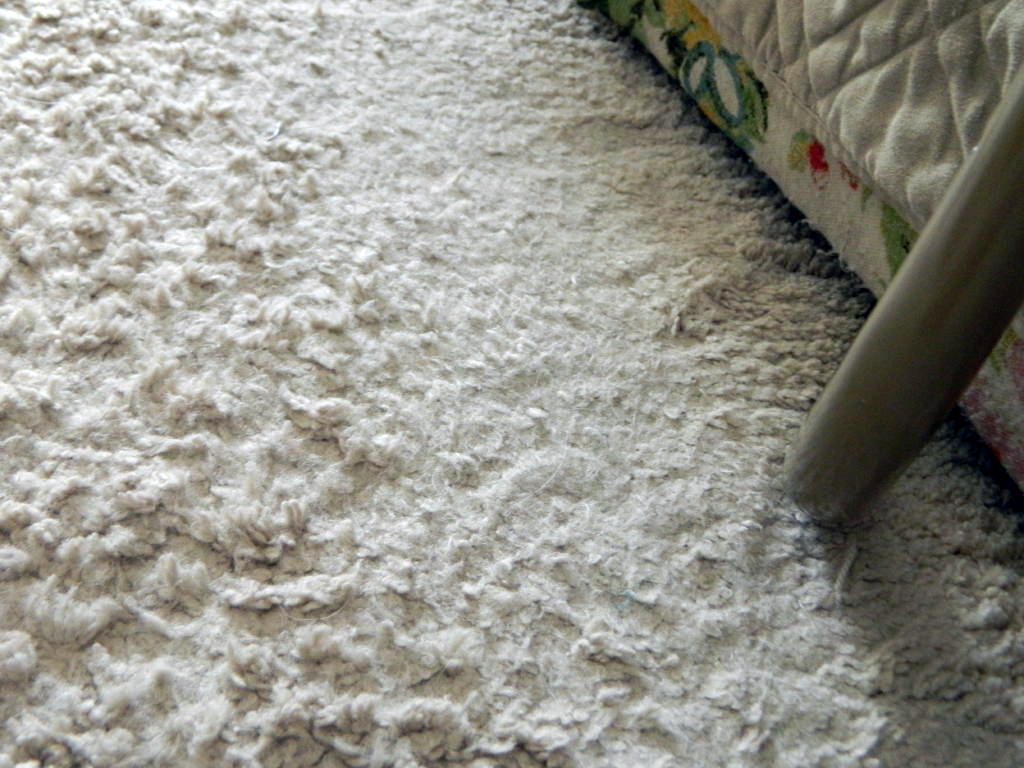
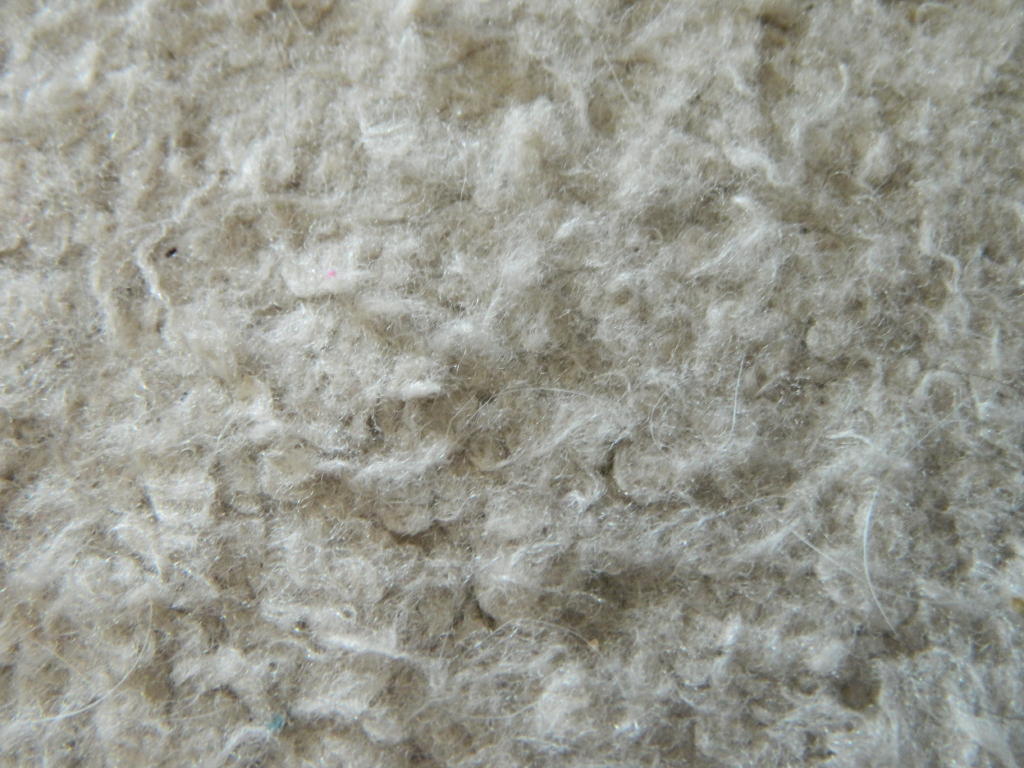
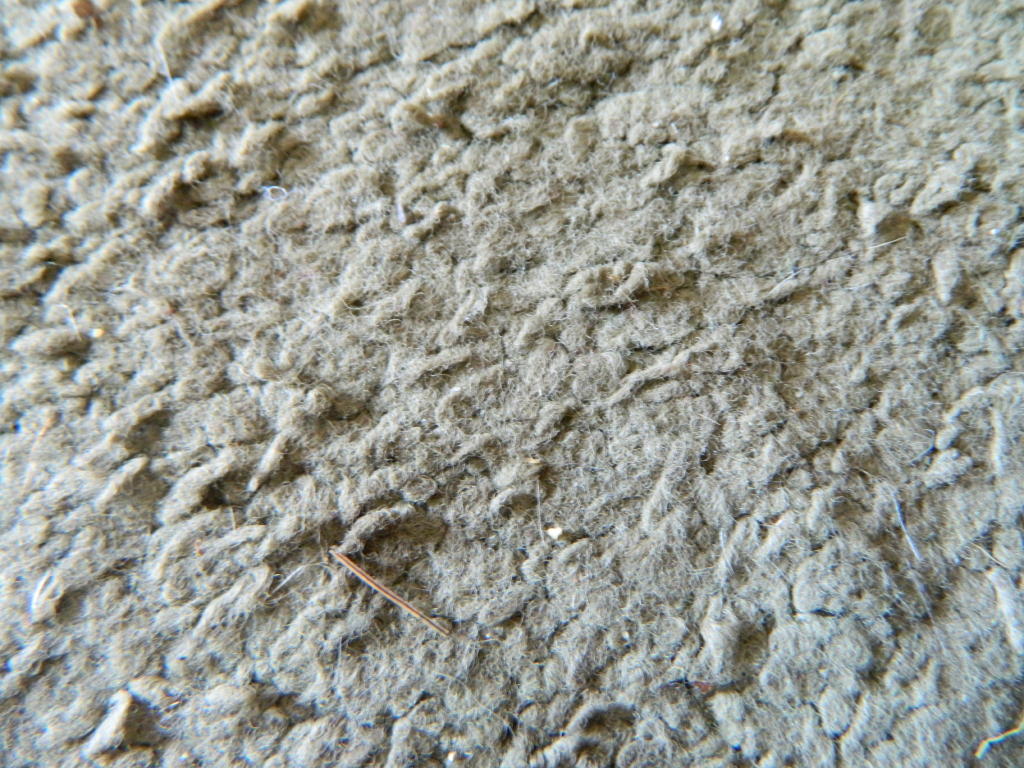
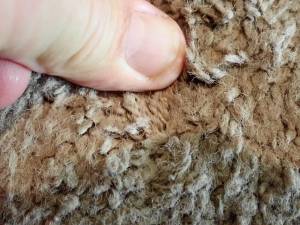
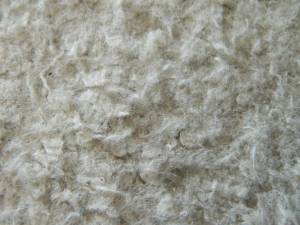
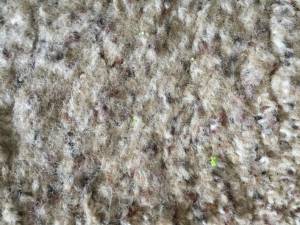
Matted area

Sierra Exif JPEG

Matting

Sierra Exif JPEG

Matting

Matting

Matting

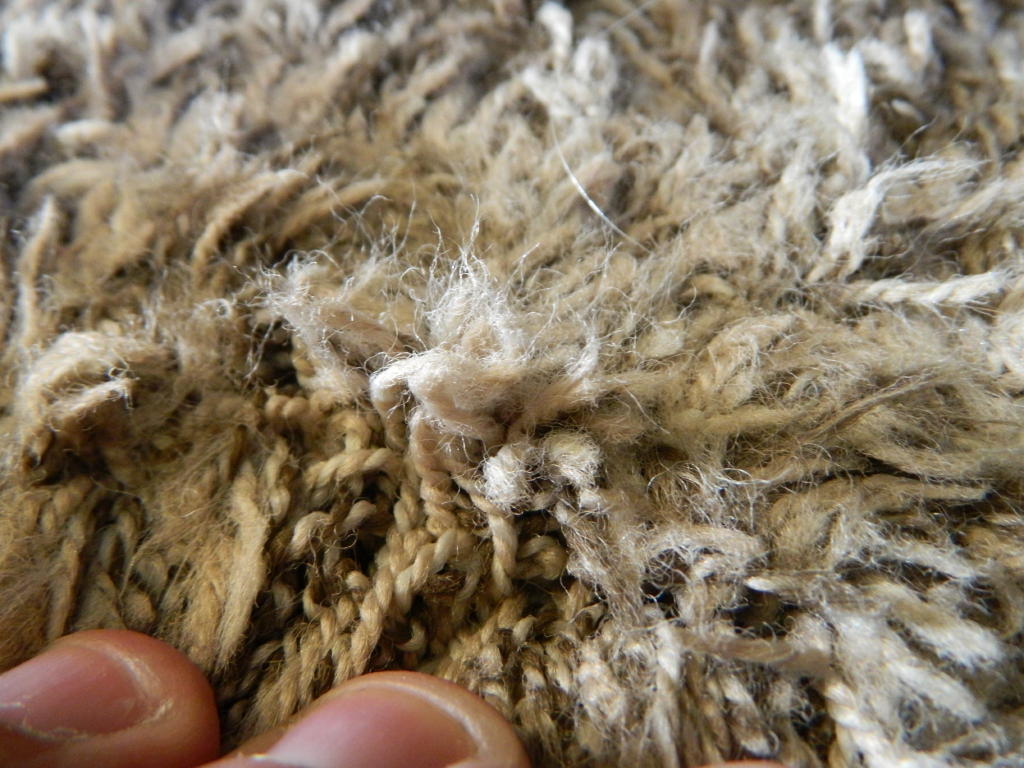
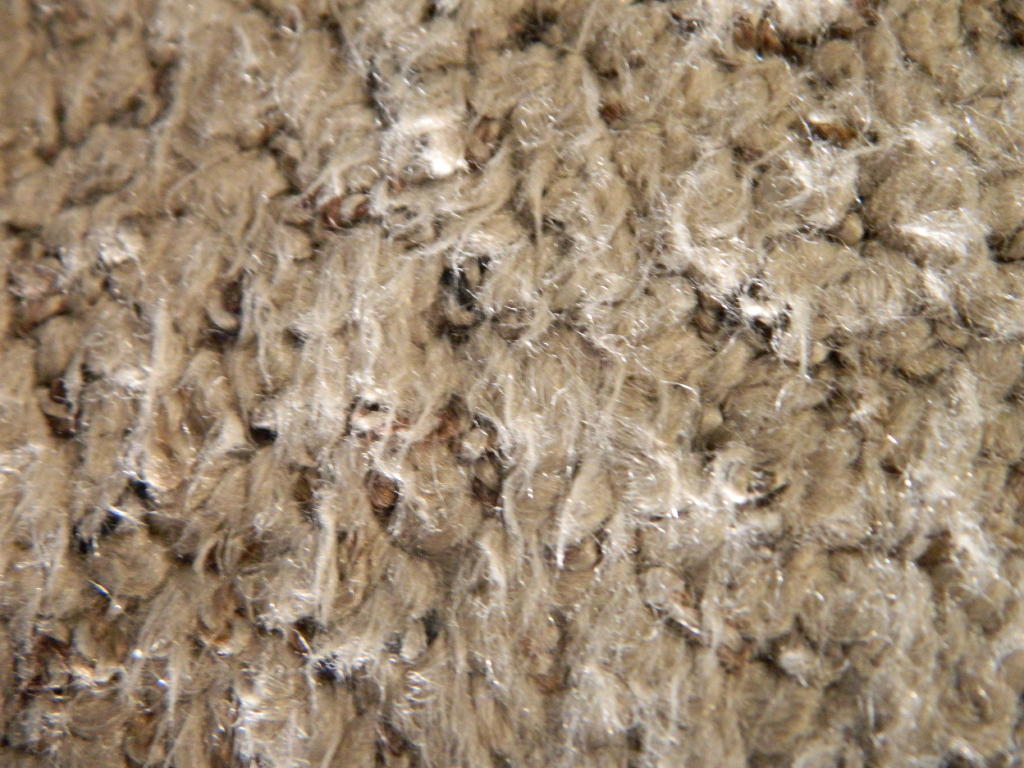
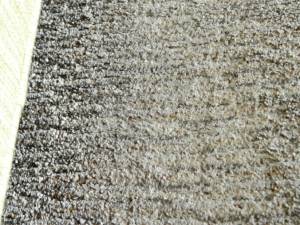
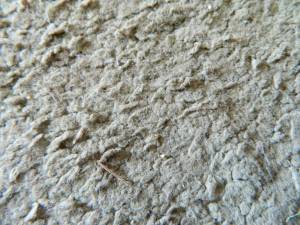
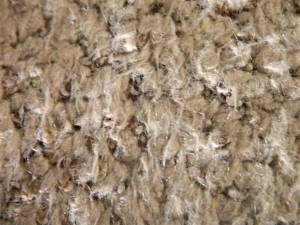
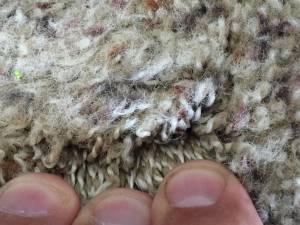
Carpet matting caused by yarn entanglement and traffic-related texture loss

Matting

Sierra Exif JPEG

Matting

Matting

Matting

Matting

Matting

Matting

Matting

Sierra Exif JPEG

Matting

matting-9211

Matting

matting-21443

Matting

Sierra Exif JPEG

Matting

Sierra Exif JPEG Sierra Exif JPEG Matting Sierra Exif JPEG Sierra Exif JPEG Sierra Exif JPEG Matting Carpet matting caused by yarn entanglement and traffic-related texture loss Sierra Exif JPEG Matting Matting Matting Sierra Exif JPEG matting-9211 matting-21443 Sierra Exif JPEG

Matting (Carpet)

Floor Detective® Claims and Conditions Guide

Summary

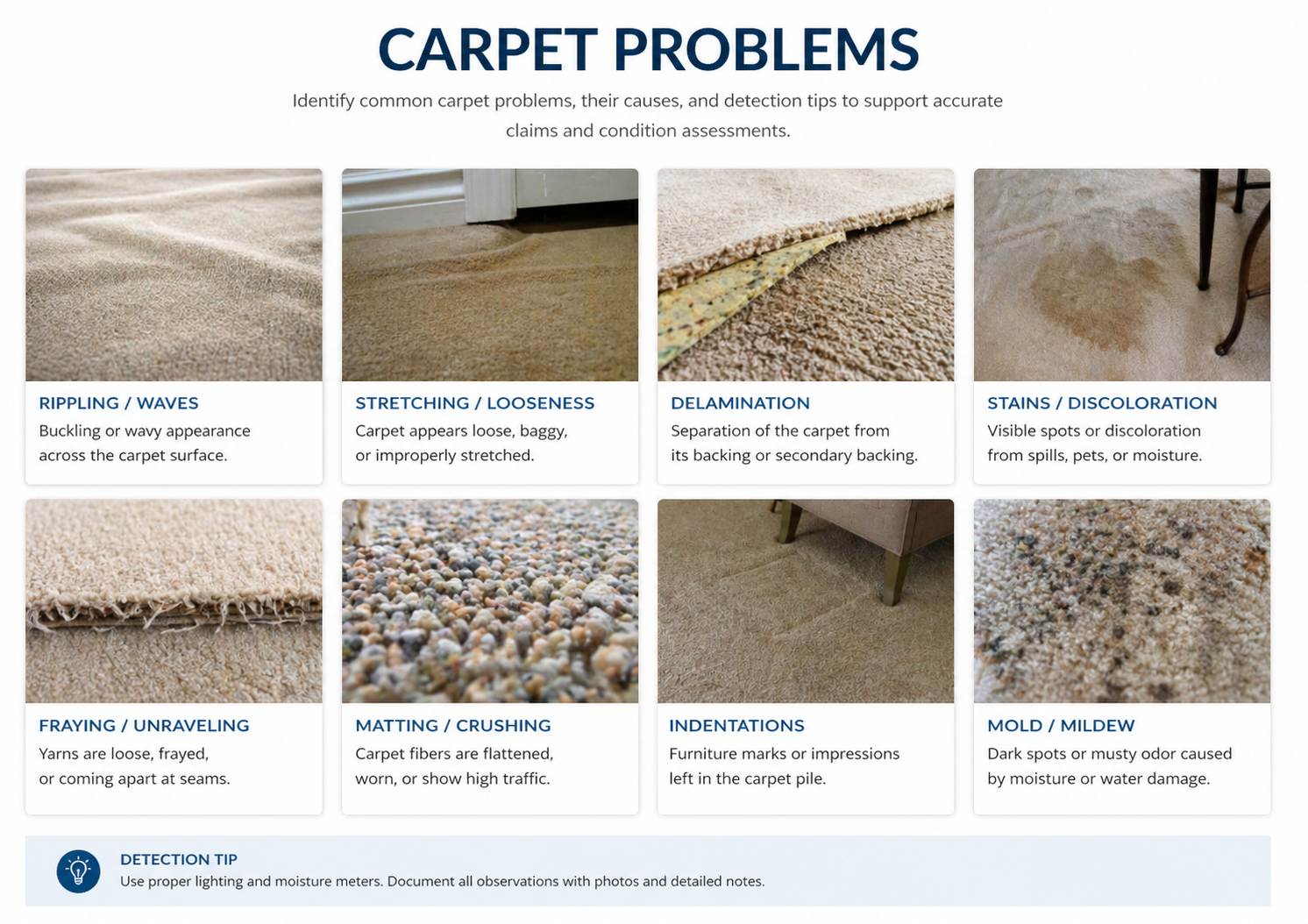
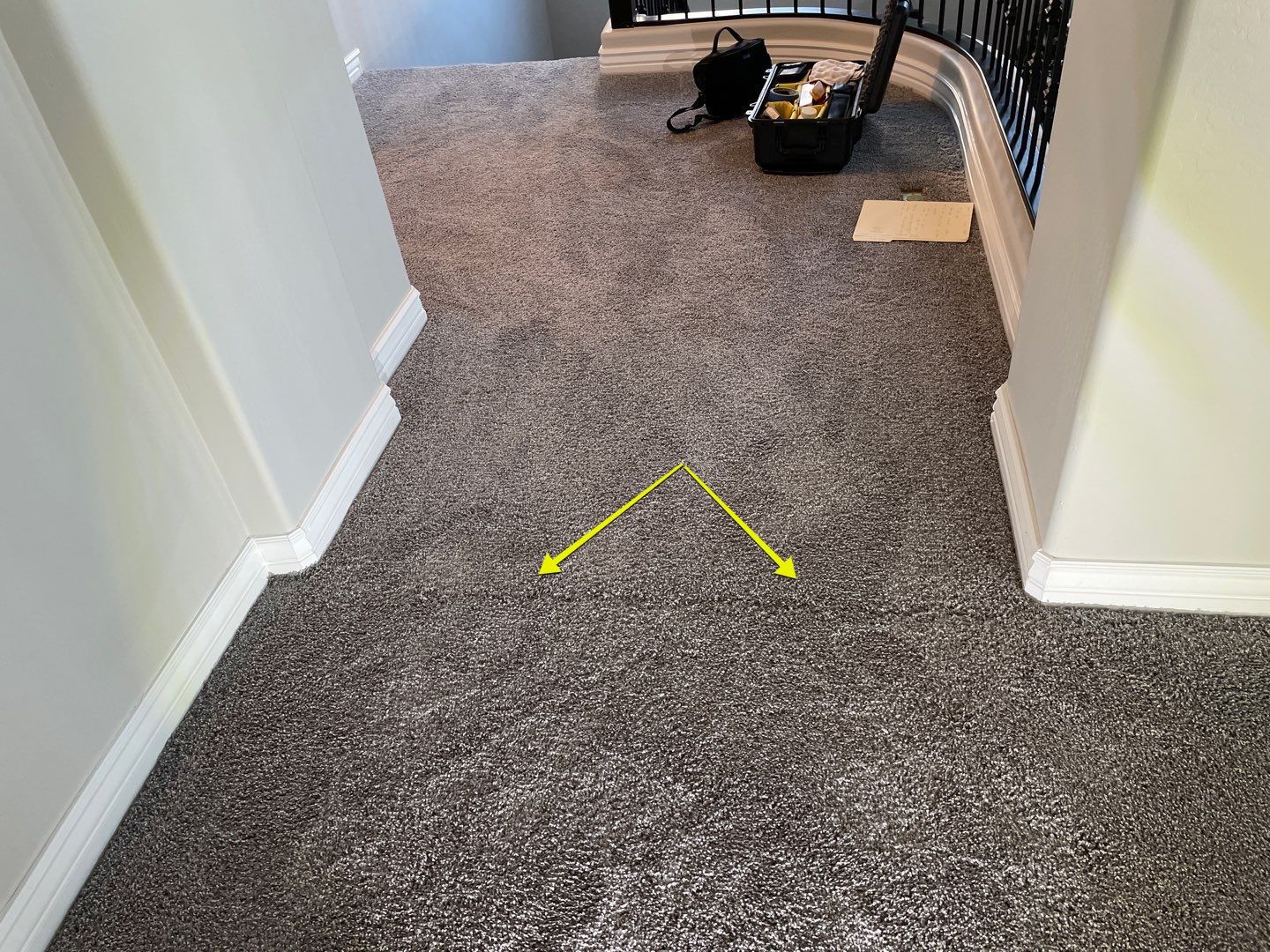
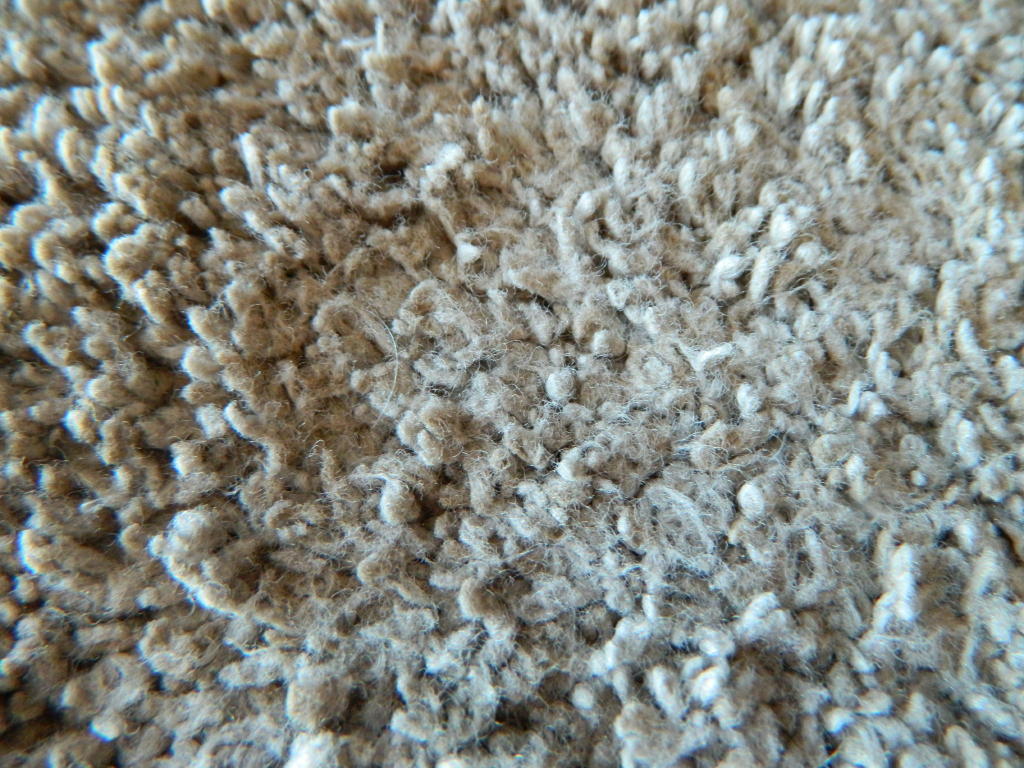
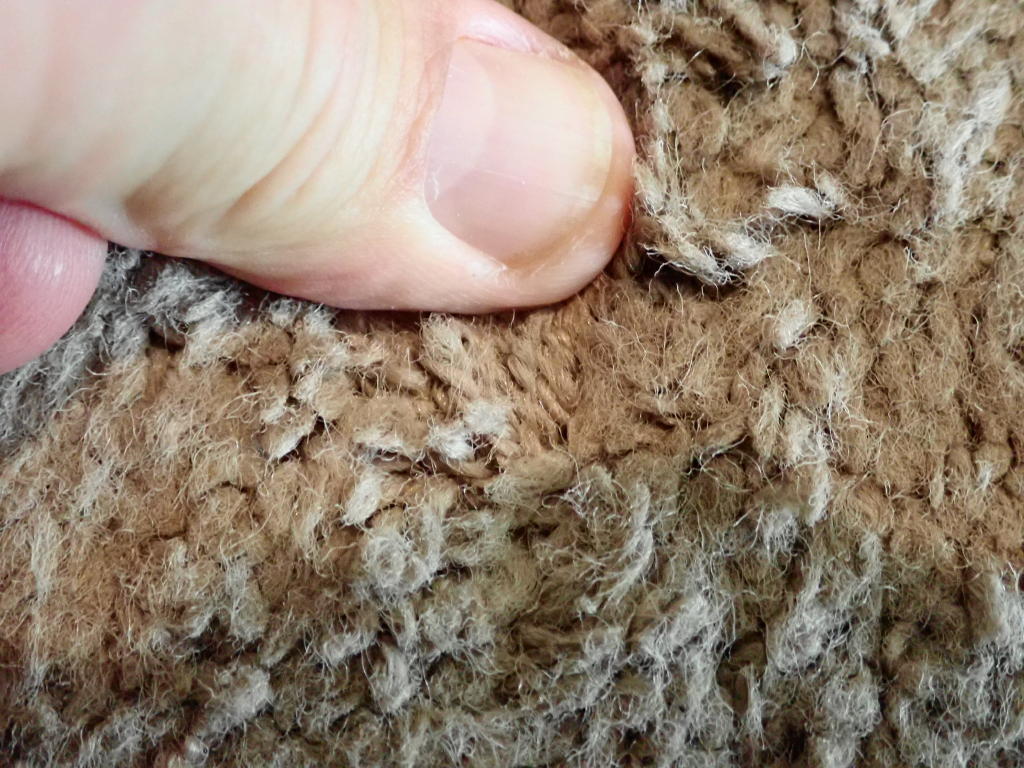
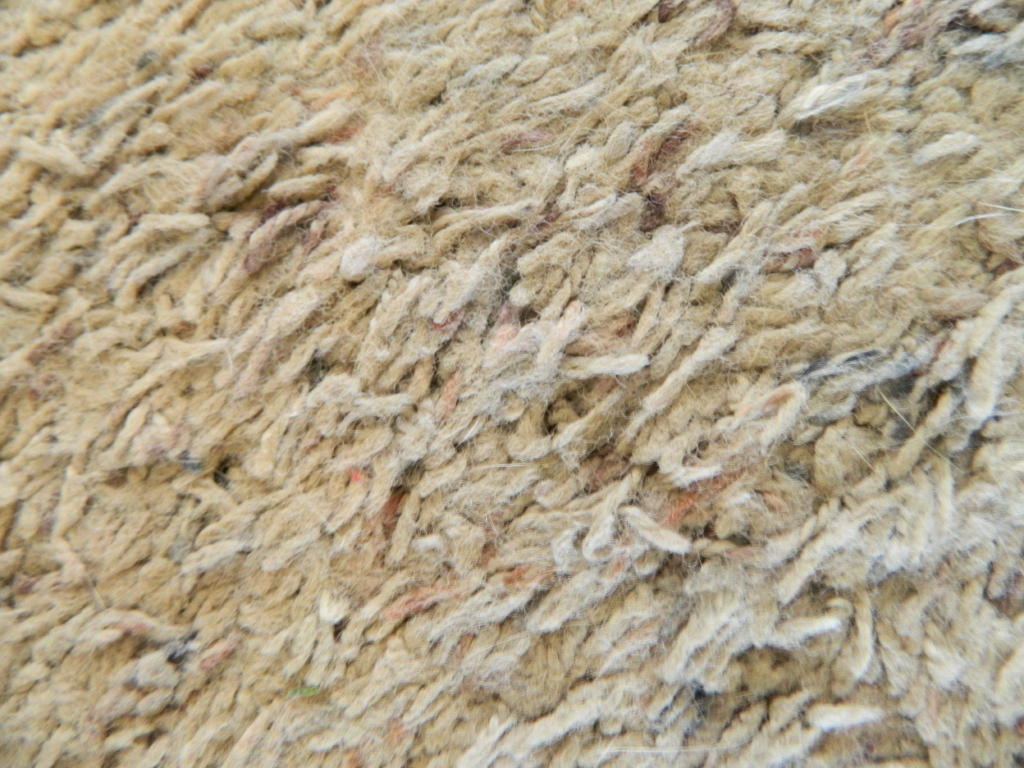
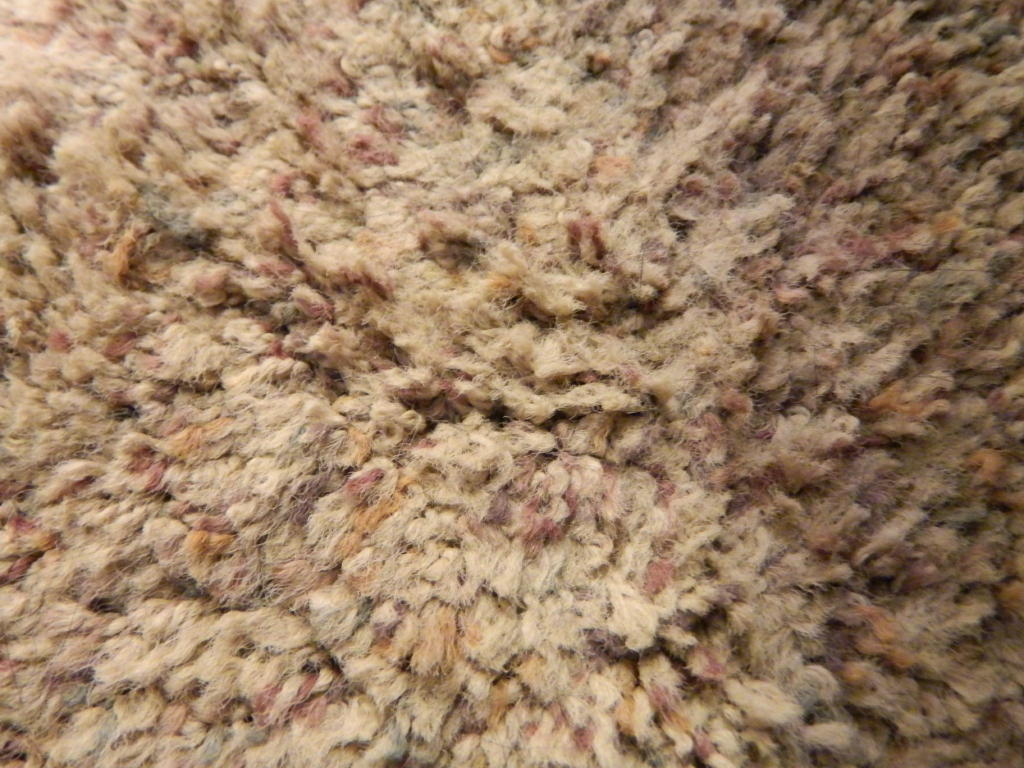
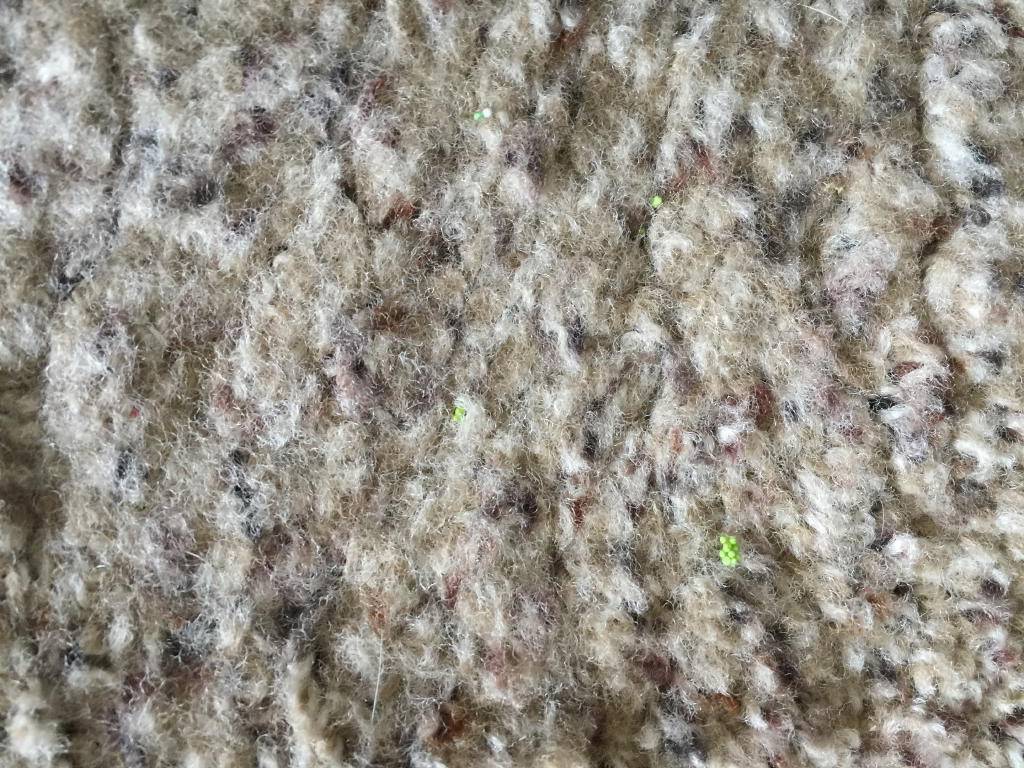
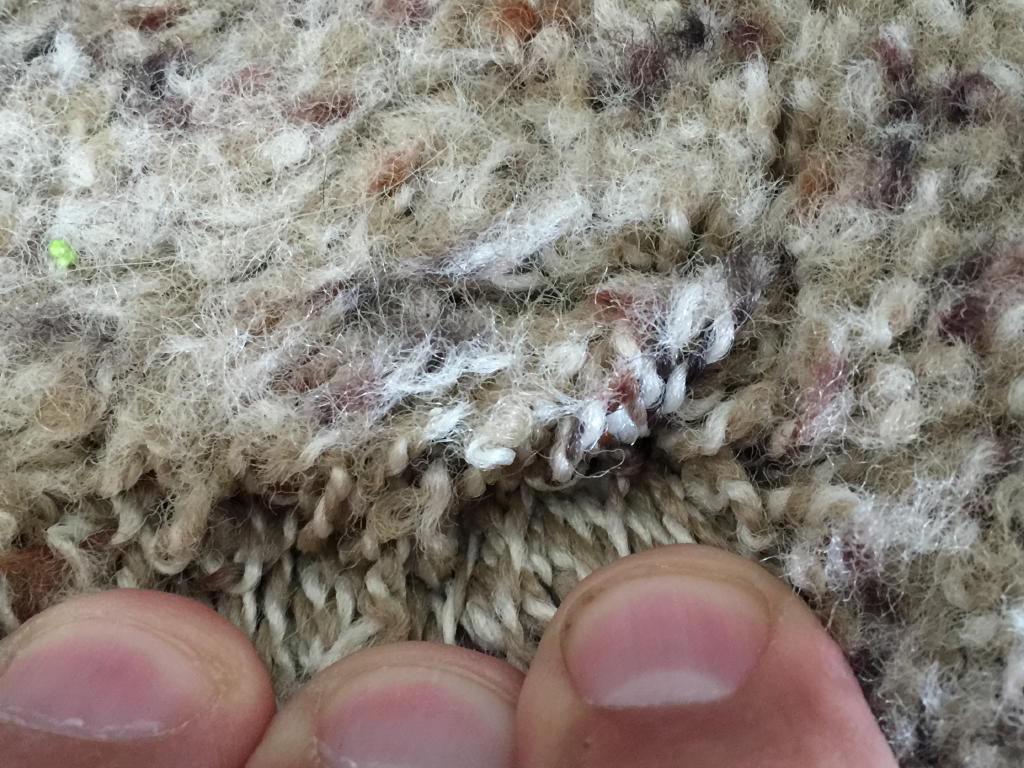
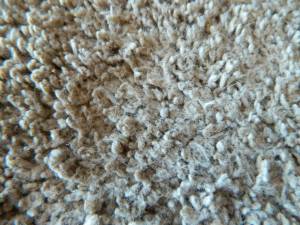
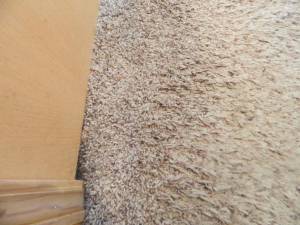
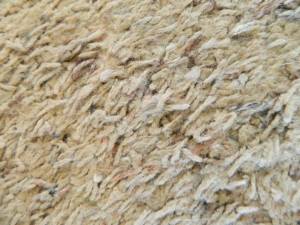
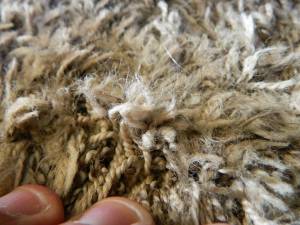
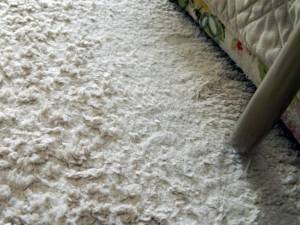
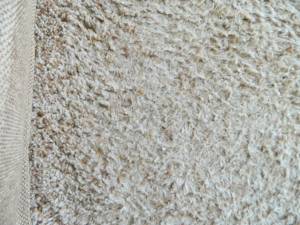
Matting is an appearance-related condition in which carpet pile yarns become entangled, interlocked, or compacted under repeated traffic, resulting in reduced texture definition and surface uniformity. Unlike crushing, which primarily involves vertical pile height reduction, matting reflects lateral yarn distortion and fiber cohesion that limit yarn separation and recovery. The condition commonly develops in traffic lanes, pivot points, and concentrated use areas where repeated shear forces progressively compact and interlock yarn bundles. Soil accumulation and oily residues may increase fiber cohesion and accelerate visible texture change over time. Matting affects appearance and apparent texture density rather than manufactured density, backing integrity, or structural durability. See also Crushing, Appearance Retention, and Carpet Problems for broader context.
Please subscribe to see all content

Carpet Problems

Carpet problems include appearance changes, seam issues, fiber behavior, and installation-related conditions. Proper evaluation depends on pattern, distribution, and cause.
Read More
Carpet Problems

Carpet Fiber Identification (Field and Laboratory Methods)
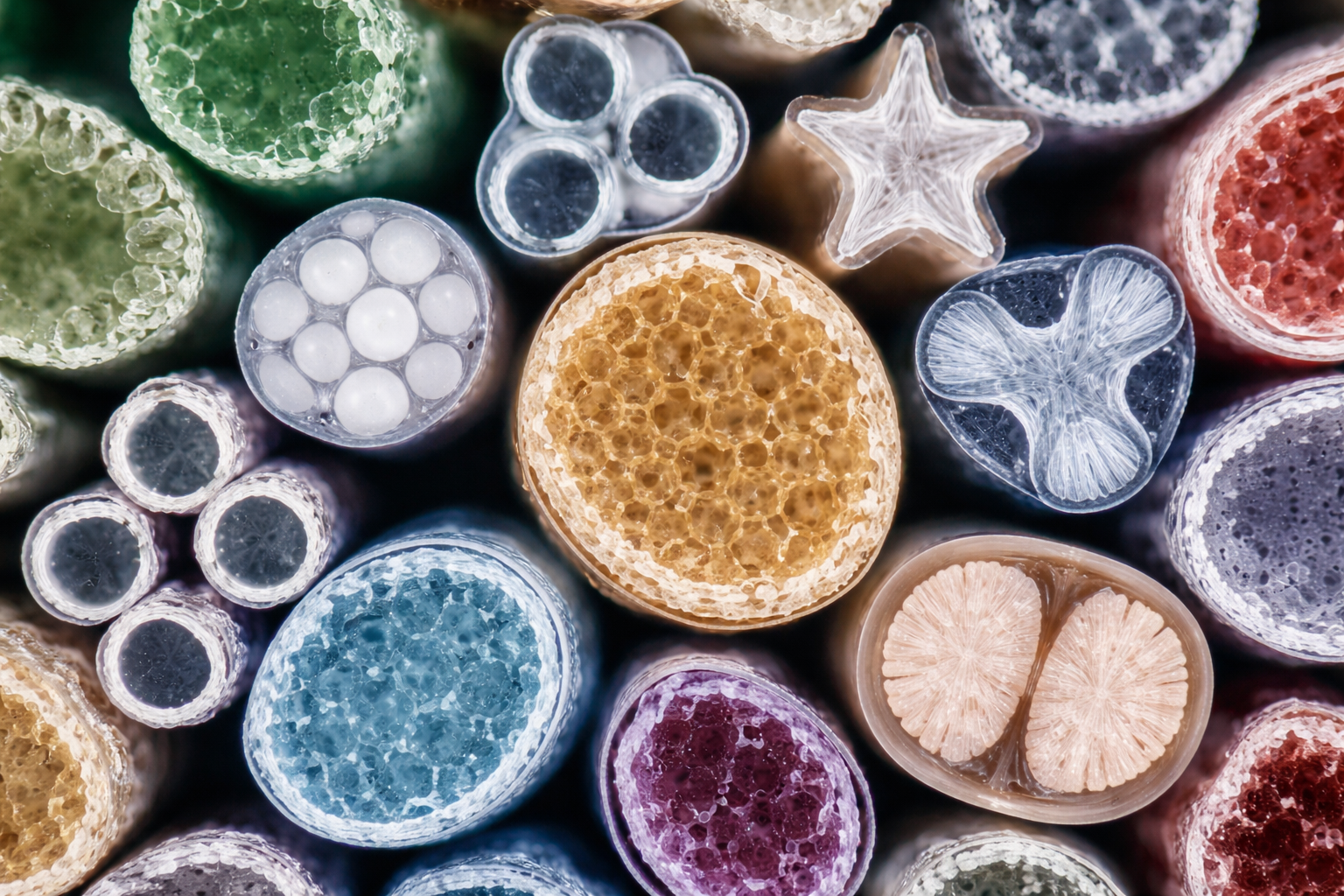
Carpet fiber identification helps determine how carpet may respond to heat, moisture, cleaning chemistry, abrasion, and environmental exposure.
Read More
Carpet Fiber Identification (Field and Laboratory Methods)

Wool and Wool Carpet Properties
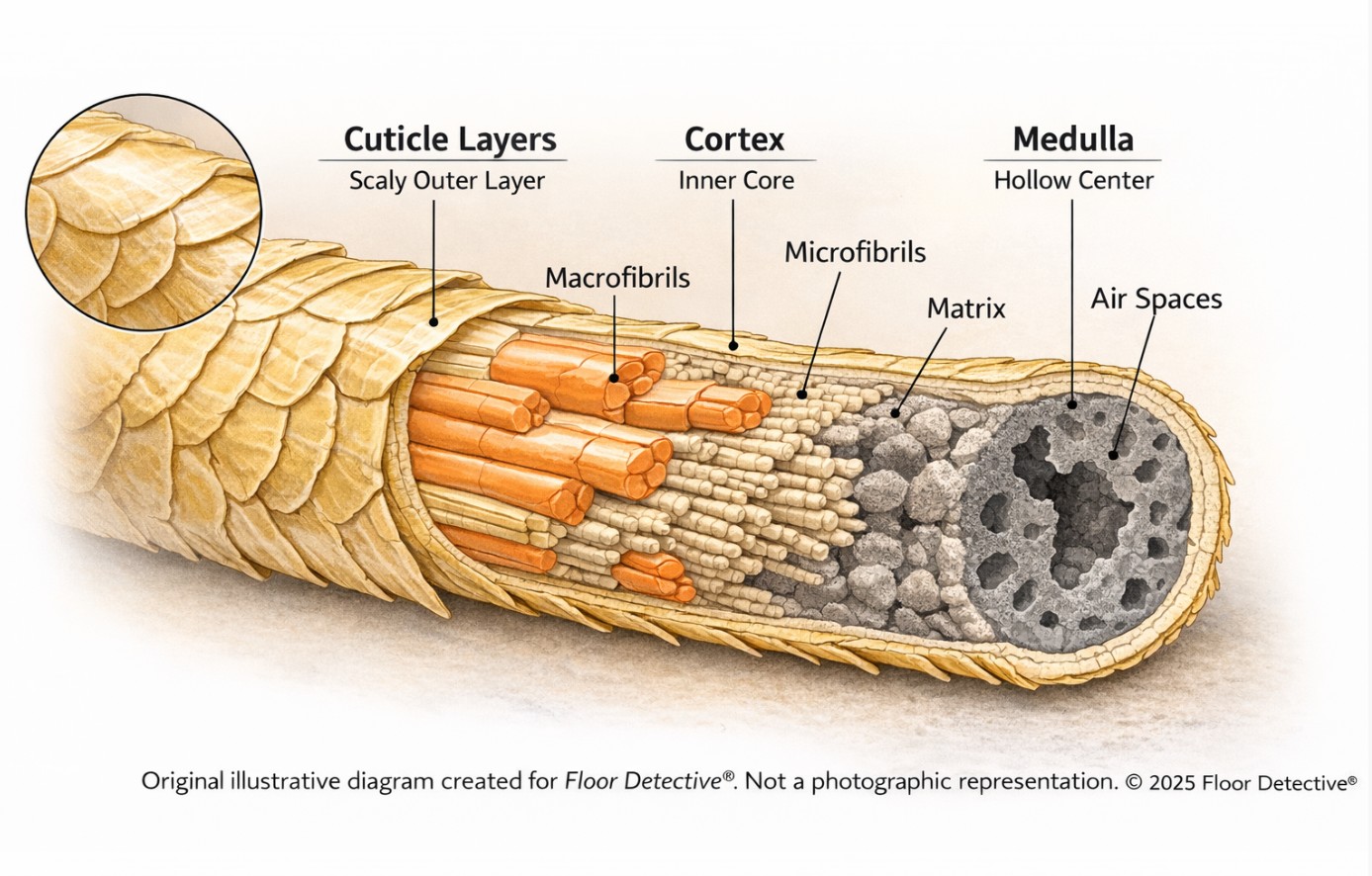
Wool carpet properties differ from synthetics, with moisture sensitivity and chemical reactivity affecting appearance and performance.
Read More
Wool and Wool Carpet Properties

Carpet Beetle Damage
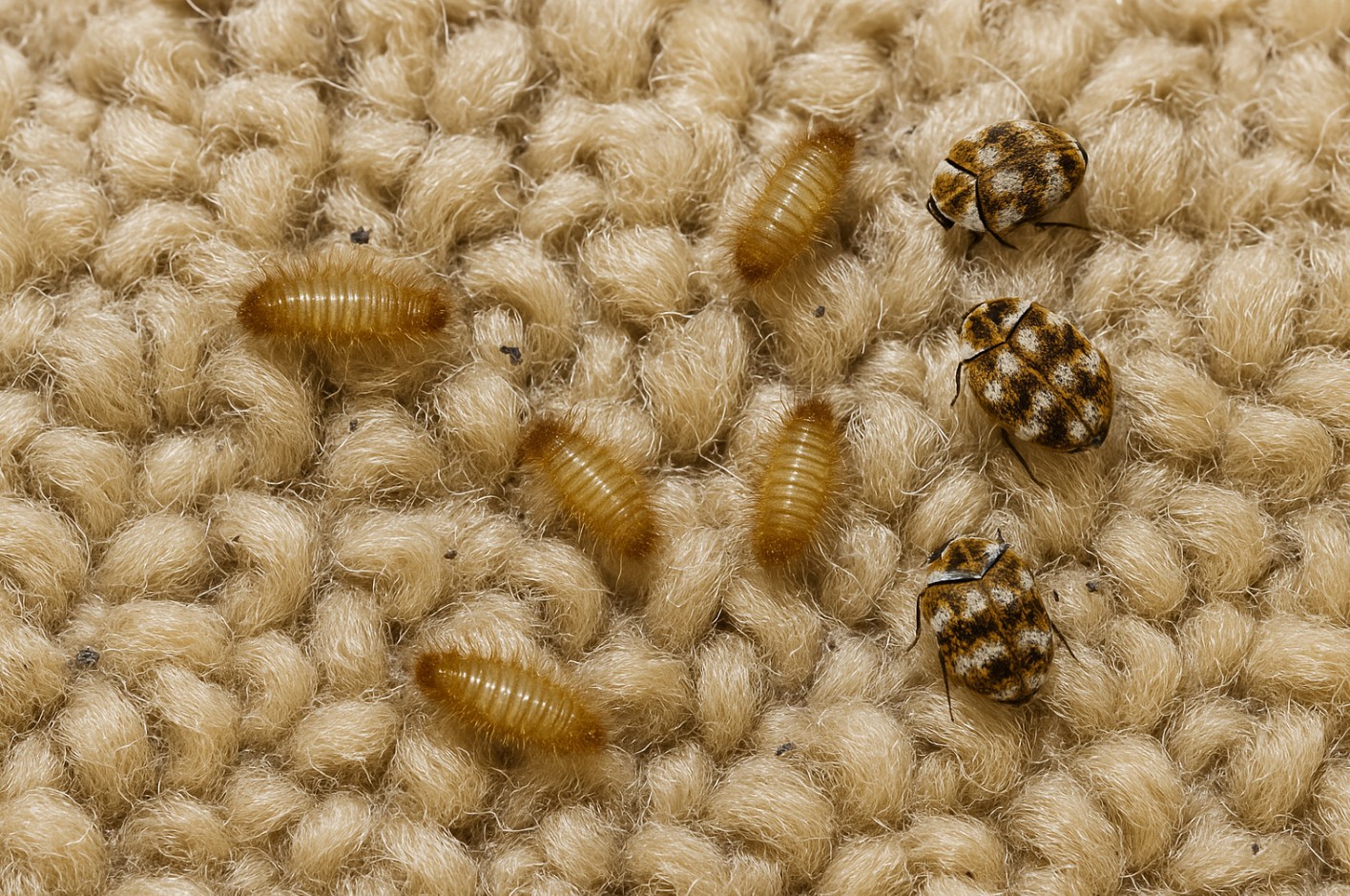
Carpet beetle damage is localized fiber loss caused by larvae feeding on organic materials within carpet, often occurring in concealed...
Read More
Carpet Beetle Damage

Fiber Properties

Carpet fiber properties determine durability, resilience, and how flooring performs under traffic and environmental conditions.
Read More
Fiber Properties

Missing Row

Missing rows in carpet are manufacturing defects where yarn is absent, creating visible linear gaps or texture changes.
Read More
Missing Row

Browning

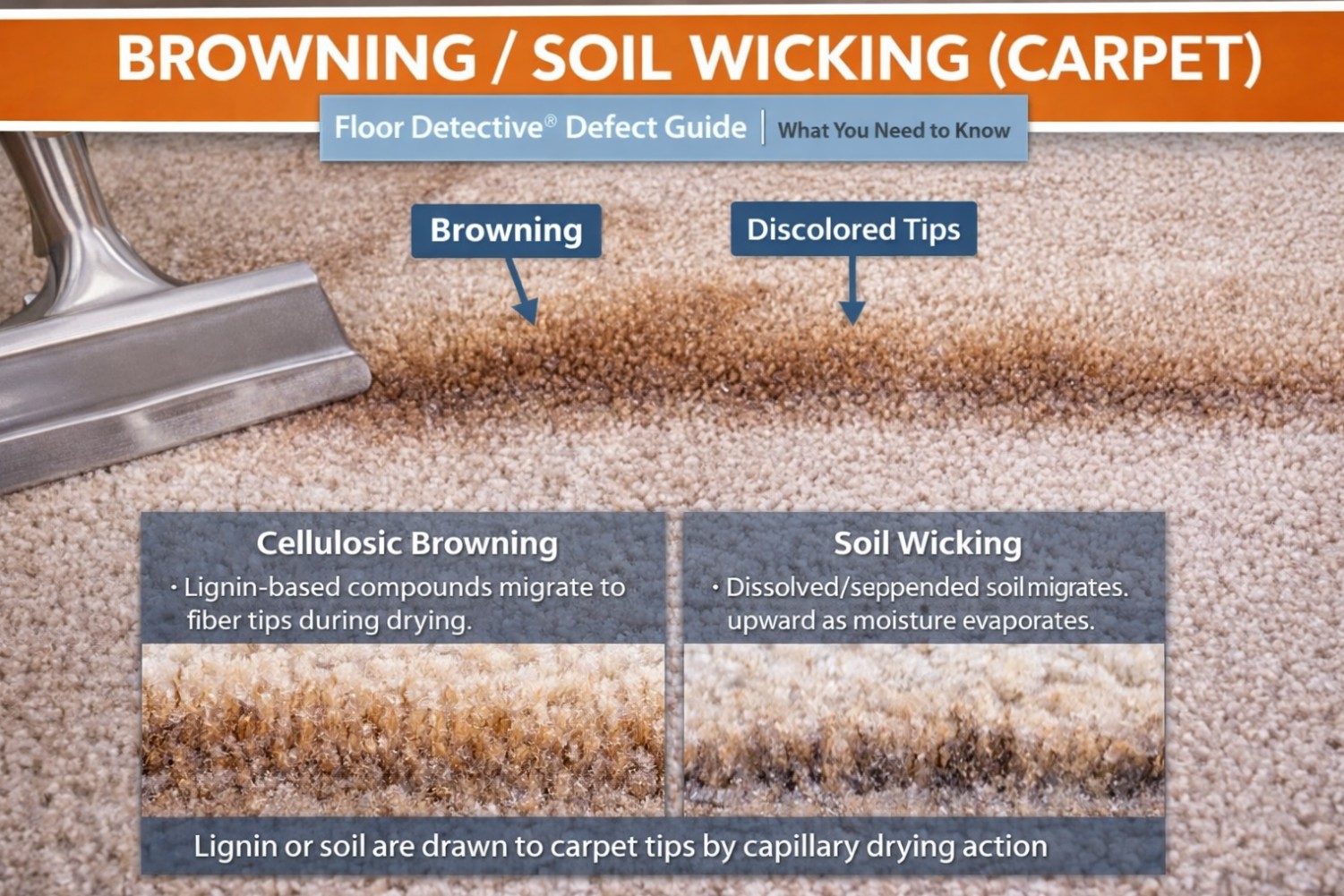
Browning and soil wicking are discoloration conditions caused by moisture-driven migration of materials to the carpet surface during drying.
Read More
Browning

Wrinkles in Backing

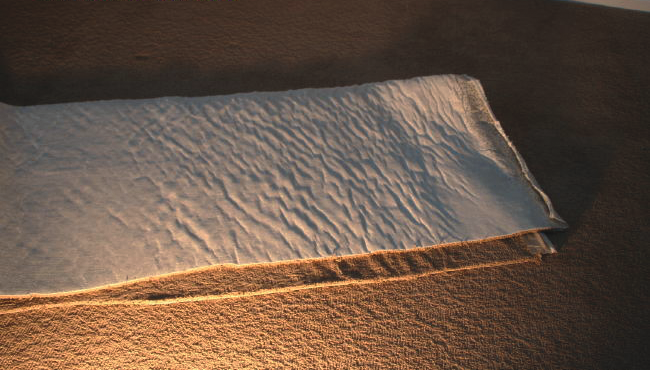
Carpet backing wrinkles are structural distortions locked into the backing during manufacturing and may affect surface appearance.
Read More
Wrinkles in Backing

Unraveling / Runs (Carpet)
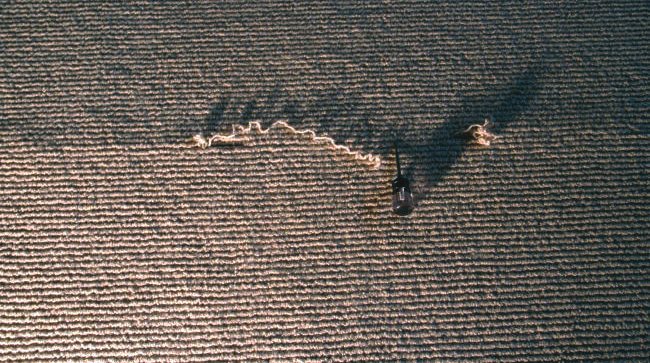
Carpet unraveling or runs occur when continuous filament yarns are pulled from the carpet, creating linear damage along tuft rows.
Read More
Unraveling / Runs (Carpet)

Core Crush / Roll-Core Pile Reversal (Carpet)
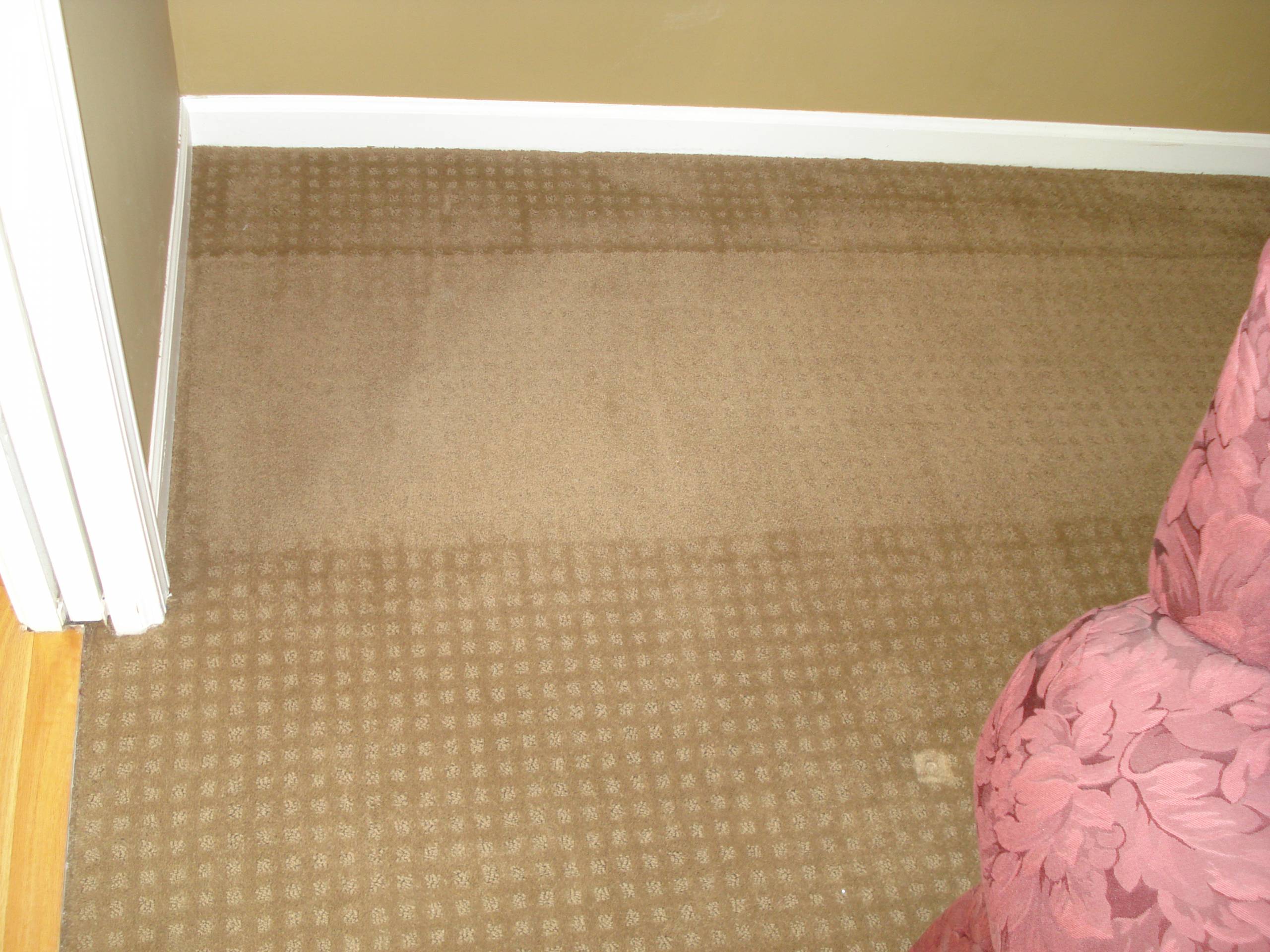
Carpet roll-core crush occurs when pile yarns become compressed around the roll core, creating visible light or dark banding near...
Read More
Core Crush / Roll-Core Pile Reversal (Carpet)