Vapor Retarder


Moisture Control Components (Flooring Systems)
Floor Detective® Claims and Conditions Guide
Summary
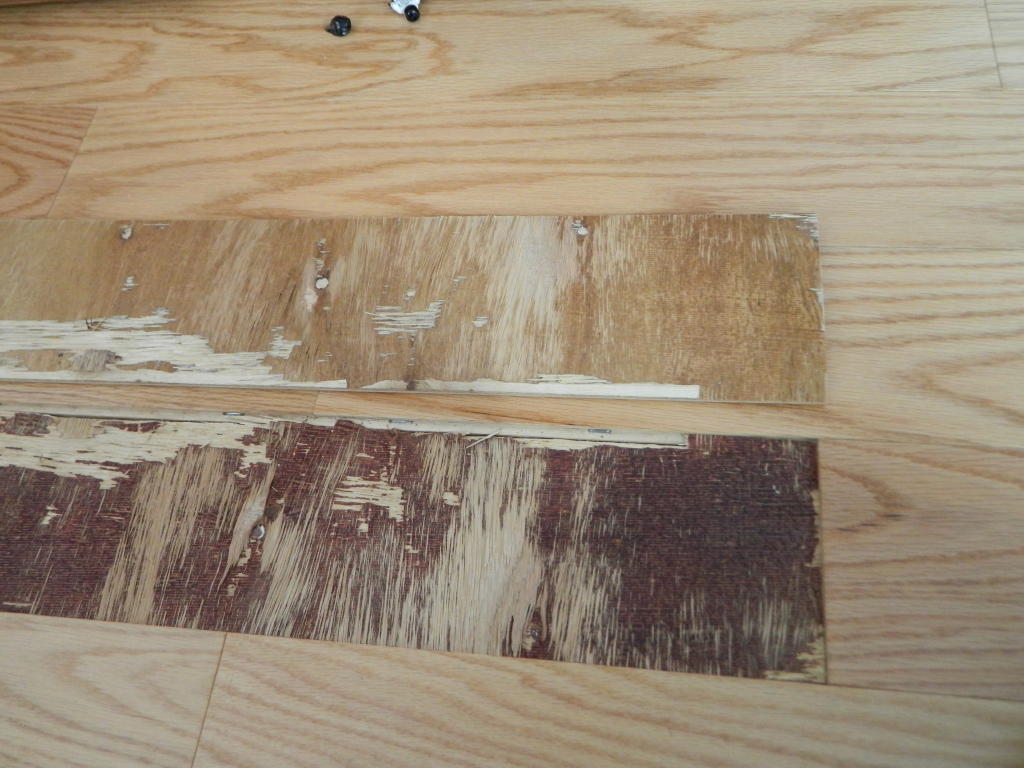
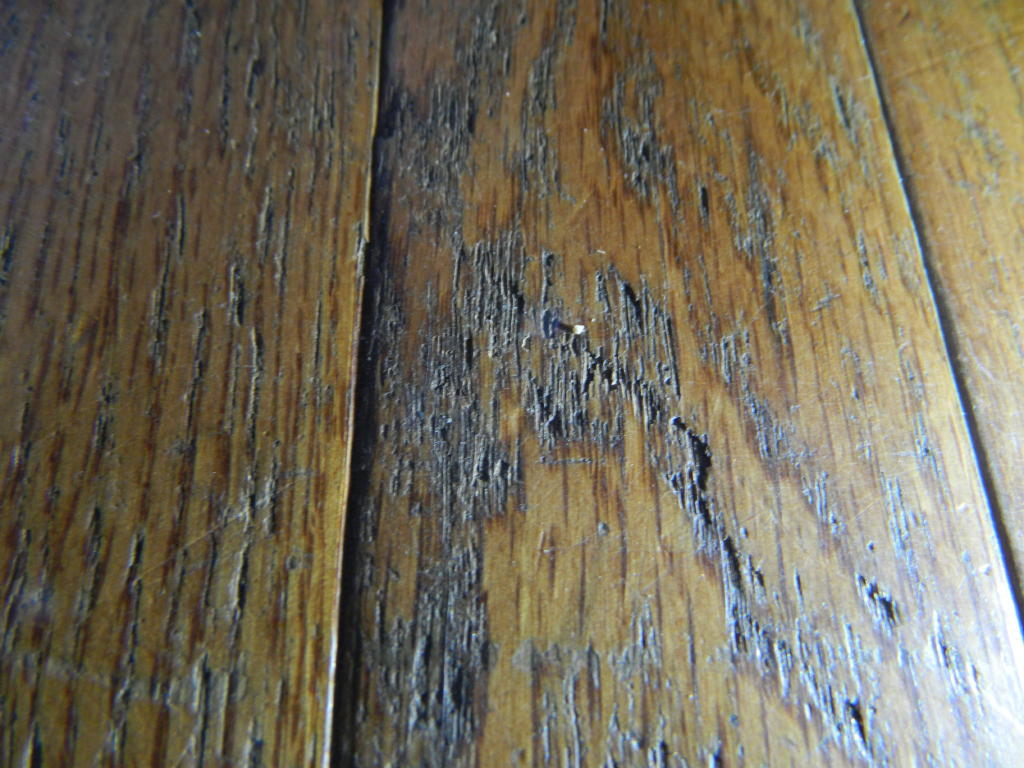
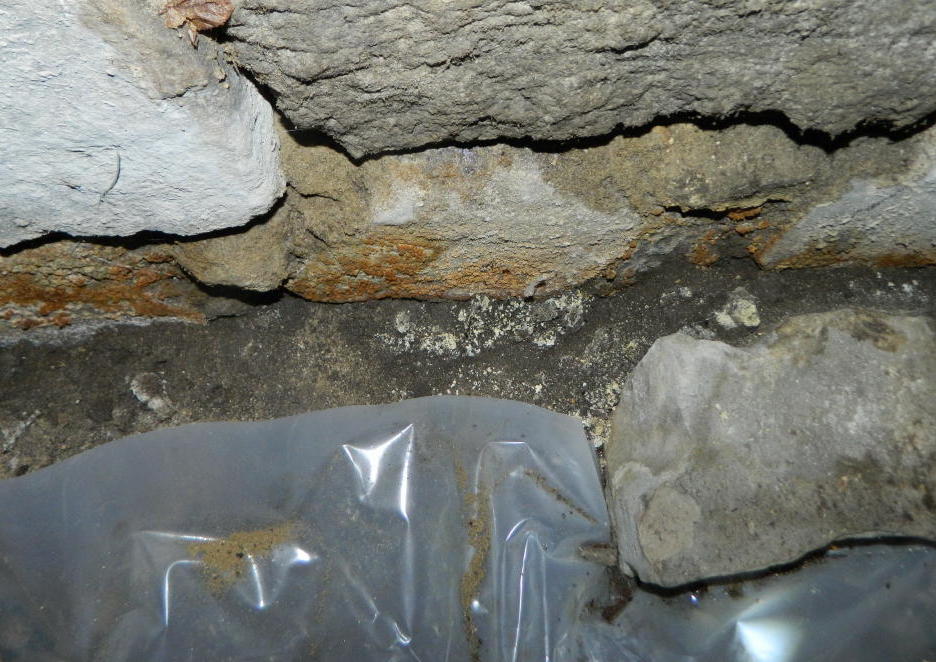
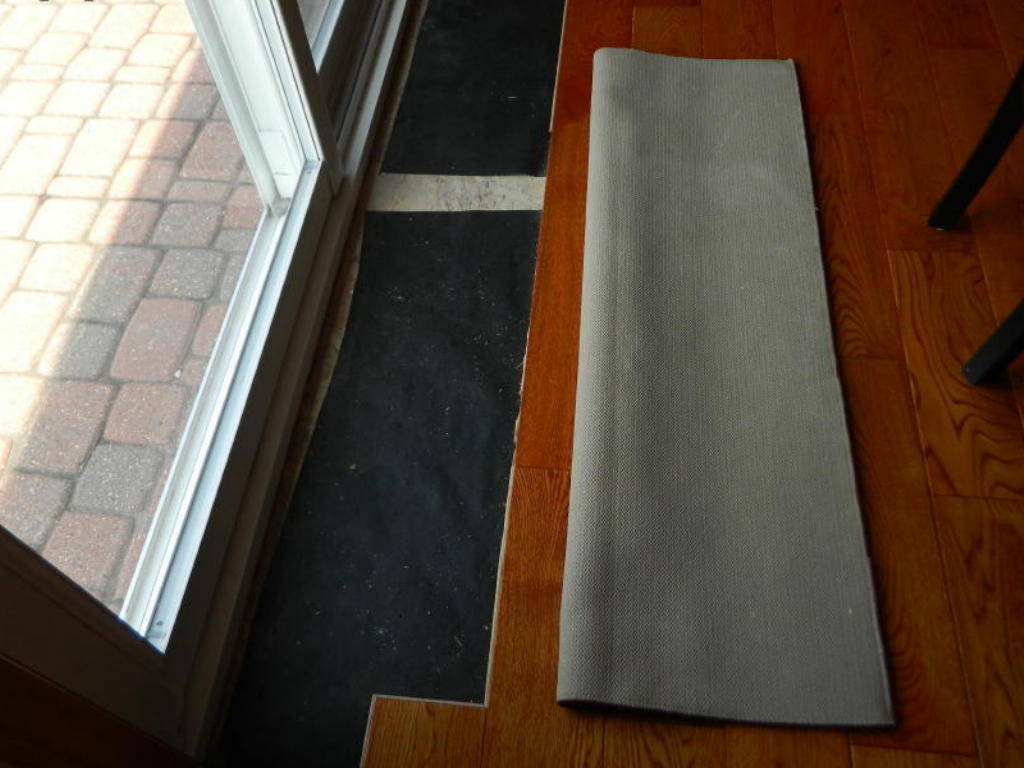
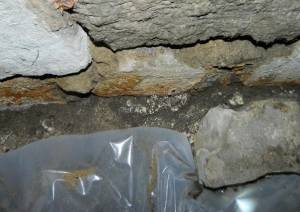
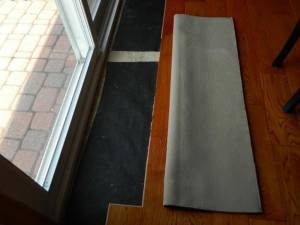
Moisture control components are materials incorporated into flooring assemblies to influence the movement of moisture in vapor or liquid form within a building environment. These components are used across hardwood, laminate, resilient, floating, glue-down, and carpet flooring systems. Moisture may move upward from substrates as vapor diffusion or moisture emission, or downward from surface exposure as liquid intrusion. Moisture-control materials are designed to slow, moderate, or resist specific moisture pathways rather than eliminate all moisture movement. Vapor retarders, mitigation systems, underlayments, membranes, and moisture-resistant surface constructions each serve different functions within the flooring assembly. Performance depends on permeance rating, continuity, compatibility, substrate condition, environmental exposure, and installation integration. Moisture-control components may reduce risk of flooring-system response but do not correct active leaks, hydrostatic pressure, or structural water intrusion conditions. Proper evaluation focuses on moisture direction, pathway, assembly interaction, and the relationship between observed flooring behavior and overall moisture dynamics. See also Vapor Retarder, Water Damage, and Hardwood Floor Problems for broader context.
Hardwood Floor Problems
Wood Decay (Hardwood Flooring)
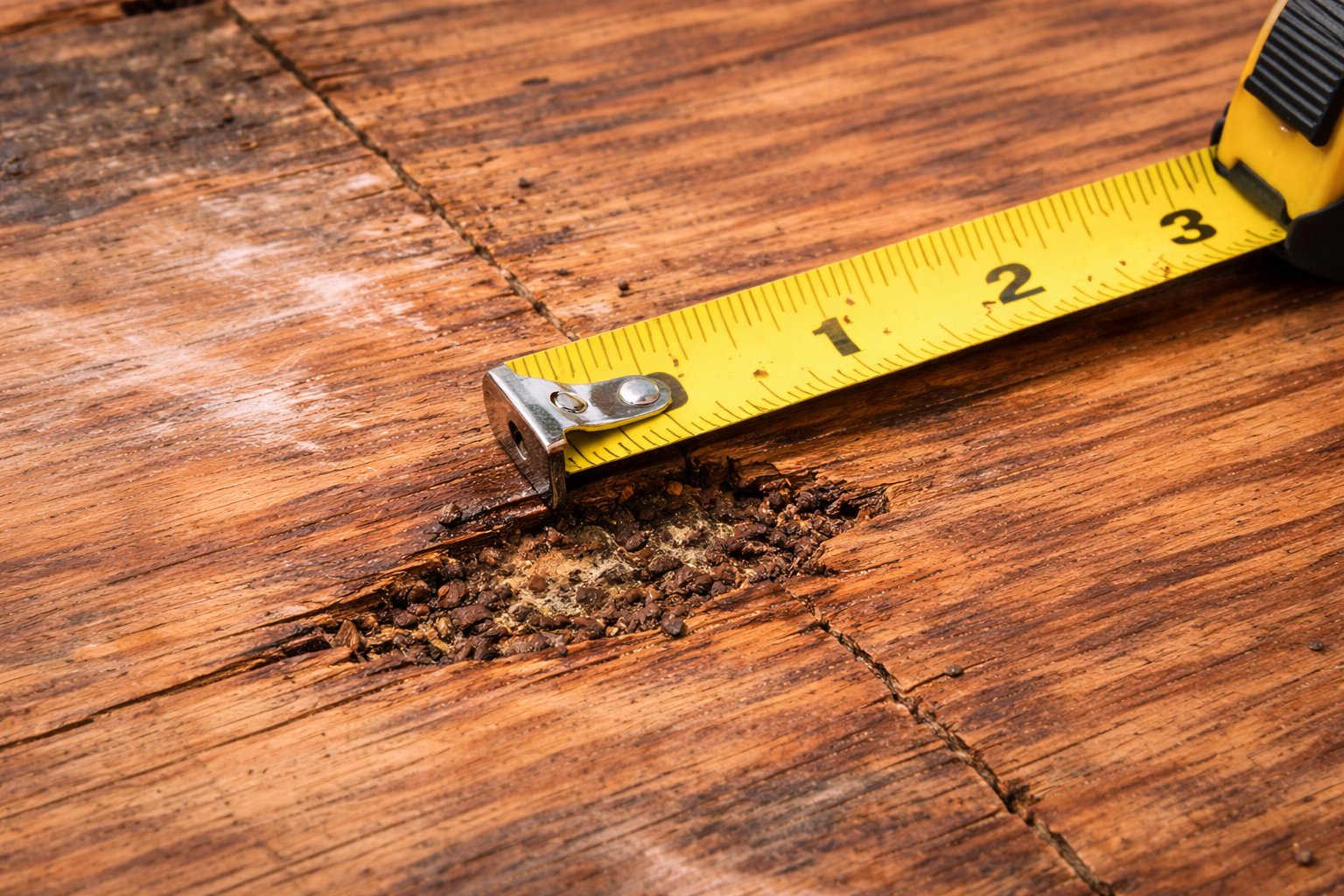
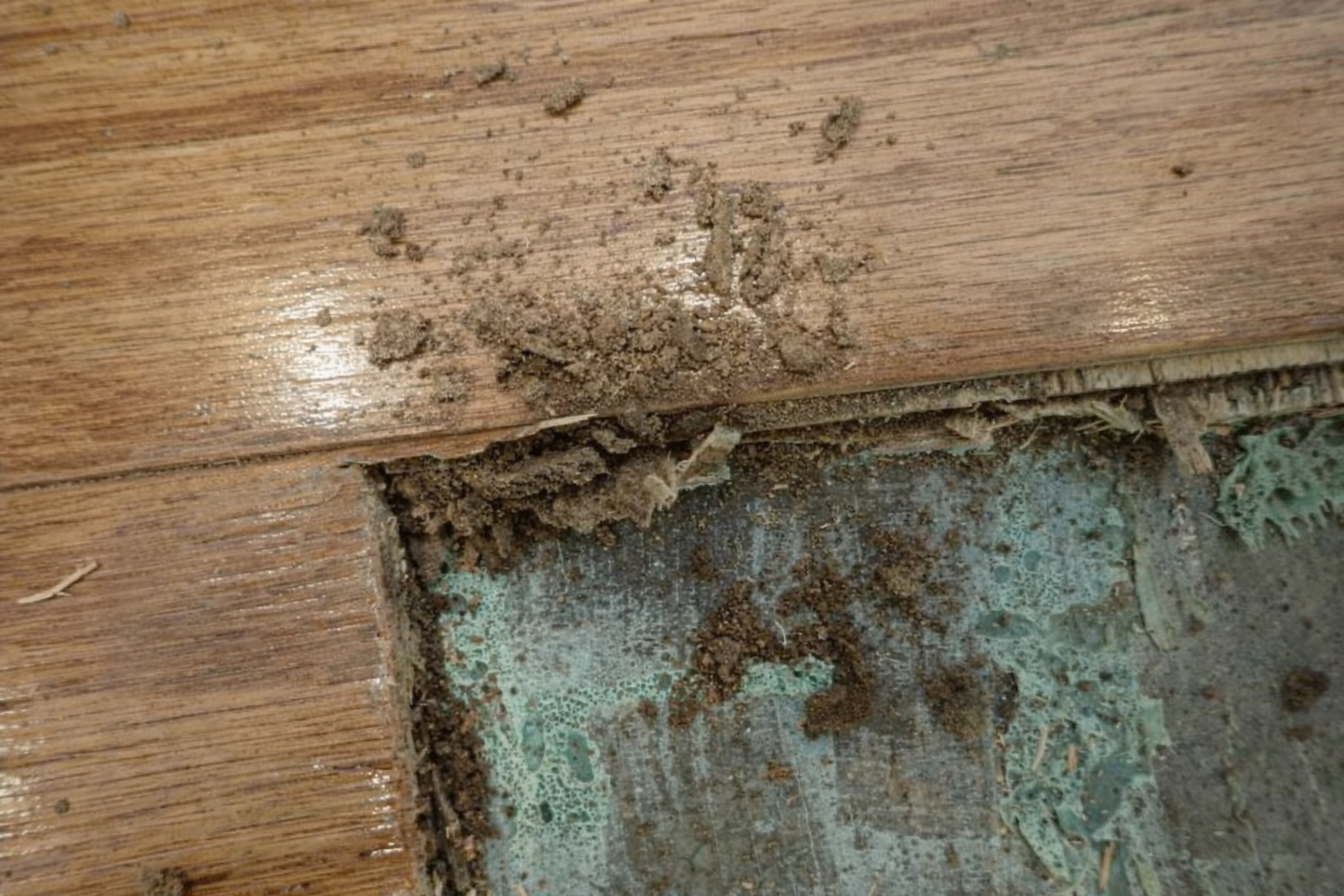
Termite Damage (Hardwood Flooring)
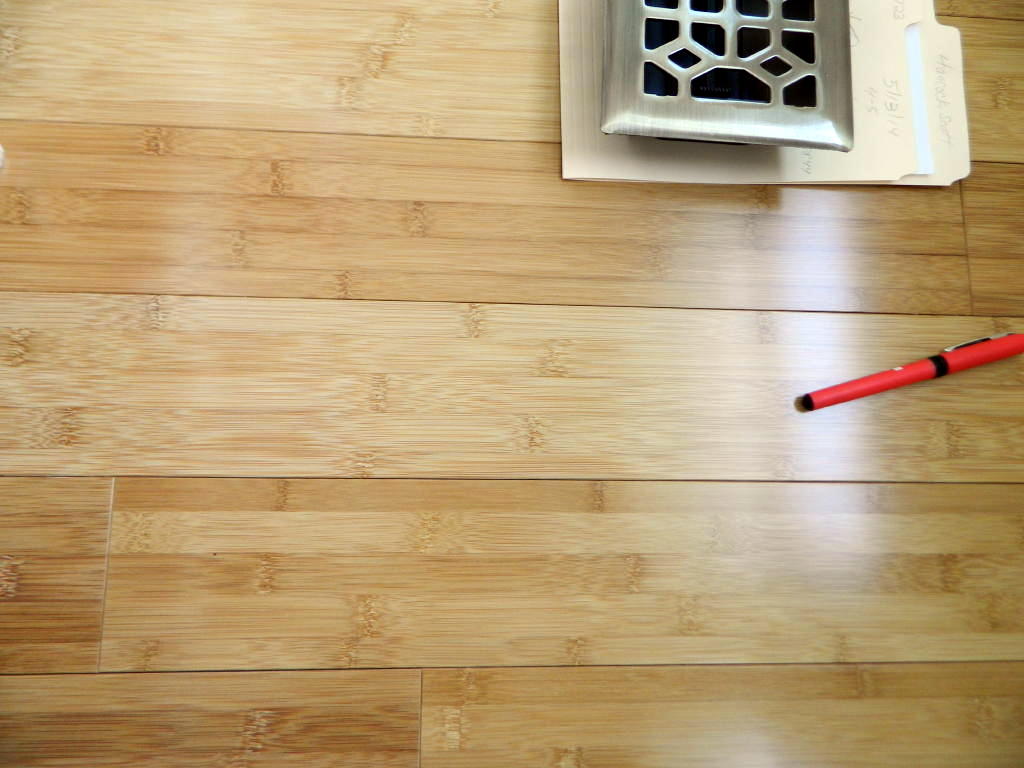
Bamboo Flooring Construction and Dimensional Behavior
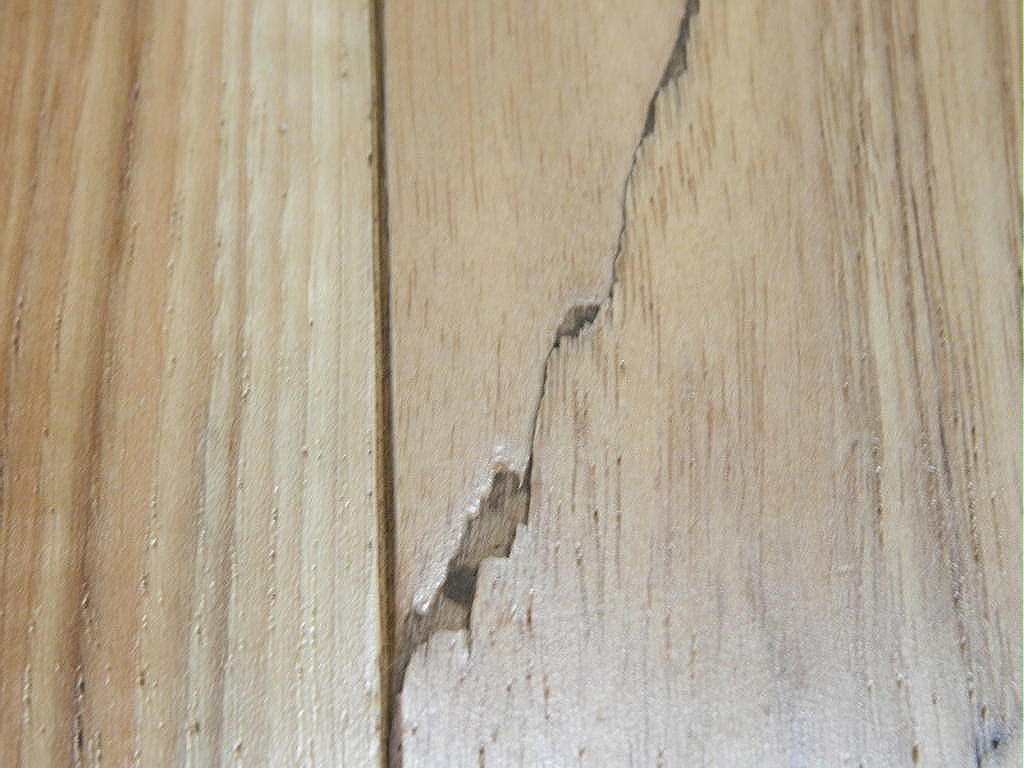
Checks vs. Splits vs. Shake (Solid Hardwood)
Grain Raise (Hardwood Finish Issue)
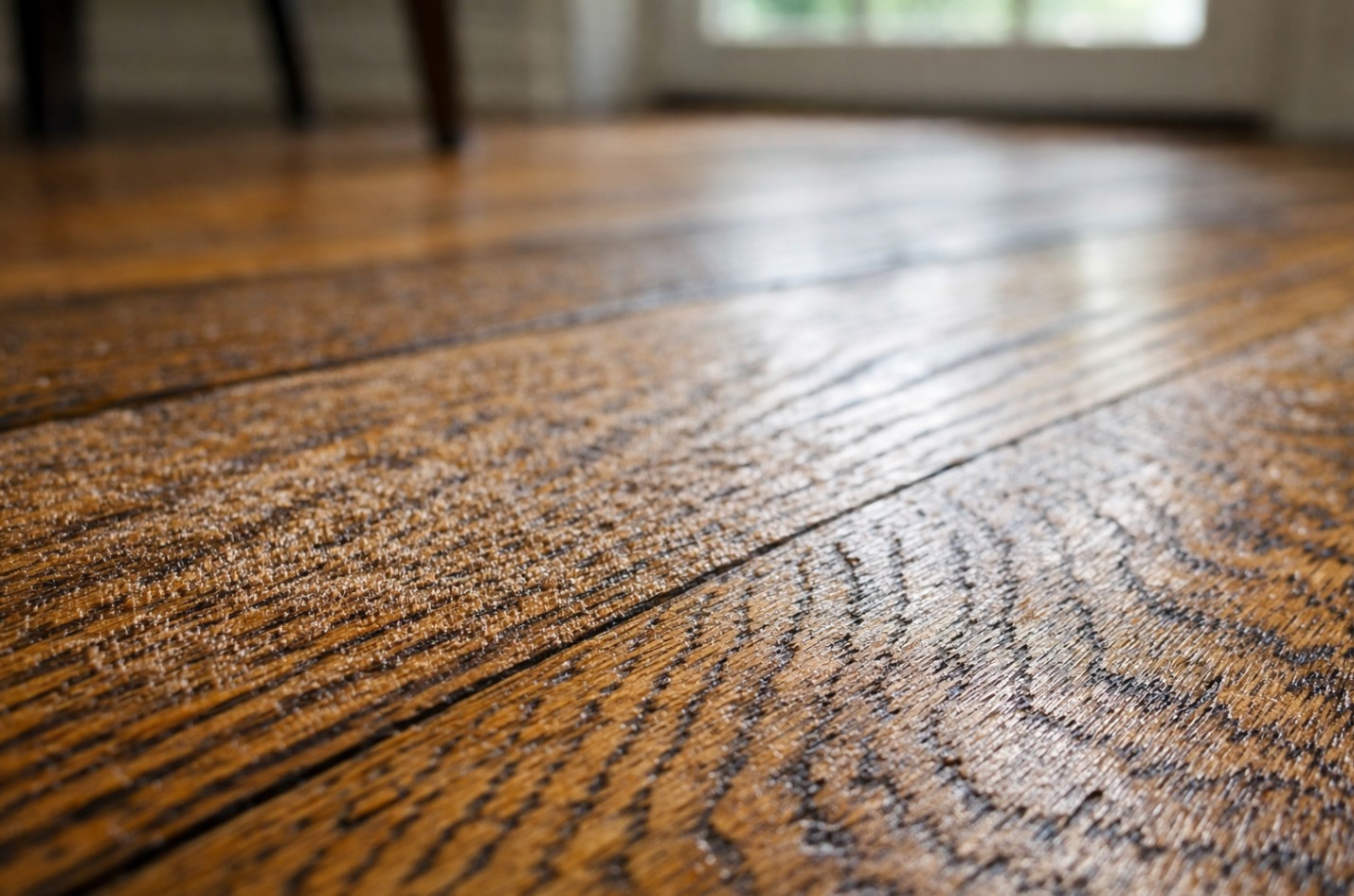
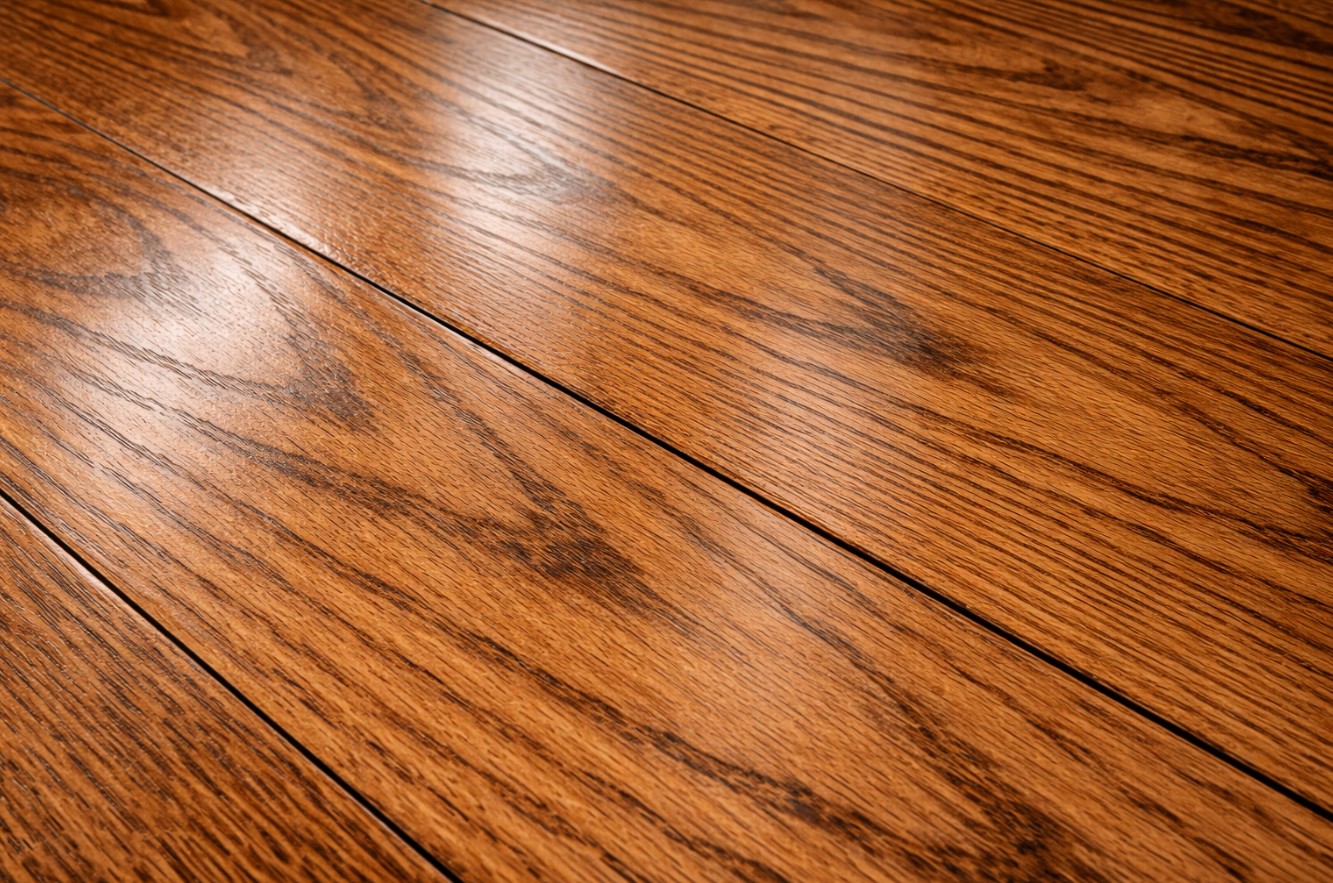
Splits – Cracks

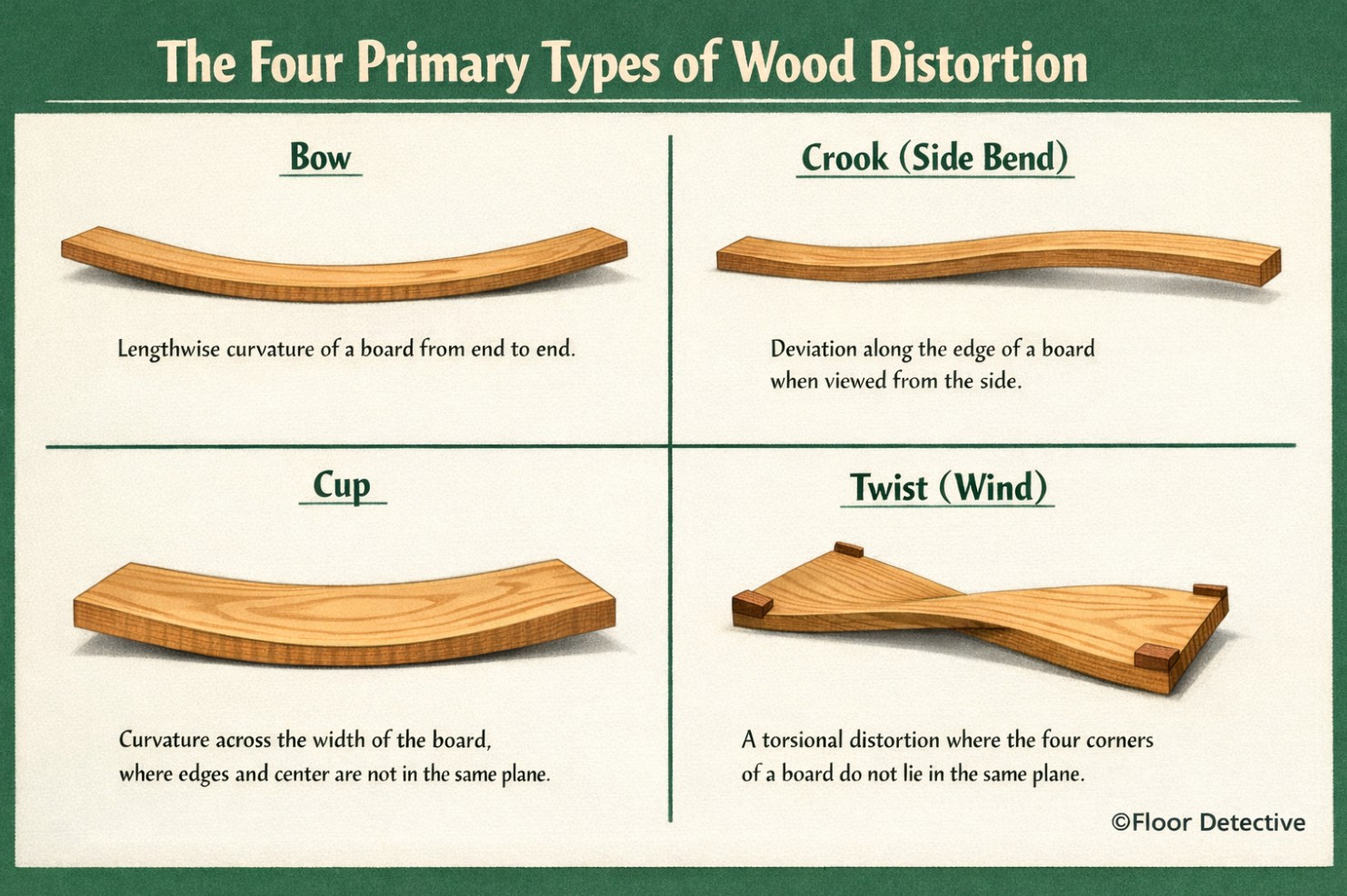
Wood Distortion
Wood Shear (Engineered Flooring)