
Seam Peaked

Seam Peaked

Sierra Exif JPEG

Peaked seam

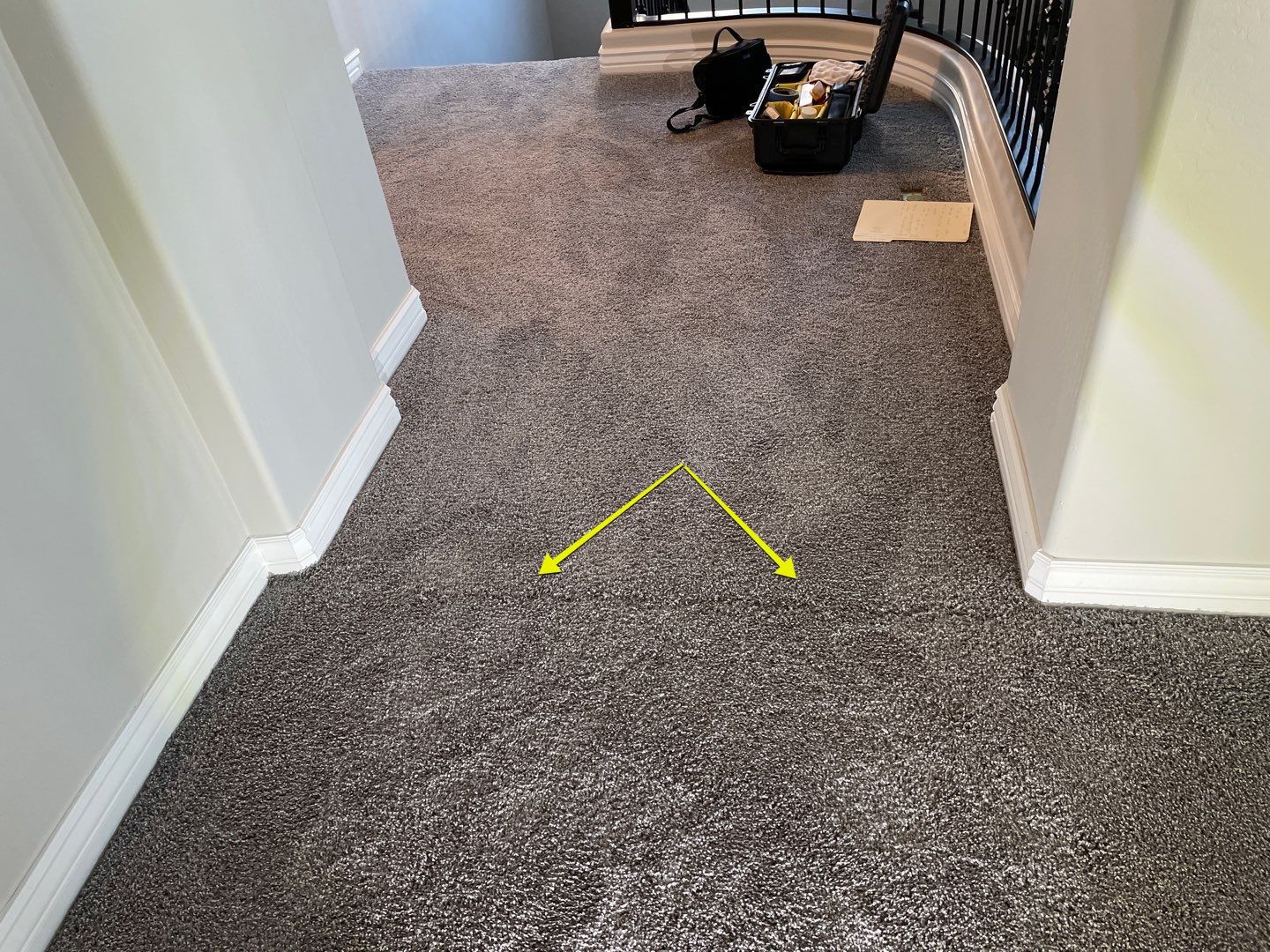
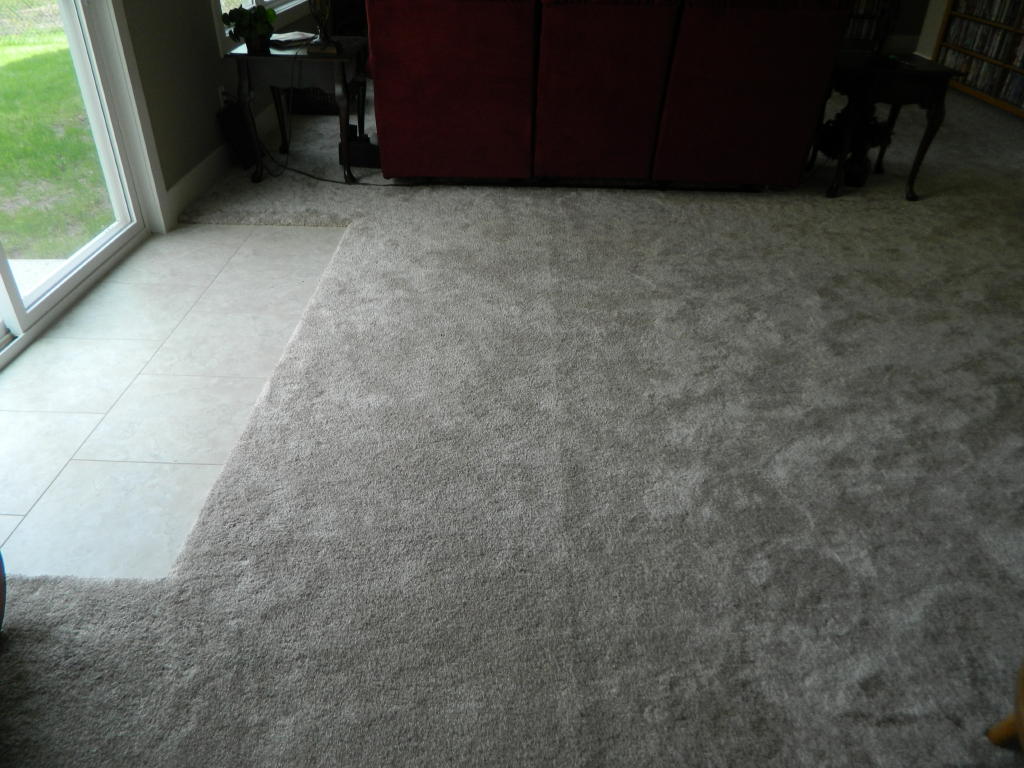
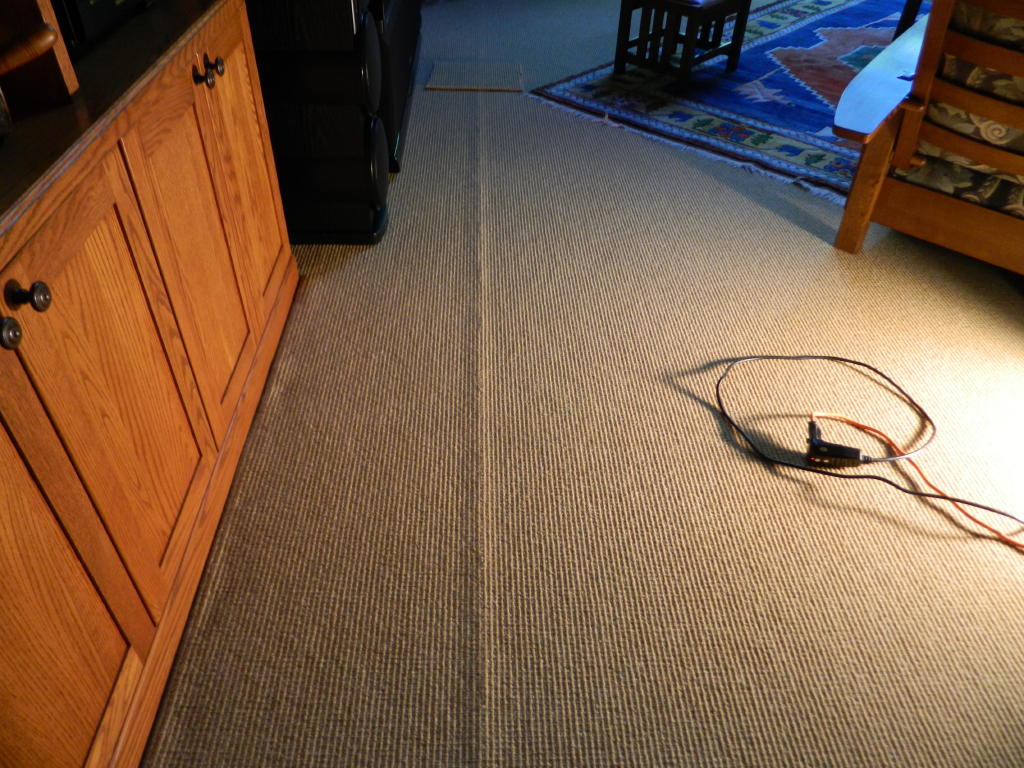
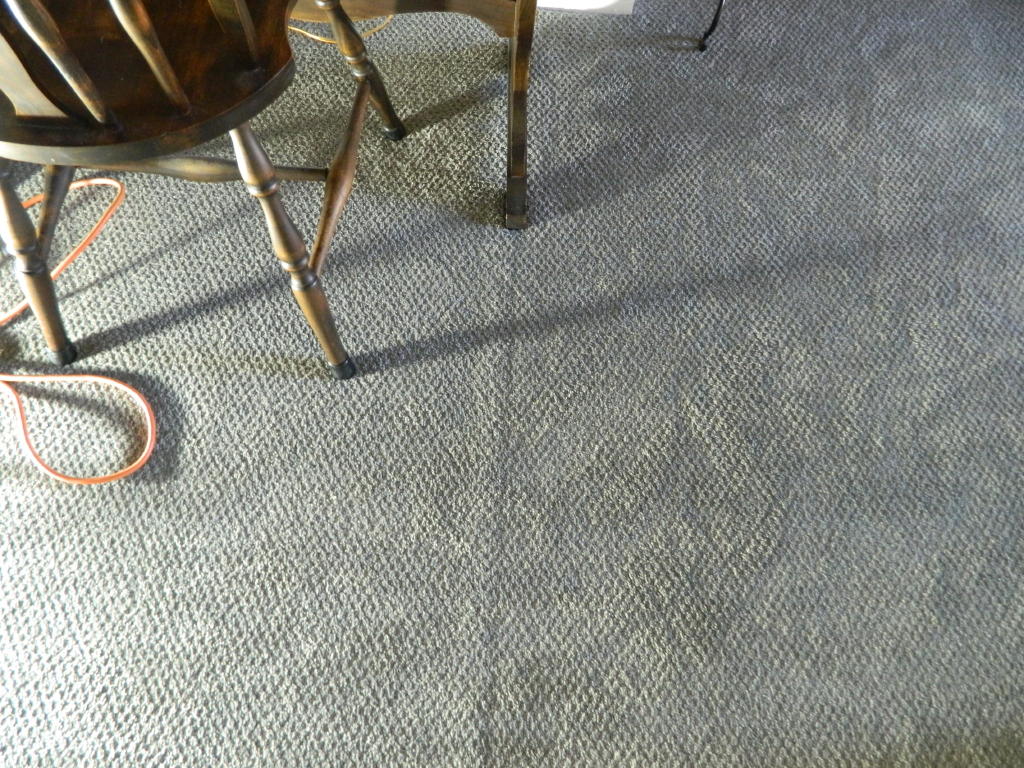
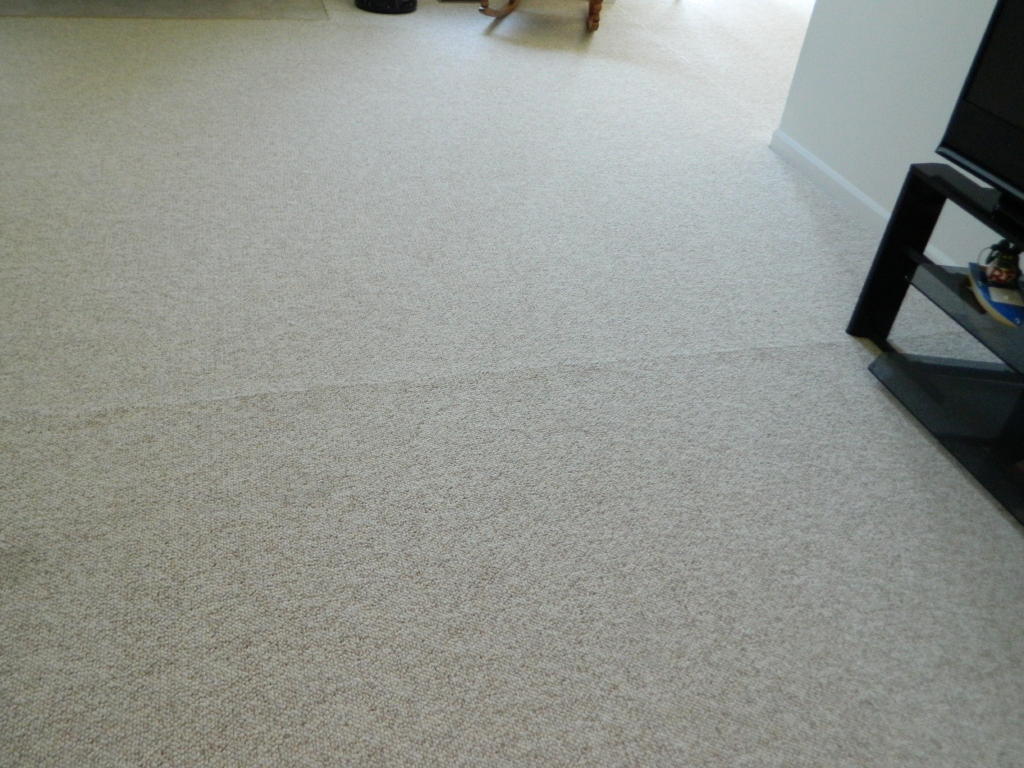
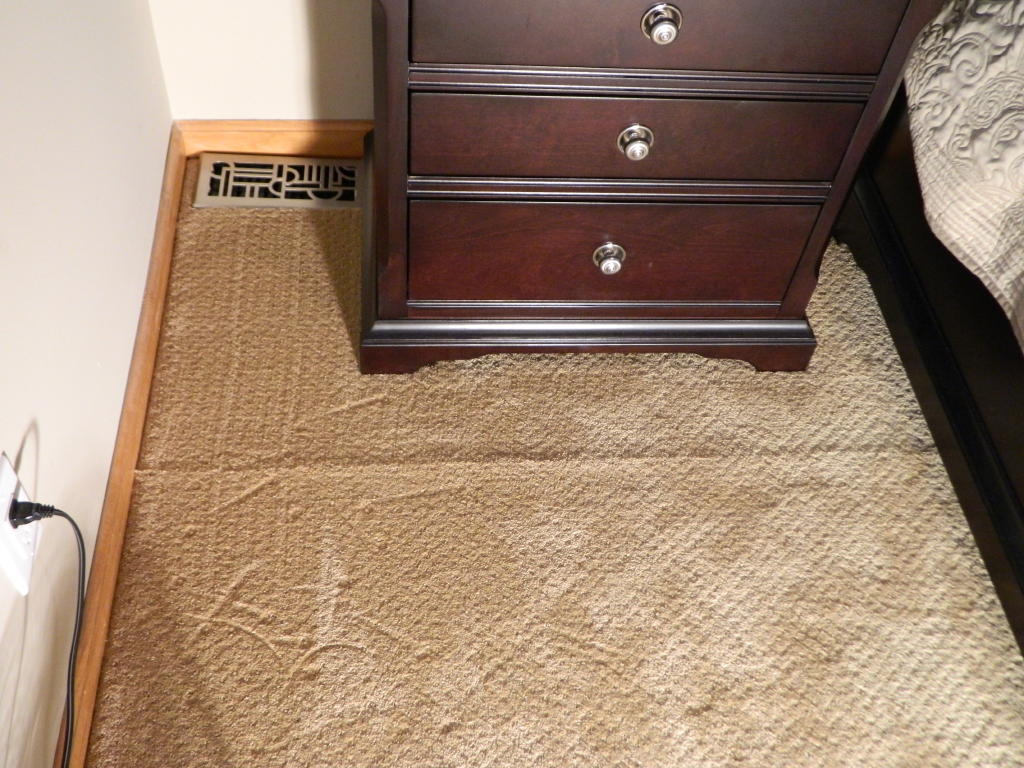
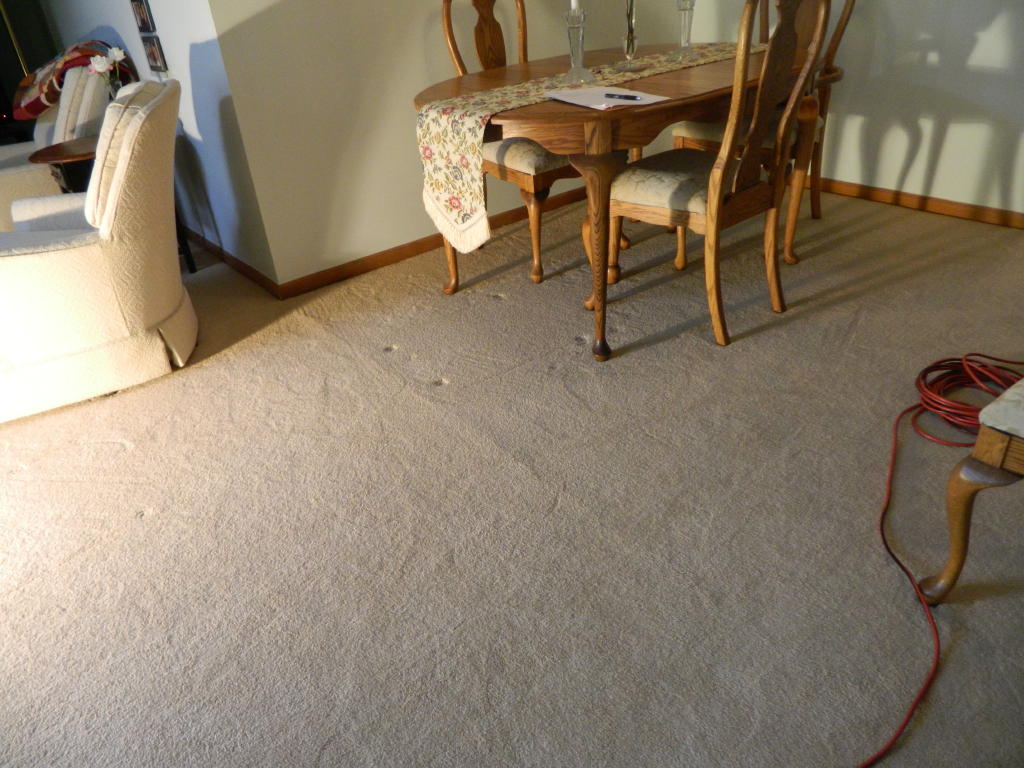
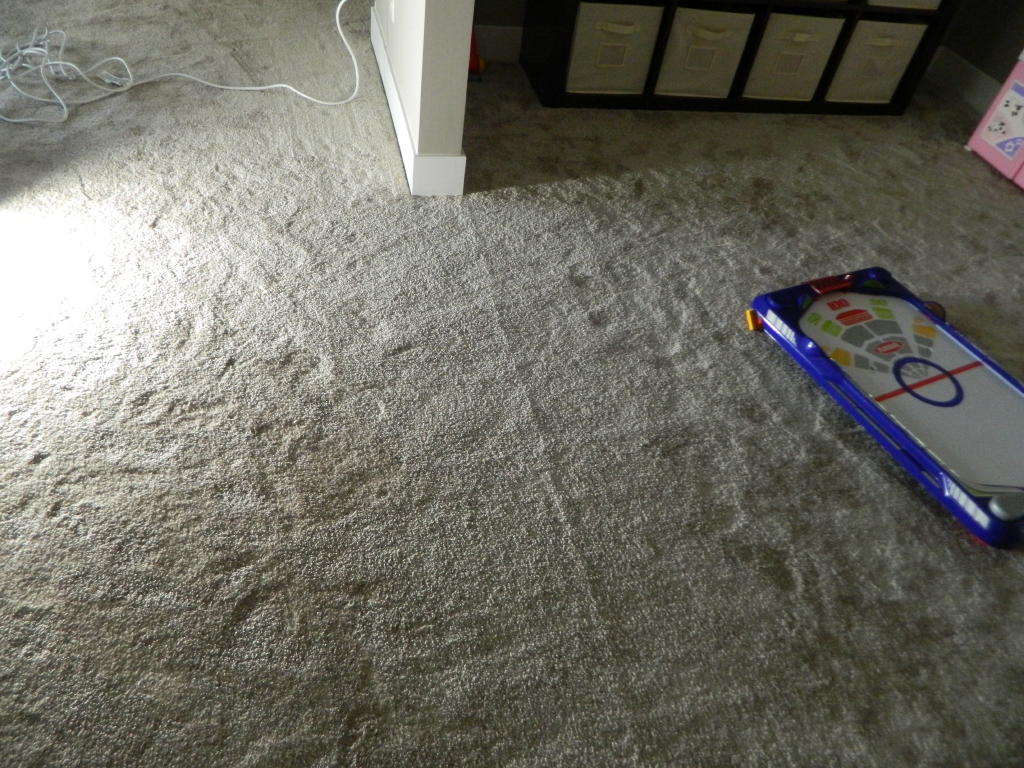
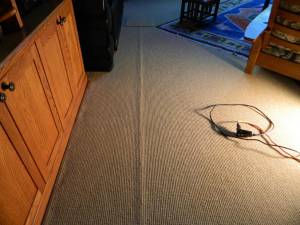
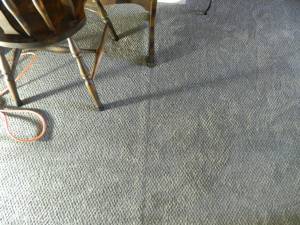
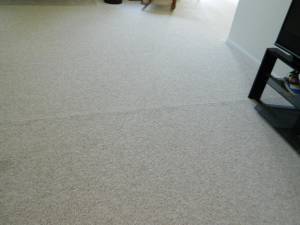
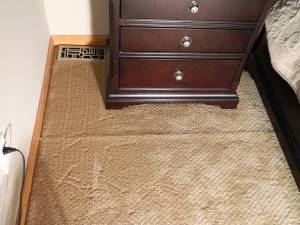
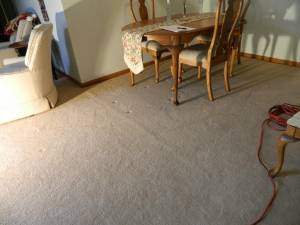
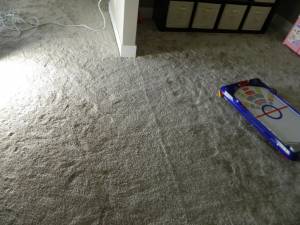
Carpet seam peaking creating raised seam appearance and shadowing along the seam line

Peaked seam

Sierra Exif JPEG

Peaked seam

Sierra Exif JPEG

Peaked seam

Sierra Exif JPEG

Peaked seam

Sierra Exif JPEG

Peaked seam

Sierra Exif JPEG

Peaked seam

Sierra Exif JPEG Carpet seam peaking creating raised seam appearance and shadowing along the seam line Sierra Exif JPEG Sierra Exif JPEG Sierra Exif JPEG Sierra Exif JPEG Sierra Exif JPEG

Seam Peaking (Carpet)

Floor Detective® Claims and Conditions Guide

Summary

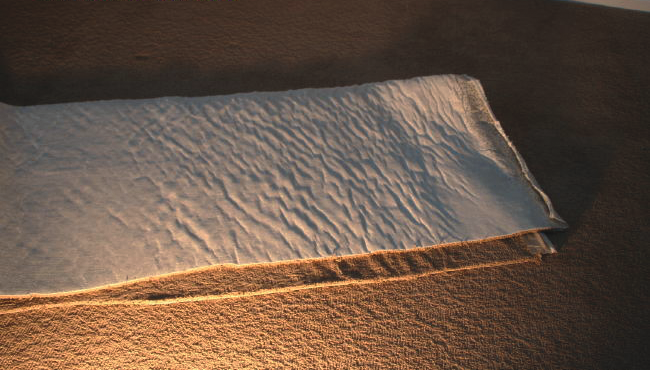
Seam peaking is an appearance condition seen as a raised or slightly elevated seam in stretch-in carpet installations. The condition develops when carpet is stretched after seam tape has bonded adjoining sections together, creating localized resistance at the seam compared to adjacent backing areas. This difference in movement may elevate the seam profile above the surrounding carpet surface and increase seam visibility under directional lighting. Shadowing across the raised seam may create visual contrast that resembles side match or shading conditions even when no true color variation exists. Seam peaking develops during installation mechanics and does not independently establish manufacturing defect, improper installation, or structural failure. See also Seam Overlap, Seam Overheating, and Carpet Problems for broader context.
Please subscribe to see all content

Carpet Problems

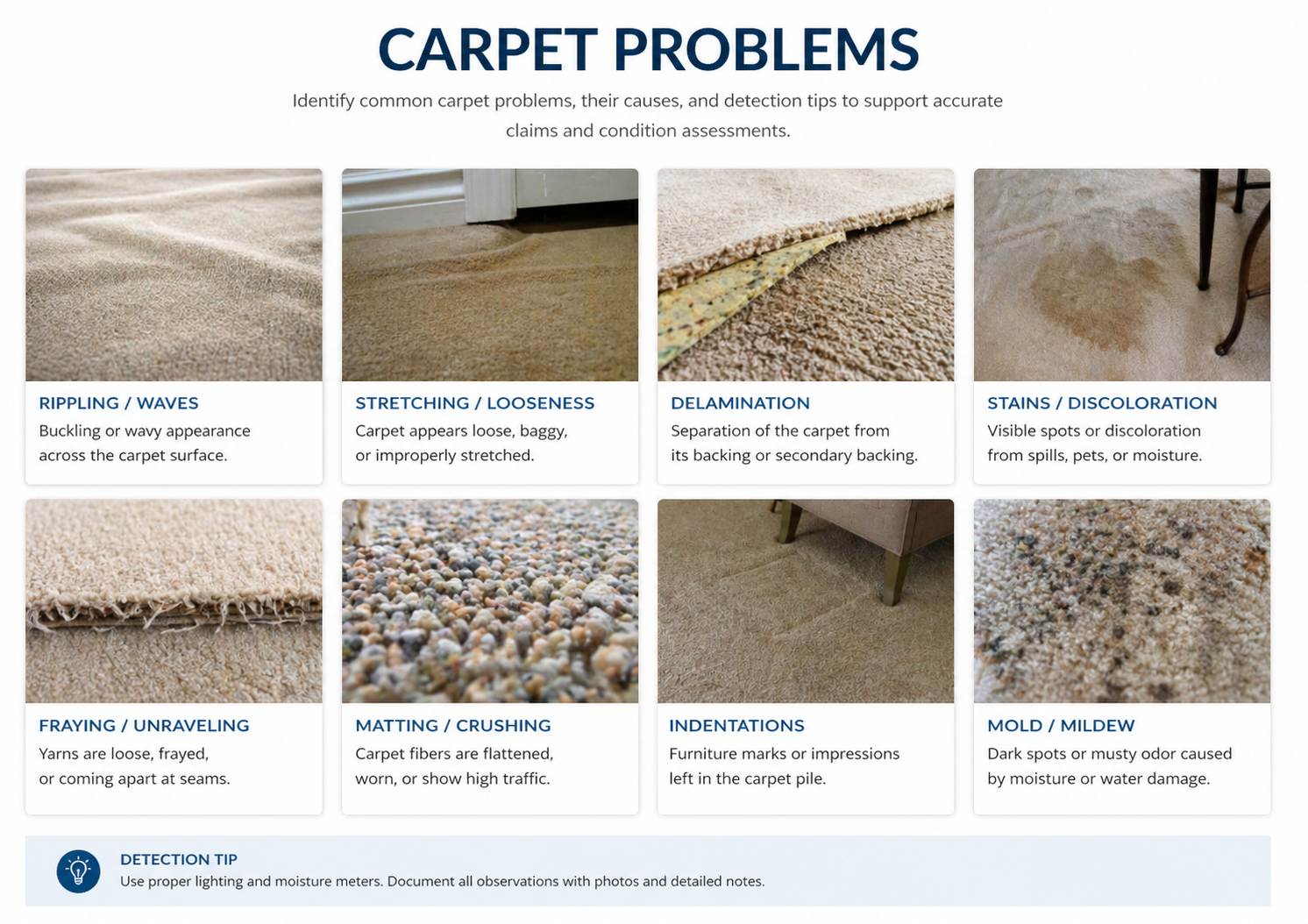
Carpet problems may involve seams, backing systems, texture changes, traffic wear, mechanical damage, or installation-related conditions.
Read More
Carpet Problems

Carpet Fiber Identification (Field and Laboratory Methods)

Carpet fiber identification helps determine how carpet may respond to heat, moisture, cleaning chemistry, abrasion, and environmental exposure.
Read More
Carpet Fiber Identification (Field and Laboratory Methods)

Wool and Wool Carpet Properties
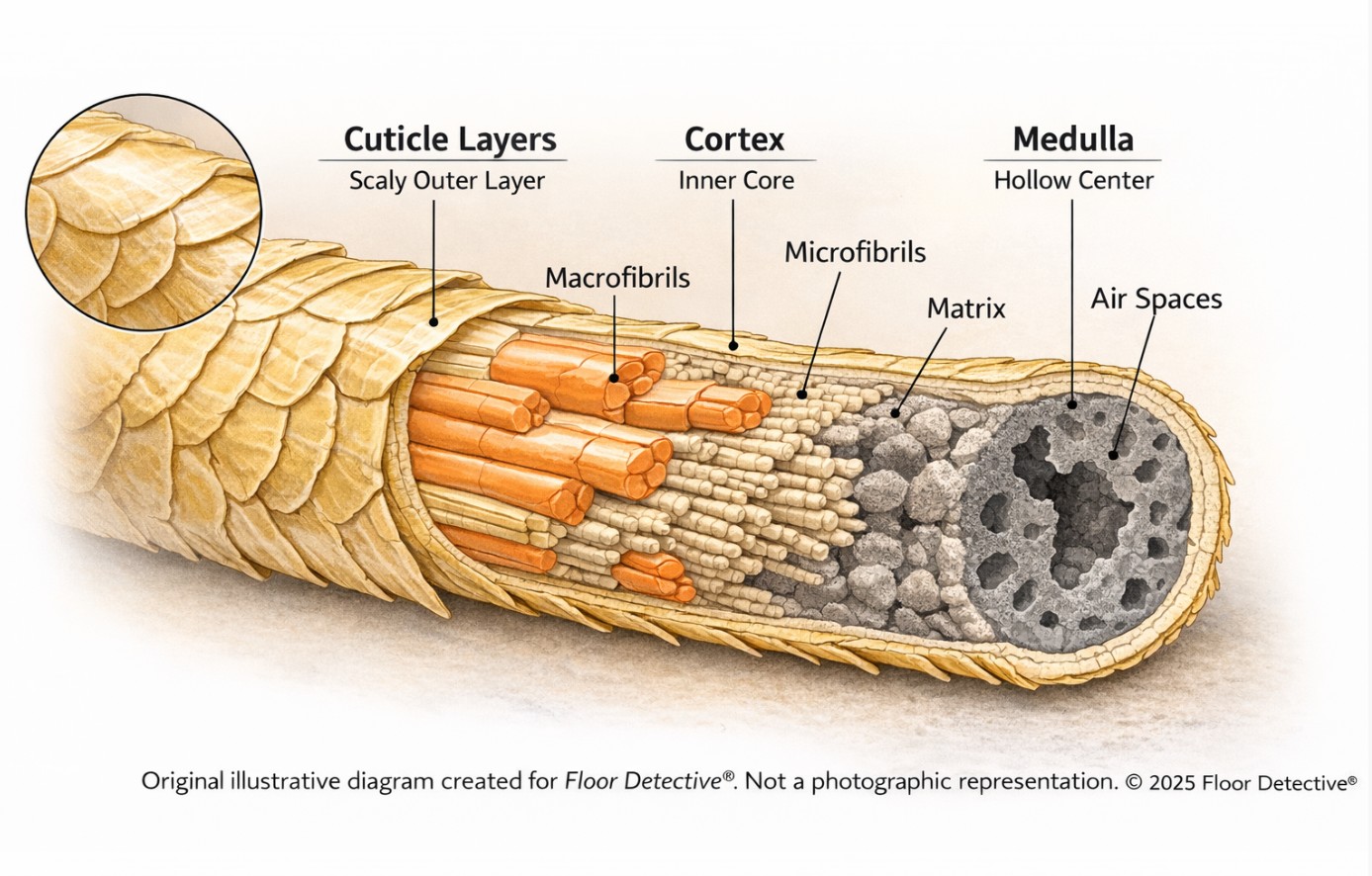
Wool carpet properties include moisture absorption, chemical sensitivity, shedding, and appearance variation associated with natural wool fibers.
Read More
Wool and Wool Carpet Properties

Carpet Beetle Damage
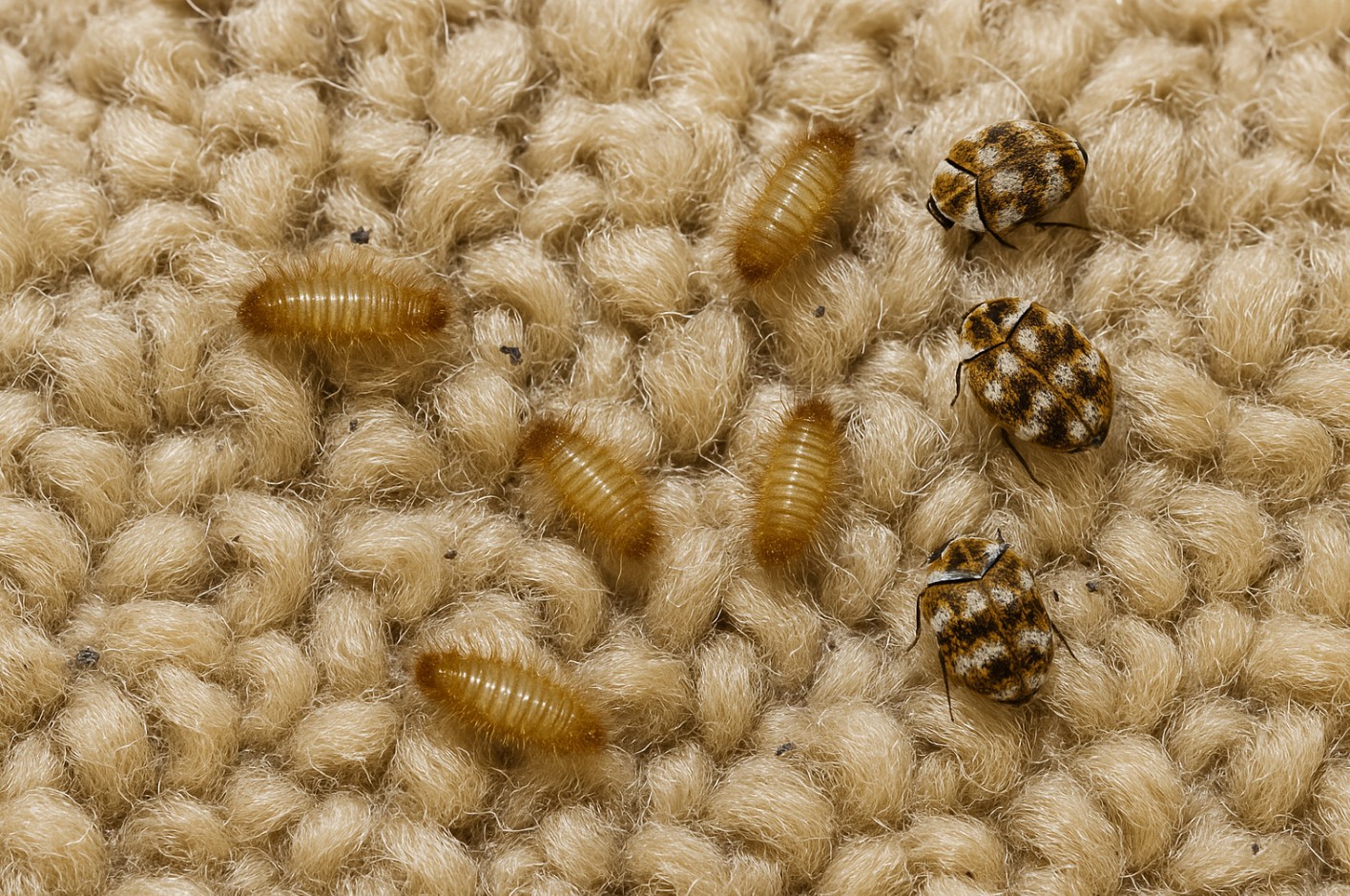
Carpet beetle damage is localized fiber loss caused by larvae feeding on organic materials within carpet, often occurring in concealed...
Read More
Carpet Beetle Damage

Fiber Properties

Carpet fiber properties determine durability, resilience, and how flooring performs under traffic and environmental conditions.
Read More
Fiber Properties

Missing Row

Carpet missing rows are manufacturing-origin tufting conditions involving absent yarn along machine-direction rows.
Read More
Missing Row

Browning

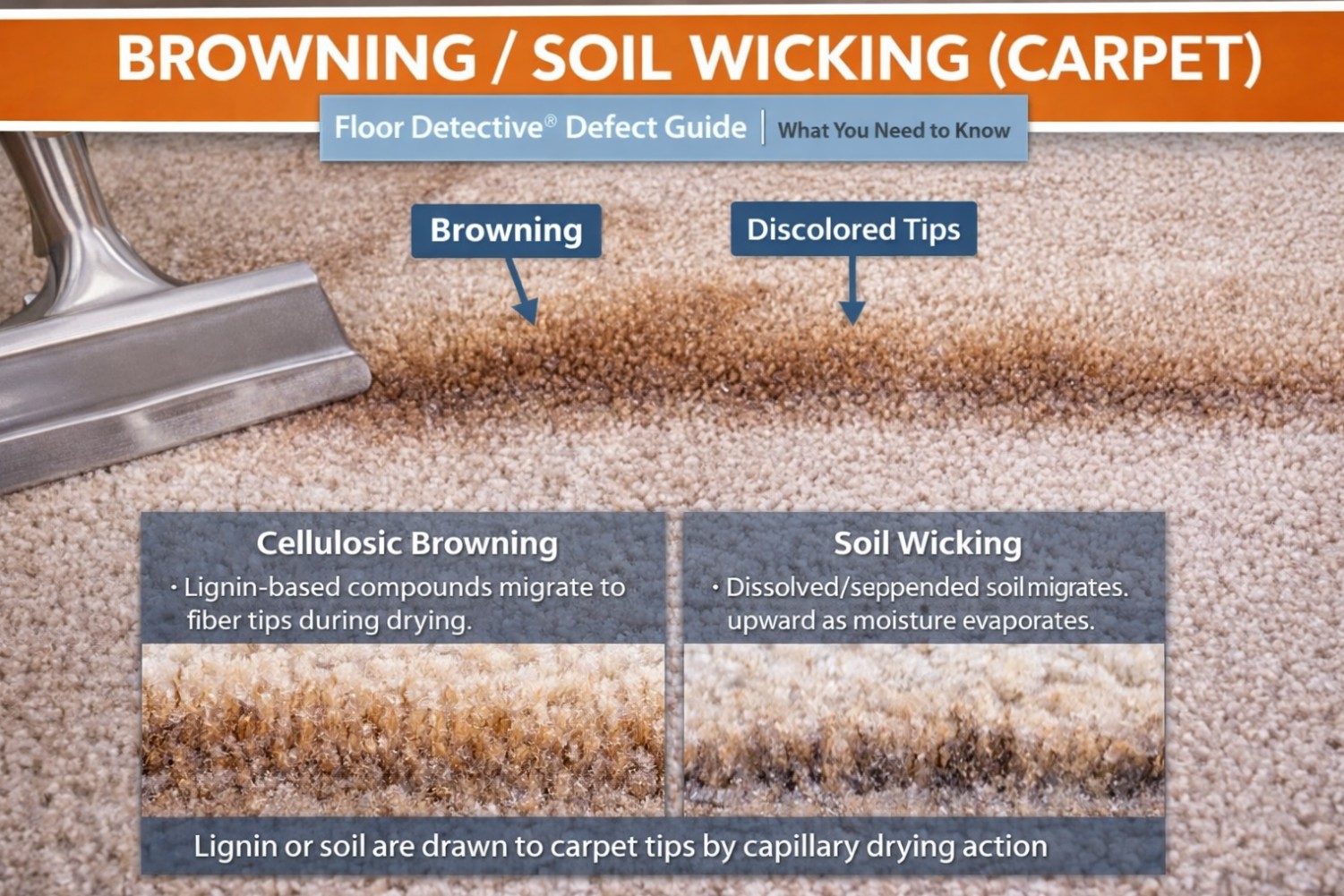
Browning and soil wicking are discoloration conditions caused by moisture-driven migration of materials to the carpet surface during drying.
Read More
Browning

Wrinkles in Backing

Carpet backing wrinkles are manufacturing-related distortions caused by backing misalignment, tension variation, or latex lock-in.
Read More
Wrinkles in Backing

Unraveling / Runs (Carpet)
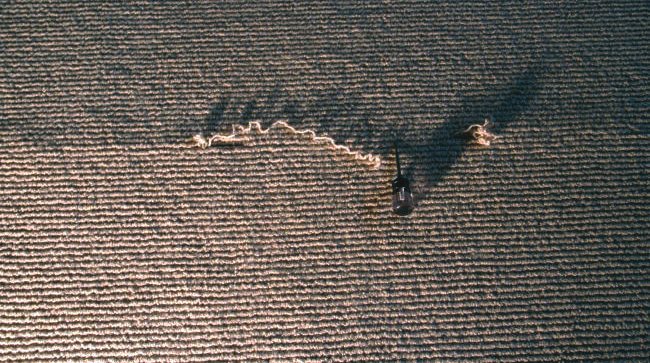
Carpet unraveling runs are progressive yarn withdrawals that follow tuft rows in continuous filament carpet constructions.
Read More
Unraveling / Runs (Carpet)

Core Crush / Roll-Core Pile Reversal (Carpet)
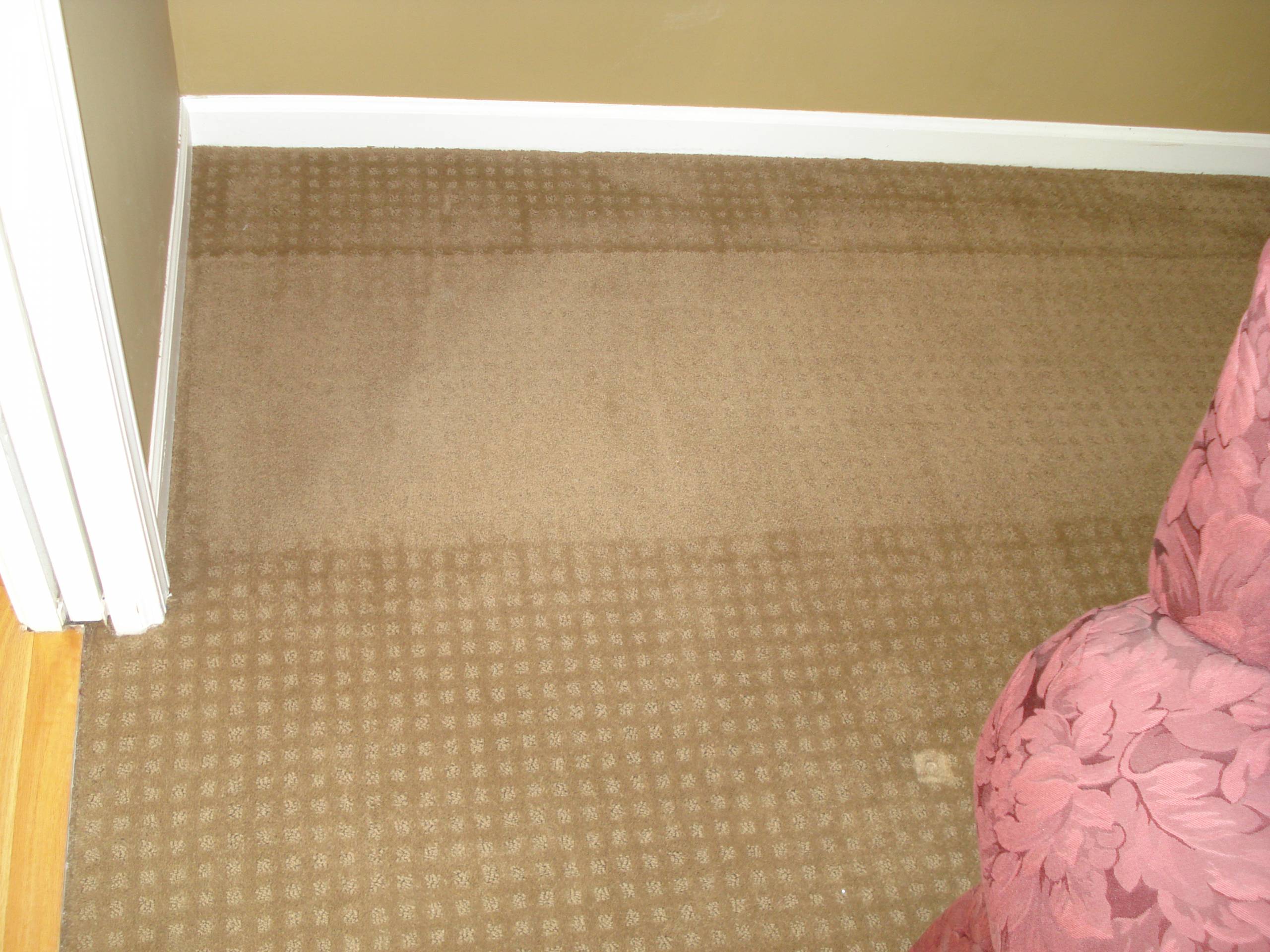
Carpet roll-core crush occurs when pile yarns become compressed around the roll core, creating visible light or dark banding near...
Read More
Core Crush / Roll-Core Pile Reversal (Carpet)