Grout Discoloration
Grout discoloration
Grout discoloration
Grout discoloration
Grout discoloration
Grout discoloration
Grout discoloration
Grout discoloration
Grout discoloration
Grout Discoloration (Tile)
Floor Detective® Claims and Conditions Guide
Summary
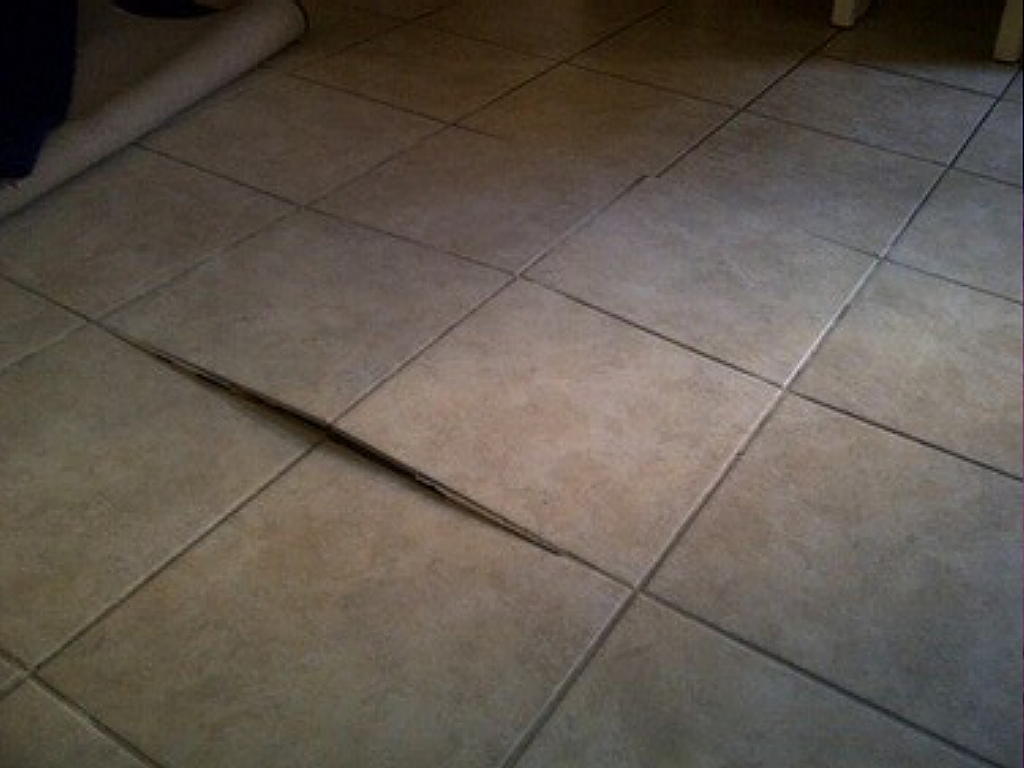
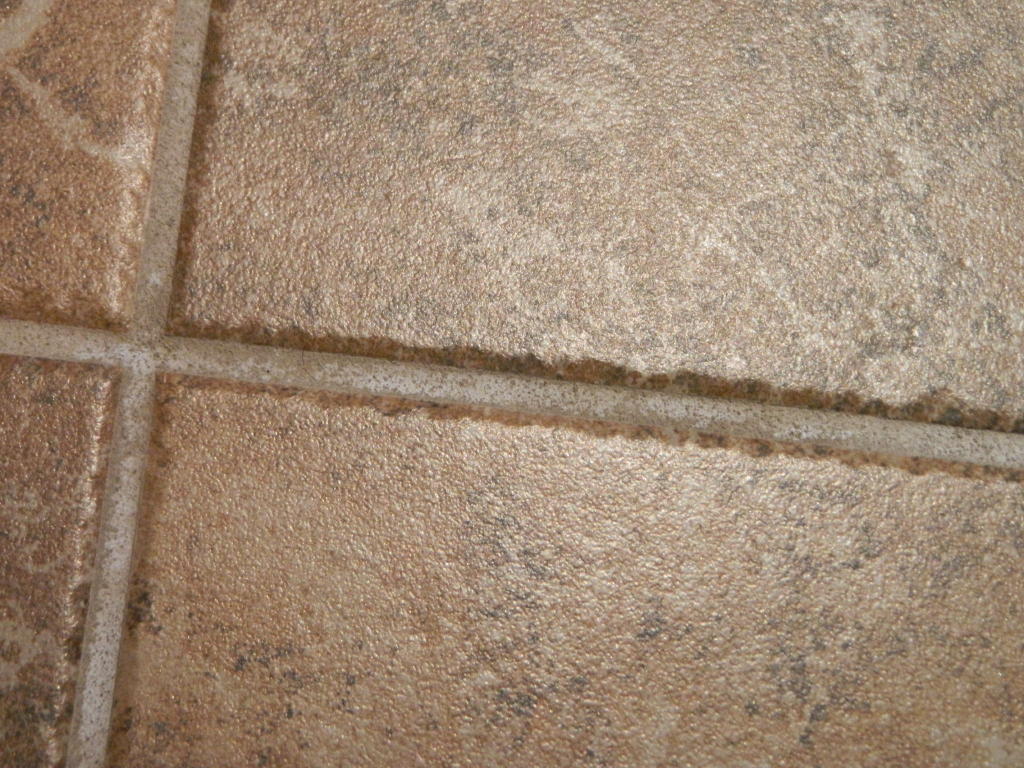
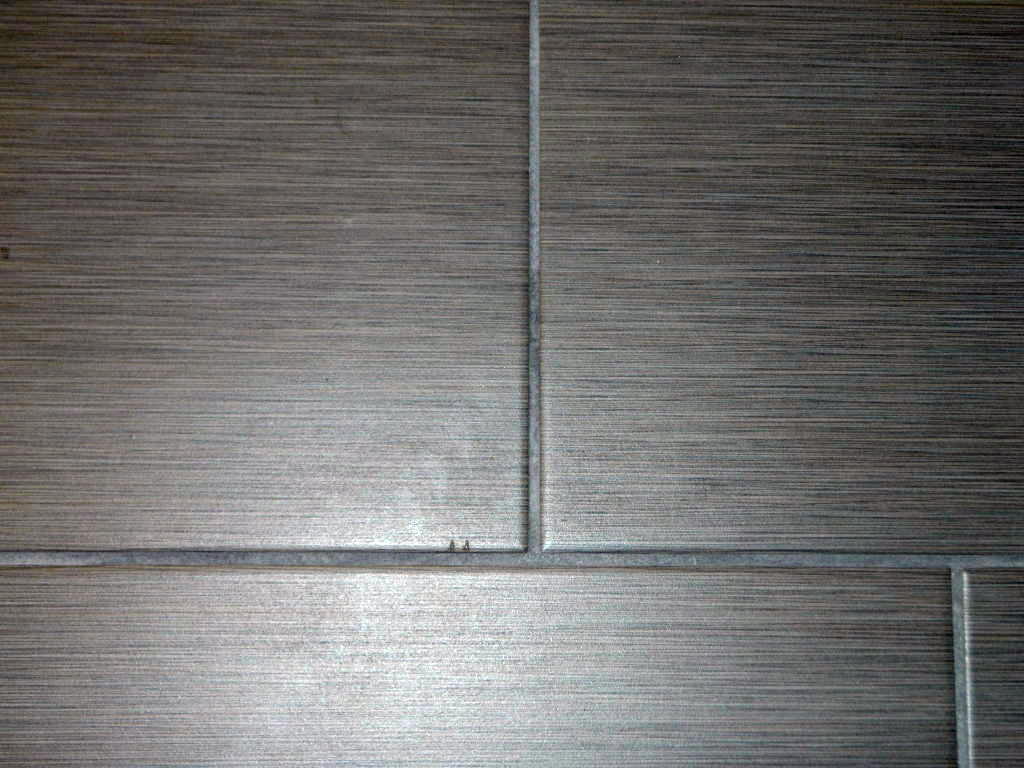
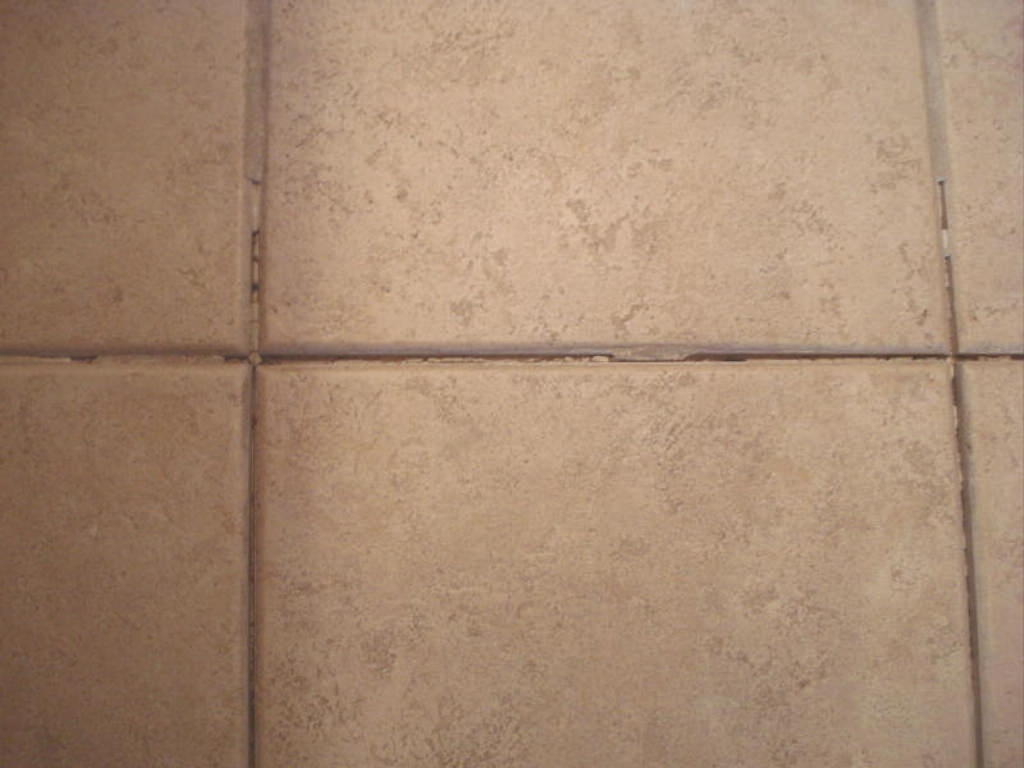
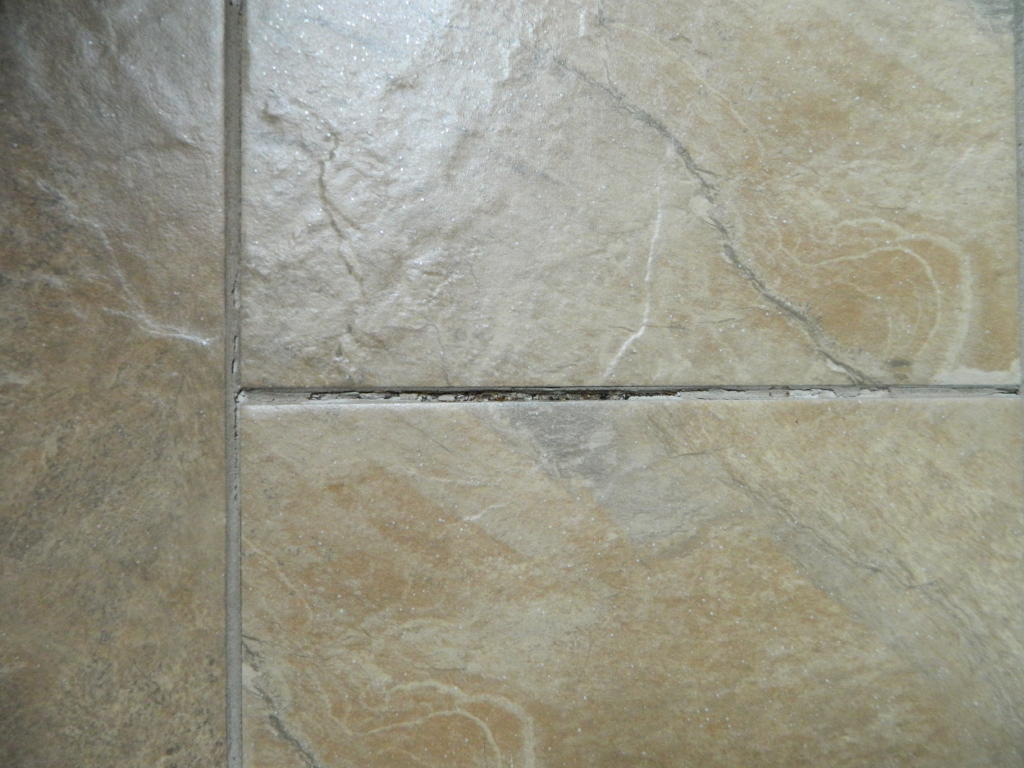
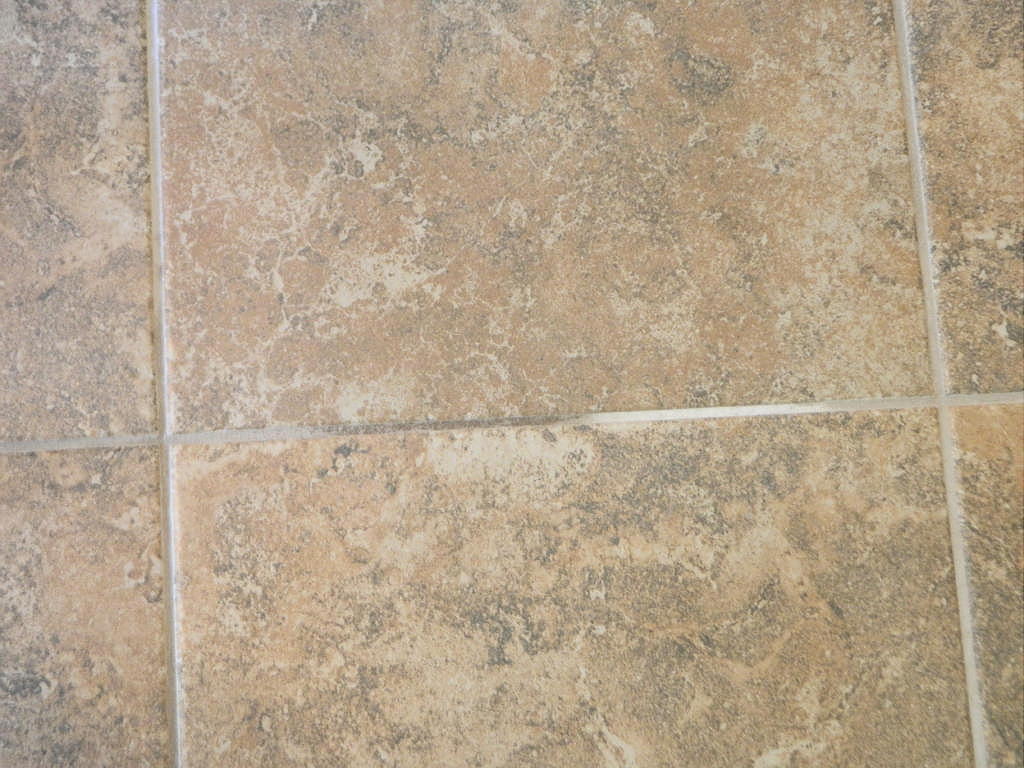
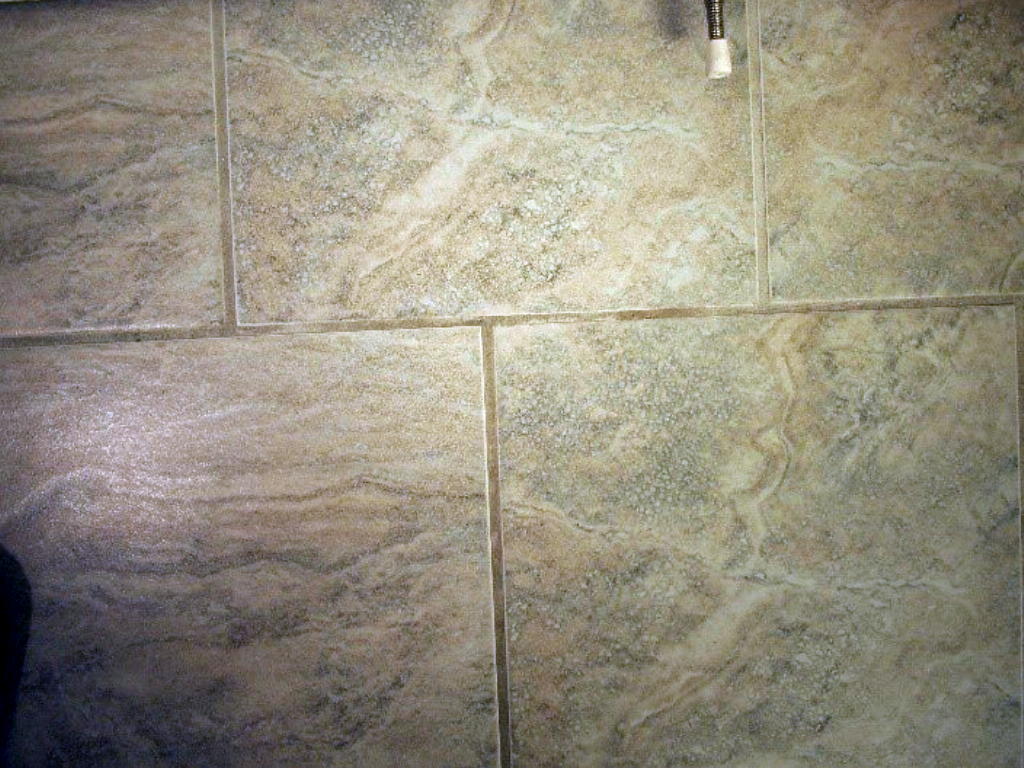
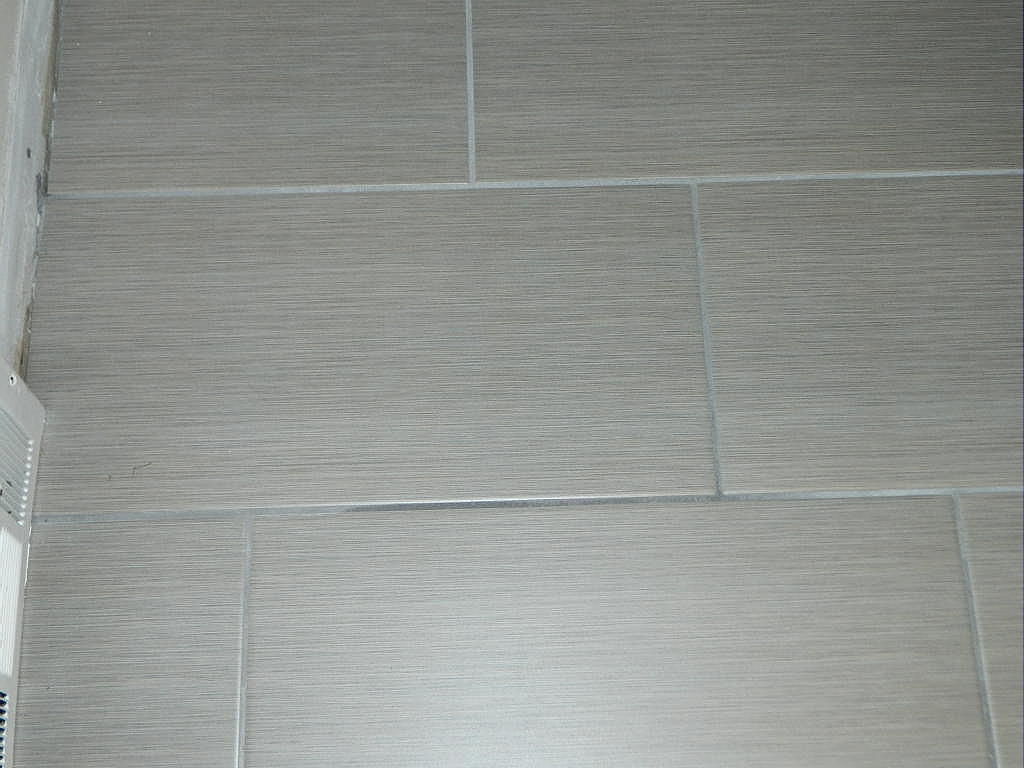
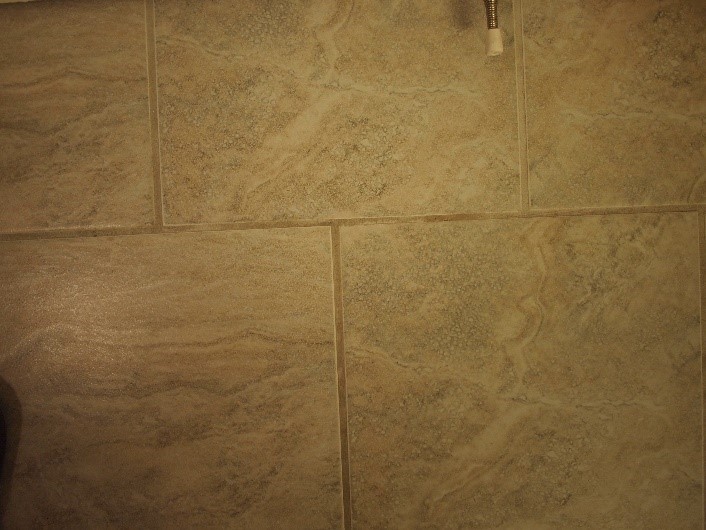
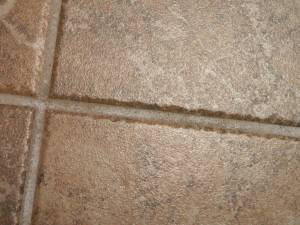
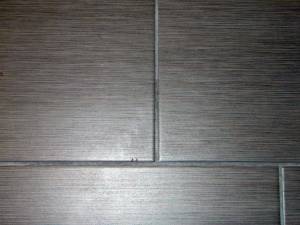
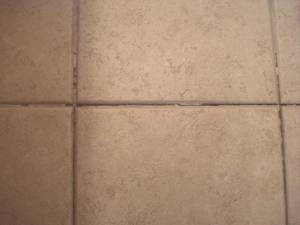
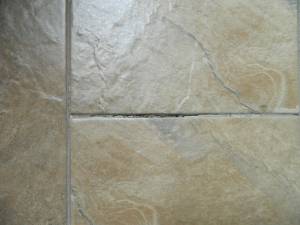
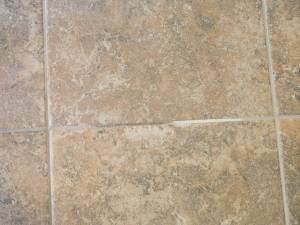
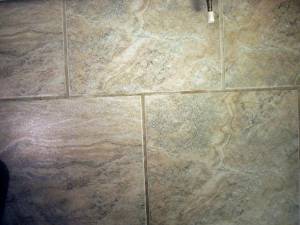
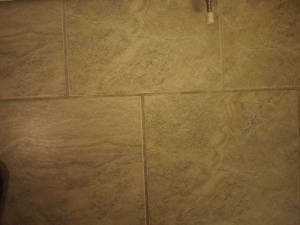
Grout discoloration describes visible variation in the color, tone, or shading of grout joints within a tile installation. These variations commonly develop when differences occur in grout hydration, moisture movement, surface dilution, environmental exposure, contamination, or post-installation maintenance conditions. Because cementitious grout develops final color during curing and drying, variations in installation and environmental conditions may influence color uniformity across the installation. Most grout discoloration conditions are appearance-related rather than structural performance failures. Proper evaluation requires correlation of discoloration pattern, grout composition, installation methods, environmental exposure, and maintenance history before conclusions are formed. See also Efflorescence and Subflorescence, Grout Failures, and Tile and Stone Floor Problems for broader context.
Please subscribe to see all content
May 25, 2026
Wet tile slip resistance and surface traction are influenced by water exposure, contaminants, maintenance residue, and surface texture.
Read More
May 22, 2026
Tile and stone floor problems may involve cracking, lippage, bond loss, grout issues, moisture influence, or structural movement.
Read More
March 6, 2026
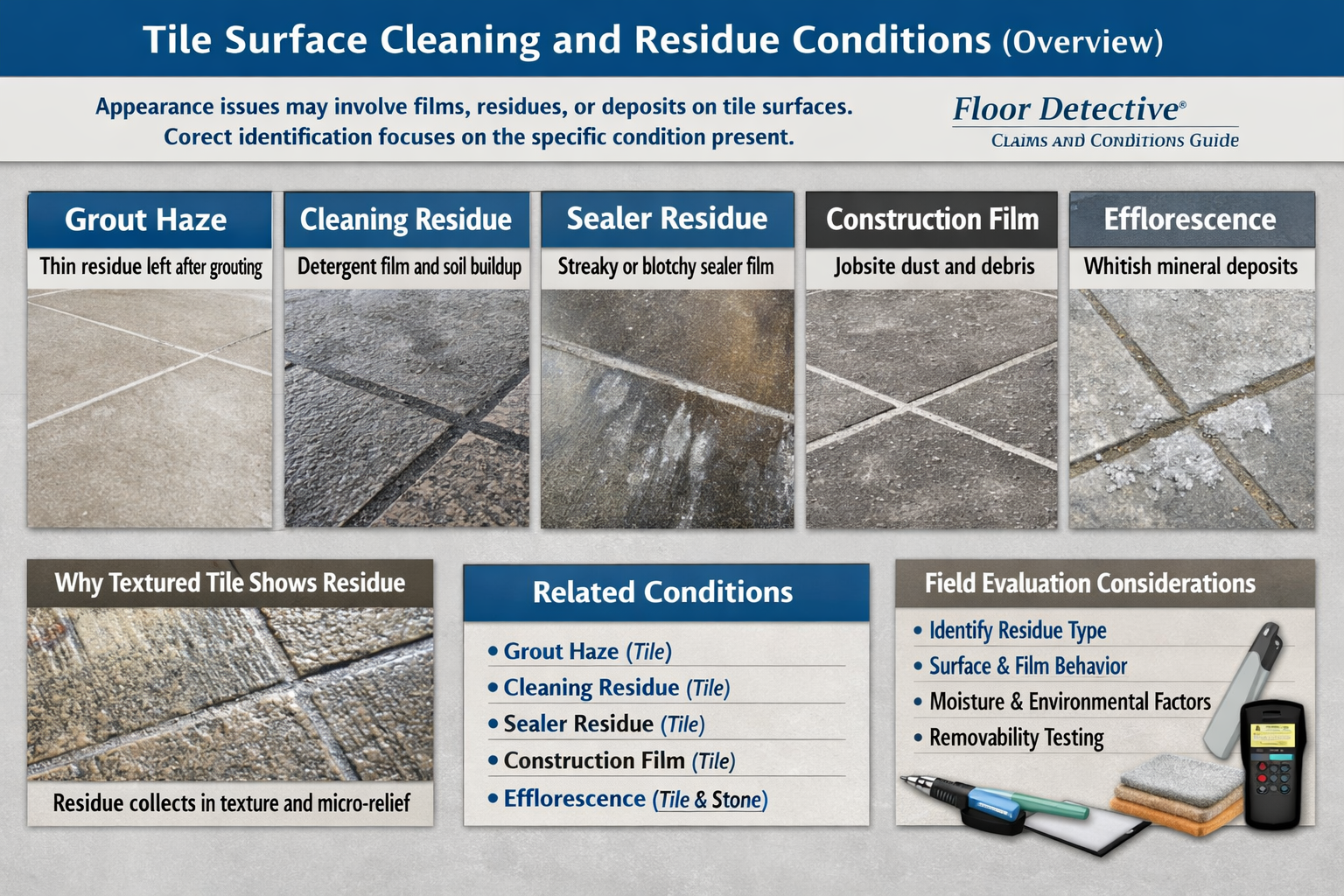
Tile surface residue conditions may involve grout haze, cleaning residue, sealer film, mineral deposits, or maintenance-related buildup.
Read More
February 5, 2026
Surface chipping in ceramic tile involves localized glaze or surface loss caused by impact, contact stress, handling, or service conditions.
Read More
October 4, 2024
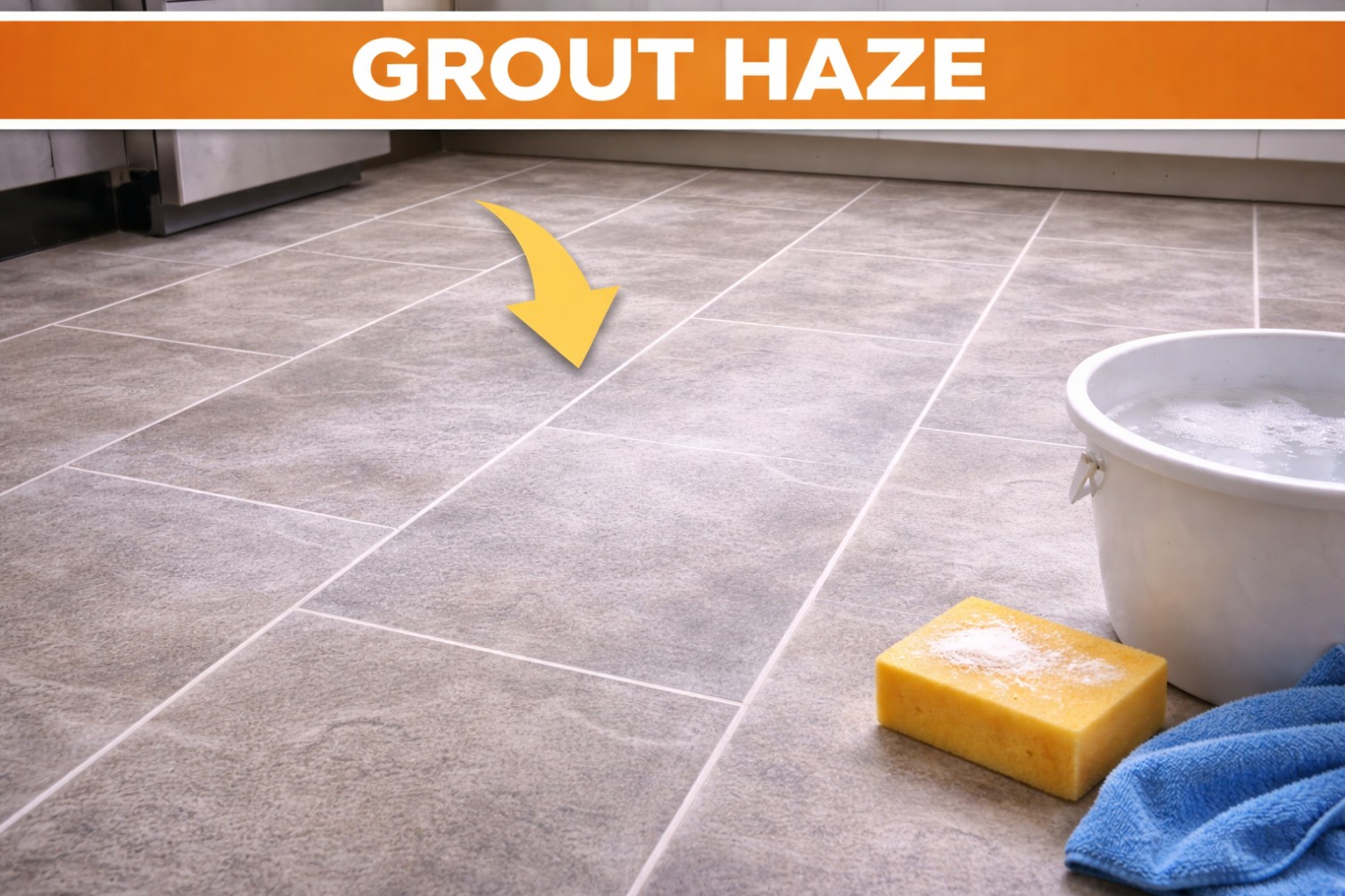
Grout haze on porcelain tile involves residual surface film caused by grout residue, tile texture, or installation conditions.
Read More
March 12, 2024
Cracked tile corners involve fractures caused by localized stress concentration, incomplete support, or movement within the tile assembly.
Read More
November 9, 2023
Outdoor natural stone deterioration may involve spalling, flaking, erosion, salt crystallization, and weather-related surface damage.
Read More
September 23, 2023
Pin holes in grout joints involve small surface voids caused by grout consolidation, curing, or installation conditions.
Read More
May 31, 2023
Lime pops in Saltillo tile are localized surface disruptions caused by moisture-related expansion of lime-bearing particles within porous clay tile.
Read More
May 12, 2023
Travertine tile is a porous natural stone affected by moisture exposure, etching, wear, filler loss, and environmental conditions.
Read More