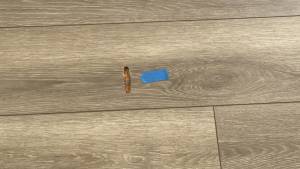
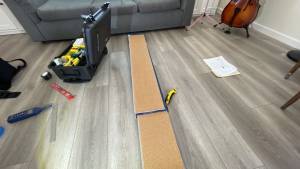
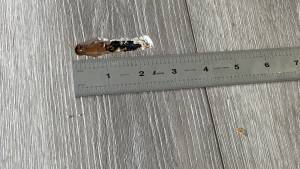
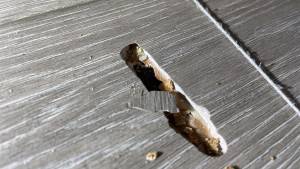
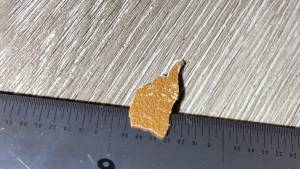
Core Void

Core Void

5-Aug 05 2021 11_15am-NJpt
18-Aug 05 2021 11_16am-91Hz
4-Aug 05 2021 11_15am-Yack
36-Aug 05 2021 11_23am-ubEL
38-Aug 05 2021 11_25am-YAuK

Core void

25-Aug 05 2021 11_18am-c4jV

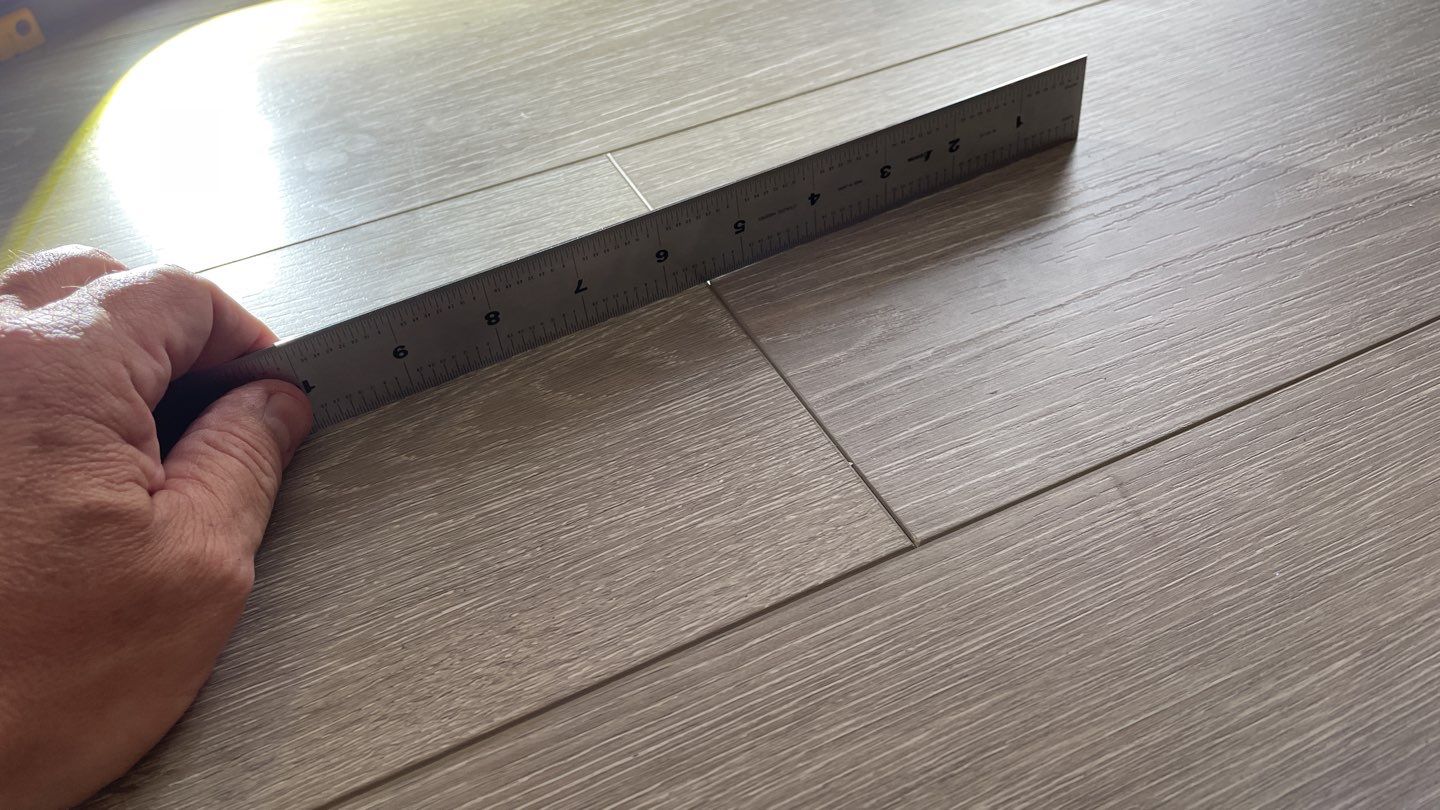
Check for flatness

27-Aug 05 2021 11_19am-ai57

Core void

19-Aug 05 2021 11_16am-EwV4

Core void

29-Aug 05 2021 11_20am-PEFM

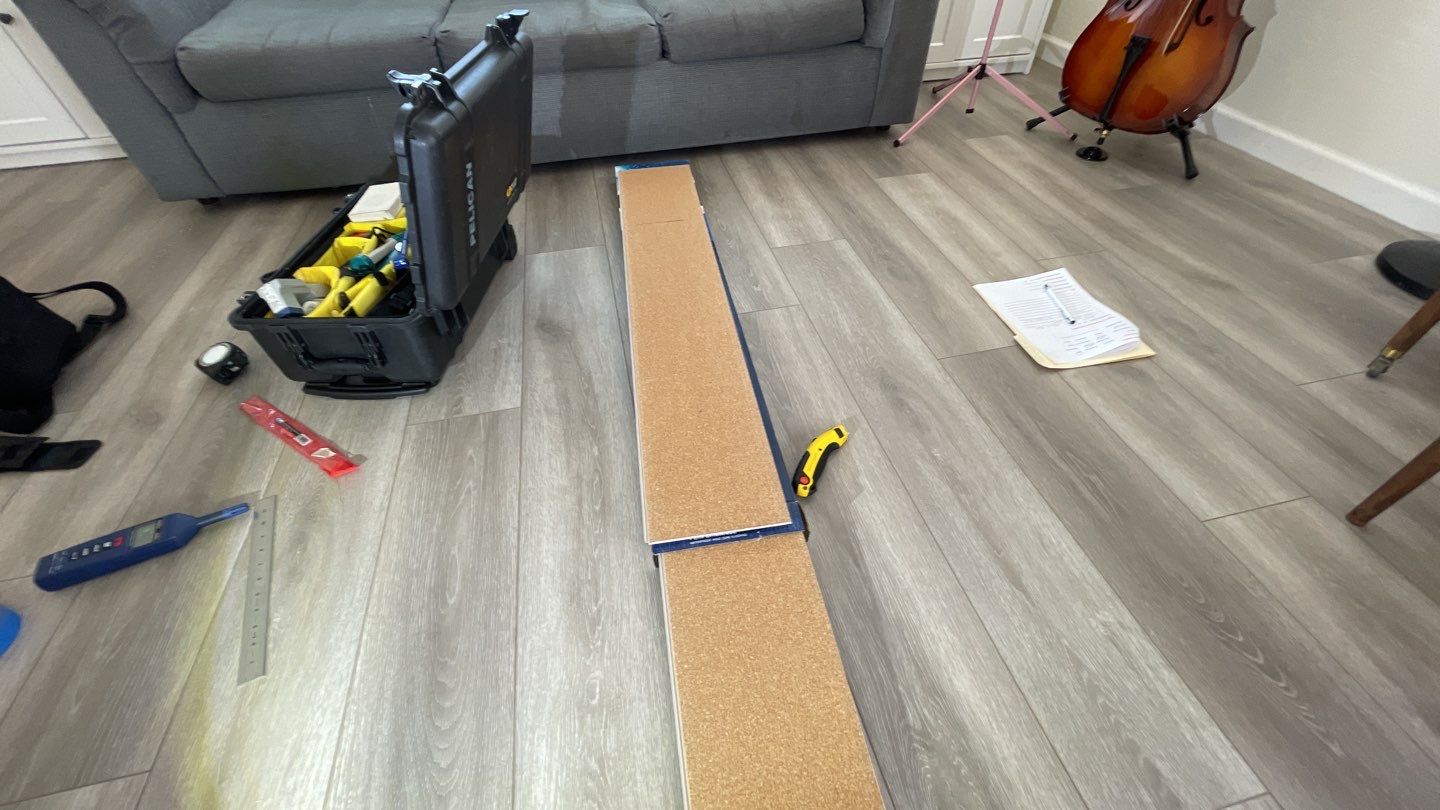
Check left overmaterial

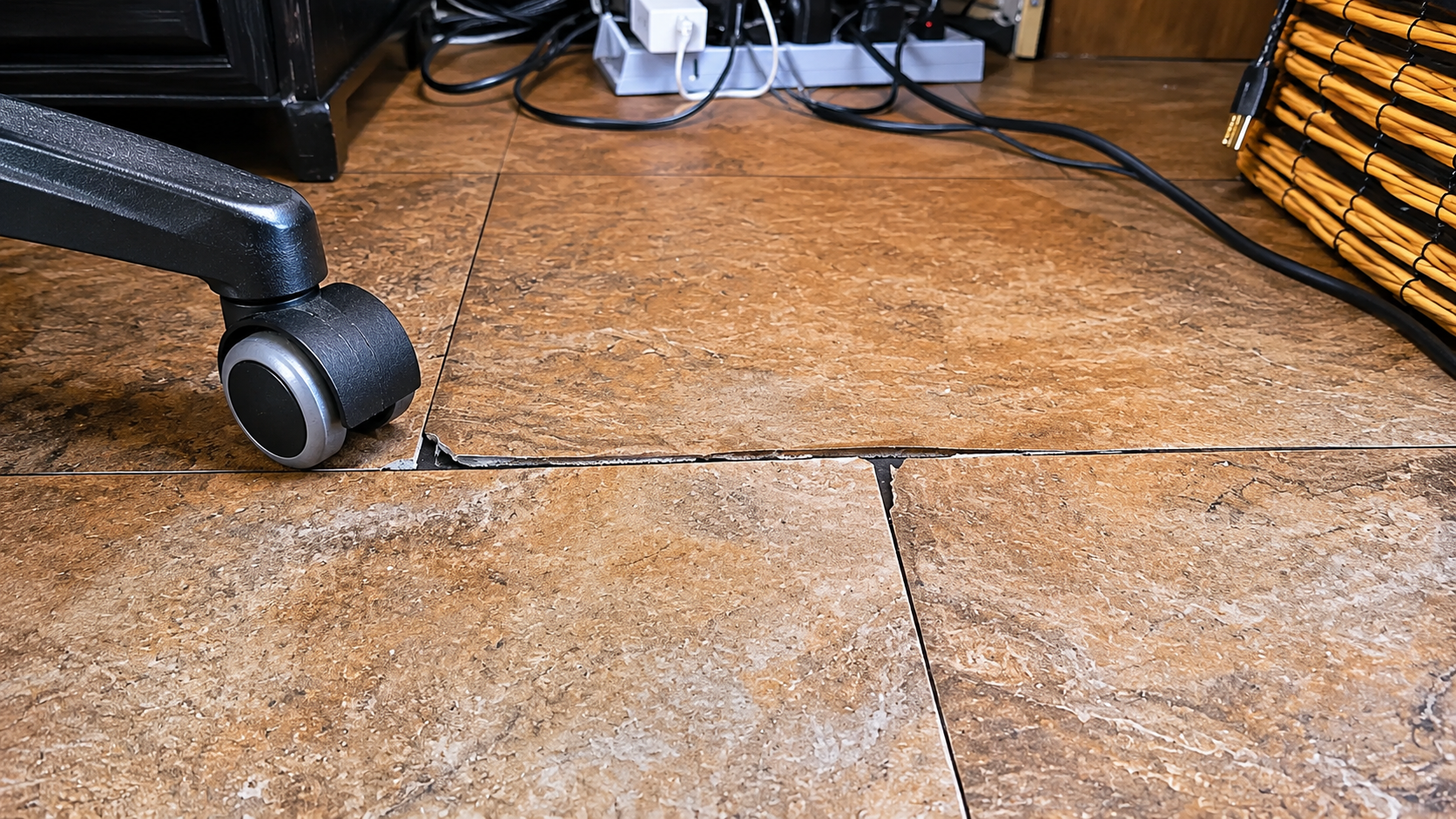
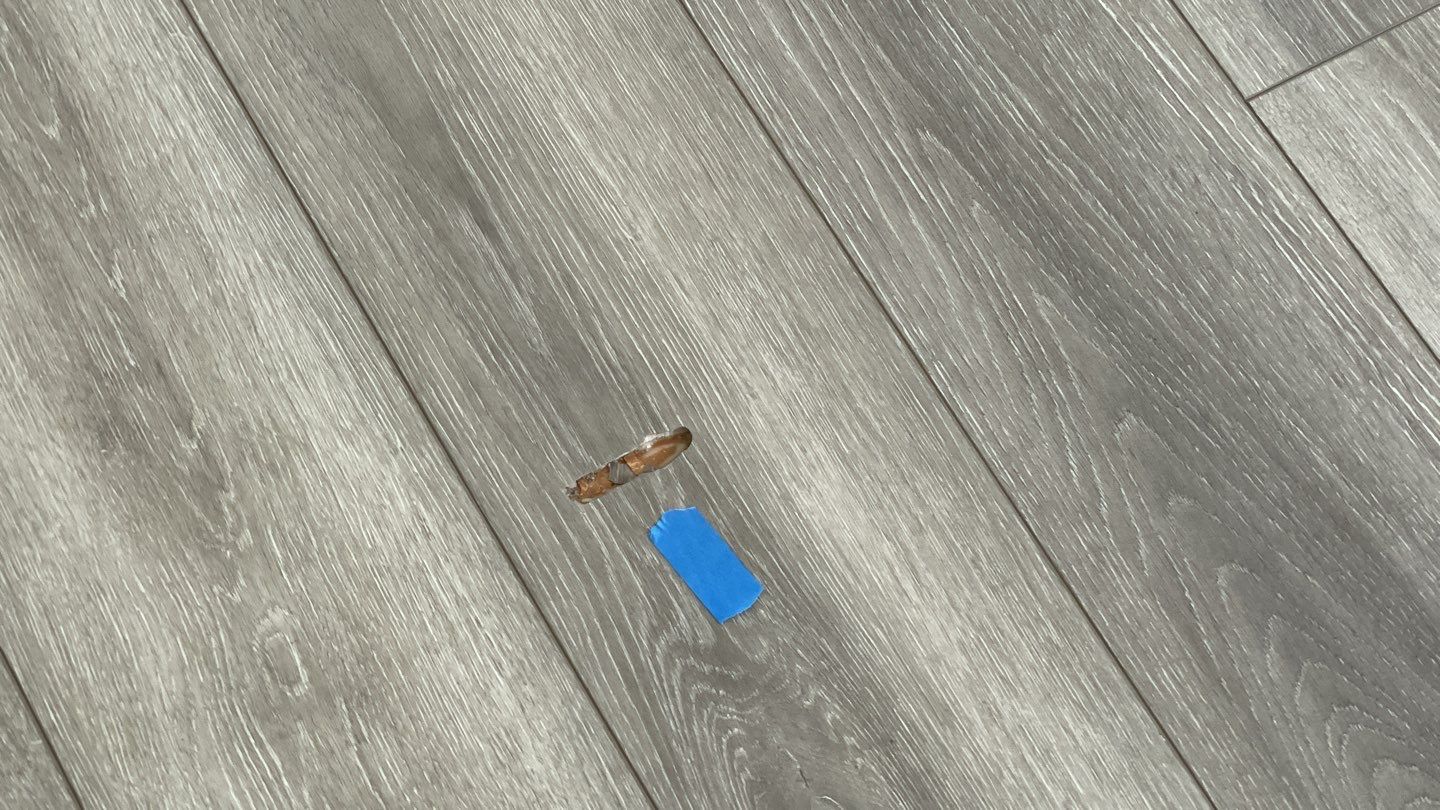
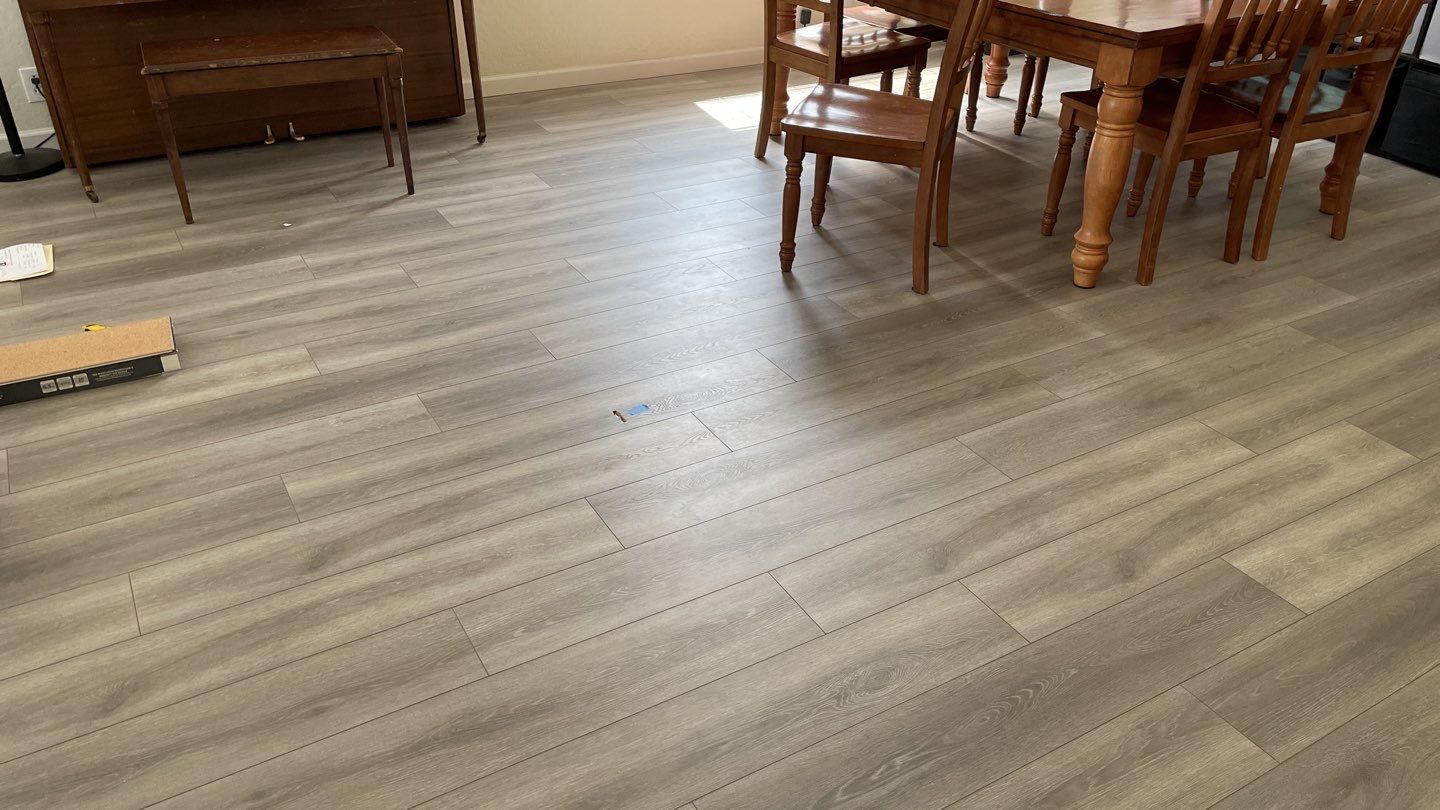
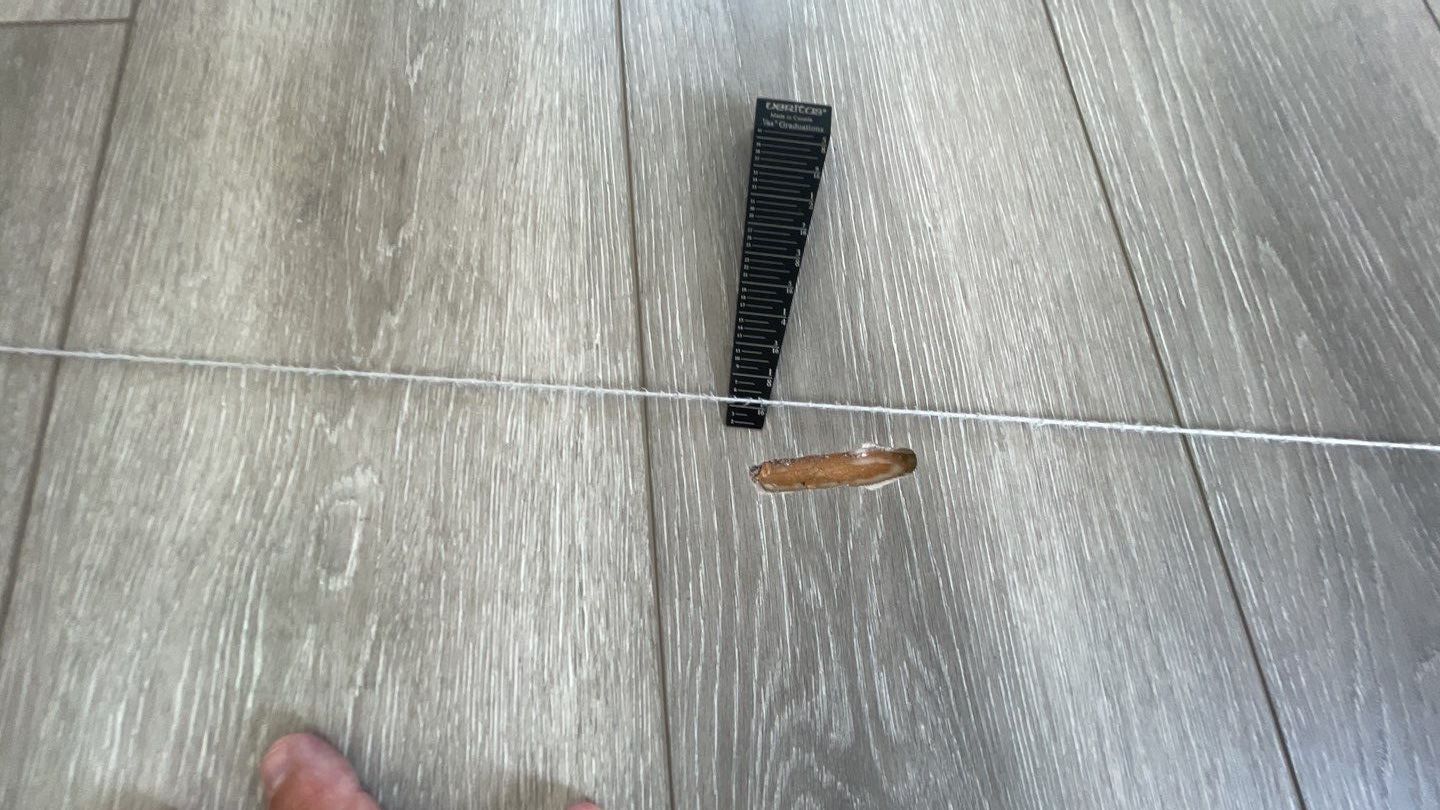
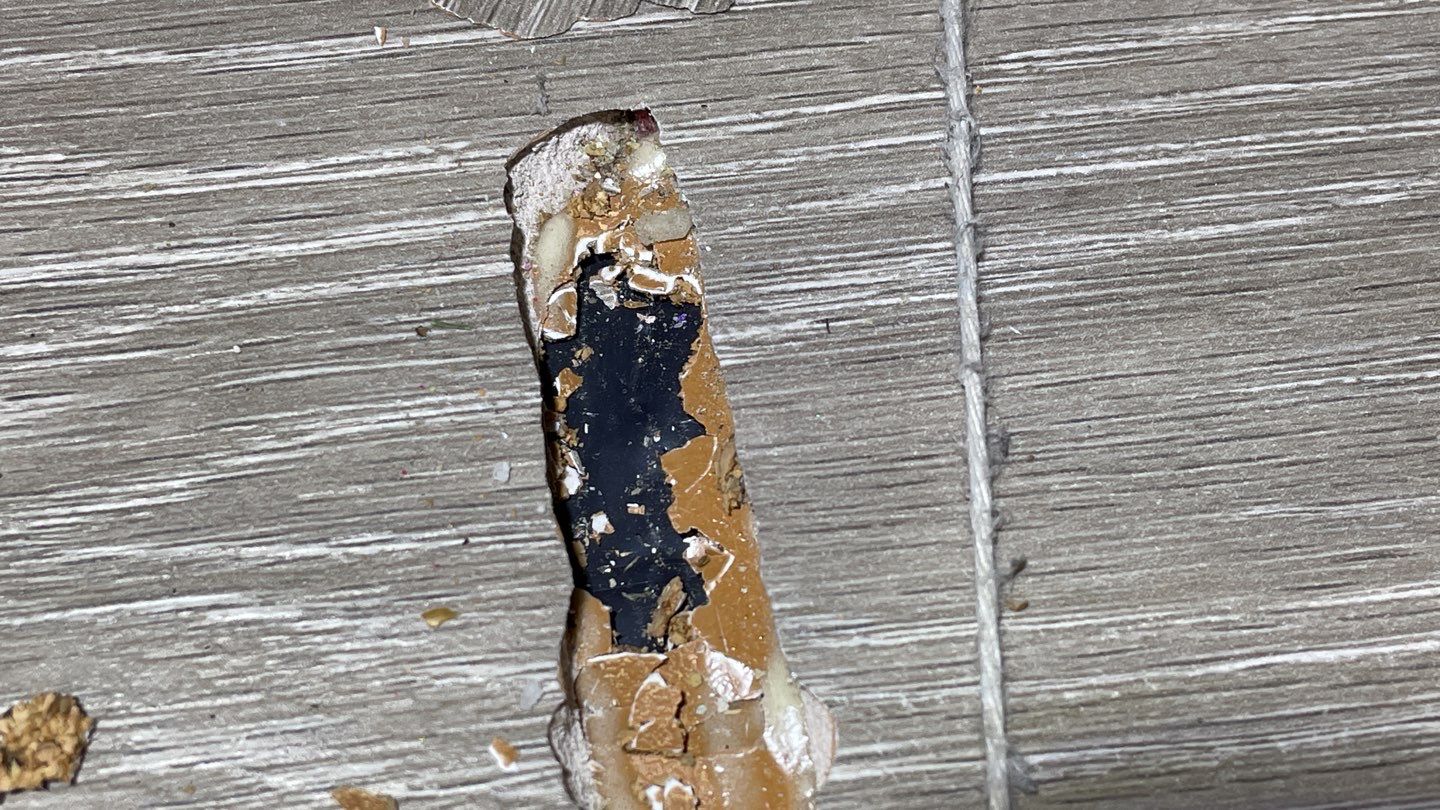
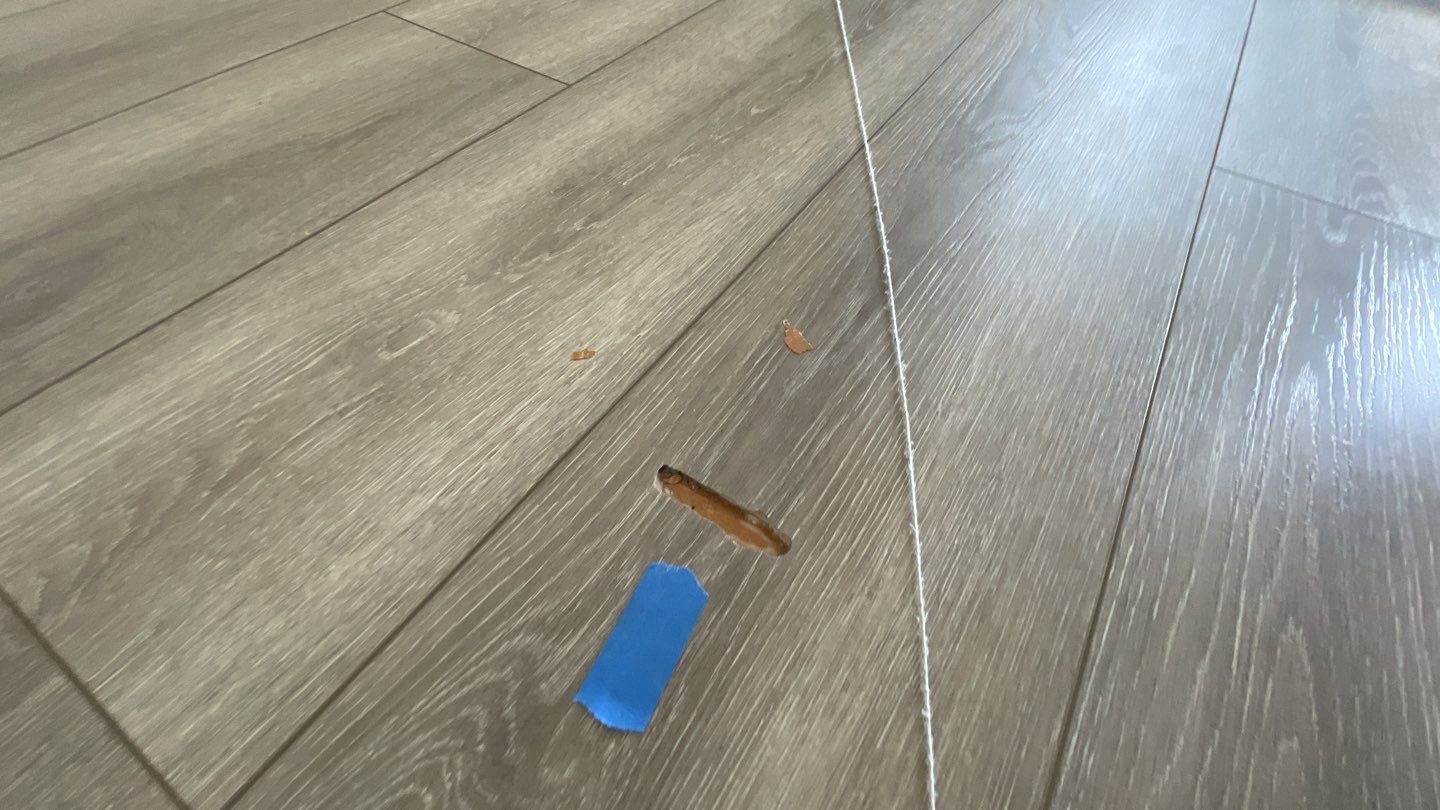
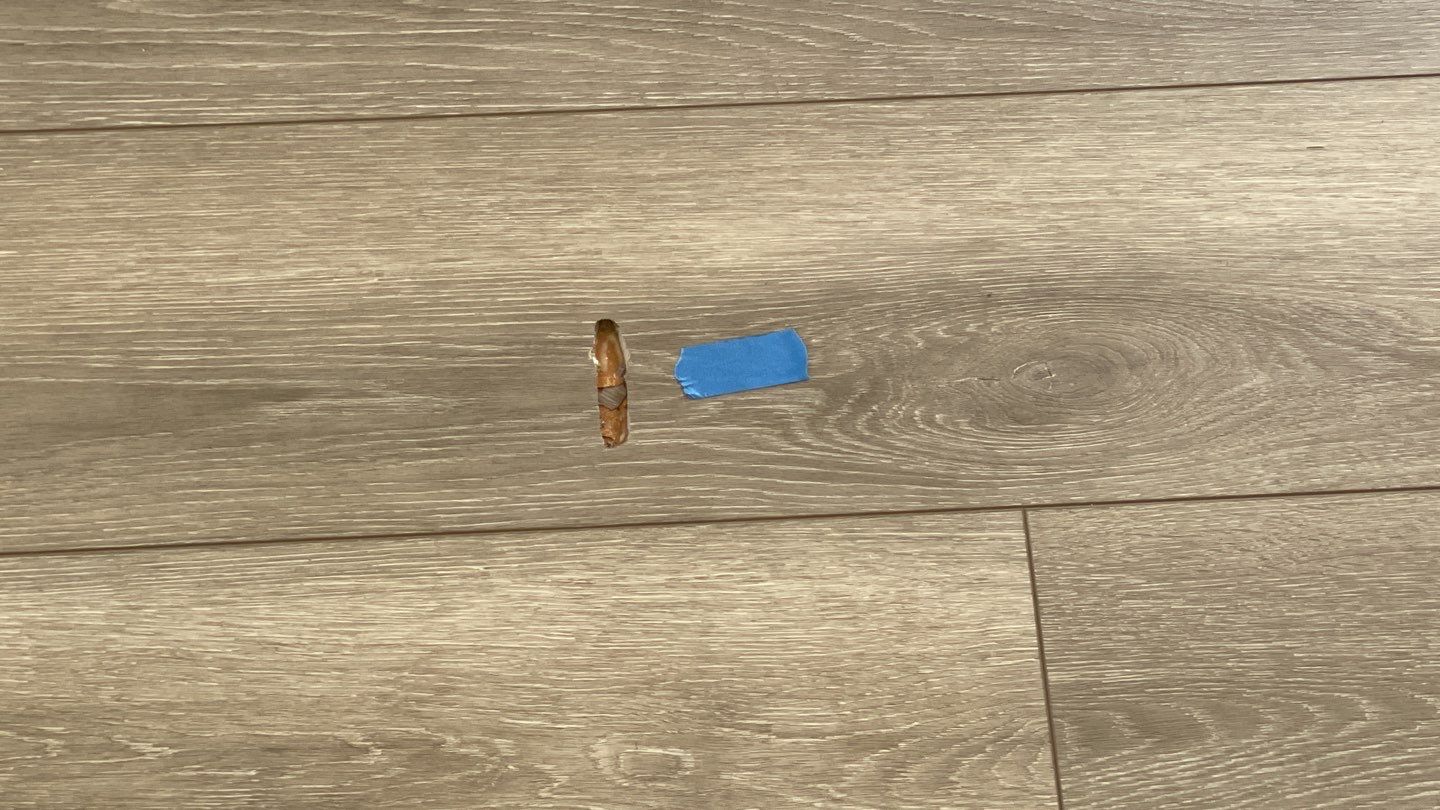
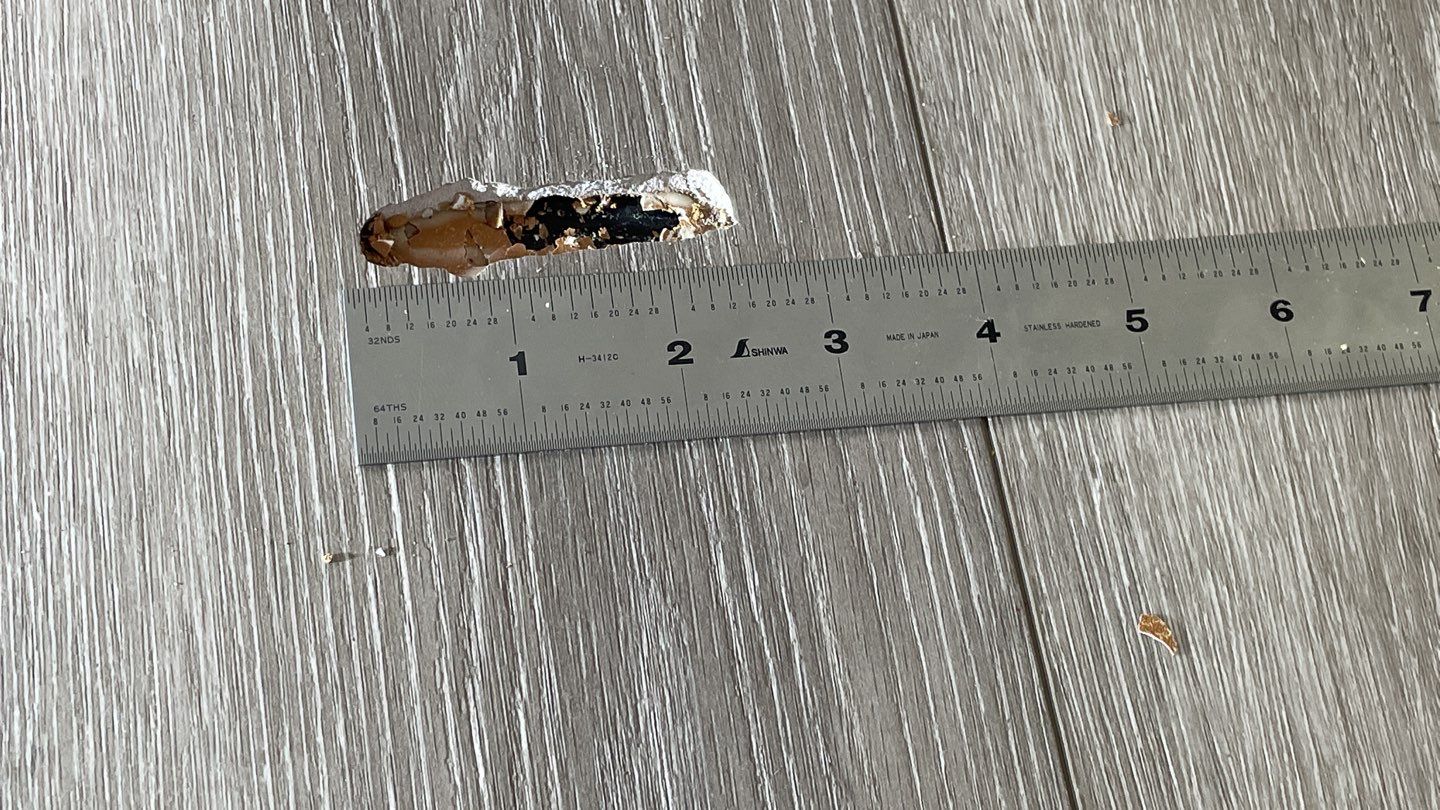
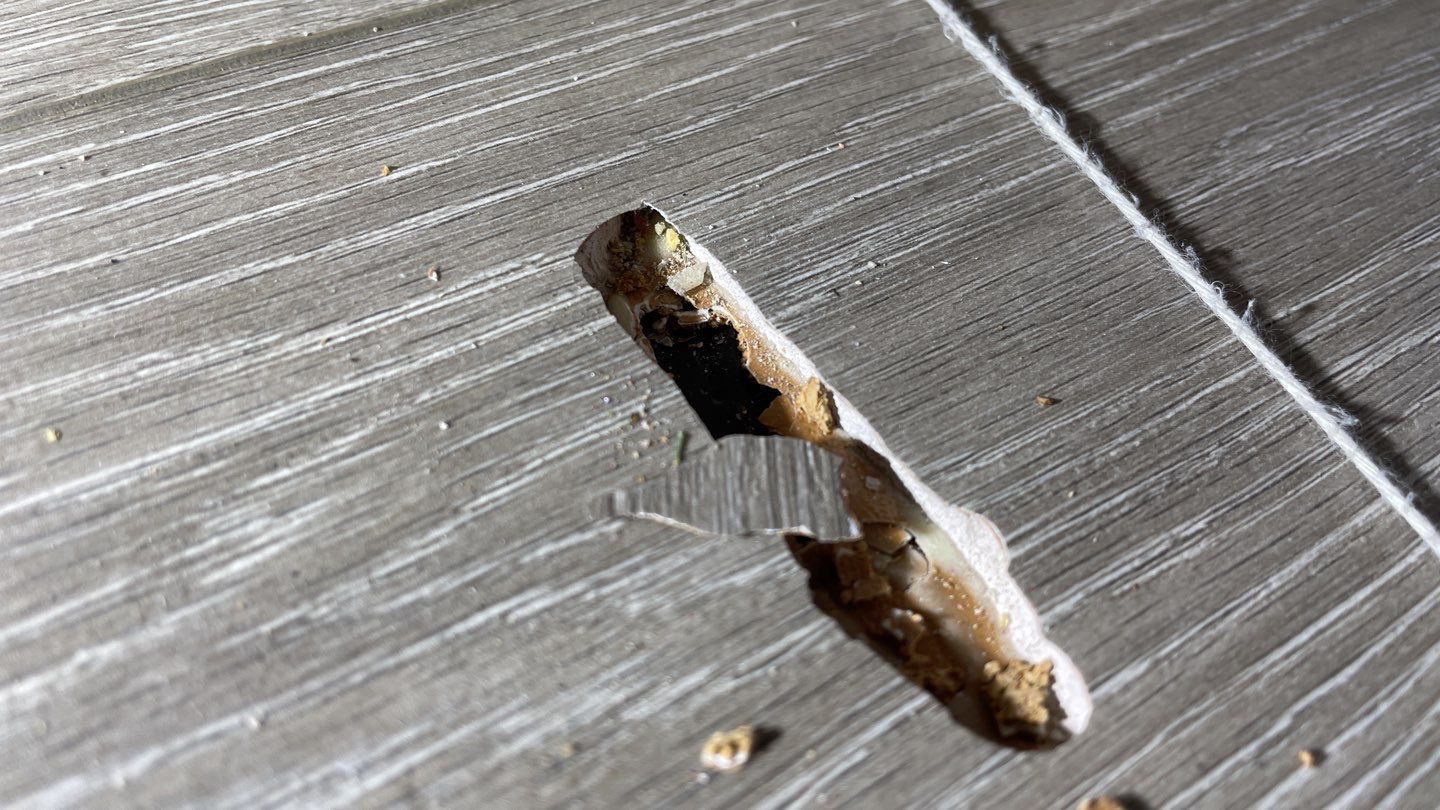
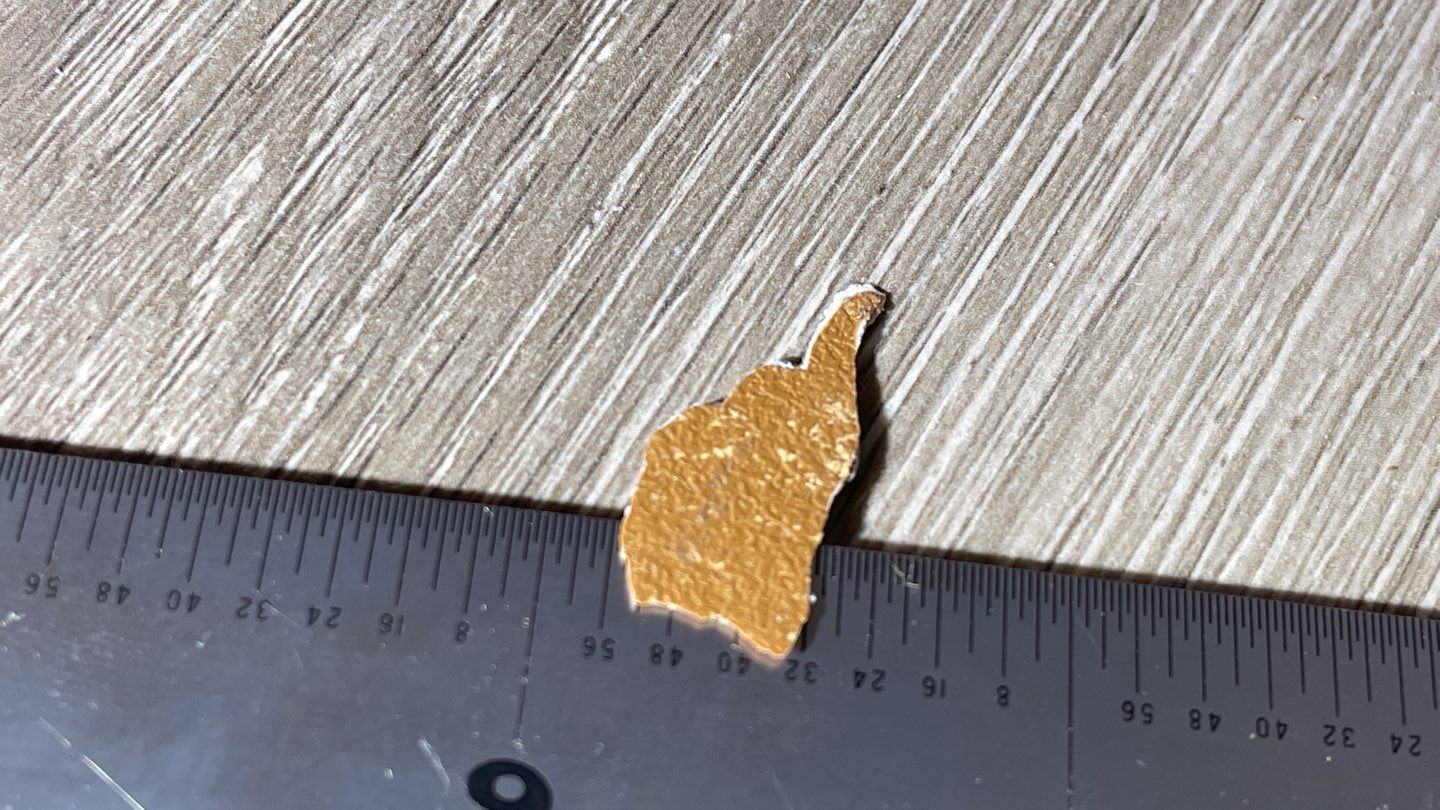
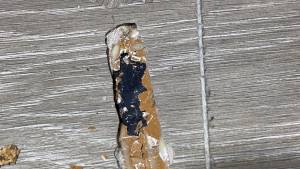
Localized structural collapse from a core void condition in resilient plank flooring

Core void

41-Aug 05 2021 11_25am-Fduu

Thin where layer is not supported by a core in the affected area

43-Aug 05 2021 11_26am-VKmk

Thin where layer

5-Aug 05 2021 11_15am-NJpt 18-Aug 05 2021 11_16am-91Hz 4-Aug 05 2021 11_15am-Yack 36-Aug 05 2021 11_23am-ubEL 38-Aug 05 2021 11_25am-YAuK 25-Aug 05 2021 11_18am-c4jV 27-Aug 05 2021 11_19am-ai57 19-Aug 05 2021 11_16am-EwV4 29-Aug 05 2021 11_20am-PEFM Localized structural collapse from a core void condition in resilient plank flooring 41-Aug 05 2021 11_25am-Fduu 43-Aug 05 2021 11_26am-VKmk

Core Voids (Multi-Layer Resilient Plank)

Floor Detective® Claims and Conditions Guide

Summary

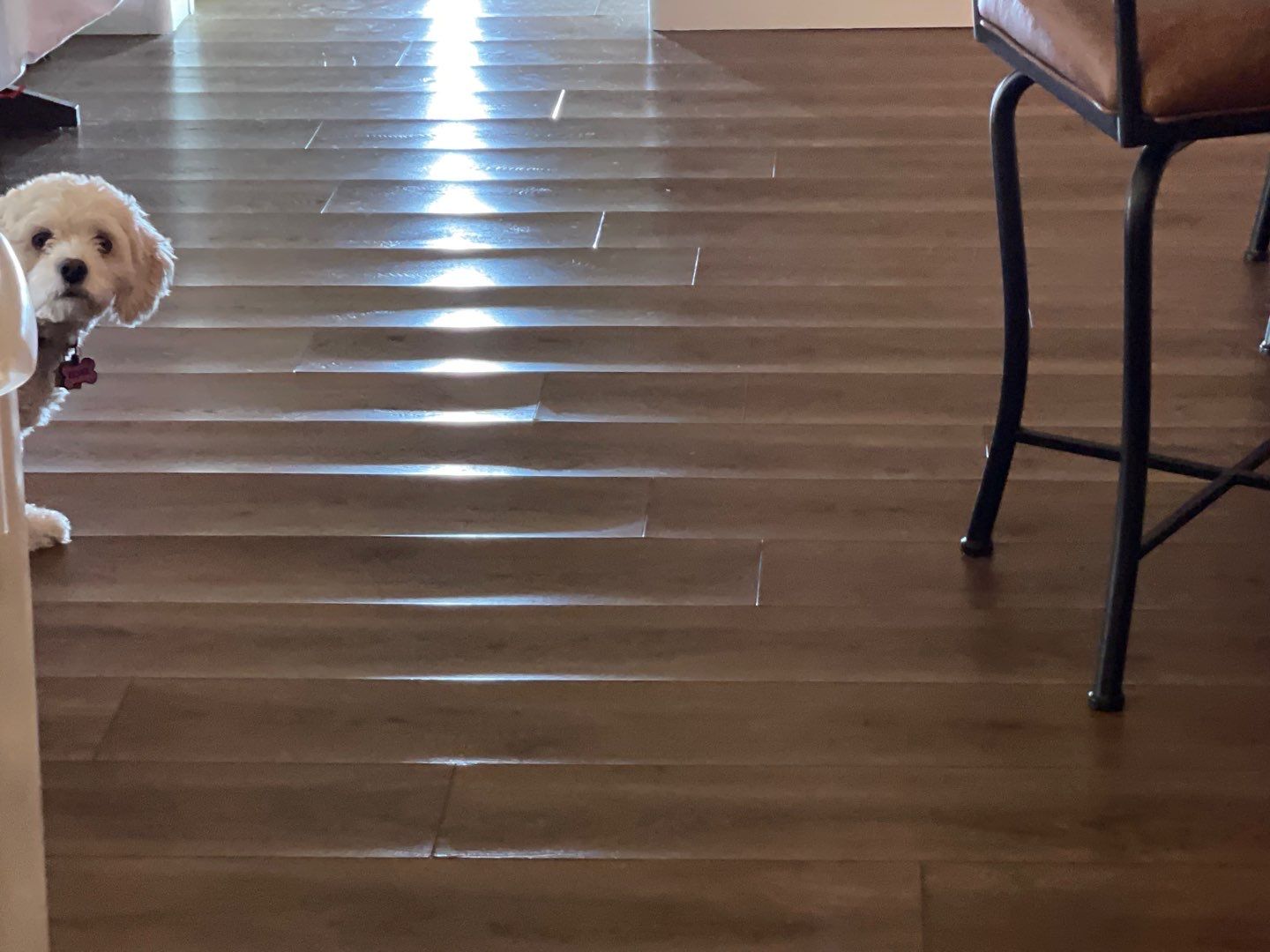
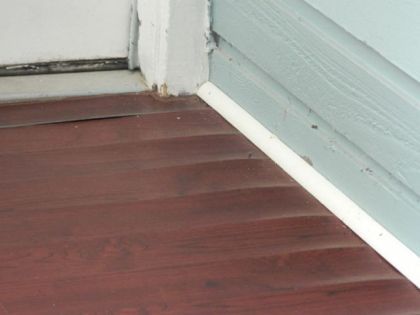
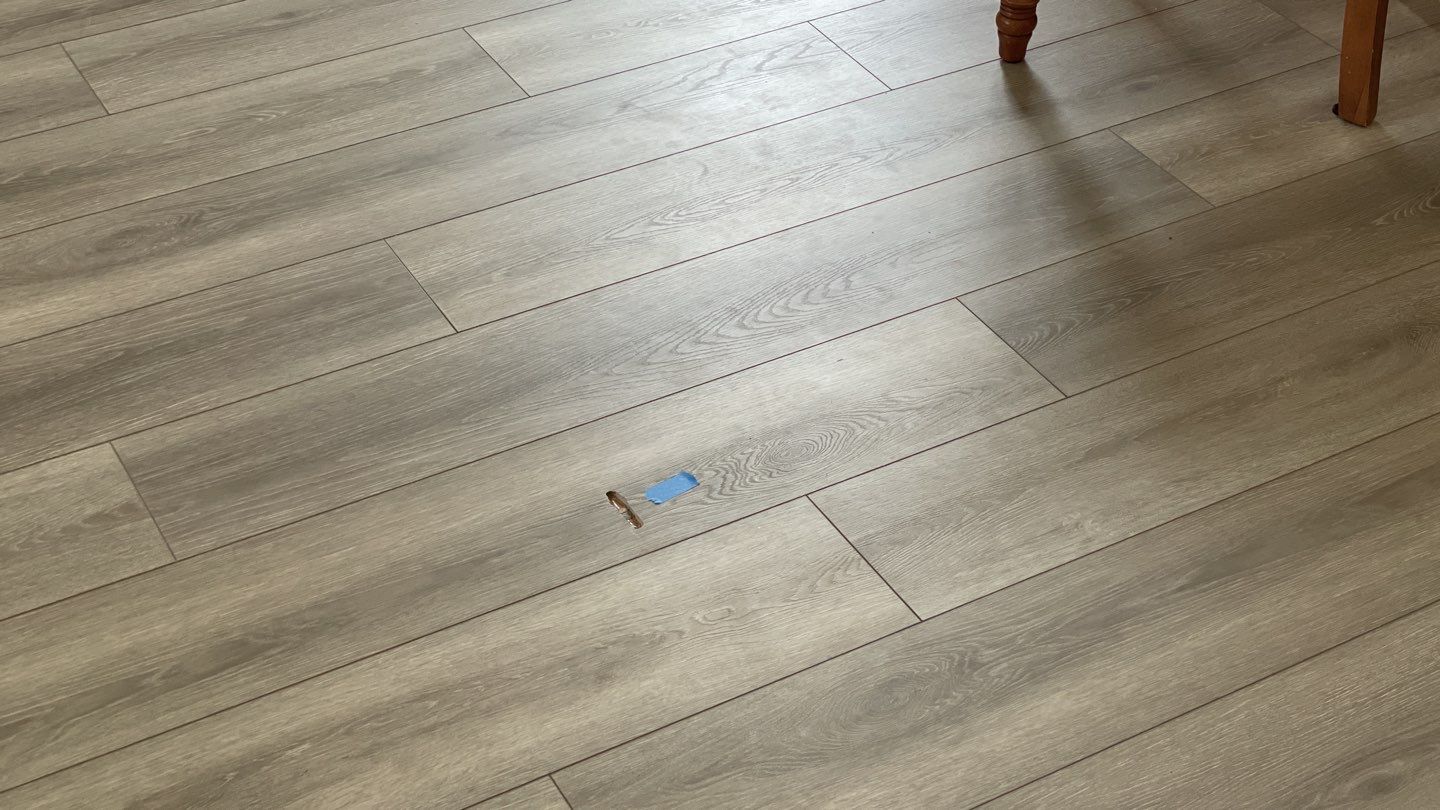
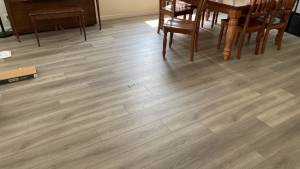
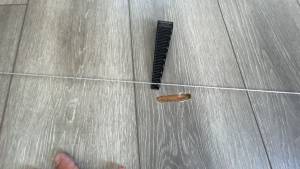
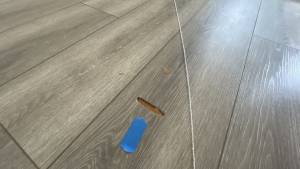
Core voids in multi-layer resilient plank flooring are localized internal areas where structural support within the plank body is absent, incomplete, or significantly reduced. Modern resilient plank products commonly consist of a wear layer, decorative film, rigid or flexible core structure, and in some products an attached backing or cushion layer. When a localized void exists within the core, the upper layers may temporarily bridge across the unsupported area during normal service conditions. Under concentrated loading, repeated traffic, or localized flex stress, the unsupported surface may deform downward into the void and produce fracture, puncture, collapse, or localized structural failure. Because the condition exists internally within the plank body, it may remain concealed prior to installation and may only become visible after the flooring is subjected to service conditions. Proper classification requires distinguishing internal support loss from impact damage, substrate-related deflection, use-related surface damage, or external mechanical stress. See also Broken Locking Profiles, Blisters, and LVT and SPC Floor Problems for broader context.
Please subscribe to see all content

LVT and SPC Floor Problems

LVT and SPC floor problems may involve movement, gapping, curling, noise, indentation, discoloration, or substrate-related effects.
Read More
LVT and SPC Floor Problems

Cross-Machine Direction (Width) Shading / Texture Variation (Resilient Sheet Vinyl)
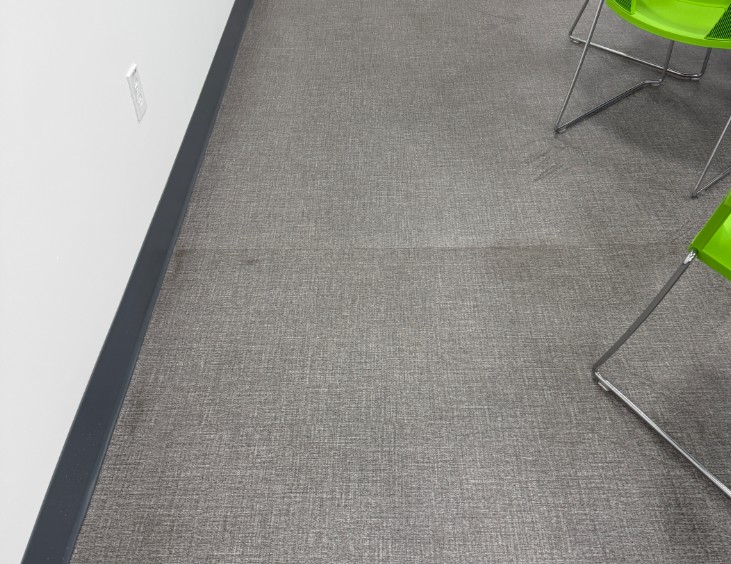
Cross-machine direction shading in resilient sheet vinyl involves side-to-side visual or texture variation across the sheet width.
Read More
Cross-Machine Direction (Width) Shading / Texture Variation (Resilient Sheet Vinyl)

Sheet Shrinkage / Seam Opening (Resilient Sheet Flooring)
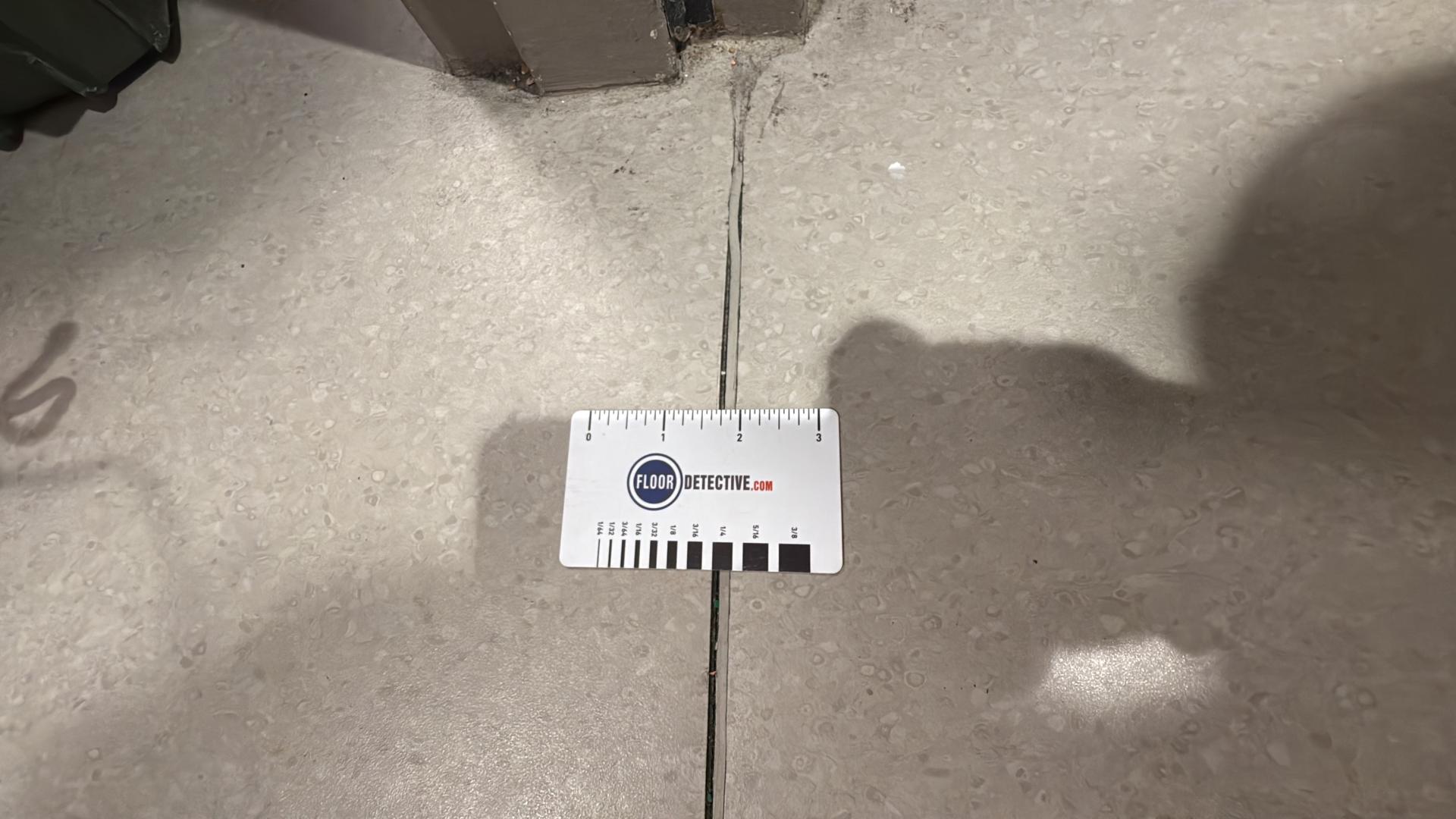
Sheet shrinkage and seam opening in resilient sheet flooring involve dimensional movement, edge pull-back, and flooring-system stress redistribution.
Read More
Sheet Shrinkage / Seam Opening (Resilient Sheet Flooring)

Heat Weld Seam Failure (Resilient Sheet Flooring)
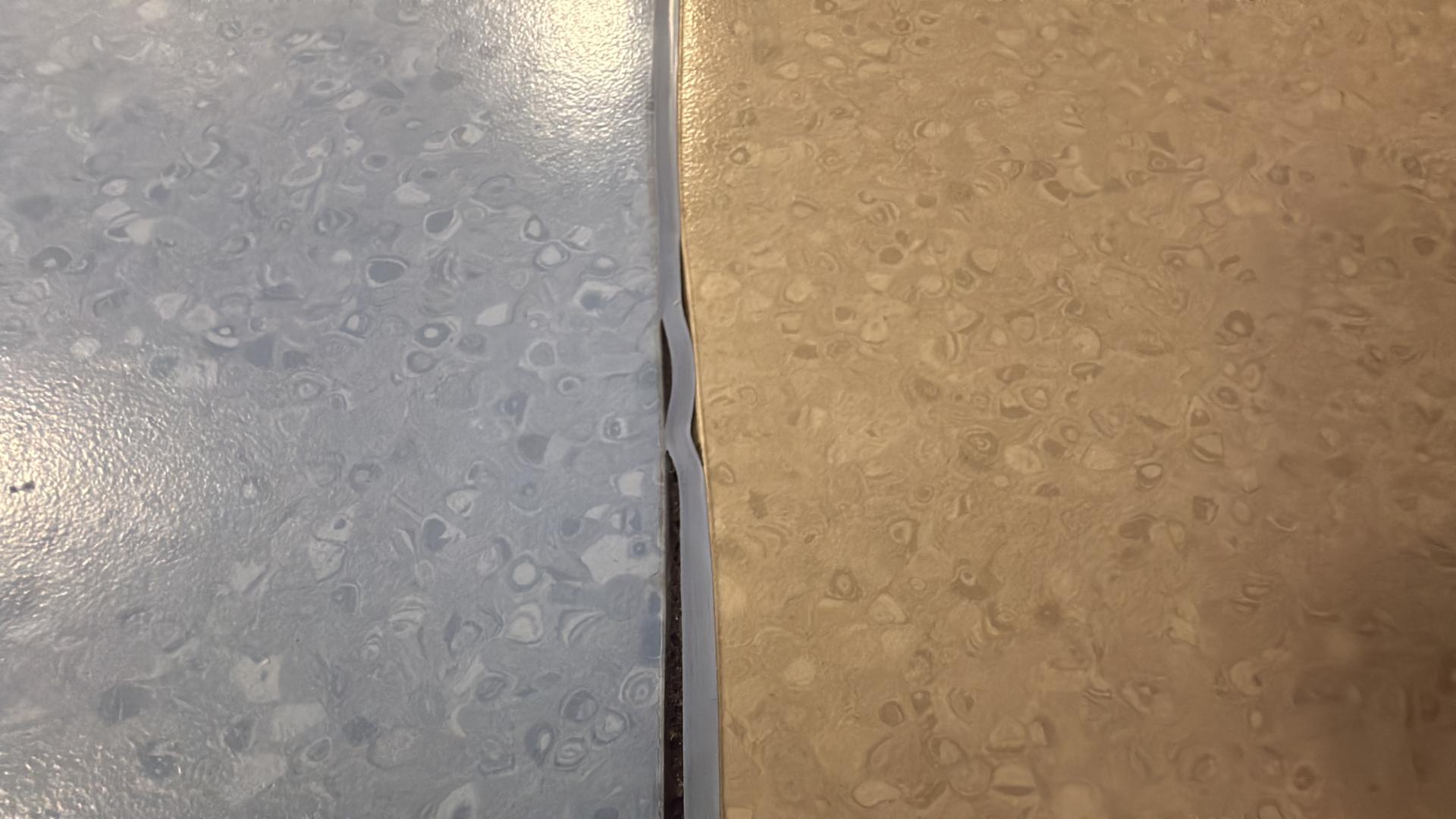
Heat weld seam failure in resilient sheet flooring involves loss of fusion or structural integrity within welded sheet-flooring joints.
Read More
Heat Weld Seam Failure (Resilient Sheet Flooring)

Yellowing / Discoloration (LVP / SPC / WPC)
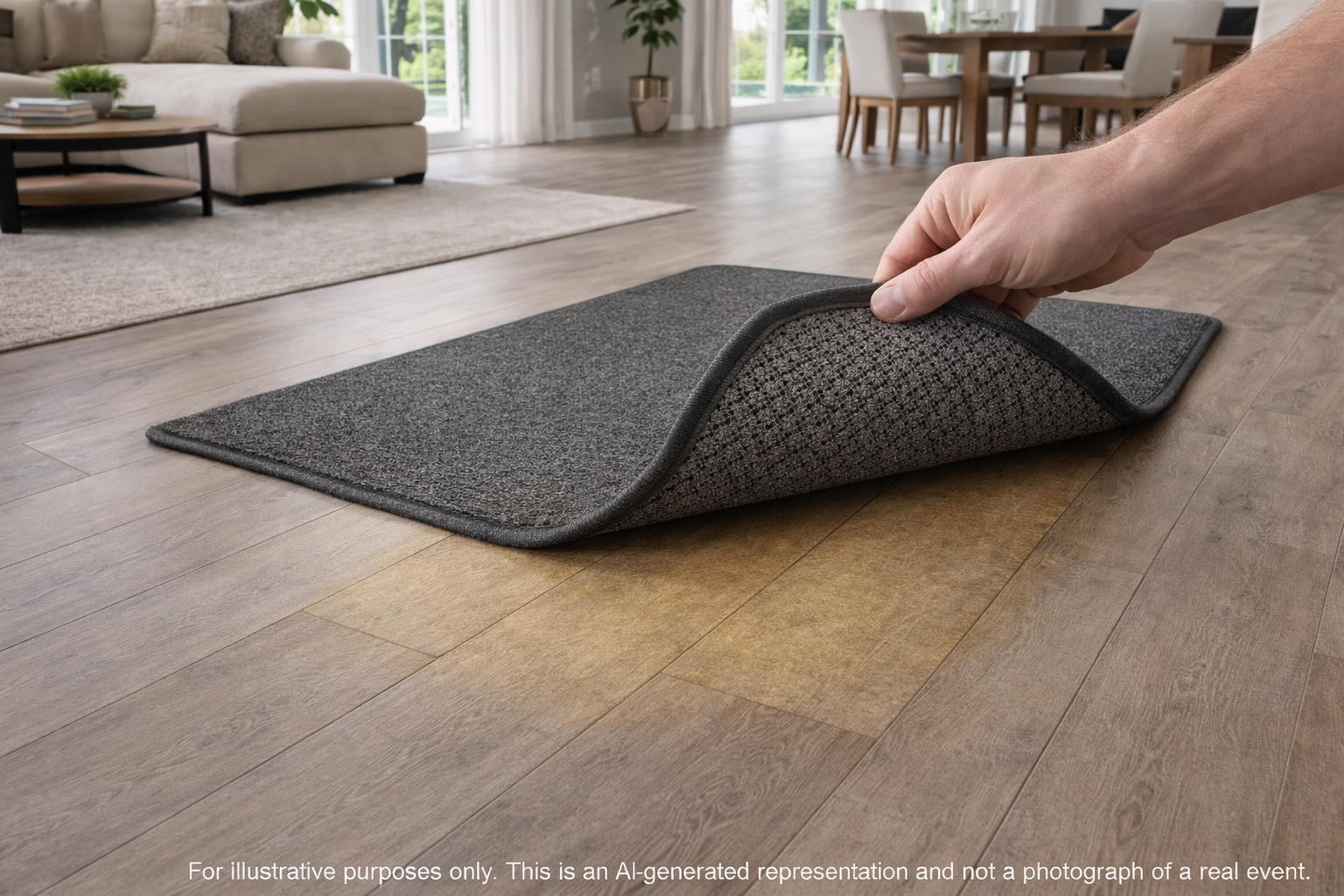
Yellowing in LVP, SPC, and WPC flooring involves internal discoloration caused by oxidation, ultraviolet exposure, or environmental influence.
Read More
Yellowing / Discoloration (LVP / SPC / WPC)

Broken Locking Profiles / Mechanical Joint Compromise (Resilient Plank)
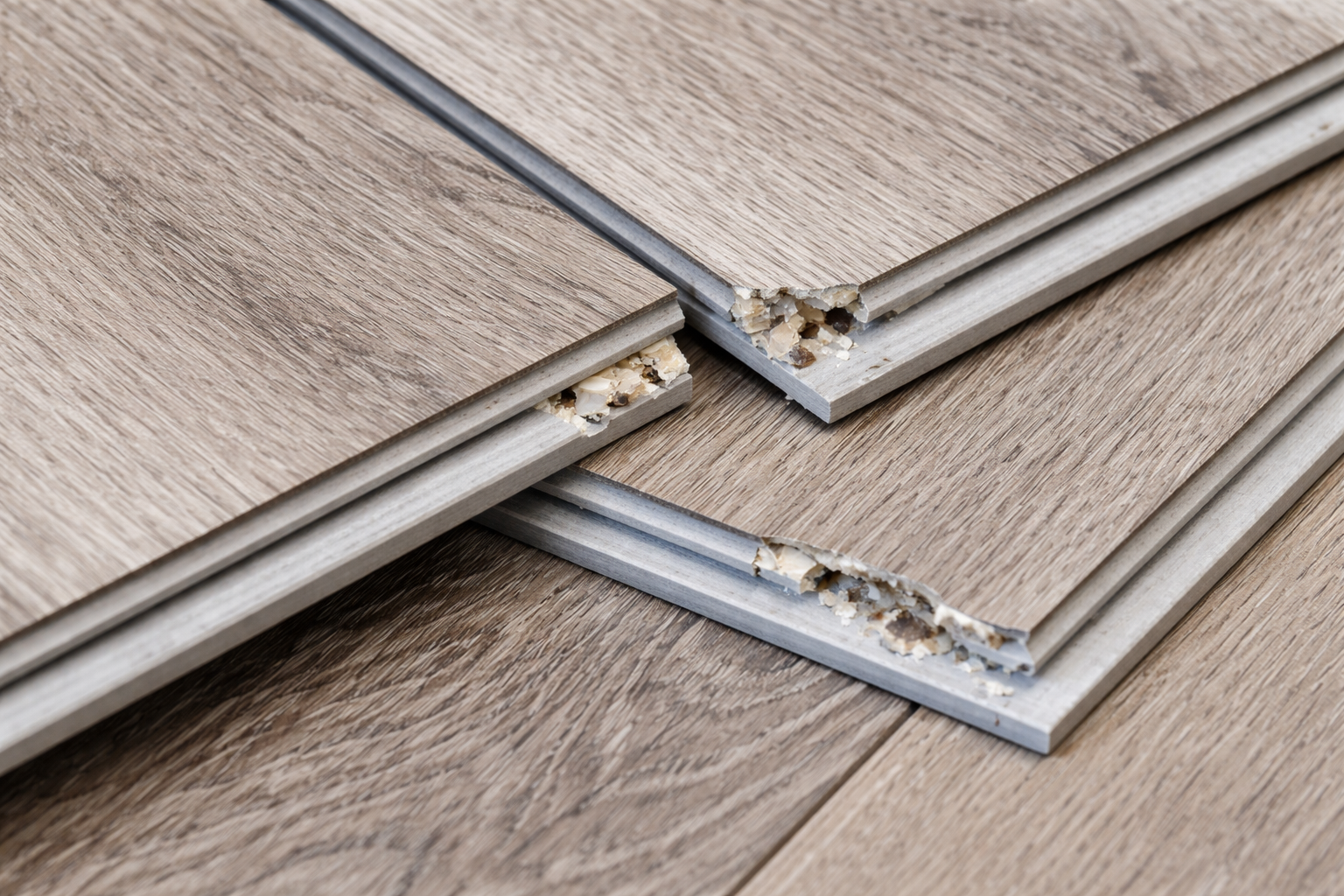
Broken locking profiles and mechanical joint compromise involve fracture, deformation, or weakening of resilient plank locking systems.
Read More
Broken Locking Profiles / Mechanical Joint Compromise (Resilient Plank)

Efflorescence-Like Mineral Migration at LVT/SPC Joints
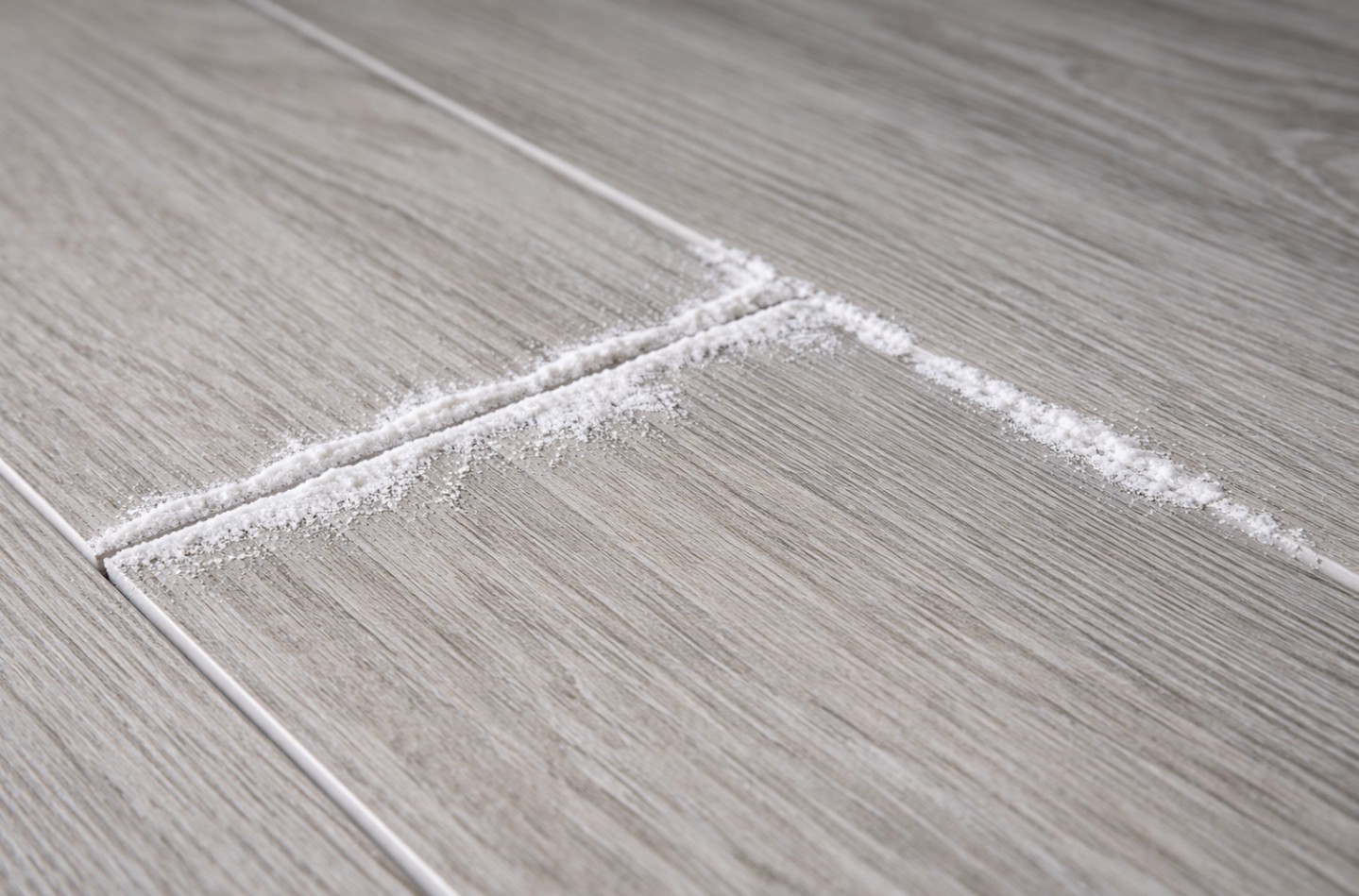
Efflorescence-like mineral migration at LVT and SPC joints is a moisture-related substrate condition involving mineral residue from concrete slabs.
Read More
Efflorescence-Like Mineral Migration at LVT/SPC Joints

Blistering / Surface Blisters (SPC Flooring)

SPC flooring blistering involves localized raised areas or bubble-like distortions originating within individual flooring planks.
Read More
Blistering / Surface Blisters (SPC Flooring)

Cracking Over Existing Substrates (LVT)

Cracking in resilient plank flooring over existing substrates commonly involves stress transfer from grout joints or uneven support.
Read More
Cracking Over Existing Substrates (LVT)

Buckling of Resilient Plank Flooring Installed Over Wood Substrates on Concrete

Buckling of resilient plank flooring over wood substrates on concrete may result from moisture-related expansion within layered flooring assemblies.
Read More
Buckling of Resilient Plank Flooring Installed Over Wood Substrates on Concrete