Concrete Flatness and Levelness Compatibility (Concrete / Substrates)

Concrete Flatness and Levelness Compatibility (Concrete / Substrates)
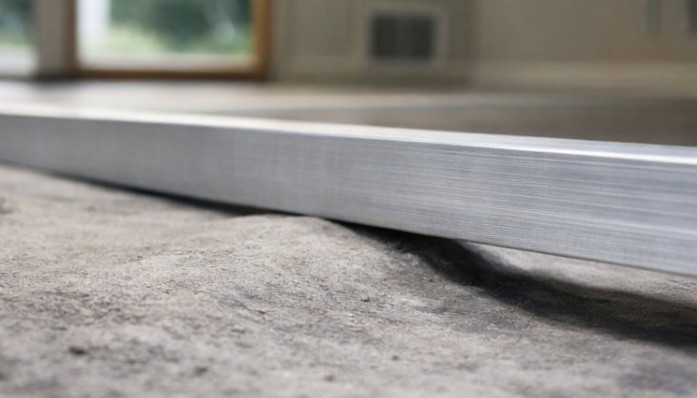
Concrete Flatness 3 - chat gpt
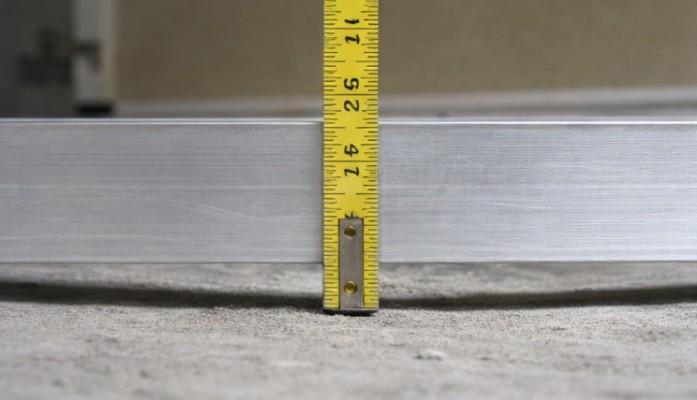
concrete flatness 2 - chat gtp
Concrete flatness and levelness affecting flooring substrate compatibility and flooring system performance
Concrete Flatness 3 - chat gpt concrete flatness 2 - chat gtp Concrete flatness and levelness affecting flooring substrate compatibility and flooring system performance

Concrete Flatness and Levelness Compatibility (Concrete / Substrates)
Floor Detective® Claims and Conditions Guide

Summary

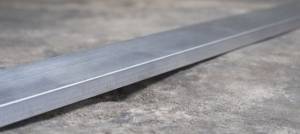
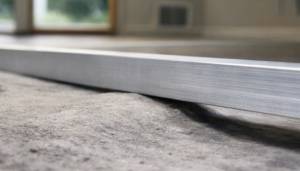
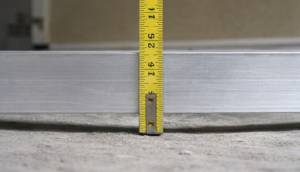
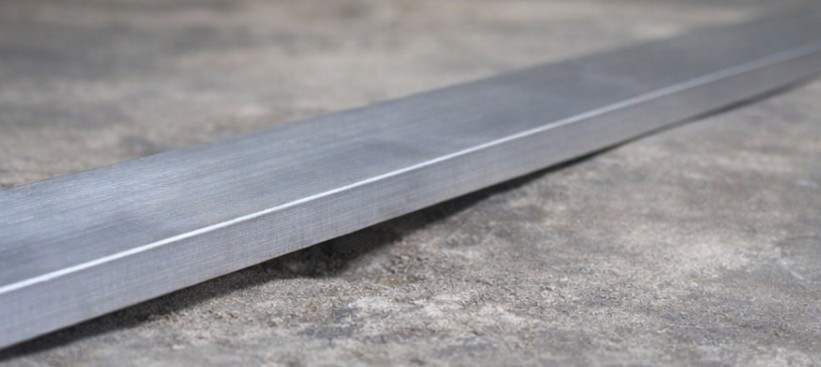
Concrete flatness and levelness compatibility refers to the relationship between slab surface profile and the performance requirements of the installed flooring system. Flatness describes localized surface deviation across a defined span, while levelness describes overall slope or tilt of the slab. Flooring systems are manufactured with defined tolerances that require reasonably flat substrates to support proper installation, load distribution, and long-term performance. Surface irregularities such as high spots, low areas, ridges, or depressions may introduce stress into floating or adhered flooring systems, affecting locking integrity, adhesive bond performance, and dimensional stability. Substrate conditions that meet structural concrete tolerances may still be incompatible with flooring manufacturer flatness requirements, and resulting flooring symptoms often reflect this compatibility relationship rather than a defect in the flooring material itself. See also Concrete Slab Curling and Edge Lift, Cracks – Types and Causes, and Concrete Substrate Problems for broader context.
Please subscribe to see all content

Limitations of Moisture Testing (Concrete / Substrates)

Concrete moisture testing provides a snapshot of slab conditions but does not guarantee future performance or installation conditions.
Read More
Limitations of Moisture Testing (Concrete / Substrates)

Concrete Substrate Problems
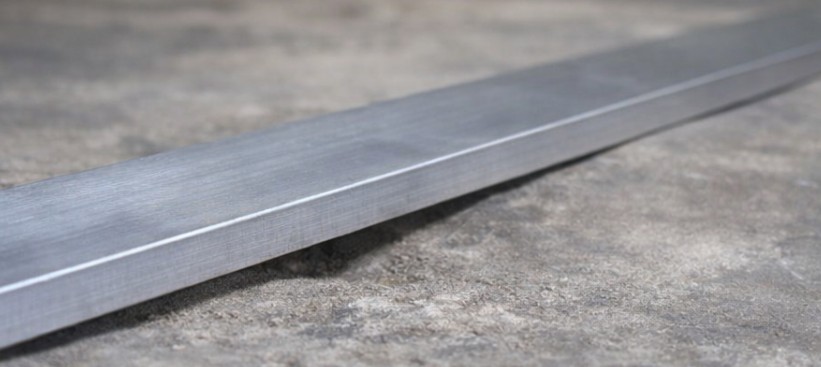
Concrete substrate problems may involve moisture, cracking, alkalinity, surface preparation, or flooring-system compatibility conditions.I
Read More
Concrete Substrate Problems

Concrete Shrinkage and Settlement (Concrete / Substrates)
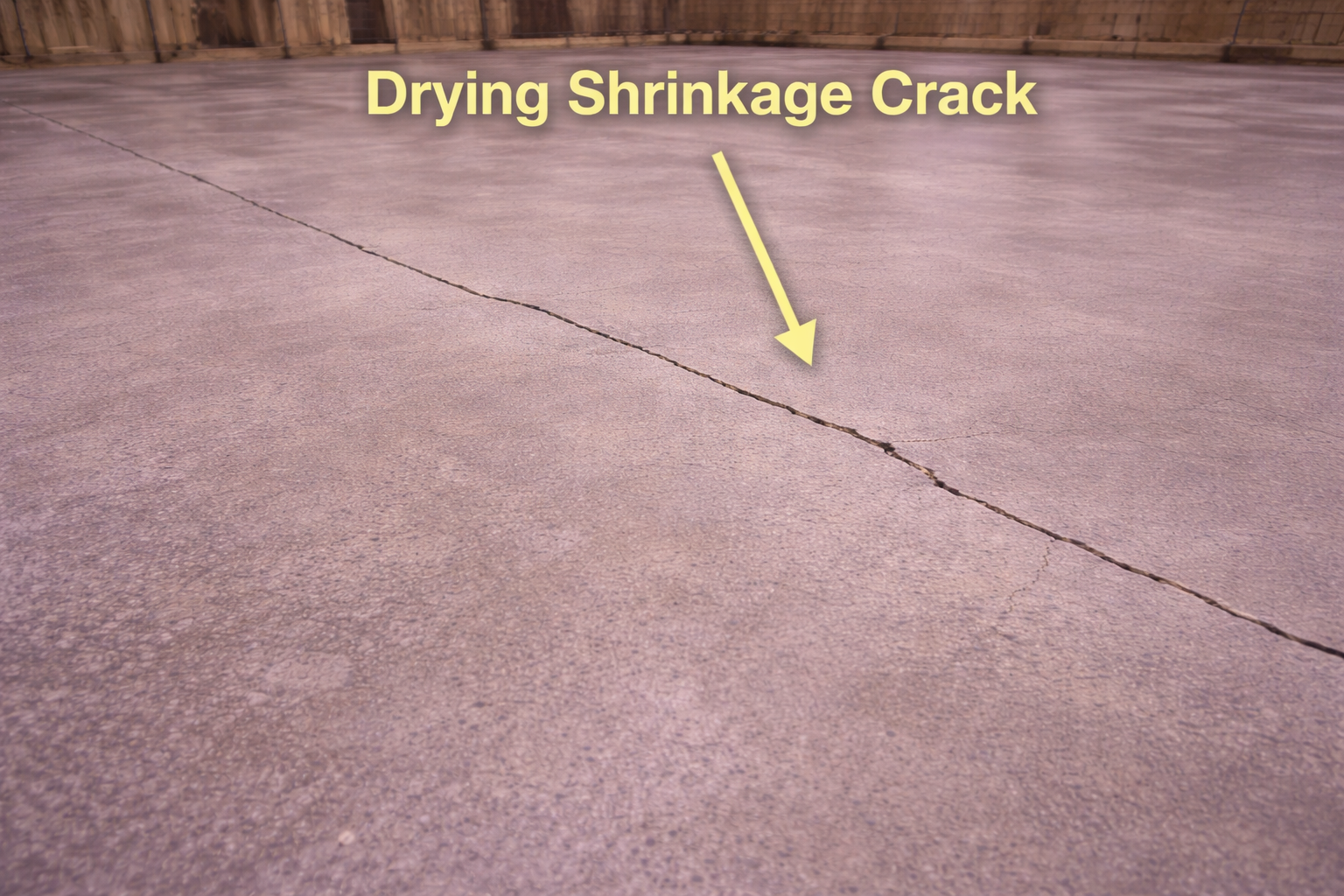
Concrete shrinkage and settlement may affect flooring performance by introducing cracking, movement, and stress within flooring systems.
Read More
Concrete Shrinkage and Settlement (Concrete / Substrates)

Vapor Retarders Beneath Concrete Slabs (Concrete / Substrates)
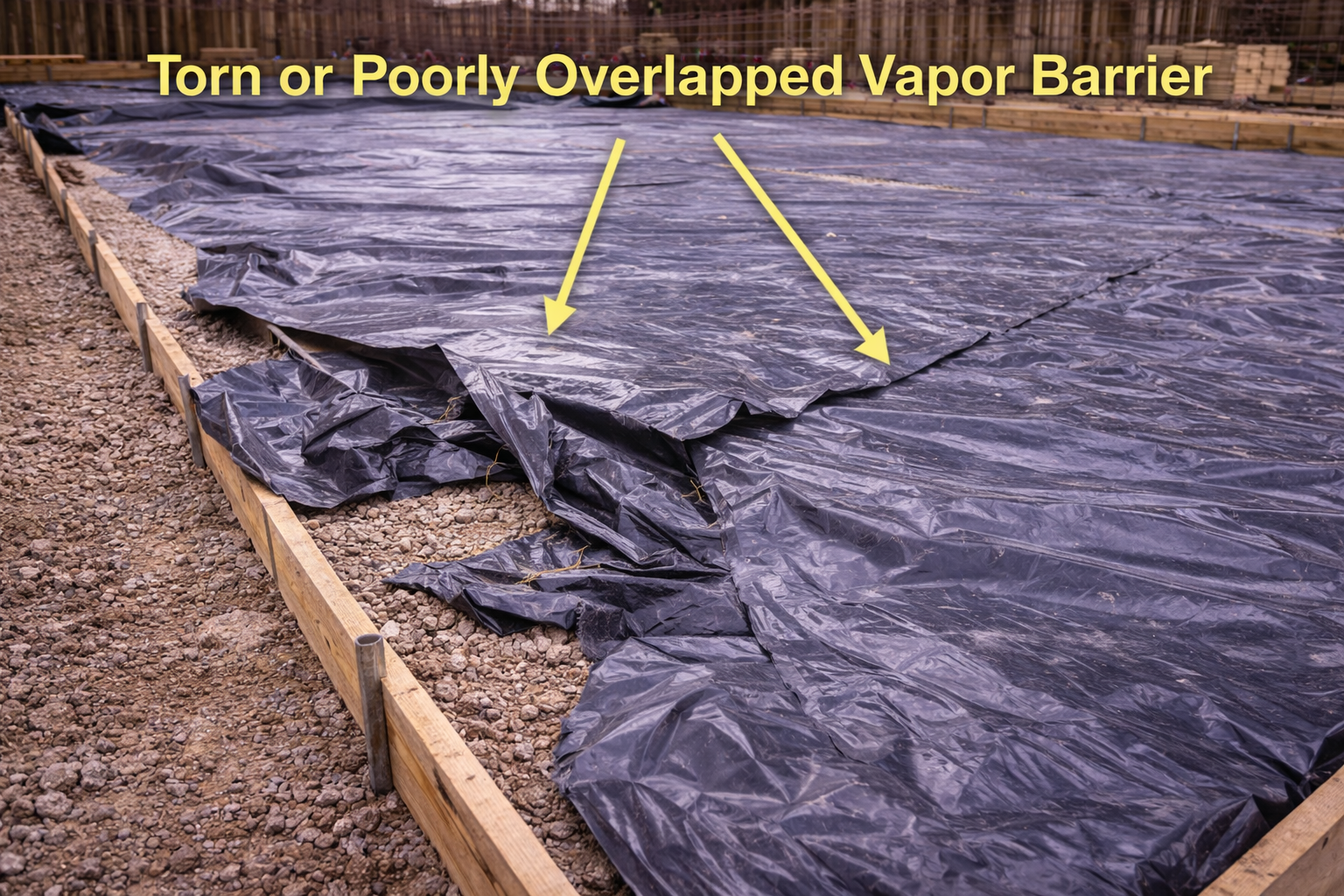
Vapor retarders limit moisture migration from below the slab and help control flooring performance conditions.
Read More
Vapor Retarders Beneath Concrete Slabs (Concrete / Substrates)

Cold Joints and Construction Joints (Concrete / Substrates)
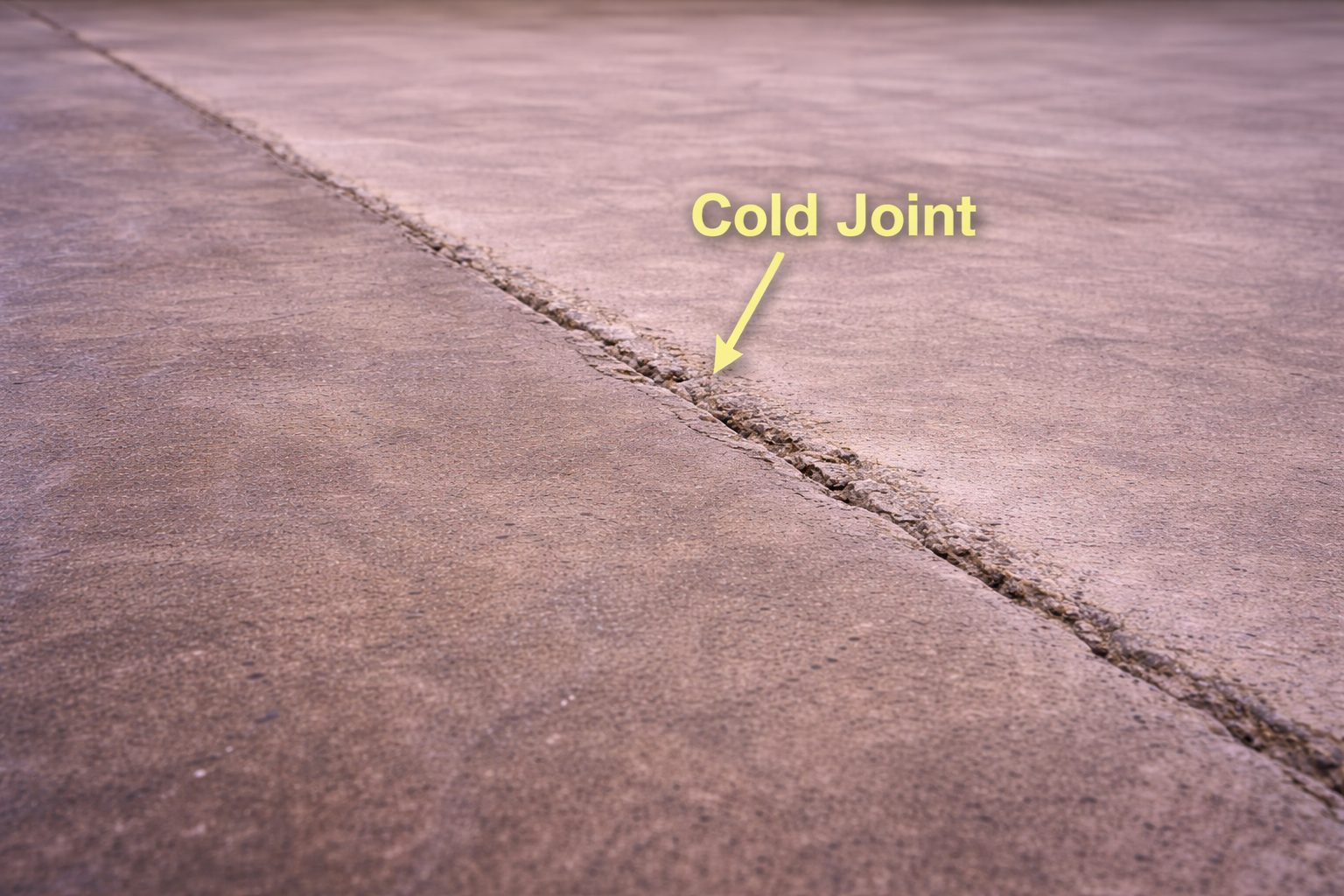
Cold joints and construction joints form where separate concrete placements meet and may influence flooring compatibility, reflective cracking, bond integrity,...
Read More
Cold Joints and Construction Joints (Concrete / Substrates)

Crack Isolation and Moisture Mitigation Systems (Concrete / Substrates)
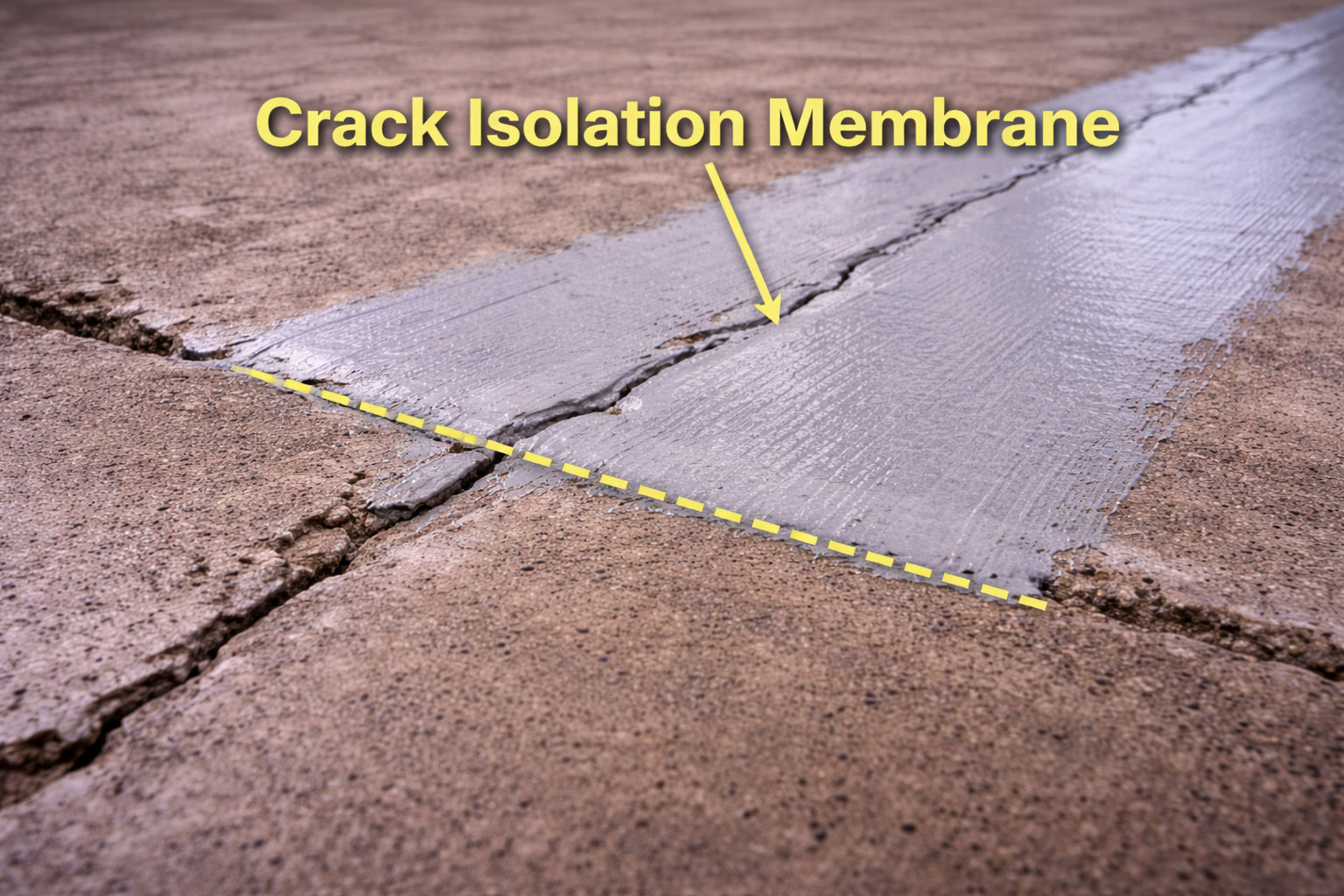
Crack isolation and moisture mitigation systems help control slab movement and moisture to protect flooring performance.
Read More
Crack Isolation and Moisture Mitigation Systems (Concrete / Substrates)

Concrete Surface Profile (CSP) and Surface Preparation (Concrete / Substrates)
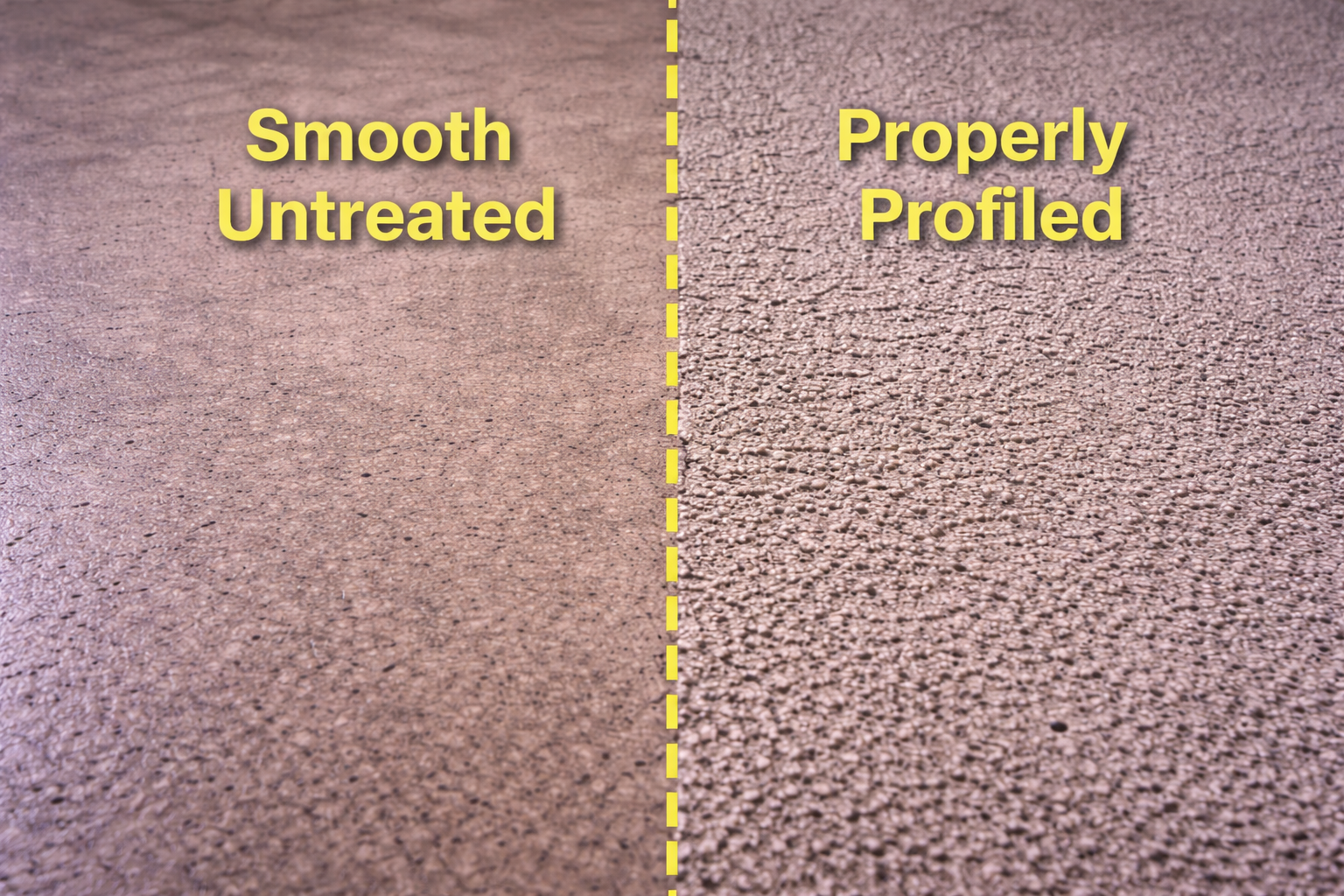
Concrete surface profile CSP affects flooring adhesion by controlling surface texture and mechanical bond with adhesives.
Read More
Concrete Surface Profile (CSP) and Surface Preparation (Concrete / Substrates)

Hydrostatic Pressure and Capillary Moisture Movement (Concrete / Substrates)
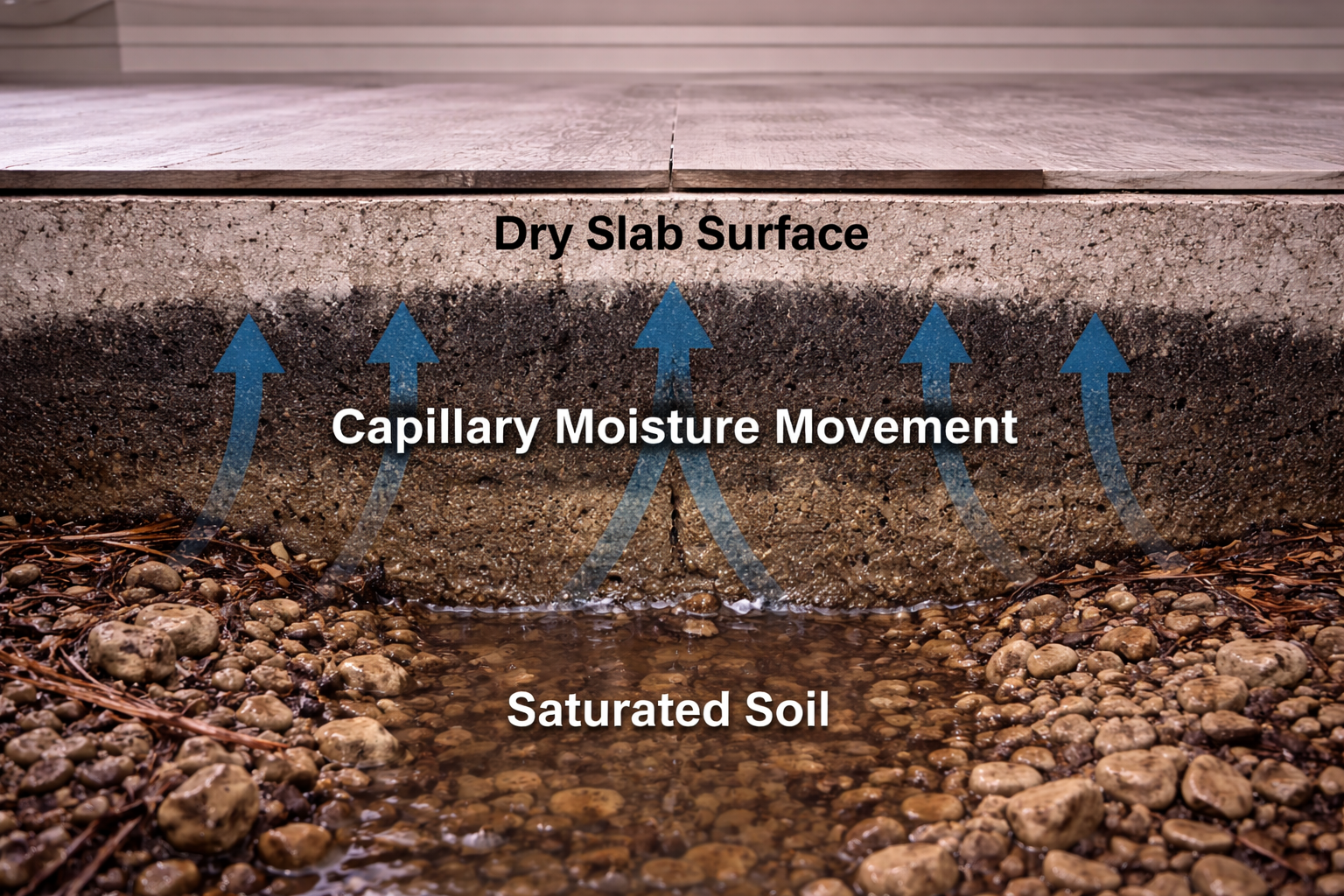
Hydrostatic pressure and capillary moisture movement describe how moisture travels through concrete and affects flooring systems.
Read More
Hydrostatic Pressure and Capillary Moisture Movement (Concrete / Substrates)

Calcium Chloride (MVER) Moisture Vapor Emission Testing (Concrete / Substrates)
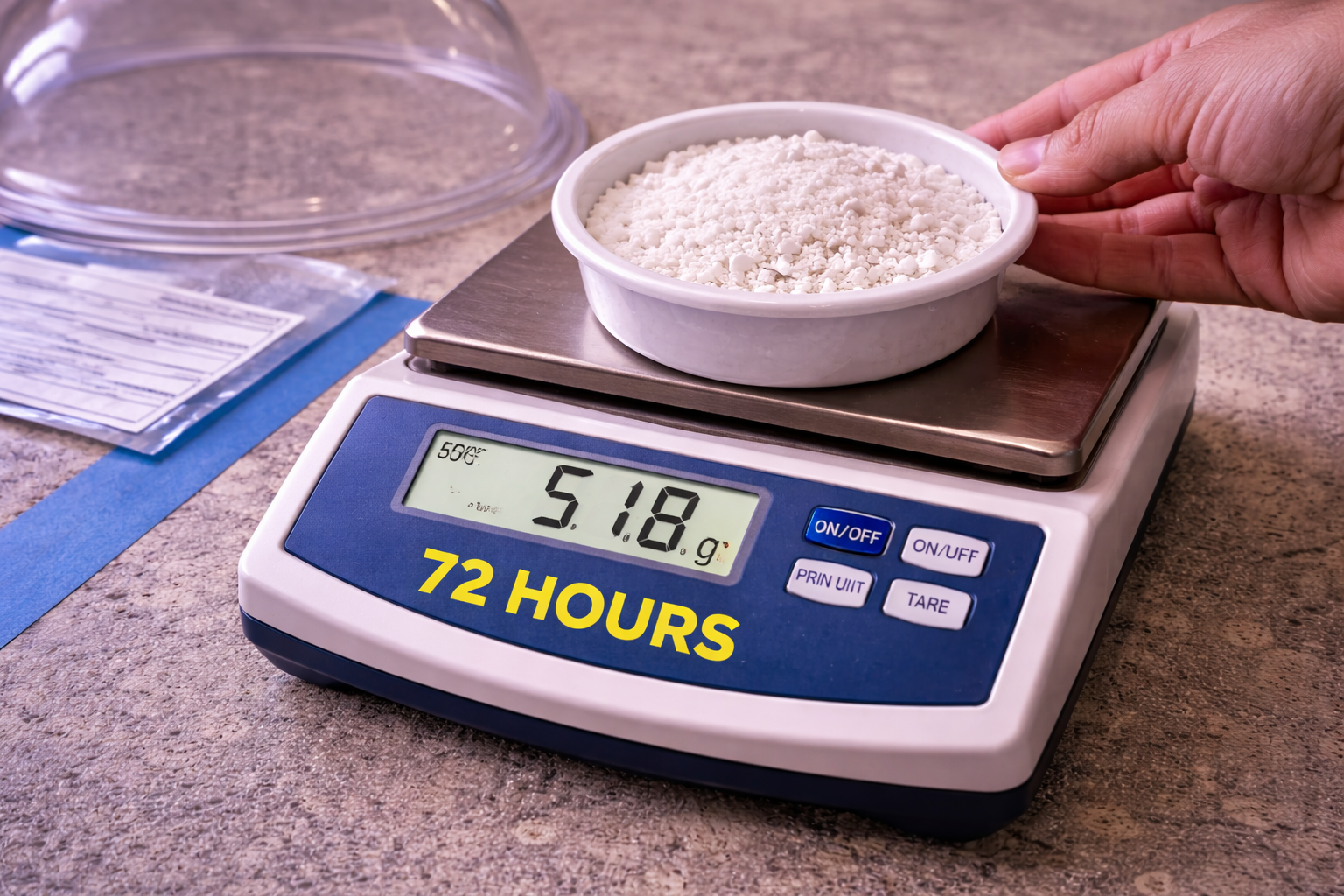
Concrete calcium chloride MVER testing measures slab surface moisture vapor emission before flooring installation.
Read More
Calcium Chloride (MVER) Moisture Vapor Emission Testing (Concrete / Substrates)

In-Situ Relative Humidity (RH) Testing (Concrete / Substrates)
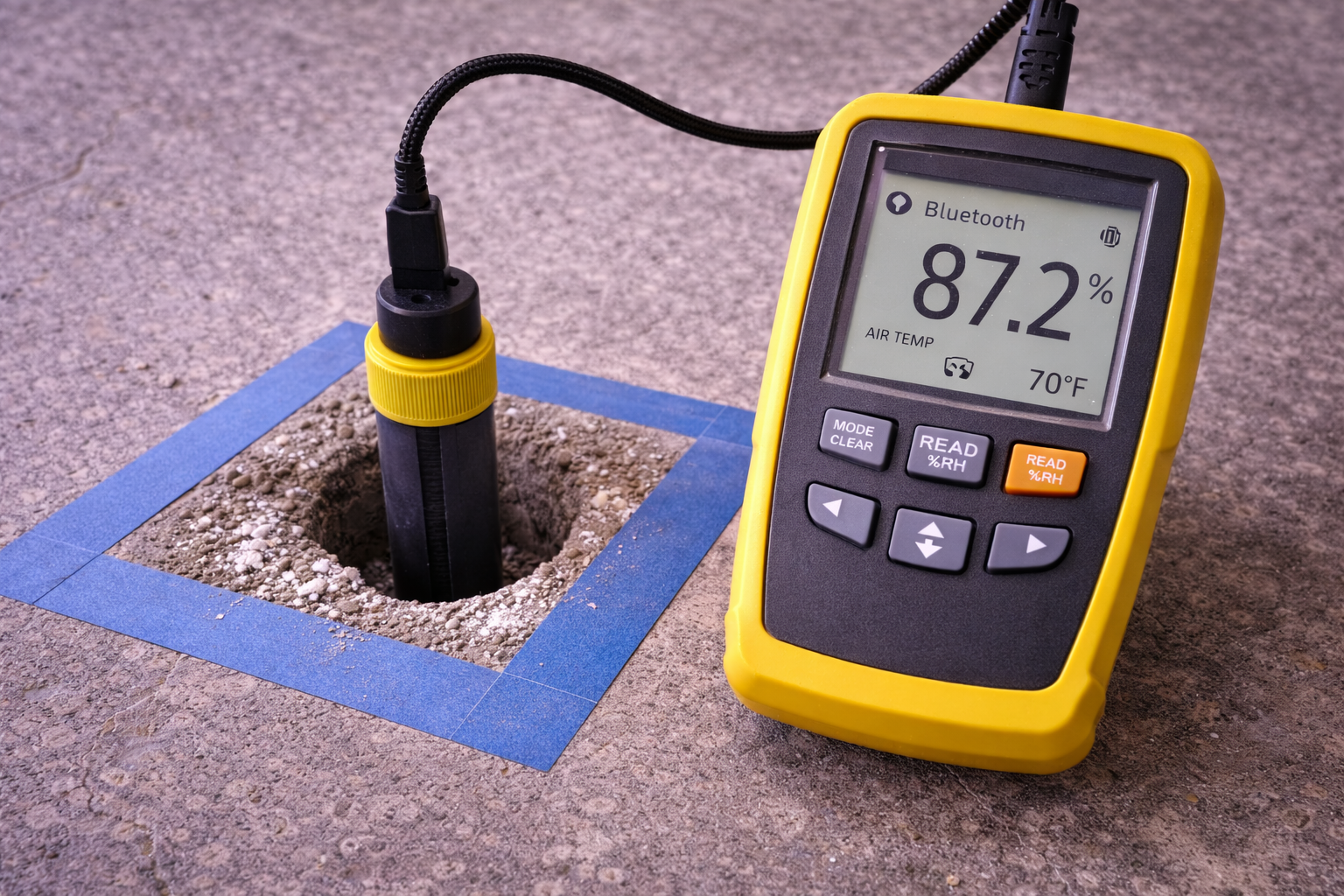
In situ RH testing measures internal concrete moisture to evaluate flooring compatibility and performance risk.
Read More
In-Situ Relative Humidity (RH) Testing (Concrete / Substrates)