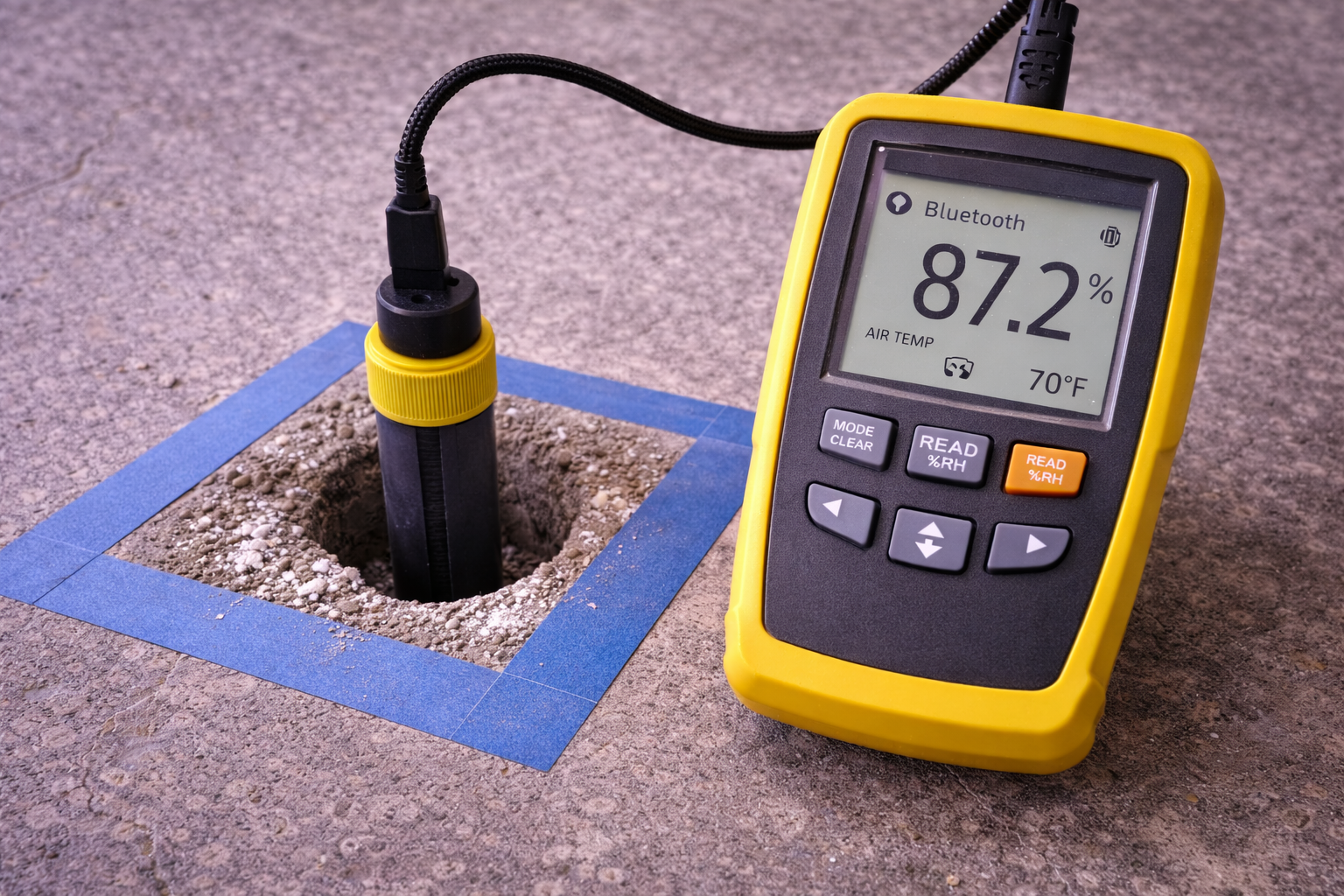

Cracks – Type of Cracks and Causes
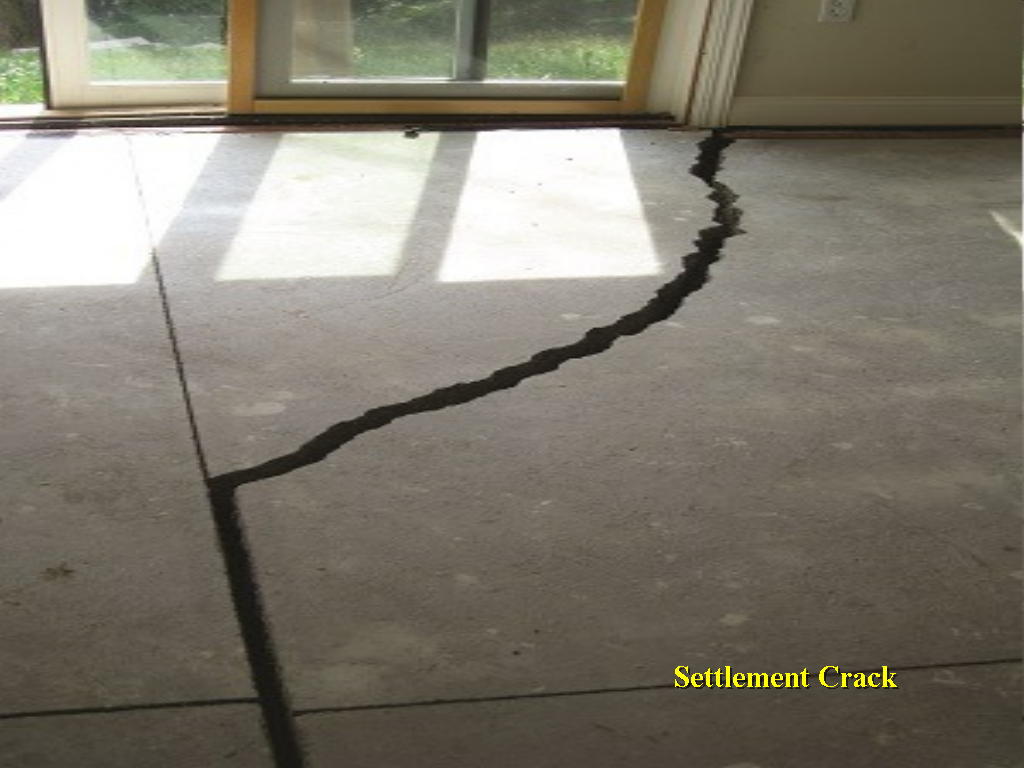
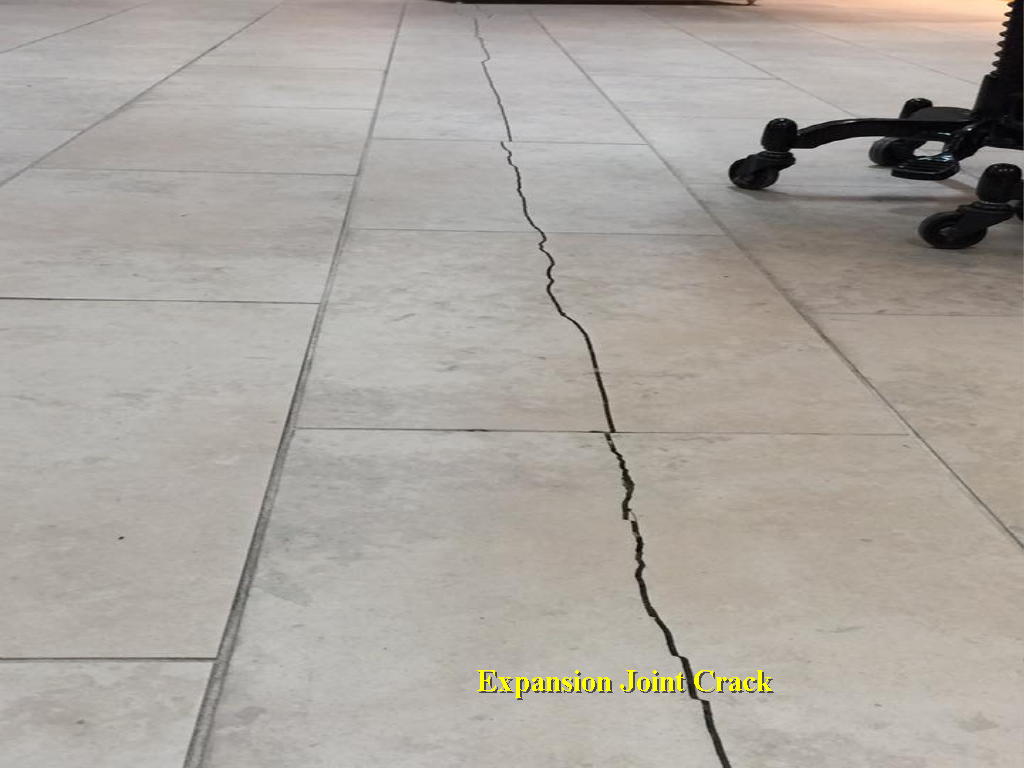
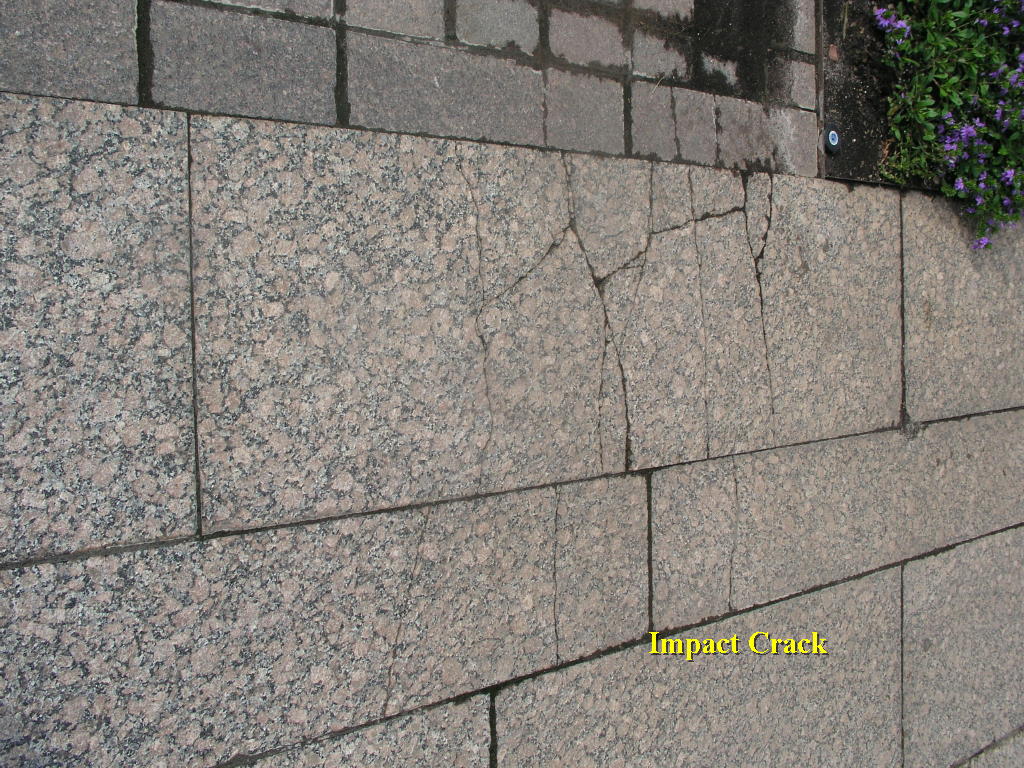
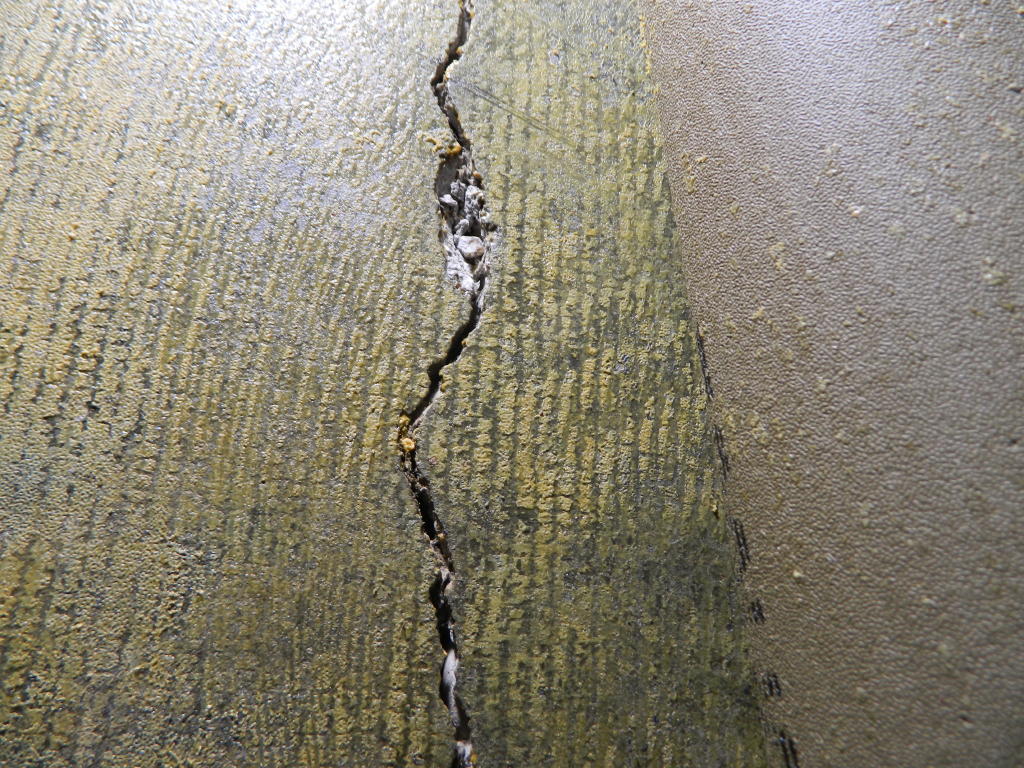
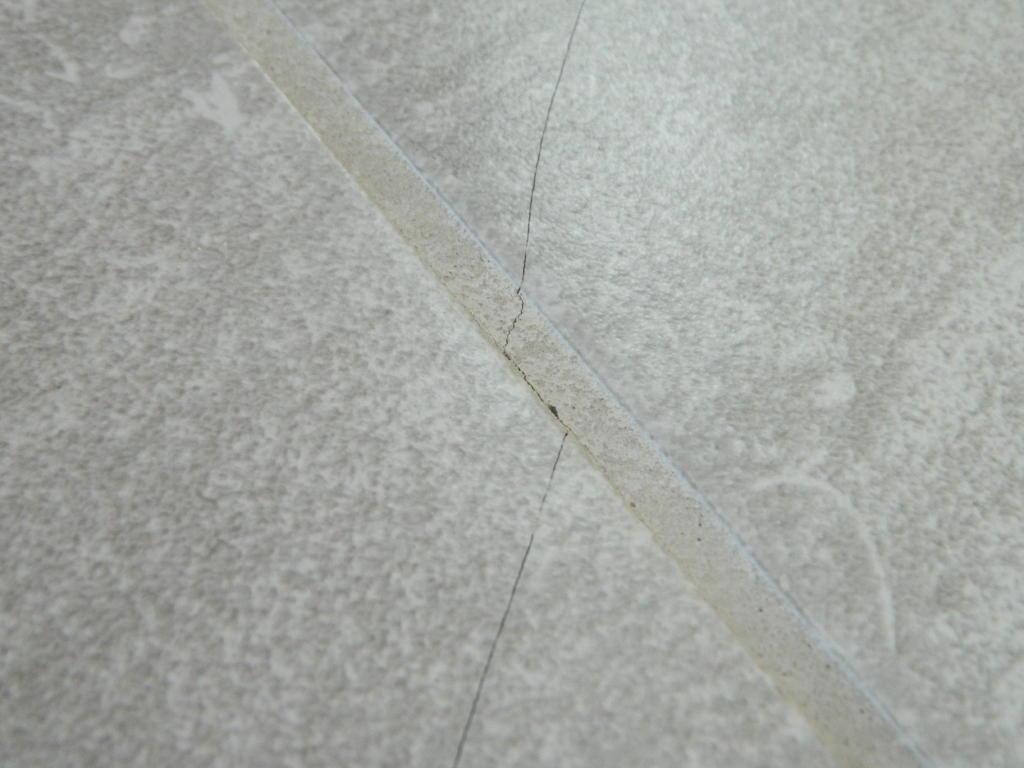
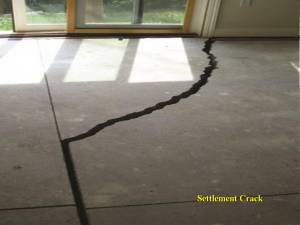
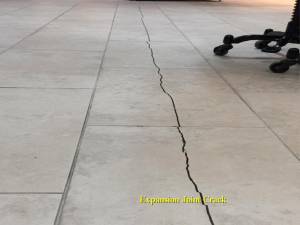
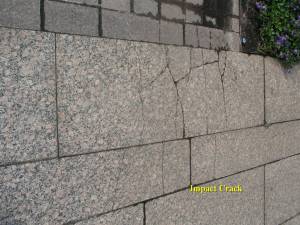
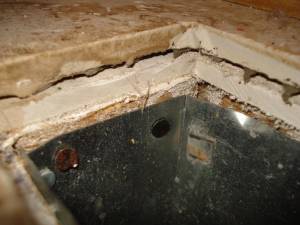
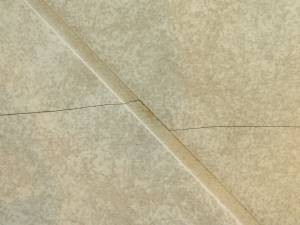
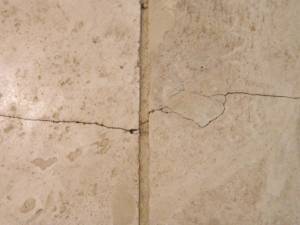
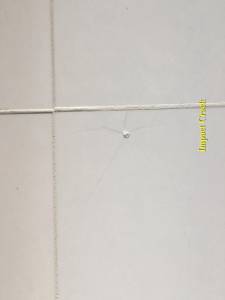
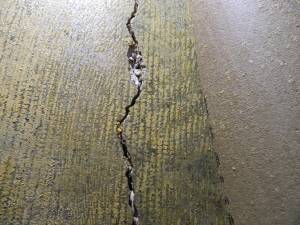
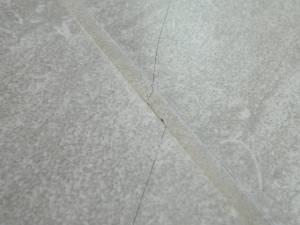
Cracks – Types and Causes (Tile and Stone)
Floor Detective® Claims and Conditions Guide
Summary
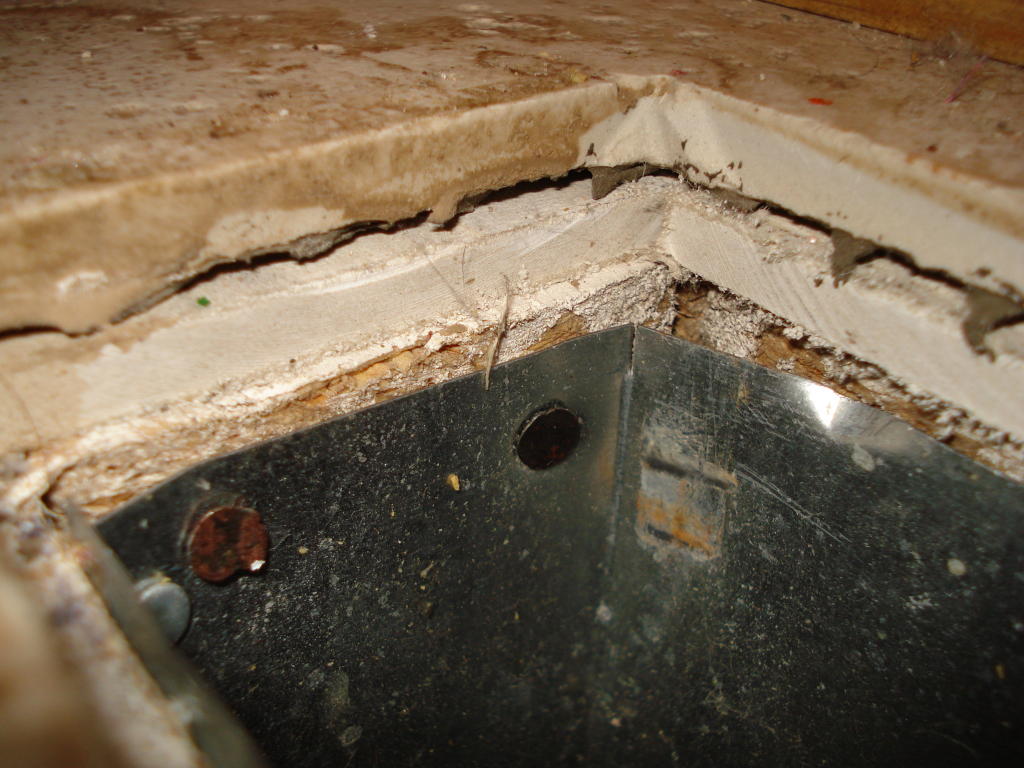
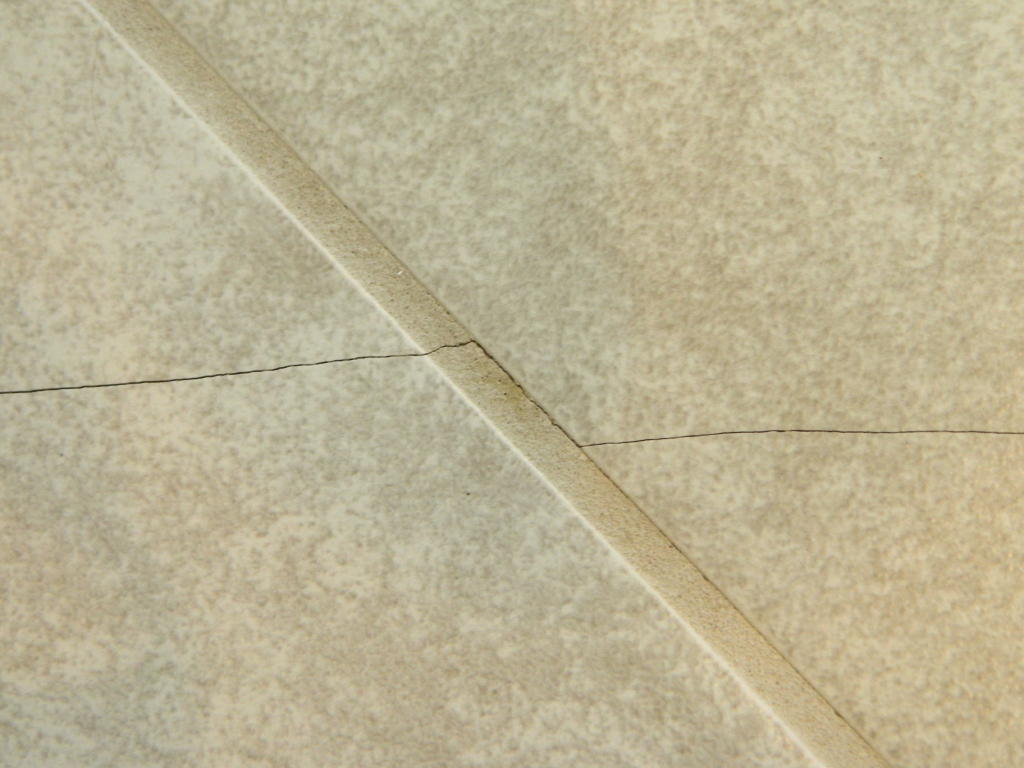
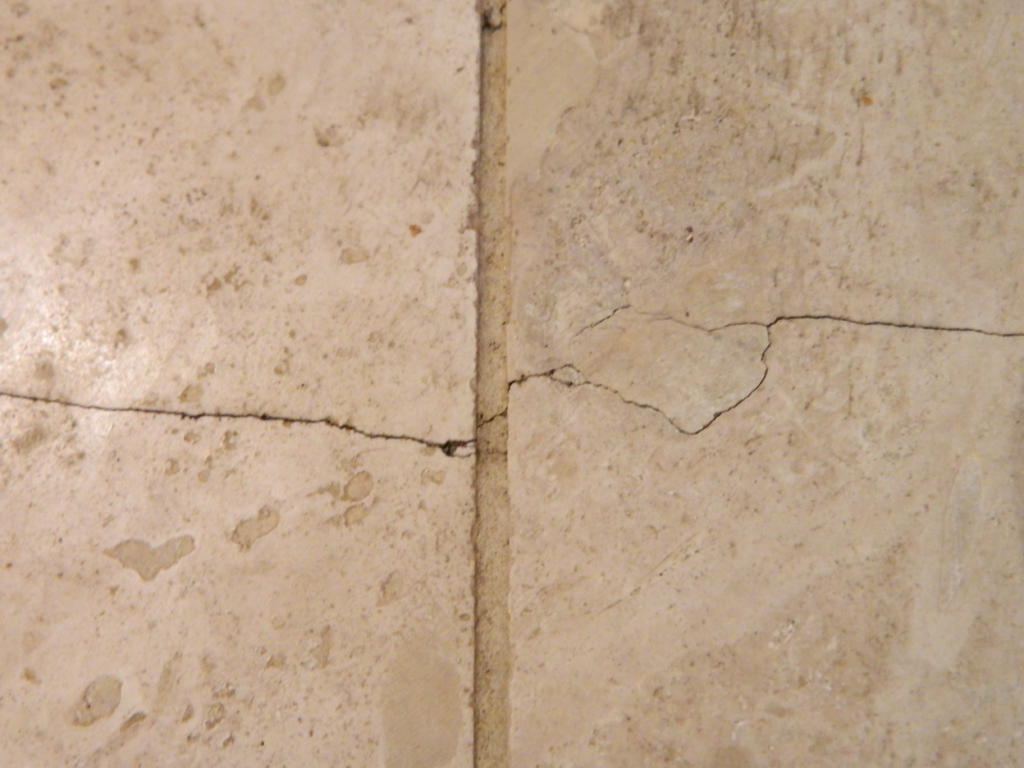
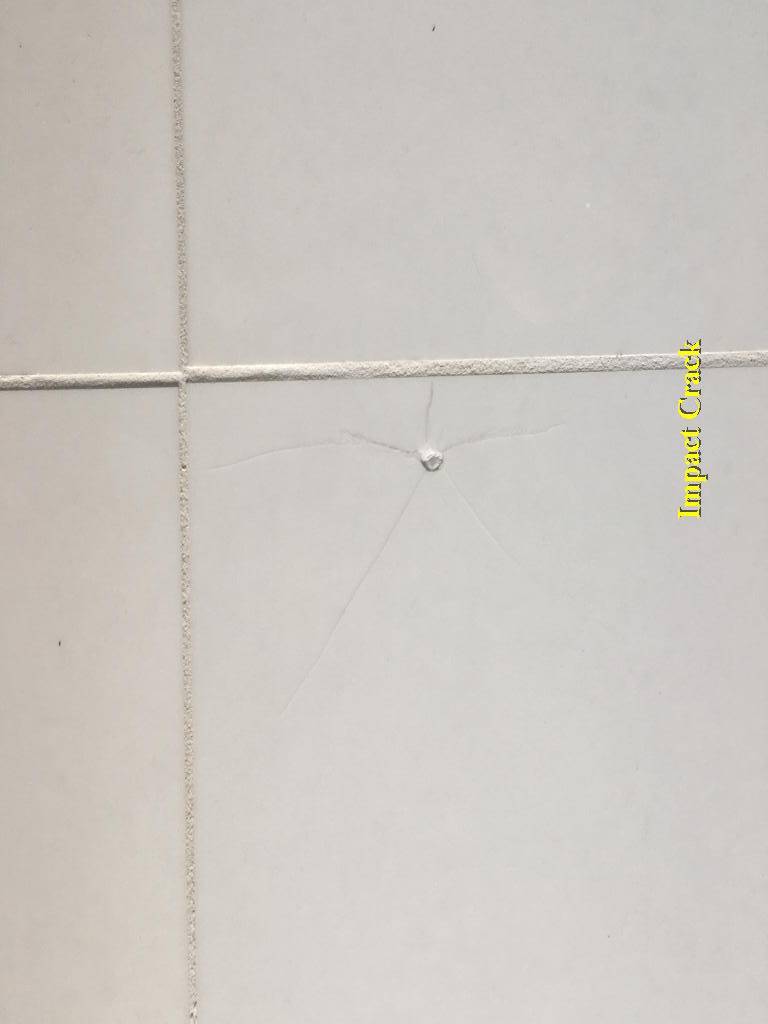
Cracking in tile and stone installations occurs when stress within the flooring assembly exceeds the fracture resistance of the material. These stresses may originate from substrate movement, structural deflection, restrained expansion, thermal cycling, impact loading, or differential movement between materials within the system. Crack pattern, orientation, continuity, and elevation displacement commonly provide important diagnostic indicators regarding the underlying mechanism. Some cracks reflect isolated localized stress while others indicate broader structural or substrate-related movement within the assembly. Proper evaluation requires correlation of crack characteristics, substrate behavior, installation design, and service conditions before conclusions are formed. See also Cracked Corners, Loss of Bond, and Tenting Tile for broader context.
Limitations of Moisture Testing (Concrete / Substrates)

Concrete Substrate Problems
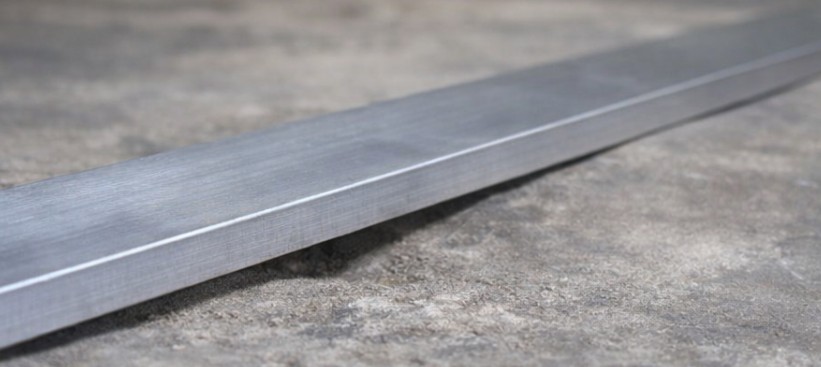
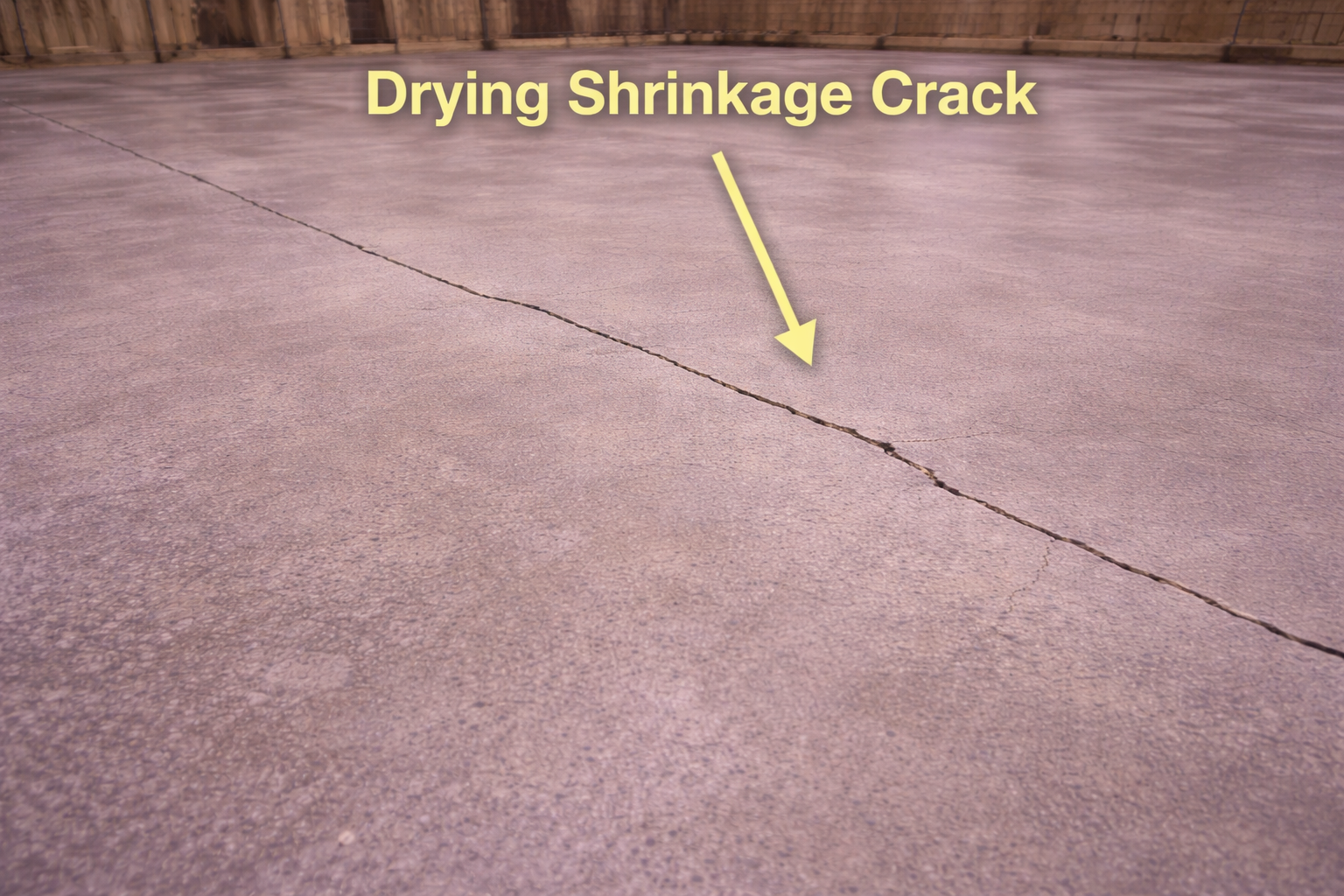
Concrete Shrinkage and Settlement (Concrete / Substrates)
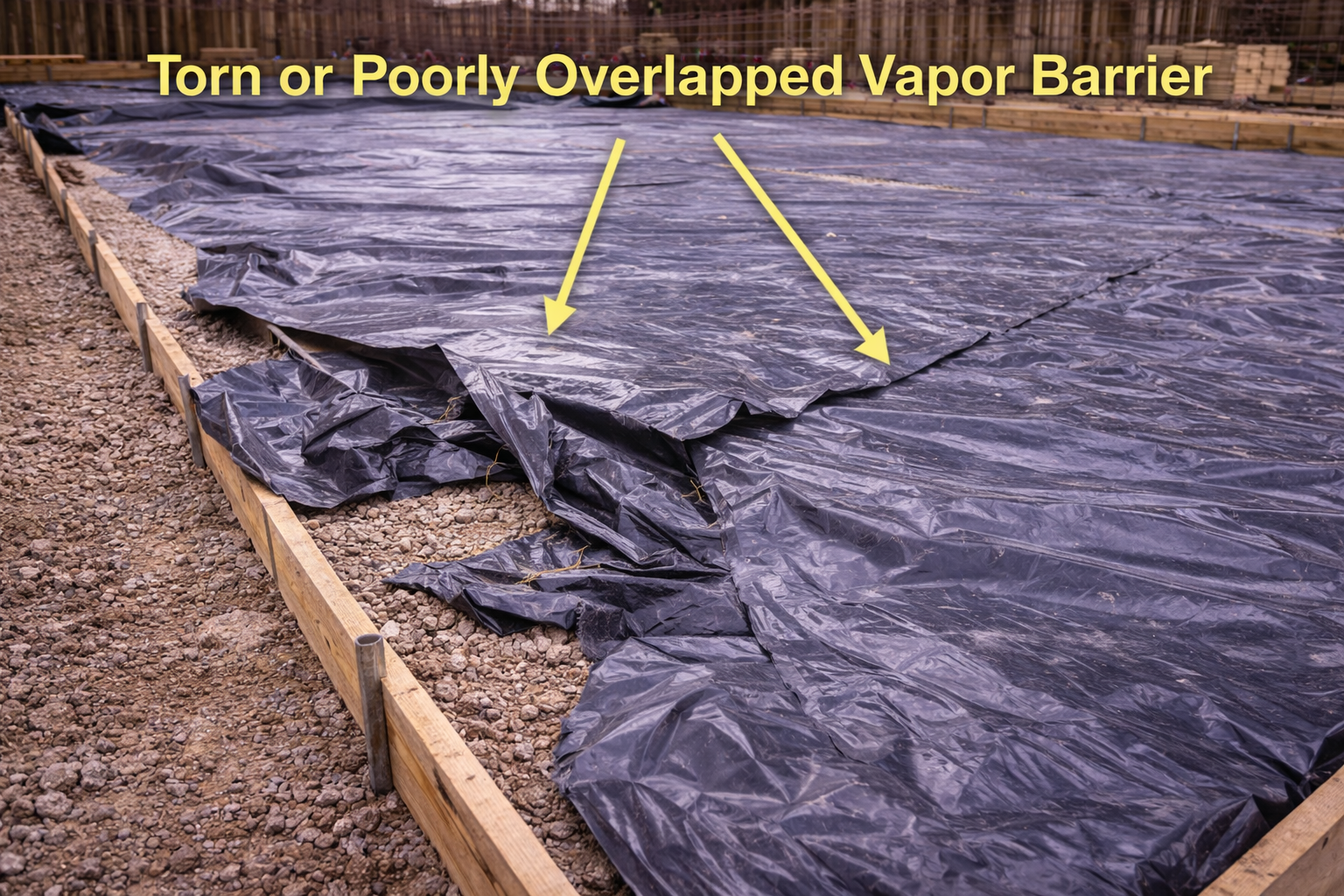
Vapor Retarders Beneath Concrete Slabs (Concrete / Substrates)
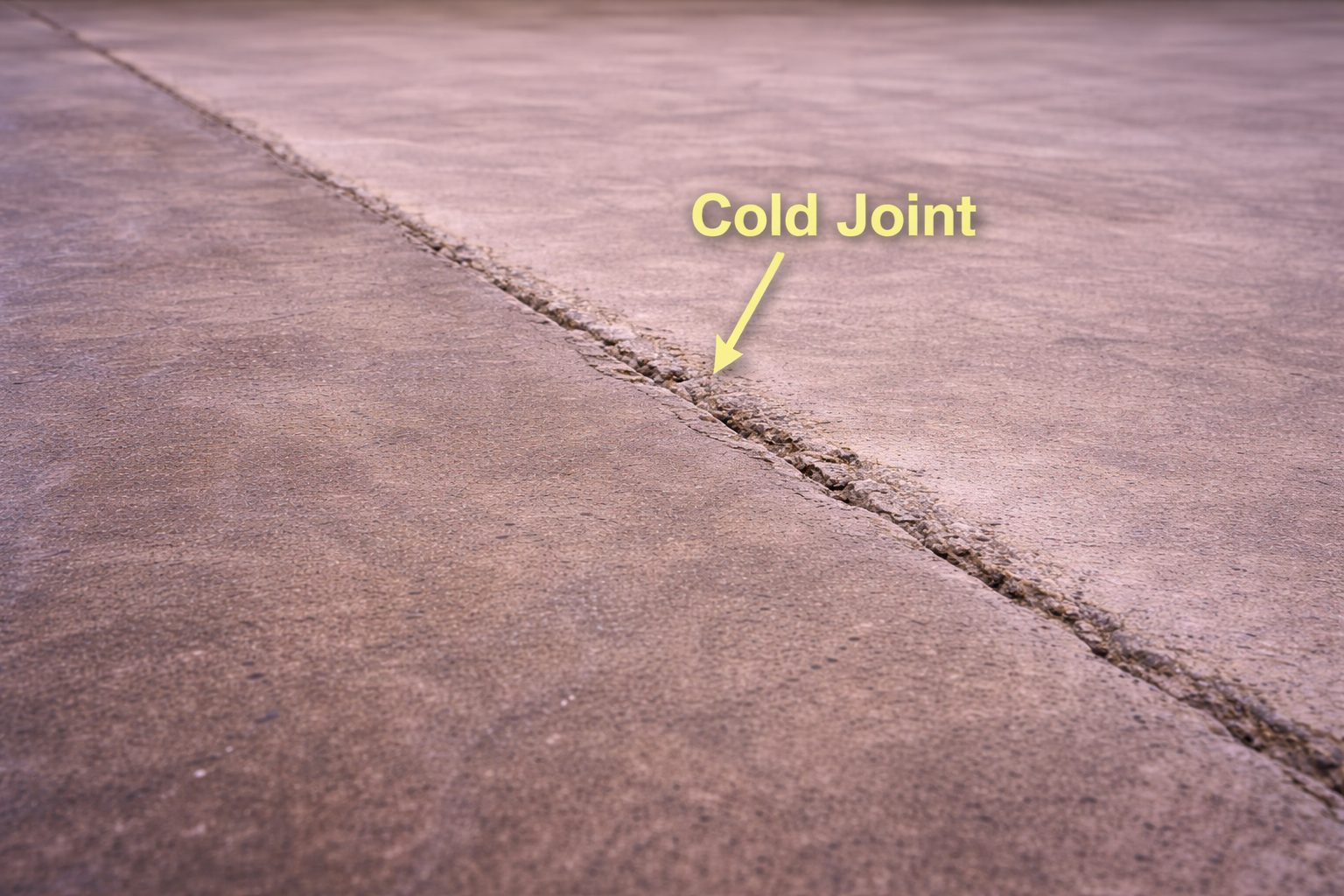
Cold Joints and Construction Joints (Concrete / Substrates)
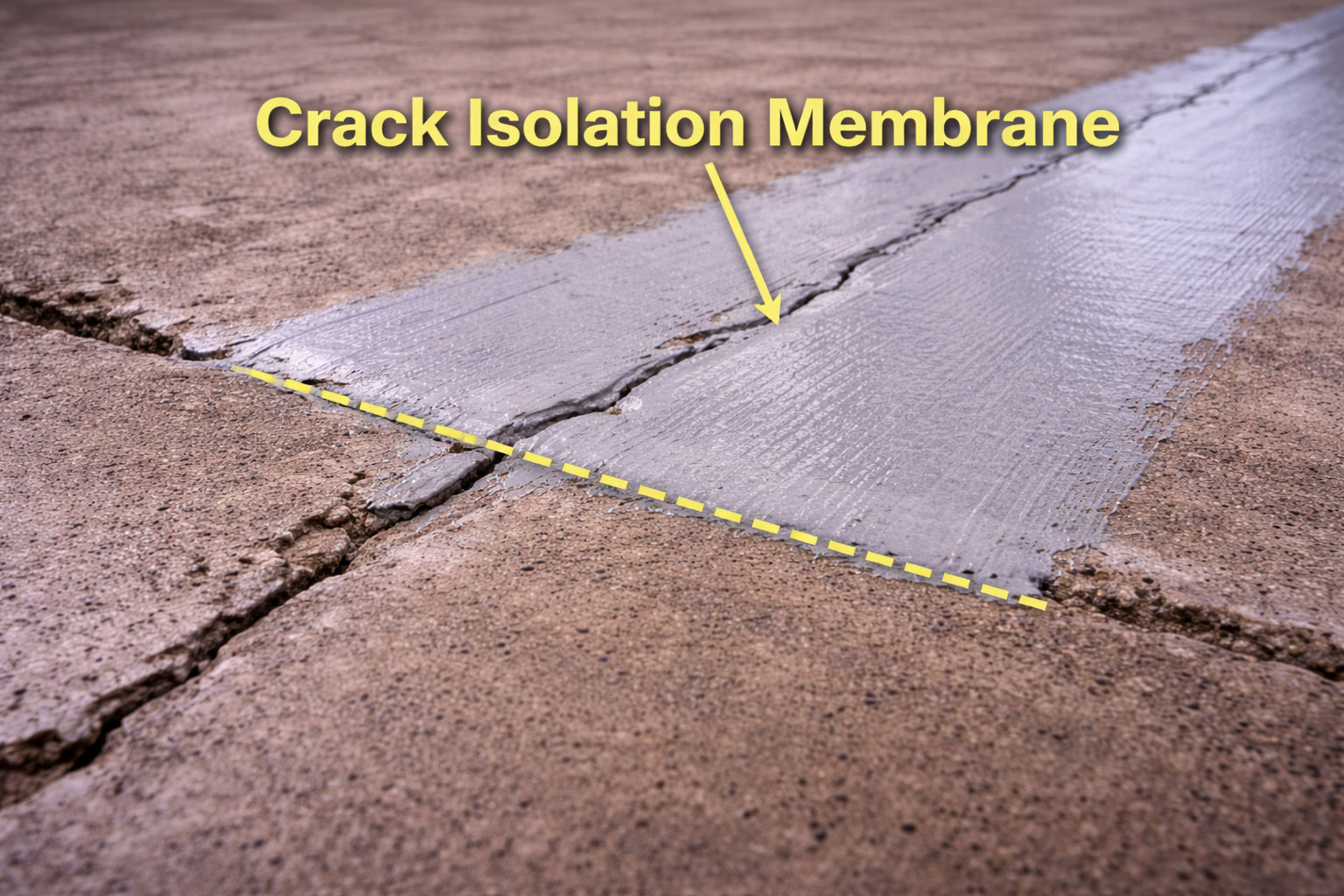
Crack Isolation and Moisture Mitigation Systems (Concrete / Substrates)
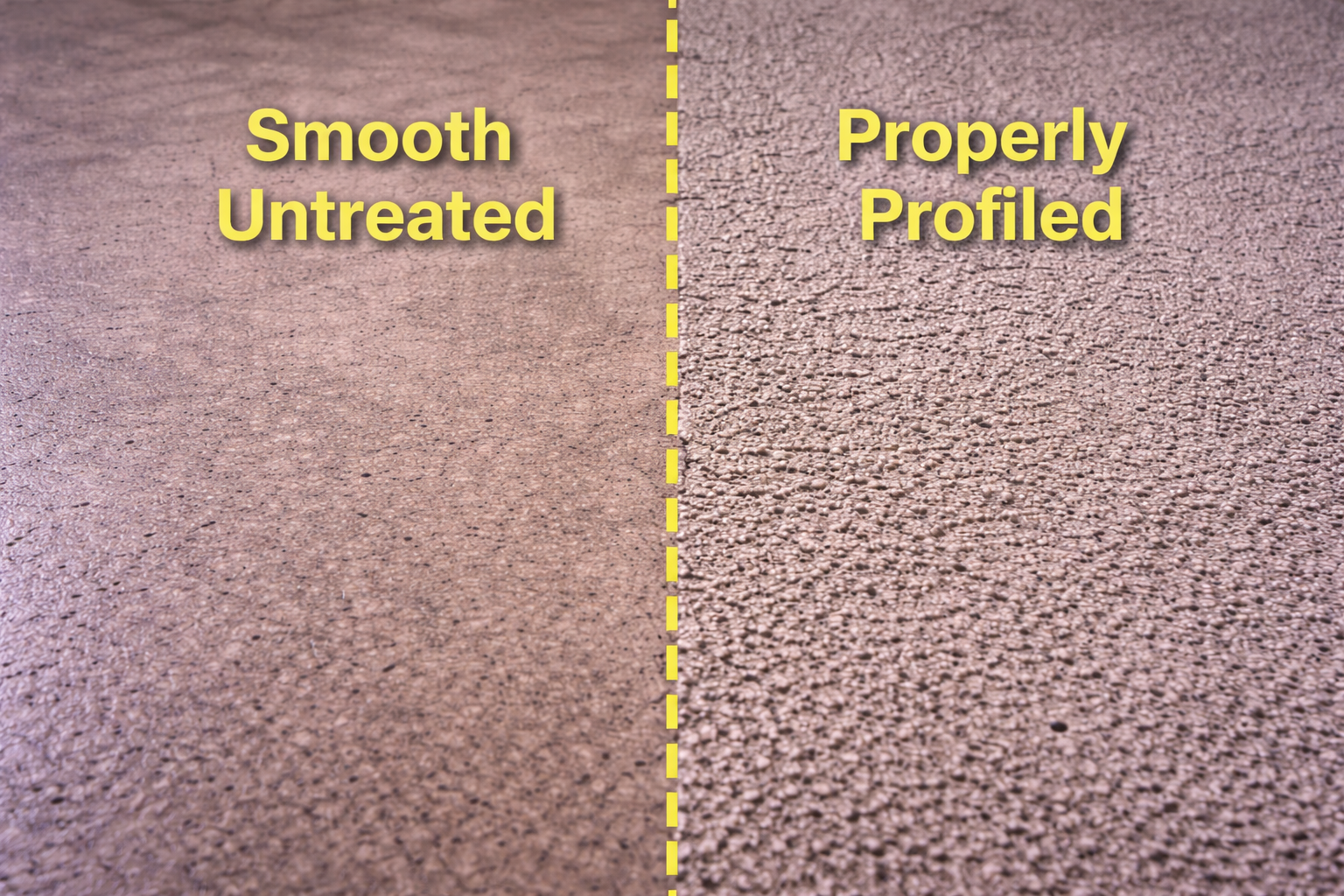
Concrete Surface Profile (CSP) and Surface Preparation (Concrete / Substrates)
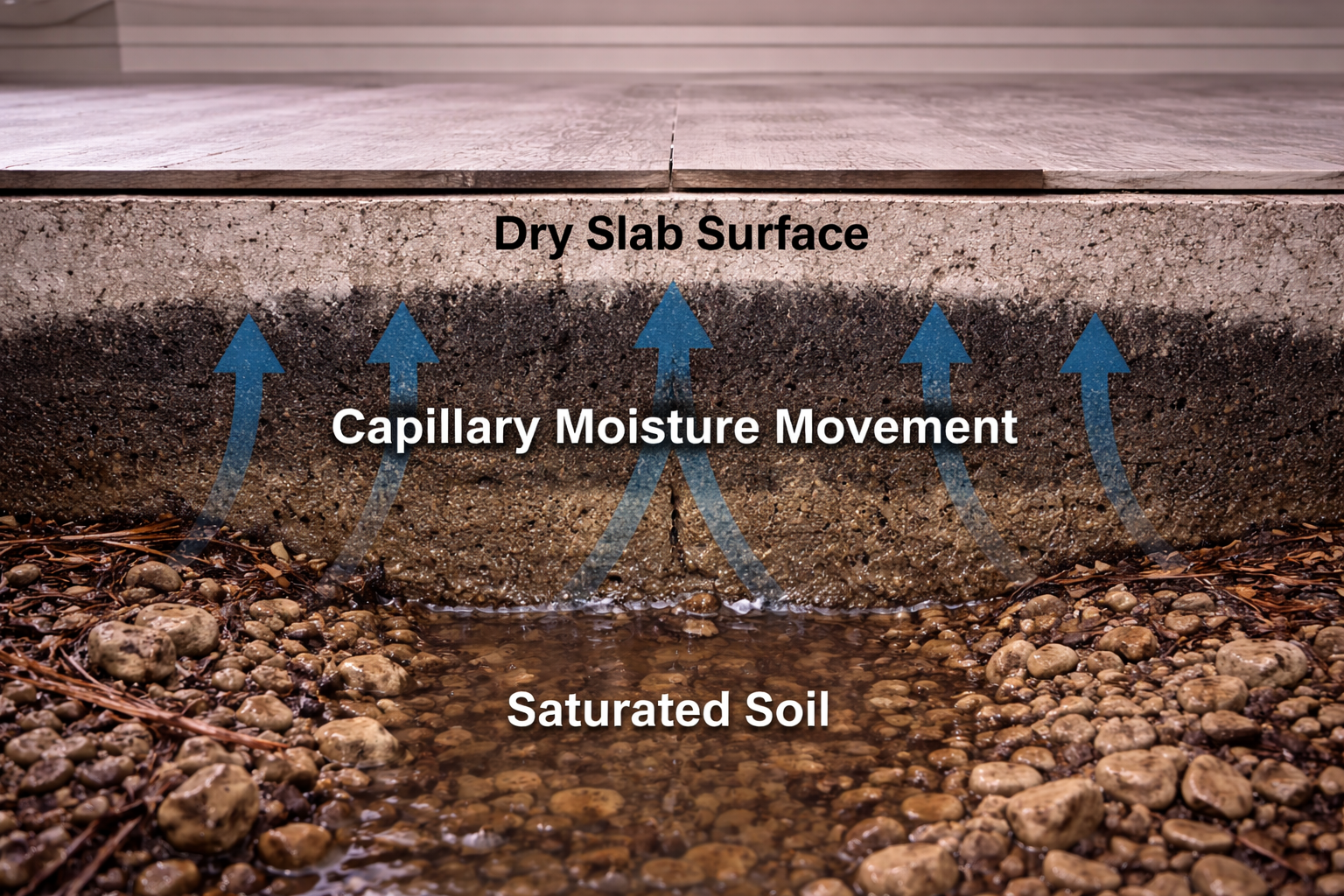
Hydrostatic Pressure and Capillary Moisture Movement (Concrete / Substrates)
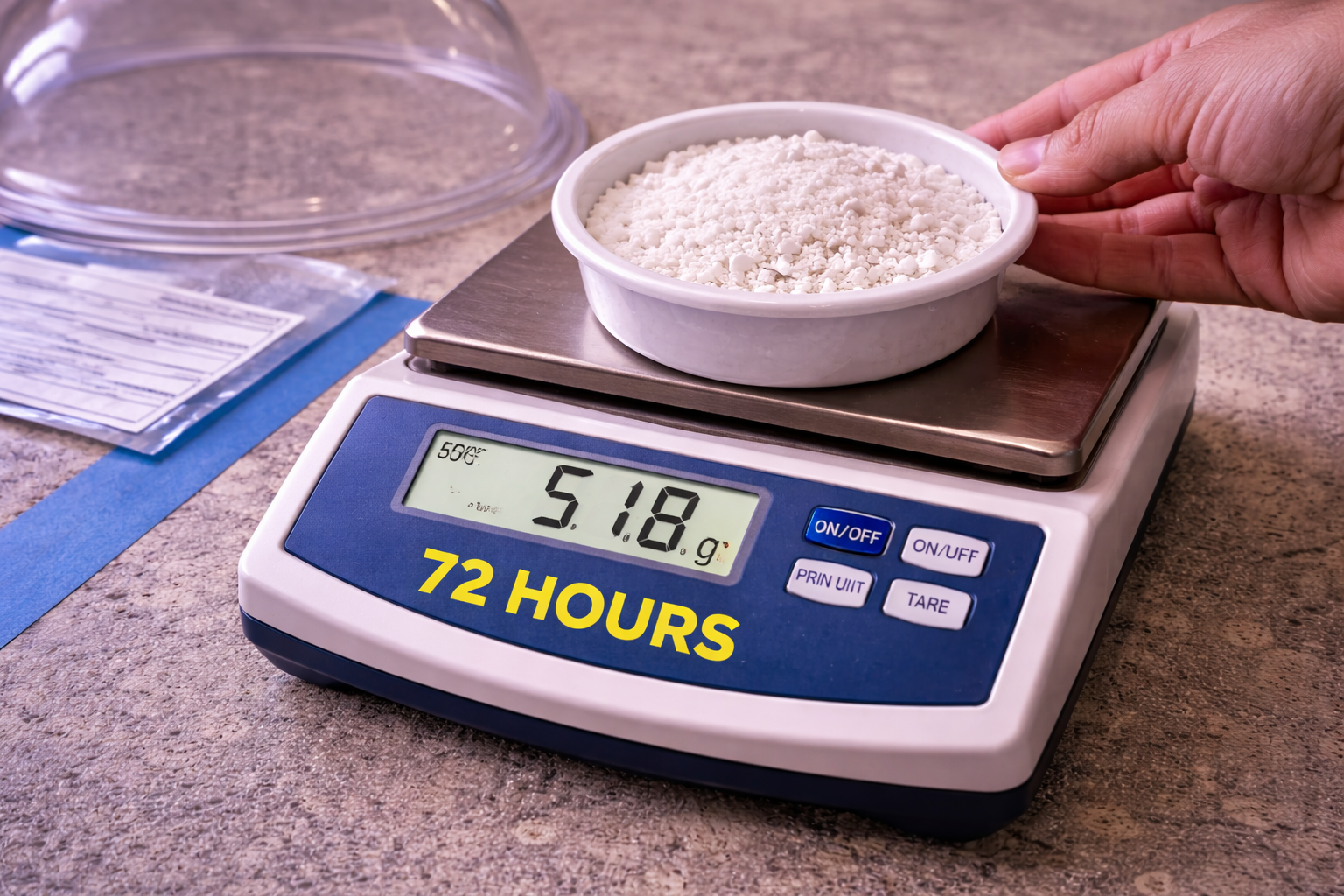
Calcium Chloride (MVER) Moisture Vapor Emission Testing (Concrete / Substrates)
In-Situ Relative Humidity (RH) Testing (Concrete / Substrates)