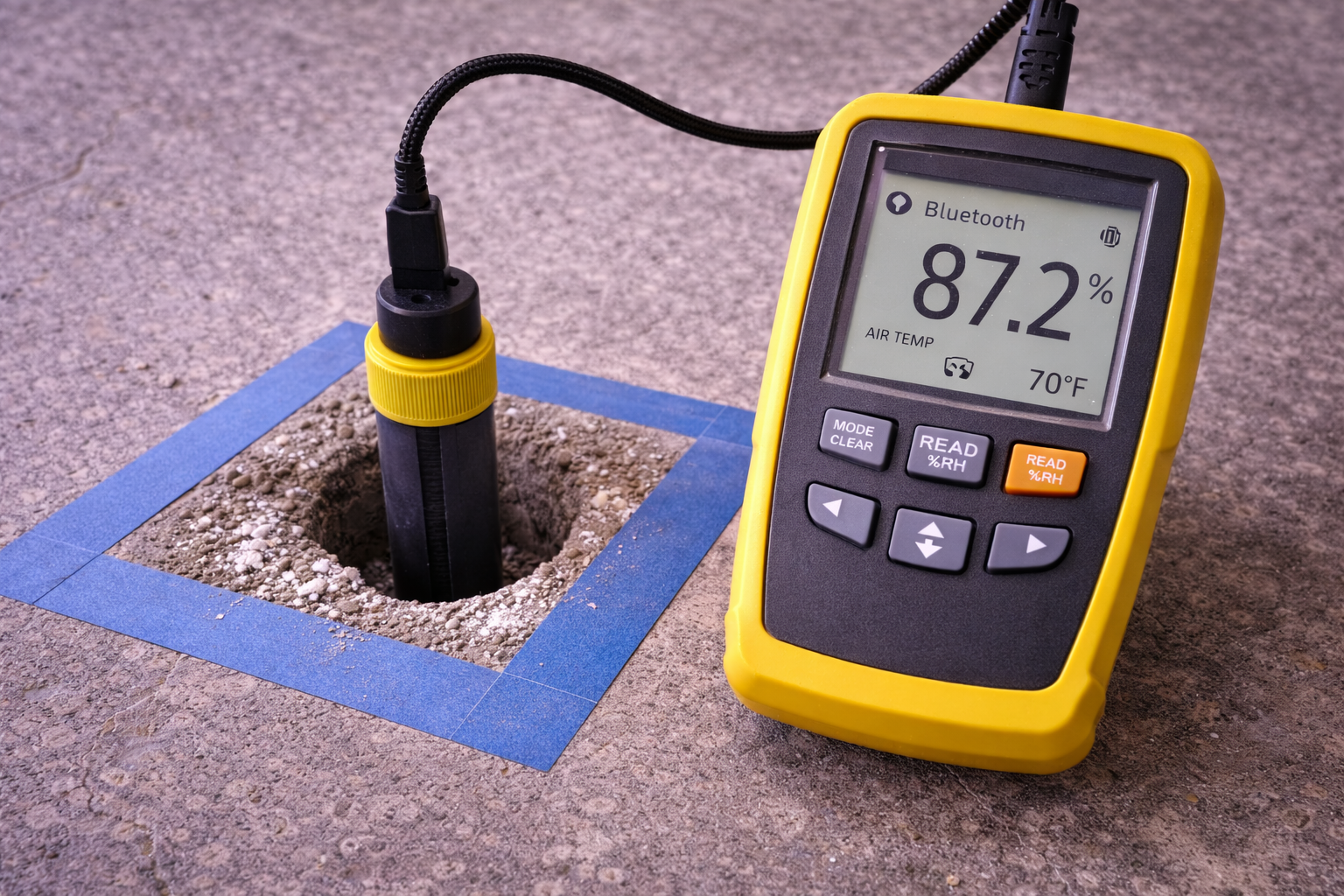

Concrete Slab Curling and Edge Lift (Concrete / Substrates)
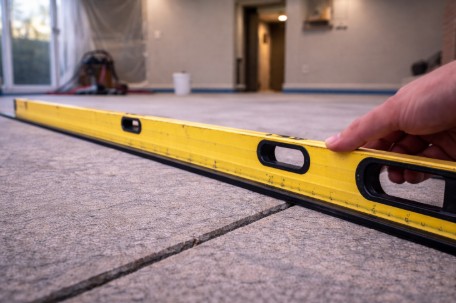
Concrete Slab Curling and Edge Lift (Concrete / Substrates)
Floor Detective® Claims and Conditions Guide
Summary
Concrete slab curling and edge lift refer to differential elevation changes within a slab panel caused by uneven moisture loss, shrinkage, or temperature variation between the top and bottom of the concrete. Curling commonly occurs when the upper portion of the slab dries and shrinks differently than the lower portion, causing slab edges or corners to lift or change elevation. These elevation differences may influence flooring-system compatibility by creating flatness variation, point loading, joint stress, adhesive bond stress, or localized flooring movement. Flooring symptoms associated with slab curling reflect the interaction between substrate profile, slab movement, flooring-system design, and manufacturer flatness requirements rather than a defect in the flooring material itself. See also Concrete Flatness and Levelness Compatibility, Concrete Shrinkage and Settlement, and Concrete Substrate Problems for broader context.
Limitations of Moisture Testing (Concrete / Substrates)

Concrete Substrate Problems
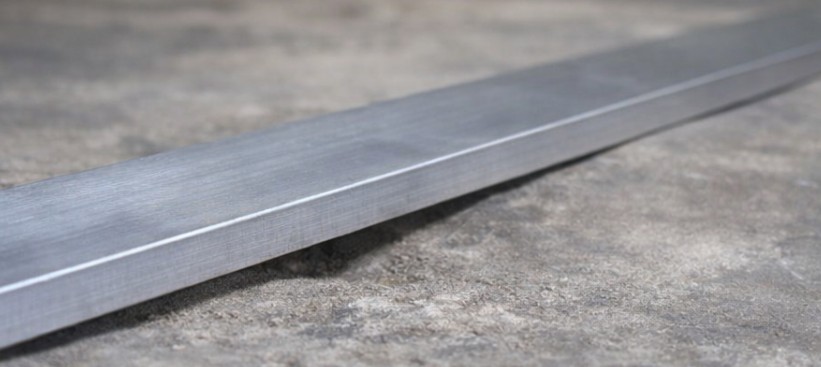
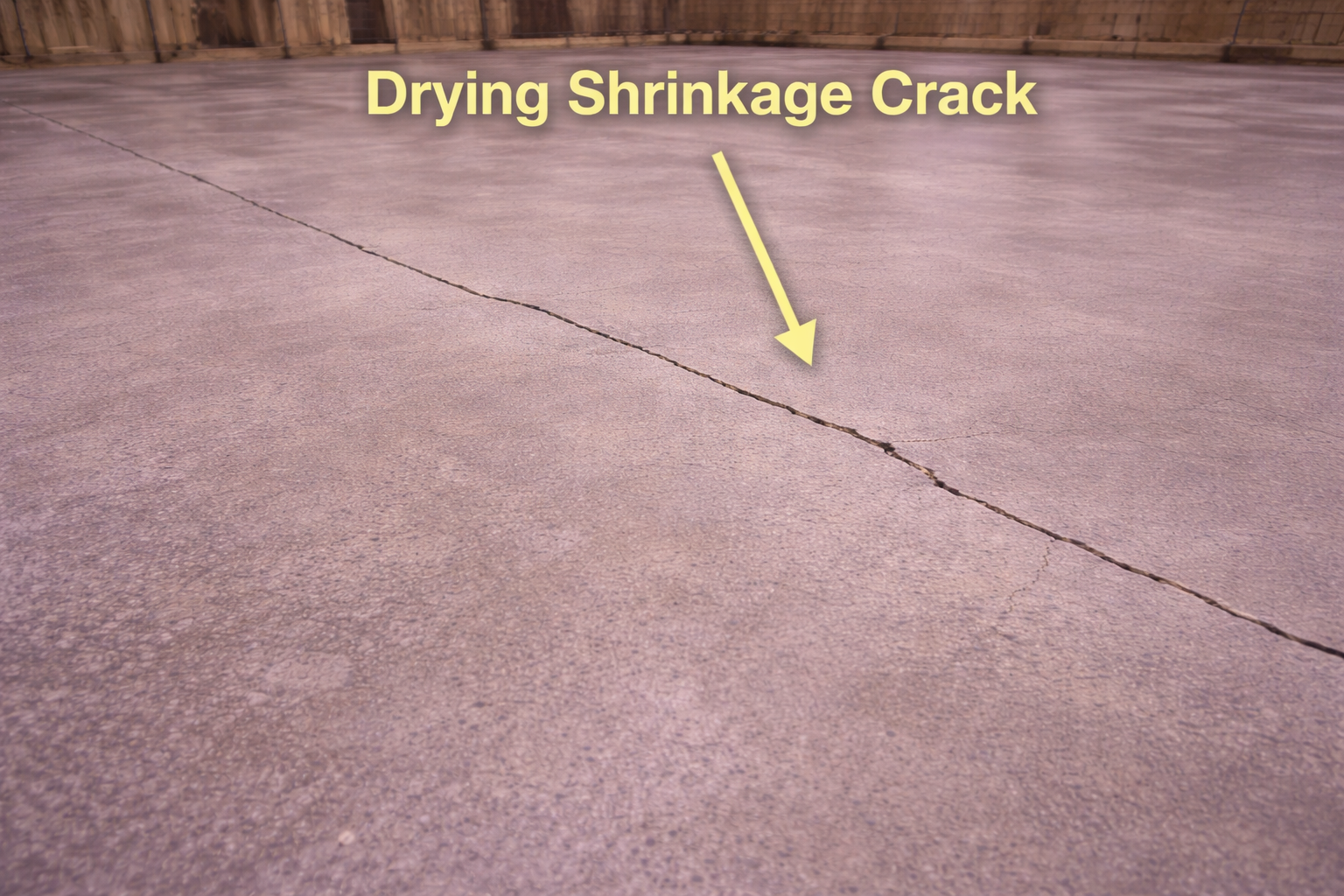
Concrete Shrinkage and Settlement (Concrete / Substrates)
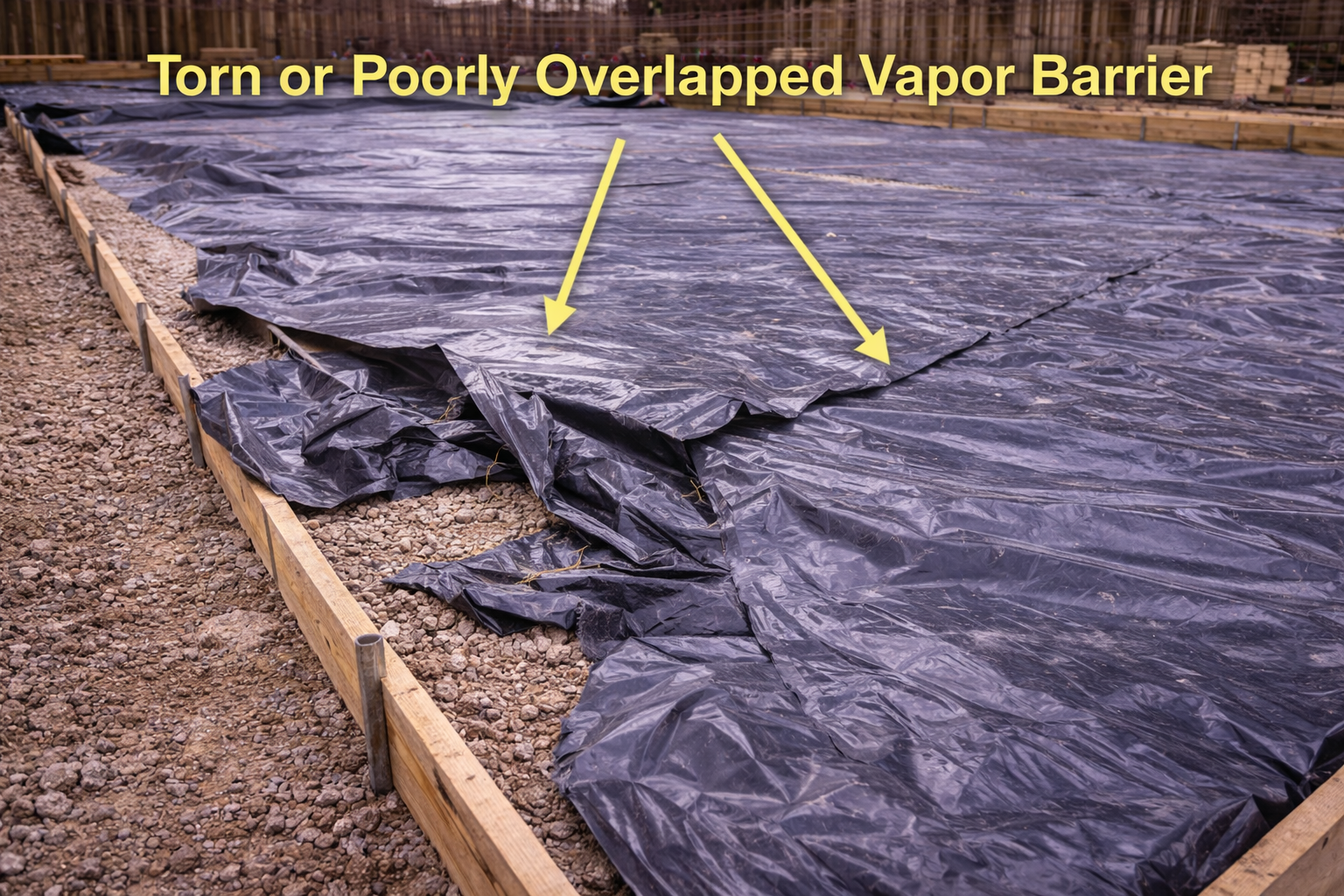
Vapor Retarders Beneath Concrete Slabs (Concrete / Substrates)
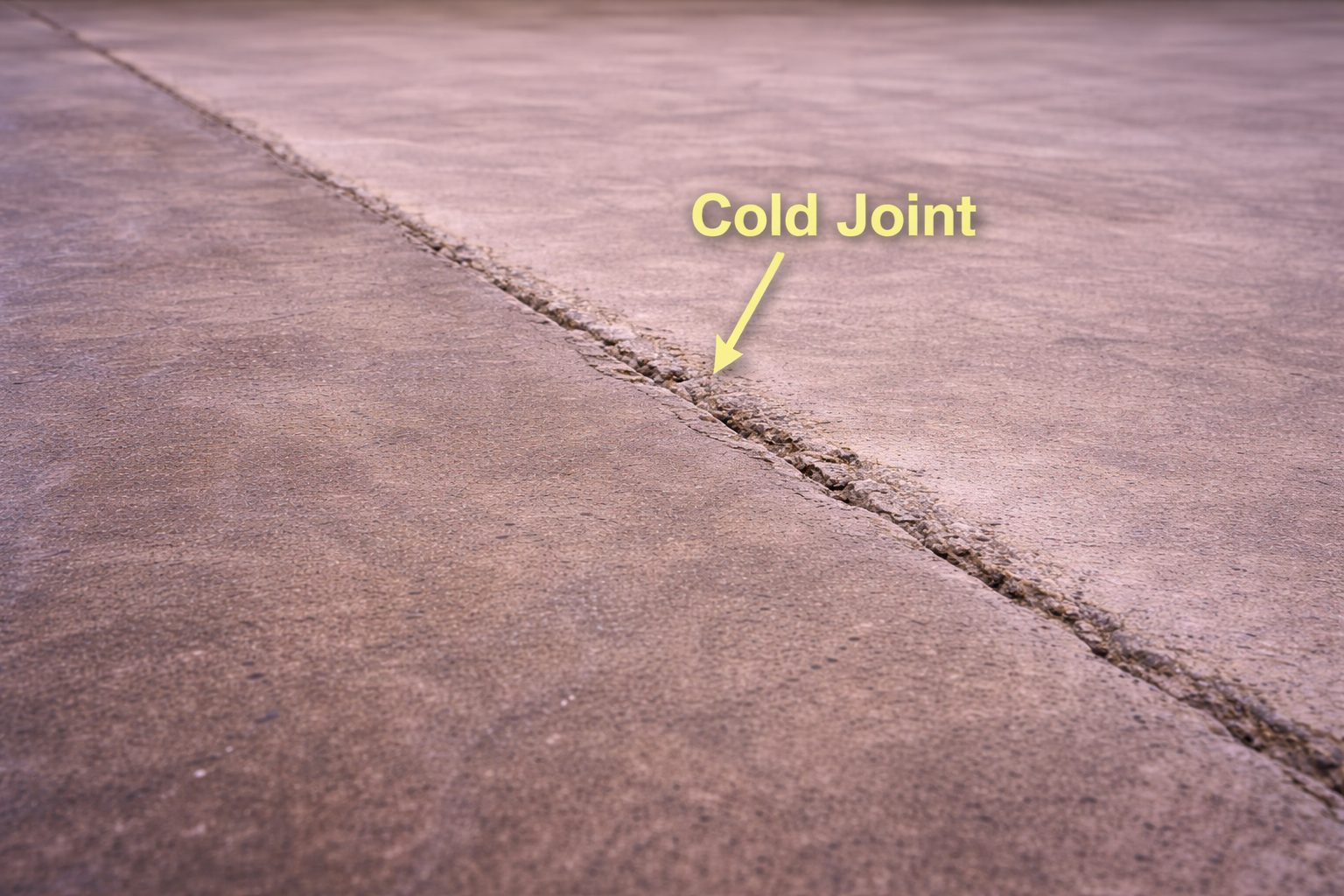
Cold Joints and Construction Joints (Concrete / Substrates)
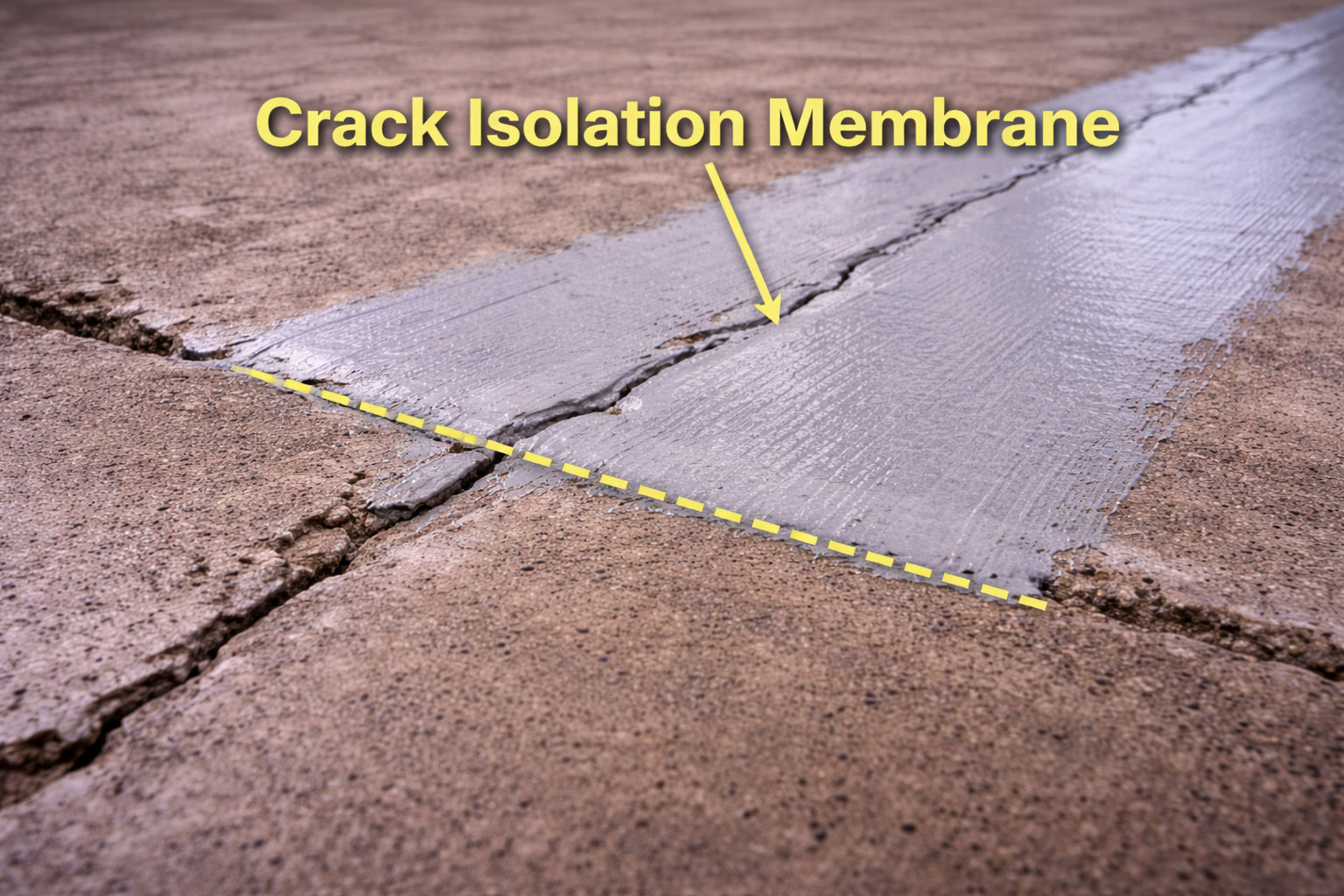
Crack Isolation and Moisture Mitigation Systems (Concrete / Substrates)
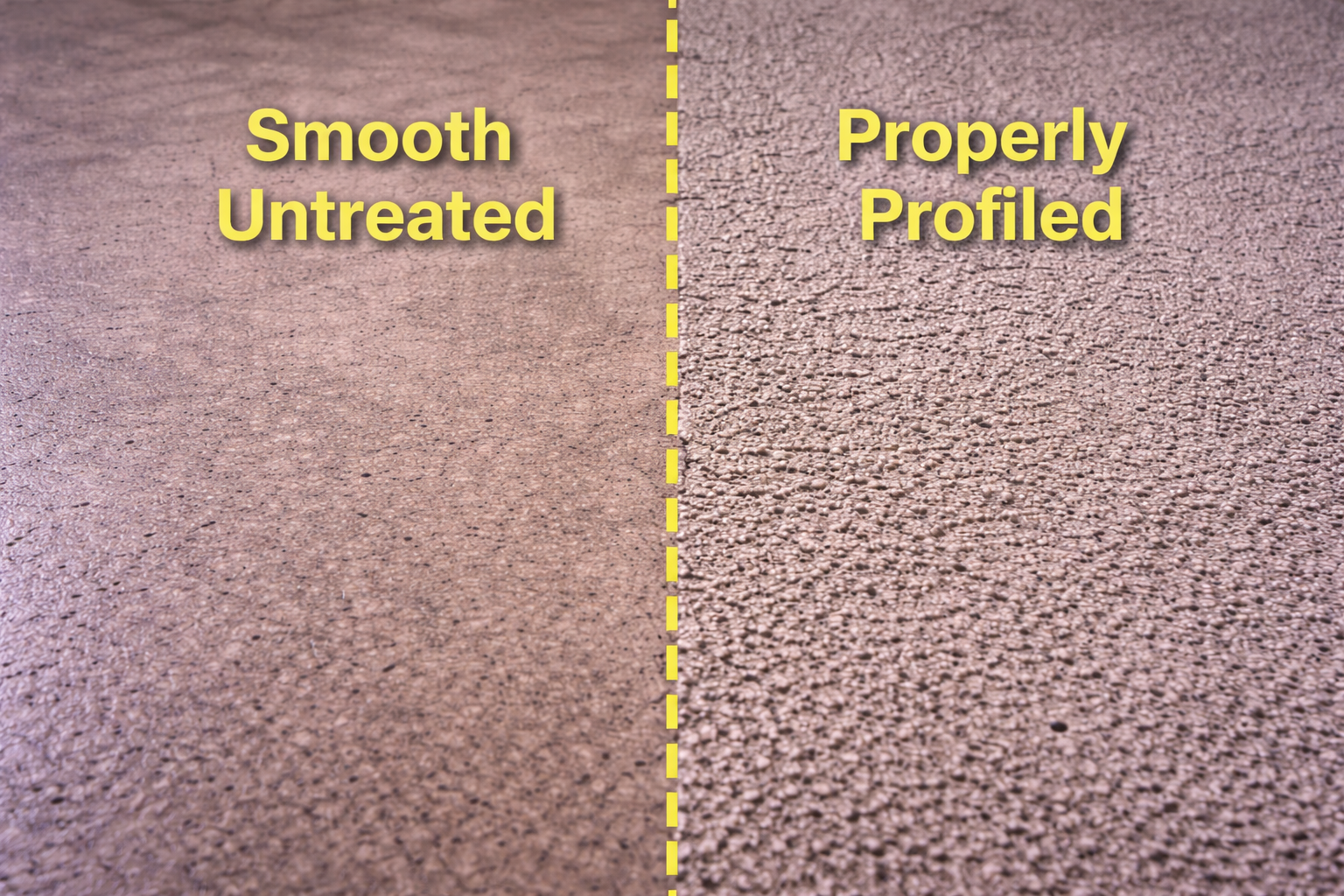
Concrete Surface Profile (CSP) and Surface Preparation (Concrete / Substrates)
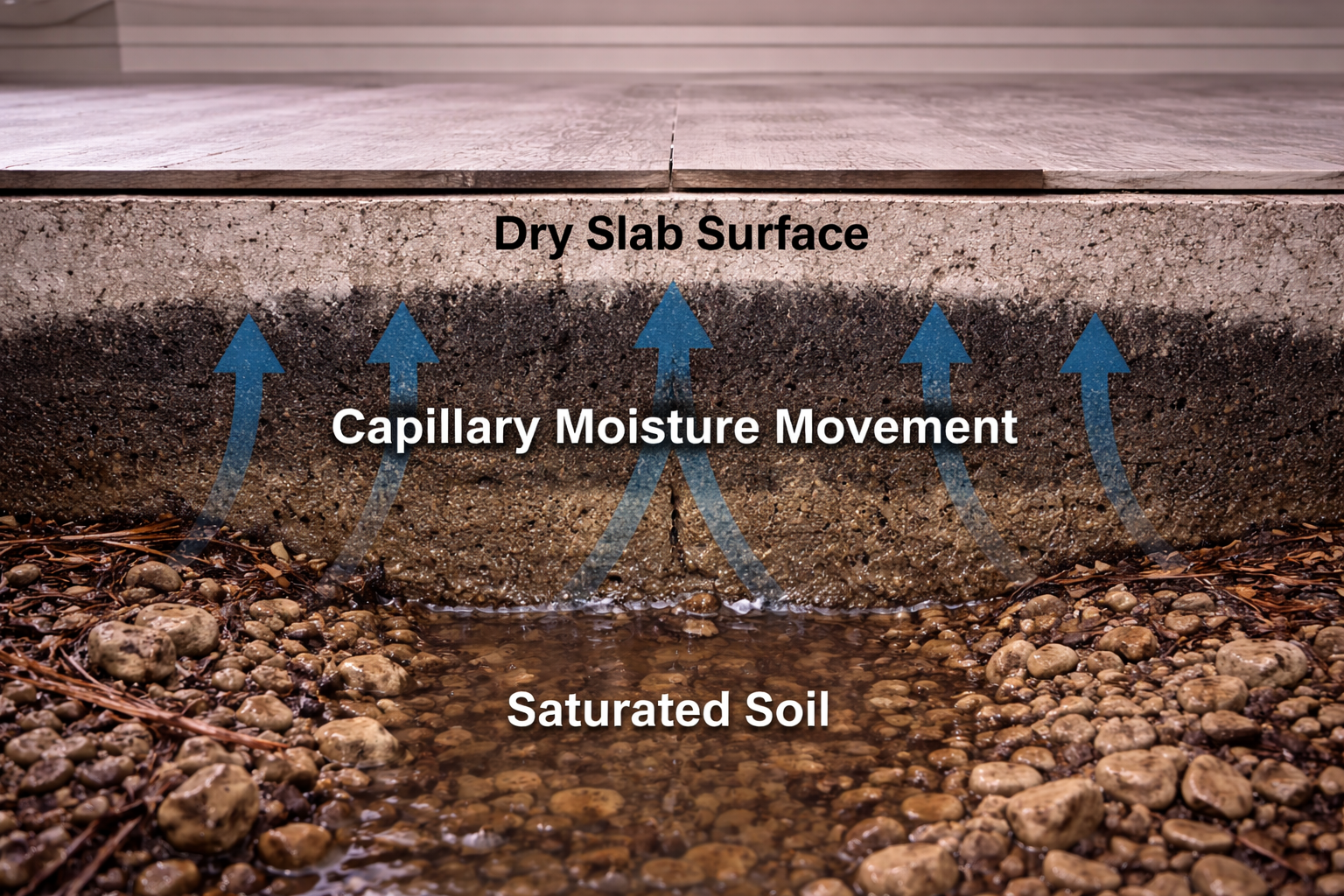
Hydrostatic Pressure and Capillary Moisture Movement (Concrete / Substrates)
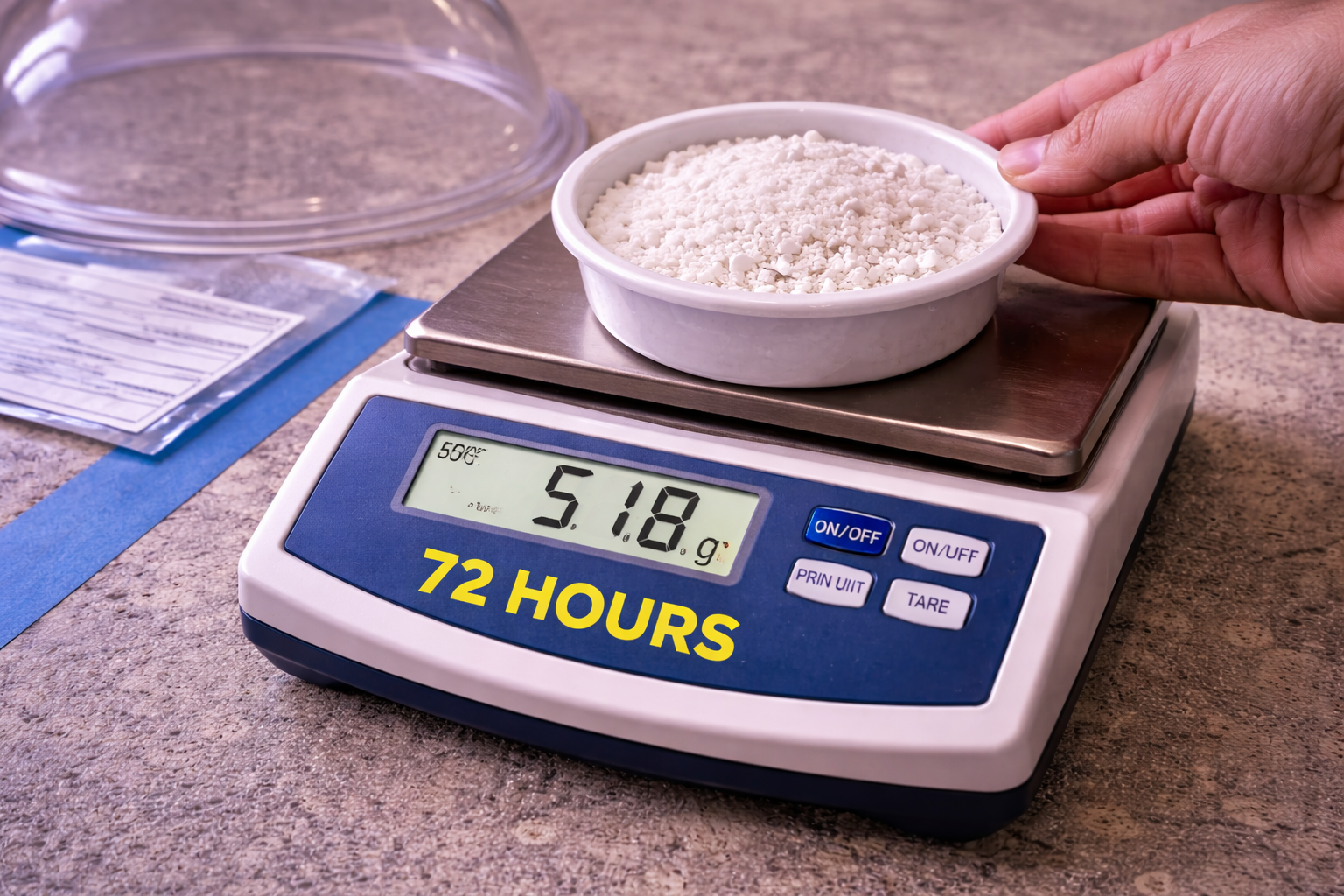
Calcium Chloride (MVER) Moisture Vapor Emission Testing (Concrete / Substrates)
In-Situ Relative Humidity (RH) Testing (Concrete / Substrates)