
Concrete Joints and Movement Separation (Concrete / Substrates)
Concrete Joints and Movement Separation (Concrete / Substrates)
Floor Detective® Claims and Conditions Guide
Summary
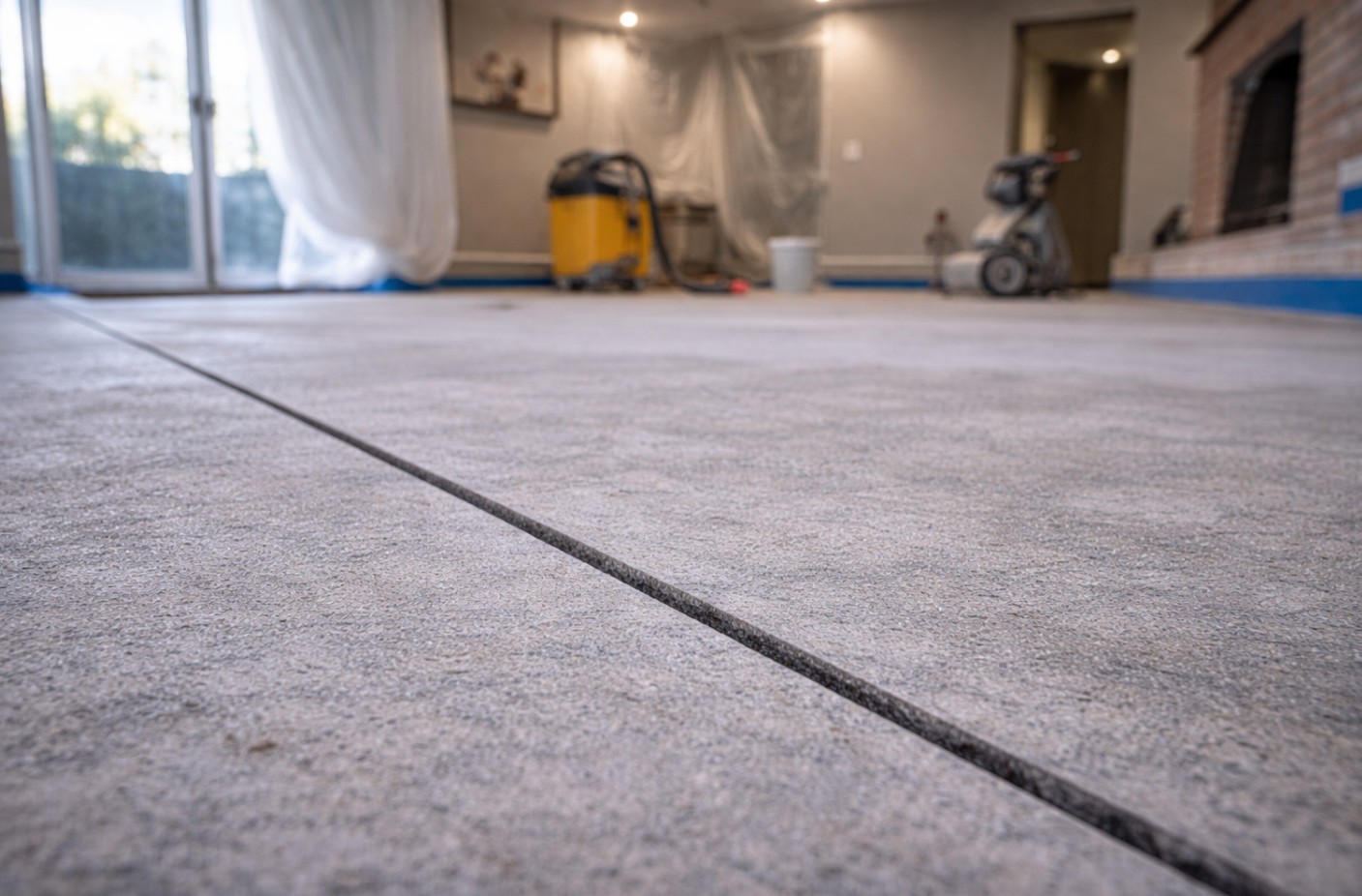
Concrete joints and movement separations are planned or construction-related discontinuities within a concrete slab that help control cracking, accommodate shrinkage, or allow movement between slab sections or adjacent structures. These conditions may include control joints, construction joints, expansion joints, isolation joints, and other separation points that influence how the slab behaves beneath finished flooring. When flooring systems bridge moving, open, uneven, or improperly treated joints, stress may transfer into the flooring system and contribute to reflective cracking, bond loss, telegraphing, edge lift, joint separation, or other performance concerns. Joint-related flooring symptoms reflect the interaction between slab movement, joint treatment, flooring-system design, and manufacturer installation requirements rather than a defect in the flooring material itself. See also Cold Joints and Construction Joints, Crack Isolation and Moisture Mitigation Systems, and Concrete Substrate Problems for broader context.

Limitations of Moisture Testing (Concrete / Substrates)

Concrete Substrate Problems
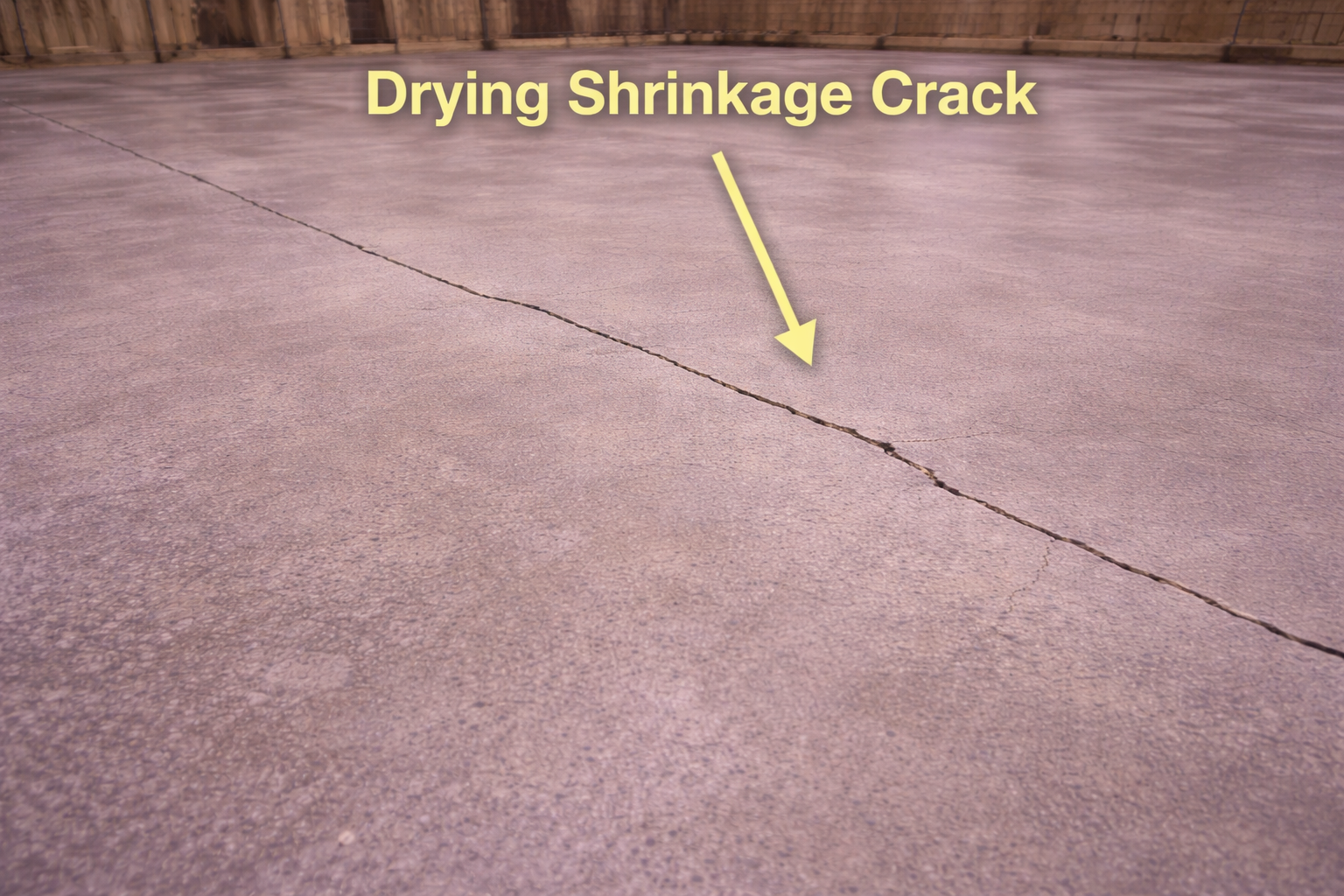
Concrete Shrinkage and Settlement (Concrete / Substrates)
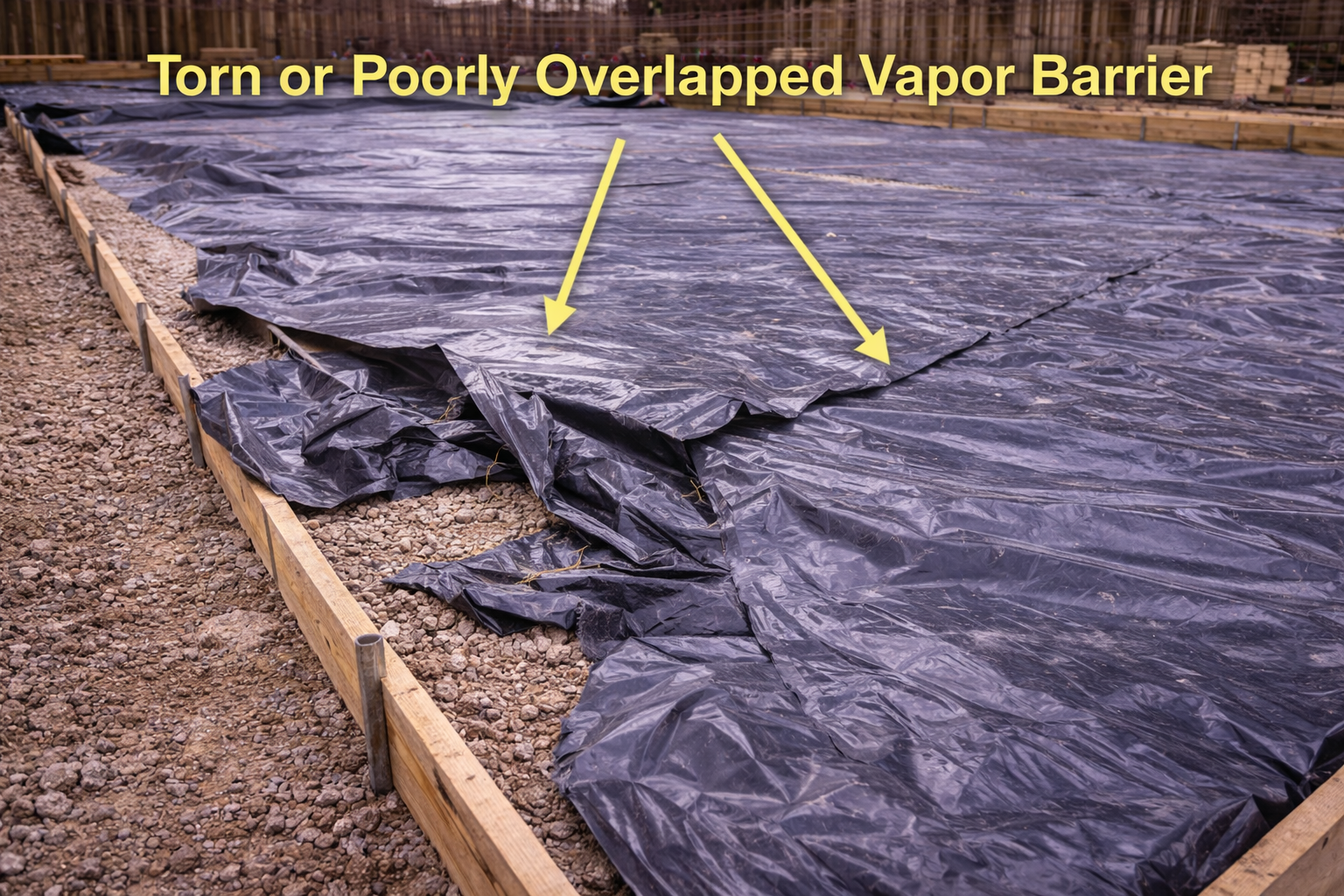
Vapor Retarders Beneath Concrete Slabs (Concrete / Substrates)
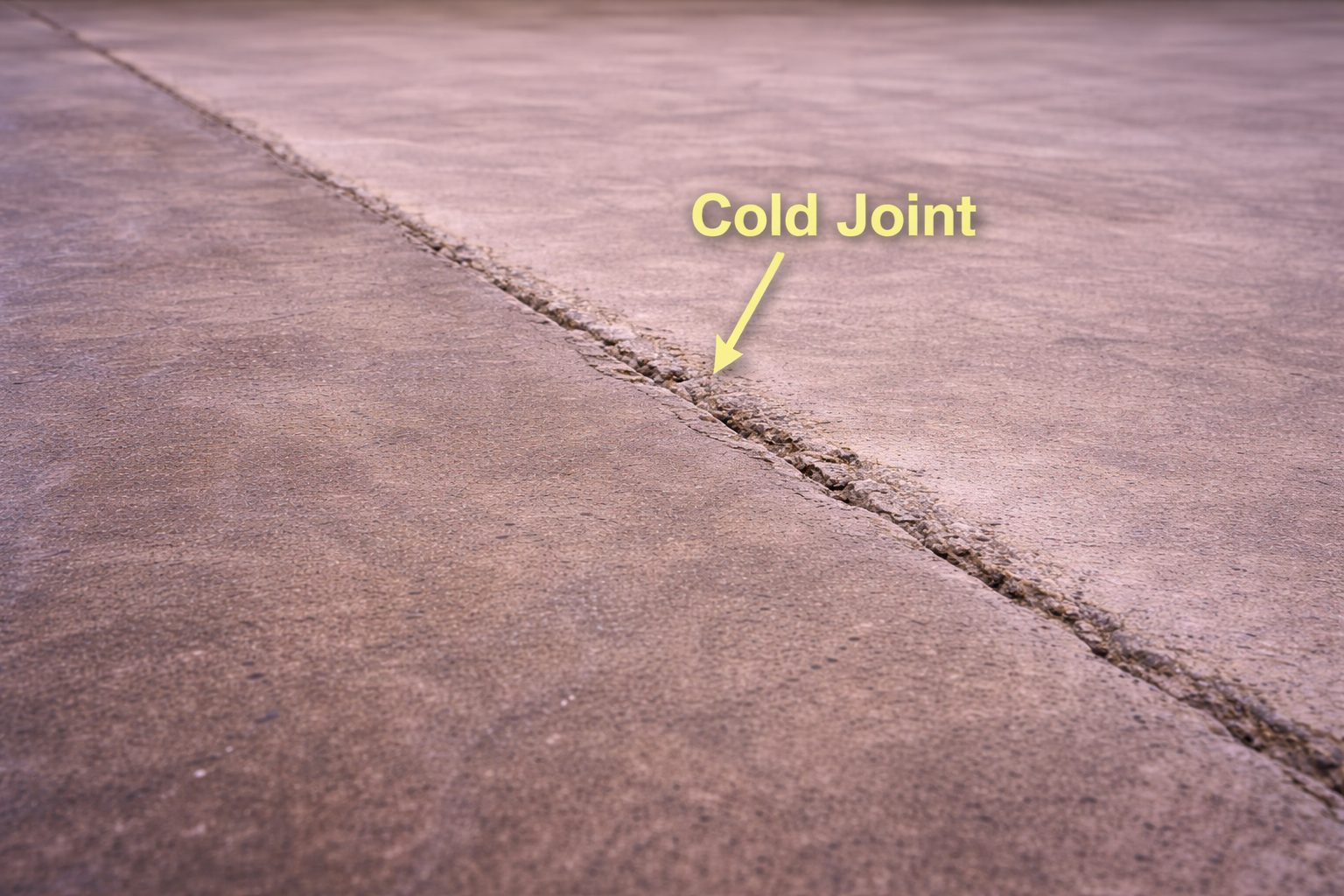
Cold Joints and Construction Joints (Concrete / Substrates)
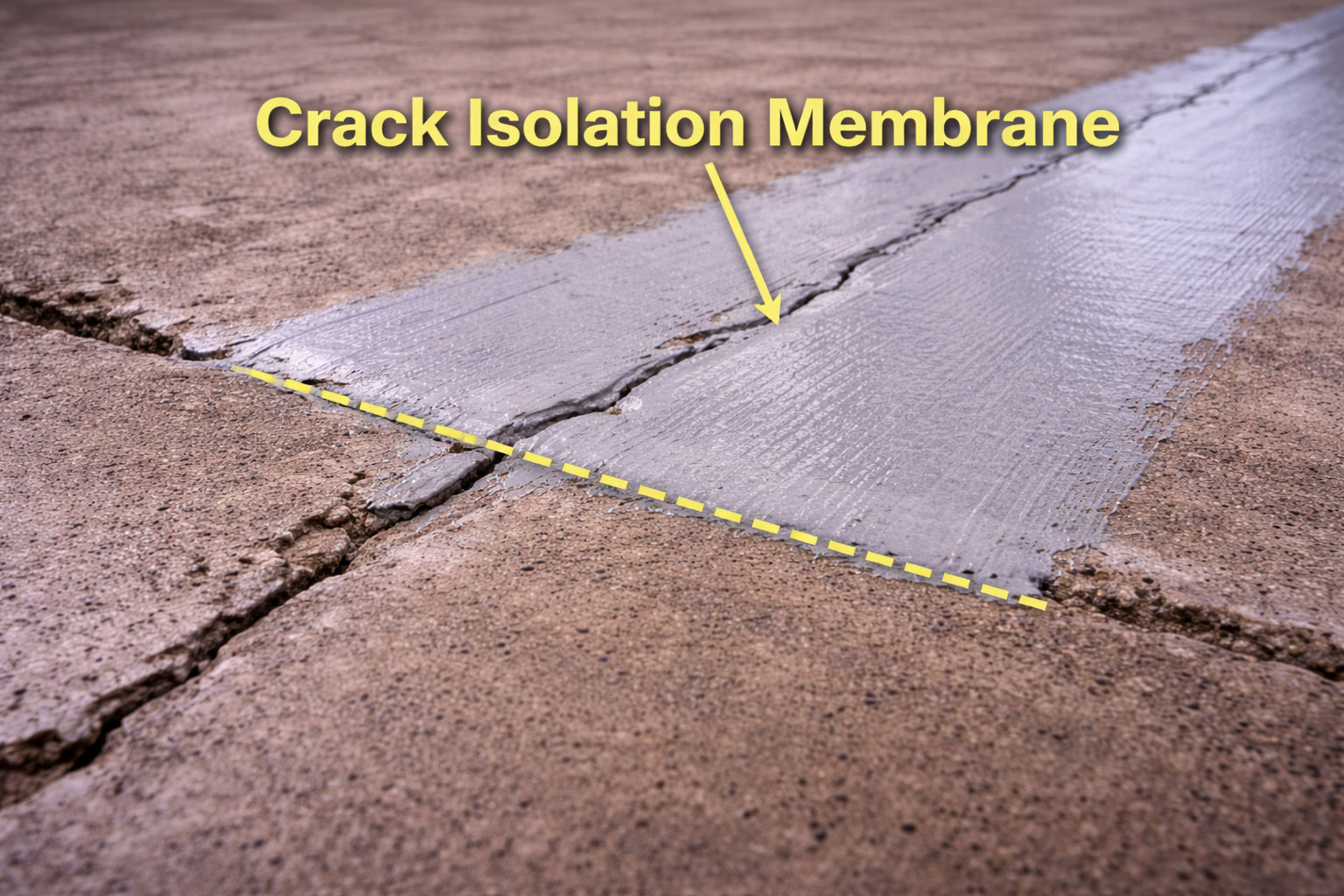
Crack Isolation and Moisture Mitigation Systems (Concrete / Substrates)
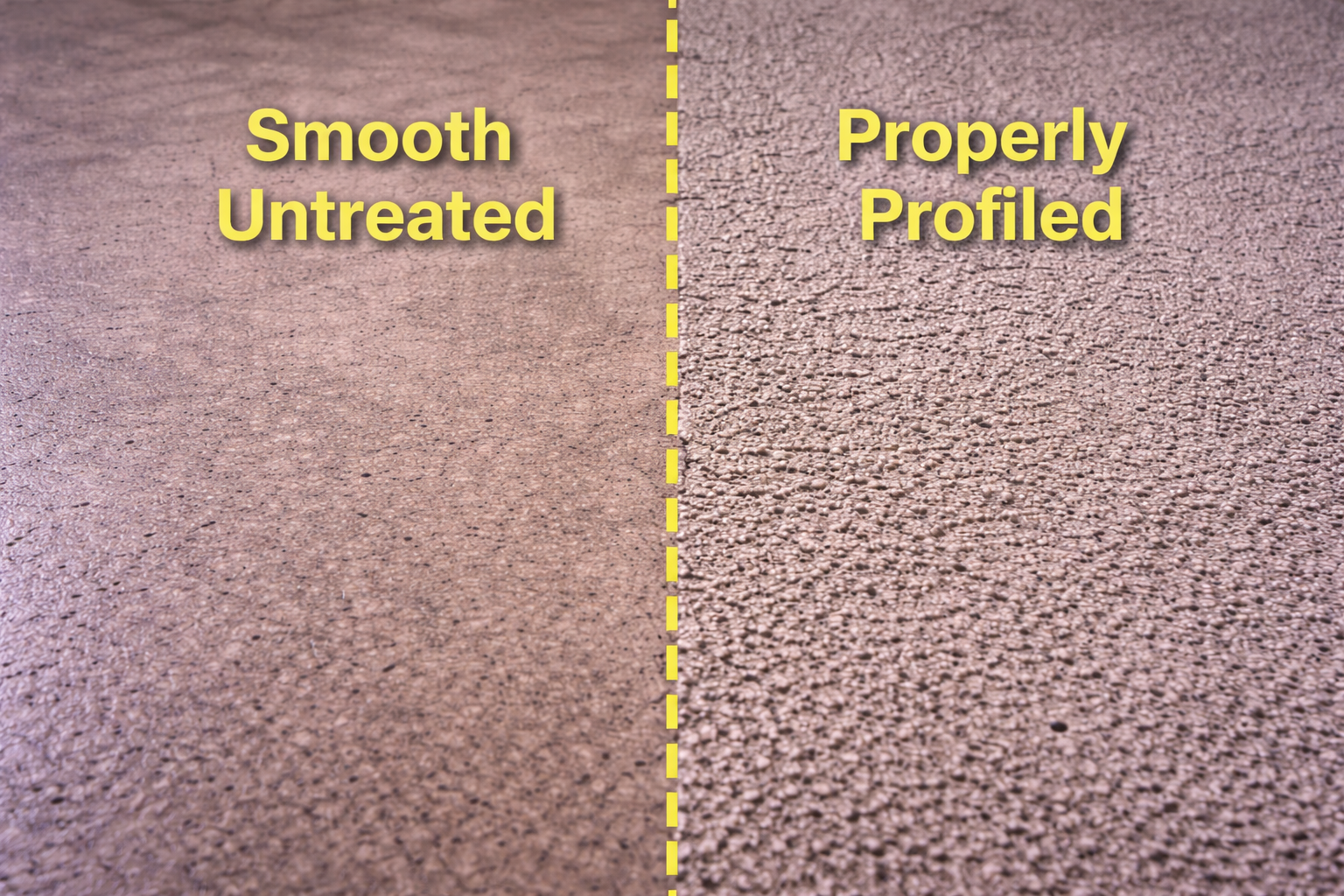
Concrete Surface Profile (CSP) and Surface Preparation (Concrete / Substrates)
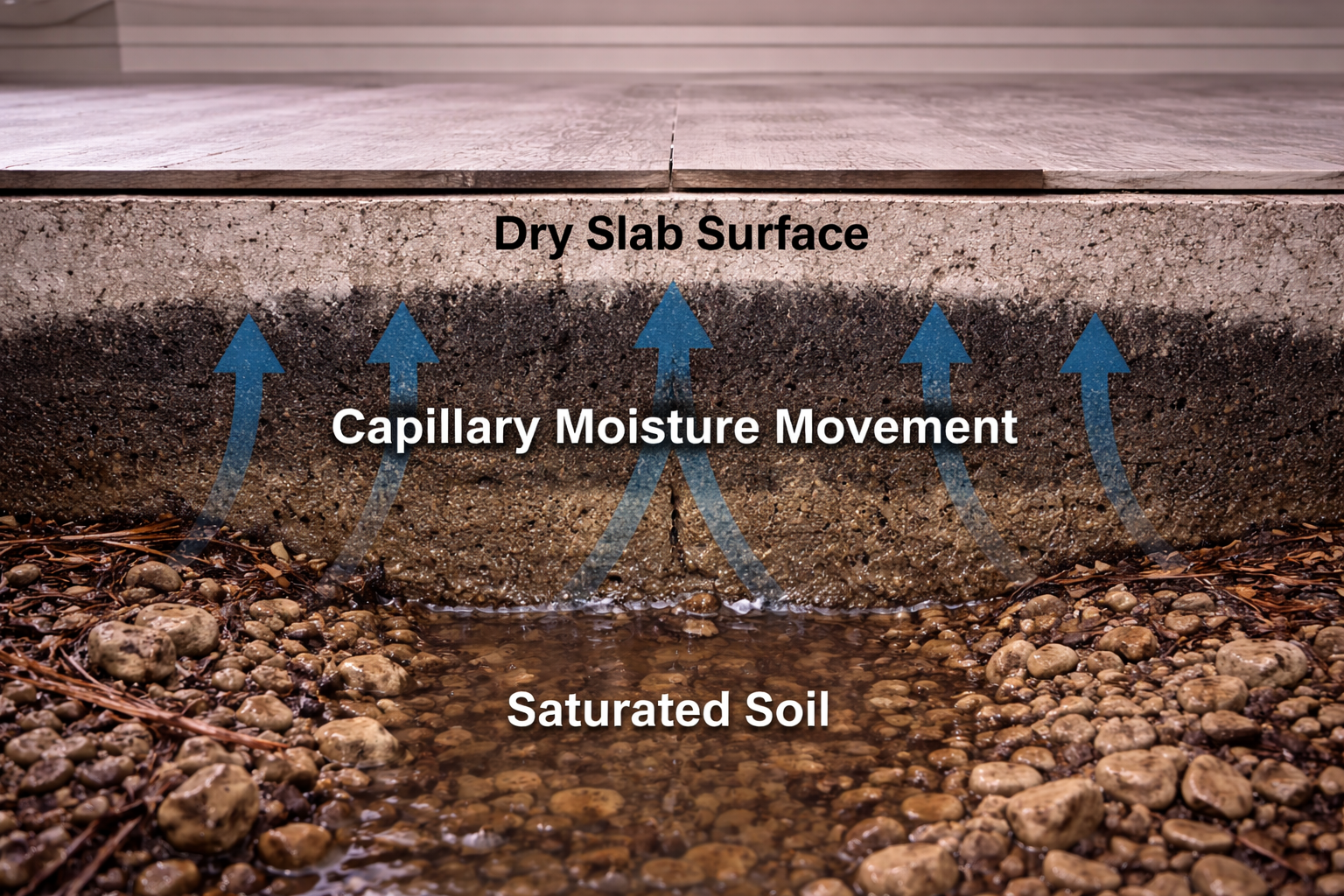
Hydrostatic Pressure and Capillary Moisture Movement (Concrete / Substrates)
Calcium Chloride (MVER) Moisture Vapor Emission Testing (Concrete / Substrates)

In-Situ Relative Humidity (RH) Testing (Concrete / Substrates)