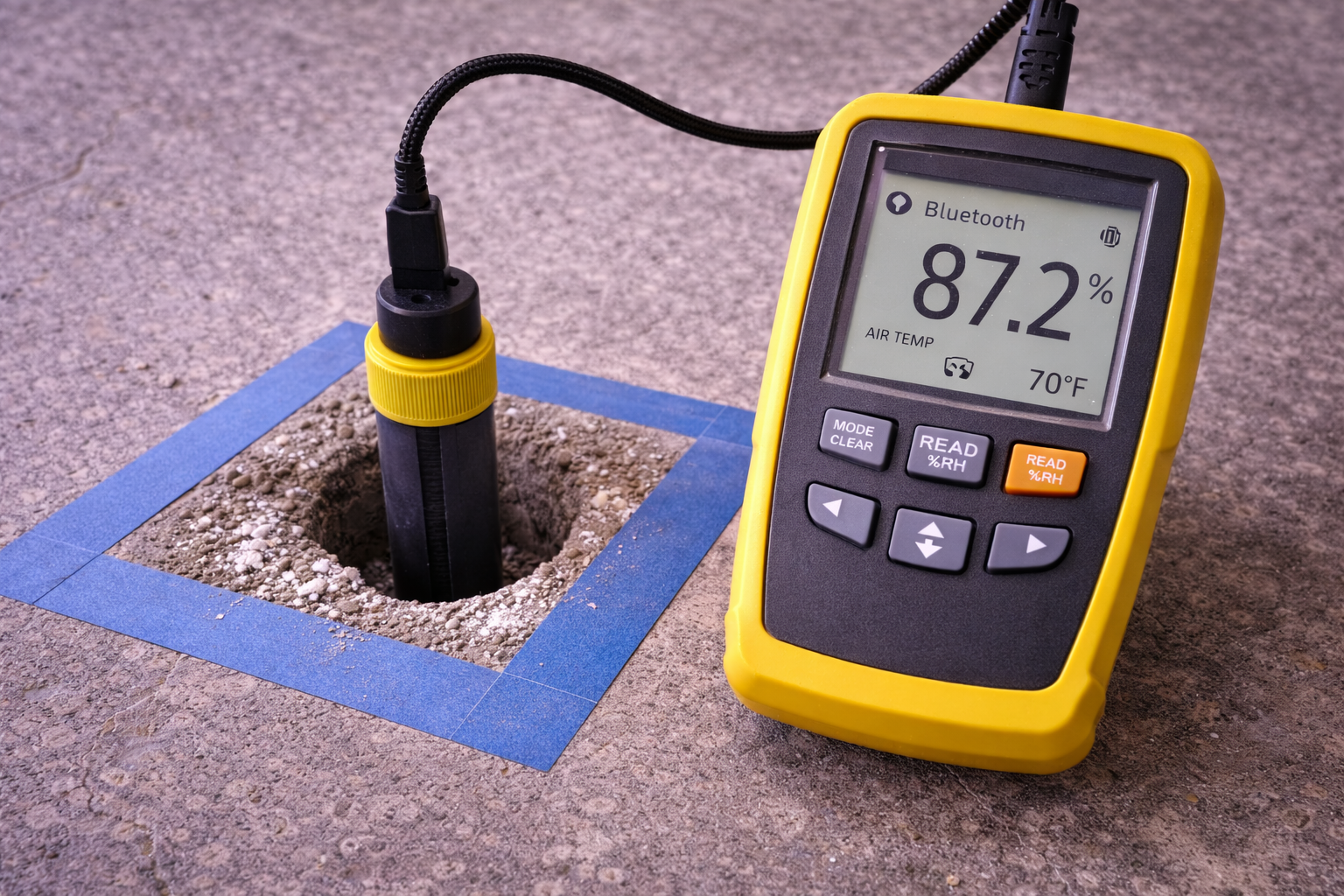

Calcium Chloride (MVER) Moisture Vapor Emission Testing (Concrete / Substrates)
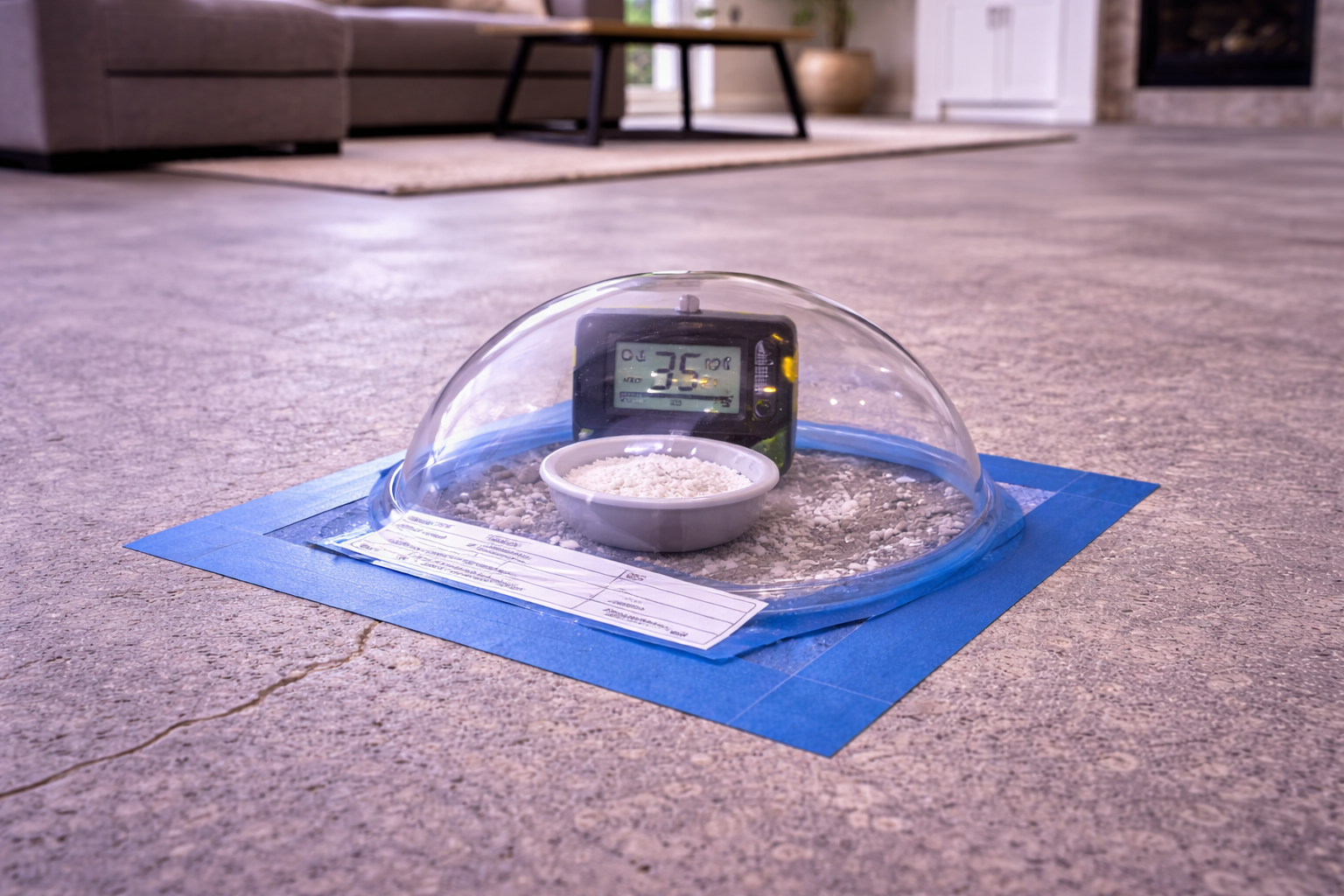
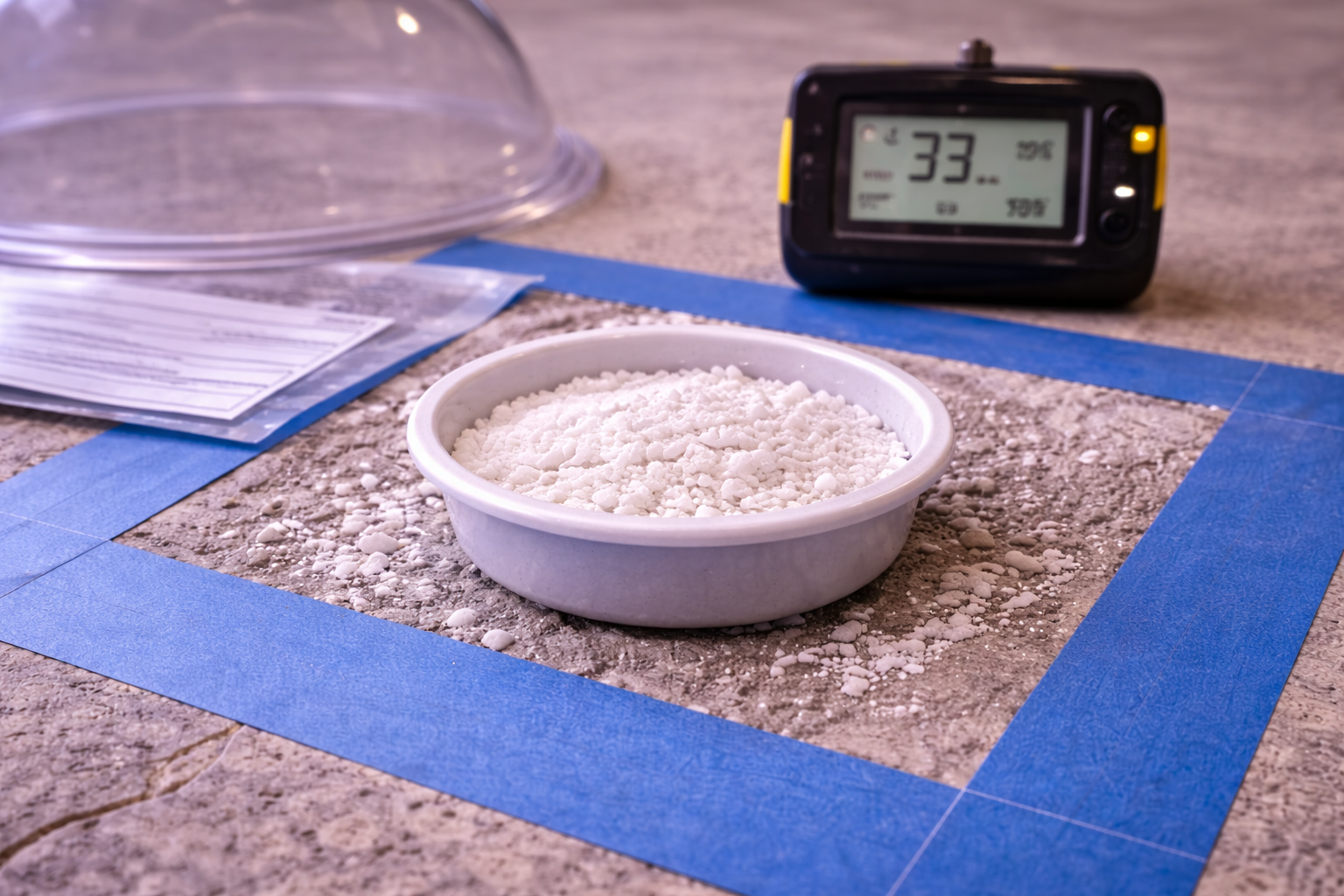
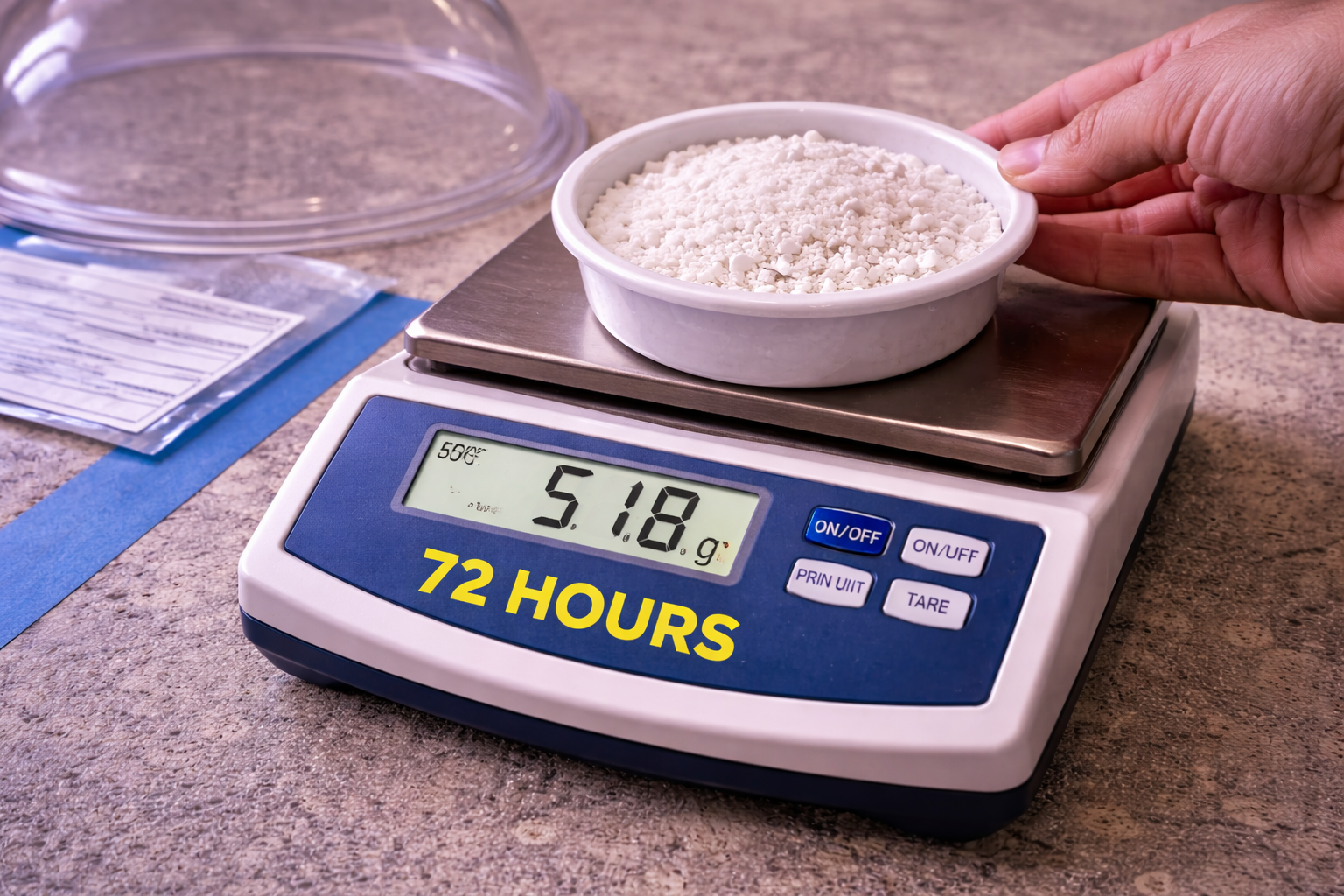
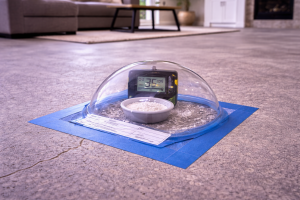
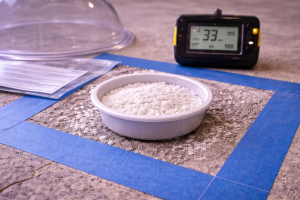

Calcium Chloride (MVER) Moisture Vapor Emission Testing (Concrete / Substrates)
Floor Detective® Claims and Conditions Guide
Summary
Calcium chloride testing, commonly referred to as Moisture Vapor Emission Rate (MVER) testing, is a surface-based moisture evaluation method used to assess concrete substrate conditions before flooring installation. The test measures the amount of moisture vapor emitted from the slab surface and absorbed by a desiccant material over a defined period, typically 60 to 72 hours. Results are expressed in pounds of moisture vapor emitted per 1,000 square feet over 24 hours and are compared with flooring and adhesive manufacturer requirements to evaluate flooring-system compatibility. MVER testing evaluates slab surface vapor emission conditions at the time and location of testing and does not directly measure internal slab moisture content or flooring-product performance. See also In-Situ Relative Humidity (RH) Testing, Moisture Testing Prior to Installation, and Concrete Substrate Problems for broader context.
Limitations of Moisture Testing (Concrete / Substrates)

Concrete Substrate Problems
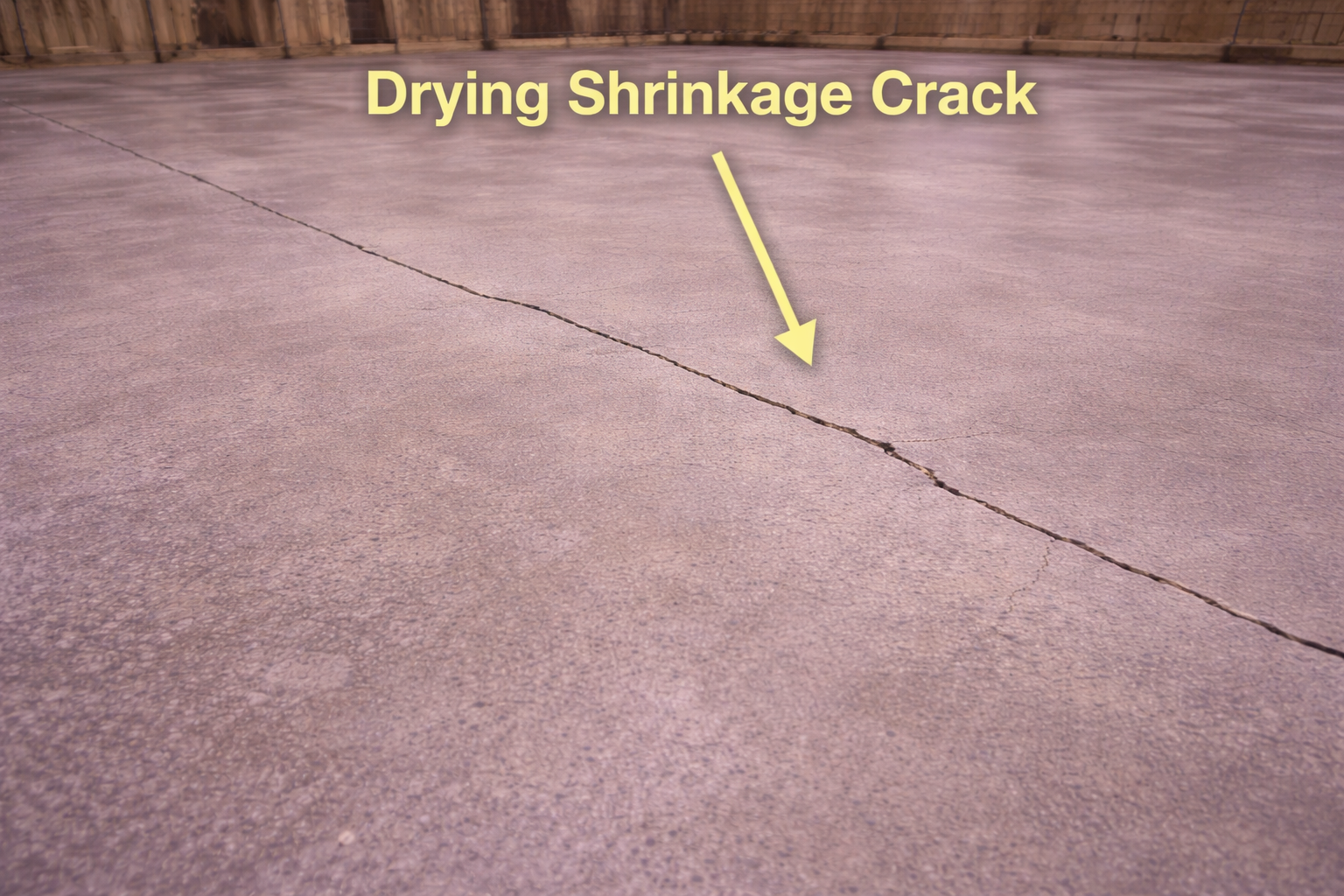
Concrete Shrinkage and Settlement (Concrete / Substrates)
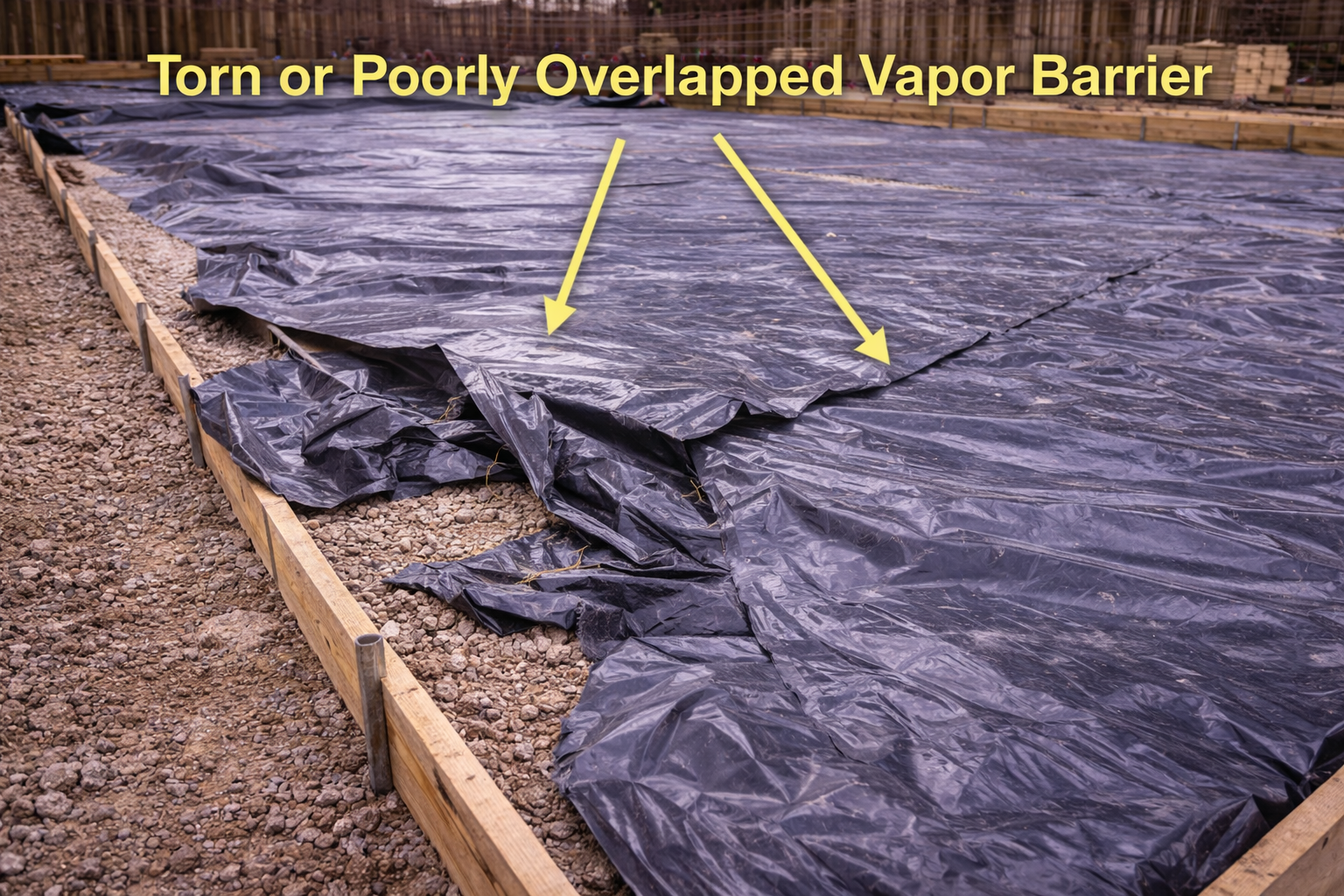
Vapor Retarders Beneath Concrete Slabs (Concrete / Substrates)
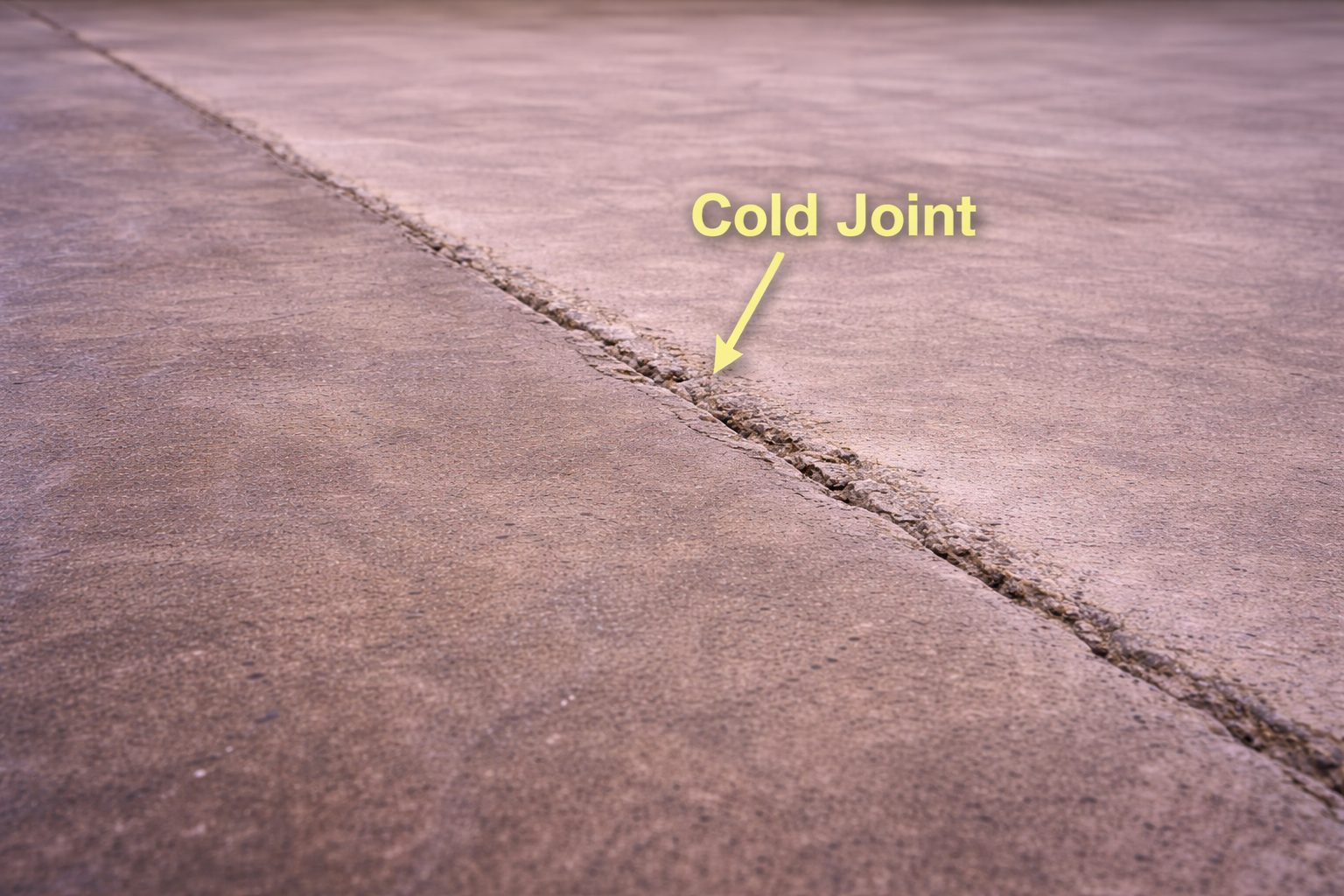
Cold Joints and Construction Joints (Concrete / Substrates)
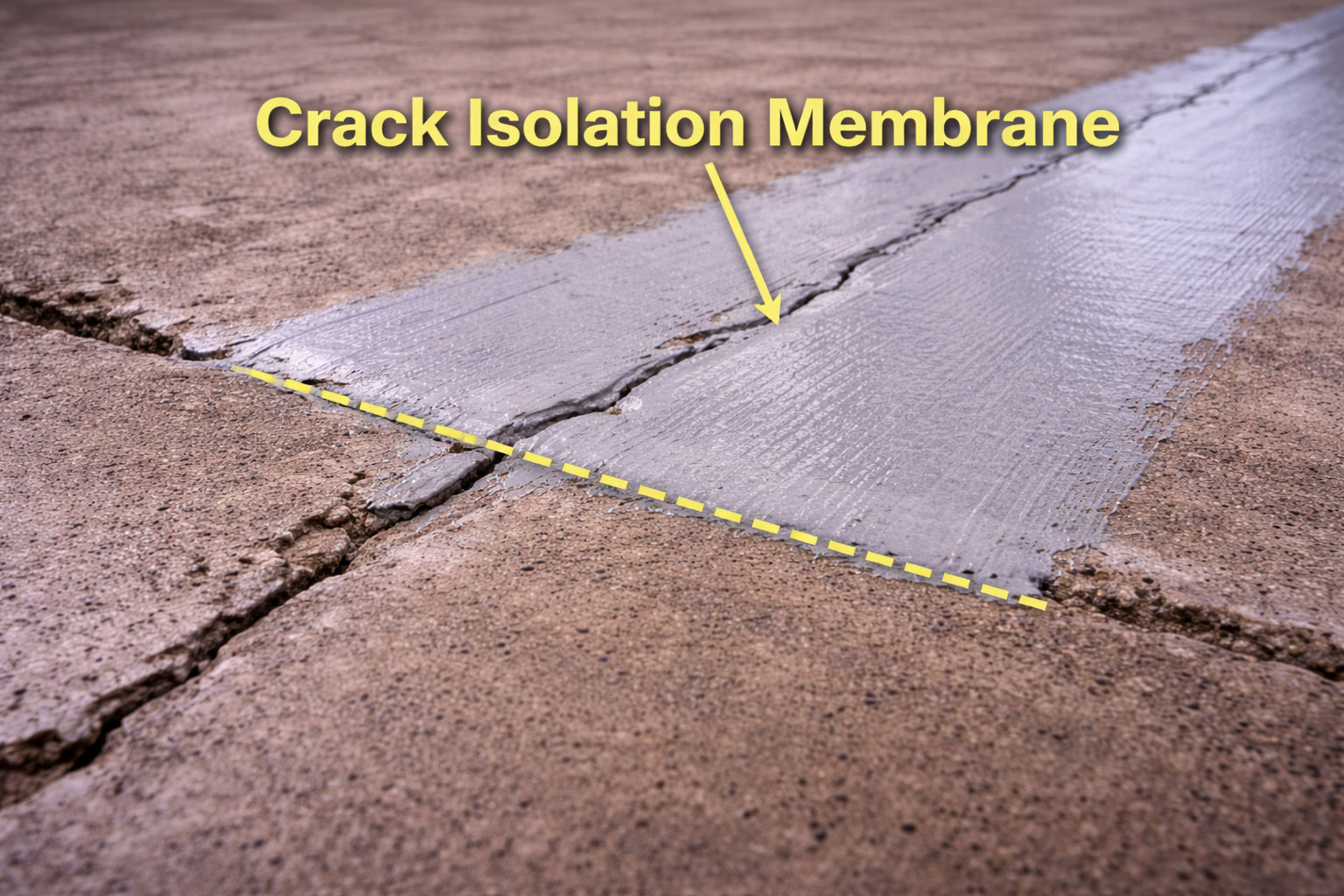
Crack Isolation and Moisture Mitigation Systems (Concrete / Substrates)
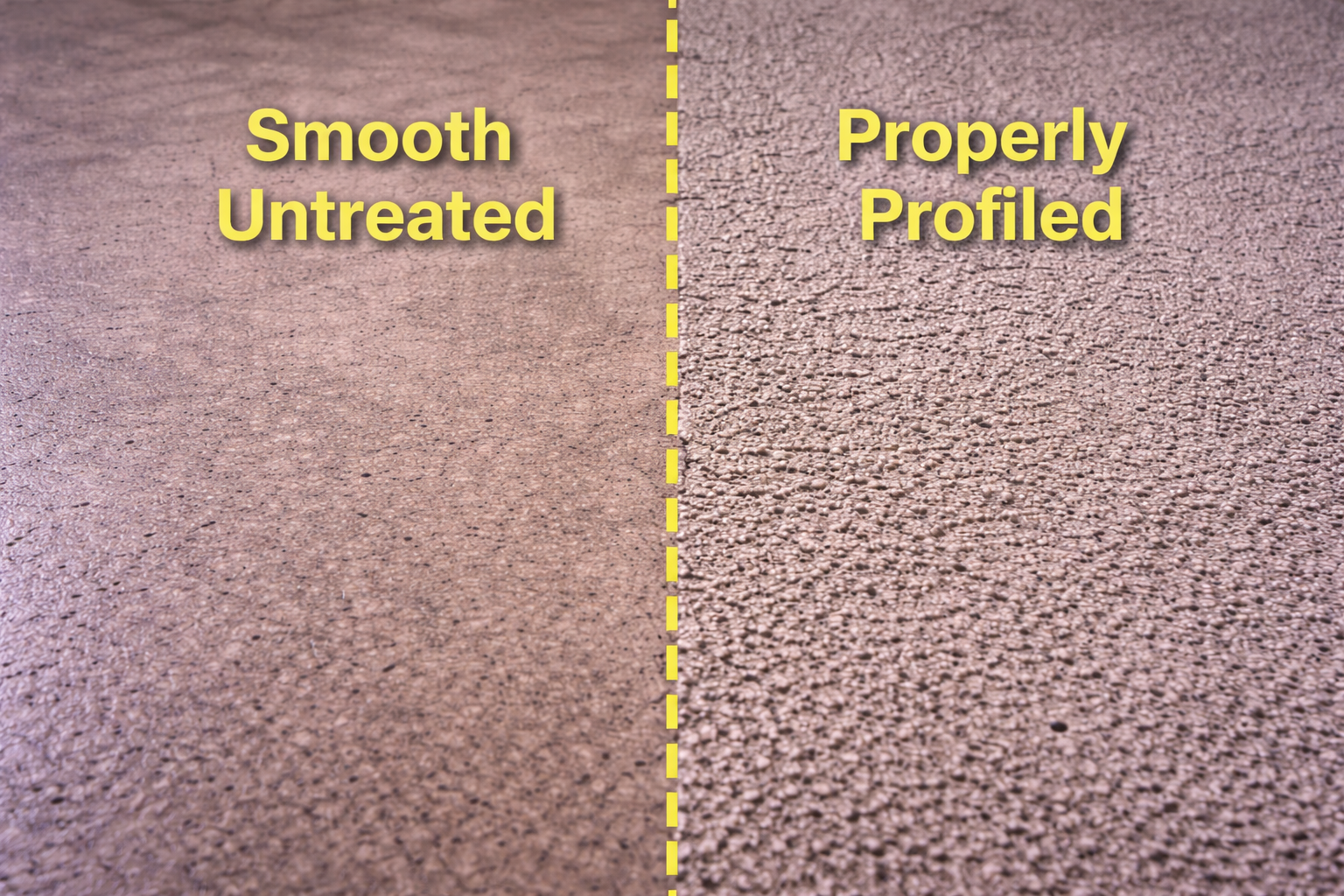
Concrete Surface Profile (CSP) and Surface Preparation (Concrete / Substrates)
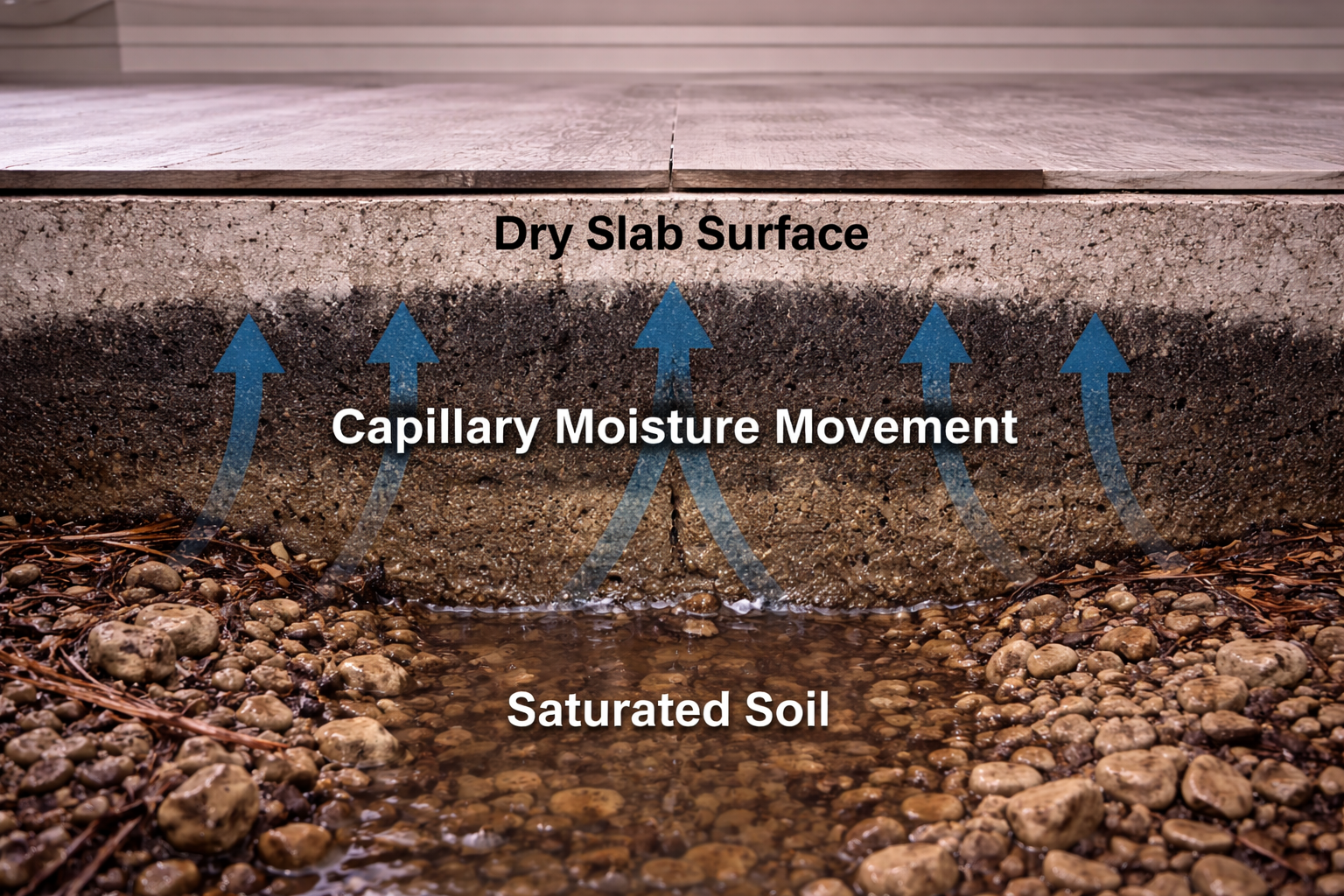
Hydrostatic Pressure and Capillary Moisture Movement (Concrete / Substrates)
Calcium Chloride (MVER) Moisture Vapor Emission Testing (Concrete / Substrates)
In-Situ Relative Humidity (RH) Testing (Concrete / Substrates)