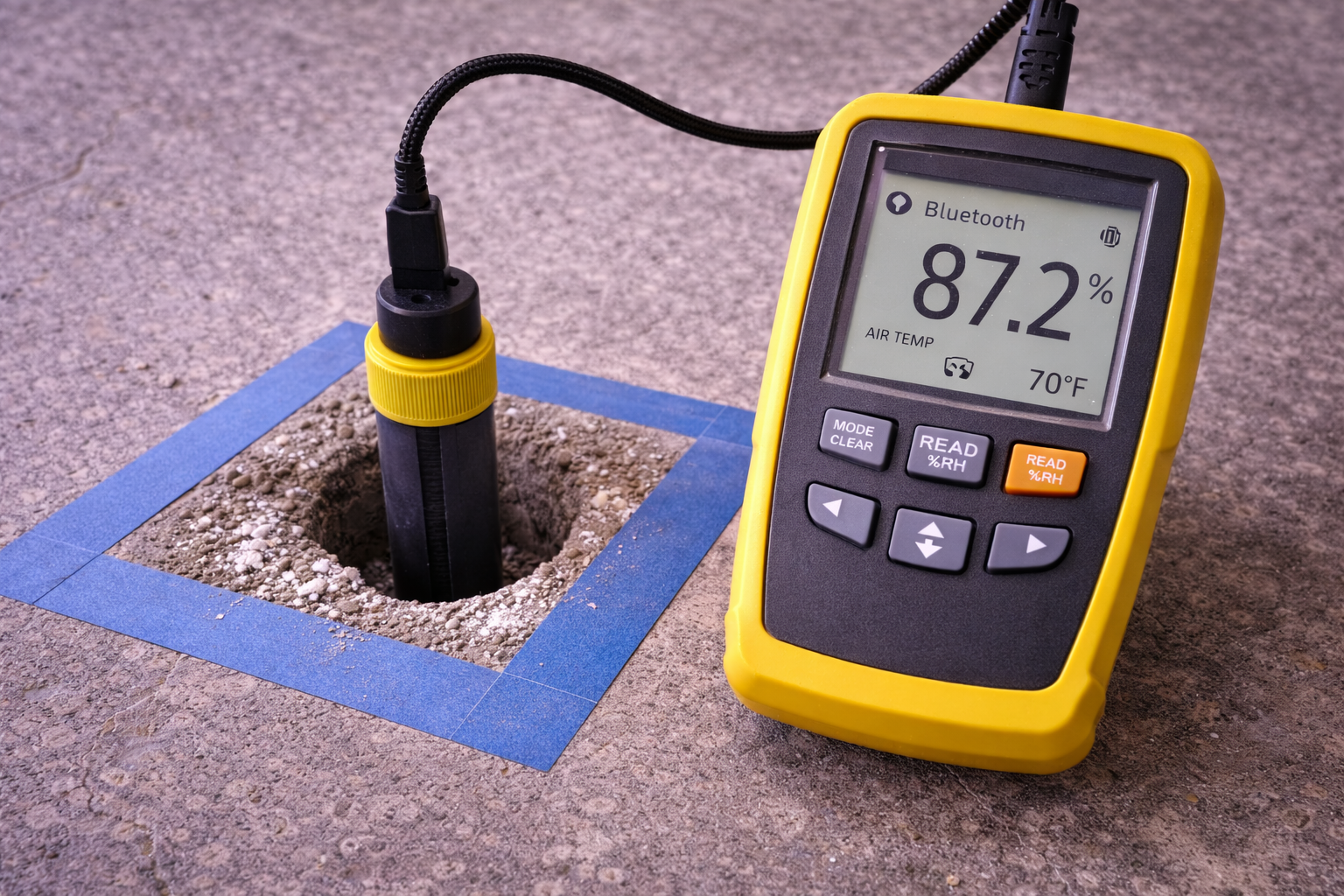

Alkali Attack and High pH Conditions (Concrete / Substrates)
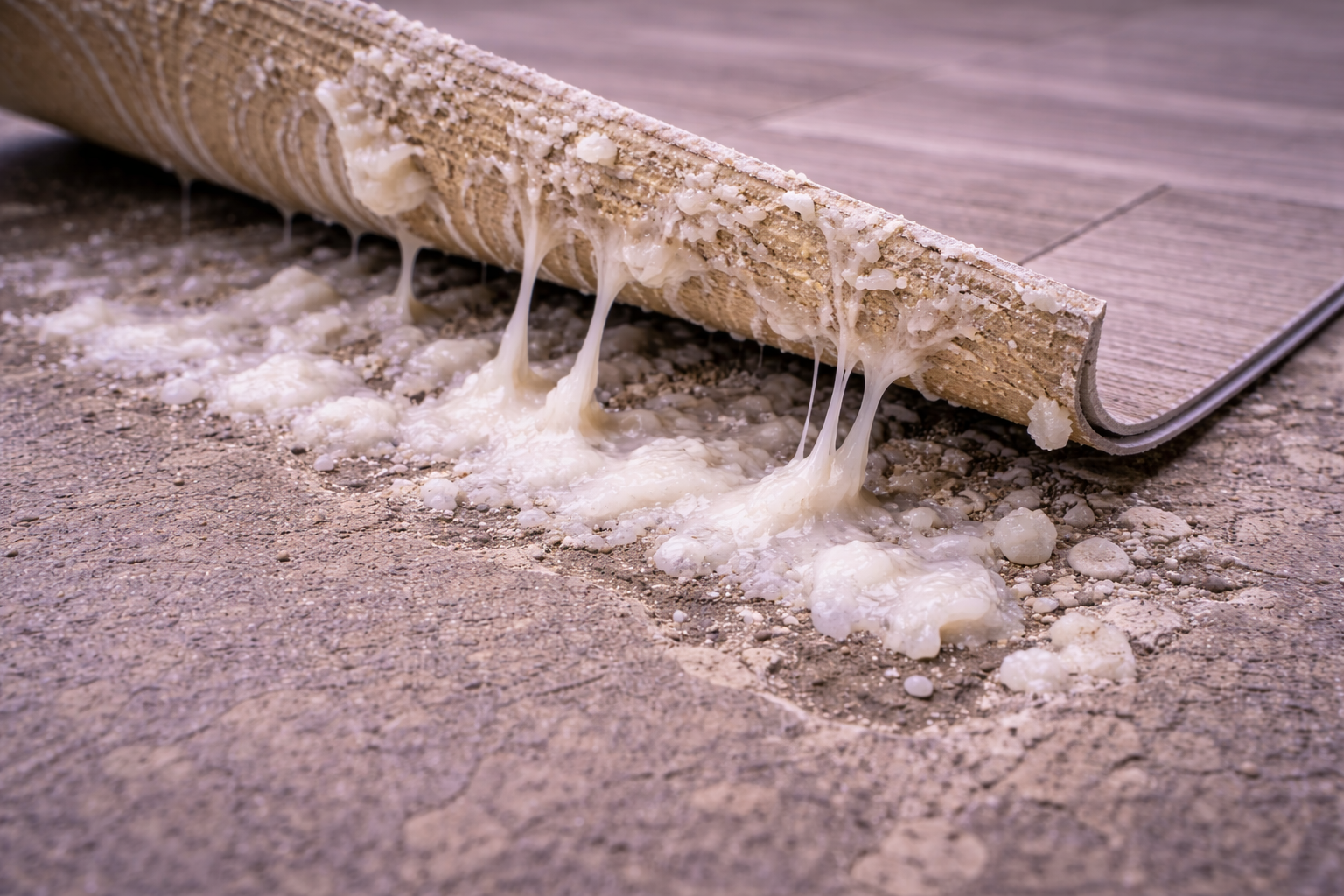
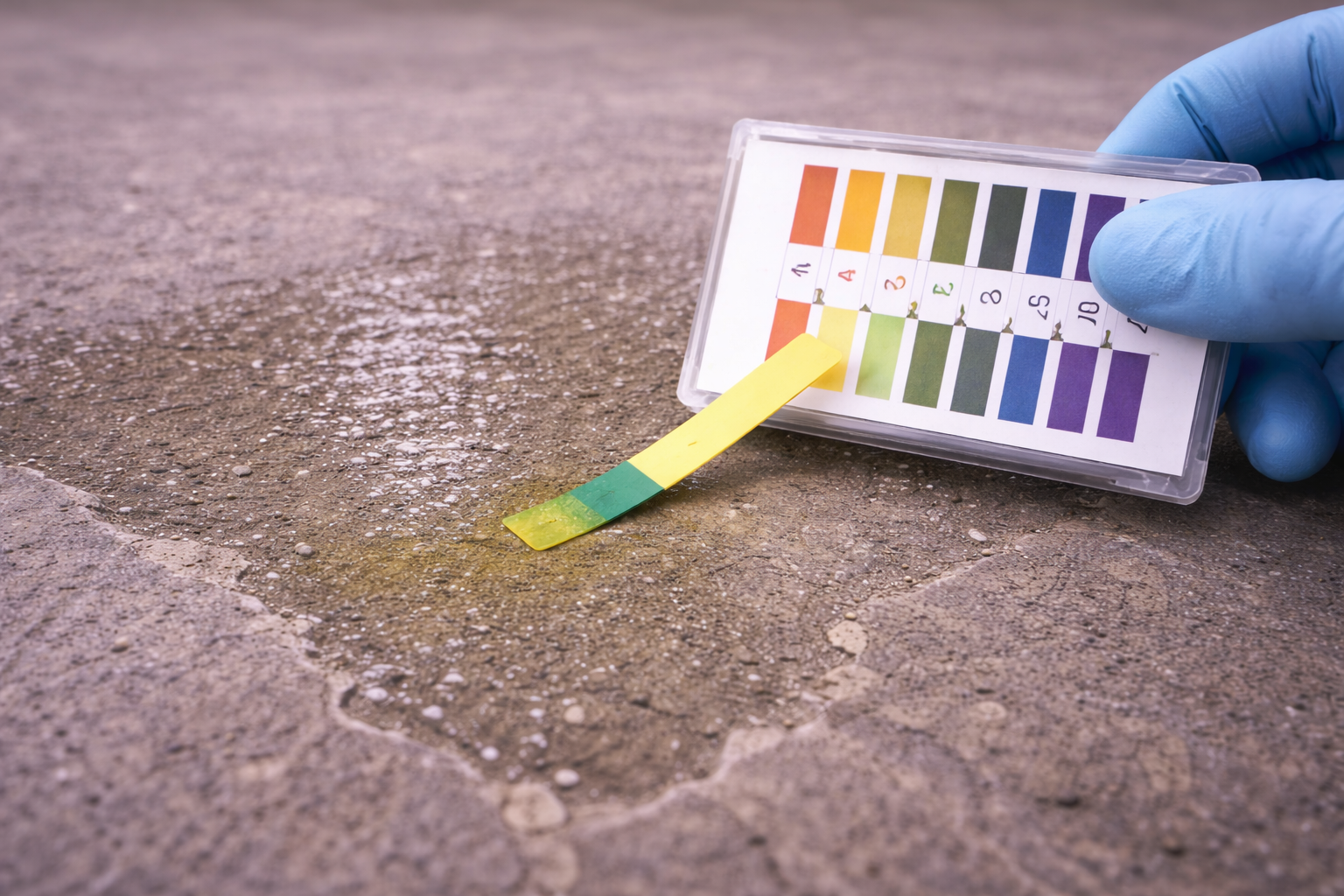
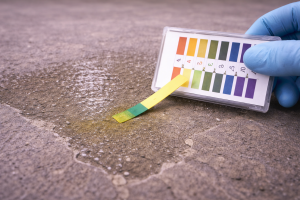
Alkali Attack and High pH Conditions (Concrete / Substrates)
Floor Detective® Claims and Conditions Guide
Summary
Alkali attack and high pH conditions involve elevated alkalinity at or near the surface of a concrete substrate that may influence flooring-system compatibility, adhesive stability, bond integrity, coatings, or long-term flooring performance. Concrete naturally exhibits high alkalinity because of cement hydration chemistry, and moisture movement within the slab may transport alkaline compounds toward the flooring interface over time. Depending on the flooring system and adhesive chemistry involved, elevated pH conditions may contribute to flooring bond failure, adhesive softening, coating breakdown, backing deterioration, staining, or other flooring-related performance concerns. The condition reflects concrete substrate chemistry and moisture dynamics rather than a defect in the flooring material itself. See also Concrete pH and Alkalinity Conditions, Moisture Vapor Emission and Slab Moisture Movement, and Concrete Substrate Problems for broader context.
Limitations of Moisture Testing (Concrete / Substrates)

Concrete Substrate Problems
Concrete Shrinkage and Settlement (Concrete / Substrates)
Vapor Retarders Beneath Concrete Slabs (Concrete / Substrates)
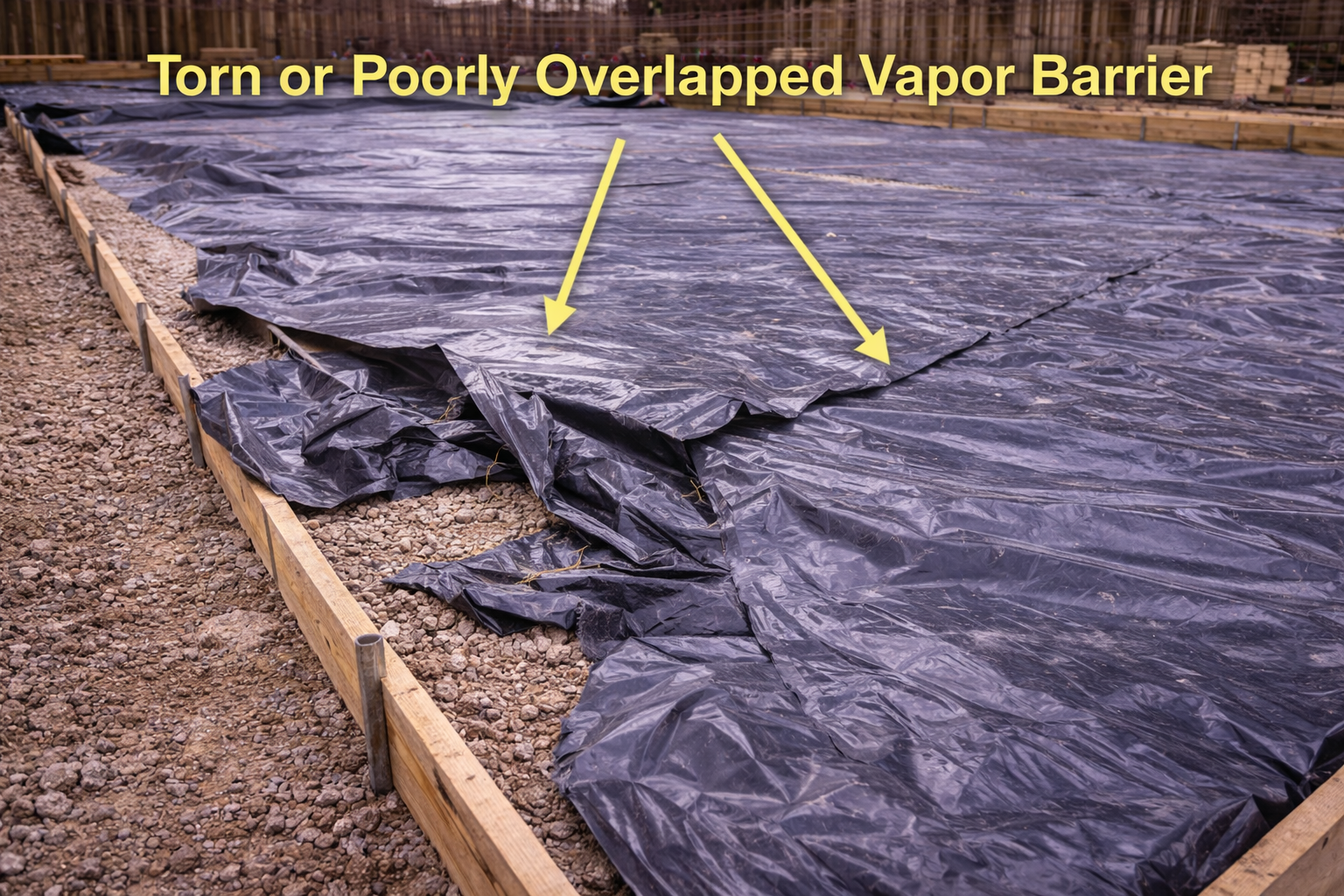
Cold Joints and Construction Joints (Concrete / Substrates)
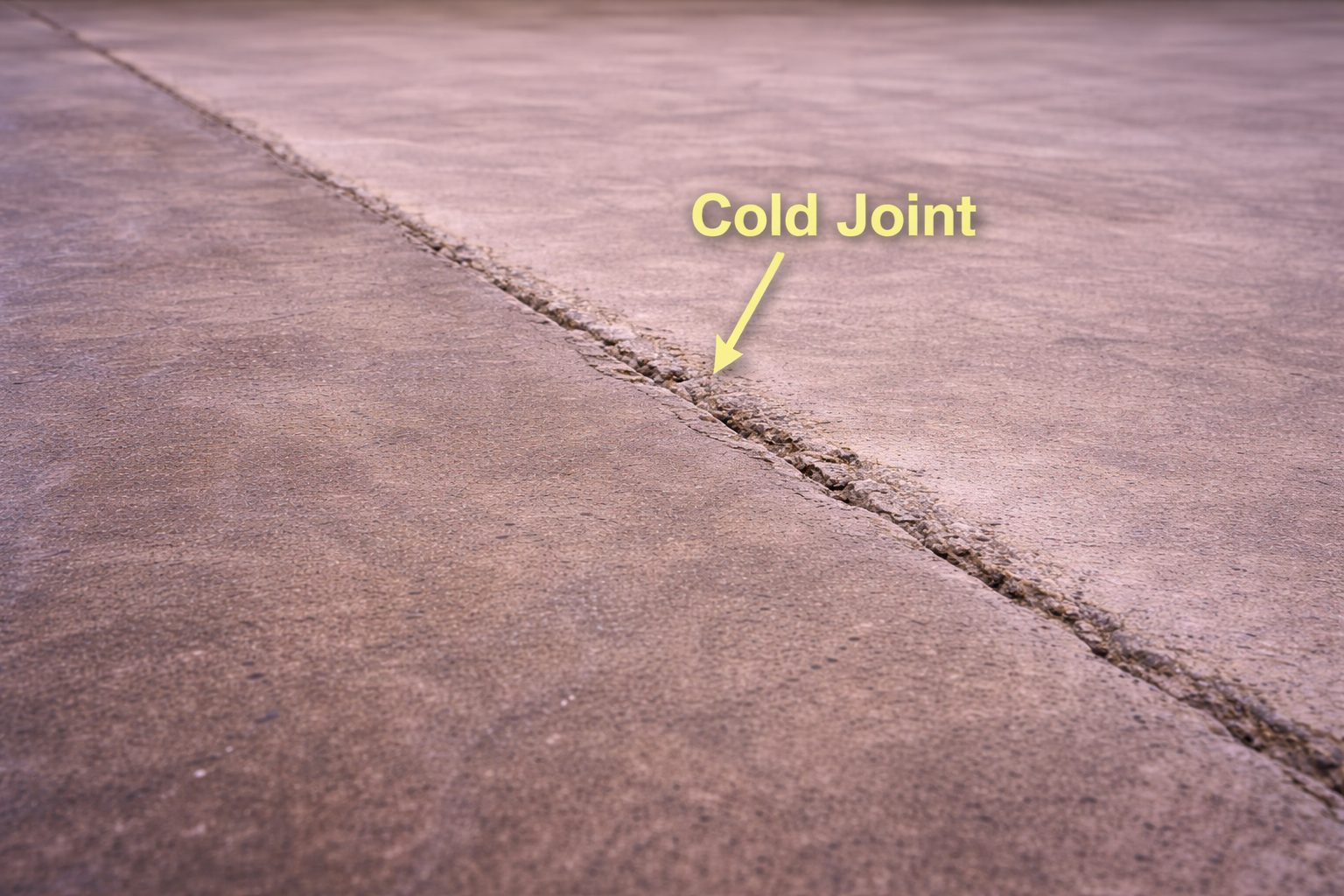
Crack Isolation and Moisture Mitigation Systems (Concrete / Substrates)
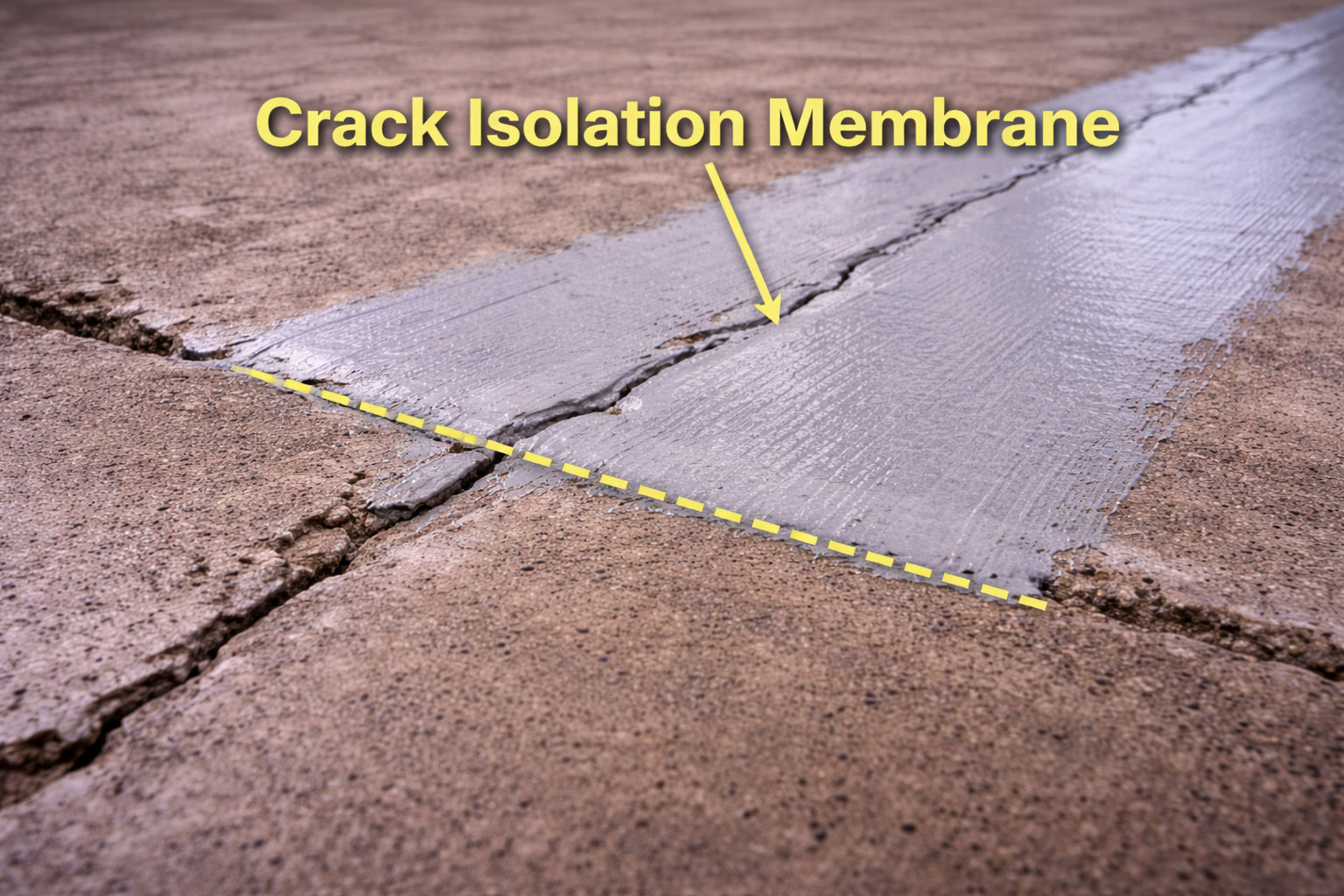
Concrete Surface Profile (CSP) and Surface Preparation (Concrete / Substrates)
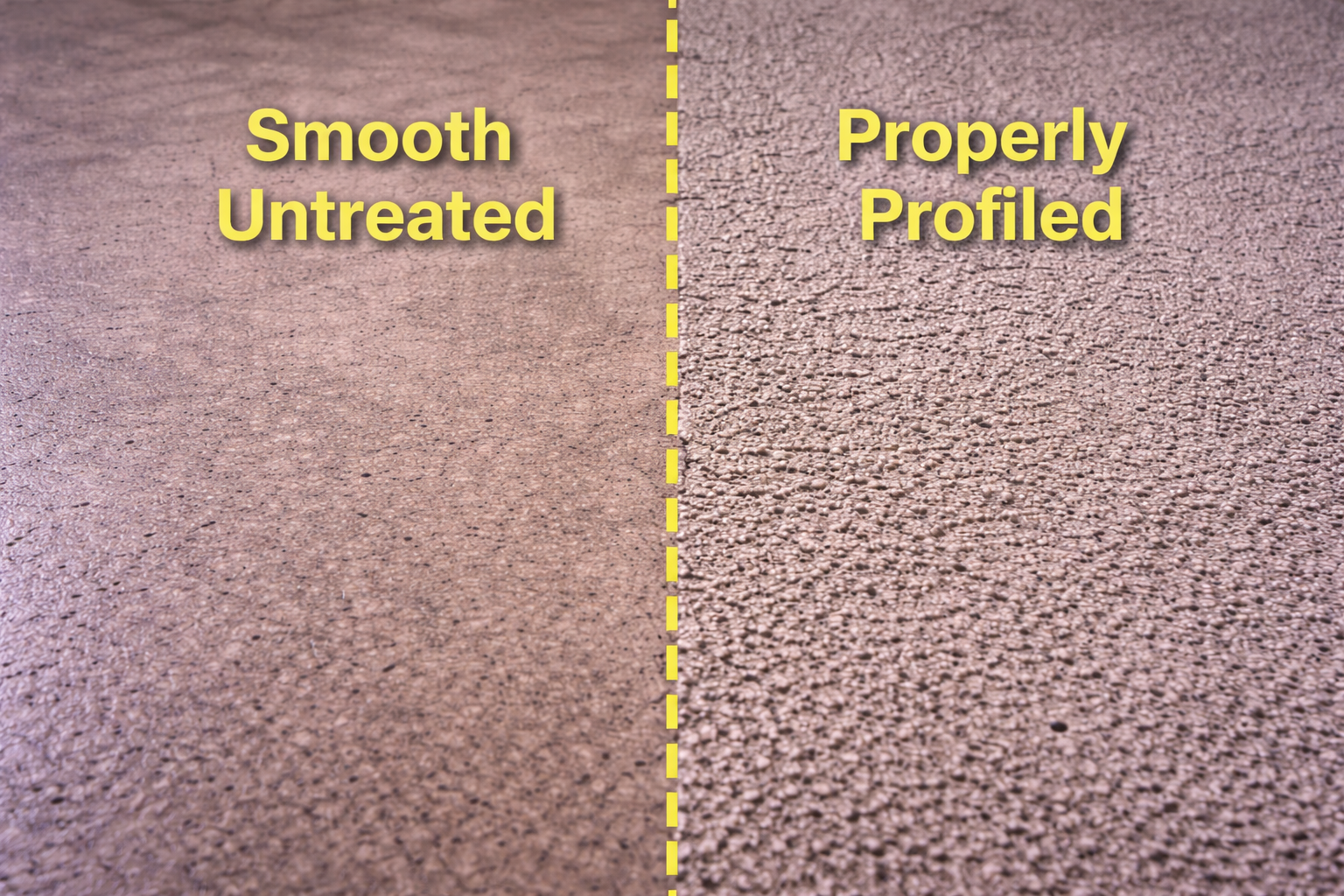
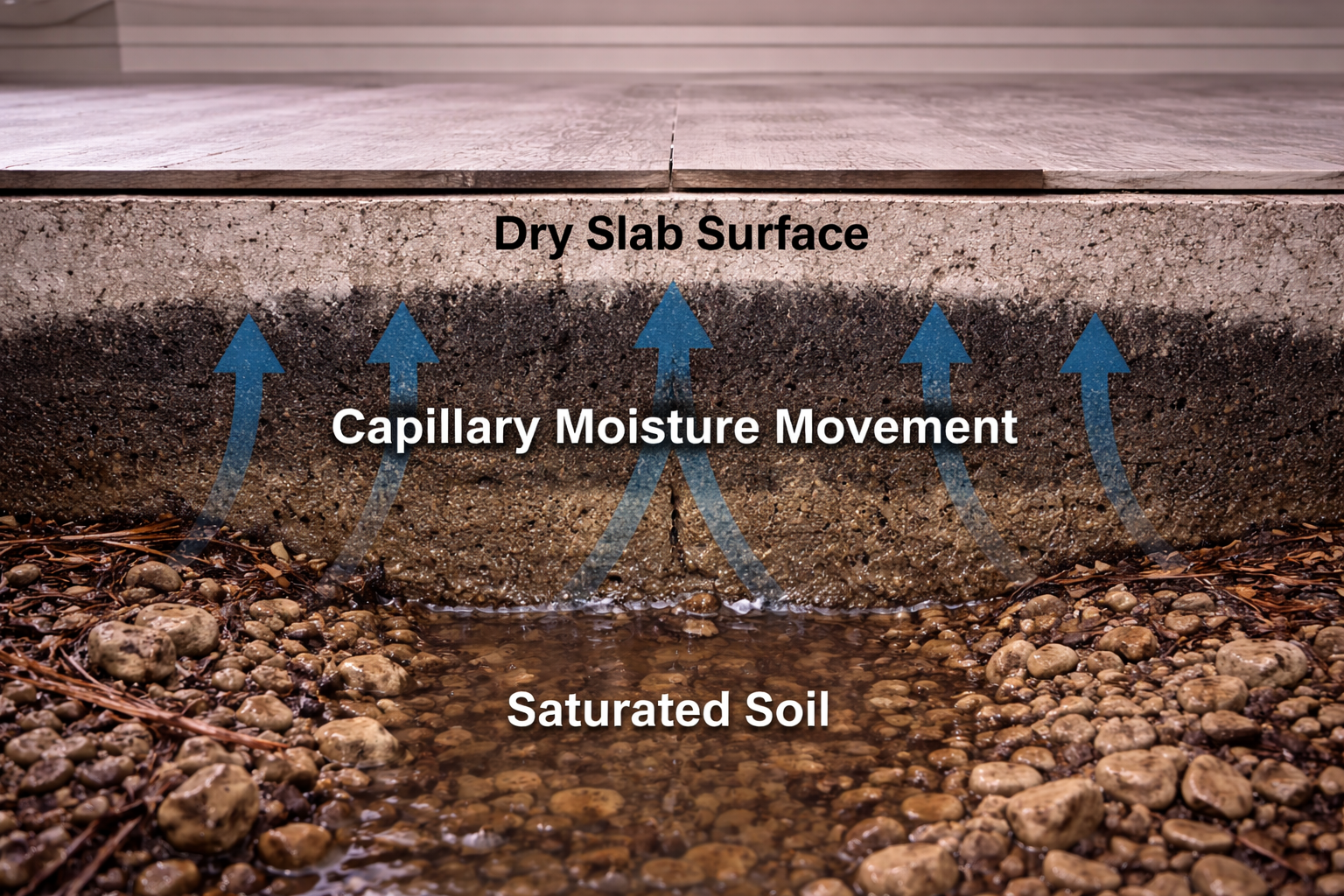
Hydrostatic Pressure and Capillary Moisture Movement (Concrete / Substrates)
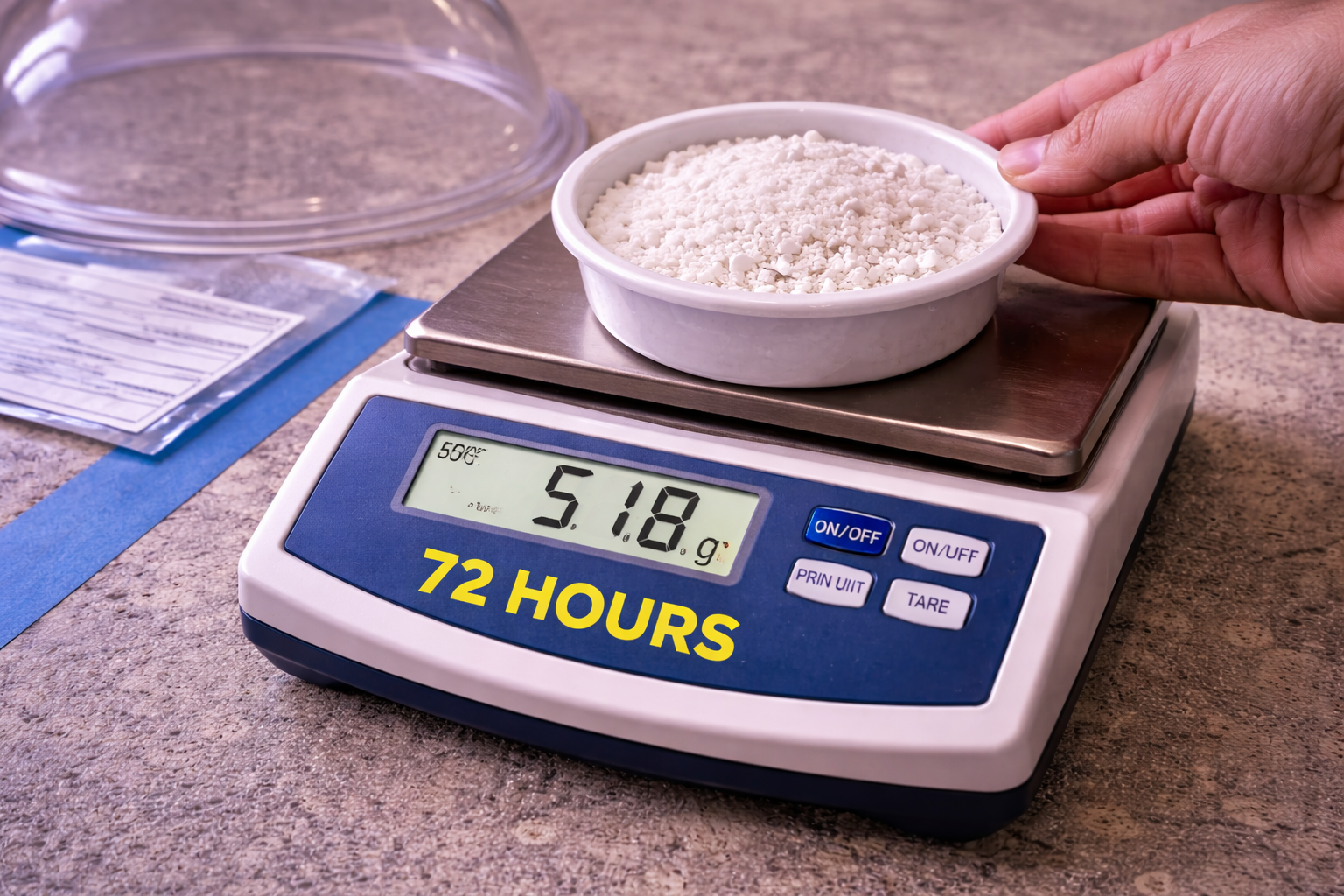
Calcium Chloride (MVER) Moisture Vapor Emission Testing (Concrete / Substrates)
In-Situ Relative Humidity (RH) Testing (Concrete / Substrates)